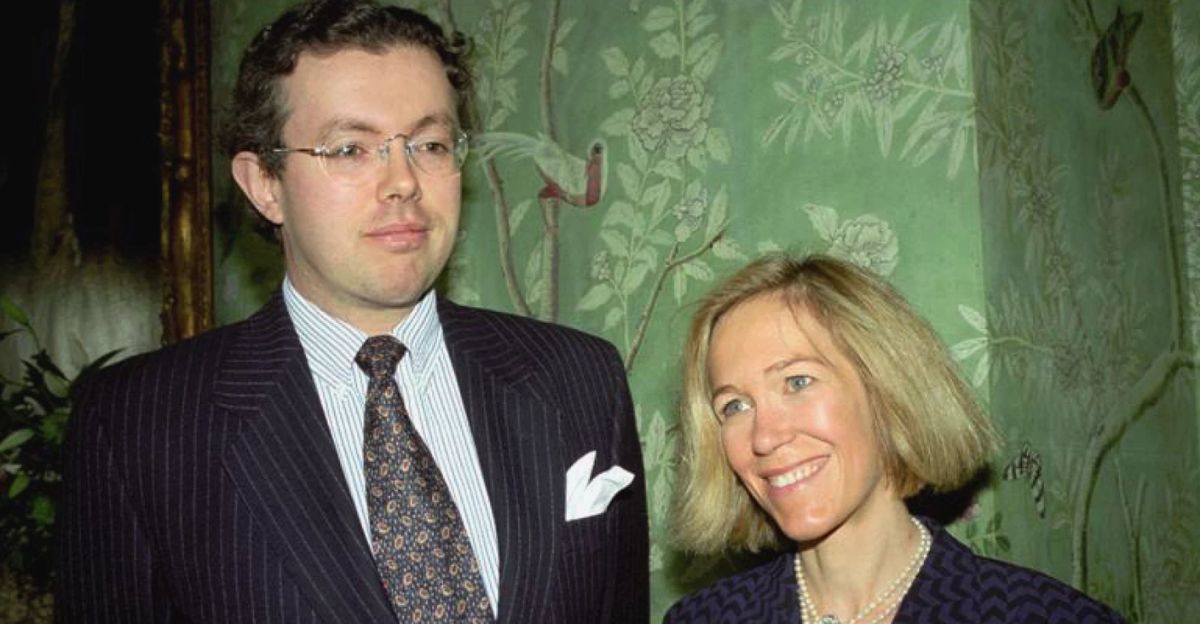
What do you do when the person you love dies in your arms, and you can’t bear to let them go? On May 7, 2012, Hans Rausing faced that unbearable question. His wife Eva collapsed in their six-story Belgravia mansion while he was in the bathroom. When he found her, she was already gone.
Instead of calling for help, Rausing made a choice that would haunt him forever: he wrapped her body in trash sacks and blankets, locked the door, and pretended she didn’t exist.
The Secret Room
For two months, Eva’s decomposed body lay hidden beneath layers of plastic, duvets, furniture, and garbage bags in a sealed annex of their London townhouse. Staff were forbidden from entering. When housekeeping asked where Mrs. Rausing had gone, her husband told them she was in California.
The room descended into chaos—syringes scattered on floors, TV screens overturned, drug paraphernalia strewn everywhere like archaeological evidence of a life collapsing in real time. No one suspected the horror that lay just inches away behind a locked door.
The Discovery

On July 9, 2012, a traffic officer pulled over a man driving erratically through south London. Drug paraphernalia and unopened letters addressed to “Eva Rausing” were found in his car. The driver was Hans Rausing, 49, grandson of Tetra Pak’s founder and heir to a multi-billion-pound fortune.
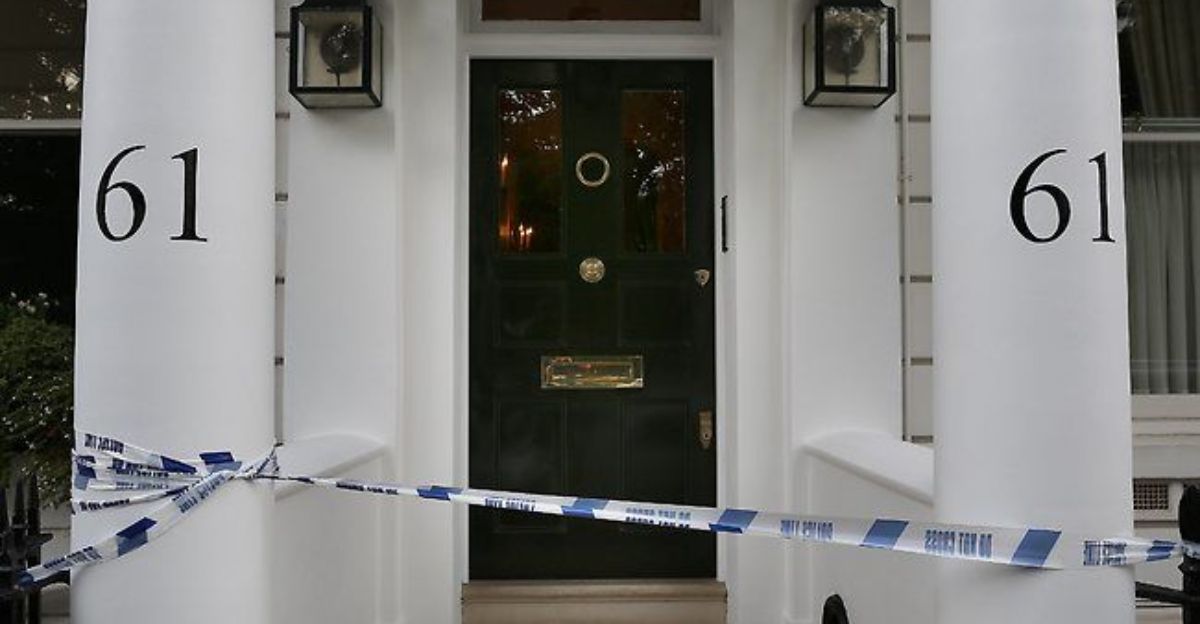
When police executed a search warrant on his mansion, they discovered something that would change how Britain viewed addiction, wealth, grief, and redemption: a woman’s decomposed remains hidden in plain sight.
The Man Behind the Wealth

Hans Kristian Rausing inherited his fortune from one of the world’s most successful family businesses. Tetra Pak, founded by his grandfather Ruben Rausing, revolutionized food packaging and created a global empire worth billions. On paper, Rausing had everything: money, status, a beautiful wife, four children, a mansion in London’s most exclusive neighborhood. But paper lies.
Behind the Georgian townhouse’s elegant façade, Hans and Eva were living a nightmare—enslaved to heroin and crack cocaine, isolated from the world, invisible to those who might have helped.
The Addiction That Started Decades Earlier

Hans Rausing first used heroin as a teenager on the beaches of Goa, India. According to his sister Sigrid’s memoir, he was searching for meaning, but found only oblivion instead. He spent the next two decades cycling between addiction and rehabilitation, getting clean, relapsing, seeking help, failing.
He met Eva in a drug rehab facility in California around 1990. She was American, beautiful, and equally trapped. They married, believing love could save them. For brief periods, it did.
The Locked Room Spreads
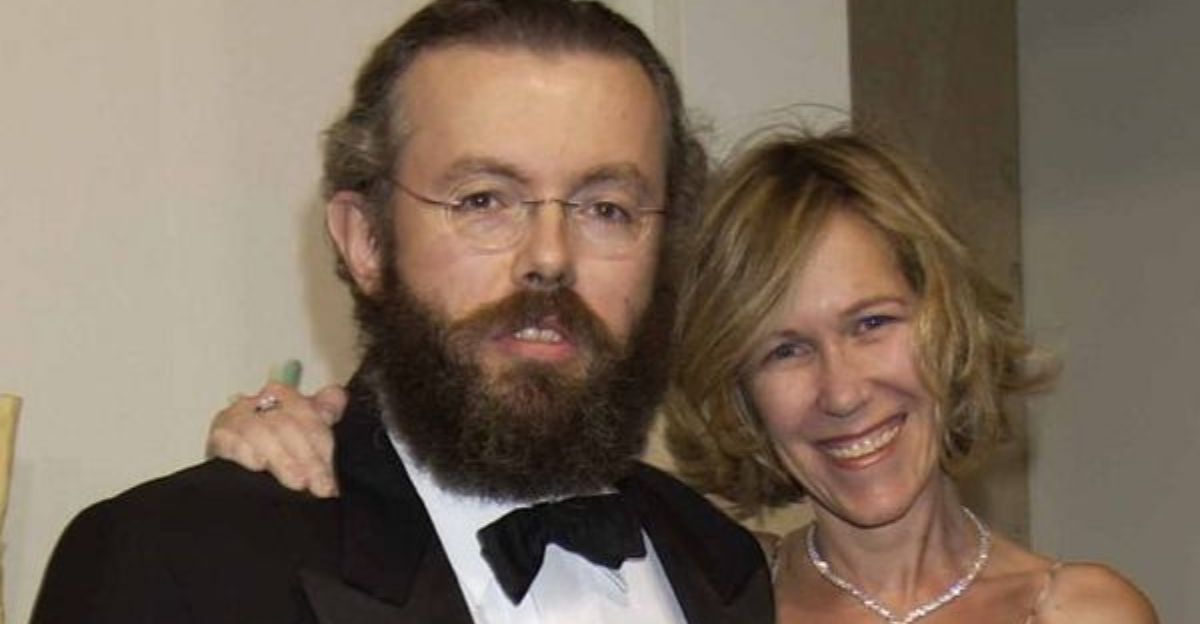
By 2007, Hans and Eva had become “virtual recluses,” confined to their mansion while their addiction deepened. Their four children—the youngest just six years old—witnessed the deterioration. They watched their mother and father disappear into themselves, watched the house transform from home into prison. Social workers intervened.
Social workers placed the four children in the care of Hans’s sister, philanthropist Sigrid Rausing, to avoid them being split between foster homes, according to family accounts and contemporaneous reports.
The Toxicology of Despair

When police stopped Rausing for driving erratically on July 9, 2012—two months after Eva’s death—blood tests showed cocaine, morphine, diazepam, and temazepam in his system. At the house, officers found Eva’s decomposed body in a sealed room, with a foil pipe used for smoking cocaine still in her hand, according to court evidence.
Toxicology later confirmed she died on May 7 from cocaine intoxication compounded by a pre-existing heart condition that the drug had triggered. She was 48 years old.
The Confession
In court, Rausing admitted everything. “I do not have a very coherent recollection of the events leading up to and since Eva’s death,” he told the judge. “I did not feel able to confront the reality of her death.” He had hidden her not from malice, but from a paralysis so complete that facing her death meant facing his own culpability, his addiction, his failure as a husband and father.
Judge Richard McGregor-Johnson sentenced him to ten months’ suspended jail—remarkable leniency given the crime.
The Bottom

Rausing hit rock bottom in a locked annex in Belgravia. He was a convicted felon who had prevented his wife’s lawful burial. His children had been removed. His freedom hung in the balance of his rehabilitation. The house he inherited—meant to be a palace—had become a mausoleum. By all rational measures, his life was over. But then something shifted.
Rausing entered a mandatory residential drug rehabilitation program. He stayed. He worked. He didn’t use.
The Woman Who Changed Everything
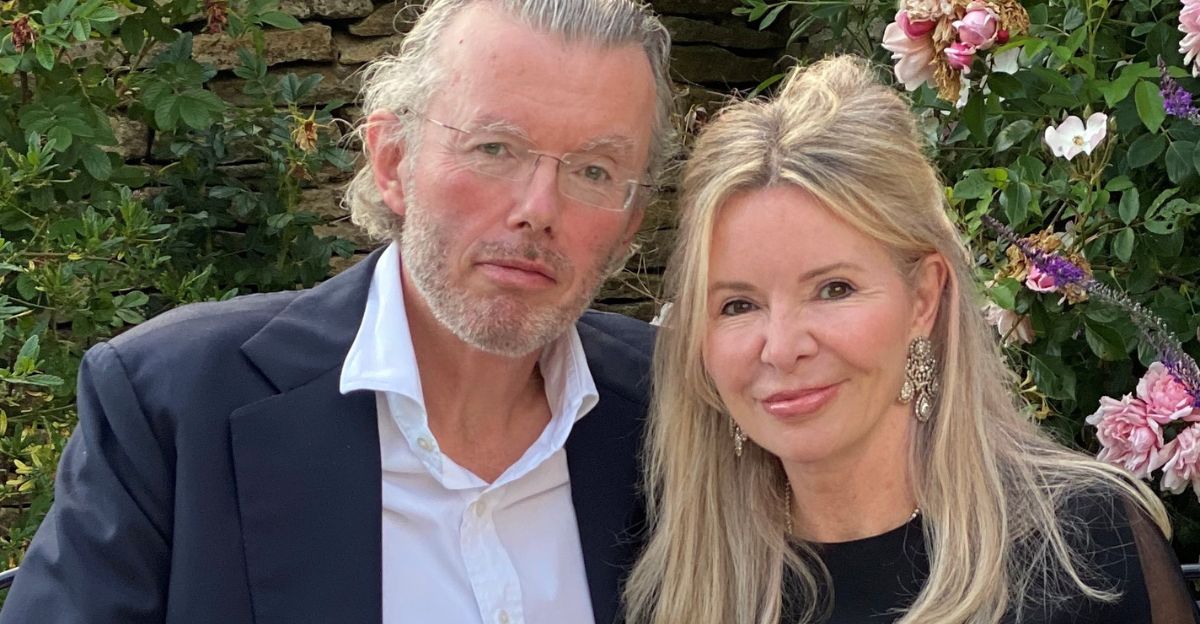
Julia Delves Broughton first met Hans Rausing in 2006 at Christie’s auction house in London, where she worked as a senior director specializing in Old Masters. Julia had her own scars: her parents’ marriage fractured when she was eleven, her younger brother died in childhood, and her beloved older sister Isabella Blow—a celebrated fashion editor—took her own life in 2007.
When Eva died in 2012, Julia stood beside Hans. She saw not a convicted criminal, but a broken man clawing his way back from oblivion.
The Turning Point
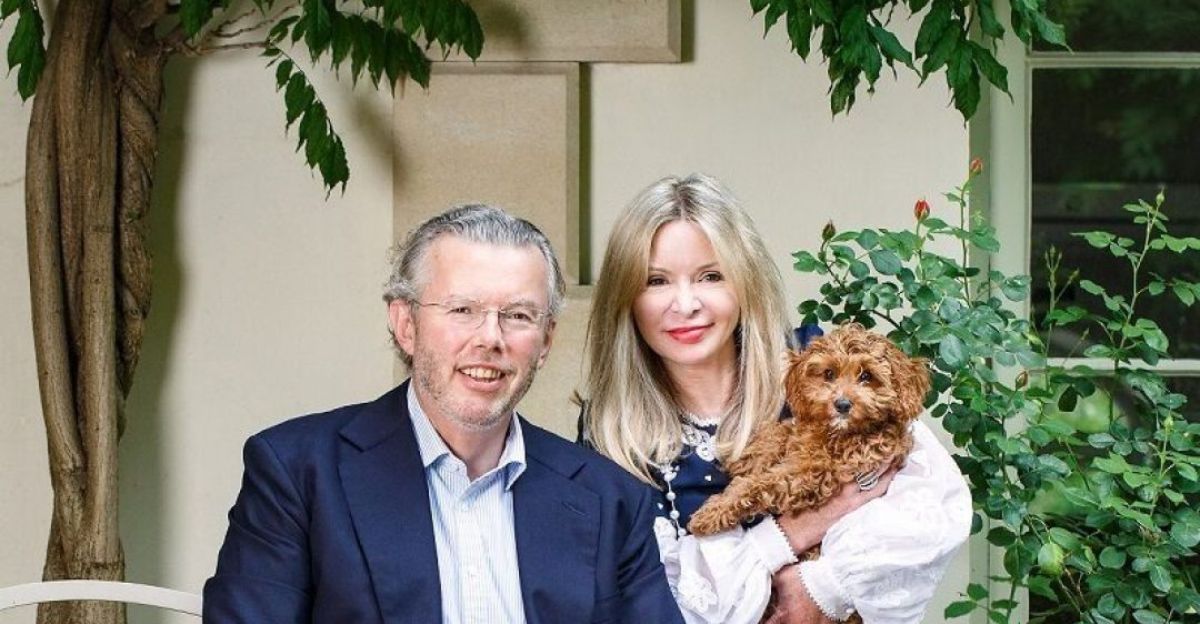
Friends who knew Hans and Julia during those early years after Eva’s death use the same phrase: she “brought him back from appalling grief.” Julia didn’t erase his past; she helped him stop running from it. She helped him understand that his fortune, inherited as if by accident of birth, could be redirected toward healing instead of hidden in a locked room like Eva’s body.
In July 2014, they married at Woburn Abbey. Together, they committed to something radical: channeling billions into the causes that might have saved them both.
The Trust That Changed Everything
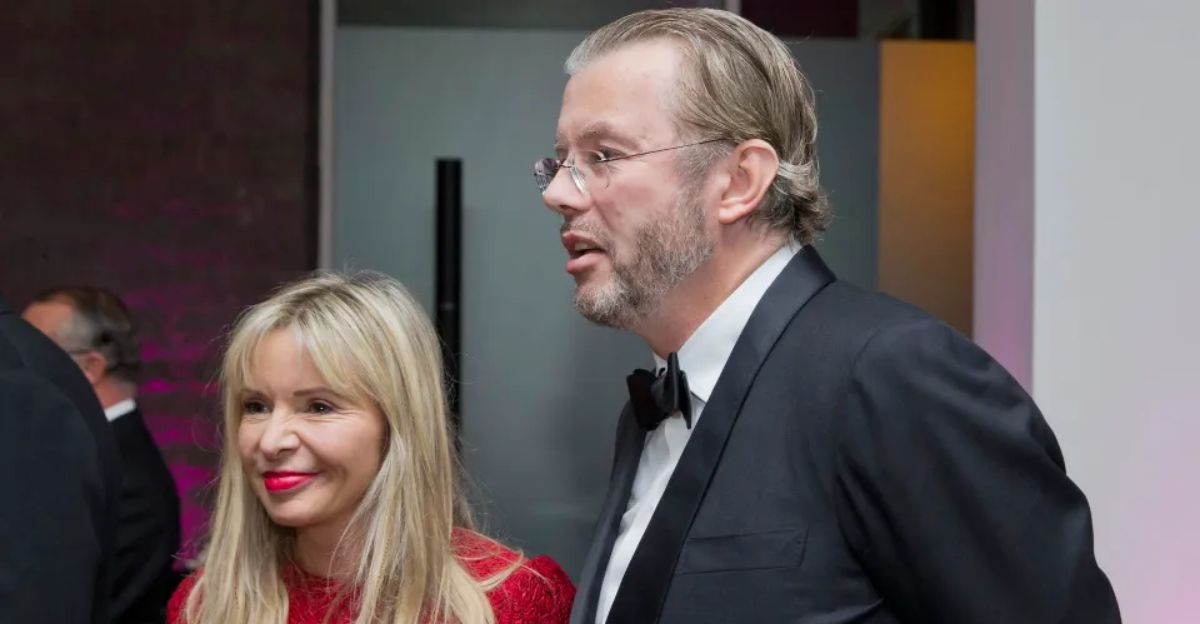
The Julia and Hans Rausing Trust was established in 2014 with a singular purpose: to distribute their inherited wealth to British charities and causes in a systematic manner. But “charity” undersells what happened next. Over the next eleven years, the trust allocated approximately £100 million per year to organizations across the arts, heritage, health, welfare, and education sectors.
This wasn’t sporadic giving or tax avoidance. This was industrial-scale philanthropy born from the understanding that wealth without purpose becomes a burden.
The £35 Million Lifeline
When COVID-19 struck in 2020, British charities faced the threat of extinction. Small and medium-sized organizations, such as food banks, homeless shelters, mental health services, and youth programs, had no reserves. The Julia and Hans Rausing Trust mobilized the Charity Survival Fund, distributing £35 million to 329 organizations struggling to keep their doors open.
Recipients described it as a “lifeline” that meant the difference between survival and collapse. Rausing had experienced the absolute bottom himself; he knew what it meant when everything feels impossible.
A Second £100 Million Emergency
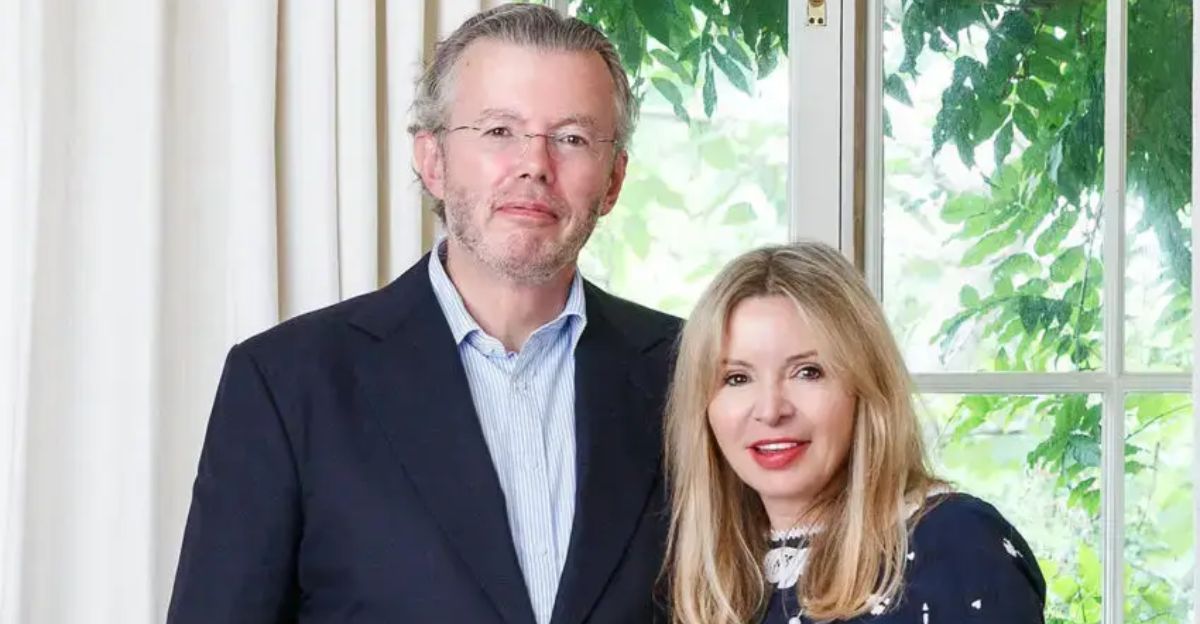
The pandemic response wasn’t enough. Rausing and Julia identified another crisis: heritage sites, museums, theaters, and cultural institutions on the brink of permanent closure. They committed an additional £16.5 million emergency package and then another £10 million to the Royal Opera House for major renovations.
They became the National Gallery’s largest-ever donor, contributing £150 million for a new wing dedicated to modern art. They gave to Tintagel Castle, English Heritage’s grandest investment ever. The couple wasn’t just donating; they were preserving British civilization itself.
Julia’s Final Gift

Julia Delves Broughton Rausing died of cancer on April 18, 2024, at age 63. In her final years, she had transformed from an art expert into a visionary philanthropist. She had also changed Hans from a man paralyzed by grief into one who understood that the only antidote to loss is the choice to serve others.
When Hans was named in the King’s Birthday Honours List in June 2025 for “services to the Arts,” he said the recognition “would have meant a great deal to my late wife, Julia, whose vision led to the creation of our charitable trust”.
The Announcement That Shocked Britain
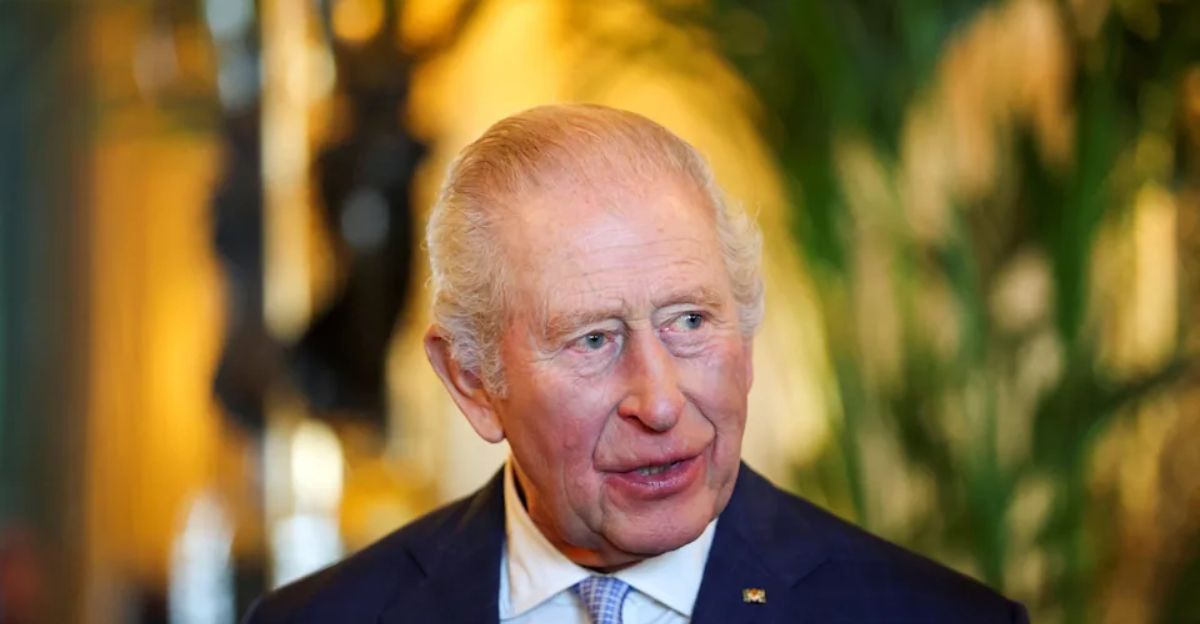
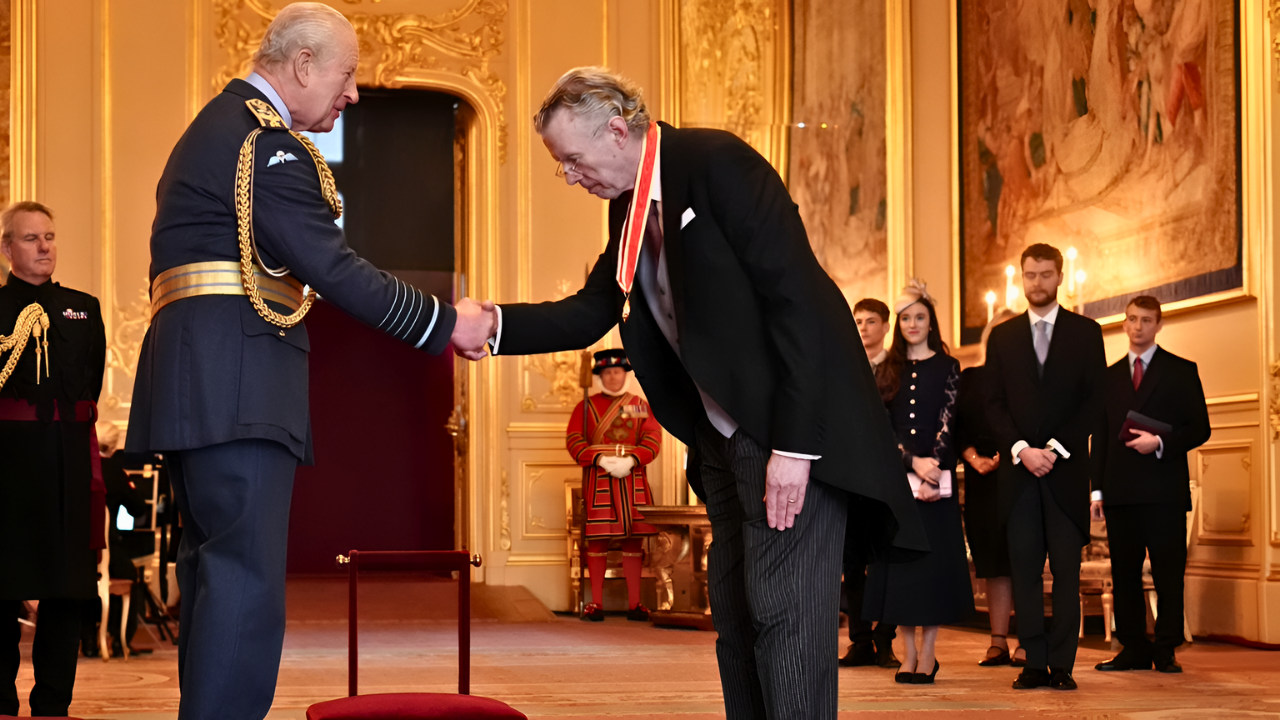
On December 9, 2025, King Charles III invited Hans Rausing to Windsor Castle for an investiture ceremony—the honor: Knight Bachelor, one of Britain’s highest civilian titles.
The shock: Rausing had a criminal conviction. He had served a suspended sentence for preventing his wife’s lawful burial. He had tested positive for four drugs while his wife lay dead in the next room. Yet the King, in choosing to honor him, sent a message about redemption that reverberated through British society.
The Knighthood That Breaks the Rules
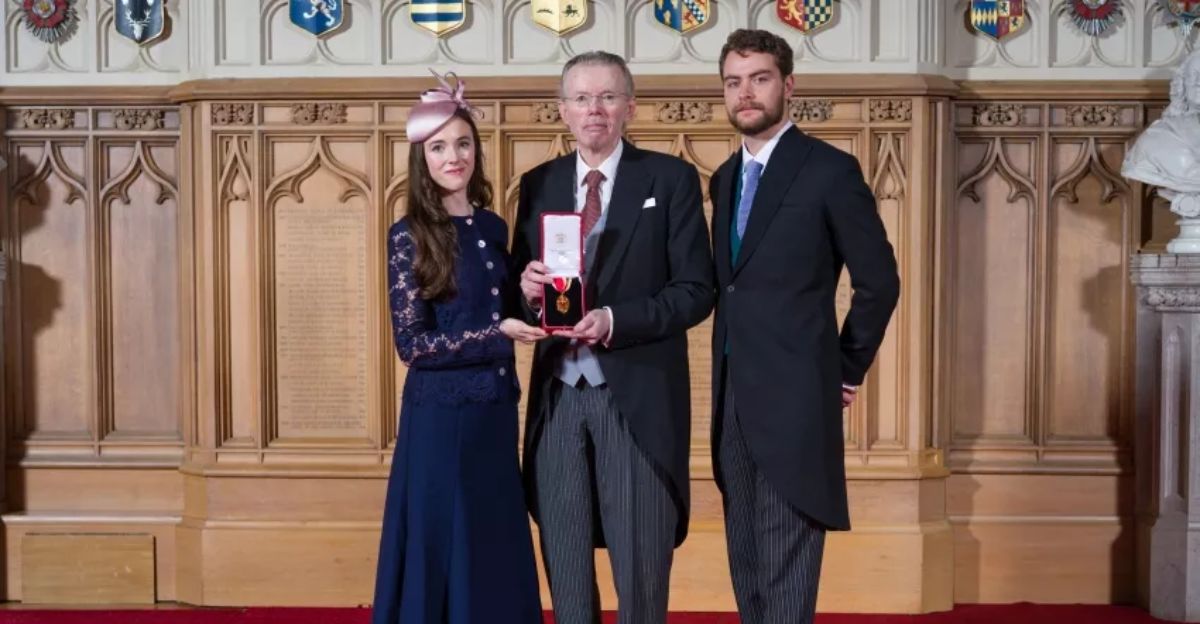
Knighthoods are rarely awarded to convicted felons. Yet King Charles’s choice wasn’t arbitrary. It reflected a calculation: thirteen years of sustained, measurable, transformative service to the public good can transcend past transgression.
Rausing had given over £500 million to British charities. He had saved institutions from closure. He had transformed how Britain thought about philanthropic responsibility. The monarchy was saying, in effect: if a man demonstrates genuine redemption through action, not just words, past sin need not be permanent.
From Locked Room to Global Legacy
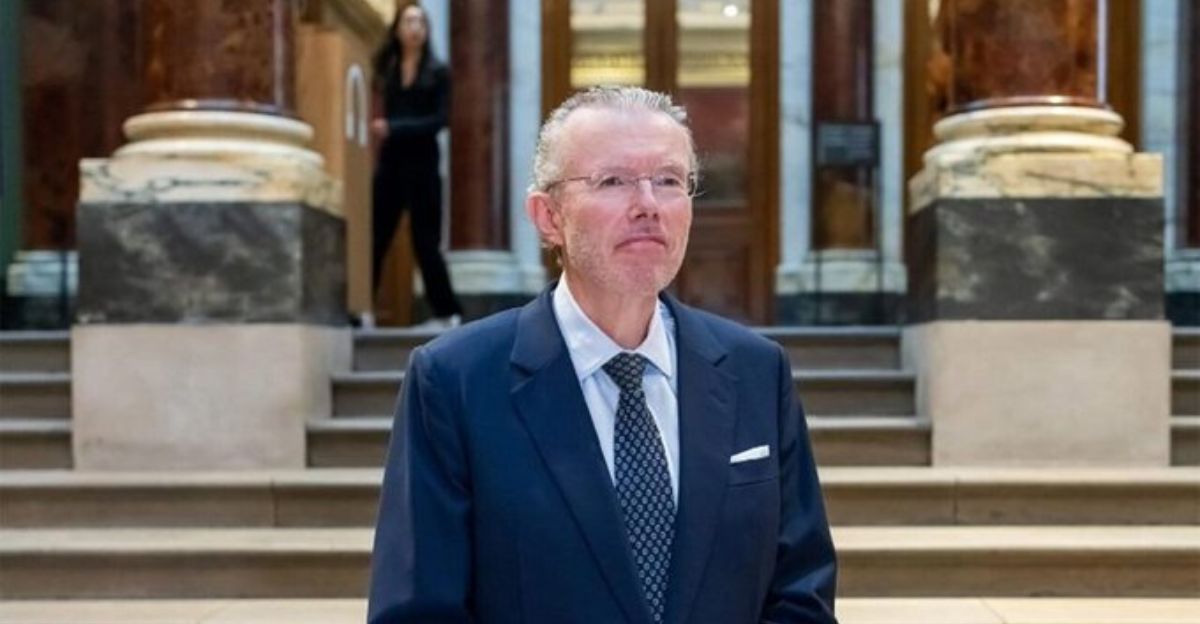
The contrast is almost unbearable. The locked annex in Belgravia, where Eva died in 2012, represented the absolute nadir of a human life: isolation, addiction, death concealed, a man unable to face reality.
That same man, thirteen years later, stands before a King and receives one of Britain’s highest honors.
The Question That Won’t Go Away
But the knighthood raises an uncomfortable question: Can £500 million in charitable giving ethically absolve the act of hiding your wife’s body for two months? Does wealth create a redemption pathway unavailable to ordinary people? Would a working-class man with a criminal record and no fortune receive the same second chance?
These questions have no easy answers. What’s undeniable is that Hans Rausing’s transformation—from crack-addicted recluse to leading British philanthropist—remains one of the most extraordinary personal turnarounds in modern public life.
The Choice to Transform

Hans Rausing could have hidden forever—in wealth, in addiction, in denial. Instead, he chose the harder path: he faced his past, entered recovery, and redirected his life toward helping others heal. He didn’t erase what happened to Eva; he honored her by ensuring that his fortune would prevent others from experiencing similar tragedies.
When he knelt before King Charles on December 9, 2025, Sir Hans Rausing embodied one of humanity’s most difficult truths: we are not defined by our worst moments, but by what we choose to do after.
Sources:
BBC News – “Rausing sentenced for delaying wife Eva’s burial” (July 31, 2012)
Reuters – “Tetra Pak heir’s wife lay dead for two months” (August 1, 2012)
The Independent – “Philanthropist Sir Hans Rausing made Knight Bachelor by King at Windsor Castle” (December 10, 2025)
Fundraising.co.uk – “Philanthropist Julia Rausing dies at 63” (April 18, 2024)
Julia Rausing Trust – Official announcement of Hans Rausing’s King’s Birthday Honours appointment (June 2025)
NY Times – “Hans Rausing Is Sentenced for Preventing Wife’s Burial” (August 1, 2012)