Archaeologists in Inner Mongolia have uncovered a city that challenges assumptions about early Chinese engineering. The Houchengzui Stone City, occupied around 4,300–4,500 years ago, has concentric walls, trenches and terraces indicative of highly organized planning.
Experts say the site could “unveil how an early civilization emerged” in China.
This discovery suggests Longshan-period builders used advanced urban-planning techniques long before later dynasties, pushing back the timeline of complex civil engineering.
Defensive Evolution
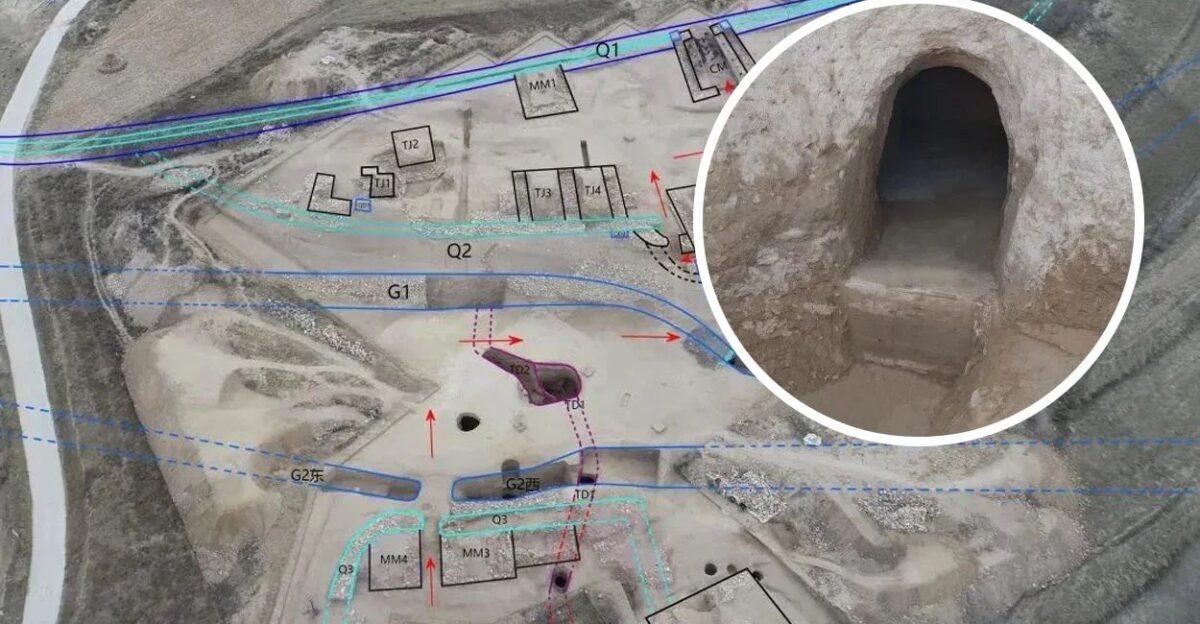
Excavations reveal Houchengzui’s massive fortifications. Archaeologists describe a “sophisticated triple-defence system” dating to the Longshan period (ca. 3000–1900 BCE).
The site has three concentric stone walls, terraces, gatehouses, moats and trenches, making it the largest Longshan fortress yet known in Inner Mongolia.
Constructing and manning such defenses required vast labor and advanced military knowledge. In fact, these Neolithic engineers displayed capabilities that rival early dynastic fortresses, hinting at unexpectedly complex organization in late Neolithic China.
Longshan Legacy
The Longshan culture (c. 3000–1900 BCE) marks the rise of China’s first proto-states. In this era, people began building rectangular walled settlements of rammed earth, complete with drainage and wooden support frames.
Their pottery became much finer: thin-walled blackware vessels and other crafts show advanced techniques.
These innovations in construction and technology set patterns that would endure for millennia, laying the foundation for later Chinese urban and defensive architecture.
Rising Tensions
Growing conflict among Neolithic communities drove innovation in defense. Evidence like skeletal remains and caches of stone and bronze weapons indicates that villages often warred with one another.
At Houchengzui, these threats led to ever more elaborate fortifications. Archaeologists note the site provides insight into ancient “military strategy”.
Under pressure from enemies, the Longshan peoples expanded fortifications and underground refuges, accelerating social complexity and urban development.
Underground Discovery
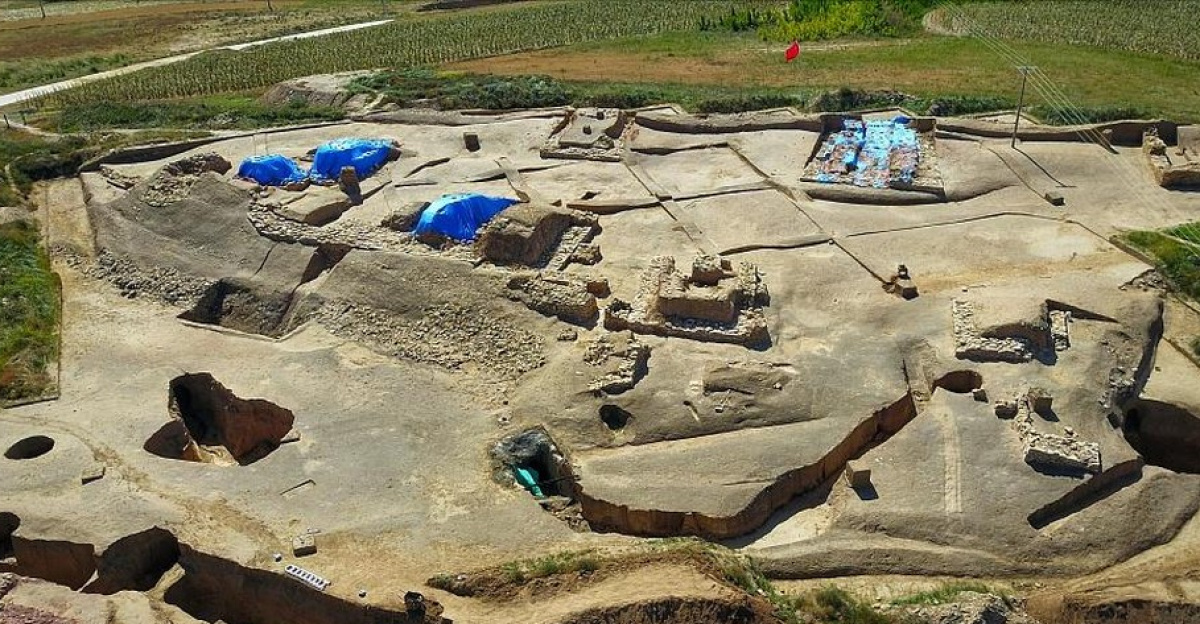
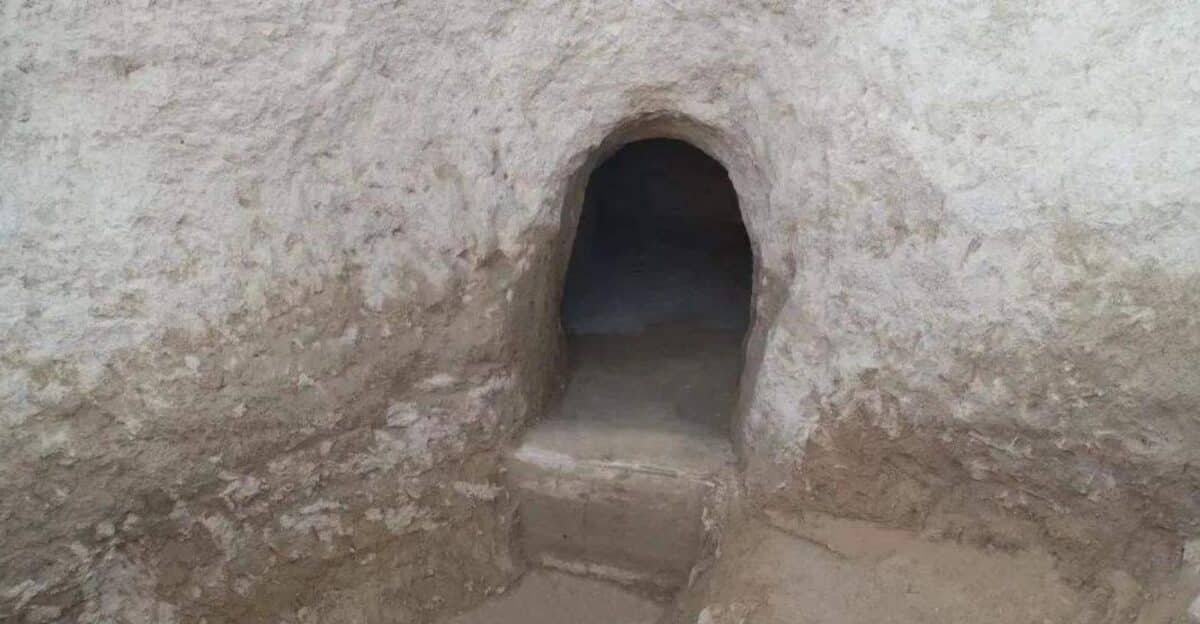
Archaeologists from the Chinese Academy of Social Sciences uncovered six intersecting tunnels beneath Houchengzui.
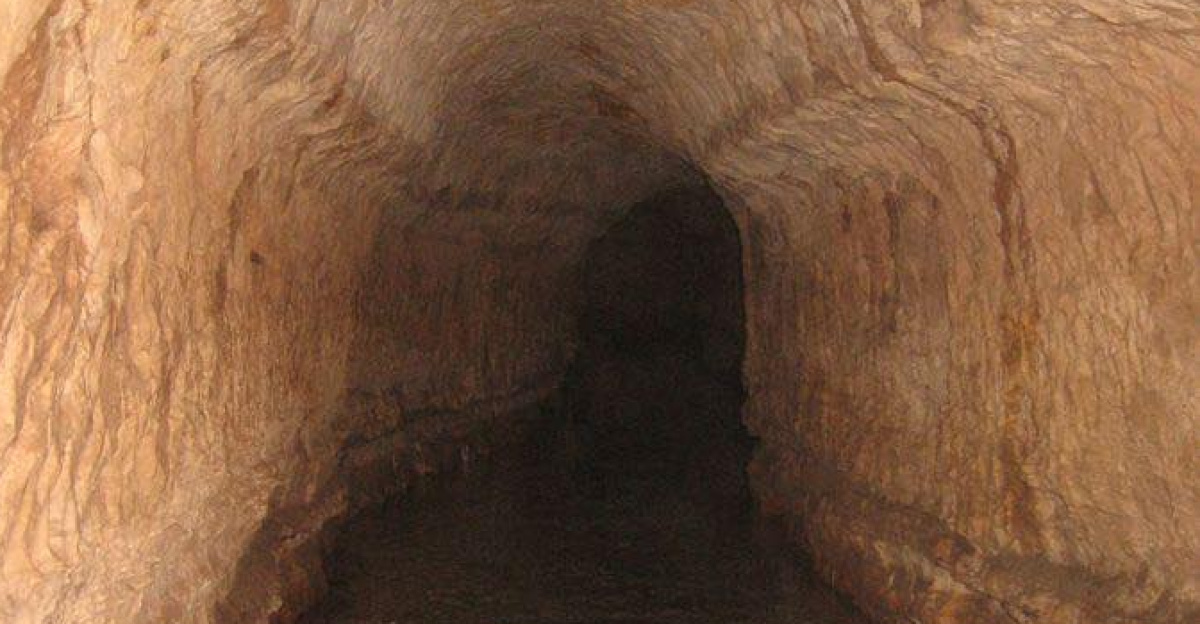
These narrow passages (about 1–2 m high and 1.5 m wide) lie 5–6 m underground and have arched stone ceilings like Longshan-era cave dwellings.
Some even run underneath the city wall and emerge beyond the fortifications. “I never imagined our land could hide a secret labyrinth,” says Wang, a local farmer.
His astonishment captures the revelation: exceptionally well-preserved tunnels hint at the builders’ skill with stone and earth.
Strategic Positioning
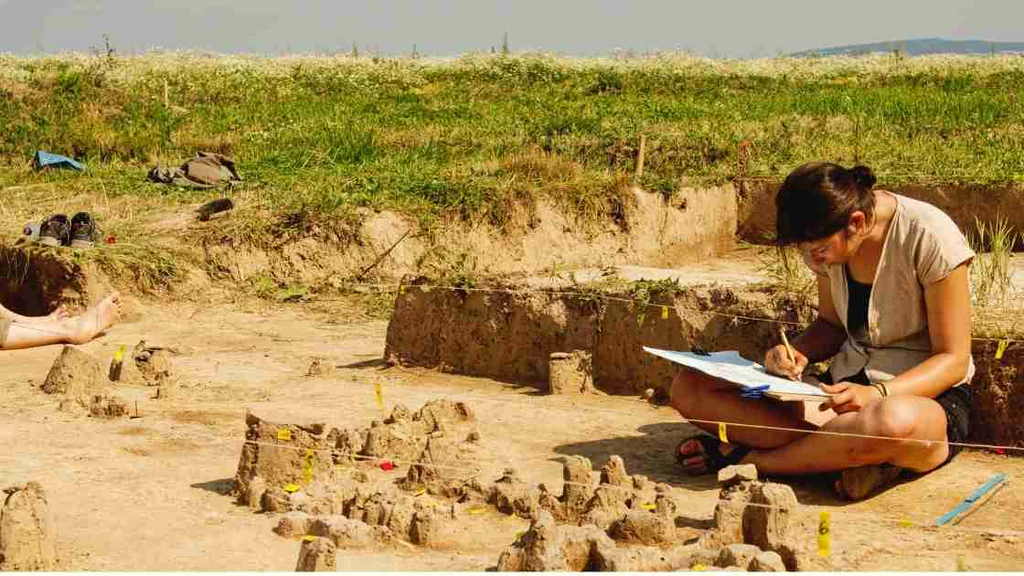
Houchengzui’s hilltop site controlled the northern frontier of Longshan China. Covering about 1.38 km², it is the largest Longshan-period fortress found in Inner Mongolia.
From this vantage, the city watched over routes between the Mongolian steppe and the Yellow River valley, regulating trade and migration. In effect it was an early warning outpost, protecting fertile southern lands from incursions.
This strategic positioning meant that whoever controlled Houchengzui held a key to the region’s balance of power.
Engineering Marvel
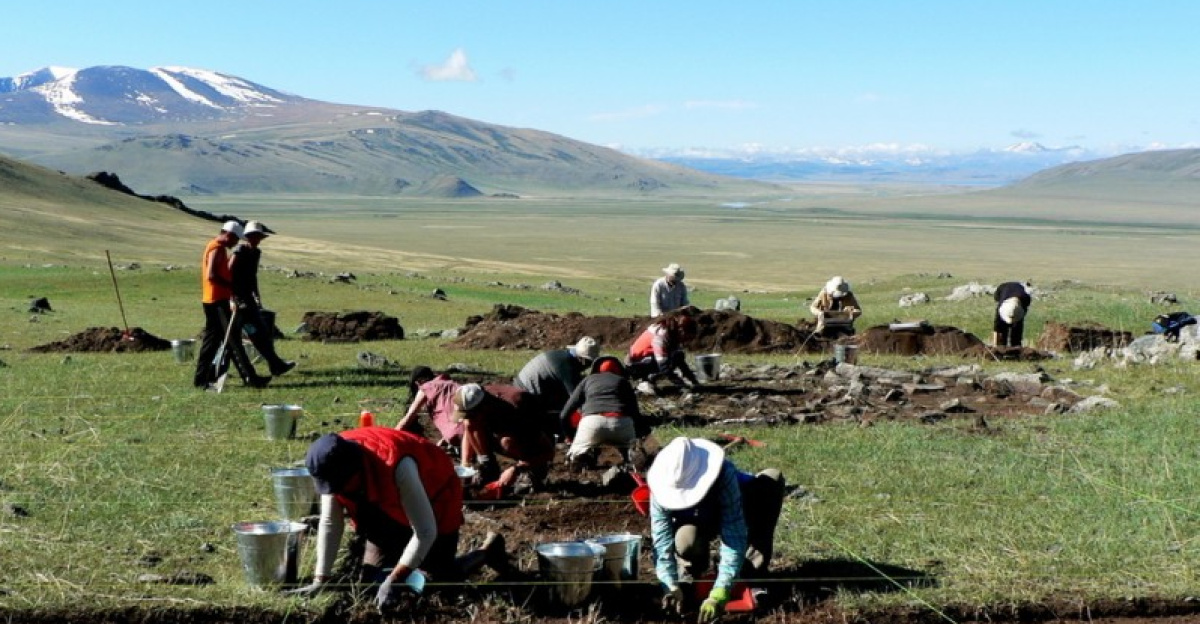
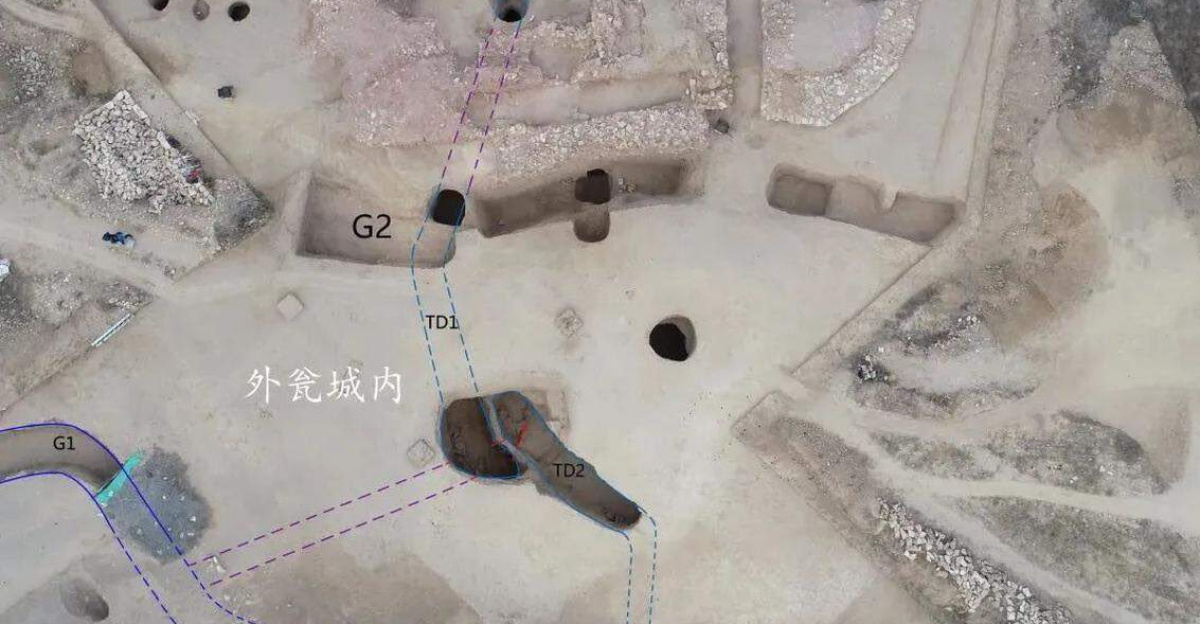
Sun Jinsong of the Inner Mongolia Archaeology Institute describes the find in awe. “We even found two underground tunnels,” he says.
One runs from the inner city area out under the barbican; the other connects the inner city to the moat.
The tunnels’ stonework is astonishingly intact — researchers can still see chisel marks on the curved ceilings.
Together with the triple walls and terraces, this hidden network shows Longshan builders mastering large-scale engineering projects centuries before previously thought possible.
Defensive Networks
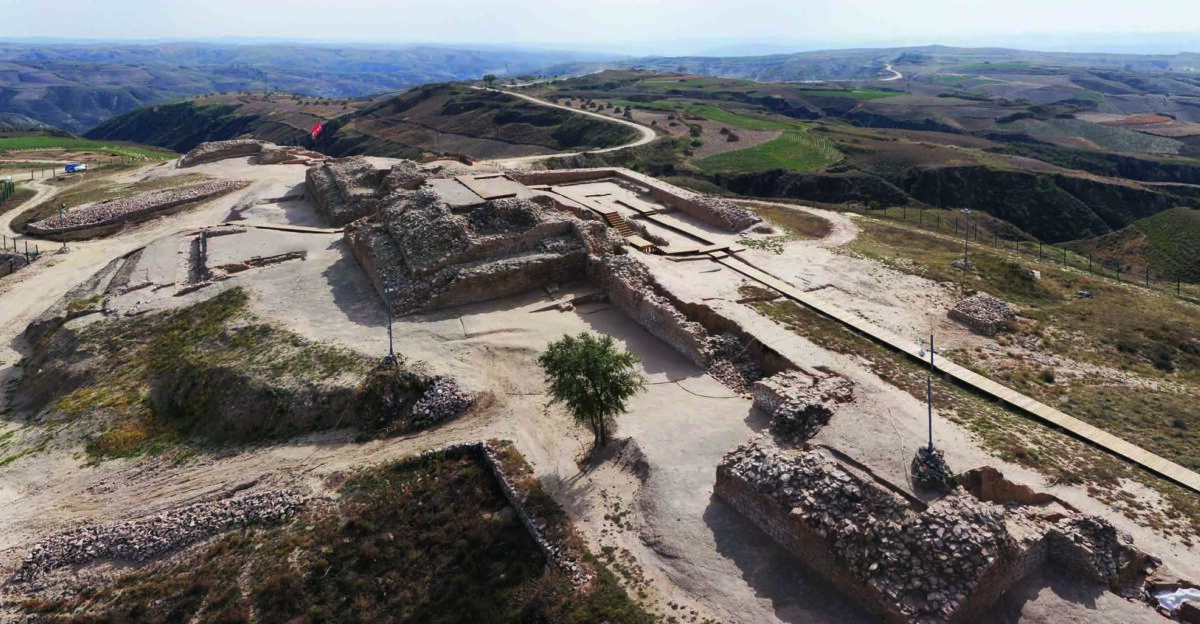
Houchengzui’s plan echoes other Late Neolithic sites. Its date and layout closely match the famous Shimao Stone City in Shaanxi.
In fact, Sun notes that Houchengzui’s gate architecture “resembles…earthen ruins” found in China’s central plains, implying long-distance connections.
These parallels suggest a common blueprint: multiple Longshan communities were building walled cities with complex defenses, possibly sharing ideas or facing similar threats.
Defending a city with concentric walls and hidden tunnels appears to have been a coordinated strategy across the region.
Military Innovation
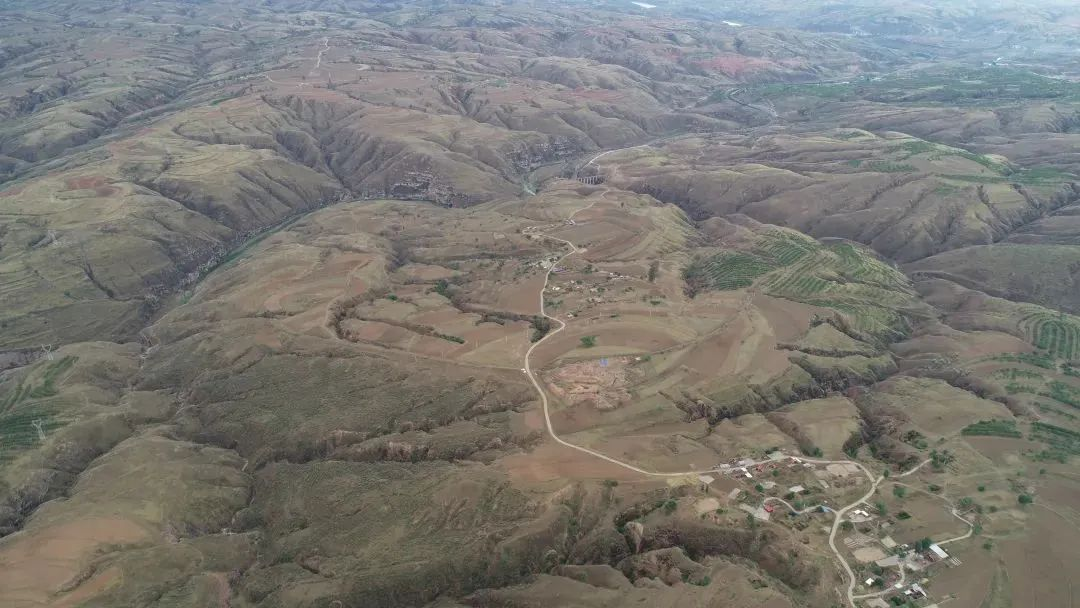
The Houchengzui tunnels fit a broader pattern: war drives innovation. When threats rose, northern settlements reinforced their cities with longer walls and secret corridors.
Houchengzui’s underground passages alongside its ramparts exemplify this trend.
Archaeologists emphasize that these features provide insight into Neolithic “military strategy”.
Constructing defenses on this scale required strong leadership and organized labor.
Under siege threats, Longshan engineers accelerated urban complexity and technological development in their communities.
Dual Purpose Design
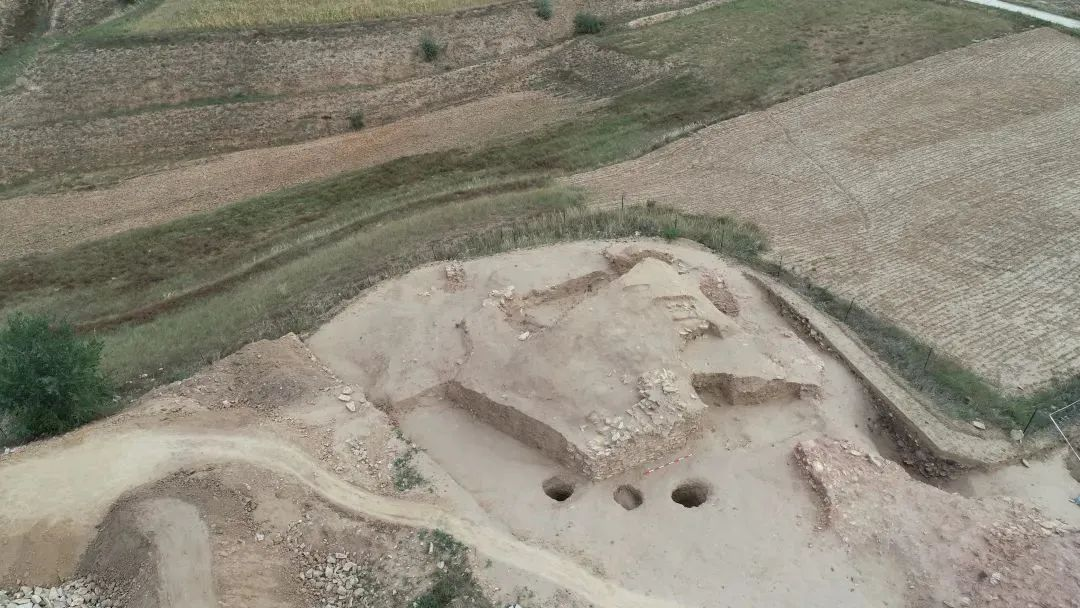
Archaeologists now believe the tunnels served a twofold function. Contemporary reports stress they “served both as an ancient transportation network and a means of defence”.
Sun Jinsong explains that some passages “open from outside the city and pass through various structures like the outer city wall and trenches” timesofindia.indiatimes.com, allowing residents to slip beneath the fortifications when attacked.
As one archaeologist put it, the tunnels formed an underground highway for the city — an impressive foresight in the Neolithic age.
This integrated network provided hidden escape routes that could bypass the walls during a siege.
Archaeological Challenges
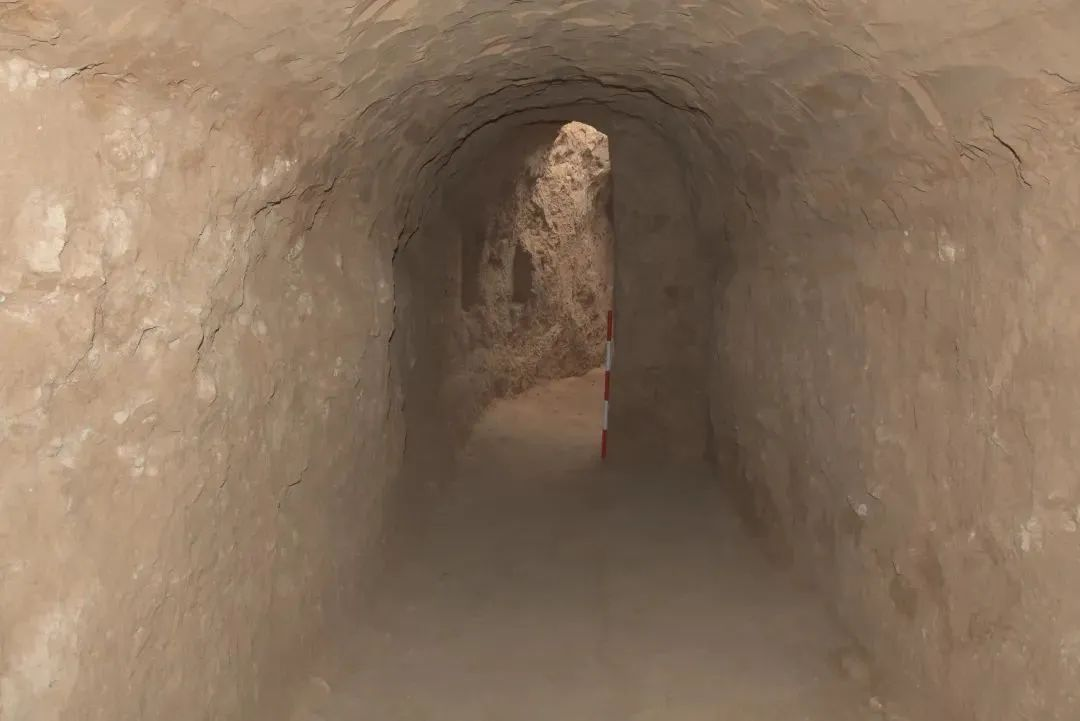
However, working at Houchengzui is difficult. Inner Mongolia’s climate — frigid winters and scorching summers — has weathered much of the site.
Excavators find eroding walls and collapsing tunnel roofs, so every discovery is documented before digging further.
Teams use high-resolution 3D scans, photographs and meticulous drawings.
Each soil layer and artifact is carefully recorded. Despite these challenges, researchers continue the five-year excavation, constantly shoring up fragile mud-brick and stone structures to protect the ancient remains.
Institutional Leadership
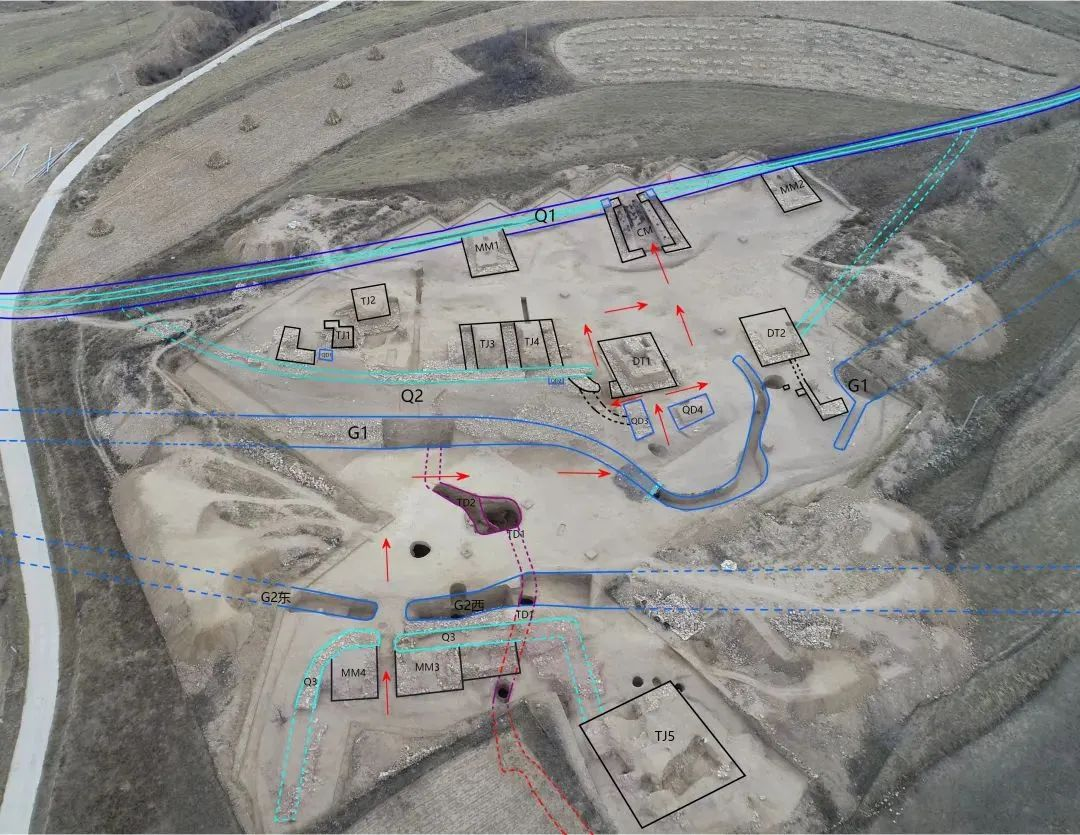
The Chinese Academy of Social Sciences (CASS) has led the Houchengzui project since 2019, working with Inner Mongolian heritage authorities. This partnership reflects Beijing’s commitment: national and regional governments have supplied substantial funding for the digs and preservation.
Under a five-year plan, CASS experts and local teams systematically survey every sector — from the main gate to residential areas — mapping how the city was organized.
The effort is both academic and political: China is keen to use finds like this to illustrate the deep antiquity of its civilization.
Recovery Efforts
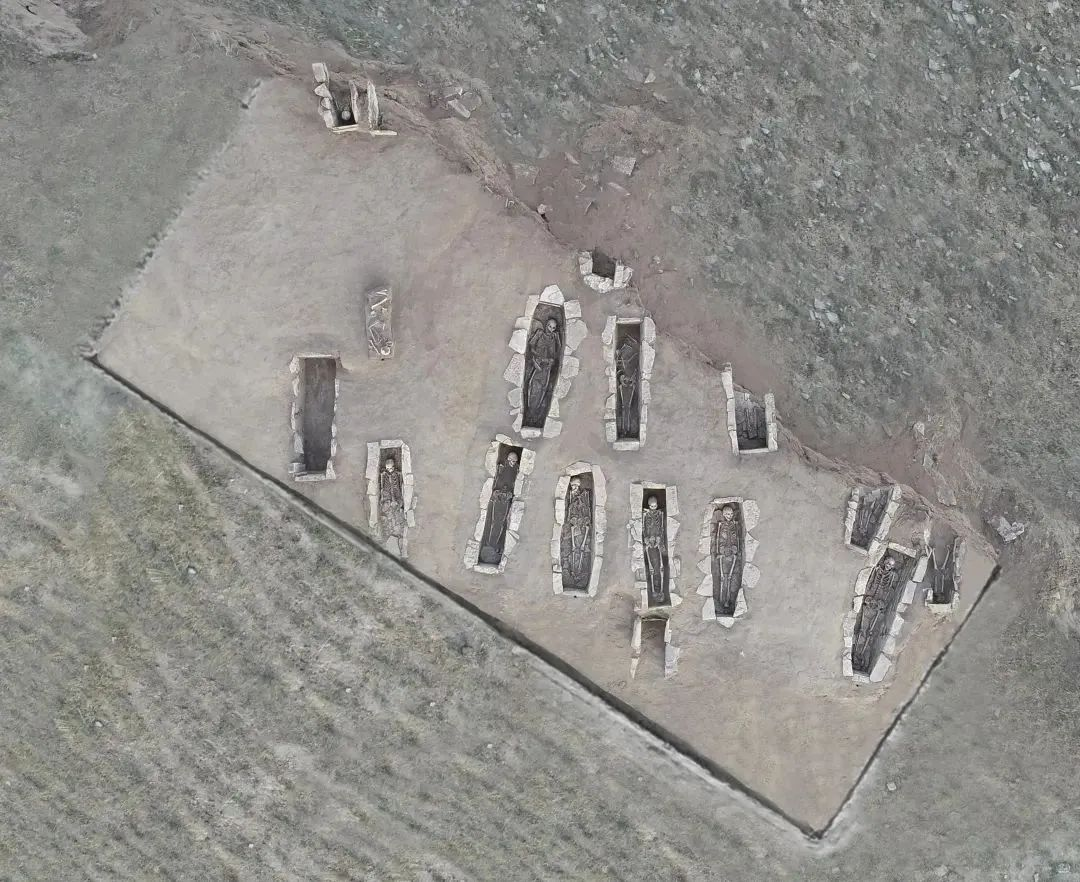
Since 2019, systematic excavations have exposed major city features. Archaeologists have uncovered stretches of the main walls and gate foundations, along with platform bases for ancient buildings.
In the inner city, they have even mapped outlines of dwellings and storage pits near the tunnel shafts.
Over five field seasons, the team has charted the city’s layout in detail.
Meanwhile, conservation crews stabilize each find — installing supports and applying hardeners — to ensure the newly revealed mud-brick and stonework do not crumble once unearthed.
Expert Analysis

Experts stress that Houchengzui’s story is far from complete. Business Today praises the site’s long-term vision, calling the builders “Neolithic geniuses” who were “centuries ahead of their time”.
One analyst notes the tunnel system was literally “built to vanish when danger came knocking”, highlighting its defensive purpose.
Archaeologists warn that fully interpreting these passages will require multidisciplinary work.
As final reports come in, specialists in history, engineering and materials science will need to collaborate to unlock the tunnels’ full cultural and technological significance.
Future Implications

This discovery could fundamentally change how we view China’s Neolithic society. CASS archaeologist Chen Xingcan says Houchengzui, along with Bicun and Shimao, form “a cultural system…crucial for the study of how a complicated society was formed”.
Houchengzui’s tunnels raise new questions: how were such projects organized? What does an underground transport network mean for our understanding of governance and territory control? International media note the find “could change how researchers understand urban planning and defense” in early China.
The site demands a reevaluation of Longshan-era complexity and statecraft.
National Significance

China’s heritage authorities have quickly recognized Houchengzui’s importance. Officials say the site can “unveil how an early civilization emerged” along the Yellow River.
Its vast 1.38 km² footprint and advanced artifacts align with efforts to trace China’s origins. Experts note that Houchengzui and similar stone cities offer a “bigger, fresher picture” of ancient Yellow River cultures.
This is not just a local dig — it underscores the state’s emphasis on uncovering China’s deep past. Indeed, the National Cultural Heritage Administration explicitly supports these digs as part of promoting China’s ancient heritage.
International Recognition
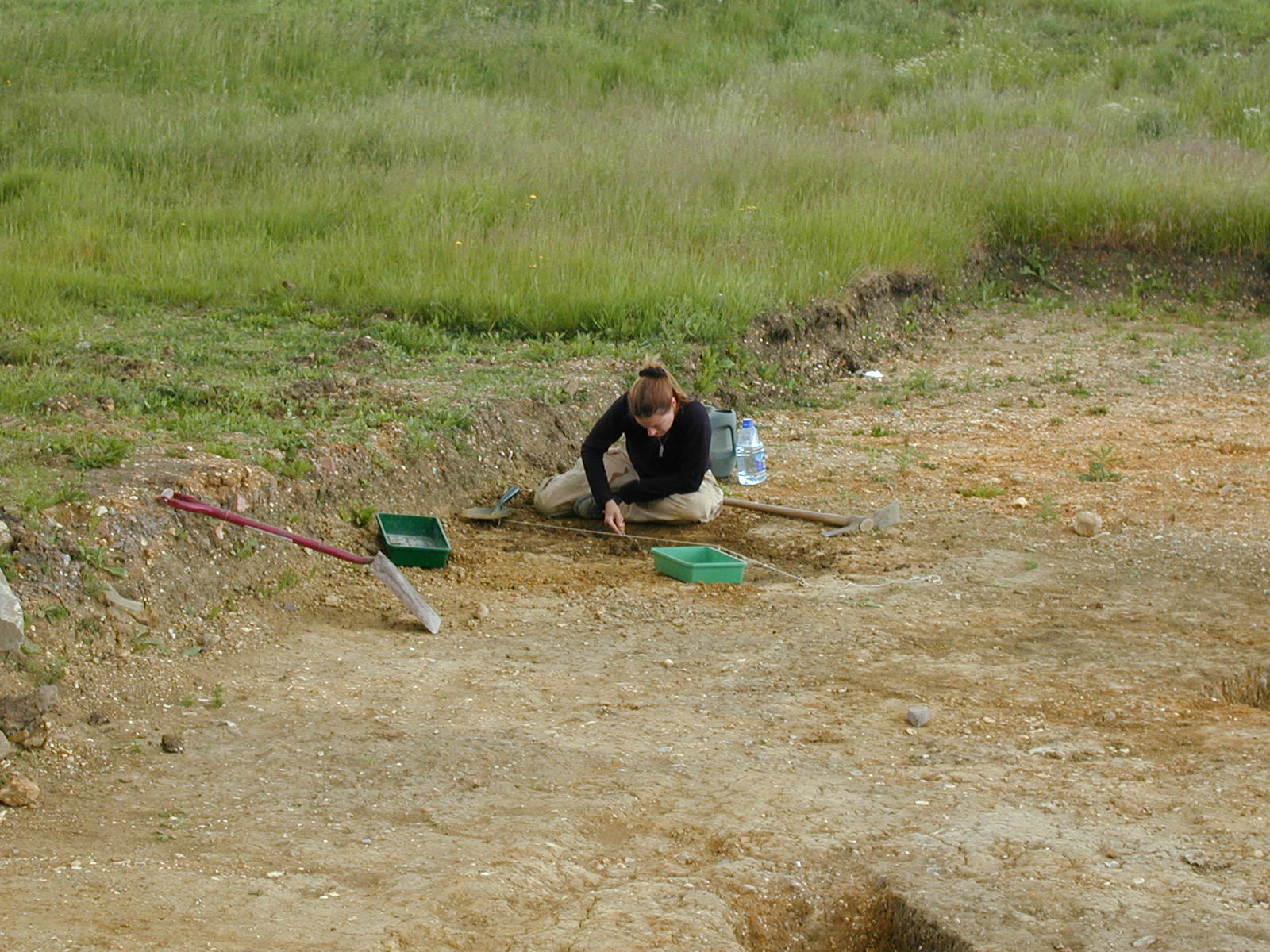
News of Houchengzui has spread worldwide. Media outlets in Asia, Europe and America have featured the discovery, often highlighting its medieval-scale fortifications.
For example, a British news site ran an illustrated story complete with maps and photos of the tunnel network.
Archaeologists abroad are now comparing Houchengzui to other ancient tunnel defenses in Europe and the Middle East.
These cross-border interests are leading to collaborations, indicating that Houchengzui is sparking global discussion on early urban planning.
Legal Protection

The significance of Houchengzui has prompted new safeguards. Local governments are drafting regulations to shield the site from construction or mining.
The area is expected to be declared a protected archaeological zone, barring development and ensuring research access.
Already, authorities have fenced off key areas and posted signs, and local officials patrol to prevent looting.
The find has been locked down legally, preserving this culturally vital location for science and future generations.
Cultural Impact
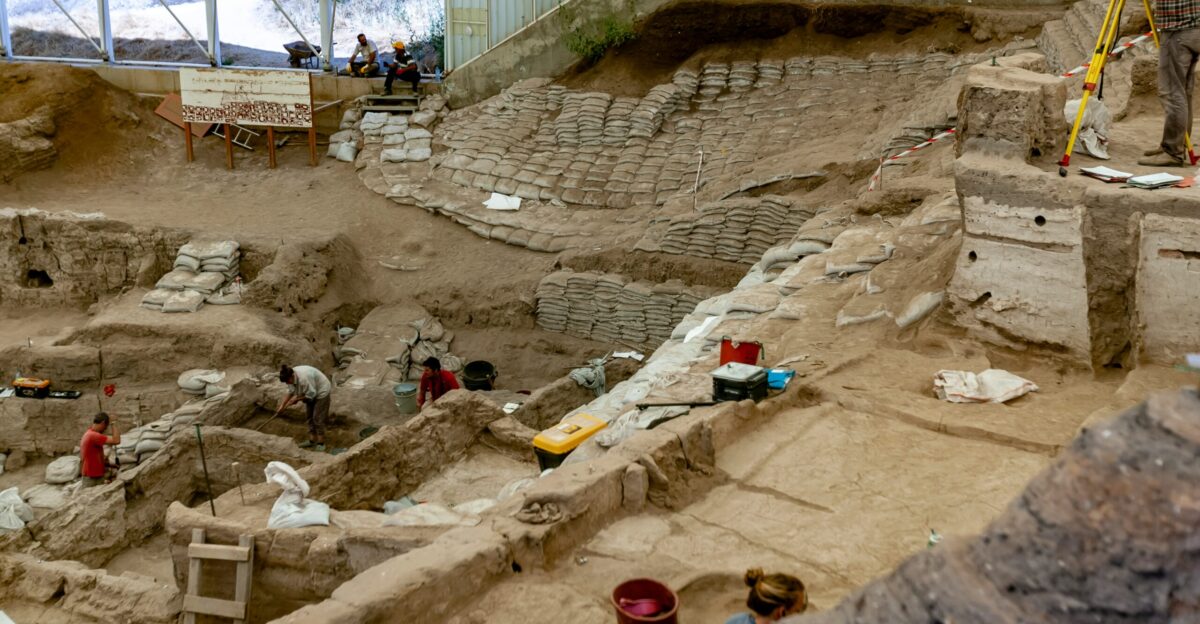
Houchengzui’s tunnels add a crucial chapter to global prehistory. By showing that advanced planning existed in 4,000-year-old China, the discovery argues against any Eurocentric narrative. As one report notes, it “could change how researchers understand urban planning and defense systems in early Chinese civilizations”.
The find underscores that complex engineering and state organization emerged independently in multiple regions.
Houchengzui reminds us that technological innovation and societal complexity were not limited to one part of the world — they were happening in ancient Asia alongside the Middle East and Africa.
Redefining History
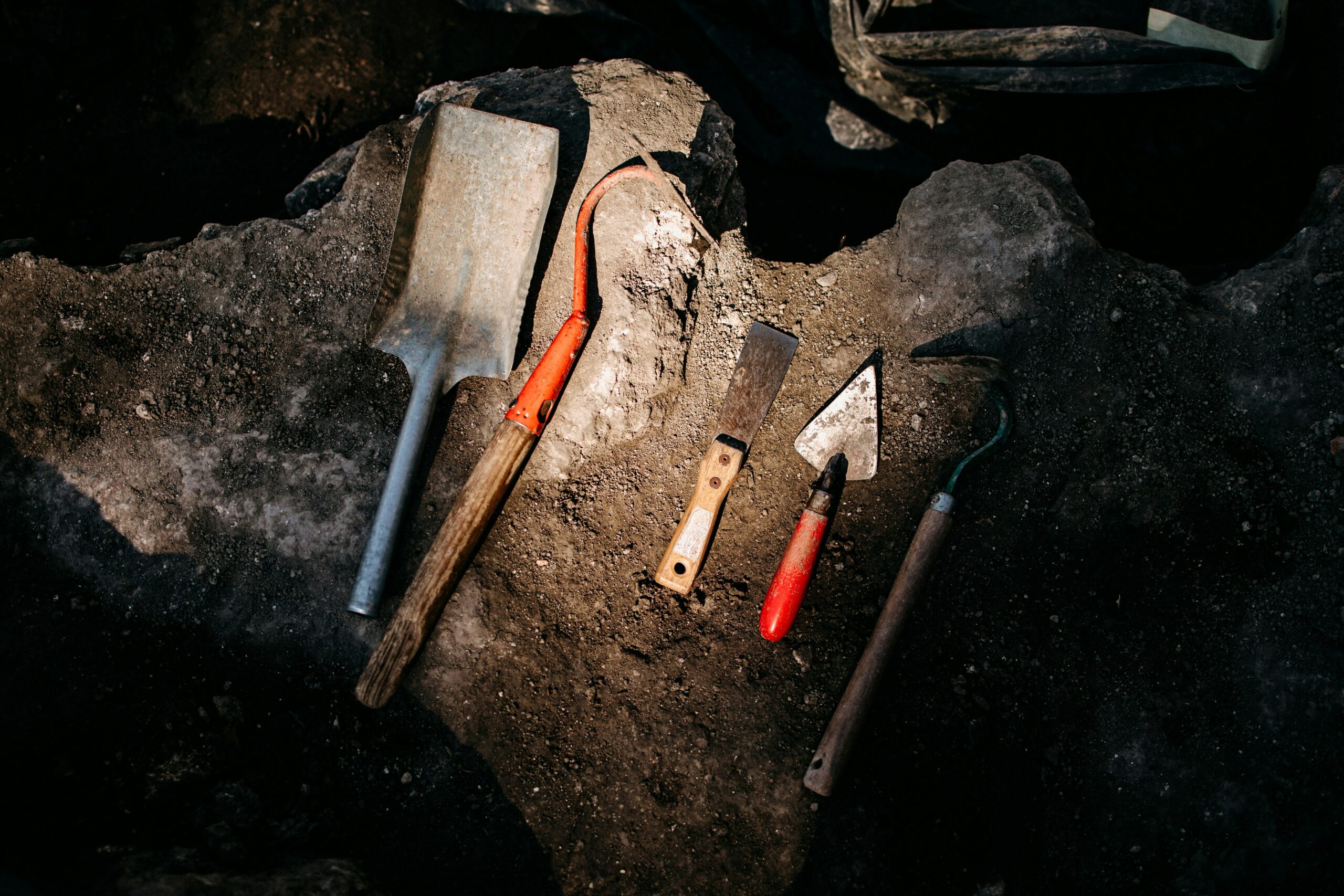
Ultimately, Houchengzui’s underground labyrinth symbolizes human ingenuity under threat. Excavations show the tunnels “were used as an ancient transportation network and also provided a defensive and offensive purpose”.
Early people carved clever solutions beneath the earth to protect their community.
Today, these passages remind us that creative problem-solving is as old as humanity — from Neolithic builders digging escape routes to modern engineers designing shelters.
The story of Houchengzui is a powerful example of how far back in history our ancestors’ strategic thinking and collaboration truly go.