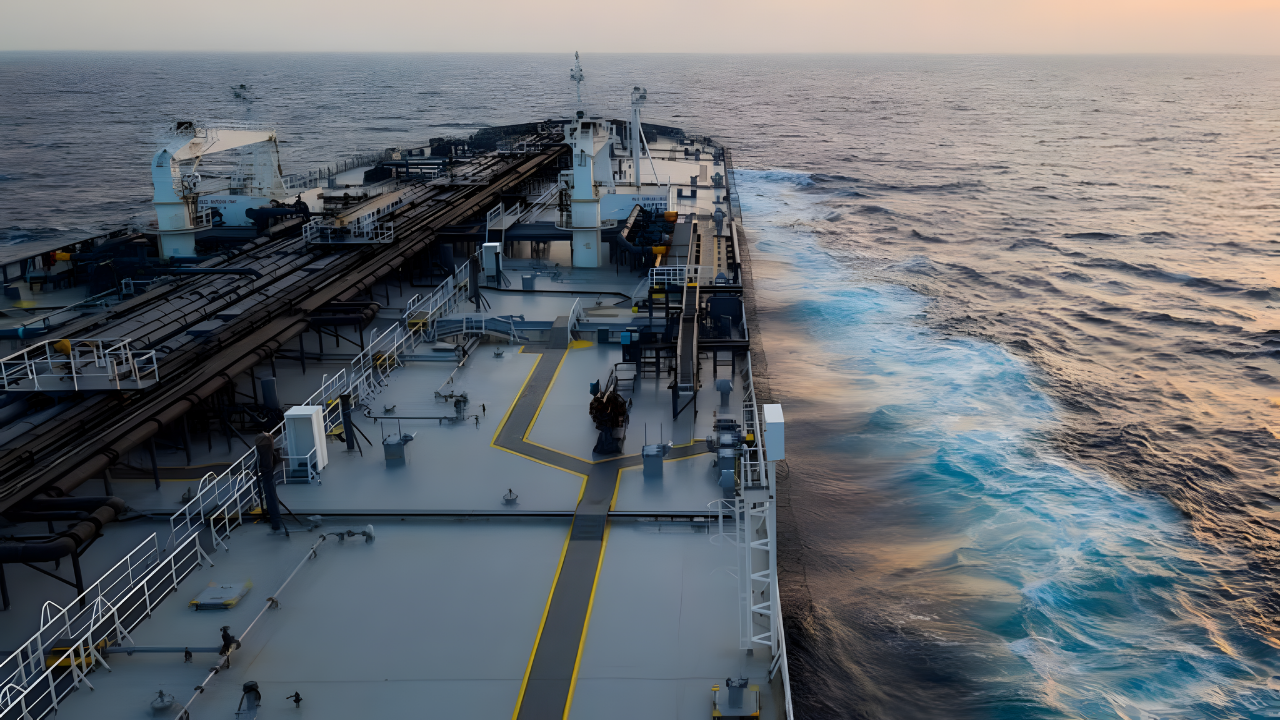
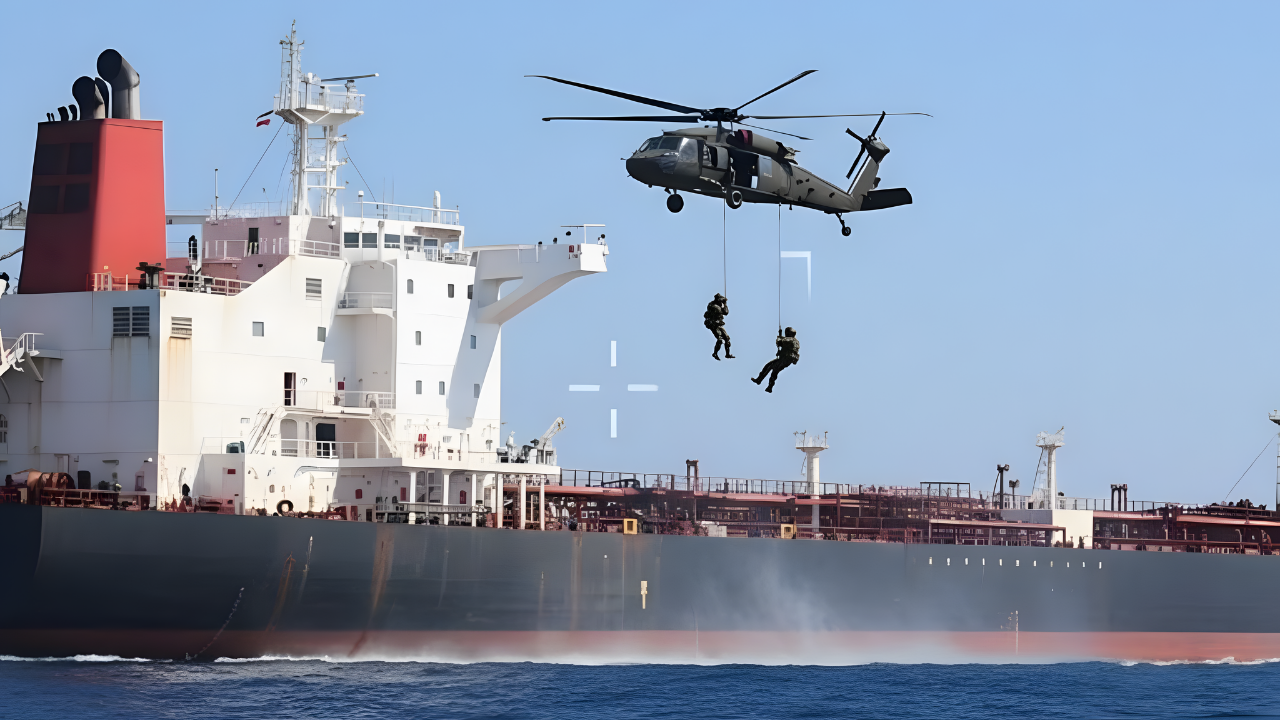
U.S. forces boarded and seized the oil tanker Skipper in the Caribbean Sea off Venezuela’s coast on December 10, 2025, executing a federal warrant amid allegations of long-term sanctions evasion. The operation, involving the Coast Guard and military support, intercepted a vessel linked to illicit oil networks without reported casualties, signaling intensified maritime enforcement.
Skipper’s Sanctions History
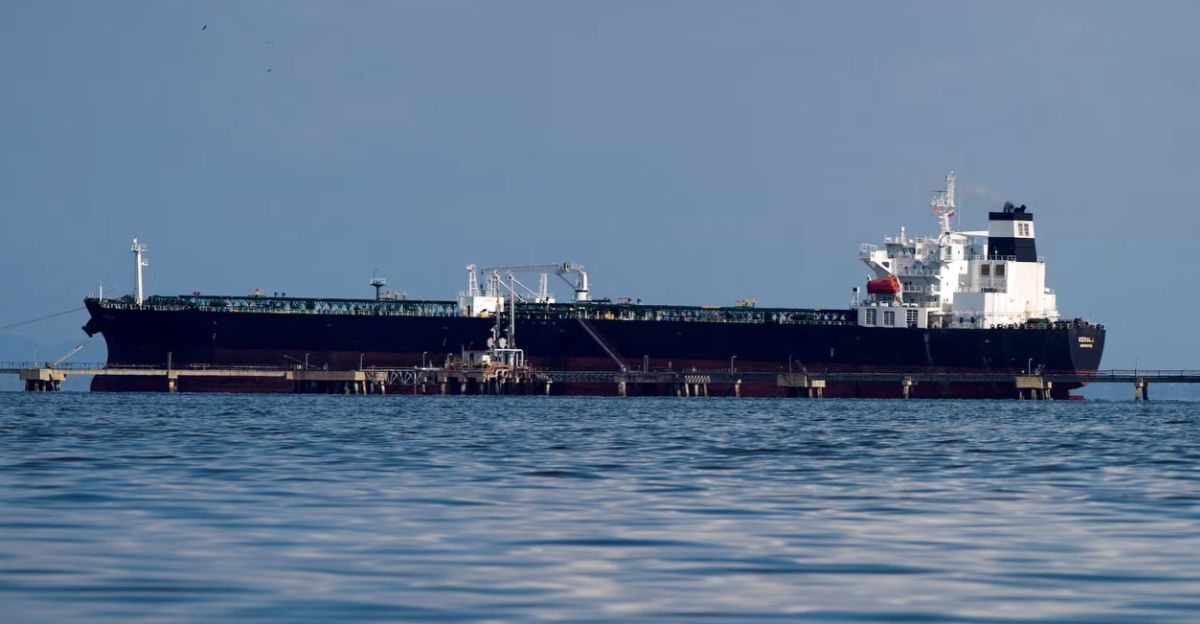
The tanker faced U.S. Treasury Department sanctions in 2022 for ties to a network connected to Iran’s Revolutionary Guard Corps and Hezbollah. Maritime trackers observed it employing deceptive tactics, including falsified Automated Identification System signals and flags of convenience, rendering it effectively stateless under international law. These methods typify “dark fleet” operations that shuttle sanctioned crude while dodging detection.
Cargo and Evasive Maneuvers
At seizure, Skipper held approximately 1.8 to 2 million barrels of Venezuelan heavy crude, with about half destined for a Cuban state importer, per tracking data. The vessel had offloaded some cargo to another ship prior to interception. Dark fleet practitioners routinely manipulate location broadcasts and switch registries to mask voyages and sustain illicit trade flows.
Legal Foundation of the Action
A U.S. federal warrant, issued November 26, 2025, and executed just before expiration, authorized the confiscation of the ship and its cargo. Authorities cited violations of sanctions on Venezuelan oil exports and terrorism-financing networks. Officials described the move as a demonstration of maritime sanctions enforcement, leveraging legal tools beyond financial restrictions.
Venezuelan and Cuban Backlash
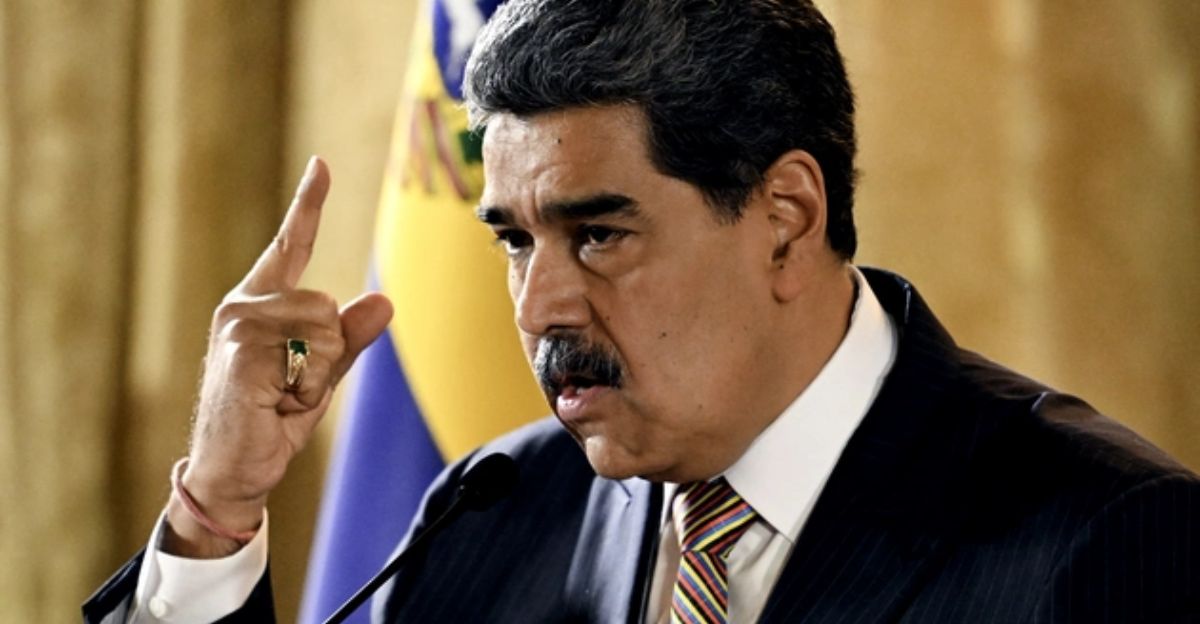
Venezuelan President Nicolás Maduro labeled the seizure “an act of piracy and theft,” charging the U.S. with infringing national sovereignty as part of wider pressures on his administration. Cuba decried the loss of its allocated cargo, terming the interception “maritime terrorism” that threatens its constrained fuel supplies. Both nations framed the event as a breach of maritime standards and energy equity, with allies urging diplomatic intervention.
Broader Enforcement and Market Ripples
The Skipper incident fits a U.S. pattern of physical interdictions against Venezuelan oil, escalating from financial measures under successive administrations. Around 30 similar sanctioned tankers lingered near Venezuela, using evasion tactics, but the action elevates risks, prompting some to alter courses. Insurers and traders now reassess exposure, with vessels steering clear of Venezuelan waters to evade forfeiture. Global energy markets noted volatility from potential supply kinks, as U.S. buyers pivot to compliant sources. Venezuela’s export earnings, vital amid economic strain, face new hurdles from disrupted black-market channels trading at discounts. Regional naval presence has grown, with Coast Guard assets patrolling key routes. Opposition voices in Venezuela hailed the enforcement as a rebuke to governance failures. Globally, scrutiny mounts on shadow fleets ferrying sanctioned oil for various regimes, challenging regulators. The tanker awaits U.S. court proceedings for asset disposition, potentially reshaping high-seas policing through proactive seizures.
This enforcement pivot underscores rising stakes in sanctions compliance, where physical interdictions could deter dark fleet activity, tighten energy markets, and heighten geopolitical frictions in the Americas, while testing international maritime norms.
Sources:
MSN / Associated Press-style reporting, 2025-12-11: US Navy Commandos Seize $190M Dark Fleet Tanker—Maduro Cries ‘Piracy’ (primary source across multiple slides)
Wikipedia, 2025: Entries on Skipper tanker, Venezuelan dark fleet, Chevron operations in Venezuela, and related sanctions events (supplementary across slides 4-9, 11, 13-19)
YouTube / News report, Dec 2025: Coverage of Skipper incident and Caribbean route disruptions (referenced in Slide 11)