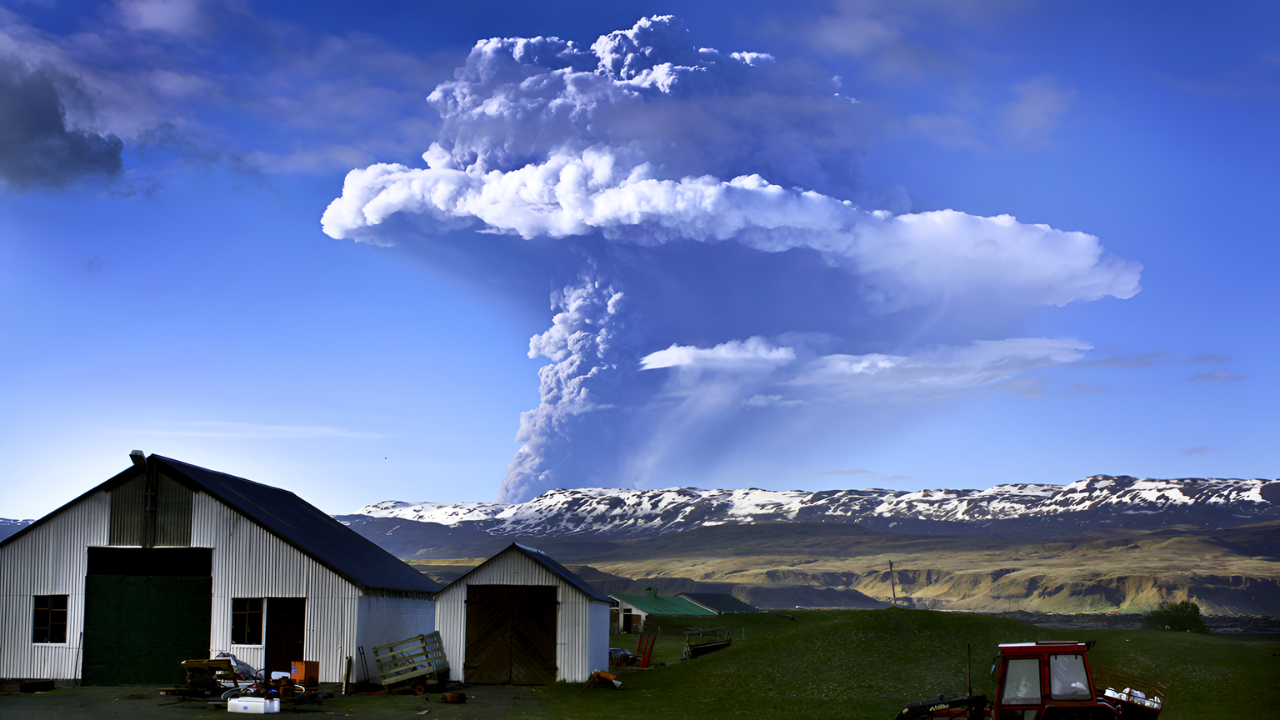
A volcano that had been quiet for longer than human civilization suddenly erupted in Ethiopia’s Afar region on November 23, 2025, blasting ash high enough to disrupt flights from Africa to India and exposing critical weaknesses in how remote volcanoes are watched and how at-risk communities are warned.
A Sudden Eruption in the Danakil
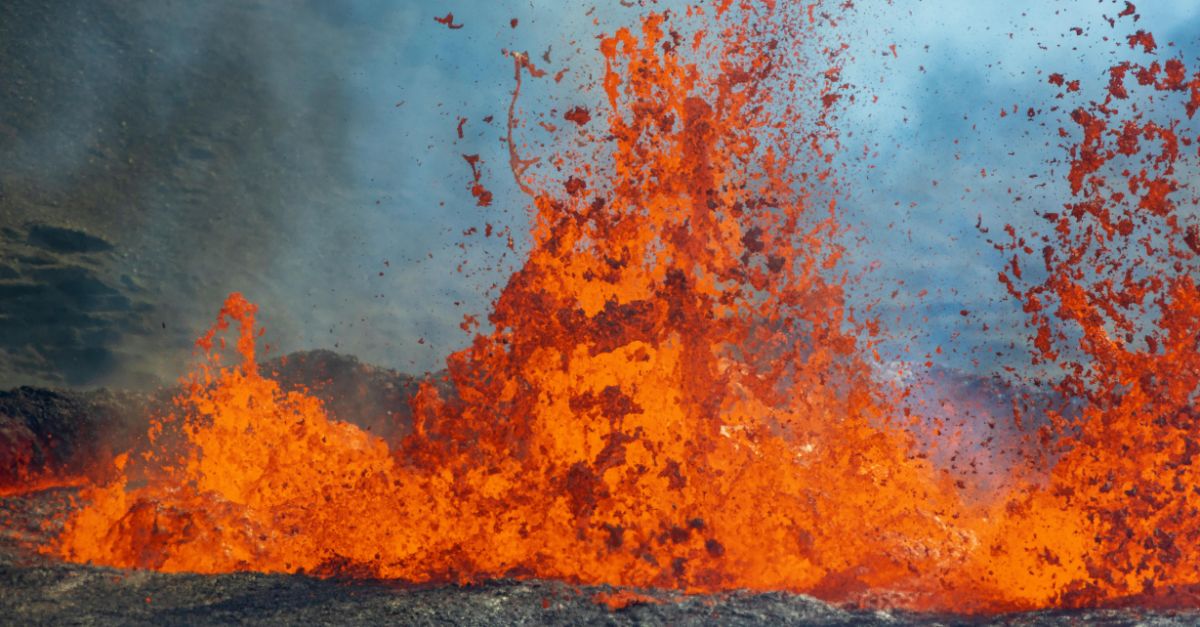
Hayli Gubbi volcano, perched in the Danakil Depression of Ethiopia’s East African Rift Valley, erupted at 08:30 UTC on November 23, sending an ash column estimated at 33,000 to 50,000 feet into the atmosphere. Satellite instruments picked up the event around 11:30 local time. The blast enlarged the summit crater and opened two new ones, marking the first recorded explosive eruption at Hayli Gubbi during the Holocene—the last 12,000 years since the end of the last Ice Age.
Residents reported hearing powerful explosions and feeling shock waves. People in areas approximately 31 miles from the volcano heard the blast, while the explosion was also detected as far south as the region near Semera, located 190 kilometers away. Villages closer to the volcano saw skies darken within hours as ash began to fall. The Smithsonian Institution’s Global Volcanism Program, which has no record of Holocene activity at Hayli Gubbi, notes that the volcano had effectively been dormant for thousands of years despite sitting just 7.5 miles from Erta Ale, one of the world’s best-monitored lava lake volcanoes.
This long dormancy, combined with a lack of ground instruments, meant the eruption came with no public warning. There were no local earthquake alerts, no visible pre-eruption activity at the surface, and no official guidance for nearby communities before the blast.
Communities Under Ash
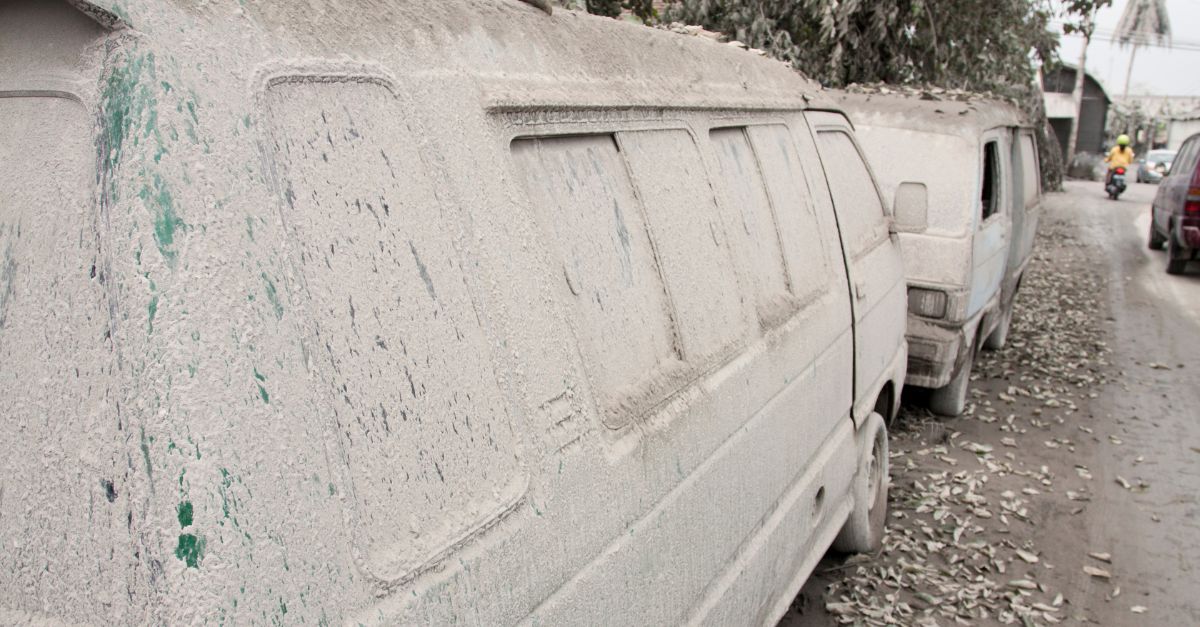
As the eruption unfolded, ash rapidly coated settlements in and around the Danakil Desert. Afdera, a key stop for visitors heading to the area’s geothermal and mineral attractions, was blanketed in gray. Tourists, guides, and residents suddenly found movement restricted as visibility fell and ash thickened on roads and buildings.
Eyewitnesses described the sound and impact in stark terms: the eruption resembled an enormous explosion, with smoke and ash rising and a shock wave that people felt physically. By November 24, Afdera and neighboring villages remained under ash, turning a remote tourism hub into a temporary emergency zone.
For Afar’s pastoralist communities, the longer-term concern quickly shifted from immediate danger to survival. Fine ash particles smothered grazing lands, leaving animals with little to eat. Ash also entered wells and storage tanks, threatening scarce water supplies in an already arid environment. Local officials reported that while human lives and livestock had not been lost in the initial event, many villages were covered in ash and their animals faced hunger and thirst, forcing difficult decisions about relocating herds, buying expensive feed, or selling animals at distressed prices.
Aviation Disruptions from the Red Sea to India

In the hours after the eruption, the ash plume split in two: one branch drifted northeast toward the Arabian Peninsula, while another moved northwest over the Red Sea. By November 24, satellite data showed the cloud had crossed Yemen and Oman at speeds of roughly 62–75 miles per hour, triggering a series of advisories from the Toulouse Volcanic Ash Advisory Centre.
As the plume advanced, it intersected key air corridors linking Africa, the Middle East, and South Asia. India’s Directorate General of Civil Aviation (DGCA) issued an urgent instruction on November 24 warning carriers to strictly avoid areas affected by volcanic ash, adjust routing and fuel planning, and check volcanic advisories every 30 minutes. Pilots and airline staff were told to report any suspected encounters immediately.
The plume entered Indian airspace over Gujarat on the evening of November 24 and drifted northeast across Rajasthan toward Delhi. By November 25, airports across at least five Indian states had activated safety procedures. Mumbai issued passenger alerts, Delhi experienced cancellations and delays, and airports in Jaipur and Ahmedabad carried out runway inspections and accepted diverted flights. Airspace over Punjab was also affected as the cloud moved on.
Although India did not impose a blanket airspace closure, airline responses were cautious. Air India cancelled more than a dozen flights to allow engine inspections on wide-body jets serving New York, Newark, Dubai, Doha, and Dammam. Akasa Air suspended all India–Gulf services to Jeddah, Kuwait, and Abu Dhabi for November 24–25. The disruptions echoed measures taken in 2010 after Iceland’s Eyjafjallajökull eruption, when volcanic ash grounded tens of thousands of flights worldwide and highlighted the risk ash poses to jet engines.
Hidden Signals and Monitoring Gaps
After the Hayli Gubbi eruption, scientists revisited satellite and geophysical data from earlier in the year and found warning signs that never translated into public alerts. The Centre for Observation and Modelling of Earthquakes, Volcanoes and Tectonics (COMET) had tracked magma movement beneath Erta Ale following its July 15, 2025, eruption. Satellite measurements detected a southeastward migration of magma in the form of a dike—an underground sheet of molten rock—toward Hayli Gubbi.
An anomalous white cloud was first observed within Hayli Gubbi’s crater on July 25, persisting through at least November 18. Beginning in late July, satellite data indicated uplift in the region during July 21–August 3. Ground displacement of several centimeters was detected, and sulfur dioxide emissions accompanied this low-level activity. Additional uplift of a few centimeters was detected during November 13–19. These signals were logged in scientific systems but did not lead to evacuation orders or community warnings in Afar. For roughly four months, pressure built silently under the volcano until the November rupture.
Research on Ethiopian volcanic hazards underscores the structural reasons for such blind spots. The national seismic network consists of limited instruments covering a country with many active and potentially active volcanoes. In remote regions, eruptions are often detected almost entirely by satellite, with international researchers relaying information to Ethiopian colleagues. Hayli Gubbi, without local seismometers or a dedicated observatory, remained essentially an unmonitored system despite its location in a highly active rift.
Global Ash Warnings, Local Vulnerabilities
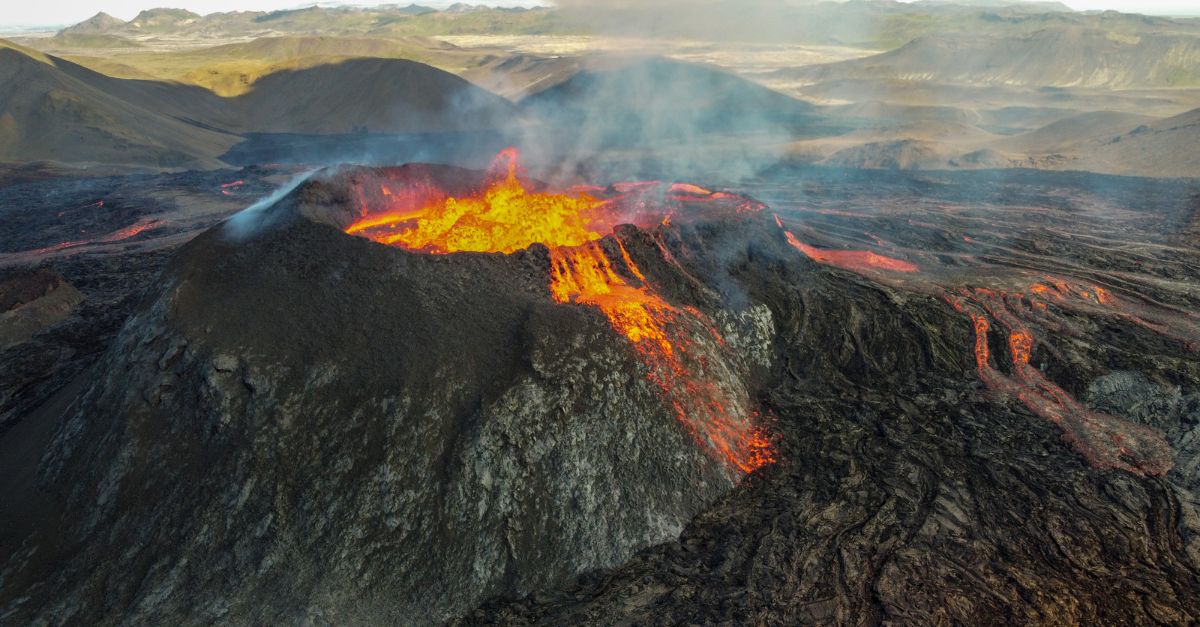
International aviation safeguards reacted quickly once the plume was in the sky. The Toulouse Volcanic Ash Advisory Centre, one of nine centers designated by the International Civil Aviation Organization, issued its first bulletin late on November 23, tracking the height and projected movement of the ash. As the plume moved east, responsibility shifted to the Tokyo VAAC, which released more than a dozen updates through November 24. These advisories guided route changes, flight cancellations, and engine inspections from the Middle East to India.
The Hayli Gubbi event showed both the strength and limits of this global system. For aircraft, satellite-based tracking and coordinated advisories functioned as designed, allowing regulators and airlines to minimize the risk of ash ingestion and engine damage. For people living near the volcano, however, there was no comparable early warning. The same satellite tools that safeguarded planes were not paired with local sirens, evacuation plans, or accessible public alerts.
As Afar communities work to protect their livestock and water and airlines review safety protocols and compensation policies, the eruption is likely to intensify debate over who pays to monitor remote volcanoes whose impacts are felt across continents. Proposals include strengthening ground networks in countries like Ethiopia, integrating local agencies more fully into real-time global ash systems, and adding explicit volcanic risk clauses to airline operating plans. Whether these ideas translate into lasting investment and coordination will help determine how prepared the world is for the next eruption in a distant rift that can still darken skies thousands of miles away.
Sources:
Smithsonian Institution Global Volcanism Program, Hayli Gubbi Volcano Report, 23 November 2025
NDTV, Ethiopian Volcanic Ash Reaches India; Eyewitnesses Recall Eruption, 24 November 2025
VisaHQ News, Ethiopian Volcanic Ash Grounds Flights and Triggers DGCA Safety Order Across India, 24-25 November 2025
Britannica, Hayli Gubbi Ethiopia Volcano Eruption 2025 Ash Plume, 24 November 2025
BBC News, Ethiopian Volcano Eruption Sends Ash to Delhi Hitting Flight Operations, 25 November 2025
Toulouse Volcanic Ash Advisory Centre (VAAC) Advisory, Hayli Gubbi Eruption Ash Tracking Bulletin, 23-24 November 2025