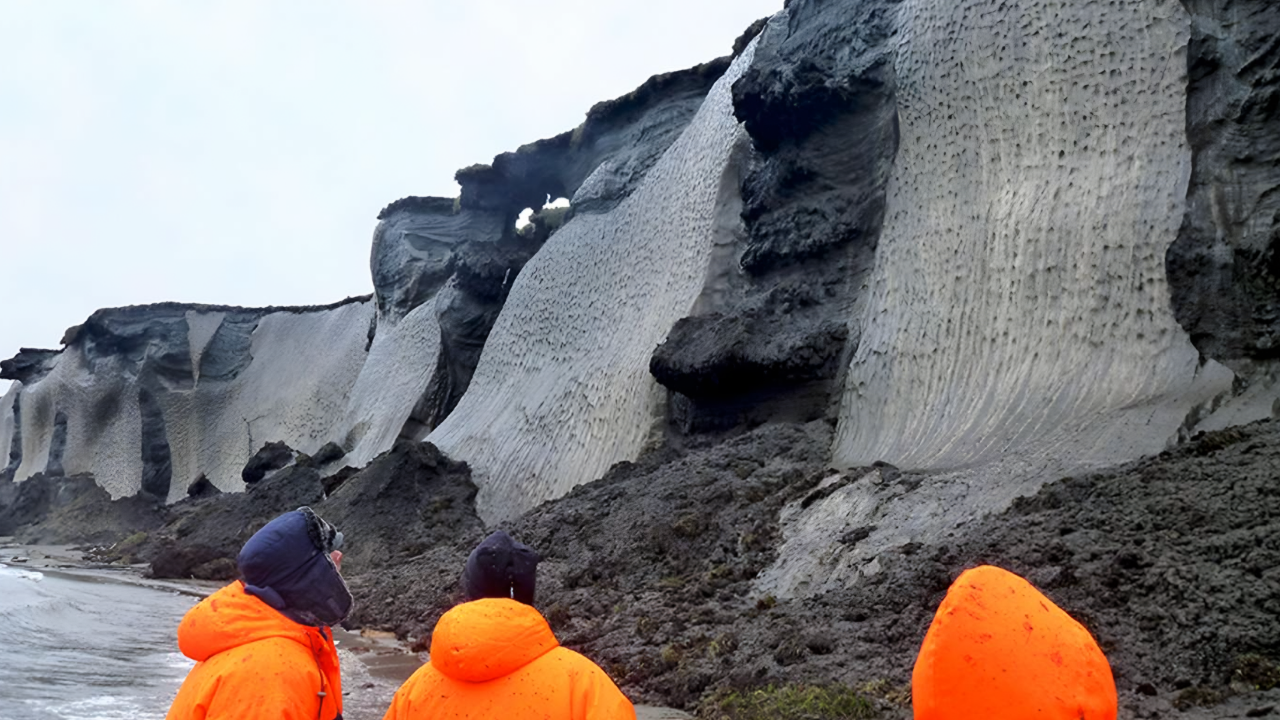
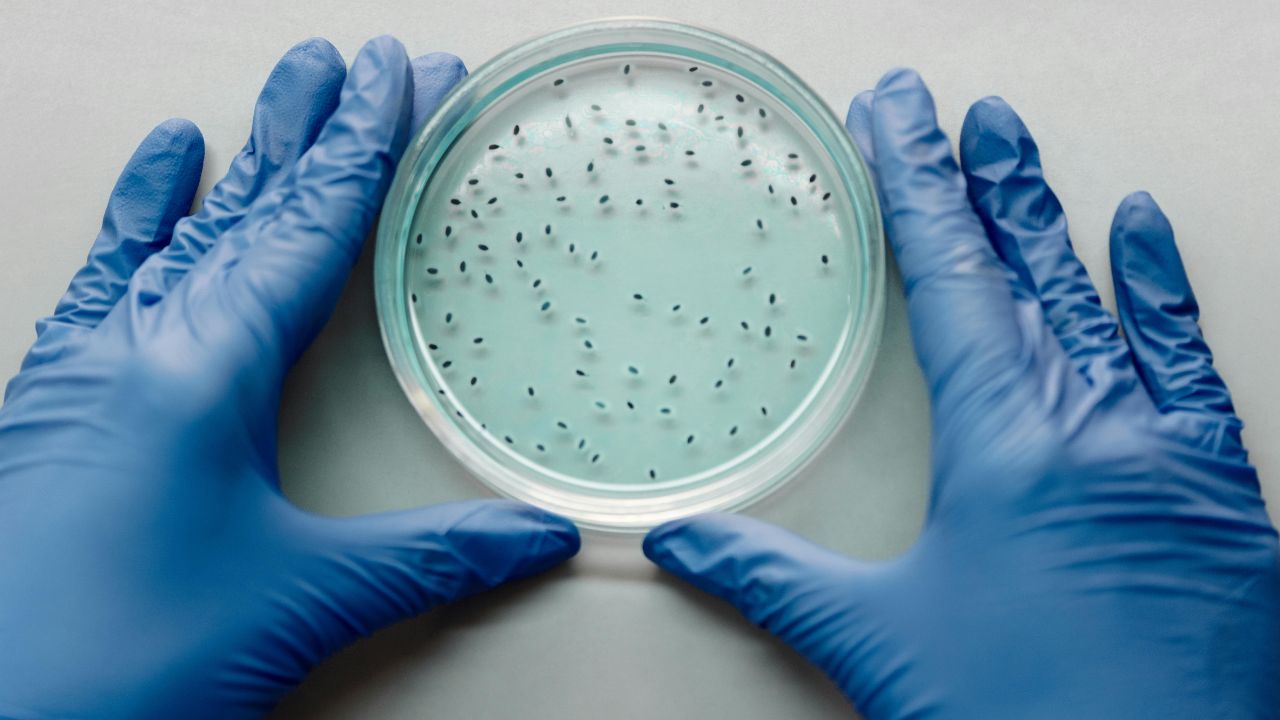
The virus had been frozen for nearly 50,000 years when researchers thawed it in a laboratory dish. Extracted from Siberian permafrost, the ancient sample was revived under controlled conditions—and it infected amoebae, proving it was still viable.
Radiocarbon dating placed its age at 48,500 years, making it the oldest infectious virus ever brought back to life. Scientists confirmed the result carefully. What they found next raised larger questions about what else remains locked in thawing ice.
Thaw Accelerates Danger
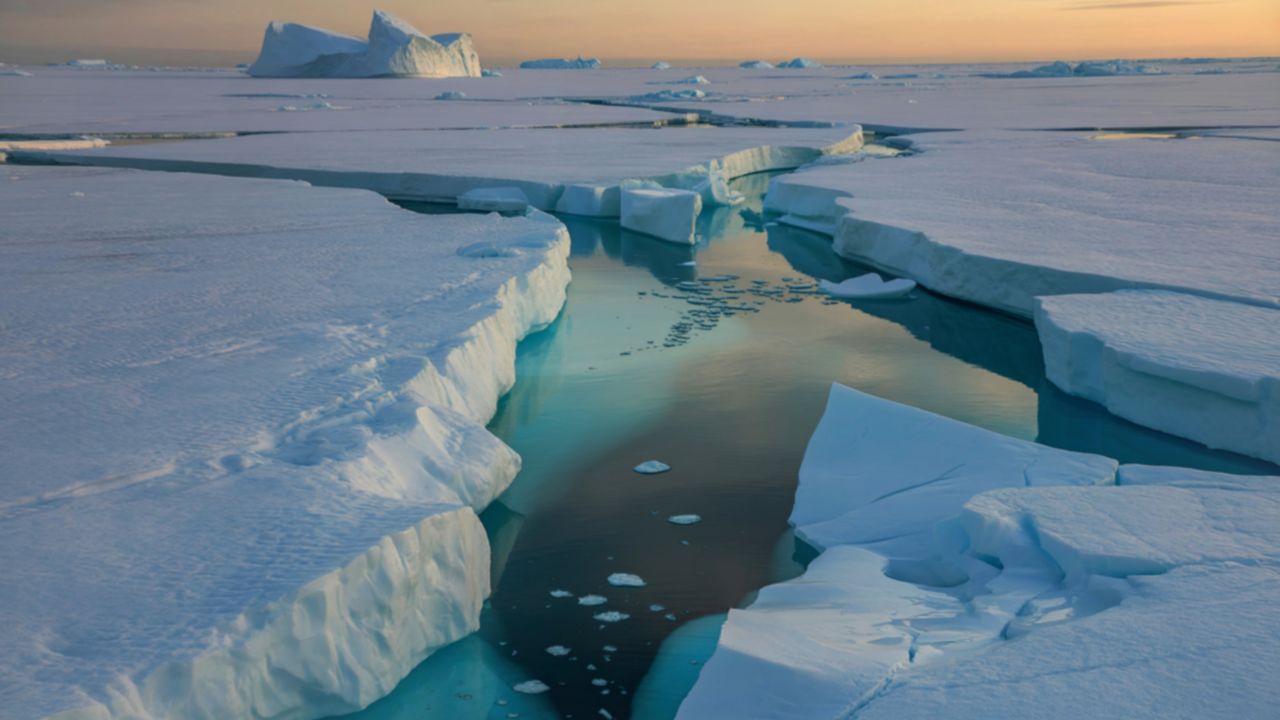
Roughly one-fifth of Northern Hemisphere permafrost is now considered vulnerable to thaw as Arctic temperatures rise two to four times faster than the global average. In Siberia, expanding mining and industrial activity further disrupts frozen ground, increasing exposure risks.
Scientists caution that disturbing ancient layers could release long-preserved microbes. While the probability of dangerous outbreaks remains low, the growing scale of thaw has pushed monitoring from optional to necessary.
Giant Virus History

In 2014, researchers achieved a scientific first by reviving Pithovirus sibericum from Siberian permafrost dated to approximately 30,000 years old. Once thawed under laboratory conditions, the virus successfully infected amoebae, demonstrating that frozen environments can preserve viral infectivity for millennia.
This finding marked the first confirmed case of an ancient virus remaining viable after tens of thousands of years in Arctic soil.
Pressures Mount in Siberia
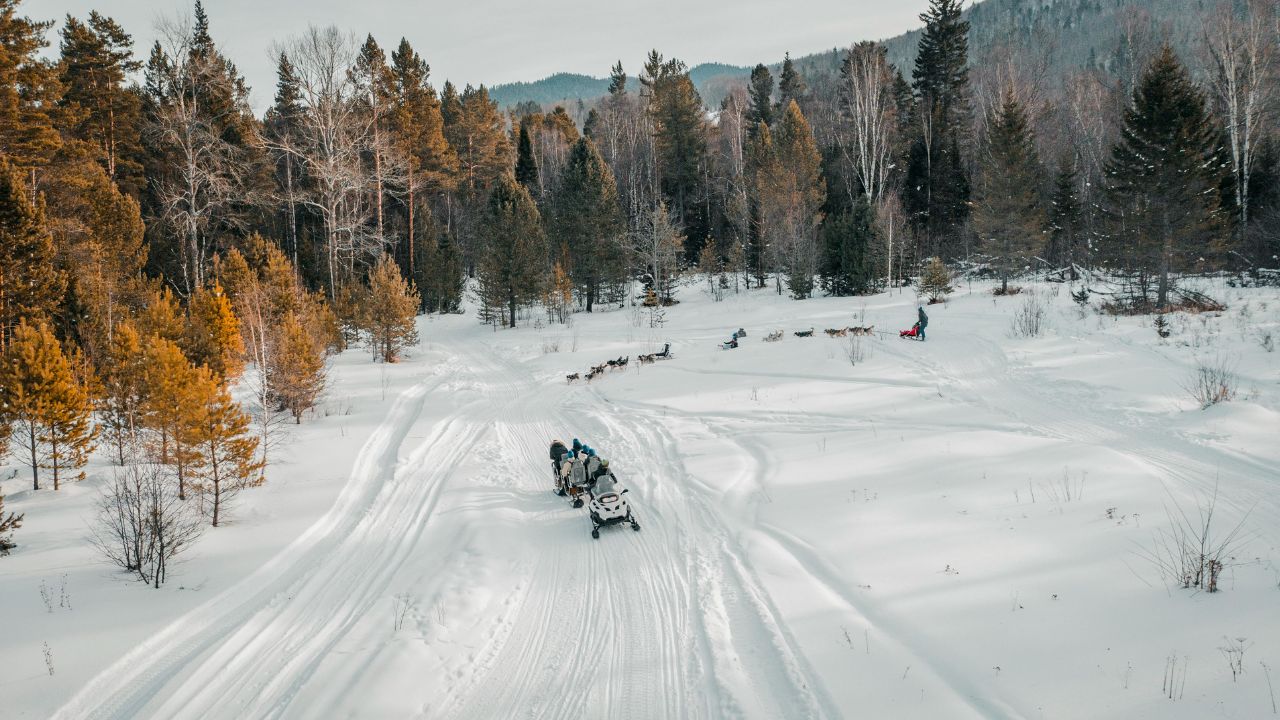
Siberia sits at the intersection of rapid Arctic warming and expanding industrial development. Fossil fuel extraction and mining projects increasingly disturb permafrost layers that have remained frozen since the last Ice Age.
Genetic fragments of ancient viruses, including relatives of poxviruses and herpesviruses, have been detected in permafrost samples. While fragments are not infections, their presence underscores why scientists argue for systematic monitoring as thaw accelerates.
Oldest Virus Revived

In 2023, French researchers led by Jean-Michel Claverie revived a virus dated to 48,500 years old, making it the oldest known infectious virus ever brought back to life.
Extracted from Siberian permafrost and thawed under strict laboratory conditions, the virus infected amoebae, confirming it remained viable after nearly fifty millennia. Radiocarbon dating verified its age, pushing the limits of known viral survival.
Siberian Core Impact

Samples collected from Siberian lake sediments and preserved animal remains revealed 13 previously unknown viruses, including Pandoravirus yedoma. These discoveries highlight the diversity of ancient viruses preserved in permafrost.
As thaw progresses, researchers warn that natural exposure pathways may increase. Monitoring efforts now focus on identifying where ancient microbes exist and understanding how environmental changes could bring them into contact with modern ecosystems.
Experts Sound Alarm
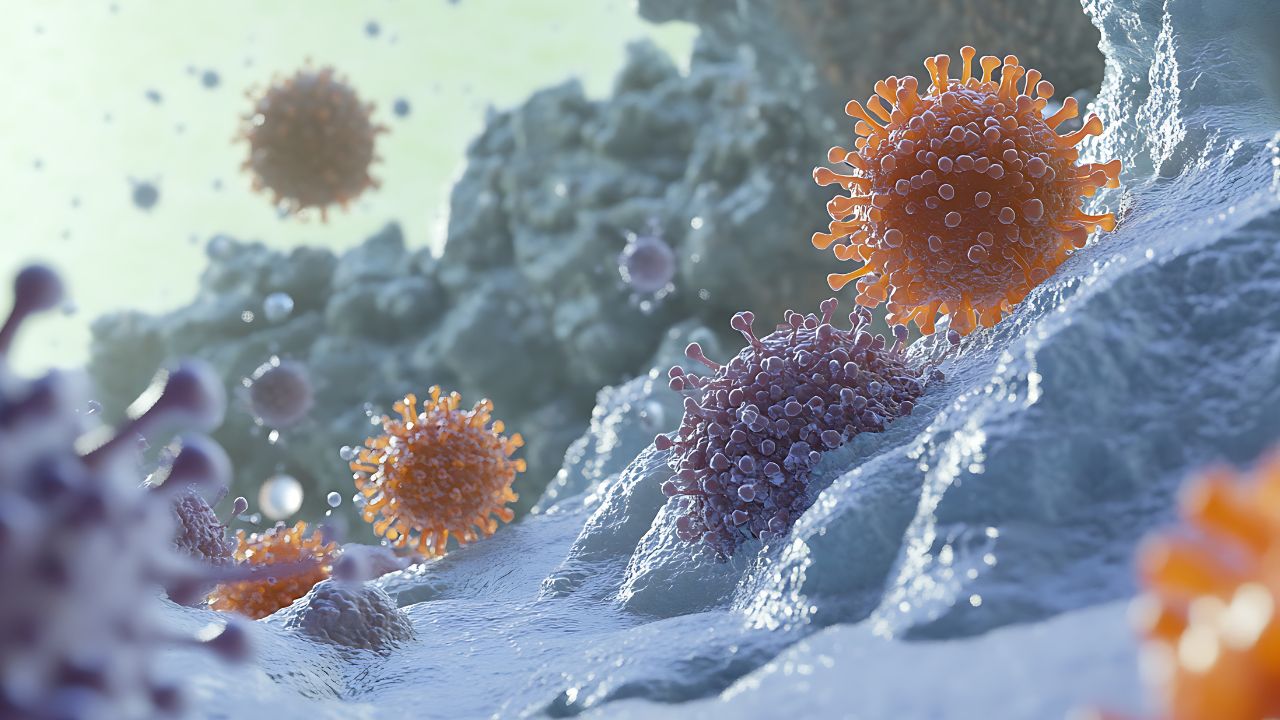
Jean-Michel Claverie describes the re-emergence of ancient viruses as “a real, if unlikely, risk.” Epidemiologist Marion Koopmans has stated that “we don’t know what viruses are lying out there in the permafrost but I think there is a real risk there might be one capable of triggering a disease outbreak.”
While no evidence shows these ancient viruses infect humans, experts note that modern populations lack immunity to pre-evolutionary pathogens. This uncertainty has driven calls for careful surveillance, especially in Arctic and sub-Arctic communities.
Regulatory Gaps Exposed

As Arctic development expands, surveillance efforts struggle to keep pace. University of the Arctic partners have begun coordinating monitoring initiatives, but no global standards exist for screening pathogens released by permafrost thaw.
Researchers warn that industrial activity is advancing faster than scientific oversight. Without shared protocols, early detection remains inconsistent, leaving potential biological risks under-monitored across vast Arctic regions.
Macro Climate Link
Permafrost contains roughly twice as much carbon as is currently present in Earth’s atmosphere. When thawed, microbes break down this material, releasing carbon dioxide and methane that accelerate warming.
This feedback loop further destabilizes frozen ground. Scientists warn that ancient viruses could persist within these layers for thousands of years, linking climate change directly to emerging biological uncertainties that extend beyond greenhouse gas emissions.
Ancient Pathogen Traces

Genetic traces of viruses related to poxviruses and herpesviruses—both known human pathogens—have been detected in permafrost samples. However, these findings consist only of DNA fragments. To date, no infectious human virus has been revived from permafrost.
Researchers stress that detecting genetic material alone does not indicate an active threat, underscoring the importance of distinguishing between molecular evidence and viable infection risk.
Scientists’ Caution Grows
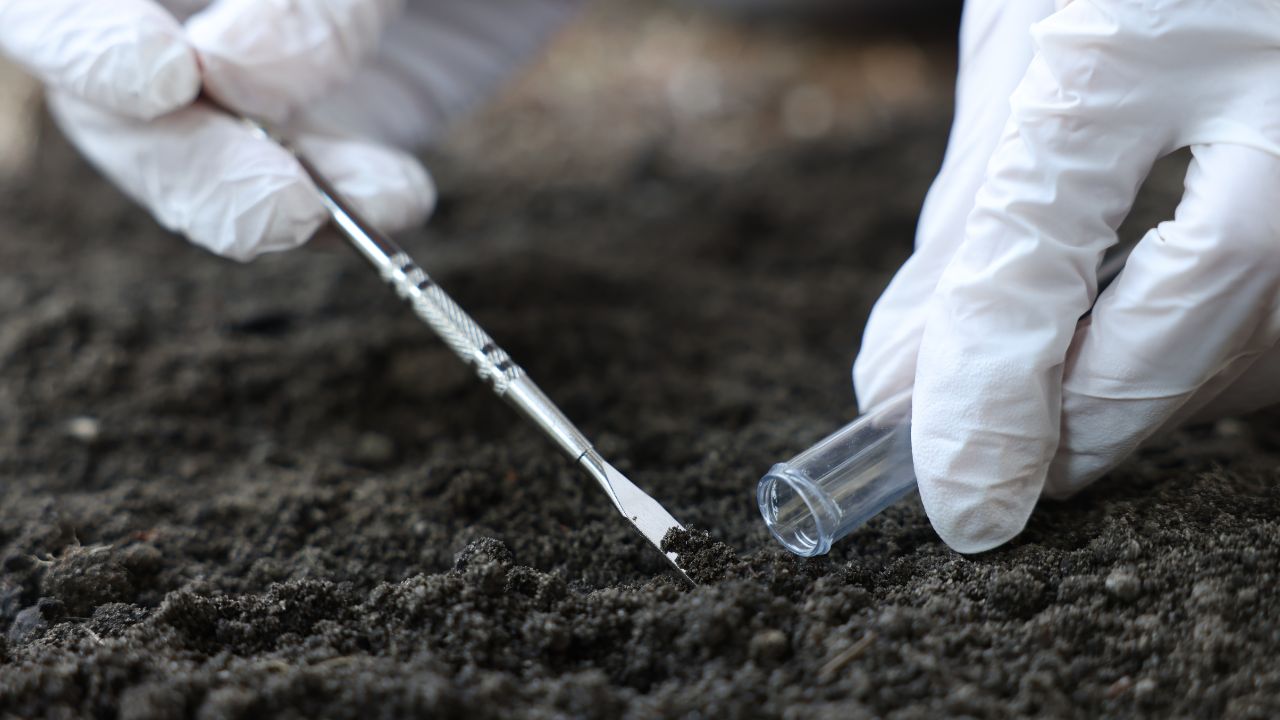
Claverie argues that preparedness, not alarm, should guide future responses. Laboratory revivals have required highly controlled conditions and specialized hosts, such as amoebae. Outside the lab, surveillance remains limited, especially across remote thawing regions.
Scientists emphasize that expanding monitoring networks now could provide early warnings long before any biological threat becomes plausible, allowing time for informed response rather than reaction.
Leadership Shifts Focus
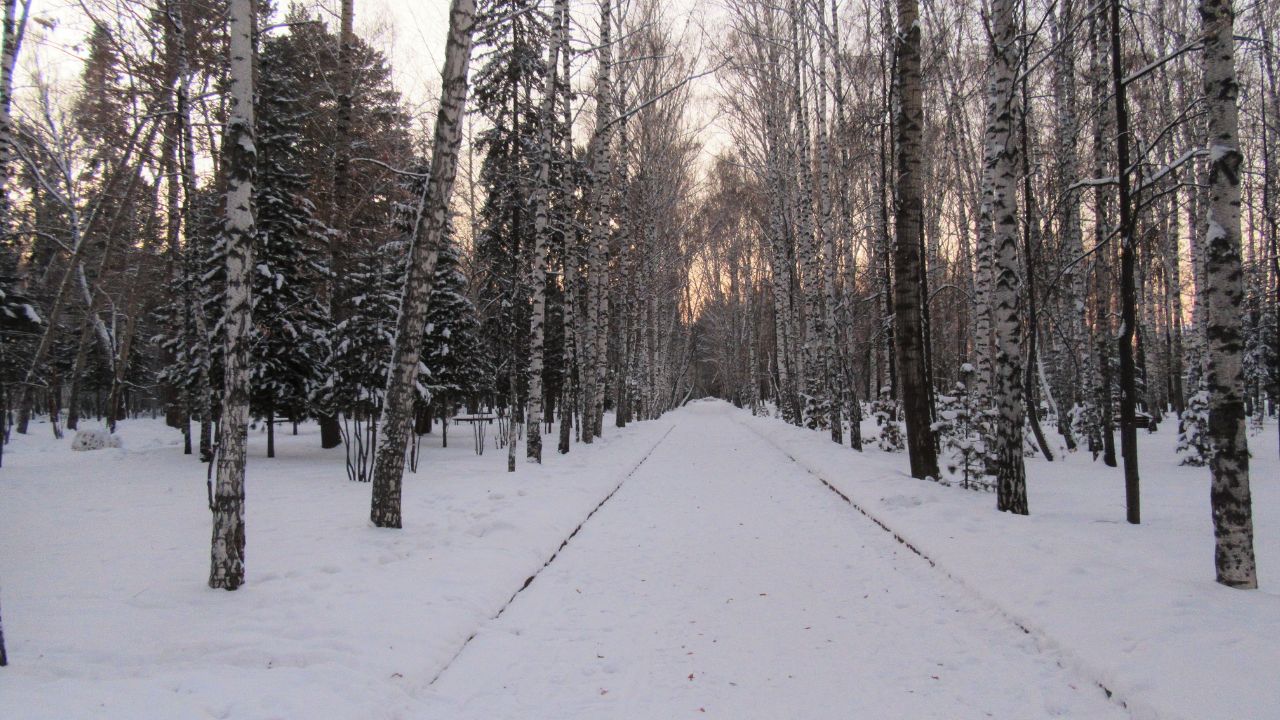
Since 2014, Jean-Michel Claverie of Aix-Marseille University, affiliated with CNRS, has led research into ancient virus revival. Over time, his team’s focus has shifted from discovery toward risk assessment.
Collaborations with the University of the Arctic reflect this change, prioritizing environmental monitoring and preparedness. The goal is no longer to revive viruses, but to understand where risks may emerge.
Monitoring Plans Launch
Researchers are expanding genomic screening programs across Siberia to identify microbial hazards before thaw spreads them. In laboratories, ancient viruses are cultured exclusively using amoebae hosts under strict containment.
Field strategies now aim to align sampling sites with regions experiencing the fastest permafrost degradation. By tracking environmental change alongside pathogen presence, scientists hope to anticipate risks rather than respond after exposure occurs.
Experts Weigh Risks

Marion Koopmans emphasizes that no evidence currently supports human infection from revived ancient viruses. Scientists continue to debate how long pathogens can remain viable and whether viruses adapted to amoebae could ever cross species barriers.
Most agree the immediate risk is low, but preparation remains prudent. The consensus message is clear: vigilance and surveillance are warranted, panic is not.
Future Vigilance Needed
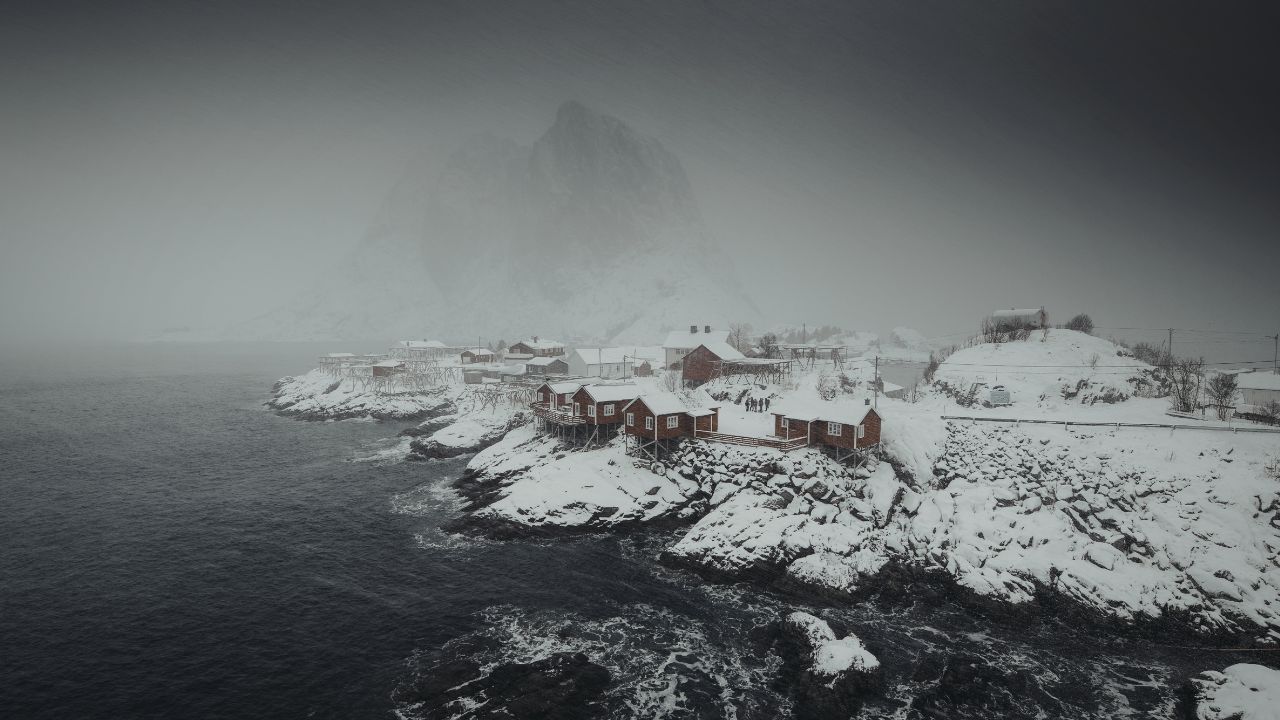
As Arctic industrial activity increases, researchers question whether disturbance will accelerate the release of ancient microbes. Future efforts focus on early-warning systems that integrate climate monitoring with pathogen detection.
Scientists argue that Arctic development should proceed alongside expanded health surveillance. The goal is to ensure that economic expansion does not outpace the scientific capacity to assess emerging biological risks.
Policy Urgency Builds
Calls are growing for international agreements addressing permafrost-related biological risks, similar to pandemic preparedness frameworks. The IPCC links accelerating thaw directly to climate inaction, while researchers highlight Siberia as a pressure point.
Policymakers now face increasing pressure to integrate health safeguards into Arctic governance, acknowledging that environmental change and biological risk are becoming inseparable challenges.
Global Ripples Spread
Permafrost thaw in Siberia carries consequences beyond regional borders. Changing conditions affect shipping routes, energy markets, and international infrastructure. Collaborative monitoring efforts led by groups like the University of the Arctic aim to share data across nations.
While pathogen transmission remains hypothetical, cross-border coordination is viewed as essential to managing any future biological or environmental risks tied to Arctic thaw.
Environmental Double Threat
Beyond microbes, thawing permafrost releases mercury and methane, compounding environmental harm. Yet environmental impact assessments for mining and energy projects rarely include pathogen monitoring. Scientists argue this omission leaves a critical gap in risk evaluation.
Balancing economic development with biohazard awareness has become a growing challenge for regulators tasked with overseeing Arctic extraction in an increasingly unstable climate.
Ethical Reckoning Dawns

The revival of ancient viruses raises ethical questions about laboratory safety and research responsibility. While studies follow strict containment protocols, public concern often blends scientific caution with science-fiction imagery.
Researchers stress that transparency and restraint are essential. As Arctic research expands, ethical oversight must evolve alongside scientific capability to ensure that curiosity does not outpace precaution.
Why It Matters Now
Permafrost thaw is no longer a distant concern but an emerging frontier requiring sustained vigilance. Claverie’s work has reframed frozen ground as both a climate and health monitoring challenge.
By integrating environmental science with global health preparedness, researchers hope to strengthen resilience against future risks—ensuring that ancient ice, once stable for millennia, does not become an unmonitored blind spot.
Sources:
“An Update on Eukaryotic Viruses Revived from Ancient Permafrost.” Journal of Viruses, February 2023.
“Permafrost and the Global Carbon Cycle.” Permafrost Carbon Network, Arctic Report Card, National Oceanic and Atmospheric Administration (NOAA), 2023.
“Permafrost can imprison dangerous microbes for centuries. Will Arctic thaw release them?” Science Magazine, 26 September 2023.
“Scientists prepare safeguards against possible Arctic zombie viruses.” Medical Brief, 23 January 2024.