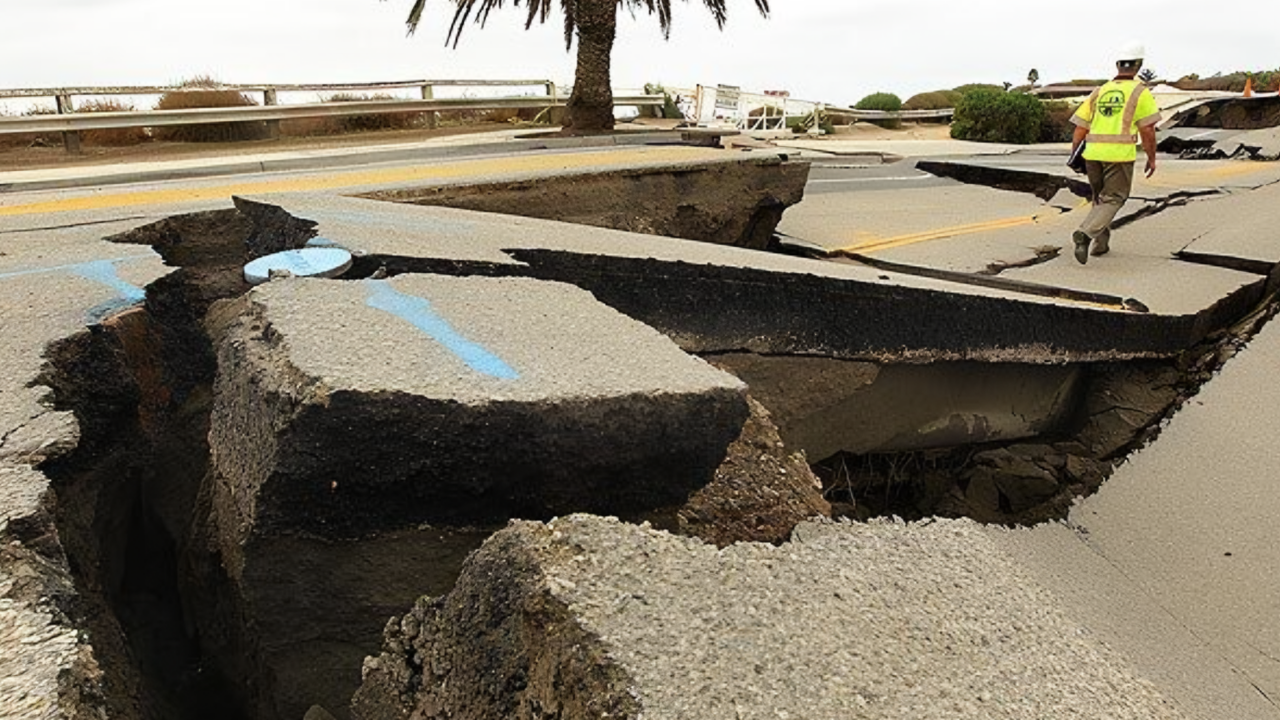
Early in the morning on October 29, two earthquakes occurred approximately 280 miles west of the Oregon coast in the Pacific Ocean. The first earthquake, measuring 4.8 in magnitude, occurred around 4:52 a.m., followed by a stronger 5.4 magnitude quake at approximately 6:00 a.m.
Both earthquakes struck at a depth of roughly 10 kilometers in an area known as the Blanco Fracture Zone, an underwater fault line where two tectonic plates slide past each other. Because the earthquakes were so far from land, most people in Oregon and Washington slept through them. Only a few hundred residents along the coast reported feeling slight shaking.
Officials from the U.S. Geological Survey and the National Tsunami Warning Center quickly confirmed there was no danger of a tsunami, which helped ease any worries people might have had. Authorities reported no damage or injuries, and coastal communities continued their everyday lives.
Why These Earthquakes Are Not Dangerous
The Blanco Fracture Zone is one of the most active earthquake zones in North America, producing more earthquakes than even California’s famous San Andreas Fault. Since the 1970s, scientists have recorded more than 1,500 earthquakes of magnitude 4 or higher in this zone.
The fault stretches for about 217 miles underwater, where the Pacific Plate and the Juan de Fuca Plate slide sideways past each other. This sideways motion creates frequent earthquakes, but they rarely cause problems on land because the movement is horizontal rather than vertical.
Scientists explain that vertical movement is needed to develop tsunamis or cause severe damage, but the Blanco zone doesn’t produce that kind of motion. The earthquakes that happen here are considered routine. In fact, the area experiences similar earthquake swarms regularly, sometimes with dozens of quakes happening in just a few days.
While scientists monitored the region for aftershocks after the October 29 earthquakes, they emphasized that these events pose no threat to coastal communities and do not increase the risk of triggering a larger, more dangerous earthquake on nearby fault zones.
Preparing for the Real Threat: The Cascadia Fault
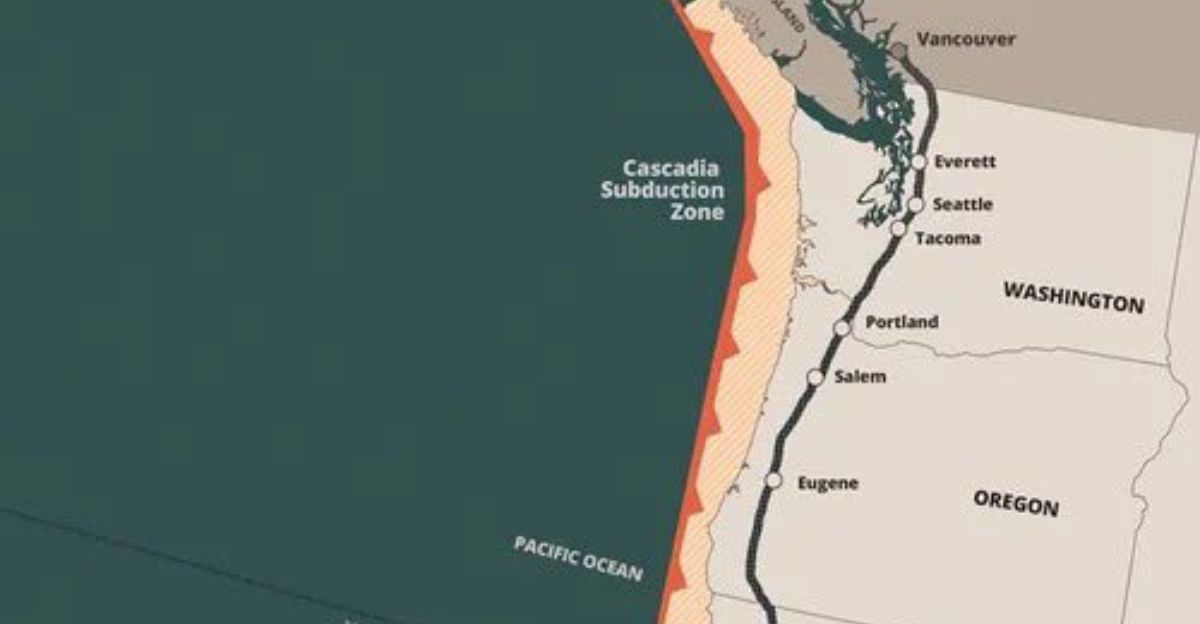
While the Blanco Fracture Zone produces frequent earthquakes that are mostly harmless, the genuine concern for people in Oregon and Washington is a different fault, much closer to shore, called the Cascadia Subduction Zone.
This fault last produced a massive earthquake in the year 1700, and scientists estimate there is about a 37 percent chance it could generate another major earthquake of magnitude 7.1 or higher in the next 50 years.
Unlike the Blanco zone, the Cascadia fault is capable of producing a devastating magnitude nine earthquake and an enormous tsunami that would impact the entire coastline. Due to this threat, emergency officials have launched a campaign called “2 Weeks Ready,” which encourages families to stockpile enough food, water, and supplies to sustain themselves for at least two weeks following a major disaster.
This represents a change from the old three-day recommendation, recognizing that a major Cascadia earthquake could destroy roads and bridges, cutting off communities for an extended period. Oregon has also updated its building codes since the 1990s to make structures more earthquake-resistant, though many older buildings remain vulnerable.
Communities along the coast have built special evacuation structures that can withstand both earthquakes and tsunamis. New technology, such as the ShakeAlert early warning system, gives people precious seconds to take cover before strong shaking arrives.