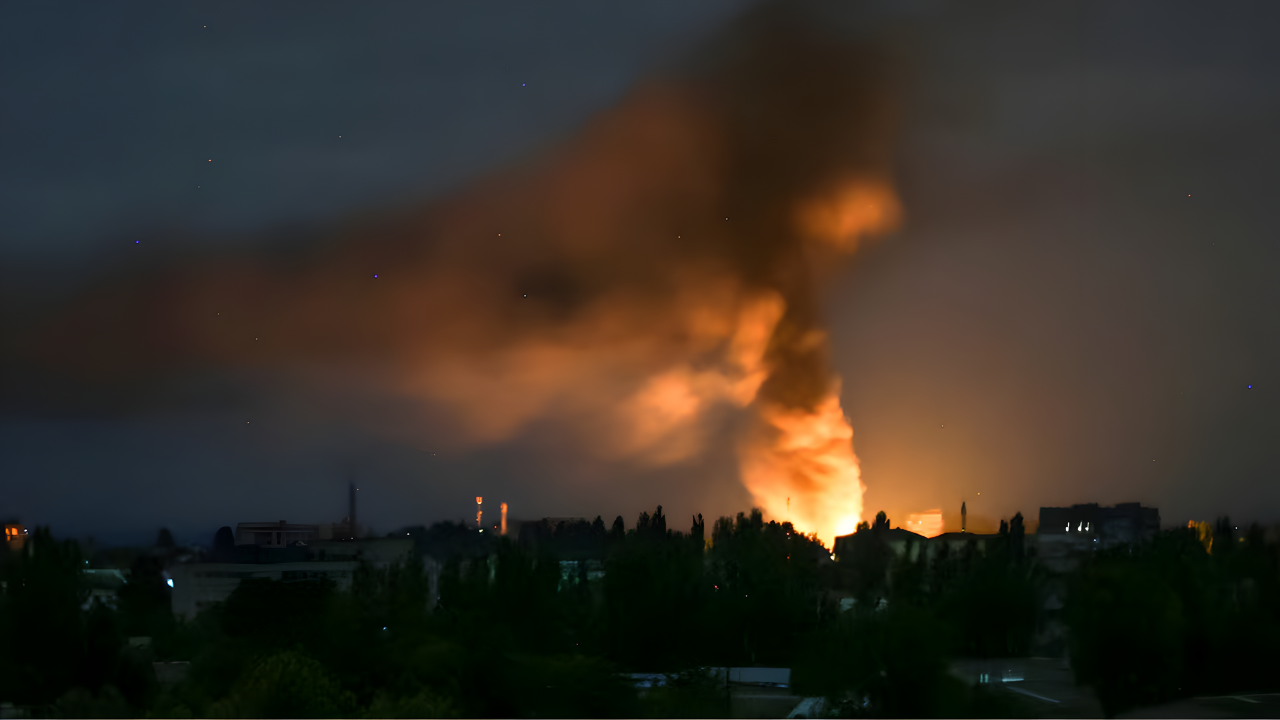
Power collapsed across multiple Ukrainian regions within hours as more than 450 Russian attack drones and dozens of missiles struck the country’s energy network overnight. Substations shut down, pumping stations stalled, and entire districts lost electricity and water as temperatures dropped.
By morning, officials said over one million people were affected—one of the largest single-night disruptions to Ukraine’s power grid since the war began. The blackout, however, was only the first phase of a much larger assault.
Escalating Barrage
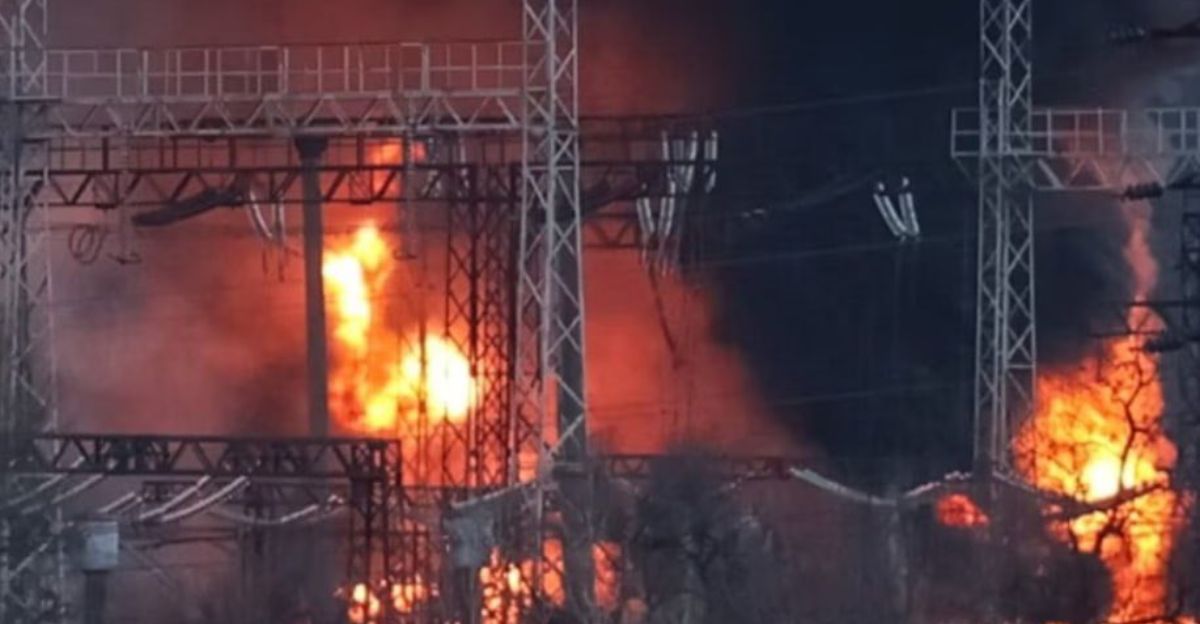
Ukraine’s military said the assault combined hundreds of attack drones with roughly 30 missiles, making it one of Russia’s most complex air operations to date. The sheer volume forced air defense units to prioritize threats in seconds, leaving some infrastructure exposed.
Officials warned that repeated barrages of this scale could gradually erode interception capacity, raising the likelihood that future attacks will cause broader, longer-lasting power outages across the country.
War Background
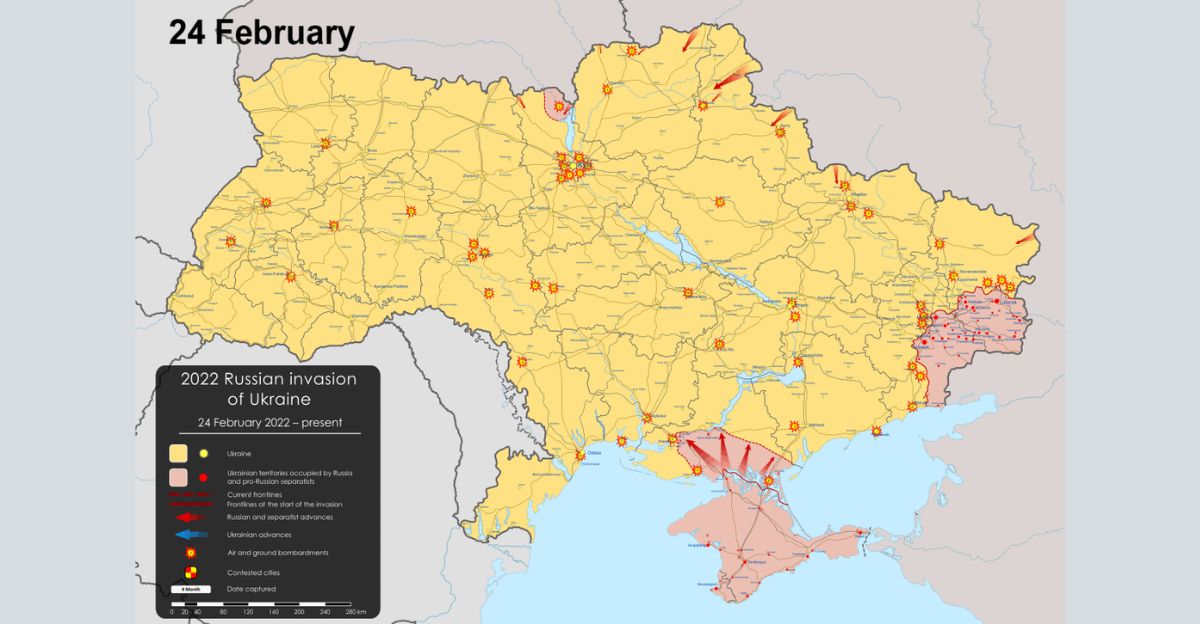
Russia’s full-scale invasion of Ukraine began in February 2022 and has now entered its fourth year. After failing to capture Kyiv in the opening weeks, Moscow shifted toward a prolonged war of attrition supported by long-range strikes.
Energy infrastructure emerged as a primary target in late 2022, with missiles and Iranian-designed Shahed-type drones used to disrupt electricity and heating, especially during winter months.
Energy Under Siege
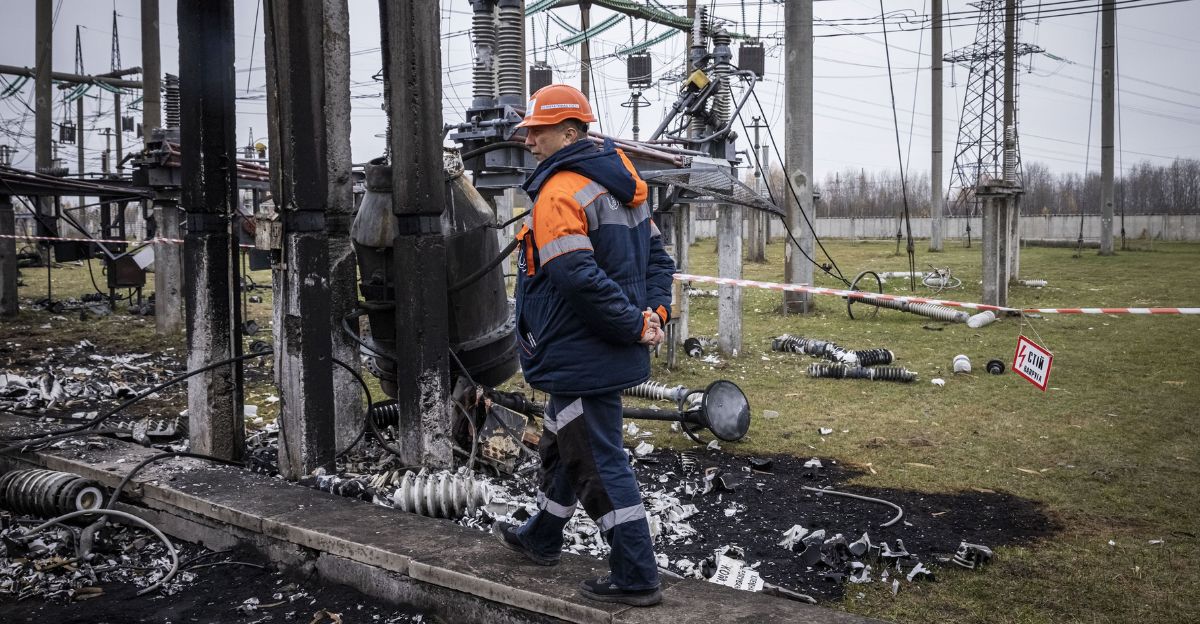
Ukraine’s power grid has endured two winters of sustained damage. Substations, transformers, and high-voltage lines repaired after earlier strikes remain vulnerable to repeat attacks. Each new hit reduces redundancy, meaning even limited damage can trigger widespread outages.
According to Ukrainian energy officials and Western analysts, Russia’s approach appears aimed at gradually weakening both generation and transmission, so smaller strikes can produce cascading failures that overwhelm repair capacity.
Record Swarm
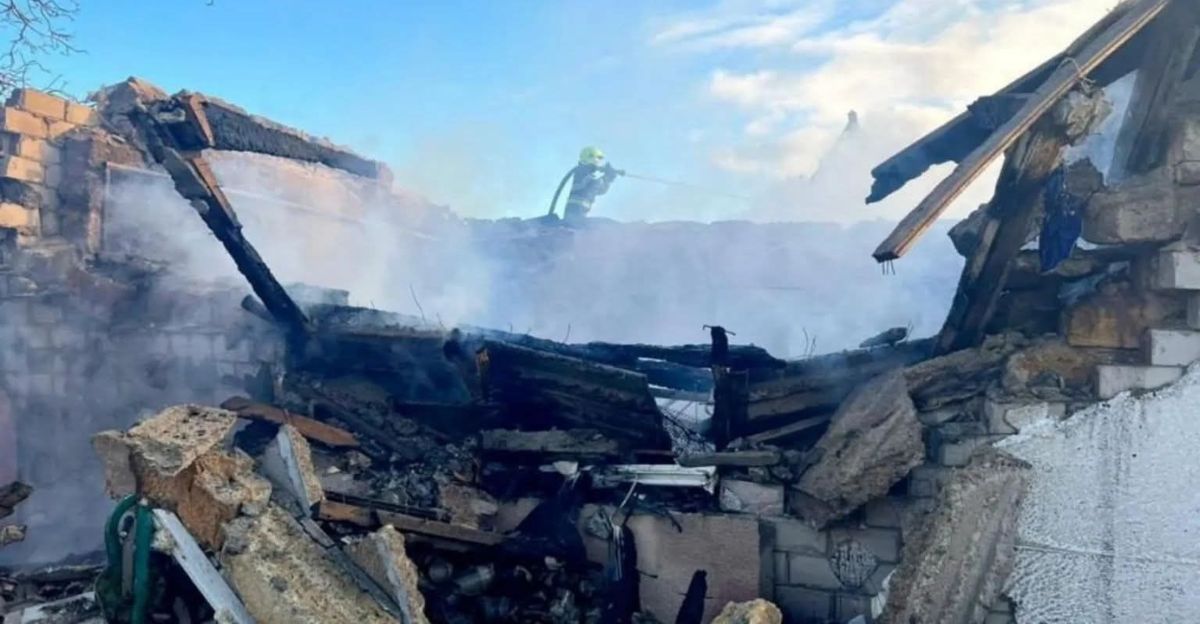
Overnight into Saturday, December 13, 2025, Russia launched more than 450 attack drones alongside about 30 missiles. Multiple Ukrainian and international media outlets described it as the largest single-night drone swarm of the war.
Energy facilities in at least nine regions sustained damage, leaving more than one million people without electricity. Officials said the attack demonstrated how quickly a concentrated strike package can destabilize the national grid.
Nine Regions Hit
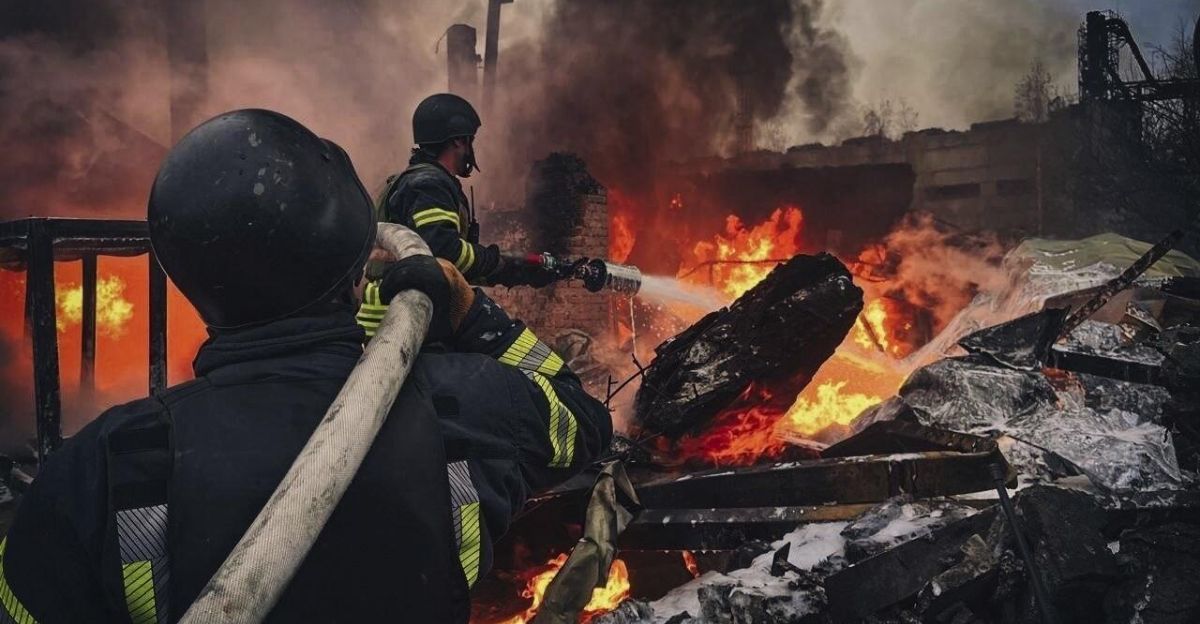
Authorities confirmed damage across Kirovohrad, Mykolaiv, Odesa, Sumy, Kharkiv, Kherson, Chernihiv, Dnipro, and Cherkasy regions. Thousands of households woke to blackouts, while water systems also failed in some areas after pumping stations lost power.
Local governments opened warming centers and urged residents to conserve electricity once service partially returned, warning that follow-up strikes could complicate repairs and extend shortages.
Lives Upended
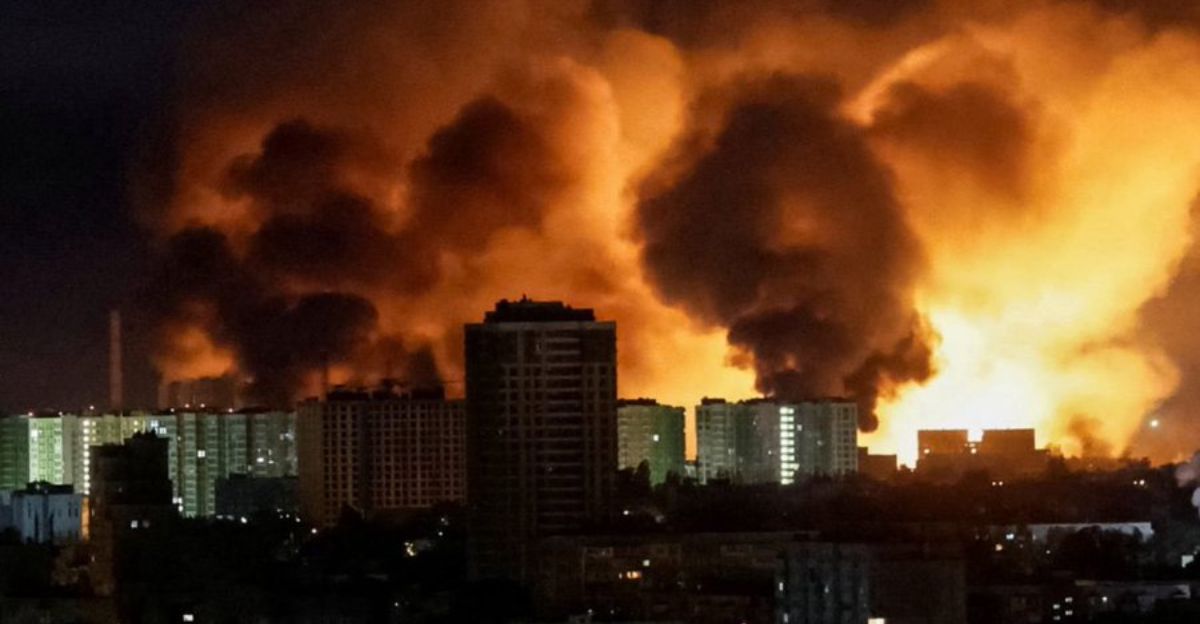
At least three people were killed and ten injured during the overnight attacks. Fatalities were reported in the Donbas towns of Oleksiievo-Druzhkivka and Kostiantynivka. Residential buildings suffered damage from falling debris and blast waves near targeted infrastructure.
In Odesa, repeated strikes over recent days disrupted both electricity and water, forcing residents to rely on generators as crews worked to restore basic services.
Cross-Border Strikes
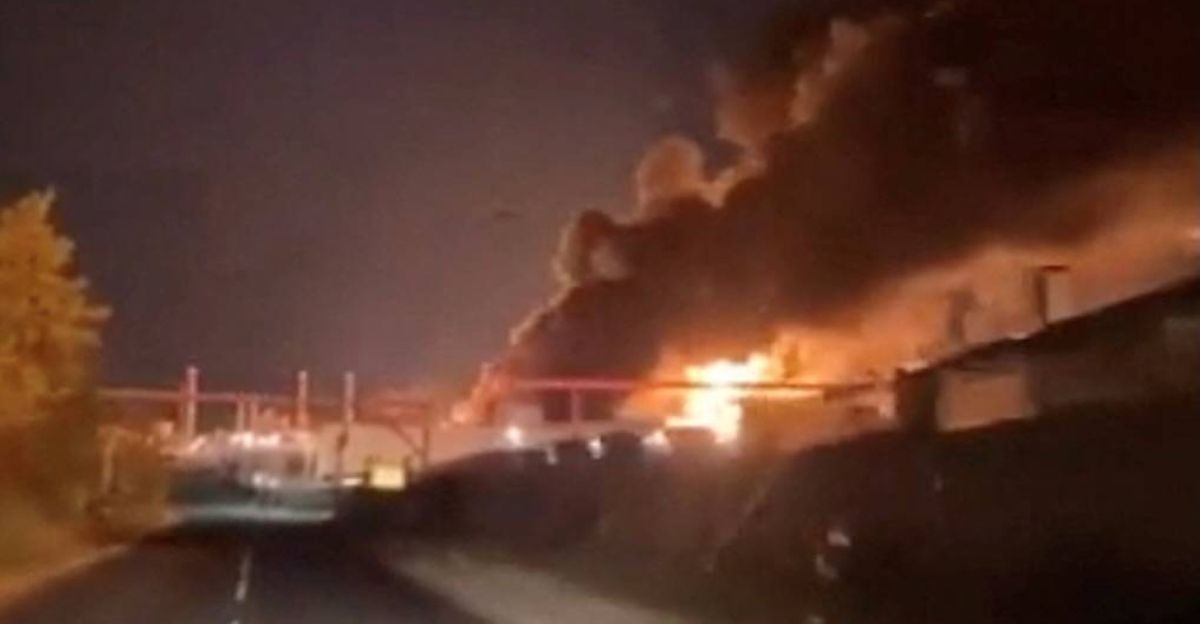
The air war extended beyond Ukraine’s borders. Ukrainian drones struck Russia’s Saratov region overnight into Sunday, killing two people and damaging a residential building, a kindergarten, and a clinic, according to Russian officials.
Russia’s Defense Ministry said it intercepted 41 Ukrainian drones during the same period. The exchange highlights how long-range drone warfare is increasingly shaping the conflict far from active front lines.
Drone Warfare Trend
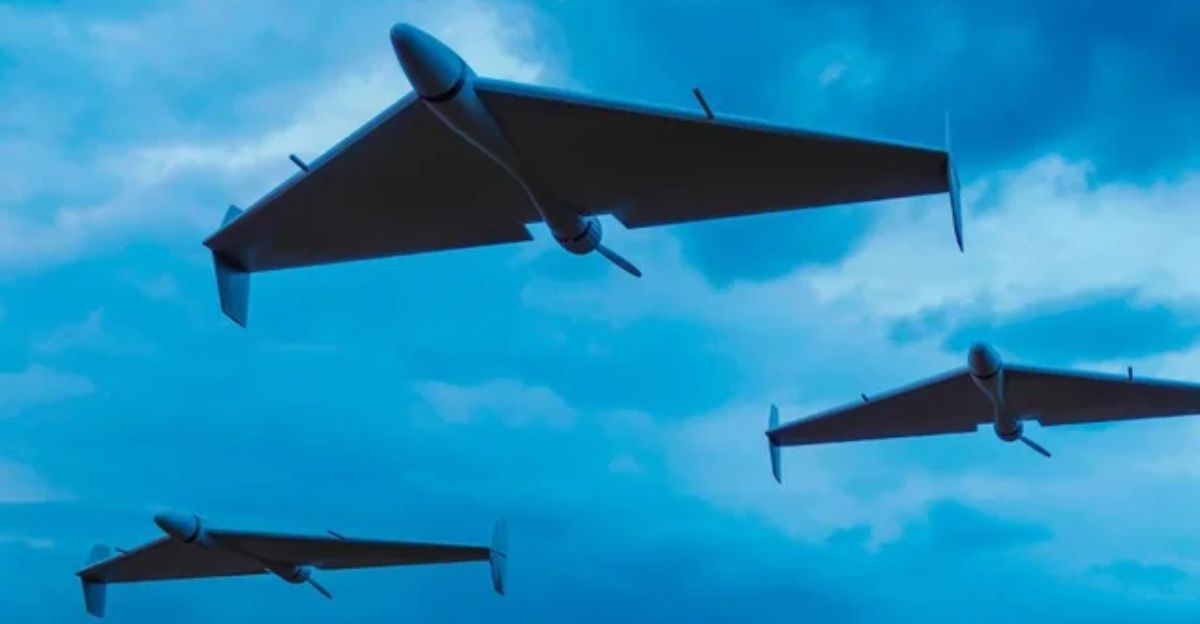
The December barrage reflects a broader shift toward drone-heavy warfare. Russia relies on mass Shahed-type drone waves to saturate Ukrainian air defenses, while Ukraine deploys long-range drones against oil depots, airfields, and logistics hubs inside Russia.
Research organizations such as the Institute for the Study of War and the Royal United Services Institute note that drones are cheaper to produce than cruise missiles, enabling sustained pressure over time.
Air Defense Strain
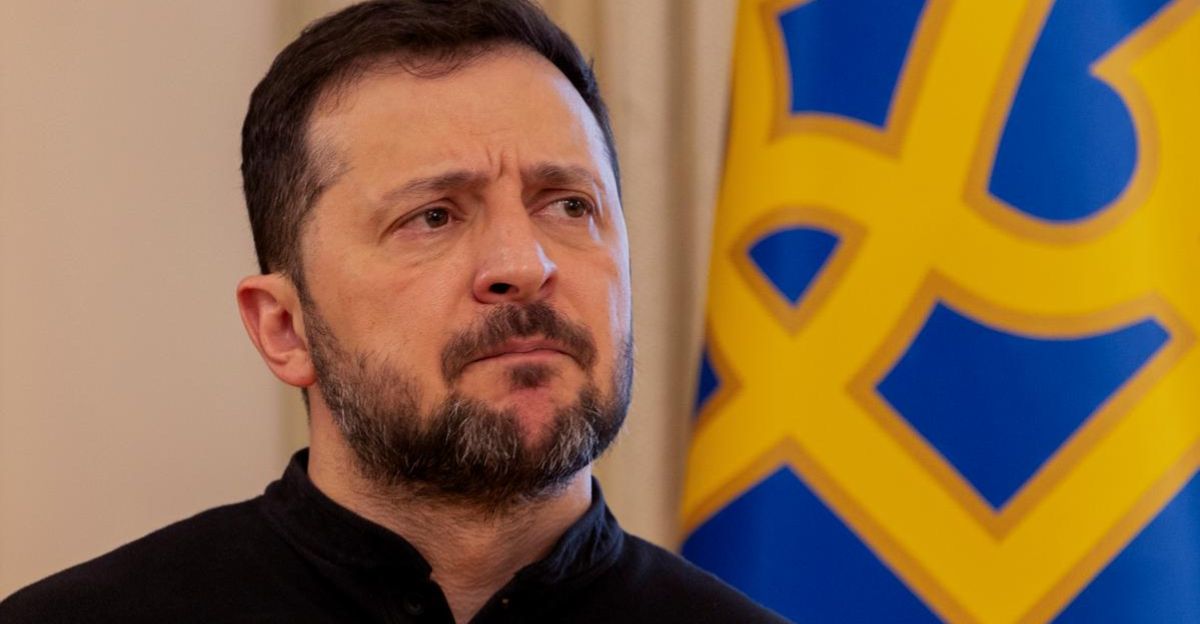
Volodymyr Zelenskyy warned that sustained nights involving more than 400 incoming drones could overwhelm Ukraine’s defenses. Each interception consumes expensive missiles or limited ammunition, while Russia may replenish drones faster.
NATO advisors and analysts caution that this imbalance risks leaving critical power facilities exposed, particularly if Western resupply slows or military aid decisions are delayed by political disputes.
Leadership Blame
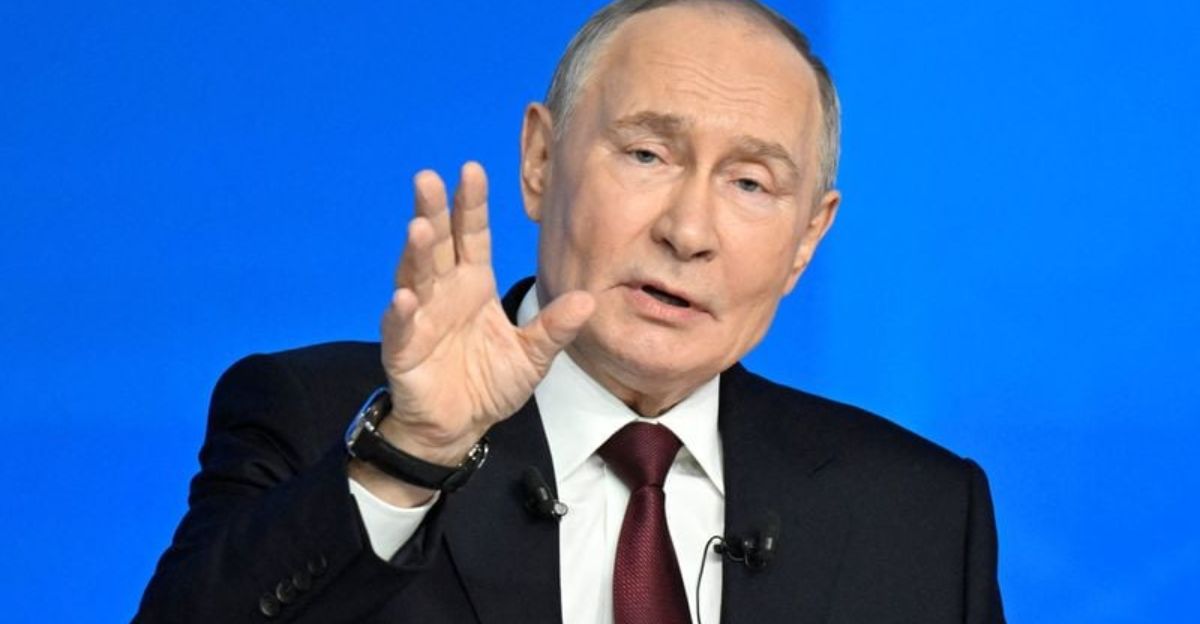
Ukrainian officials place responsibility for the strikes on Vladimir Putin. As Russia’s head of state and commander-in-chief, he is widely viewed by Western governments as directing major military campaigns, including attacks on civilian infrastructure.
Many European leaders describe the conflict as “Putin’s war,” framing repeated energy strikes as deliberate Kremlin policy rather than unintended battlefield consequences.
Zelenskyy’s Verdict
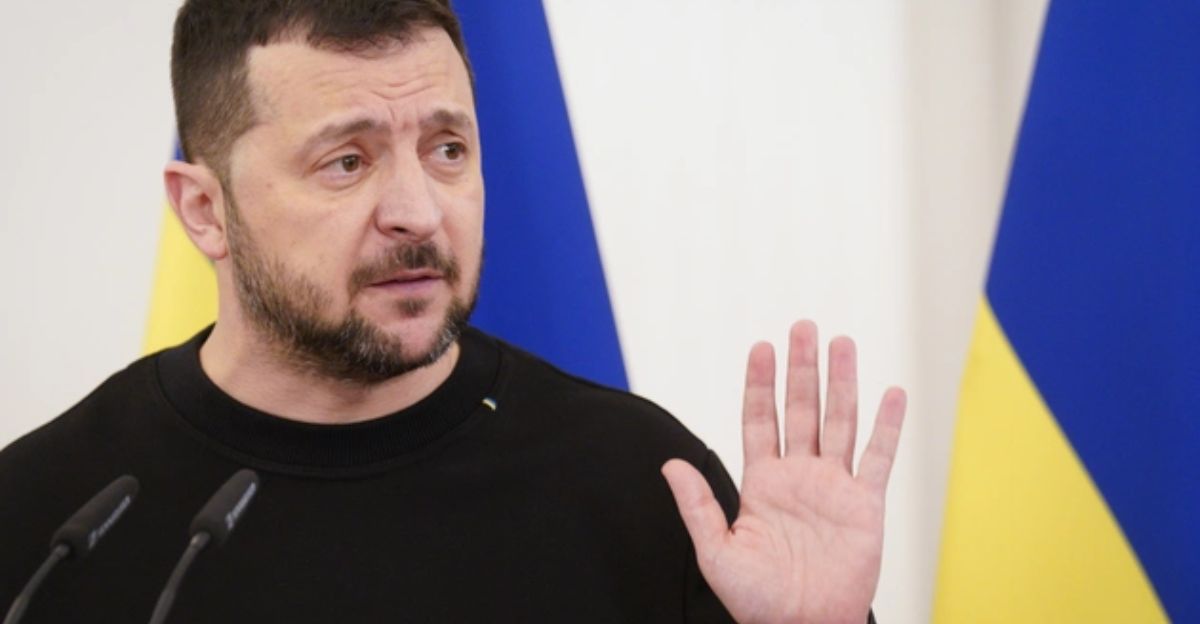
Responding to the record drone assault, Zelenskyy said, “It is important that everyone now sees what Russia is doing… all their attacks, for this is clearly not about ending the war.”
His statement framed the continued large-scale strikes as evidence that Moscow is not pursuing a negotiated settlement. The remarks quickly became a focal point in international reactions to the overnight blackout and damage.
International Frustration

In Washington, the White House said U.S. President Donald Trump was “extremely frustrated with both sides” of the conflict. The comment reflected growing international fatigue with the prolonged stalemate.
Diplomats warn that escalating attacks on civilian infrastructure may harden positions further, making future negotiations more difficult rather than encouraging compromise as the humanitarian toll continues to rise.
Repair and Resilience
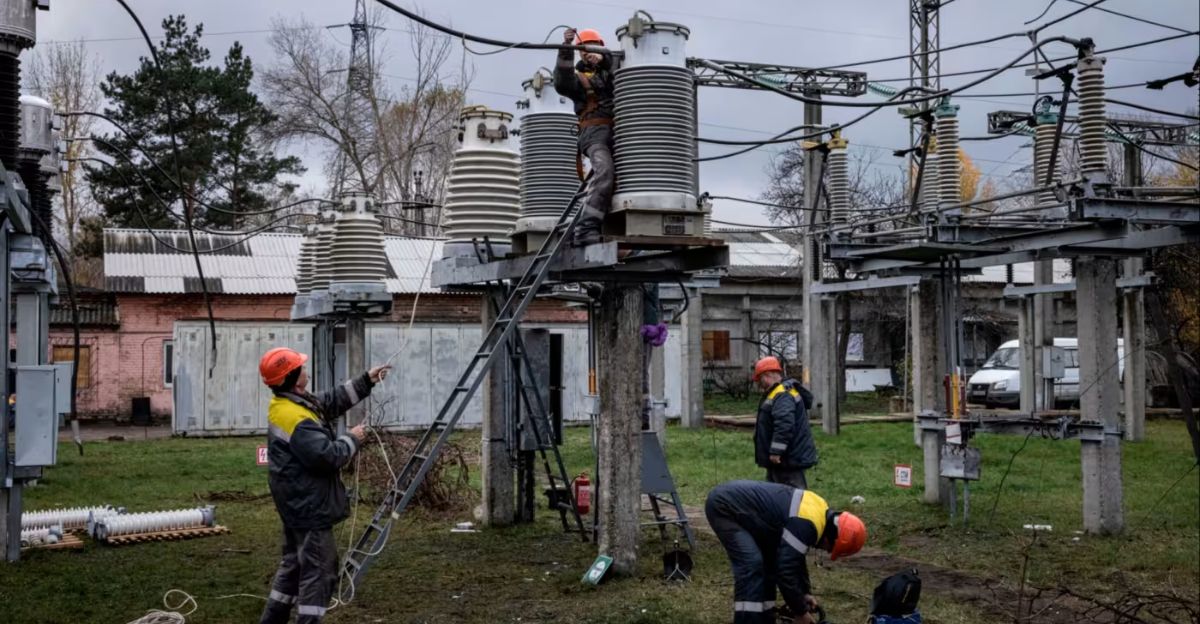
Ukrainian utilities mobilized emergency crews once again, deploying mobile transformers and rerouting power to stabilize the grid. International partners, including the European Union and G7 nations, continue supplying funding and replacement equipment.
Still, each large-scale strike depletes reserves, forcing authorities to make difficult decisions about which regions receive priority power during rolling outages.
Uncertain Endgame
With Russia deploying record numbers of drones and Ukraine striking back inside Russian territory, the war shows little sign of slowing. The latest blackout underscores how civilian infrastructure remains central to military strategy and civilian suffering alike.
As winter deepens and debates over aid and diplomacy intensify, the conflict appears locked into a costly war of attrition with no clear end in sight.
Sources:
“Russia fires overnight barrage of 450 drones, 30 missiles killing at least three people in Ukraine.” Euronews, 13 December 2025.
“Russia launches 450 drones and 30 missiles, targeting mainly energy infrastructure.” Ukrainian Pravda, 13 December 2025.
“Ukraine’s Odesa suffers major blackouts after Russian attack.” Reuters, 13 December 2025.
“Major Russian drone and missile attack on Ukraine kills civilians as power outages spread across regions.” Associated Press, 23 December 2025.