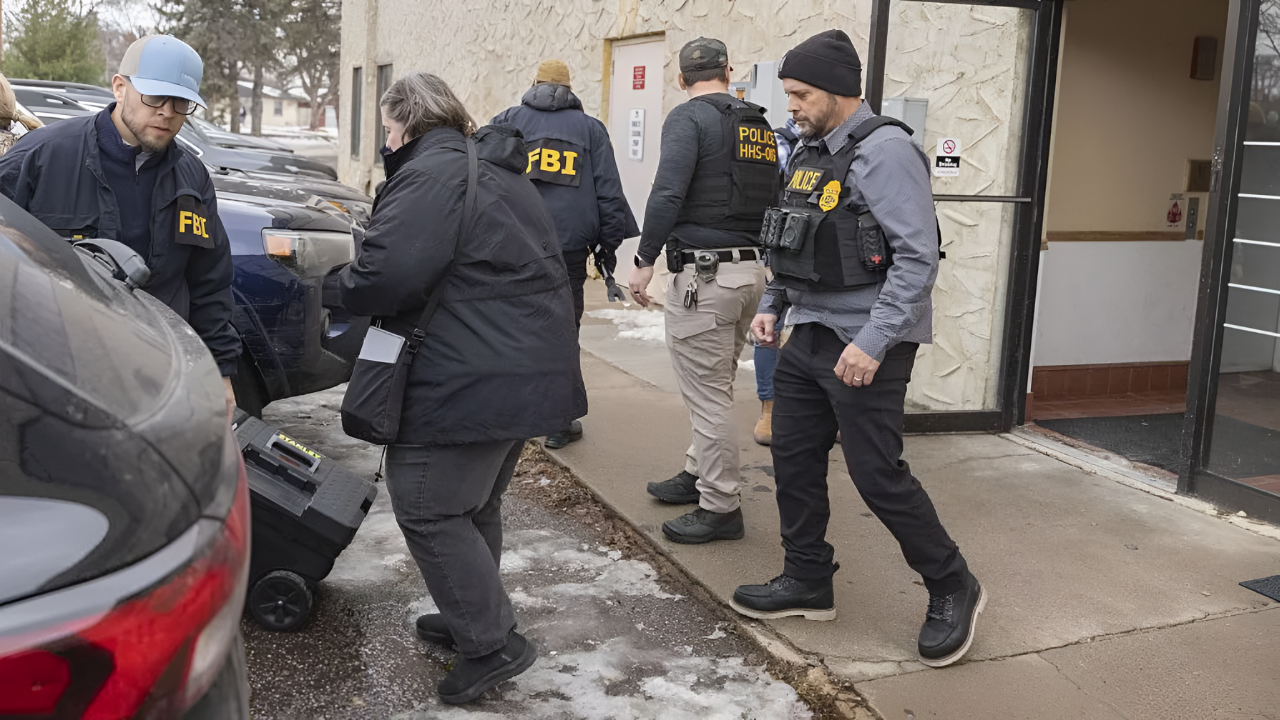
Federal prosecutors leaned into their microphones and said the number out loud: up to $9 billion. In court filings and public briefings, investigators revealed that more than half of Minnesota’s Medicaid claims since 2018 may be improper, tied to providers that existed mostly on paper.
The figure landed like a shockwave—larger than most fraud cases ever prosecuted in the U.S. And officials warned this disclosure was only the beginning of what they were uncovering.
Scale Escalates
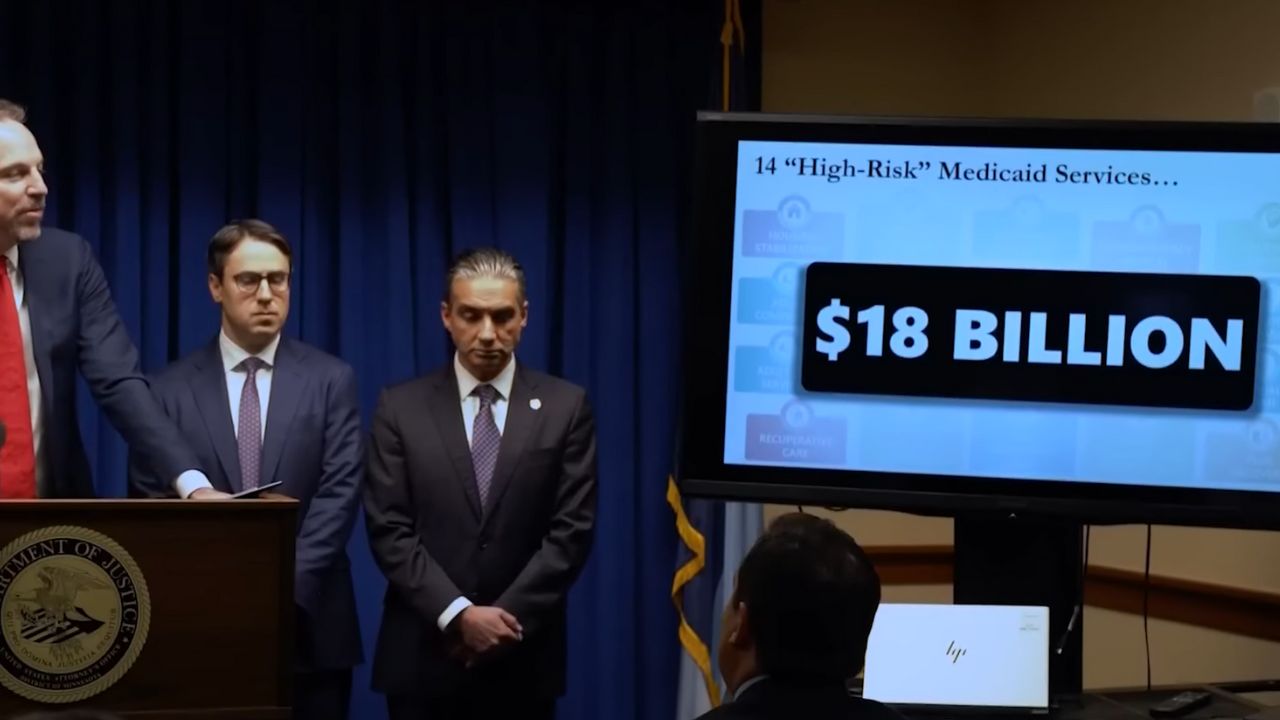
Federal prosecutors are now examining up to $9 billion in alleged fraudulent Medicaid billing, a figure that would make this the largest Medicaid scam ever uncovered in the United States.
According to investigators, 50% or more of claims raised red flags, prompting the FBI to surge resources into Minnesota. The alleged schemes operated at industrial scale, relying on fake providers, falsified paperwork, and minimal oversight.
Pandemic Roots
Investigators trace many of the vulnerabilities back to COVID-era emergency expansions, when oversight requirements were loosened to speed aid delivery. Since 2018, at least 14 Minnesota aid programs—including Medicaid housing and autism therapy—have been exploited.
To date, 98 people have been charged and more than 57 convicted, with prosecutions continuing as authorities uncover new layers of abuse.
Red Flags Ignored
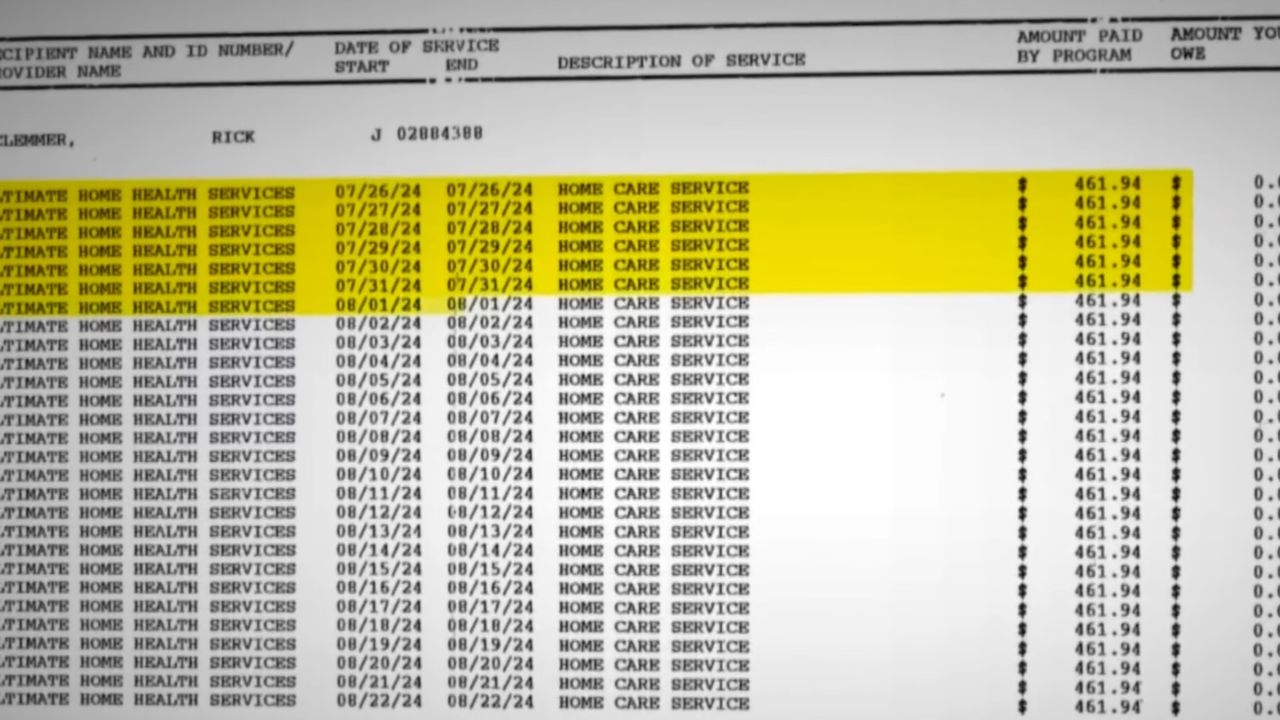
State audits later revealed that multiple warning signs were missed or dismissed by Minnesota agencies. Internal reports flagged abnormal billing patterns, inflated provider counts, and repeated compliance failures.
However, agencies hesitated to shut down payments, citing fears of lawsuits and discrimination claims. The Legislative Auditor’s 2024 report concluded that departments were unprepared for the scale of funding they were suddenly managing.
Prosecutors Strike
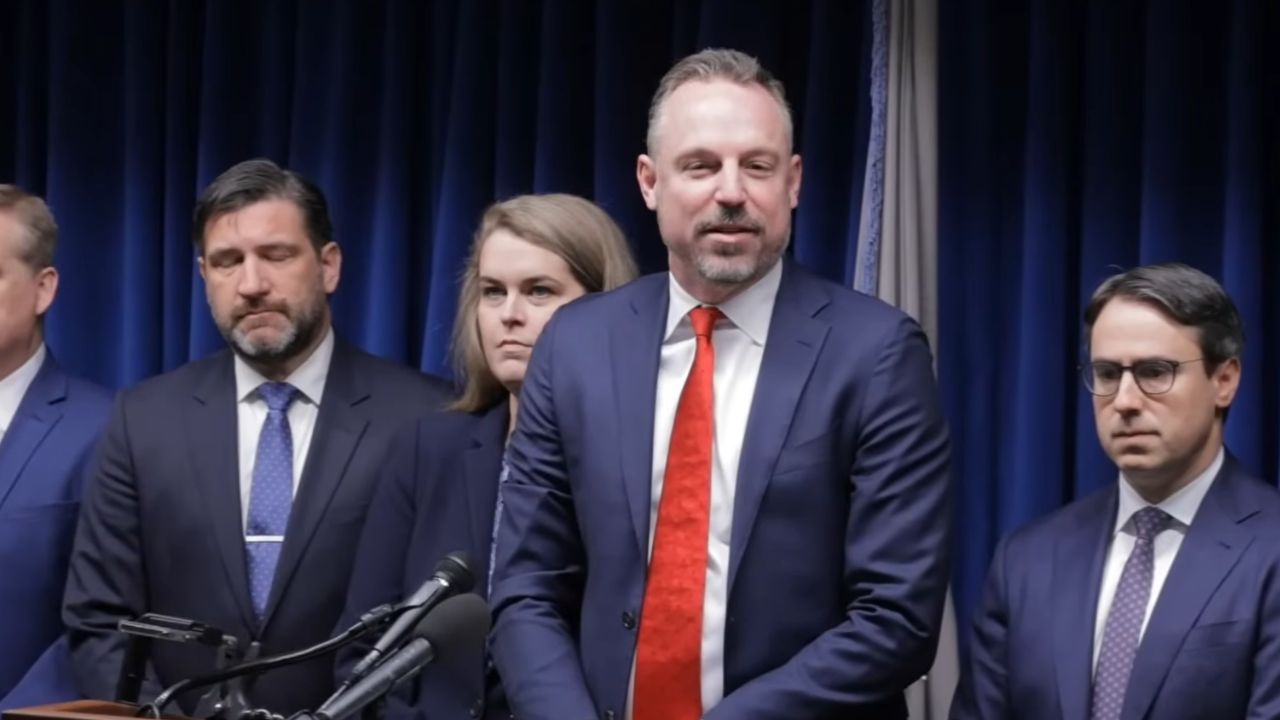
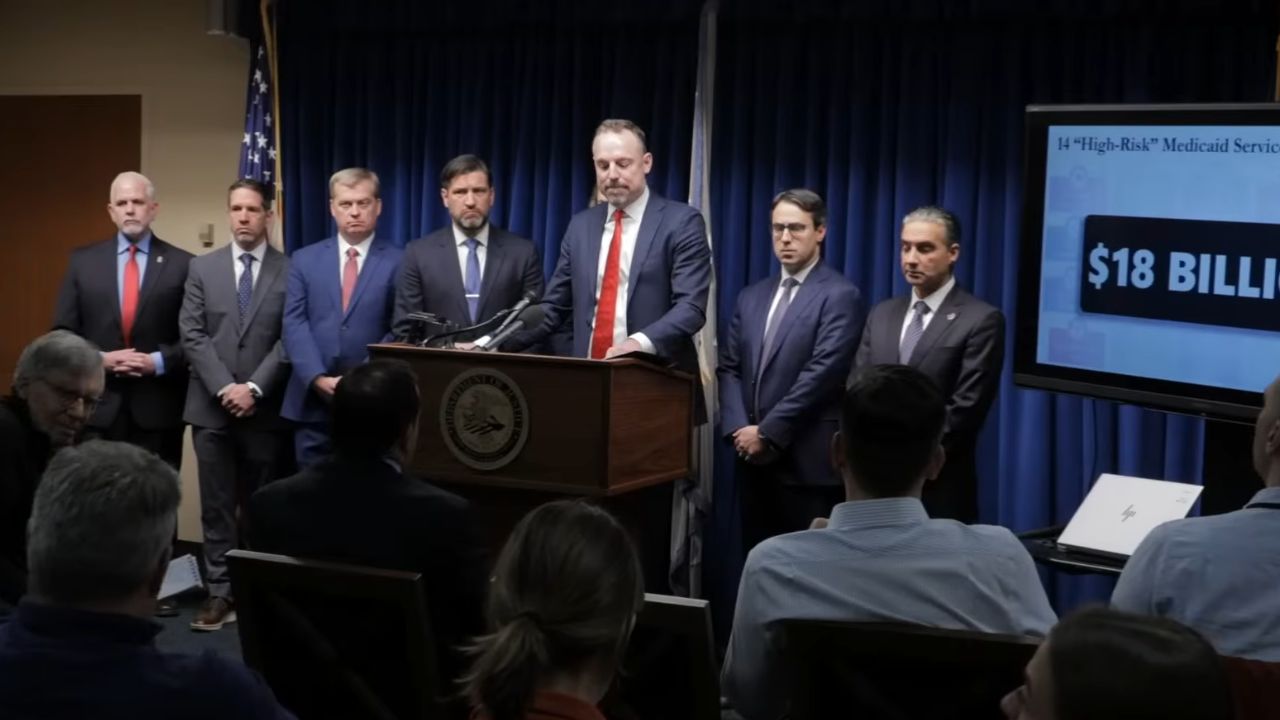
Assistant U.S. Attorney Joe Thompson described the alleged activity as “industrial-scale fraud.” By December 18, 2025, prosecutors said rings centered in the Twin Cities may have billed as much as $9 billion for services that never occurred.
Treasury investigators are also reviewing whether funds were diverted overseas, though no evidence of terror financing has been found to date.
Twin Cities Hit
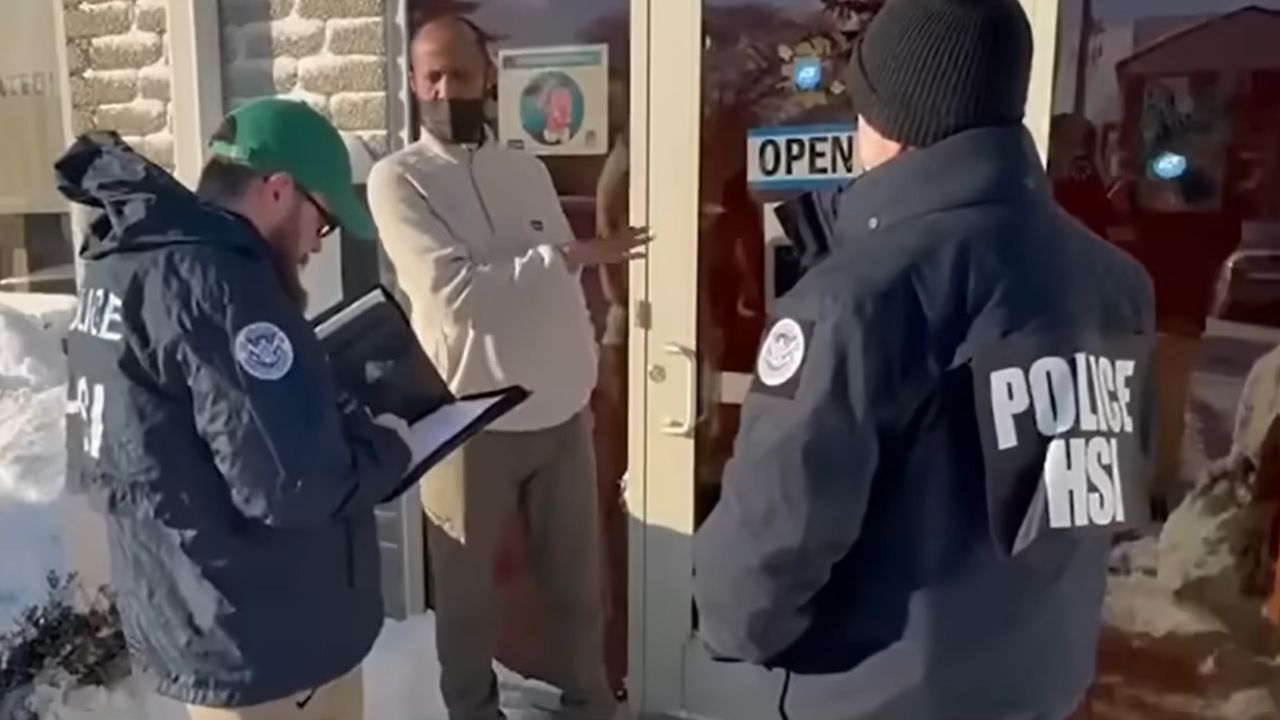
The alleged schemes were heavily concentrated in Minneapolis and the broader Twin Cities area, where dozens of childcare and health providers received millions despite serving few or no clients.
A 42-minute viral video posted December 27 showed empty daycare centers still collecting public funds. The footage intensified scrutiny and sparked comparisons to similar Medicaid fraud cases emerging in Maine and Ohio.
Whistleblowers Silenced
Several state employees allege they faced retaliation throughout 2025 after raising concerns about Medicaid fraud.
According to whistleblowers, warnings were discouraged or ignored, and careers were jeopardized for pressing the issue. The claims add a human dimension to the scandal, highlighting how internal pressure and fear may have contributed to oversight breakdowns across multiple agencies.
Feds Mobilize
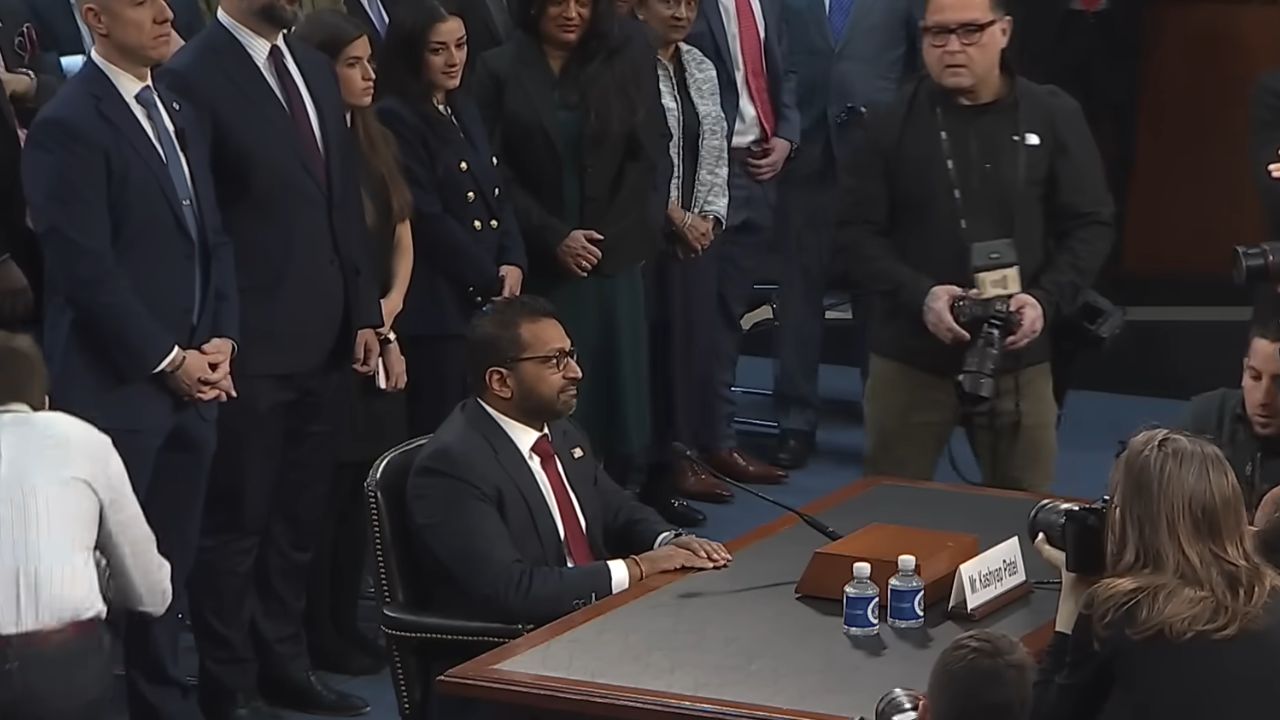
The federal response has rapidly escalated. Federal Bureau of Investigation Director Kash Patel confirmed that additional resources were deployed to Minnesota before the exposé video went viral.
Immigration and Customs Enforcement also increased activity in Minneapolis after reports suggested at least $1 billion in fraudulent payments had already occurred.
National Shadow
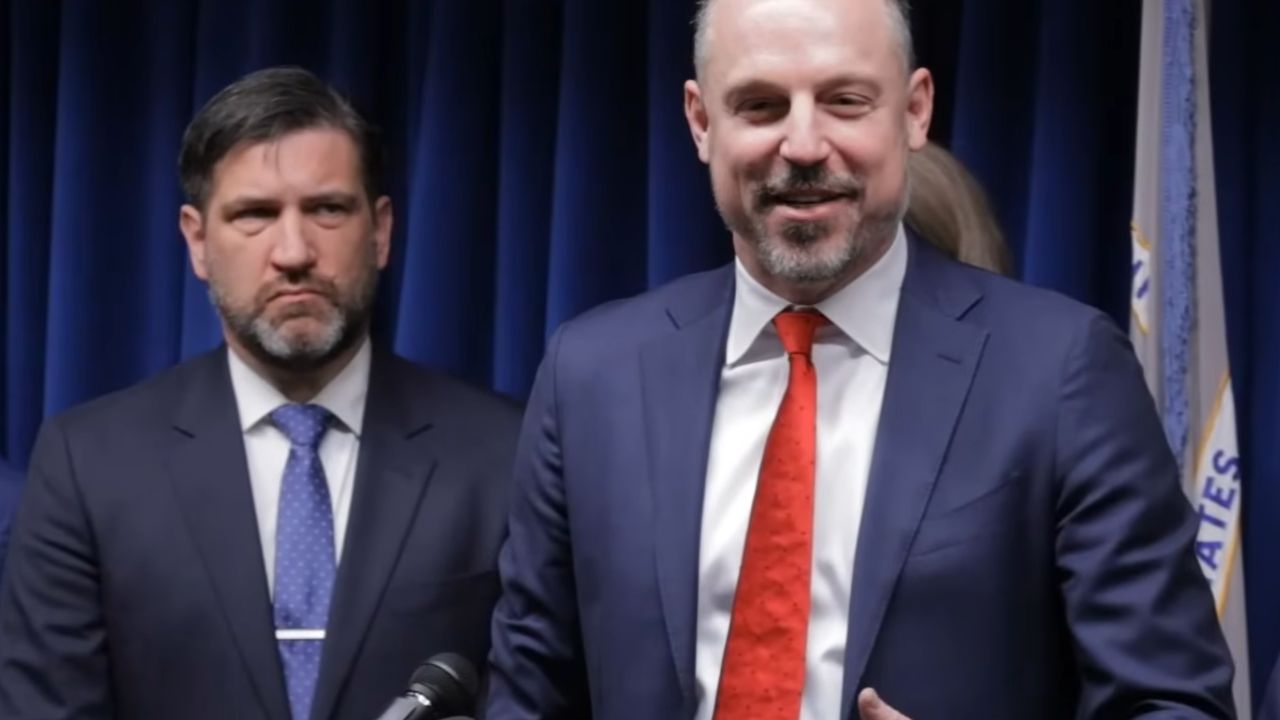
Medicaid serves tens of millions of low-income Americans and relies on shared federal-state oversight. Minnesota’s case underscores how systemic vulnerabilities can be exploited when safeguards fail.
Federal officials caution that improper payments are not unique to one state, but emphasize that Minnesota’s scale—if confirmed—would be historically unprecedented in U.S. public assistance programs.
Judge Intervenes
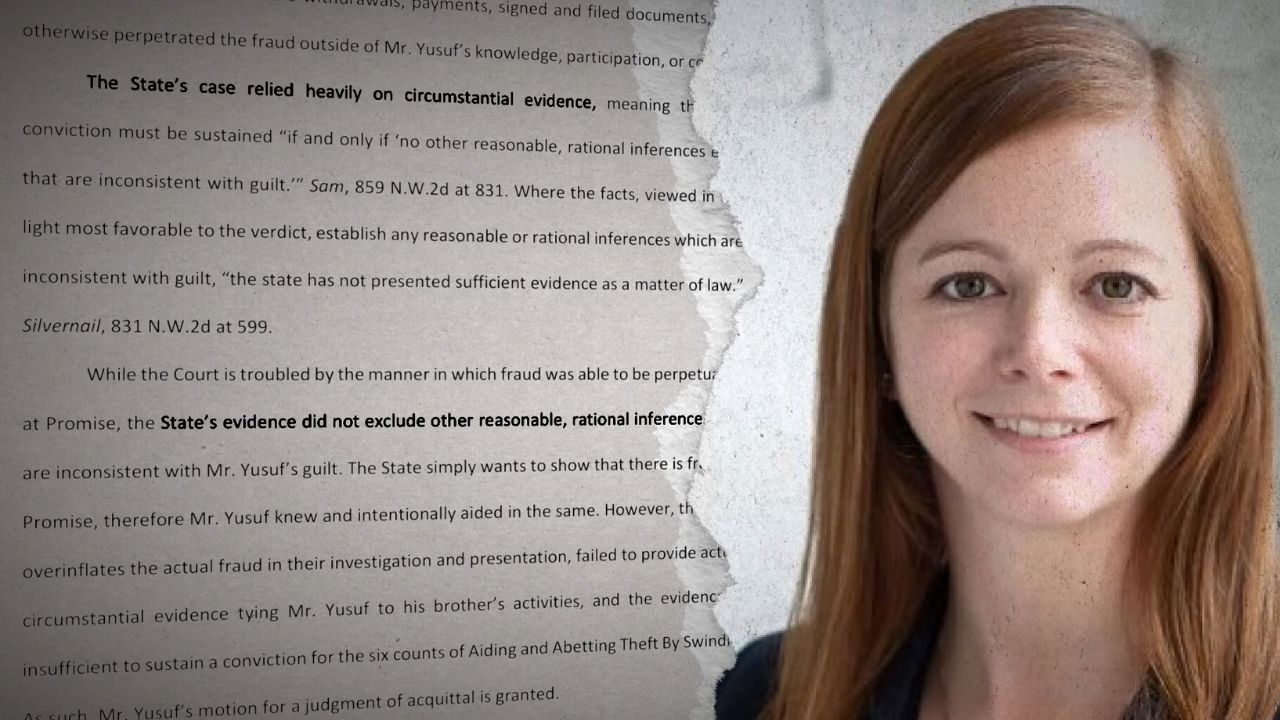
In a surprise development, Judge Sarah West overturned the conviction of Abdifatah Yusuf, who had been found guilty of $7 million in Medicaid fraud tied to his Promise agency.
Minnesota Attorney General Keith Ellison has since appealed the ruling, seeking to reinstate the jury’s verdict. The decision highlights the legal complexity surrounding recovery efforts.
Walz Faces Heat
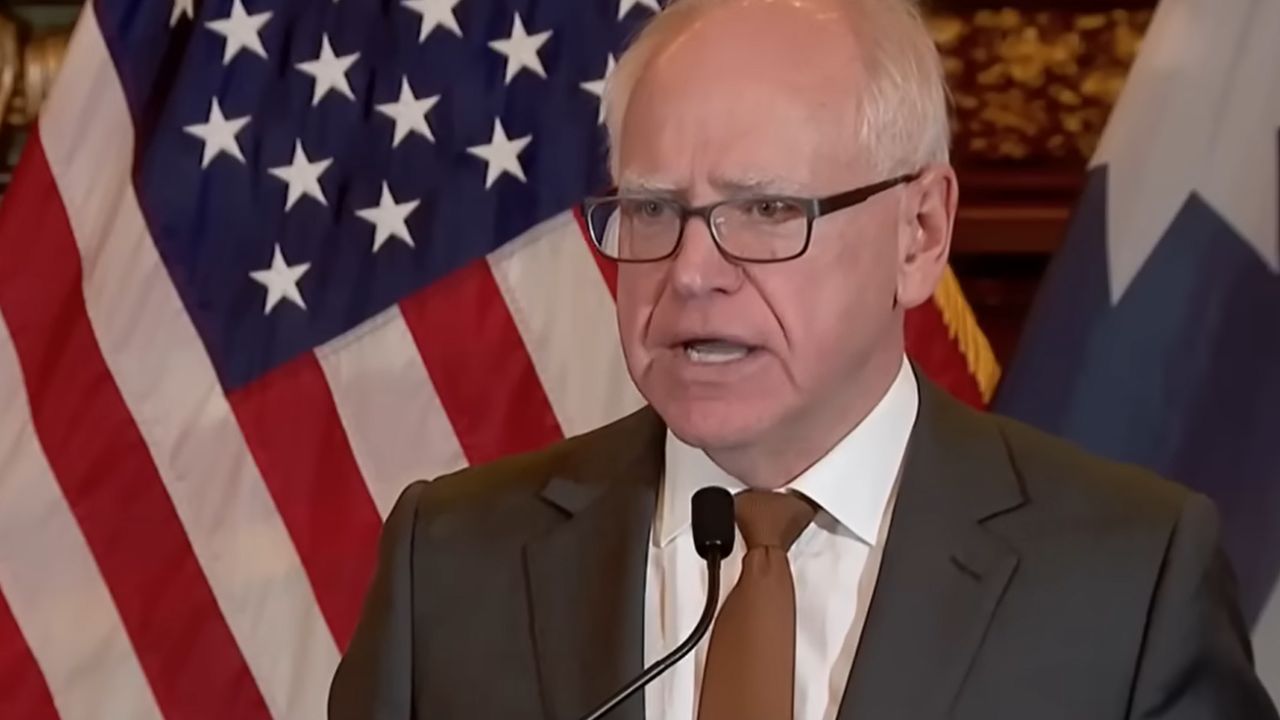
The controversy has intensified scrutiny of Tim Walz and his administration. Whistleblowers and auditors argue that repeated warnings went unaddressed for years.
As convictions mount and losses climb into the billions, internal frustration has grown among state employees who say earlier intervention could have limited the damage.
Leadership Scrutiny
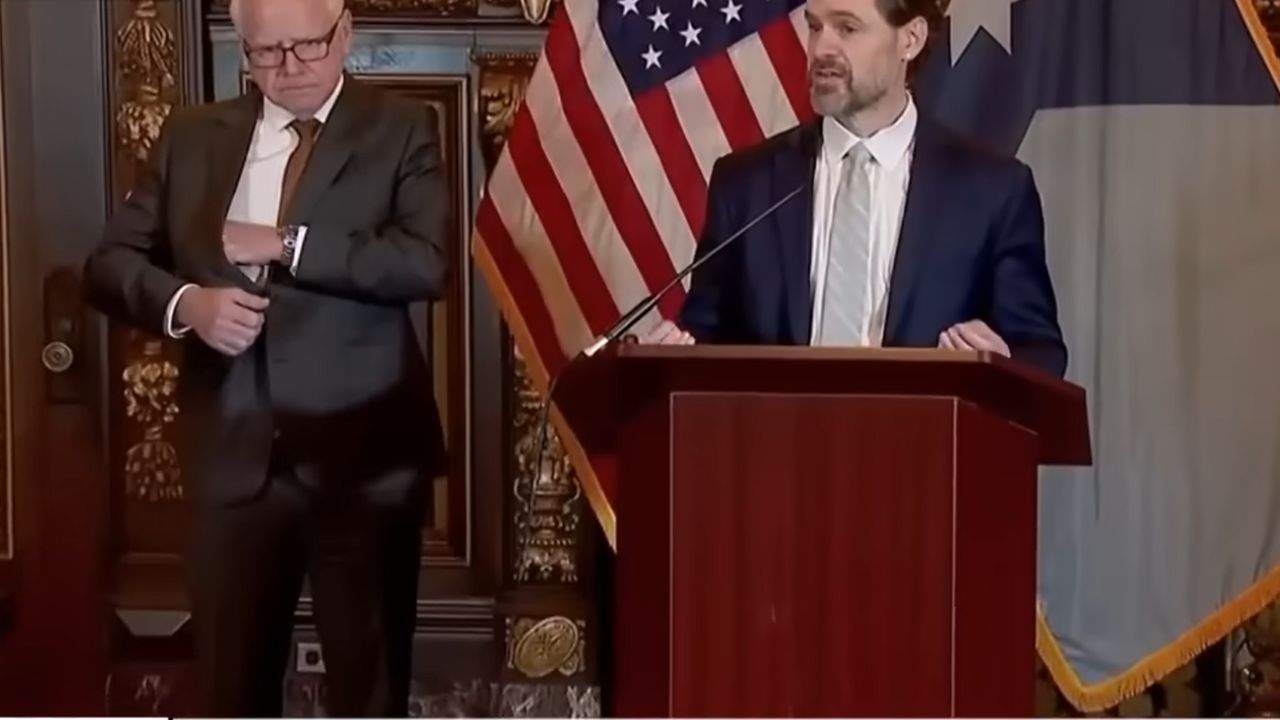
Despite mounting criticism, no major leadership changes have been announced within Minnesota agencies tied to oversight failures. The Walz administration maintains that corrective measures are now underway, but critics argue accountability remains unclear.
Federal involvement has increased pressure on state leadership to explain how such extensive fraud persisted under multiple layers of supervision.
Recovery Push

Prosecutors continue to pursue restitution alongside criminal charges. While earlier cases, including the $250 million Feeding Our Future convictions, secured some recovery, experts caution that reclaiming anywhere near $9 billion is unlikely.
Authorities are instead focusing on tightening controls, freezing suspect assets, and preventing future exploitation of Medicaid and related programs.
Skeptics Weigh In

Investigators emphasize that no evidence currently links the stolen funds to terrorism, despite early concerns. Court filings show much of the money went toward luxury purchases such as cars and real estate.
Auditors also warn that the $9 billion figure remains an estimate pending further review, describing the known losses as “the tip of a very large iceberg.”
Future Unclear

The scandal has sparked national debate over whether Medicaid oversight requires structural reform. Lawmakers and regulators are now examining whether emergency-era policies weakened safeguards too far.
As investigations continue, Minnesota’s experience may become a blueprint for tightening controls nationwide—if policymakers act before similar schemes emerge elsewhere.
Political Firestorm

Political fallout has followed the criminal probes. Allegations of retaliation have fueled legislative hearings, while federal officials examine whether policy decisions contributed to delayed enforcement.
Minnesota’s status as a politically competitive state has further amplified attention, drawing bipartisan calls for stronger accountability and transparency in public aid programs.
Global Ties Probed

Treasury officials have examined whether funds moved overseas, including to Al-Shabaab, but have confirmed no evidence has been found so far.
The allegation drew attention partly because the $9 billion figure approaches Somalia’s entire 2024 GDP of $11.97 billion, underscoring the extraordinary scale of the alleged fraud.
Legal Battles Ahead

Dozens of convictions remain intact, but appeals like Yusuf’s case signal prolonged courtroom battles. Prosecutors say evidence shows widespread cash withdrawals and luxury spending inconsistent with legitimate care services.
Courts will ultimately determine how much money can be recovered—and how far responsibility extends beyond individual defendants.
Community Divide

Local leaders warn against painting entire communities with a broad brush. Minneapolis City Council member Jamal Osman urged restraint, saying fraud prosecutions should not stigmatize law-abiding residents.
Still, with over 90% of suspects sharing a common background, tensions have grown as enforcement intensifies.
Iceberg Warning

Minnesota’s Medicaid scandal is increasingly viewed as a warning sign for the entire U.S. welfare system. Investigators say weak oversight allowed fraud to flourish unchecked for years.
Whether this case leads to lasting reform—or becomes another missed opportunity—may determine how vulnerable public aid programs remain in the future.
Sources:
“Half or more of $18 billion paid out by Medicaid in Minnesota may be fraudulent, US attorney says.” CBS News Minnesota, 17 Dec 2025.
“Prosecutor says 14 Minnesota programs have been targeted by fraudsters, and state is swamped.” Associated Press, 18 Dec 2025.
“Abdifatah Yusuf found guilty of bilking Medicaid program out of over $7.2 million.” Minnesota Attorney General’s Office, 12 Aug 2025.
“Minnesota Department of Education: Oversight of Feeding Our Future.” Office of the Legislative Auditor, State of Minnesota, Jun 2024.