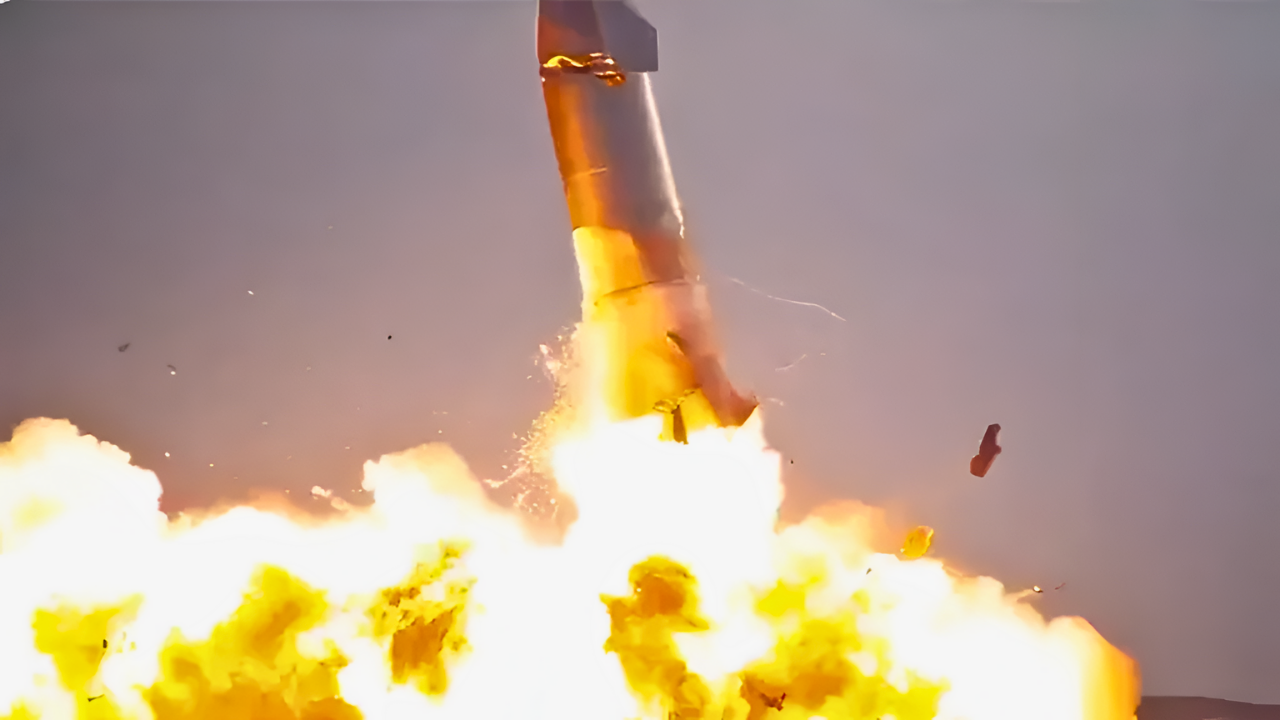
SpaceX’s Starship Flight 7 experienced catastrophic failure on January 16, 2025, at 22:37 UTC from Starbase in Texas. The Block 2 Starship, weighing 5.5 million kilograms—the heaviest flying object ever built—lost all communications approximately nine minutes after launch.
An oxygen-fuel leak in the engine cavity caused rapid unscheduled disassembly over Turks and Caicos Islands, with debris falling for nearly fifty minutes across populated regions.
Three Commercial Flights Declared Fuel Emergencies
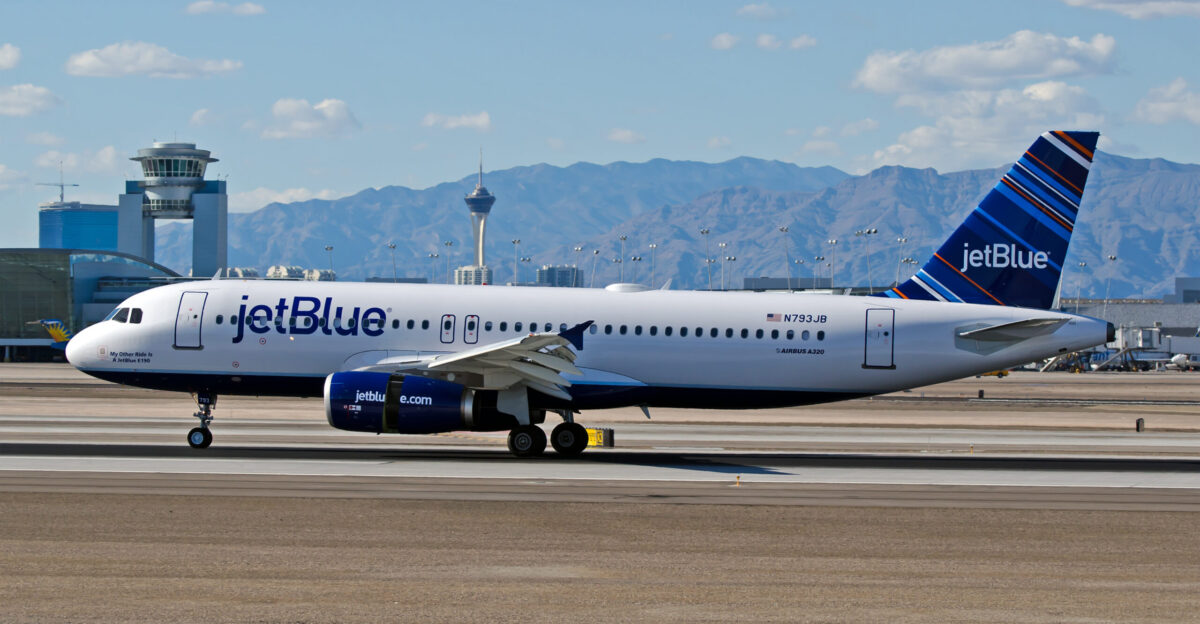
Federal Aviation Administration documents released in December 2025 reveal three commercial aircraft carrying approximately 450 passengers faced extreme danger.
A JetBlue flight to San Juan, Puerto Rico, an Iberia Airlines international service, and a private jet were forced through temporary no-fly debris zones. Fuel concerns forced pilots to declare emergency status to secure priority landing clearance, risking dangerously depleted reserves.
Mayday Declaration Highlights Pilot Desperation
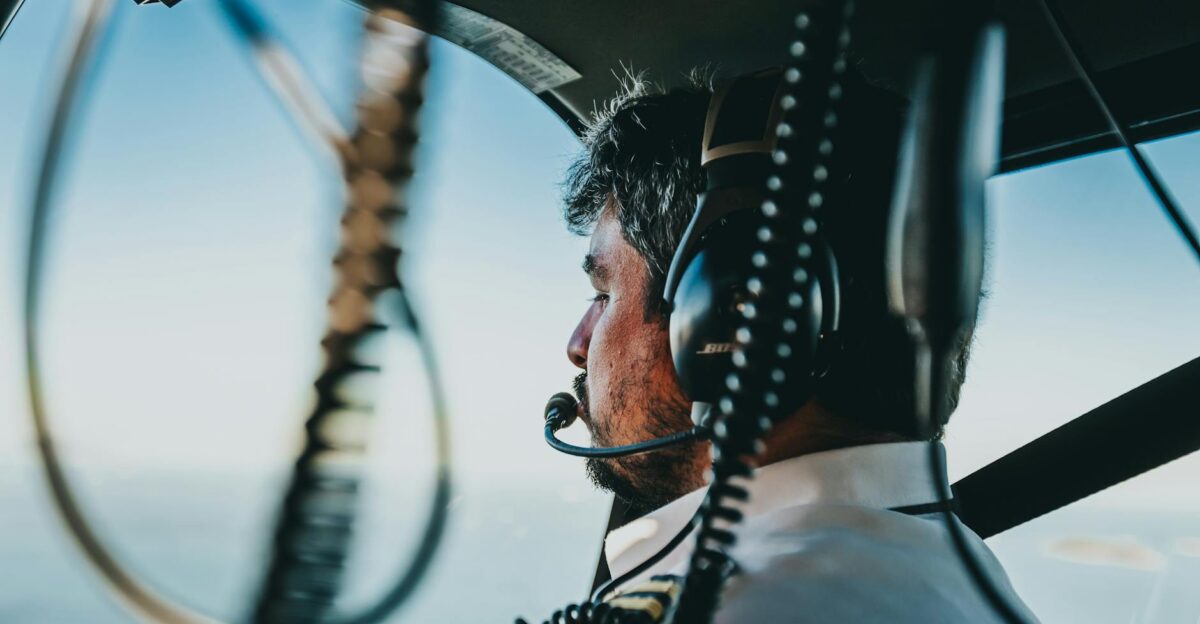
A JetBlue pilot declared “Mayday, Mayday, Mayday” to secure emergency landing authorization in Puerto Rico, underscoring the severity of fuel management crisis.
Air traffic controllers initially warned continuation would be “at your own risk,” leaving pilots with impossible choices: extend fuel-consuming holds risking starvation, or proceed through unconfirmed debris hazard. All three aircraft landed safely but the incident revealed systemic vulnerabilities in emergency procedures.
SpaceX Delayed FAA Notification by Fifteen Minutes
The Wall Street Journal investigation, citing internal FAA documents, reported SpaceX waited fifteen minutes after debris response area activation before alerting the FAA of the explosion.
Launch operators must immediately notify the agency enabling rapid air traffic response. Controllers learned of the mishap from pilots witnessing debris firsthand or through informal internal group chats rather than official channels.
Air Traffic Controllers Faced Unprecedented Workload Crisis
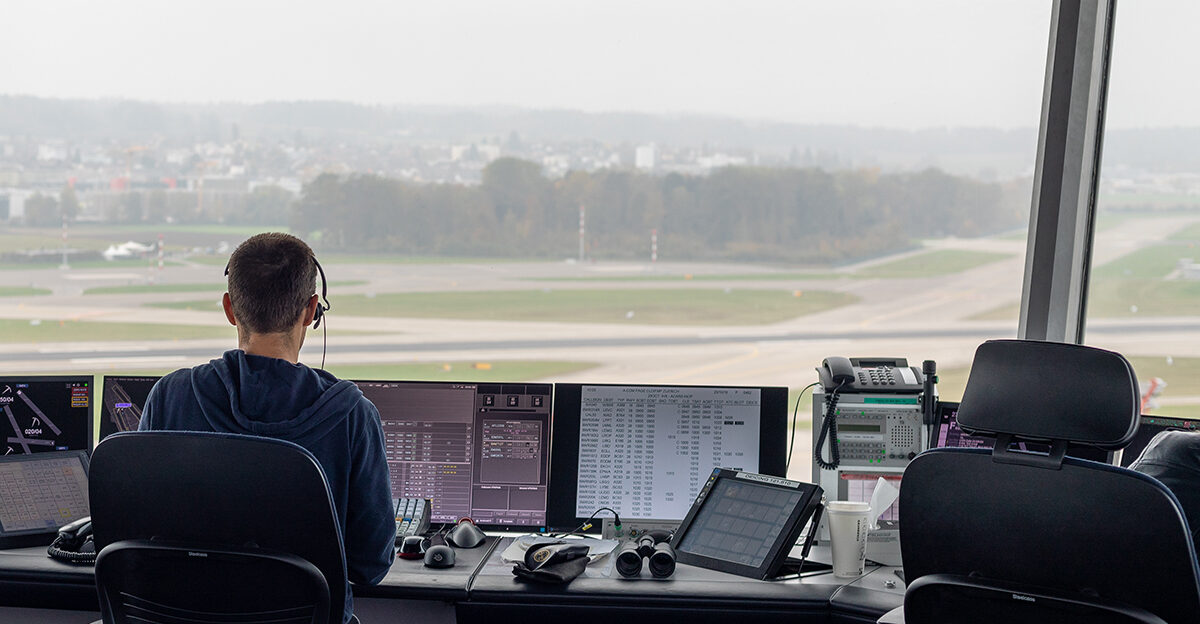
The FAA classified the incident as creating “potential extreme safety risk” by dramatically increasing air traffic controller workloads managing complex airspace simultaneously. The twenty-eight aircraft diverted and forty aircraft placed in holding patterns stretched resources during the crisis period.
Controllers lacked complete real-time information due to SpaceX’s delayed notification, forcing them to improvise safety procedures under extreme pressure.
Debris Field Scattered Across Caribbean Territory
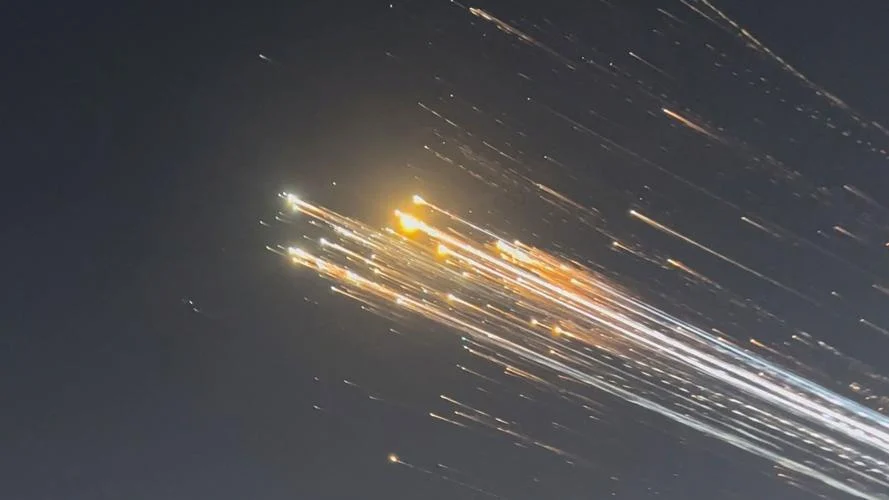
Debris from the explosion rained across the Turks and Caicos Islands, a British Overseas Territory with forty thousand residents and a tourism-dependent economy. Local resident Lori Kaine collected approximately two hundred pounds of debris scattered across multiple locations.
SpaceX took over a week to respond to resident hotline calls despite government requests for immediate environmental and safety assessment.
Technical Root Cause: Propellant Containment Failure
Elon Musk’s preliminary assessment identified an oxygen-fuel leak in the cavity above the engine firewall, with pressure exceeding vent system capacity.
The propellant accumulation and mixing created combustion conditions destroying structural integrity and engine systems. This failure represented a design vulnerability in Block 2 configuration’s propellant containment strategy.
FAA Established Safety Review Panel in February
Responding to the aviation crisis, the FAA convened a Safety Risk Management panel in February 2025 to comprehensively reassess debris risks from large launch vehicles.
The panel identified “high aviation-safety risks” by May, recommending expanded hazard areas, enhanced airline coordination, and improved international airspace protocols. However, the panel’s work faced unexpected suspension in August 2025.
Panel Suspension Sparked Regulatory Controversy
The FAA’s August 2025 decision to suspend the safety review panel surprised panel members, raising questions about political influence. The suspension coincided with Trump administration executive orders streamlining commercial space regulations and Elon Musk’s role leading the Department of Government Efficiency.
Critics argued suspending safety recommendations before completion contradicted the FAA’s public safety mandate.
Expanded Hazard Areas Implemented for Subsequent Flights
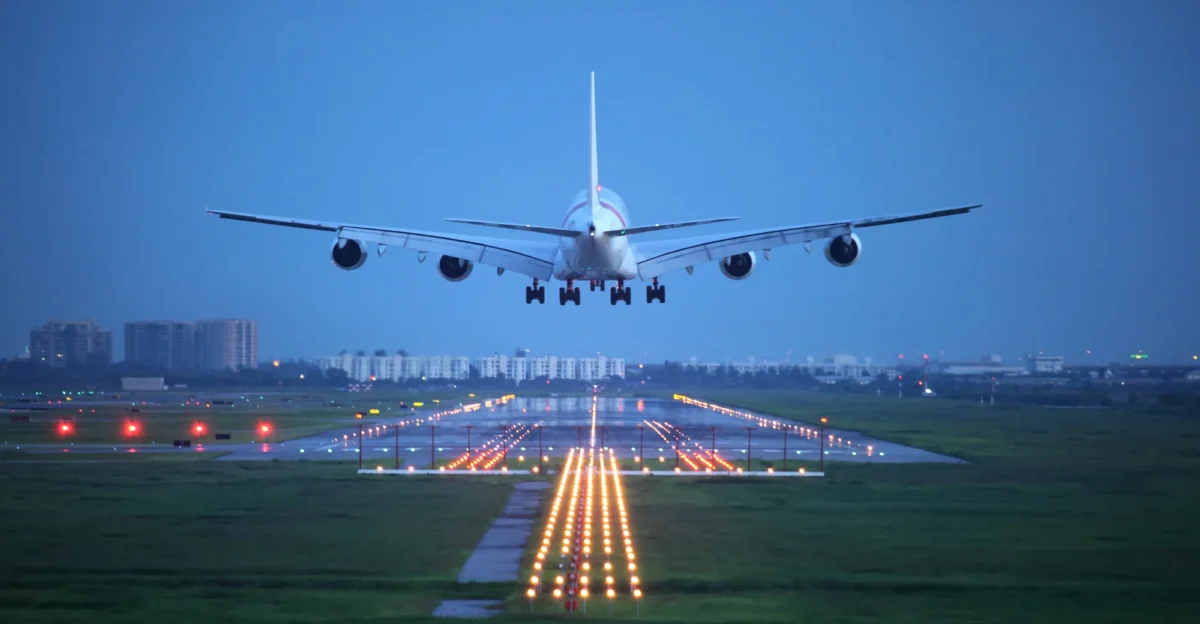
Following Flight 7’s debris field expansion, the FAA doubled Aircraft Hazard Areas from eight hundred eighty-five to sixteen hundred nautical miles for subsequent launches. The expanded zone encompasses the Bahamas, Turks and Caicos Islands, and Cuban airspace—regions directly affected by January debris. This expansion required intensive international coordination with British, Bahamian, Mexican, and Cuban authorities managing shared airspace.
Starship Flight 8 Experienced Different Failure Mode
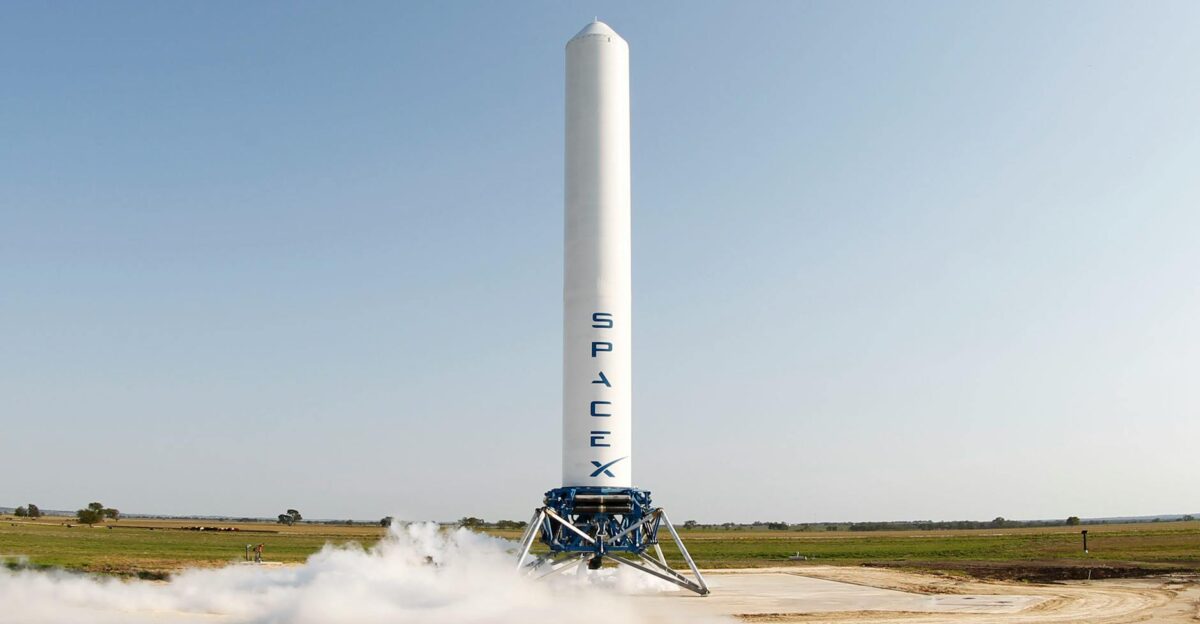
SpaceX’s Flight 8 launch in March 2025 experienced a distinctly different technical failure during similar timeframe.
Multiple Raptor engines shut down prematurely causing loss of attitude control, though the root cause differed from Flight 7’s propellant leak. Despite implementing corrective measures, consecutive failures raised concerns about vehicle readiness for accelerated launch cadence.
Subsequent Flights Demonstrated Improved Safety Performance
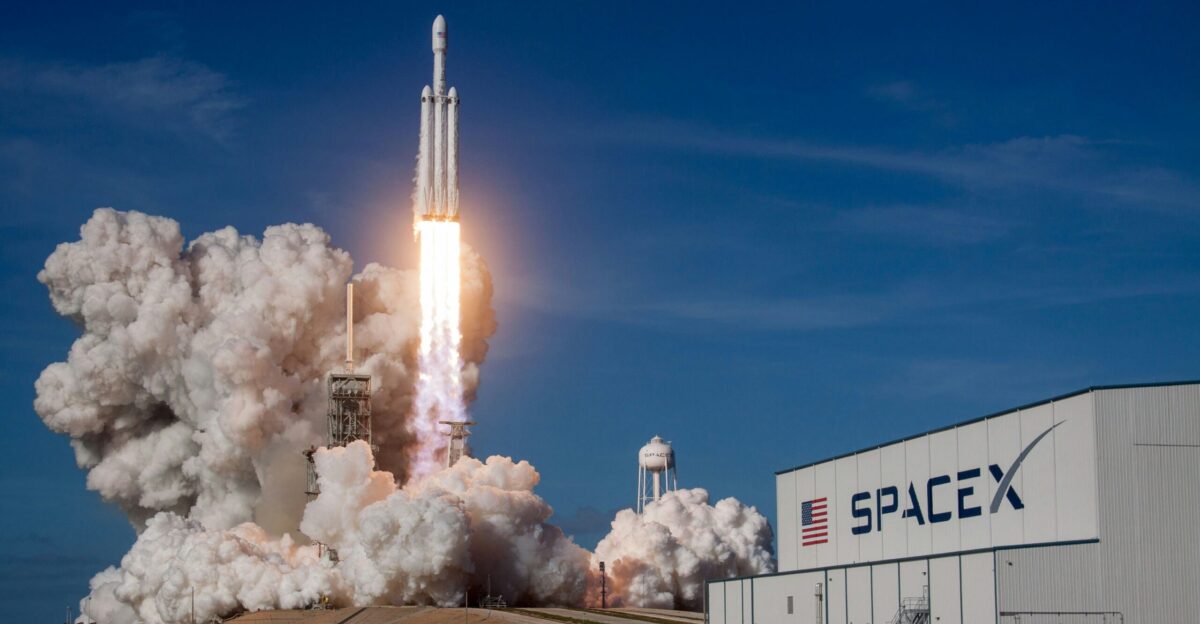
Starship Flight 9 in May 2025 executed successfully with expanded coordination procedures and sixteen hundred nautical mile hazard areas. Flights 10 and August 2025 and Flight 11 in October achieved mission objectives with minimal aviation disruption.
The FAA diverted over seventy air routes for Flight 9, subsequently clearing airspace within nine minutes of mission completion—dramatic improvement over January’s extended disruptions.
SpaceX Dismissed WSJ Investigation as “Misleading”
SpaceX responded to December 2025 publication of FAA documents by characterizing the Wall Street Journal investigation as misleading, based on “conjecture and unscientific analysis from anonymous sources.”
The company emphasized that “no aircraft have been put at risk” and debris was “contained within pre-coordinated response areas.” However, SpaceX did not address fifteen-minute notification delay or fuel emergency declarations.
Commercial Space Industry Faces Regulatory Capacity Questions
Industry forecasts project the commercial space launch market expanding from nine point four billion dollars to thirty-six point seven billion dollars by two thousand thirty-five.
The FAA anticipates authorizing two thousand to three thousand launches over the next decade, exponentially exceeding historical norms. SpaceX’s plans for twenty-five Starship launches in 2026 and Florida operations highlight capacity concerns for adequate safety oversight.
Policy Debate Centers on Safety versus Innovation Speed
The incident crystallized tensions between enabling rapid commercial space innovation and maintaining robust aviation safety oversight.
Elon Musk’s dual role as SpaceX CEO while leading government efficiency initiatives raised conflict-of-interest concerns among lawmakers. Forward progress requires regulatory frameworks dynamically responsive to emerging risks while enabling responsible innovation in the expanding space economy.