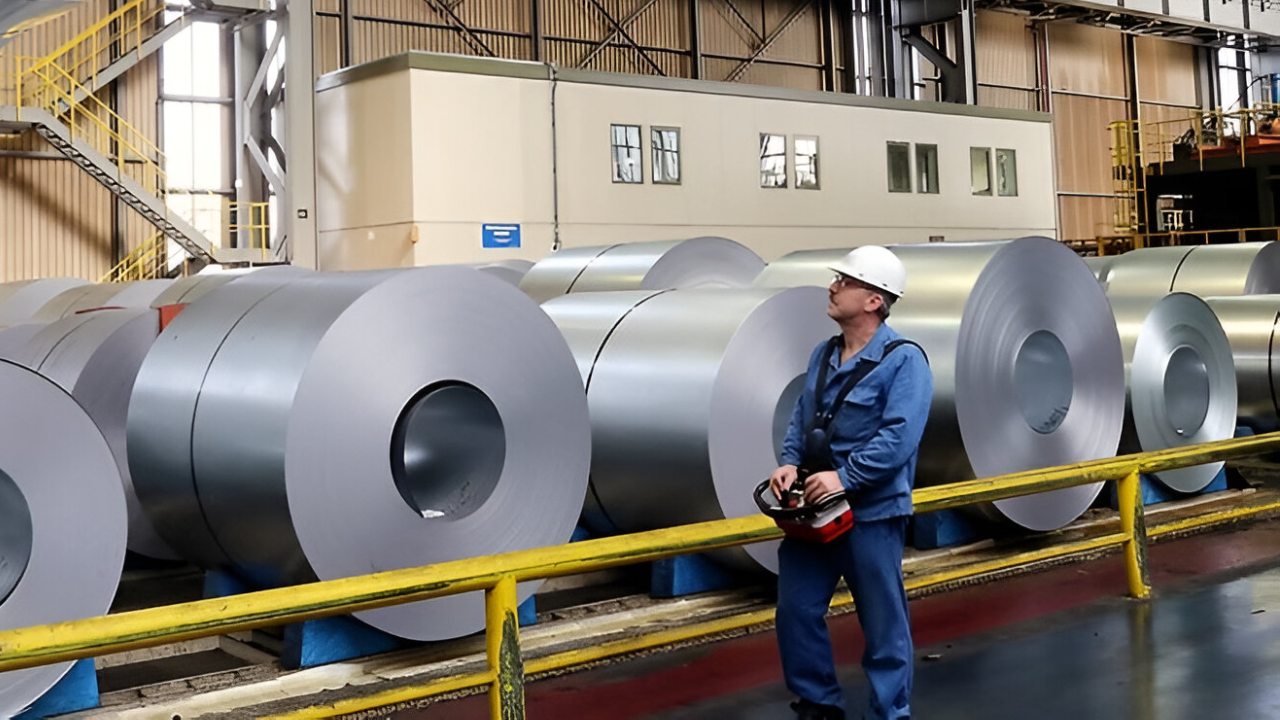
The steel yard on Shreve Avenue in north St. Louis stands eerily still these days. Cranes hang motionless above rows of fabrication machines, all tagged and numbered for an upcoming auction. Welders, plasma tables, and systems for handling steel sit idle, waiting to be taken apart. This is Ben Hur Steel Worx, a plant that operated for 116 years before shutting down completely.
Once, this 22-acre site buzzed every day with the movement of steel. Now, its full liquidation marks the close of a major chapter in local manufacturing history. The shutdown points to bigger problems in the U.S. steel industry. Protective trade rules have changed how steel moves around the world, putting heavy pressure on companies like Ben Hur that turn raw steel into finished products.
Tariffs Drive Up Costs
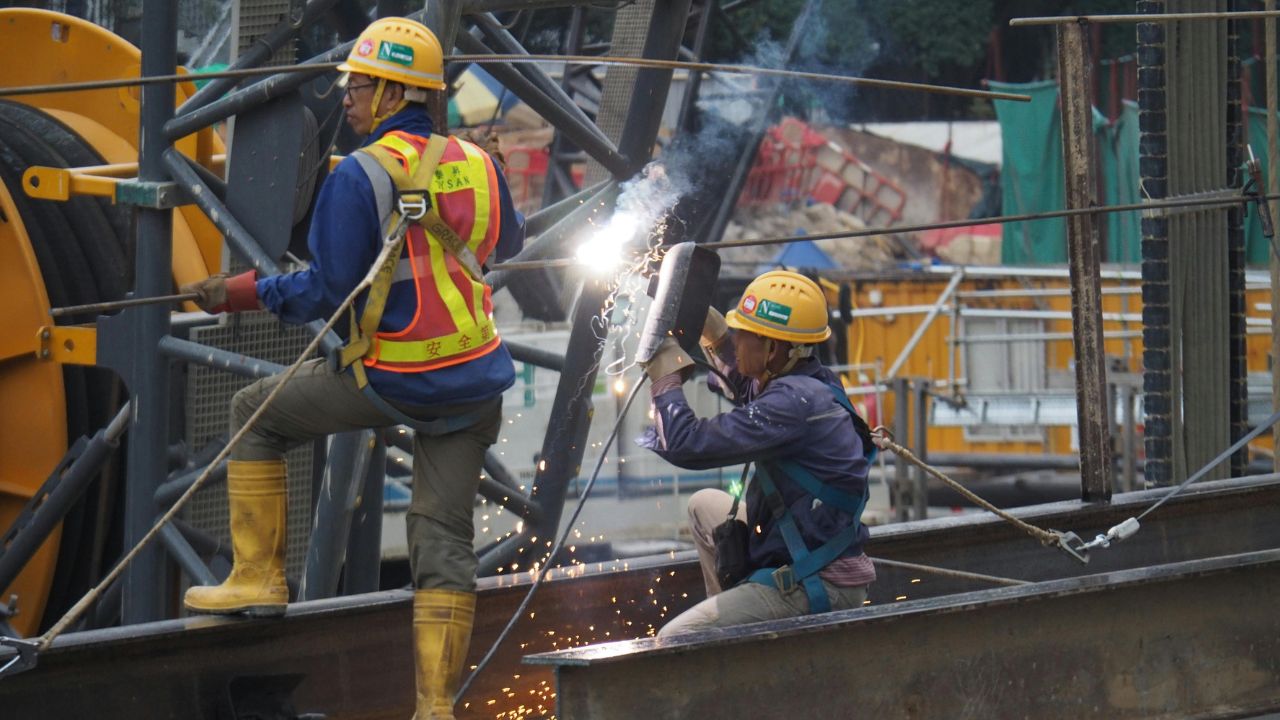
In March 2018, President Donald Trump signed Proclamation 9705, which imposed Section 232 tariffs, a 25% tax on most imported steel. Officials said this was needed for national security reasons. By June 2025, those tariffs had doubled to 50%, pushing U.S. steel prices much higher than what buyers see on global markets.
Big steel mills benefited from the price jump, selling their products for more. But companies like Ben Hur, which buy steel to fabricate parts, got hit hard. They often signed fixed-price contracts with customers months in advance. At the same time, they had to compete against cheaper foreign-made parts. Over time, these rising input costs ate away at their profits, leaving little room to recover.
A Proud History Comes Undone
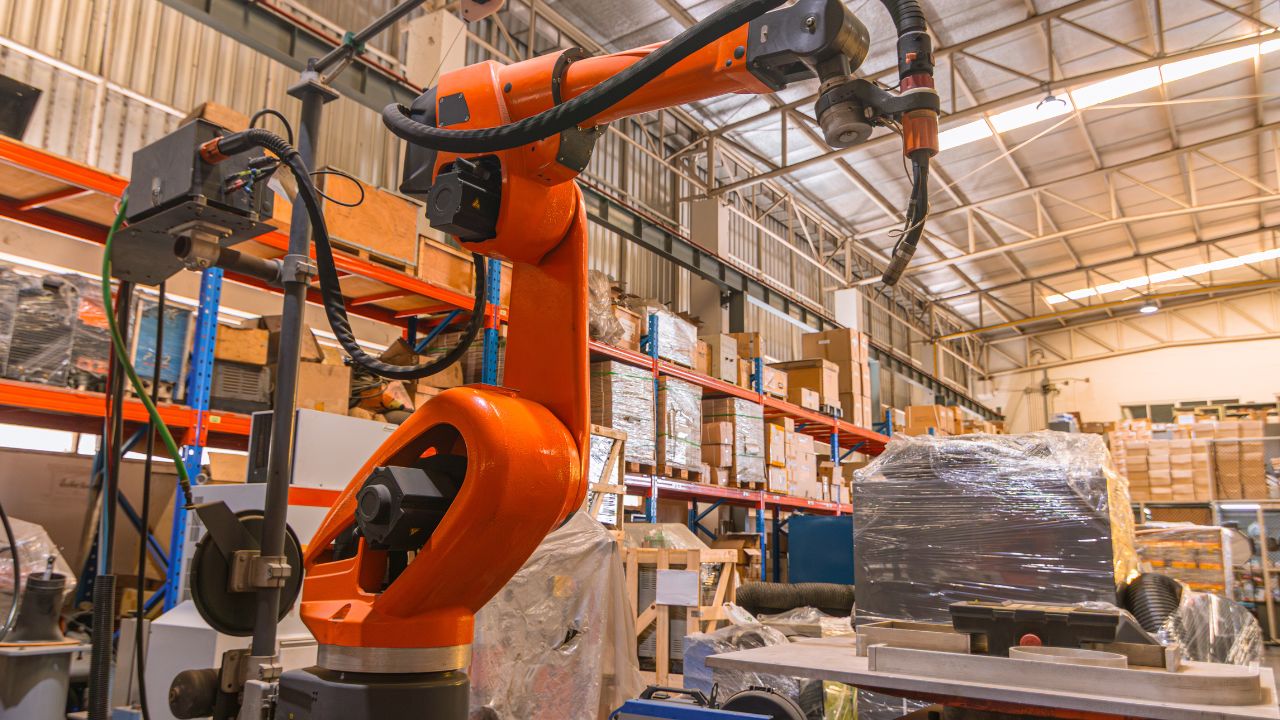
Ben Hur Steel Worx traces its roots back to 1909. It started as part of Ben Hur Construction Co. and grew into a major maker of structural steel. The Shreve Avenue plant produced beams, columns, and custom parts for projects across the Midwest, including infrastructure, factories, and commercial buildings. For generations, it employed skilled workers right in north St. Louis.
The facility became a cornerstone of the city’s industrial past. It expanded from a small shop into a full-service hub as St. Louis boomed in the 20th century. Workers took pride in their craft, building the bones of the region. But now, that legacy faces an uncertain end.
Mounting Challenges Seal the Fate
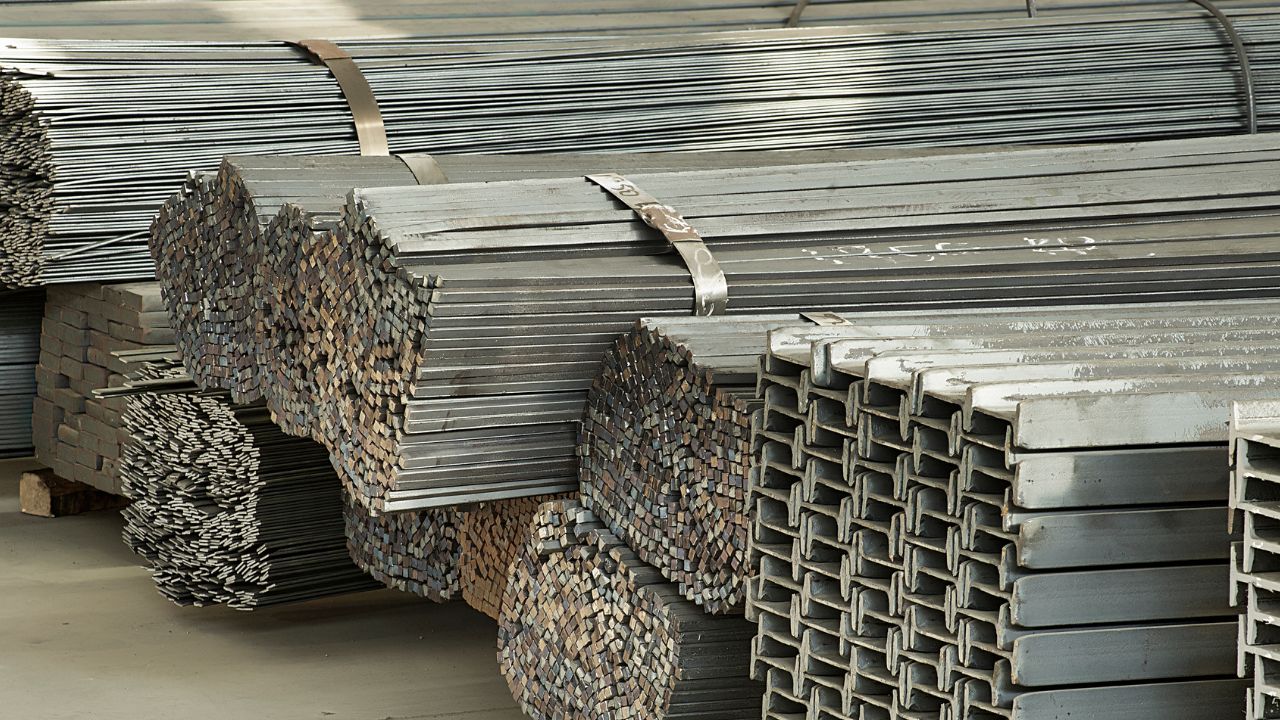
Starting in the late 2010s, fabricators like Ben Hur dealt with a storm of problems. Tariff hikes made steel more expensive. Labor shortages made it hard to find skilled workers. Interest rates climbed, adding to borrowing costs. And demand for construction projects swung up and down, creating more uncertainty. Those fixed-price contracts from earlier left no wiggle room to pass on extra expenses.
Experts say small and medium-sized companies suffered the most. They couldn’t easily raise prices for customers without losing business. Ben Hur felt these pressures build over years, squeezing margins until operations became unsustainable.
The Heavy Fallout for Jobs and Communities
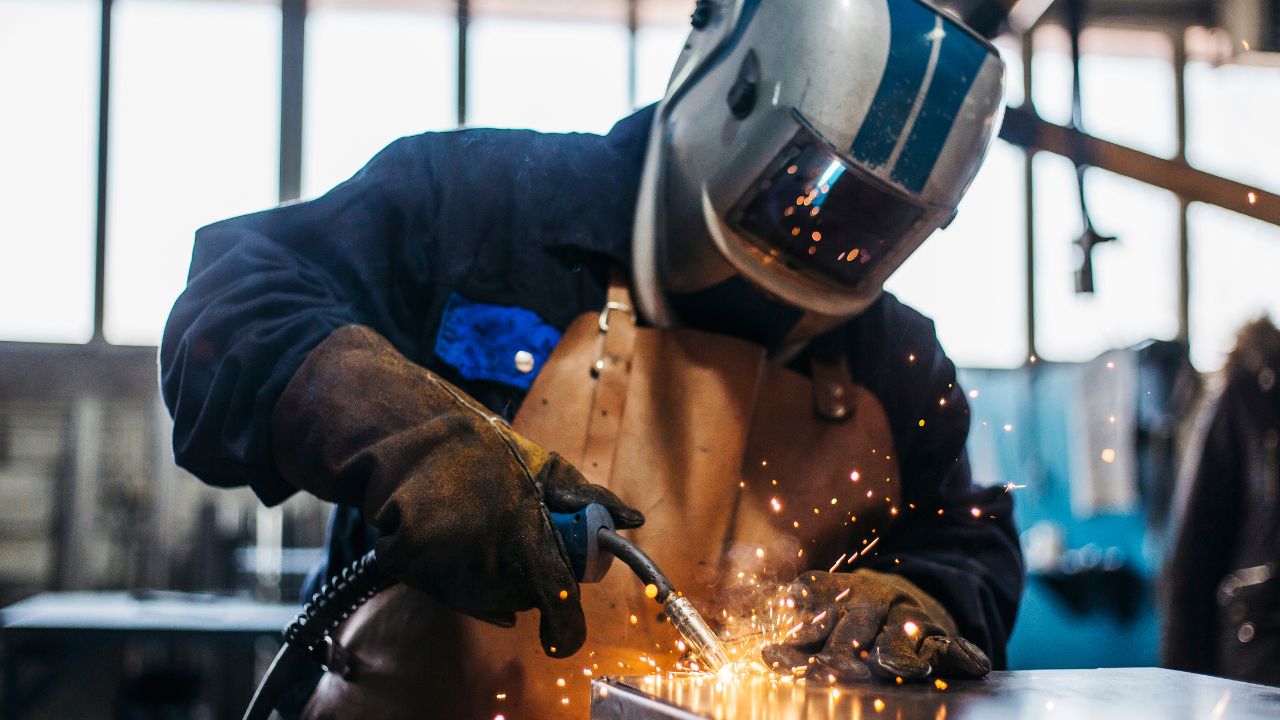
Studies show the Section 232 tariffs caused around 75,000 job losses in industries that use steel, far outnumbering the jobs gained at steel mills. Fabricators struggled to compete with foreign rivals who bought cheaper materials. Meanwhile, U.S. mills kept their pricing power, keeping domestic steel expensive compared to world levels. Reports from the Congressional Research Service highlight how this affected construction, cars, and machinery sectors.
Ben Hur’s closure amplifies the pain. In December 2025, the company started a full liquidation. Cranes, welding gear, plasma cutters, and other equipment head to auction through specialist firms. The 22-acre site is on the market for about $7.5 million, though its next use remains unclear.
The shutdown worsens north St. Louis’s industrial decline in an already struggling neighborhood. Long-time welders, fabricators, and staff now face layoffs. Local groups are stepping in with retraining programs, but many workers may need to move or switch careers. Their specialized skills built over decades don’t always transfer easily.
Ben Hur’s story spotlights how trade policies can have uneven impacts. Tariffs mixed with labor shortages and shaky markets tipped the scales. As St. Louis considers options like new factories, warehouses, or logistics hubs for the site, environmental checks for old pollution will play a big role. Nationally, the case fuels debates on tweaking tariffs to better protect not just steel makers, but everyone down the supply chain.
Sources:
“Expanded Section 232 Tariffs on Steel and Aluminum.” Congressional Research Service, September 26, 2025.
“Steel Tariffs and U.S. Jobs Revisited.” EconoFact, March 9, 2025.
“Certain Effects of Section 232 and 301 Tariffs Reduced Imports and Increased Prices and Production in Many U.S. Industries.” U.S. International Trade Commission, March 14, 2023.
“Ben Hur Construction closes St. Louis steel fabrication plant.” St. Louis Business Journal, December 9, 2025.