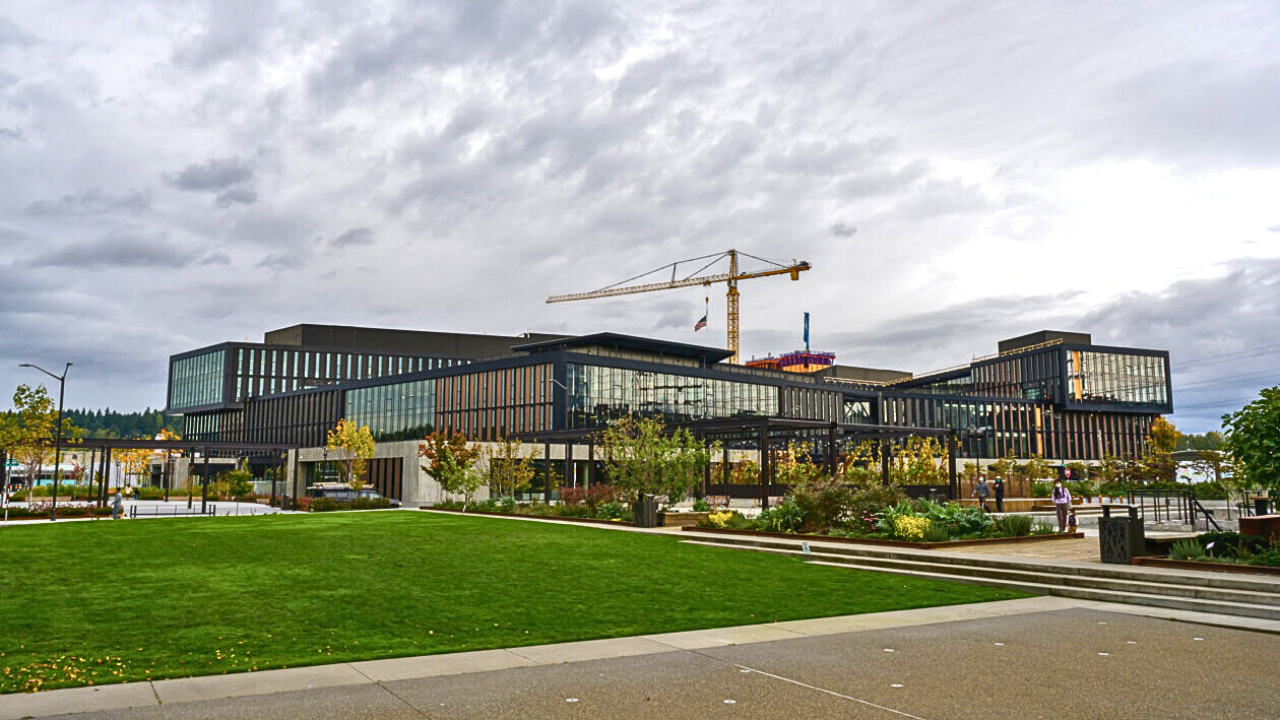
On October 28, 2025, Washington’s tech sector was rocked by a wave of layoffs as Meta and Amazon announced job cuts affecting more than 14,000 workers. The timing—just before the holidays—sent shockwaves through the region, highlighting the volatility of an industry long seen as an engine of growth and innovation.
A Shifting Tech Landscape in Washington

For decades, Washington, and especially the Seattle area, has been synonymous with tech-driven prosperity. Companies like Microsoft, Amazon, and Meta have fueled job creation and economic expansion, making the region a magnet for talent and investment. Yet, 2025 marked a turning point. The industry, once defined by relentless hiring, began to contract as companies recalibrated after the pandemic’s surge and faced new economic headwinds.
The layoffs announced by Meta and Amazon are emblematic of this shift. Meta revealed it would cut 101 jobs in its AI divisions across Seattle, Bellevue, and Redmond. Amazon’s announcement was even more sweeping: 14,000 corporate roles would be eliminated nationwide, with about 2,300 of those in Washington, including 600 software engineers. The scale and synchronicity of these cuts represent one of the largest single-day employment declines in the region’s tech history.
Meta’s AI Cuts: Strategy Over Sentiment

Meta’s decision to reduce its AI workforce stands out in an era when artificial intelligence is widely viewed as the industry’s next frontier. The company cited a need to “increase efficiency,” a phrase often used to mask deeper strategic shifts. Insiders suggest that Meta is consolidating or disbanding legacy AI teams, possibly in response to underperforming projects or the need to compete with rivals like Google and OpenAI.
The restructuring includes transferring AI initiatives to new entities such as Meta Superintelligence Labs, following recent acquisitions. The concentration of layoffs—nearly half at the Bellevue 121st Avenue office—suggests entire teams or projects may have been shuttered. This move signals that even in high-growth fields like AI, job security is not guaranteed if products fail to meet market expectations or internal benchmarks.
Amazon’s Corporate Restructuring Hits Home
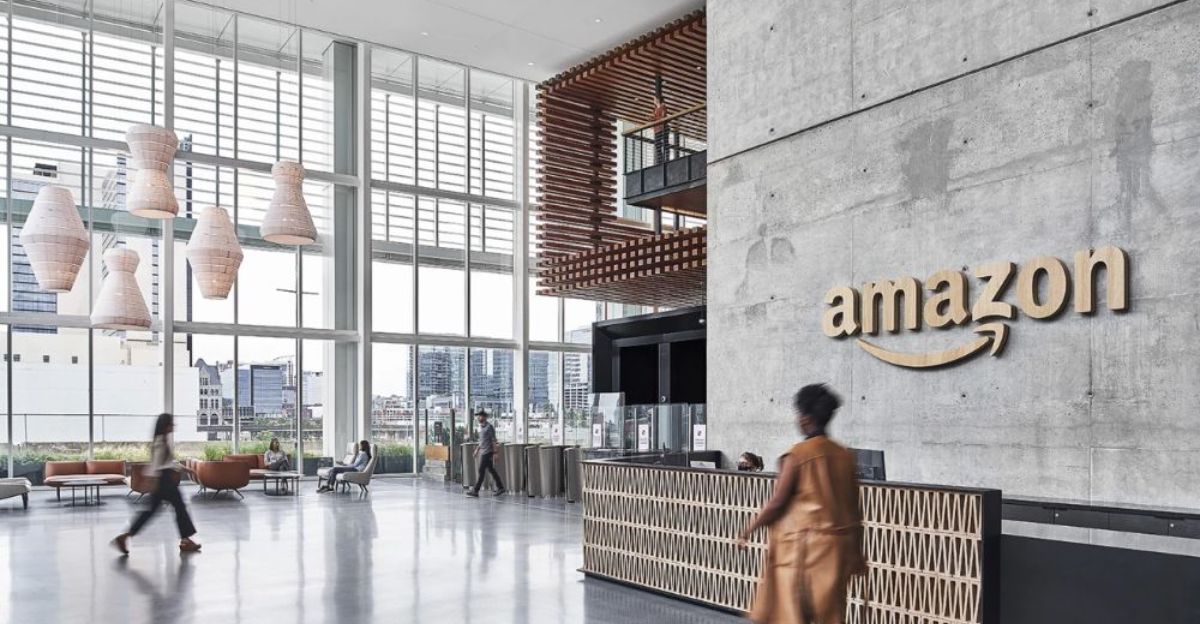
Amazon’s layoffs, while broader in scope, have a particularly acute impact in Washington. The company’s decision to eliminate thousands of corporate positions, including hundreds of software development roles, reflects a larger effort to streamline operations and adapt to changing business realities. The layoffs, announced in late October but staggered through spring 2026, affected employees at all levels—from recruiters to senior managers.
The immediate effect was a palpable sense of uncertainty in the local tech community. Amazon’s cuts, far outpacing Meta’s in sheer numbers, underscored the vulnerability of even the most established tech workers. The layoffs also reverberated through the broader economy, threatening to dampen consumer spending and destabilize local businesses reliant on tech salaries.
Human Toll and Holiday Timing

The timing of the layoffs—just days before Christmas—added a layer of hardship for affected workers and their families. The holiday season, typically a time of celebration and financial outlay, became a period of anxiety and disruption. For many, the 55-day gap between the announcement and the effective termination date only prolonged the stress, making it difficult to plan for the future or find new employment before year-end hiring freezes.
The impact extends beyond the individuals directly affected. With an average household size of four, Meta’s layoffs alone touch over 400 people, while Amazon’s cuts ripple through thousands of families. The loss of income threatens housing stability, disrupts spending patterns, and increases demand for mental health and social services. Remote workers, who made up a portion of Meta’s layoffs, face additional challenges of isolation and reduced access to support networks.
Industry-Wide Implications and the Myth of Tech Job Security
The near-simultaneous announcements by Meta and Amazon raise questions about broader industry trends. While there is no evidence of formal coordination, the timing suggests a shared response to economic pressures and a reassessment of priorities in the face of rapid technological change. The use of corporate language like “efficiency” often obscures the reality of deep cuts and project cancellations.
These events challenge the long-held belief that tech jobs—especially in cutting-edge fields like AI—are immune to downturns. The layoffs reveal that even highly skilled, strategically important employees can be let go when business needs shift. The concentration of cuts at specific locations, such as Meta’s Bellevue office, hints at the closure of entire projects and the disruption of local innovation ecosystems.
Looking Ahead: Uncertainty and Adaptation
The mass layoffs at Meta and Amazon mark a pivotal moment for Washington’s tech sector. As companies navigate economic uncertainty and technological transformation, workers face a new reality where loyalty and expertise offer no guarantees. The region’s economy, deeply intertwined with the fortunes of its tech giants, must now grapple with the ripple effects of these decisions.
For affected employees, the path forward is uncertain, marked by financial strain and the challenge of finding new roles in a suddenly crowded job market. For the industry, the events of late 2025 serve as a stark reminder that adaptation and resilience are as essential as innovation in the ever-evolving world of technology.