
It’s a striking figure that 1 in 31 American eight-year-olds are now diagnosed with autism spectrum disorder, according to the CDC. That’s nearly 3.2% of children, five times higher than in 2000.
The data isn’t just abstract for parents, educators, and healthcare workers. It means classrooms with more children needing tailored support, families navigating complex therapies, and communities asking what’s behind the climb.
Researchers say the increase reflects better awareness and wider screening, but not everyone agrees. And that difference of opinion is now fueling a heated national debate.
A Federal Report Shakes the Conversation
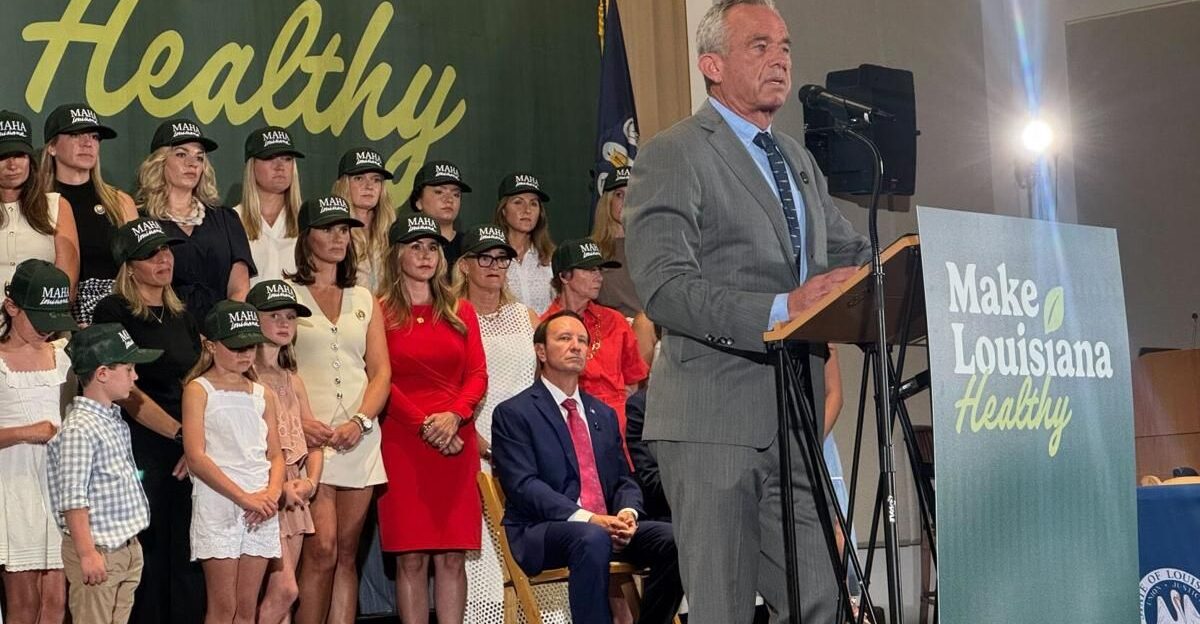
The Make America Healthy Again (MAHA) Commission, chaired by Health Secretary Robert F. Kennedy Jr, entered this tense landscape. In May 2025, it dropped a headline-grabbing report that blamed “preventable trends” for the rise in autism and other childhood disorders. It pointed fingers at modern diets, chemical exposures, technology use, and overmedication.
The language was bold, and to many, unsettling. Critics argue it risks reviving long-debunked myths about autism’s causes. However, for supporters, the report taps into broader unease about children’s health in today’s world.
From Genes to Lifestyles – A Shift in Blame

For years, research has shown that autism is primarily rooted in genetics, with some environmental influences still under study. The MAHA report barely mentions genetics. Instead, it focuses on lifestyle and environment, suggesting that autism could be reduced if children’s surroundings were changed.
This shift in emphasis has raised alarms. By sidelining decades of genetic evidence, the Commission is reframing autism as a condition families might prevent. To advocacy groups, this narrative risks stigmatizing autistic children and pressuring parents to search for blame rather than support.
The Phrase That Sparked Outrage
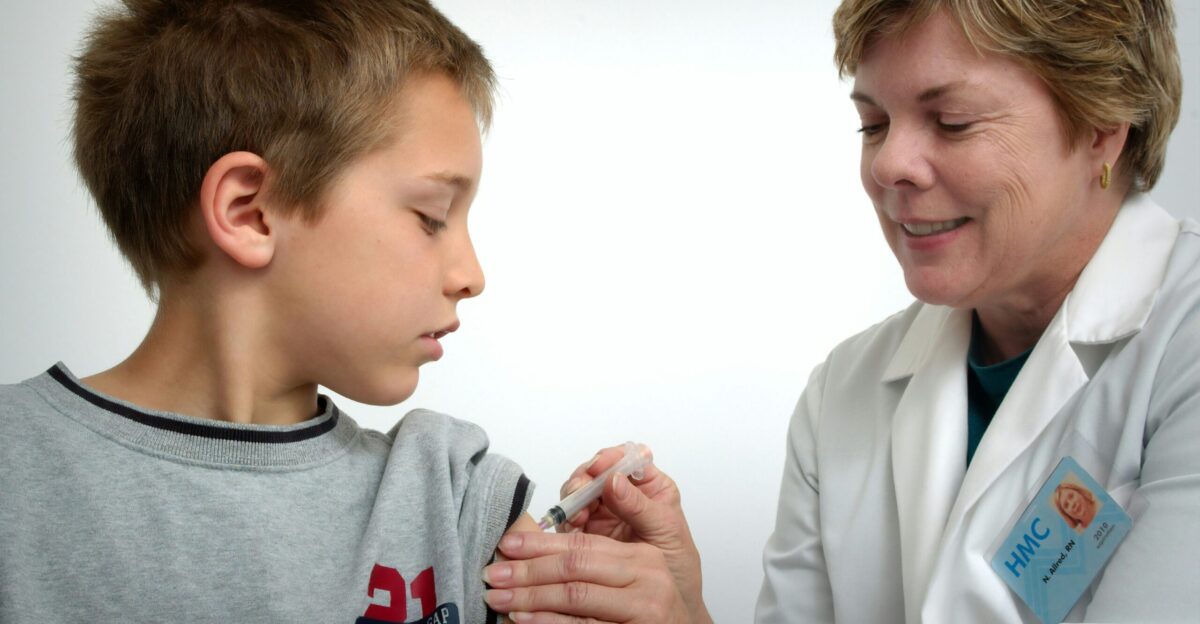
Perhaps no line in the MAHA report has drawn more attention than its claim that modern medicine has been “hijacked.” The Commission accuses industry influence and overprescription of fueling autism and other disorders. For many medical experts, that phrase crosses a line. They argue it paints pediatric care—vaccinations, prescriptions, and everyday checkups—as a source of harm without evidence.
Critics warn that this kind of rhetoric can erode public trust in doctors and fuel dangerous myths, especially when parents are already grappling with complex diagnoses.
When Prevention Overshadows Support

On paper, prevention sounds appealing: introduce healthier diets, reduce chemical exposure, and add more exercise. However, when applied to autism, prevention messaging takes a different weight. Autism advocates fear it suggests autistic children are the result of parental failure or medical malpractice.
Groups like the Autistic Self Advocacy Network argue that government energy would be better spent funding therapies, education, and inclusive services. Instead, they worry that prevention-first policies could drain resources from families who need help today, all in pursuit of a controversial and unproven goal.
Advocates Raise the Alarm
The backlash from advocacy groups has been swift. Organizations representing autistic people and their families say the MAHA report spreads fear and misinformation. They stress that the rise in autism numbers reflects progress in identifying children earlier and more accurately, not an epidemic.
“This is not about medicine gone wrong,” groups argue, but about building better support systems. For families already stretched thin by therapy costs and long waitlists, the idea that autism could be prevented feels dismissive and even harmful.
What Science Really Says

Step back from the politics, and the science is remarkably consistent. Studies worldwide show genetics play the most significant role in autism, with environmental factors contributing in smaller, less-defined ways. Research has ruled out links to vaccines and commonly prescribed medications. Yet these myths persist, fueled by high-profile rhetoric like the MAHA report.
The frustration is evident for scientists as each time discredited theories resurface, they risk undermining trust and distracting from real progress. The consensus is firm that autism’s rise in numbers reflects identification, not medical malpractice.
Why Are Numbers Rising So Fast?
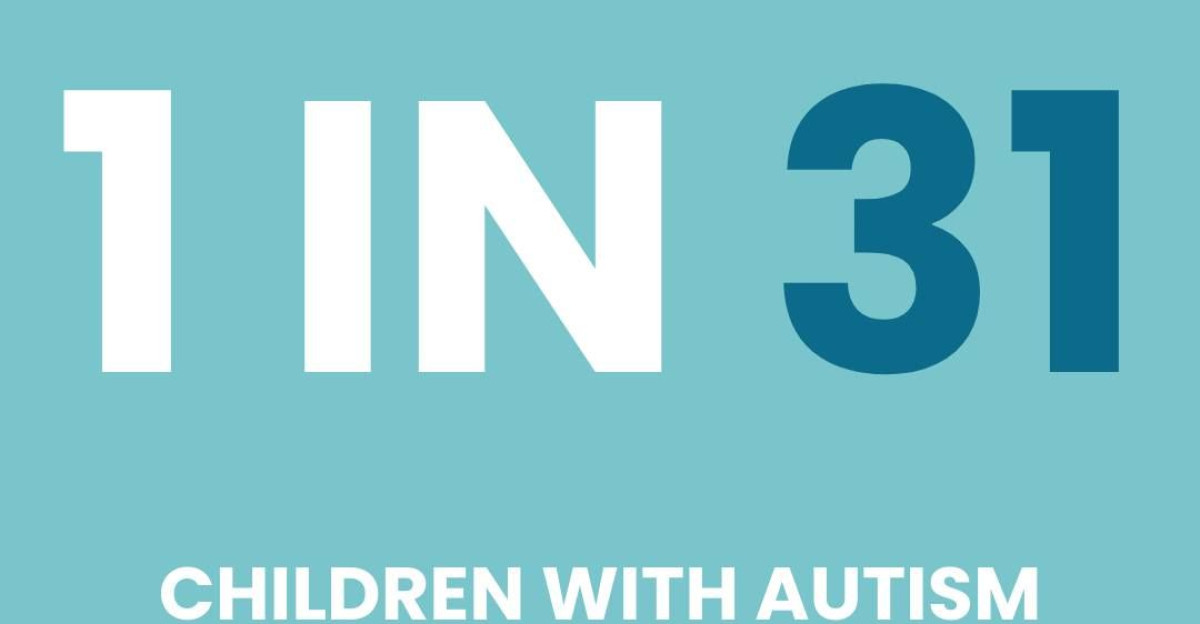
At first glance, the statistics seem alarming. But experts explain that the climb largely reflects better detection, not more children suddenly developing autism. Broader diagnostic criteria now capture children across the spectrum, including those with milder traits who once went unnoticed.
Greater public awareness also means parents and teachers are more likely to seek evaluations. In short, society is getting better at recognizing autism. Far from signaling a crisis, many researchers see the trend as evidence of progress in supporting children who might otherwise be overlooked.
The Latest CDC Snapshot

The most recent nationwide study comes from the CDC’s Autism and Developmental Disabilities Monitoring Network. In 2022, across 16 sites, researchers found that 32.2 children per 1,000 eight-year-olds were identified with autism. That’s 1 in 31—the highest rate yet recorded.
Beyond the headline number, the data reveal wide variation between communities, depending on resources and diagnostic practices. For some families, access to evaluation remains the most significant barrier. For others, earlier recognition means children can receive services sooner. The numbers tell a story that’s as much about equity as prevalence.
The Uneven Picture Across Communities

Not every child faces the same likelihood of diagnosis. Boys are over three times more likely than girls to be identified, though researchers suspect girls are often underdiagnosed due to subtler traits. Race and income also play a role.
Asian, Pacific Islander, Black, and American Indian children show higher prevalence rates than white children, while children in lower-income areas are more likely to be diagnosed. These disparities raise pressing questions: Are certain groups at higher risk, or are some simply better—or worse—served by the healthcare system?
Policy Shifts Raise Concerns

The MAHA report is already influencing policy. Federal agencies have begun redirecting research dollars away from genetic studies and support programs toward investigations of environmental factors. For critics, this is a troubling signal. Redirecting millions in funding could weaken critical services for children and families while chasing unproven theories.
Advocates argue the government should balance curiosity-driven science with immediate needs on the ground. Without that balance, they warn, families could find themselves with fewer resources just as autism numbers continue to climb.
Overmedication Myth Resurfaces

A central claim in the MAHA narrative is that children are overprescribed medications, fueling disorders like autism. But repeated studies have found no causal link between autism and prescribed drugs or vaccines. The National Academies of Sciences and the CDC both reaffirm this.
Critics worry that recycling these claims could have real-world consequences, such as discouraging parents from following pediatric guidance. For families managing complex medical needs, suggesting that treatment causes harm can create confusion and mistrust at the worst possible moment.
The Politics Behind the Rhetoric
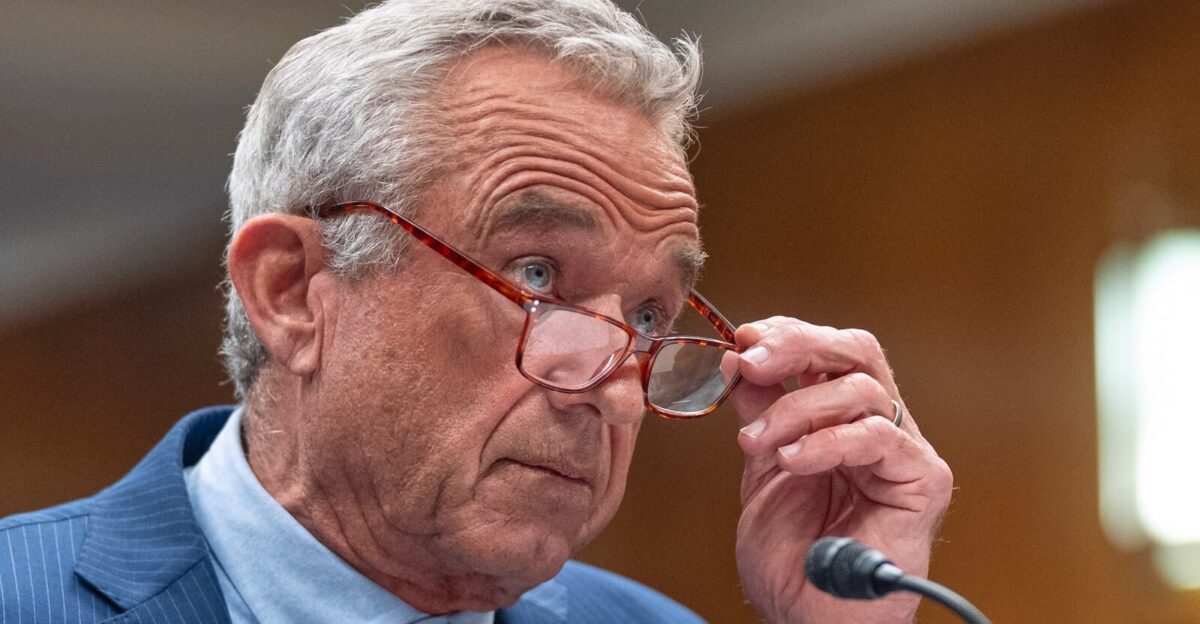
The autism debate has spilled well beyond science into the political arena. Secretary Kennedy’s framing of autism as preventable resonates with some Americans skeptical of industry and government. For others, it stigmatizes autistic children and revives harmful tropes. The controversy reflects a broader trend in U.S. health policy: populist rhetoric clashing with scientific consensus.
In this case, the stakes are especially personal. How autism is framed—genetic condition versus preventable disorder—shapes not only research dollars but also how families and schools support autistic children.
Warnings from Disability Advocates

Disability rights groups say the MAHA approach risks creating moral panic. By portraying autism as a failure of medicine or environment, they argue, the report makes families feel blamed. Advocates call for policies rooted in inclusion, equity, and dignity.
Autistic children don’t need to be prevented; they need to be supported. For these groups, the real crisis is a shortage of affordable therapies, not a supposed epidemic. Their message to policymakers is to invest in services, not scapegoating or speculative prevention campaigns.
How the U.S. Compares to the World
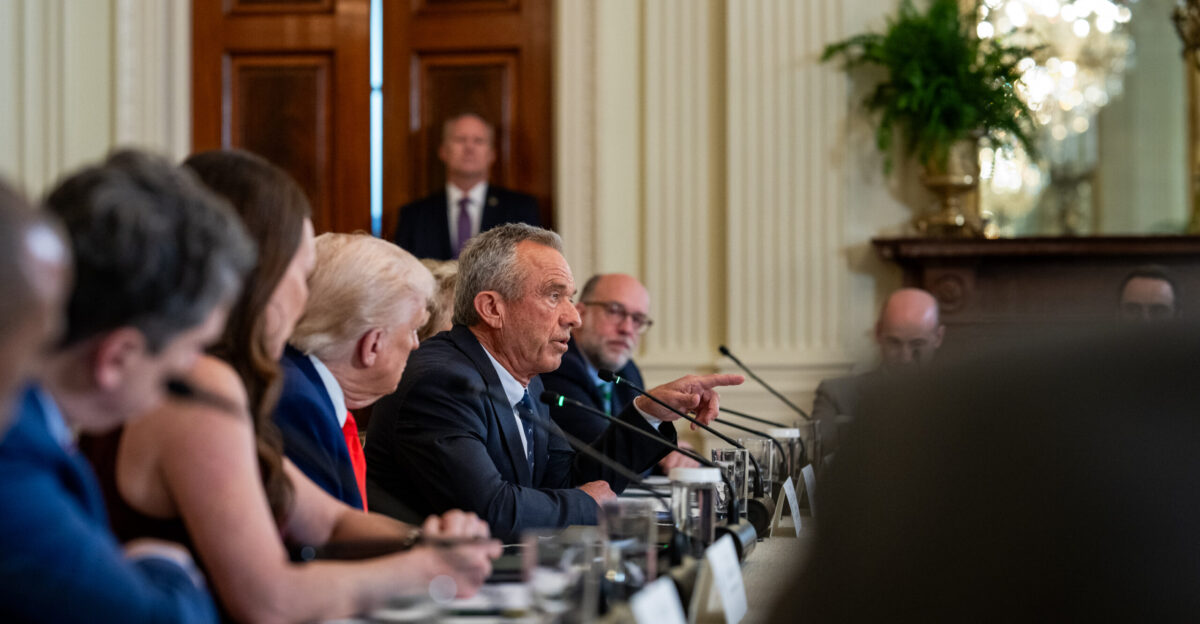
The U.S. figure of 1 in 31 children with autism stands out internationally. Globally, the World Health Organization estimates prevalence at about 1 in 100. However, experts caution against assuming American children face a unique crisis. Instead, the higher number reflects stronger surveillance and broader diagnostic definitions.
In countries with fewer resources, many children go undiagnosed altogether. For families, that context matters. The U.S. isn’t necessarily experiencing more autism; it’s counting more effectively. But that success comes with pressure as it needs to ensure every identified child gets the support they need.
Environmental Research Still Ongoing

Of course, science hasn’t closed the book on environmental factors. Researchers continue to study everything from parental age to prenatal exposures. But so far, no single factor has emerged as decisive. Experts stress that while the environment may play a role, it doesn’t outweigh genetics.
Critics say reports like MAHA’s present speculation as fact. That leap not only misleads the public but also risks derailing research. For families, it means more confusion at a time when clarity is desperately needed.
Families Want Help, Not Blame

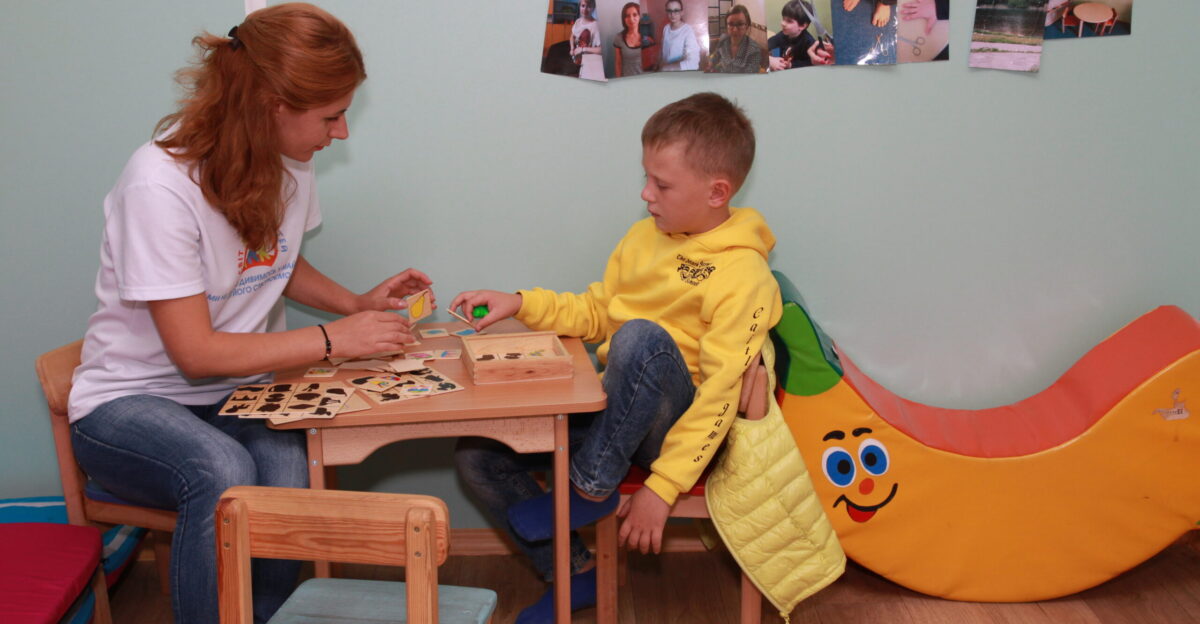
Behind the statistics are real families trying to navigate life with an autism diagnosis. Early intervention, therapies, and inclusive classrooms can change outcomes dramatically, but only if they are accessible. Parents say they need more support, not theories about what went wrong. Advocacy groups agree, stressing that pointing fingers at medicine or lifestyle only fuels stigma.
They argue that the more constructive path is building systems where autistic children can thrive. For families, the difference isn’t abstract; it’s the daily reality of whether help is available.
A Debate That Divides Public Health
The clash over autism reflects a larger divide in public health with a prevention-first rhetoric versus a support-focused policy. For some, the MAHA framing offers an easy explanation for rising numbers. For others, it’s a dangerous detour that distracts from the real work of care.
Families often find themselves caught between competing narratives. Health experts caution that if misinformation spreads unchecked, trust in public health institutions could erode further. The debate is not just academic; it’s shaping policy, funding, and the lived experience of millions of families.
What the Road Ahead Requires
Researchers say the future demands rigorous, transparent science—extensive studies that explore all possible factors without overstating conclusions. Policymakers face a balancing act in supporting new research while ensuring families today have access to therapies and services. Advocacy groups argue that priority must stay on the present, not speculative prevention.
The bottom line, experts insist, is that autism is not a preventable epidemic. The task now is twofold: deepen understanding through science while expanding support for the children and families already living with autism.
Science, Not Speculation, Should Lead

The rhetoric around “hijacked medicine” has captured headlines, but the evidence tells another story. Rising autism numbers reflect better awareness and broader definitions, not medical malpractice. While environmental research continues, the science overwhelmingly points to genetics as the key driver. For families, the path forward lies not in blame but in support with affordable therapies, inclusive classrooms, and evidence-based care.
Experts stress that policymaking must follow data, not ideology. In the end, science—not speculation—remains the most straightforward guide to understanding autism and shaping a future that supports all children.