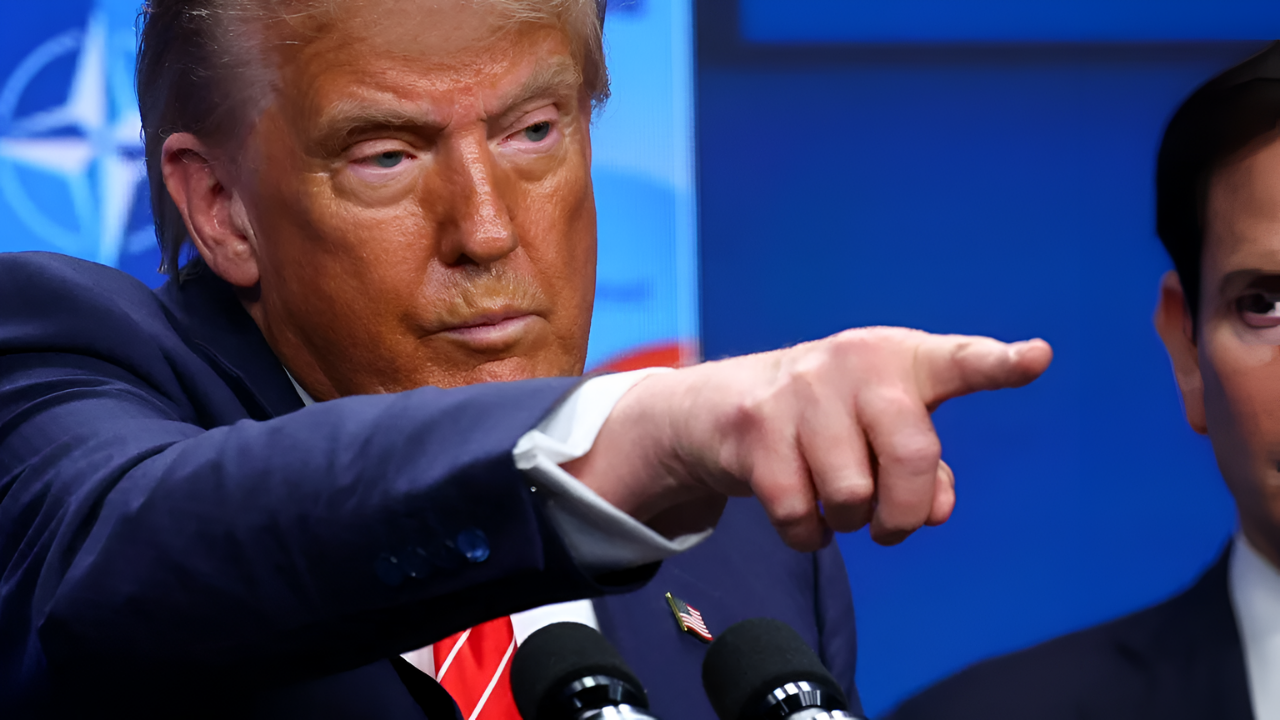
As markets close for New Year’s Eve, Trump stands with Netanyahu at Mar-a-Lago issuing an explicit nuclear threat. “We know exactly where they’re going, what they’re doing, and I hope they’re not doing it—because we don’t want to waste fuel on a B-2,” he warns.
The B-2 bombers devastated Iran’s nuclear facilities in June. Rebuild, Trump signals, and face identical strikes. Yet Iran’s regime crumbles from within as merchants close shops and streets erupt in anti-government protests. External military pressure collides with internal collapse in what may prove regime-ending.
Iran Declares War

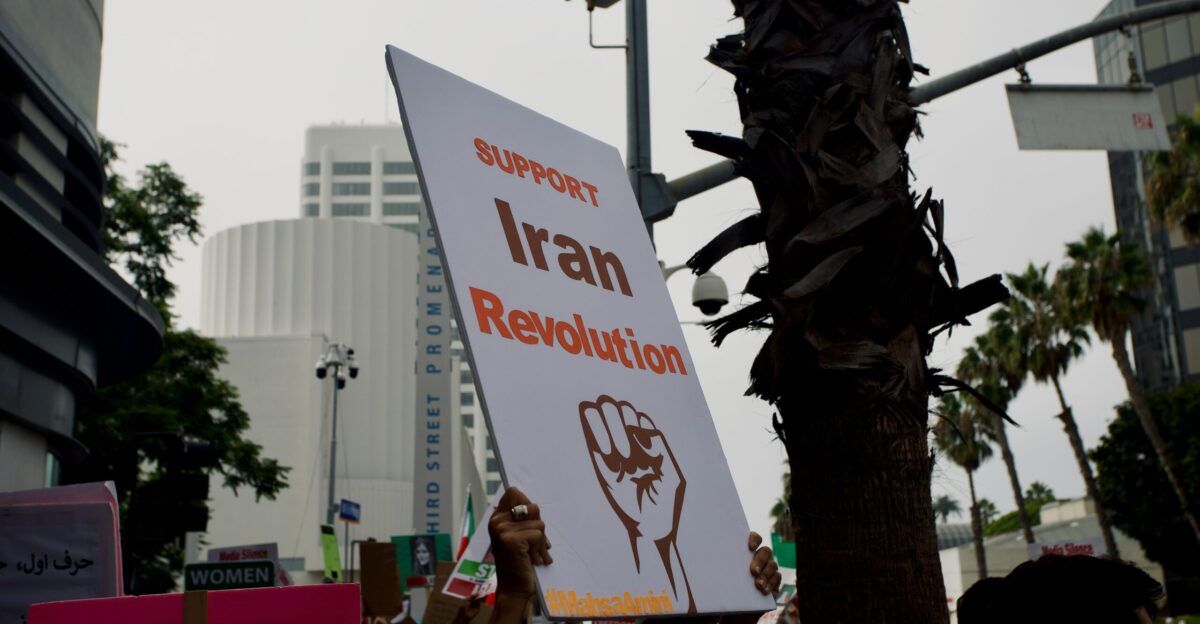
President Pezeshkian declared Iran in “full-fledged war” with America, Israel, and Europe. Yet a stunning paradox unfolds. As Iranian leaders vow military resistance, merchants and shopkeepers—who toppled the Shah in 1979—are closing businesses and marching through Tehran’s Grand Bazaar.
Protesters chant “Death to the dictator” and “Khamenei will be toppled this year.” The regime faces an external enemy at the gate and a knife at its back.
The B-2 Fuel Comment Signals Real Intent
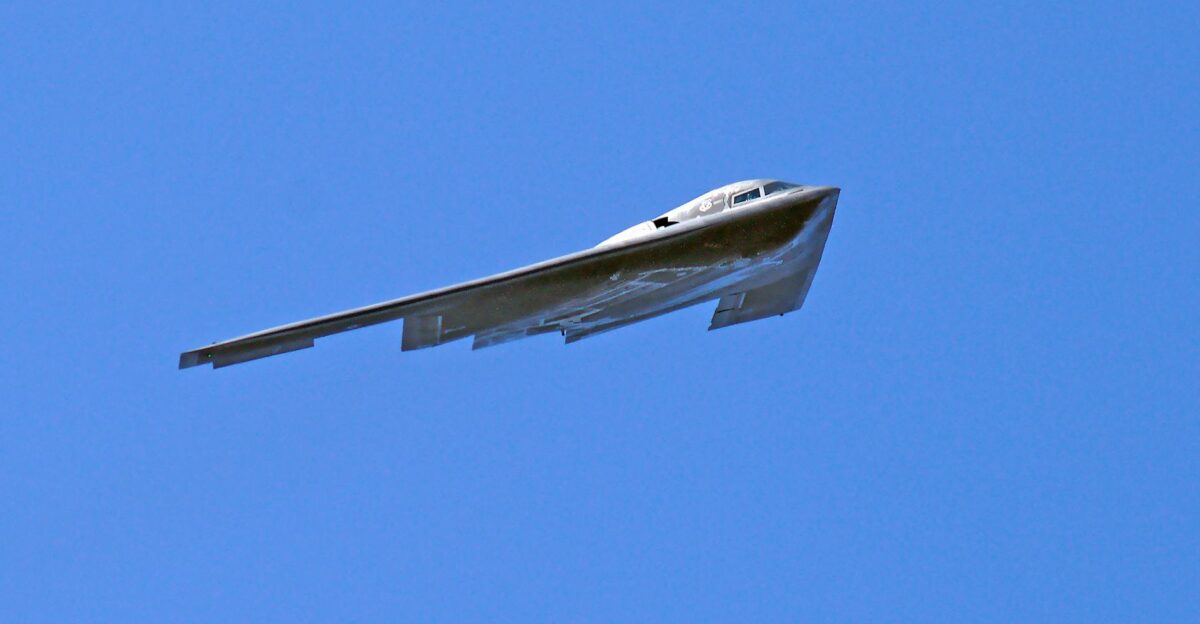
Trump’s specificity reveals cold calculation. A B-2 round trip to Iran costs approximately $4.8 million per mission. By highlighting expense, Trump signals strikes are possible but costly—a calculated deterrent designed to coerce Iranian compliance. Yet this specificity carries menace:
“I’ve done the math, I know the logistics, I’m prepared to pull the trigger.” Iran’s security adviser Ali Shamkhani warned Iran has “predetermined responses” to any strike, locking Tehran into retaliation protocols it may not control.
1.45 Million Rials to One Dollar
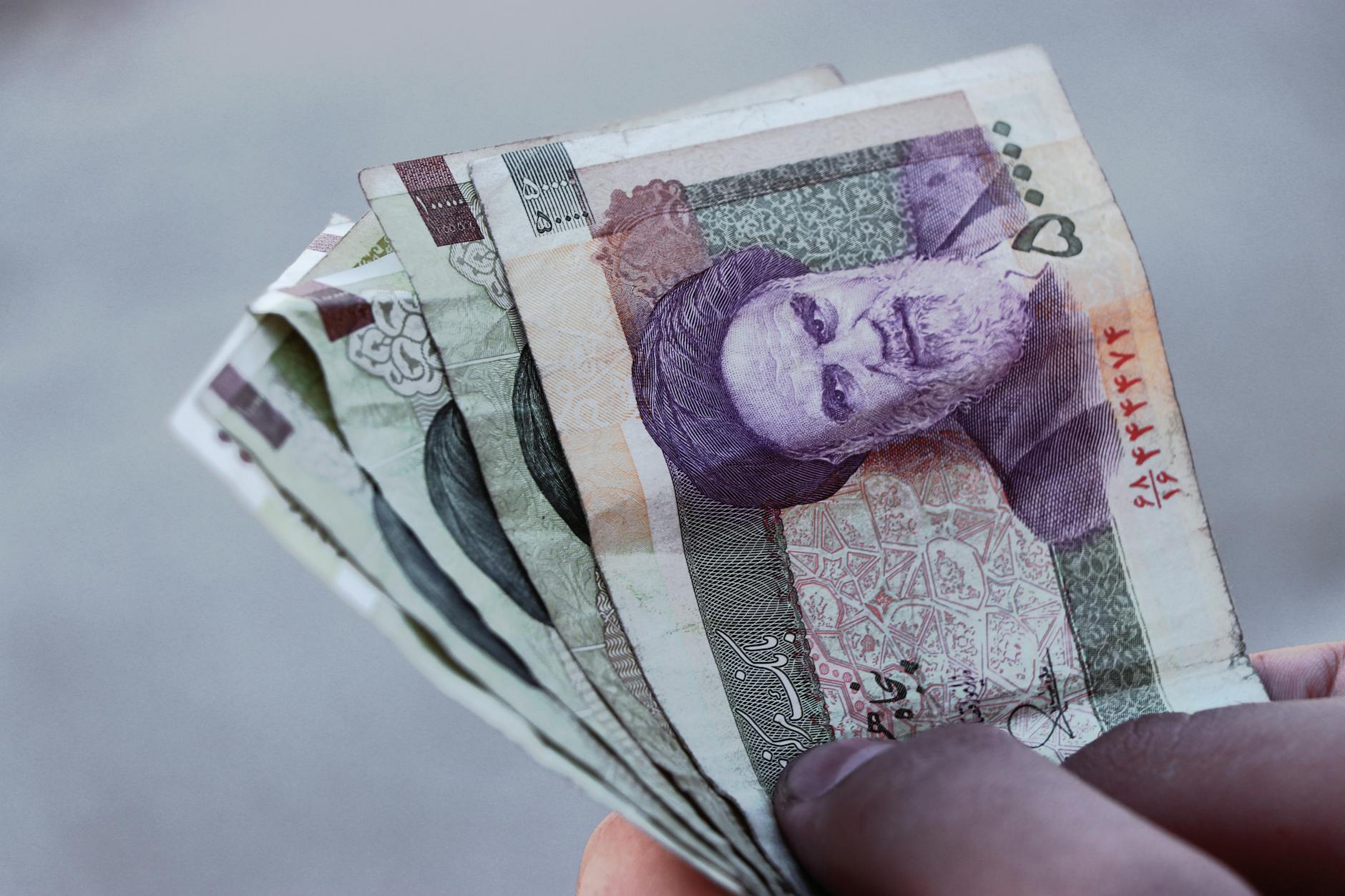
On December 28, Iran’s rial hit historic lows: 1.45 million to the U.S. dollar. Three years ago, the rate was 430,000 to one. Iran’s currency evaporated nearly 70 percent in value. For ordinary Iranians, this is brutal reality.
Food prices surged 72 percent year-over-year; medical products up 50 percent. The official rate of 32,000 rials per dollar is fiction—no Iranian can access it.
Merchants March Through Tehran
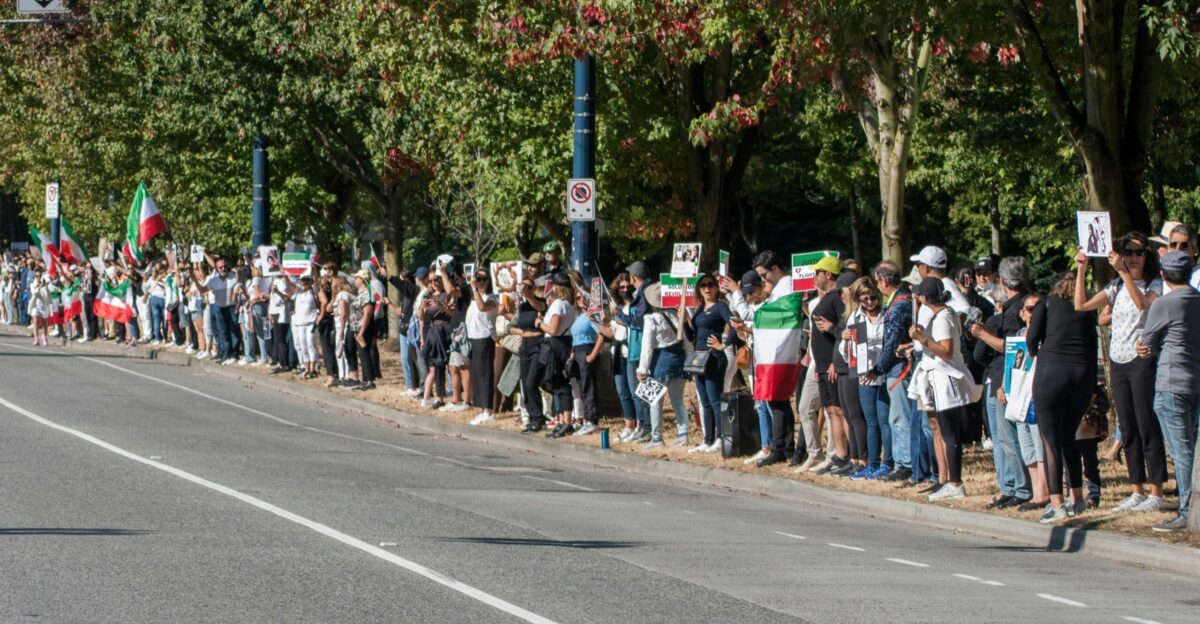
Starting December 28, merchants closed shutters and took to streets—a historically revolutionary gesture. By day three, protests spread from Tehran’s Grand Bazaar to Isfahan, Mashhad, Shiraz, and Hamedan. Security forces responded with tear gas, batons, and live ammunition.
The bazaar uprising triggered the 1979 revolution; now that force turns against the Islamic Republic. Chants shifted from economic grievances to “Death to the dictator.”
Economy Weakens Further
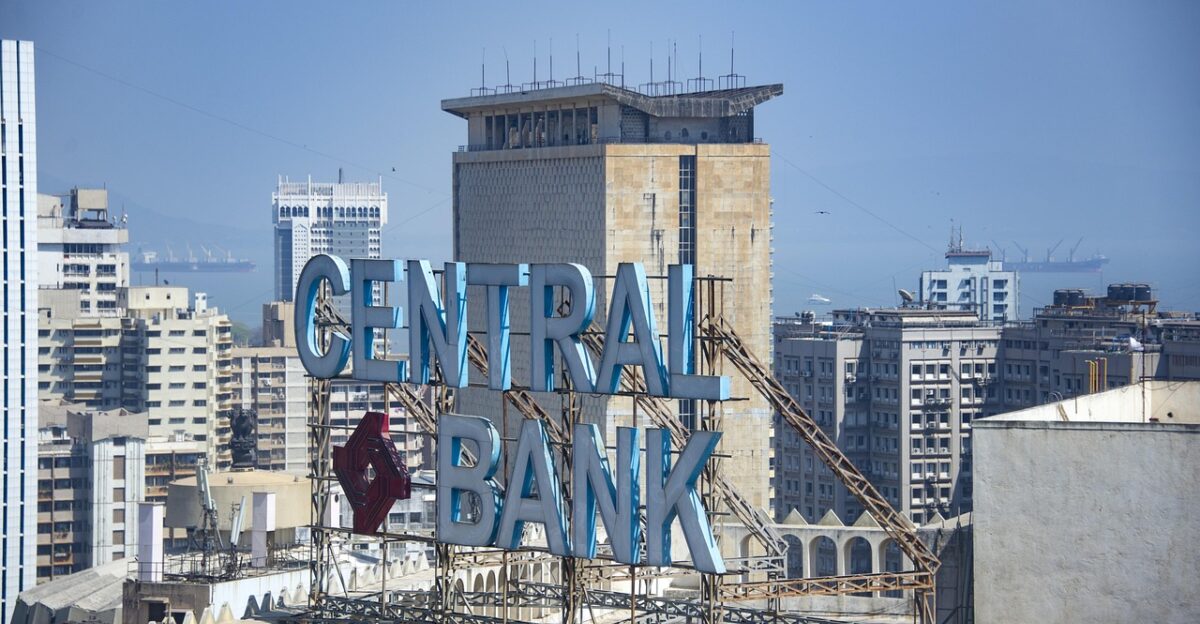
Mohammad Reza Farzin, Iran’s Central Bank governor, resigned Monday amid merchant protests. His three-year tenure saw the currency lose 70 percent of purchasing power. Replacement Abdolnasser Hemmati is a recycled technocrat previously serving as Central Bank governor (2018-2021).
The reappointment screams institutional desperation. Markets immediately expressed skepticism; the rial weakened further after announcement.
72 Percent Food Inflation
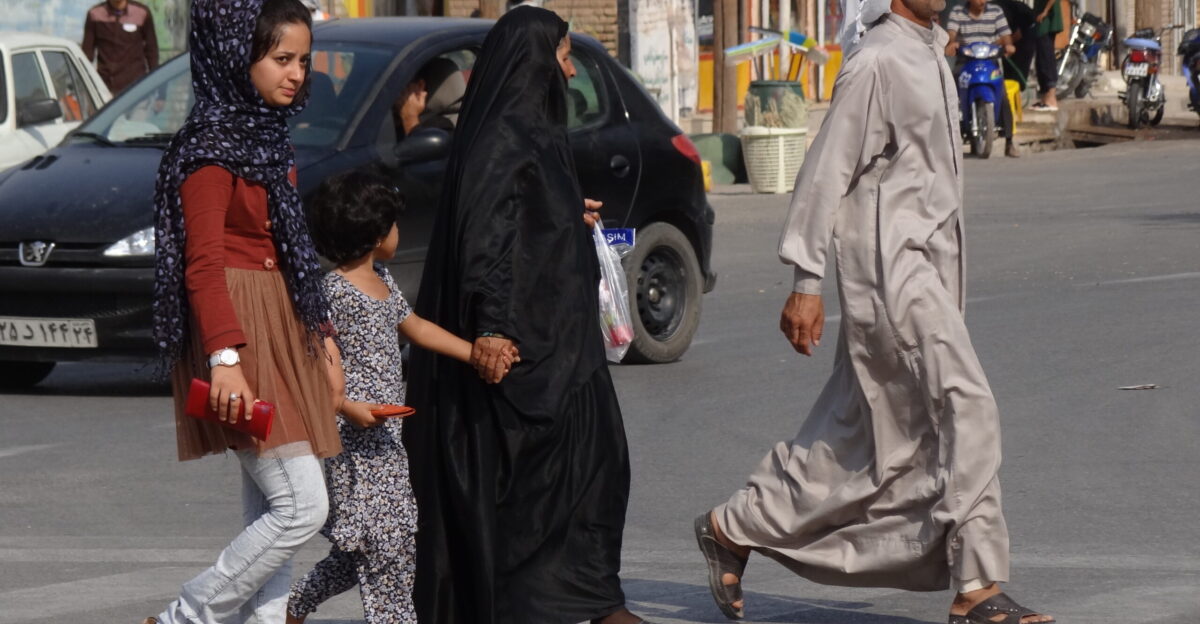
Food prices jumped 72 percent in one year; medical costs up 50 percent. A family’s monthly budget once covering groceries, medicine, and basics now covers substantially less. Unemployment rises as businesses shut rather than accept currency losses.
Young Iranians—already frustrated with limited opportunity and clerical control—are particularly affected. This is economic freefall disguised by official statistics.
Nuclear Enrichment Sites
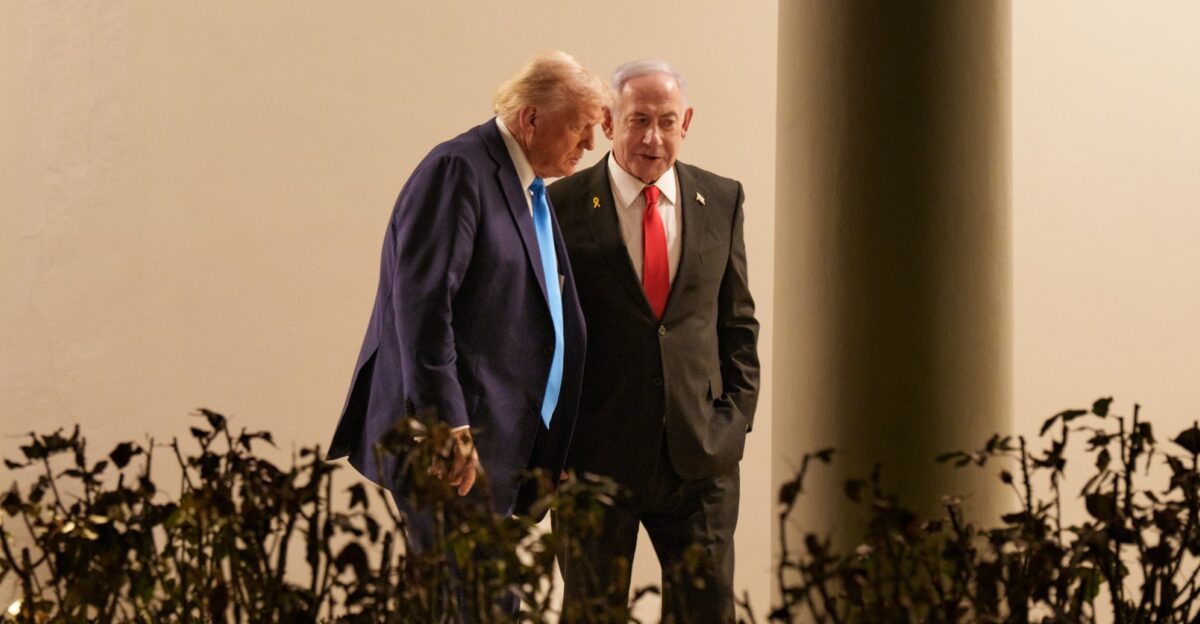
Benjamin Netanyahu flew to Mar-a-Lago December 29 to lock Trump’s commitment to Iran action. Israeli intelligence briefed Trump that Iran is “actively rebuilding” ballistic missile and nuclear enrichment sites. Netanyahu pressed Trump to expand military options beyond nuclear facilities to include missile manufacturing and air defense systems.
Trump signaled openness, saying he would “do it immediately” if weapons development continued. America and Israel are aligned on Iran escalation. Diplomatic off-ramps are closing.
Crisis in Motion
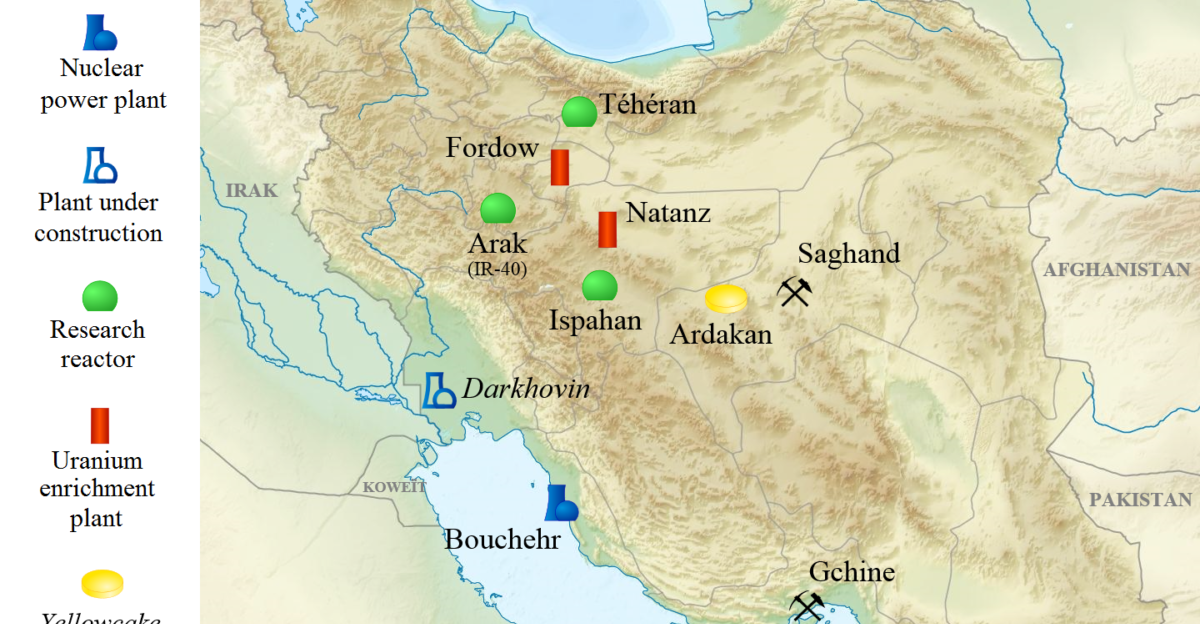
B-2 stealth bombers struck three Iranian nuclear facilities—Fordow, Natanz, and Isfahan—with bunker-busting munitions on June 22, killing approximately 1,100 Iranians including senior military commanders and nuclear scientists. Iran retaliated with ballistic missiles that killed 28 in Israel.
Pentagon assessed strikes set Iran’s nuclear program back two years. Satellite imagery confirmed substantial damage, though hidden enrichment sites remained questionable.
Iran’s Access to Global Economy
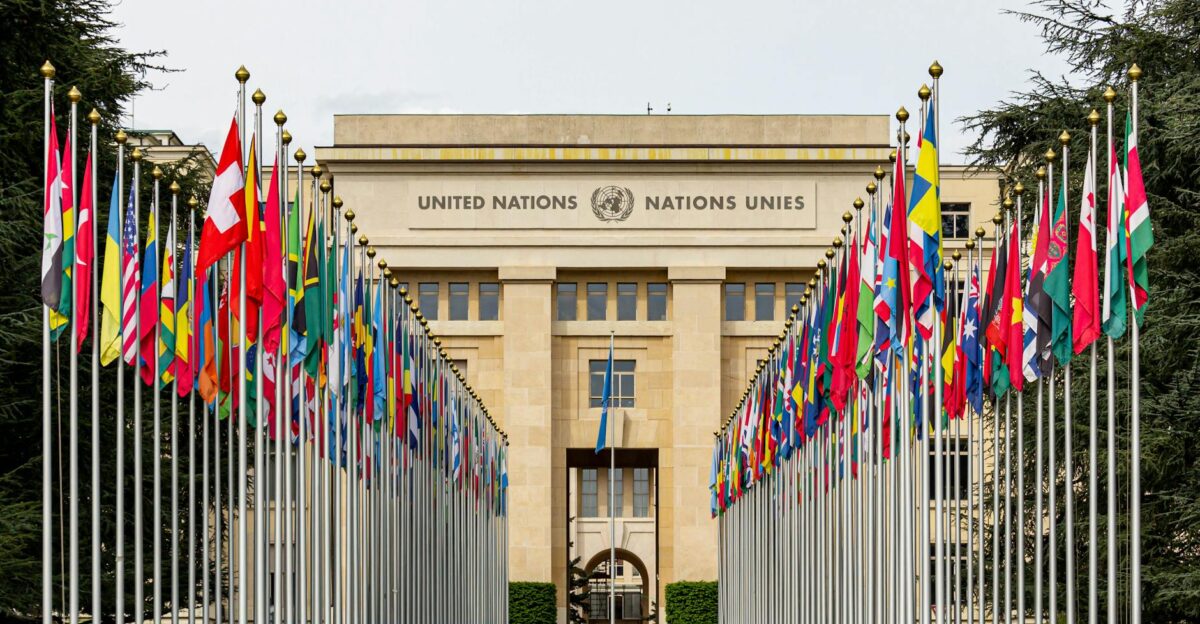
In September, France, Germany, and Britain triggered the UN’s “snapback” mechanism—automatically reimposing all pre-2015 sanctions on Iran. This automatic mechanism, built into the nuclear deal, activated when Iran violated commitments.
Timing proved catastrophic: U.S. sanctions already crushing; military strikes destroyed key facilities; now UN sanctions froze assets and halted transactions. Iran went from isolated to doubly isolated—cut off by Washington and United Nations simultaneously.
Irans’ Predetermined Responses
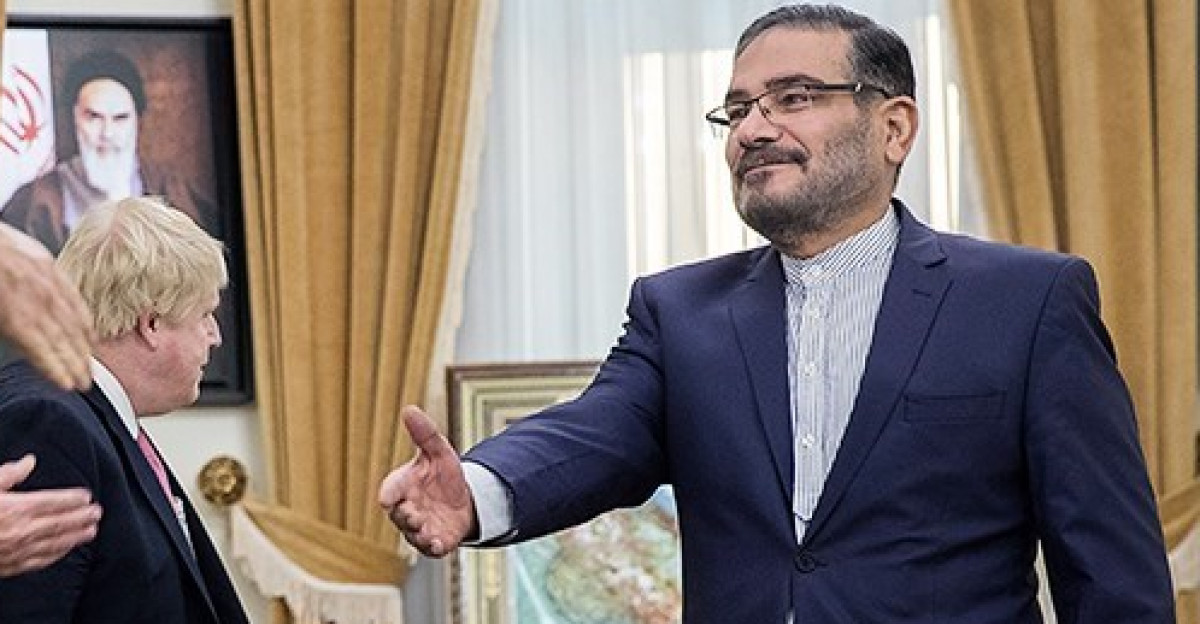
Ali Shamkhani, top security adviser to Supreme Leader Khamenei, issued chilling statement: “Responses are set before threats materialize.” The message intended as deterrence—suggesting Iran prepared military options regardless of timing.
Rhetoric locks Iran into credibility trap: public commitments to “predetermined responses” eliminate diplomatic off-ramps. If Iran backs down, it appears weak to domestic audiences and adversaries. If Iran follows through, it invites American military retaliation from more powerful opponent.
Can Khamenei’s Regime Survive This Convergence?
Islamic Republic weathered multiple existential crises—wars, coups, sanctions. But this convergence differs fundamentally: external military threats, economic collapse, UN isolation, and streets filled with people chanting for regime change. Bazaar uprising proved pivotal in 1979; now merchants challenge government again.
Pezeshkian’s conciliatory tone toward protesters—instructing security forces to negotiate—signals regime awareness traditional repression cannot solve this crisis. Yet negotiation without economic relief is hollow. Regimes facing simultaneous internal and external pressure rarely survive intact.
No Pathway to De-escalation
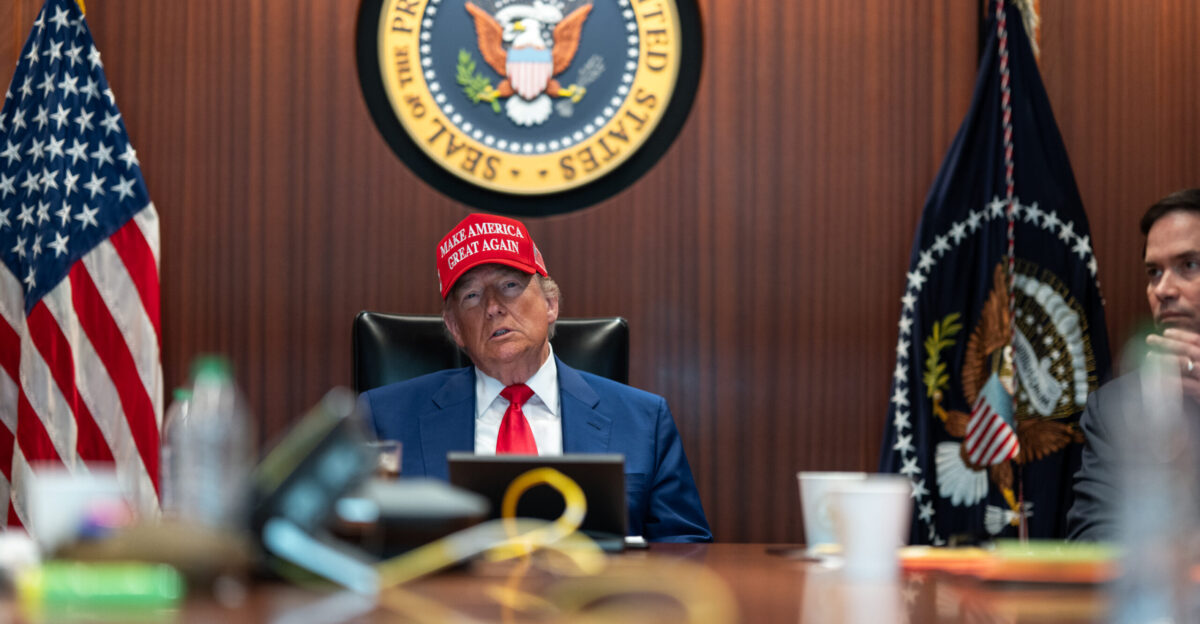
Russia blocks Security Council efforts delaying snapback sanctions; Europe triggered snapback but sees little reason reversing it. Trump administration abandoned diplomacy for military deterrence and economic siege. No UN mechanism exists undoing snapback sanctions without agreement from all permanent members—impossible in current geopolitical moment.
Iran’s negotiating position weakened as currency evaporates and internal pressure mounts. America’s position hardened as Trump signals willingness striking again. No space exists for negotiation or compromise. Diplomacy is abandoned.
Will Iran Capitulate, Retaliate, Or Collapse?
As 2025 ends, three scenarios loom. First: Iran’s economic desperation forces nuclear concessions; Trump accepts deal, claims victory. Second: Provocation or miscalculation triggers new strikes; Iran retaliates; regional conflict expands. Third: Internal pressure reaches critical mass; regime fractures; succession or collapse follows.
Oil markets face renewed volatility; Israel depends on continued American support; global recession risks mount. Next sixty to ninety days reveal which path unfolds. Stage set for escalation.
Sources
Trump warns Iran against rebuilding nuclear program – Deutsche Welle
Iran president declares ‘full-fledged war’ with US, Israel, and Europe – JURIST
Iran’s currency collapse sparks second day of trader protests – Euronews / AP
Trump warns Iran on nuclear revival as he hosts Netanyahu – RTÉ
Protests erupt in Iran amidst currency collapse and high inflation – FRANCE 24