On January 20, President Donald Trump signed an executive order hitting the brakes on all new offshore wind leasing in federal waters. The unexpected move rattled the renewables industry, causing massive uncertainty for private investors and threatening momentum behind major clean energy projects already in motion.
Billions of dollars in current and future offshore wind investment were suddenly at risk. States quickly launched legal complaints, ongoing project timelines were disrupted, and construction crews were sidelined with no clear path forward. While financial damage is mounting, reports so far haven’t confirmed widespread job losses.
This sweeping halt isn’t just about a policy disagreement—it’s a flashpoint with ripple effects across energy markets, international investment trends, and long-term climate planning. Here’s how the standoff is unfolding—and what it means for the future of U.S. offshore wind.
No More Wind Leasing—Indefinite Freeze
Trump’s executive order didn’t just delay projects—it shut the door on leasing altogether. It pulled back all areas of the Outer Continental Shelf from new wind energy leasing and froze all new or renewed federal approvals for offshore wind projects.
The restrictions remain in effect unless and until the presidential memo is revoked. Notably, the freeze doesn’t touch oil, gas, or mineral leases, nor does it apply to conservation activity—sending a clear message about energy priorities in this administration.
Revolution Wind: Construction Halted at 80%
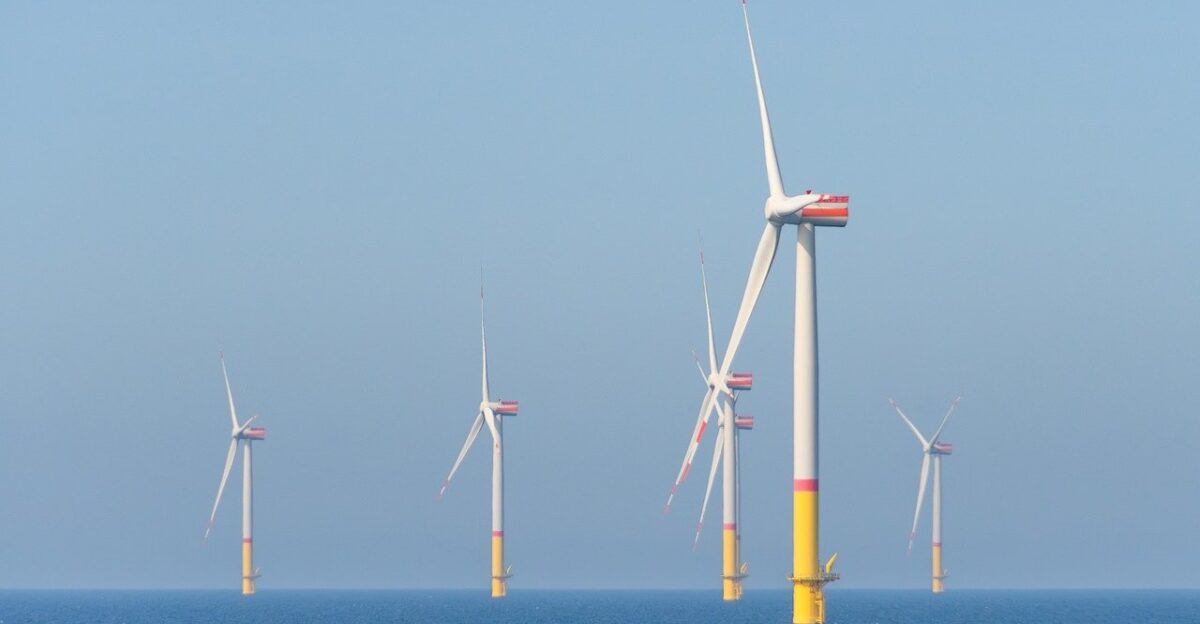
Off the coast of Rhode Island, Revolution Wind was cruising toward completion—until the order hit. The project, reportedly over 80% finished with 45 of 65 turbines already installed, was abruptly halted by a federal stop-work order.
All regulatory boxes had been checked: local, state, and federal permits were in place. But just as it geared up to deliver power, the site was forced to go dark. And it wouldn’t be the last.
Power to Hundreds of Thousands at Risk
Revolution Wind isn’t just a construction site—it’s a future power source for over 350,000 homes. The project is contracted to provide 400 MW to Rhode Island and another 304 MW to Connecticut.
With everything on pause, those long-term power purchase agreements are hanging in limbo. That puts regional energy goals—and a whole lot of utility planning—at risk. And from here, the backlash only grew.
State Partnerships and Lawsuit Response
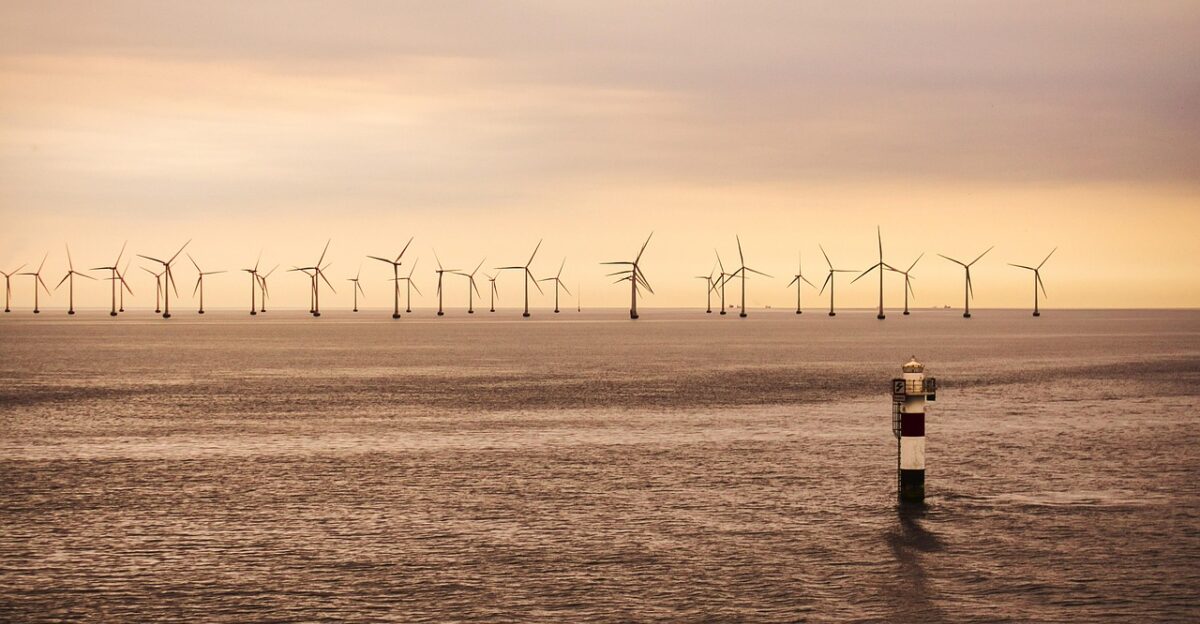
Connecticut and Rhode Island, invested both financially and strategically in Revolution Wind, quickly took action. They joined 15 other states and Washington, D.C., in lawsuits challenging the order, arguing it overstepped federal authority and derailed state-level renewable goals.
The federal government, in response, stood firm on its legal authority to suspend offshore wind leases, citing existing law. That legal fight would soon become central to an industry already locked in limbo.
Grid Reliability Warning from ISO New England
ISO New England, the grid operator serving six states, didn’t mince words. Delays or cancellations of projects like Revolution Wind, it warned, could “increase reliability risks”—especially in winter, as electrification drives regional power demand higher.
The lost capacity isn’t hypothetical. Offshore wind was supposed to be a key reliability cushion. Now, states are scrambling for ways to keep the lights on, even as demand grows.
Financial Turmoil for Developers
Ørsted, Revolution Wind’s co-developer and a global wind energy leader, was hit hard. Its stock plunged more than 16%—the latest blow in a long downward spiral since 2021, driven partly by U.S. market setbacks.
S&P Global soon downgraded Ørsted’s credit rating to BBB-, citing growing uncertainty and risk exposure in U.S. offshore wind. For developers, this isn’t just a policy pause—it’s a financial hit.
Capital Flows Out of U.S. Renewables
The fallout reached global investors. In the first half of 2025, U.S. renewable energy investment nosedived as capital flowed to regions with more predictable policies.
During the same span, clean energy investment in the EU surged, and offshore wind projects outside the U.S. lured new funding. In a world where money moves fast, the U.S. was no longer high on the priority list.
Empire Wind: A Precedent of Disruption
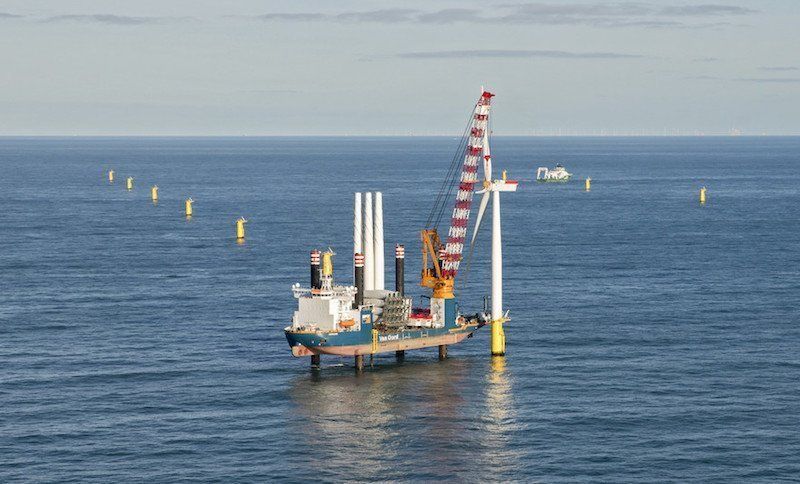
New York’s Empire Wind project, led by Equinor, showed just how disruptive federal policy can be. In April 2025, it too was hit with a stop-work order—leading to costly weekly losses until the suspension was resolved after behind-the-scenes negotiations.
This high-profile incident set a precedent, exposing the clash between state demands and federal directives—and hinting that no project, no matter how far along, was safe.
Price Suppression and Natural Gas Dependence
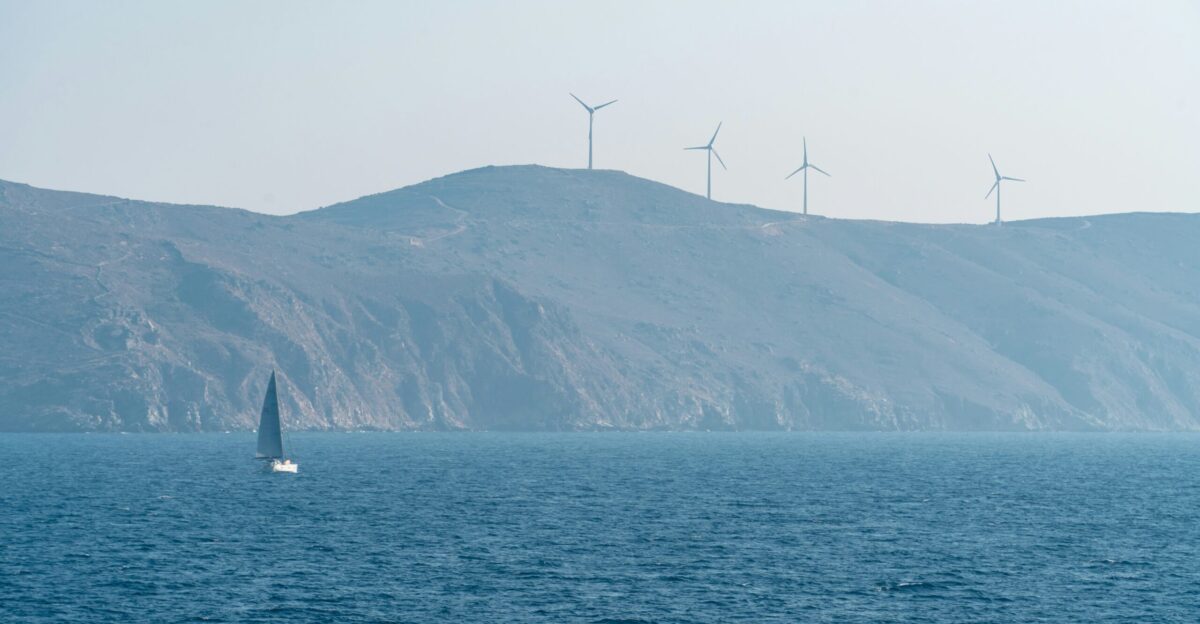
Offshore wind does more than just generate power—it helps keep electricity prices down. Studies by Synapse Energy Economics show that because offshore wind has close to zero fuel costs, it suppresses wholesale electricity prices and reduces dependence on gas-fired plants.
When those projects stall or collapse, that benefit vanishes. The result? Pricier energy and more exposure to volatile global natural gas markets, especially in winter when demand spikes.
Uncertain Path for Maryland and Other States
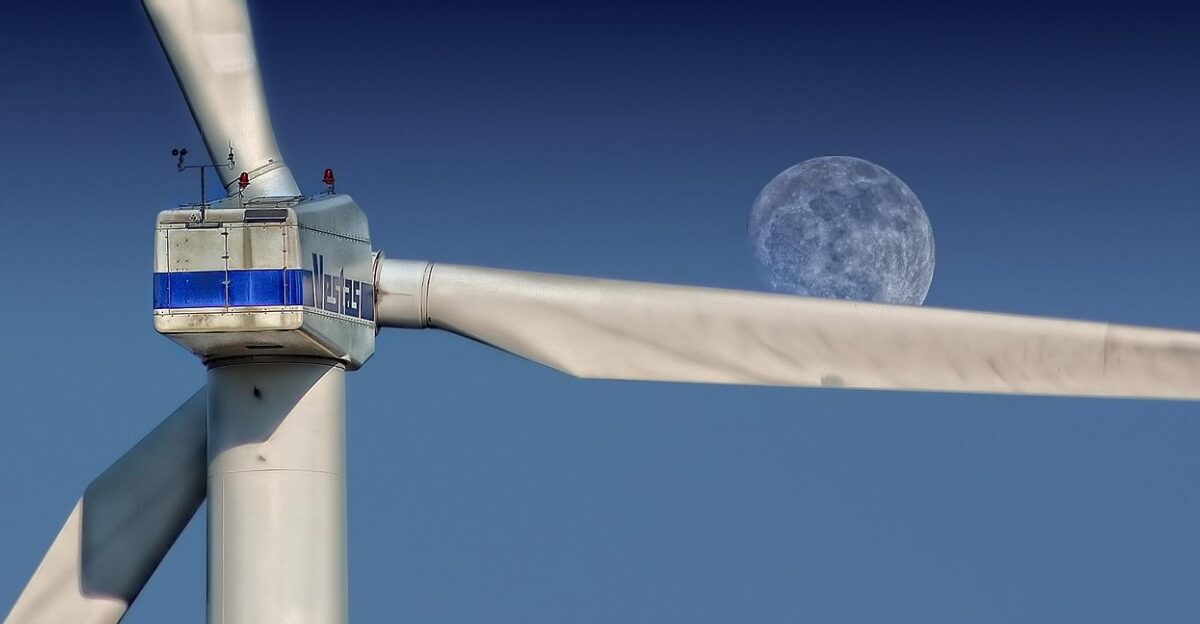
In another blow to planning, the Department of the Interior warned US Wind that its $2 billion project off Maryland might lose construction approval under the new federal order.
That message didn’t just shake one project—it rattled offshore wind efforts across every coastal state. For governors and utilities pouring resources into these plans, the rules of the game just changed mid-play.
Section 232 Investigation Adds Tariff Threat
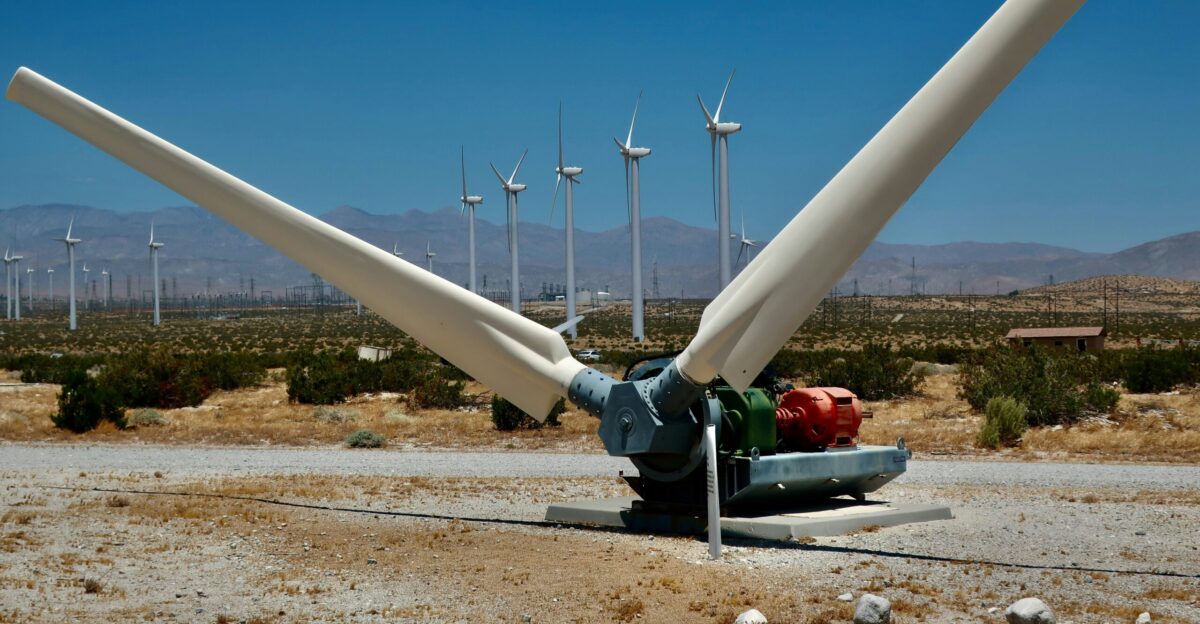
Adding fuel to the fire, the Commerce Department rolled out a Section 232 investigation in August , targeting imported wind turbine components. The probe could lead to tariffs ranging from 25% to 50%.
These trade actions align with broader Trump-era moves against foreign clean tech imports—ratcheting up costs and making it even harder for U.S. wind developers to break even.
Strategic Reassessment by Global Developers
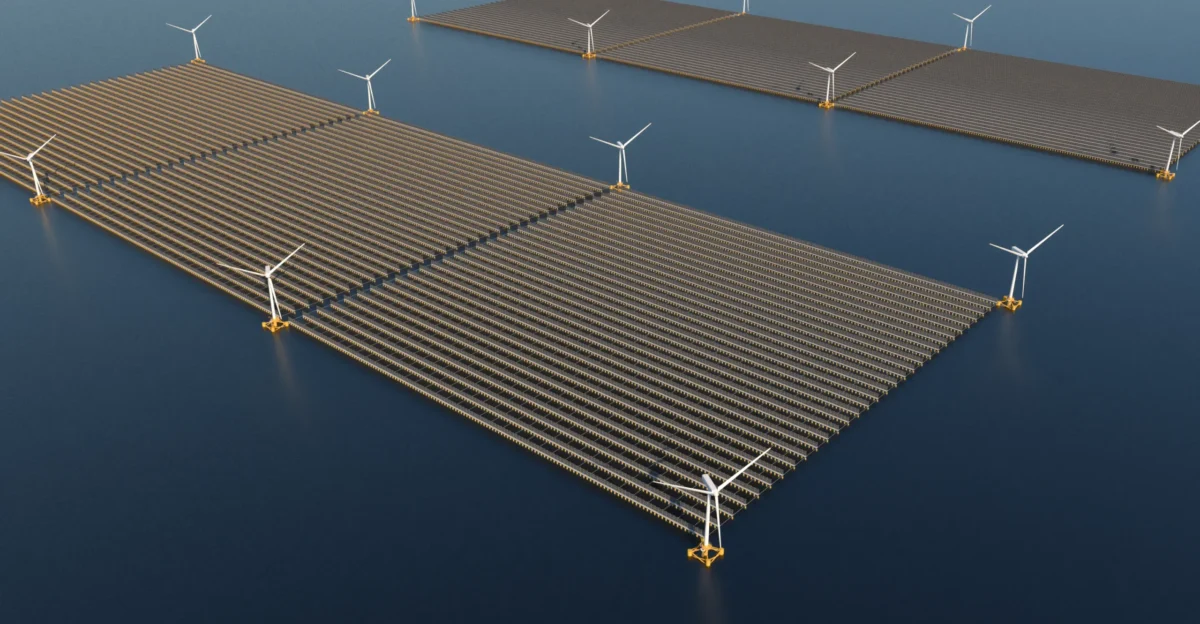
Faced with legal hurdles and uncertain returns, global energy giants like Ørsted and Equinor began pulling back from U.S. commitments and pivoting their portfolios toward Europe and Asia.
That retreat could stunt U.S. ambitions to build a local offshore wind supply chain. And for regions hoping to generate new energy jobs, it could mean missed opportunities for years to come.
Project Delays Jeopardize Climate Goals
Delays in offshore wind aren’t just a logistical problem—they’re a climate obstacle. Many states rely on rapid wind expansion to meet aggressive renewable portfolio standards and greenhouse gas targets.
If offshore wind goes cold, they’ll need pricier, slower alternatives to fill the gap. That puts a serious dent in broader national climate ambitions tied to clean energy scaling this decade.
Legal Uncertainty and Regulatory Risk
There’s a legal cloud hanging over all this. While presidents can withdraw leasing zones under the Outer Continental Shelf Lands Act, revoking active construction approvals is another matter entirely—and that’s now a major point of contention in federal court.
Until judges weigh in, developers, investors, and public utilities are all operating in murky waters with massive stakes on the line.
National Security Rationale and Critique
Federal officials cited national security and ocean use conflicts for the stop-work orders, reversing earlier guidance that offshore wind was generally compatible with defense priorities.
State attorneys general and climate analysts say this marks a dramatic shift—one that breaks with years of collaboration between agencies to integrate clean power projects into national planning frameworks.
International Leadership Shifts
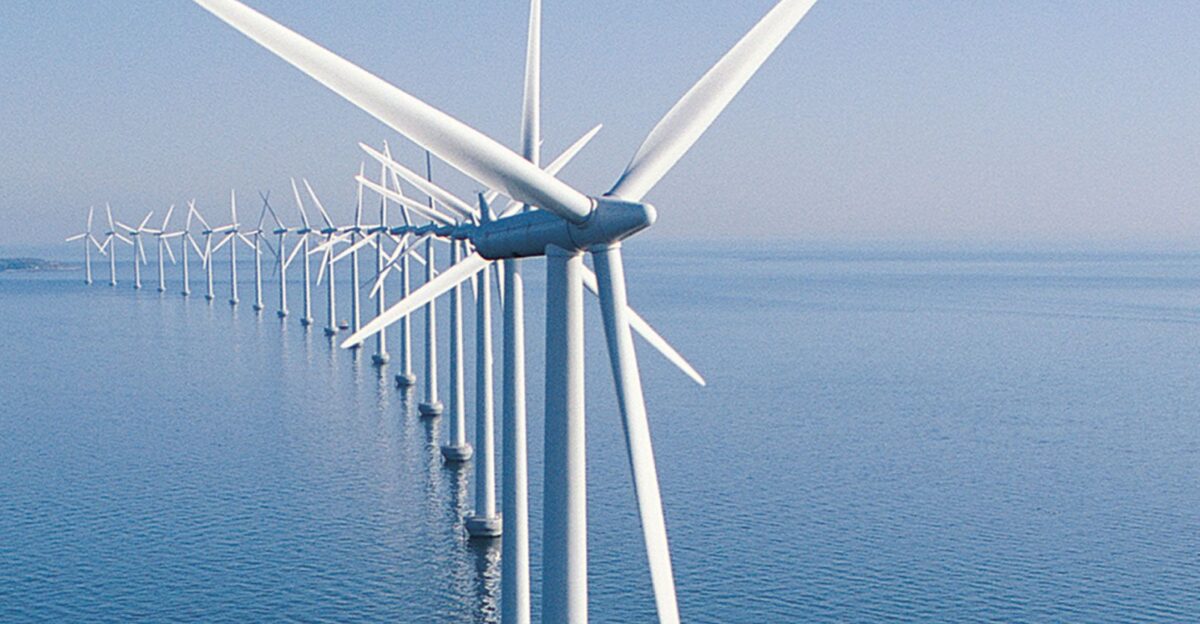
While the U.S. pulled back, others moved ahead. China grabbed 44% of total global clean energy investment in the first half of 2025. Europe, likewise, amped up offshore wind spending.
That international acceleration could give foreign players a long-term edge in supply chains and technology, leaving American infrastructure playing catch-up.
Supply Chain and Infrastructure Impacts
Billions have already been spent on U.S. port and ship infrastructure tailored to offshore wind. Now that demand has stalled, that investment sits in limbo.
Without firm timelines or confidence in future projects, manufacturers and contractors are left wondering whether the gamble will ever pay off—and whether new job creation has just stalled out alongside the turbines.
Investor and Community Fallout
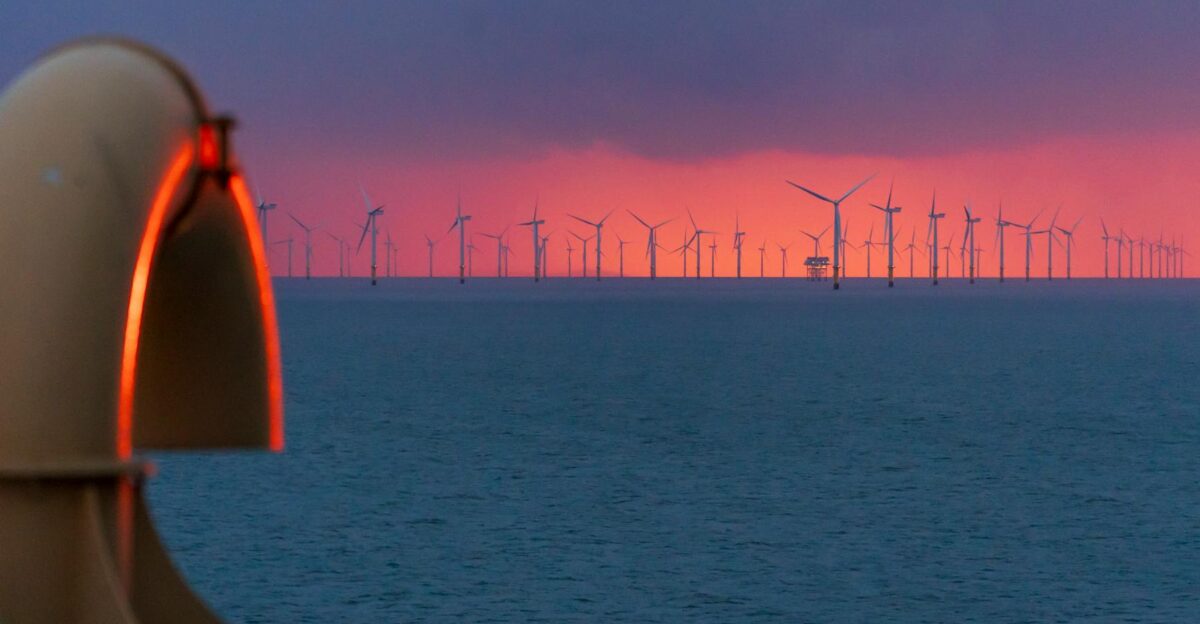
The sudden shift in federal policy didn’t just shake markets—it fractured trust. Long-term partners, including investors, utilities, and coastal towns banking on economic growth, now face deep uncertainty.
Analysts warn this kind of regulatory whiplash could drive up long-term infrastructure costs, as developers seek extra buffers against ever-changing policy risks.
A Watershed Moment for U.S. Wind Power
Trump’s 2025 executive order didn’t just disrupt a few projects—it flipped the script on the U.S. offshore wind industry. From Revolution Wind to Empire Wind, carefully laid plans were abruptly sidelined, triggering lawsuits, sinking investments, and rattling investors coast to coast.
The legal battles are still playing out, but the damage is already visible. Global developers are rethinking their U.S. presence. States are scrambling to adjust their energy roadmaps. And the U.S., once positioning itself for offshore wind leadership, now finds itself lagging behind Europe and China.
Whether this marks a temporary pause or a lasting retreat for U.S. offshore wind is still unknown. But one thing is clear: clean energy policy, once seen as a bipartisan growth engine, is now firmly locked in the crosshairs of national politics.