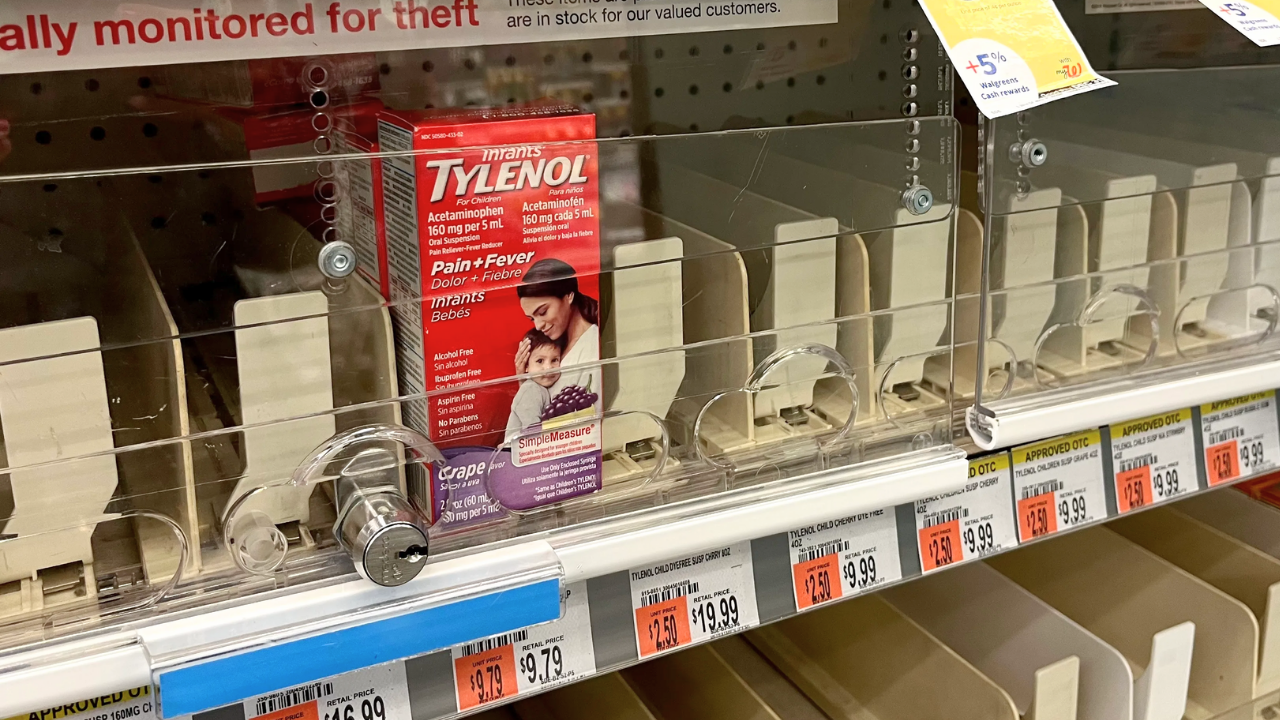
On November 3, 2025, the consumer health landscape shifted dramatically when Kimberly-Clark announced a $48.7 billion cash-and-stock deal to acquire Kenvue, the maker of Tylenol. The acquisition, valuing Kenvue at $40.3 billion, followed weeks of political scrutiny, most notably from the Trump Cabinet and Robert F. Kennedy Jr., who publicly questioned Tylenol’s safety despite a lack of supporting medical evidence. This rare intersection of politics and business has not only unsettled investors but also raised questions about the future of trusted health brands.
Kimberly-Clark, known for its hygiene products, aims to combine Tylenol with its portfolio to achieve $1.9 billion in cost savings and generate $32 billion in annual revenue. Yet, the deal’s strategic promise is overshadowed by legal and regulatory hurdles, as well as the reputational fallout from political attacks. The acquisition stands as one of 2025’s largest and most controversial, highlighting how political narratives can reshape corporate destinies and public trust in everyday health products.
Tylenol’s Tumultuous Journey
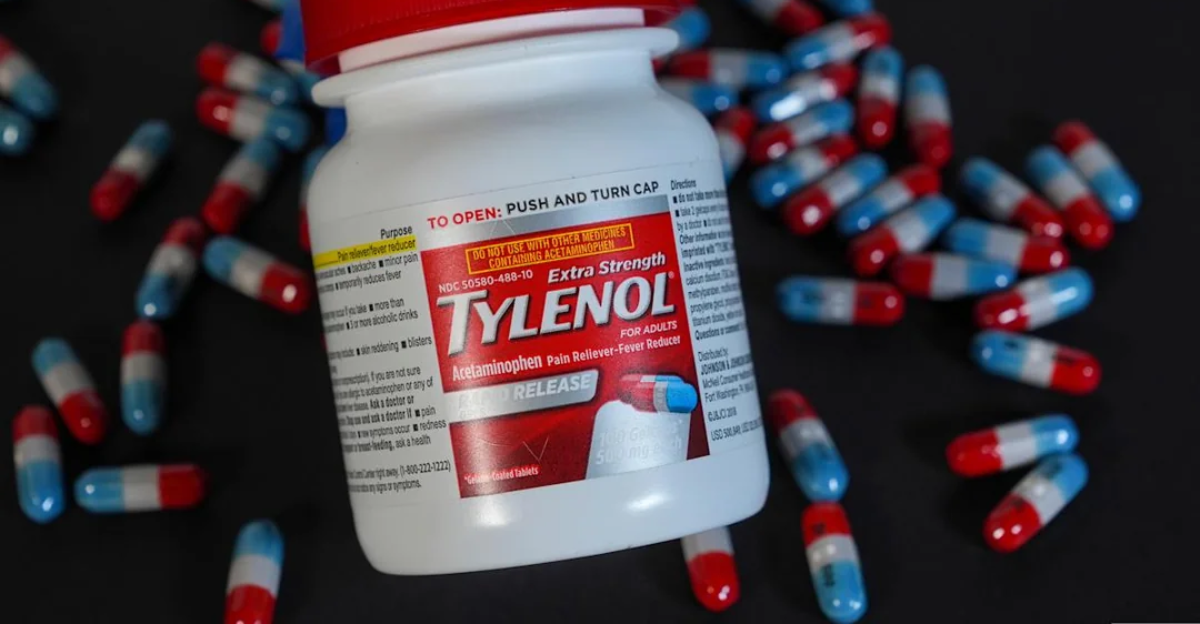
Kenvue, spun off from Johnson & Johnson in 2023, had only two years as an independent company before becoming the target of Kimberly-Clark’s takeover. Tylenol, a 60-year-old acetaminophen brand approved by the FDA, has weathered decades of recalls and safety debates. However, its trajectory was abruptly altered when RFK Jr. led a Cabinet-level critique of the drug, alleging—without scientific backing—a link between acetaminophen and autism.
This unprecedented government intervention rattled both the market and Kenvue’s leadership. “We’ve never seen a Cabinet so openly challenge a staple medication,” said Dr. Linda Chen, a pharmaceutical policy expert at NYU. “It’s a sign that even legacy brands are vulnerable in today’s politicized environment.” The resulting uncertainty accelerated activist investor pressure and contributed to Kenvue’s declining valuation, setting the stage for what some analysts call a “fire sale.”
Market Turbulence and Shareholder Tensions
The acquisition terms offered Kenvue shareholders $3.50 in cash and 0.14625 Kimberly-Clark shares per Kenvue share, representing a 46% premium over Kenvue’s previous closing price. Kenvue’s stock surged nearly 20% on the news, while Kimberly-Clark’s shares dropped 15% before the market opened, reflecting investor anxiety about inheriting Tylenol’s legal and reputational risks.
Local investor Maria Torres, who has held Kenvue shares since its spin-off, voiced mixed feelings: “It’s a relief to see the stock rebound, but I worry about what this means for Tylenol’s future and for us as consumers.” Analyst Jay Woods noted that the deal’s structure—leaving Kenvue shareholders with 46% of the combined company—could spark governance conflicts, especially as regulatory scrutiny intensifies.
Financial Prospects and Global Context
Kimberly-Clark projects $1.9 billion in cost savings within three years, mainly by merging supply chains and overhead. The combined company’s $32 billion in revenue would position it among the world’s largest consumer health conglomerates, rivaling giants like Procter & Gamble and Unilever. However, the deal carries a $1.12 billion termination fee and faces significant regulatory risks, including antitrust reviews and ongoing litigation over Tylenol’s alleged health hazards.
Globally, the acquisition echoes recent mega-mergers in the pharmaceutical sector, such as GSK’s purchase of Pfizer’s consumer health division. “We’re seeing a trend where political and social pressures are driving consolidation,” said Dr. Chen. “Companies are seeking scale not just for efficiency, but to weather reputational storms and regulatory shocks.”
Consumer Trust and the Power of Narrative
The Cabinet’s suggestion of a link between Tylenol and autism—despite being scientifically disproven—has had a profound impact on public perception. Across the U.S., parents and health advocates are re-evaluating a product trusted for generations. “I’ve used Tylenol for my kids for years, but now I’m second-guessing every purchase,” said local parent James Miller. This erosion of trust illustrates how political narratives can override scientific consensus and reshape consumer behavior.
The controversy has also forced Kimberly-Clark to invest heavily in reputation management and public education. Experts warn that such politicization of health products could lead to risk-averse buying habits and a shift in market demand, with ripple effects across the industry.
Looking Ahead: Implications for Business and Society
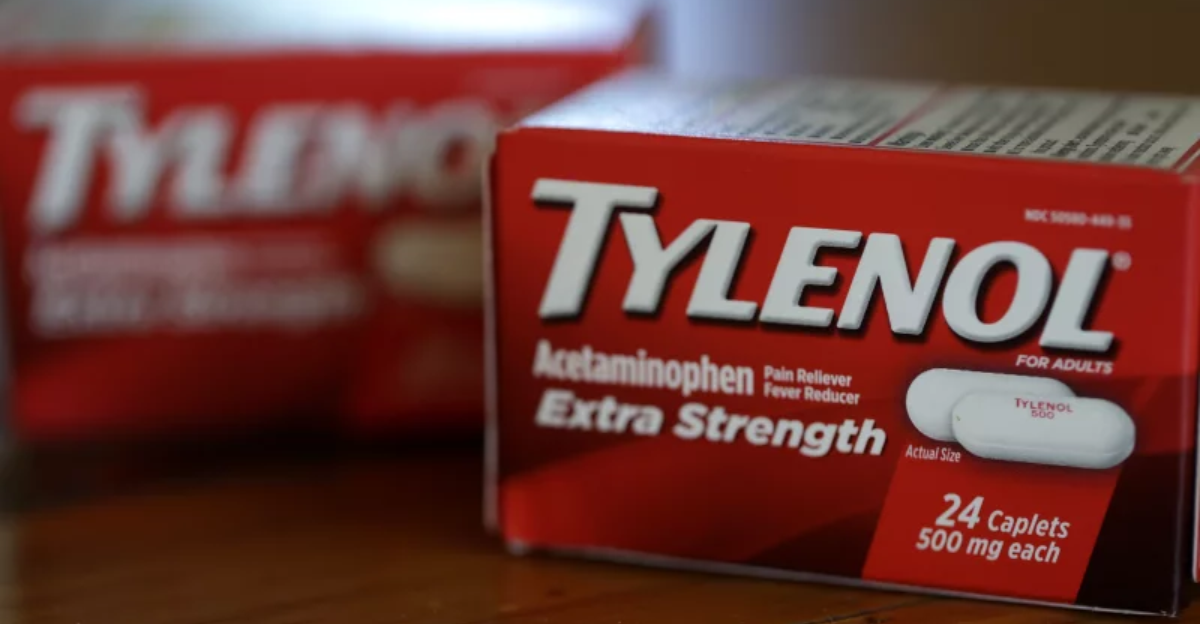
Kimberly-Clark’s acquisition of Kenvue is more than a business transaction—it is a case study in how political forces can disrupt markets, alter consumer trust, and redefine the boundaries between science and public policy. The deal’s outcome will depend on the company’s ability to navigate regulatory challenges, integrate diverse product lines, and restore confidence in a brand shaken by controversy.
As the health sector braces for further politicization and consolidation, the Tylenol saga underscores the need for robust risk management and transparent communication. The stakes are high: not just for investors and executives, but for millions of consumers whose daily choices are shaped by the intersection of politics, business, and science.