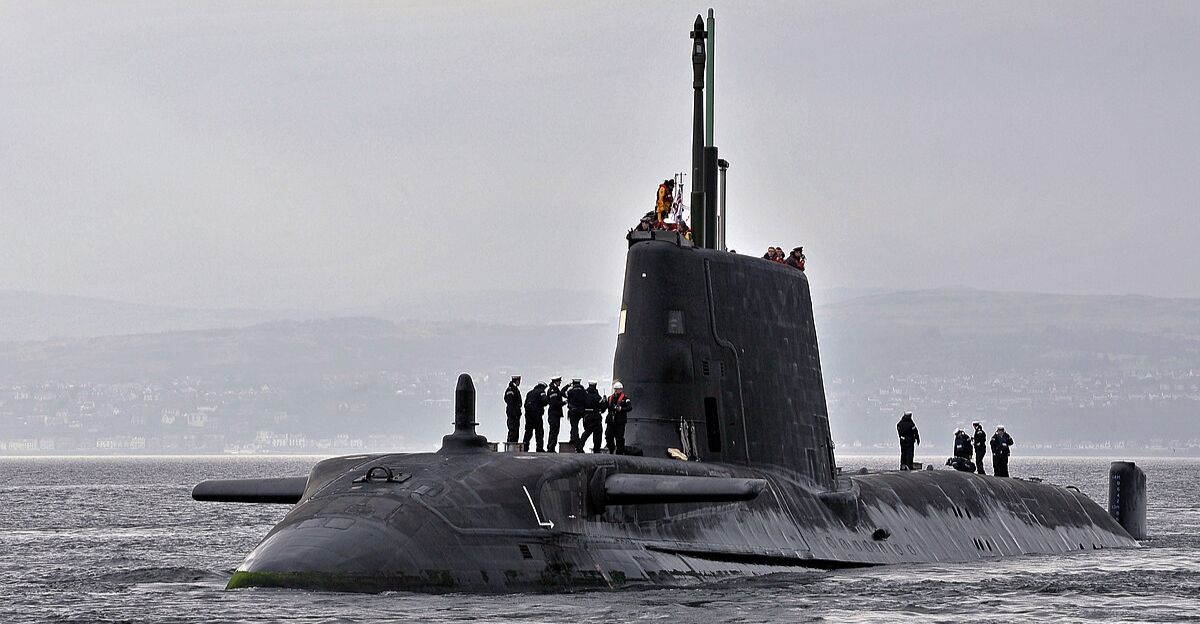
Britain’s nuclear submarine fleet, long marketed as a round-the-clock shield, is facing intense pressure from aging boats, chronic delays, and overstretched crews. Cold War patrols typically lasted about 70 days; today, some missions run close to 200 days, placing heavy strain on submariners and their families. At the same time, four of the Royal Navy’s Astute-class attack submarines – HMS Artful, Audacious, Astute, and Anson – are stuck in port due to major maintenance backlogs, leaving the fleet short of deployable vessels and raising questions over the reliability of the UK’s Continuous At Sea Deterrent.
These problems have emerged just as the government commits unprecedented sums to its nuclear enterprise. Officials have pledged £15 billion this parliamentary term for domestically produced nuclear warheads, the largest such investment since the Cold War, intended to support around 9,000 jobs at the Atomic Weapons Establishment. Yet without a robust, seaworthy fleet to carry those warheads and patrol the oceans, critics warn the strategy risks becoming an expensive promise that cannot be fully delivered.
A Legacy System Under Pressure
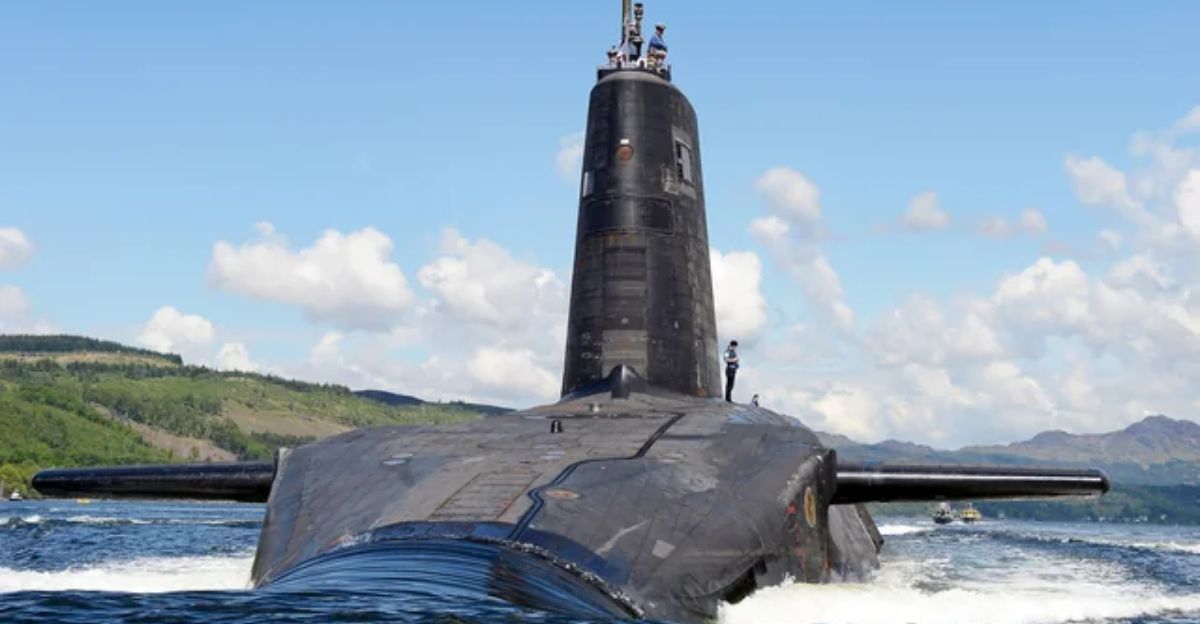
The United Kingdom’s nuclear posture rests on submarines that can operate undetected for long periods, guaranteeing that a retaliatory strike remains possible even after a surprise attack. This posture, formalised as the Continuous At Sea Deterrent, began in the 1960s and has relied heavily on cooperation with the United States for missile systems and technology. Vanguard-class ballistic missile submarines have maintained that posture for decades, but they are nearing the end of their service lives.
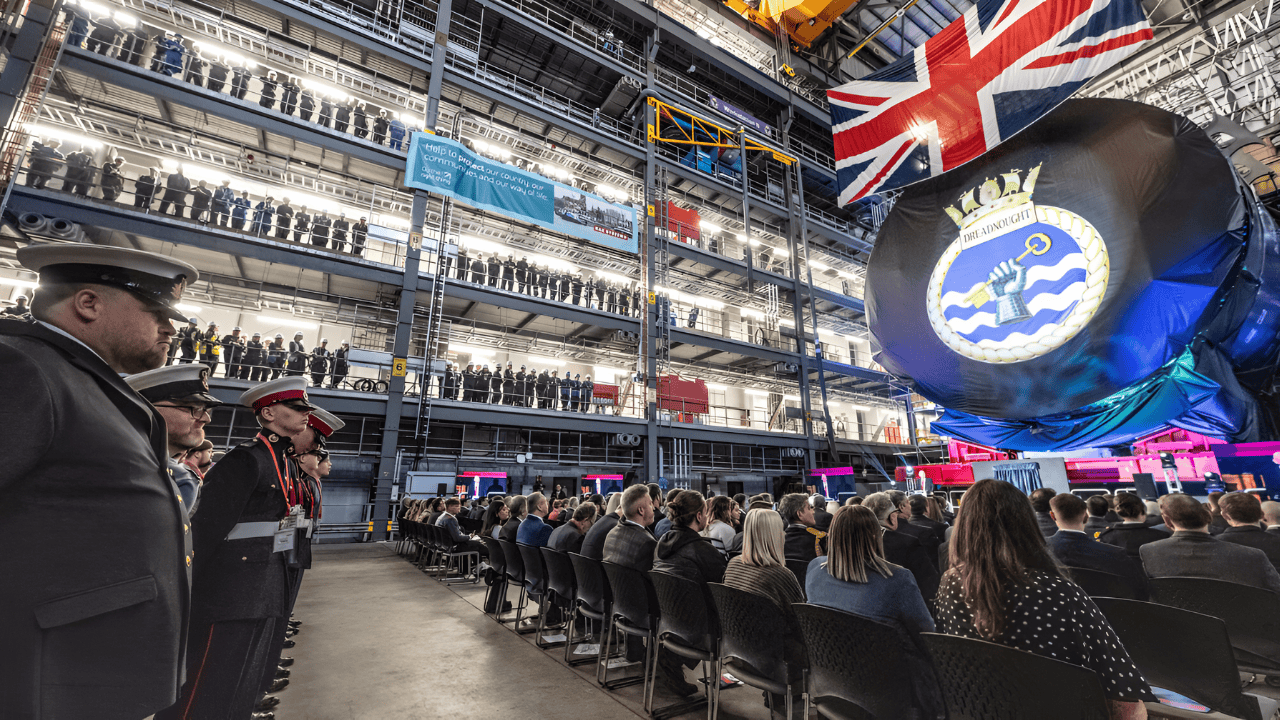
In 2016, the government authorised the Dreadnought-class replacement programme, designed to keep a credible deterrent at sea into the 2060s. Construction began that year at BAE Systems’ Barrow shipyard, with Dreadnought-class boats due to enter service in the early 2030s. Thousands of jobs depend on the project. Official fact sheets present it as the backbone of Britain’s nuclear security for the next generation, yet slow progress and rising costs have revealed structural weaknesses in the wider submarine enterprise.
Delays, Red Ratings, and Mounting Risks
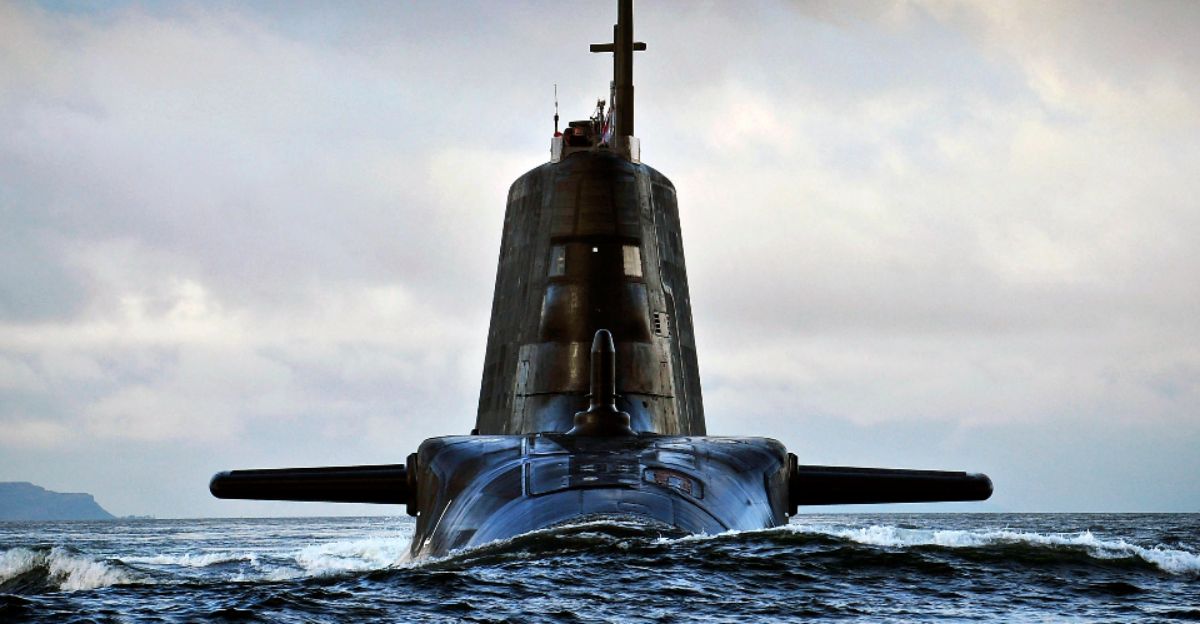
Multiple programmes that underpin the UK’s submarine capability are struggling at once. The Dreadnought-class build is behind schedule and over budget. The Astute-class attack submarines, which provide vital conventional and nuclear support roles, have faced repeated overruns. Infrastructure modernisation at home ports and maintenance yards, including the Submarine Waterfront Infrastructure Future (SWIF) programme, has been flagged as “Red” in government assessments, signalling major problems with delivery.
Reactor production at the Core Production Capability, central to powering both current and future submarines, has also been rated Red, with projected costs climbing to £5.93 billion. Devonport’s docking and support facilities are struggling to turn around boats in a timely way, contributing to the current bottleneck in which several Astute-class submarines are immobilised in port. Analysts at the Nuclear Information Service have warned that these overlapping issues present systemic risks to fleet availability, as pressures grow from an increasingly assertive Russia and a rising China.
Inside Warnings and Human Costs
Concerns are no longer confined to outside observers. On 6 December 2025, Rear Admiral Philip Mathias, a former head of nuclear policy at the Ministry of Defence, publicly argued that the UK “is no longer capable of managing a nuclear submarine programme,” according to an article in the Sunday Telegraph. He pointed to failures across the Dreadnought, Astute, and SSN-AUKUS projects and described the situation as a leadership crisis for the nuclear submarine era.
Mathias has also highlighted the human impact of the current strain. With boats tied up in dock, those that remain available are pushed harder, resulting in patrols far longer than Cold War norms. Submariners report prolonged separations from families, fatigue, and growing difficulties retaining experienced crew. The combination of demanding tours, job insecurity in some shipyards, and frustration at repeated delays is eroding morale within a force that depends on highly specialised skills and a culture of quiet professionalism.
Ambitious Plans, Uncertain Delivery
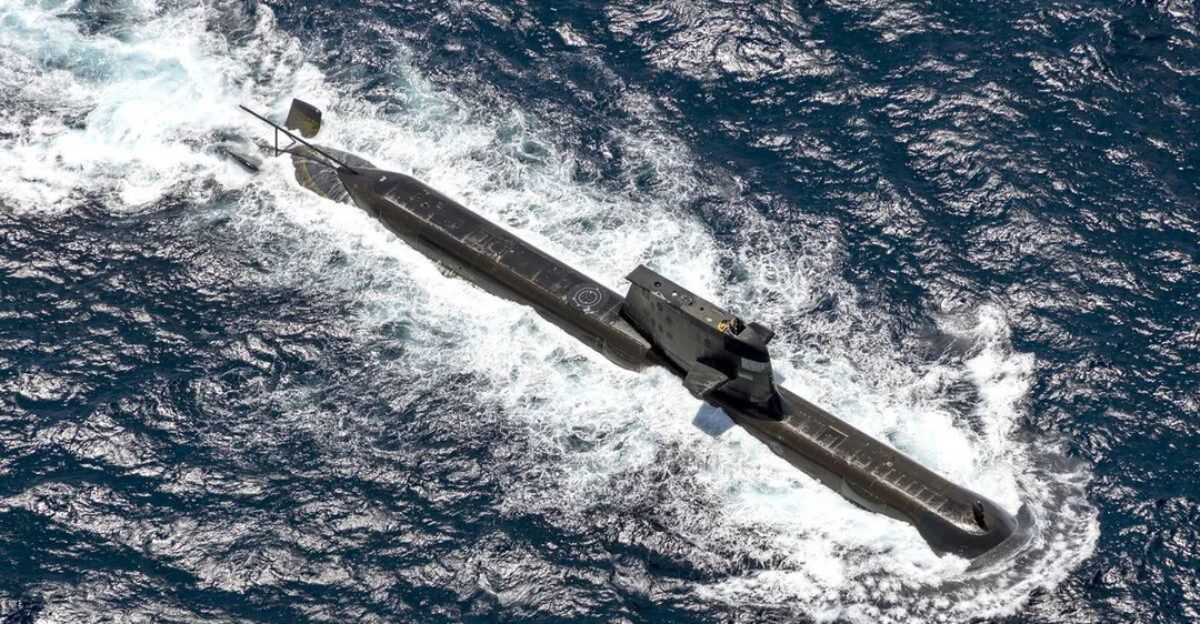
Despite the difficulties, the government is pressing ahead with an ambitious expansion of its nuclear-powered fleet. Under the Strategic Defence Review, the UK has committed to building 12 SSN-AUKUS submarines to replace seven Astute-class boats from the late 2030s onwards, as part of a trilateral security partnership with the United States and Australia focused on the Indo-Pacific. A £9 billion contract was awarded to Rolls-Royce in 2025 to supply advanced reactors for these vessels.
Barrow-in-Furness, home to the main submarine shipyard, has been granted “Royal Port” status, and King Charles III formally commissioned HMS Agamemnon, the sixth Astute-class submarine, in September 2025. The government has also announced a plan to ramp up production at Barrow so that, in time, one SSN-AUKUS submarine can be delivered every 18 months. That ramp-up is backed by training schemes for tens of thousands of apprentices and graduates, a £6 billion increase in defence spending, and a £200 million “Plan for Barrow” initiative aimed at sustaining some 65,000 jobs across the nuclear defence sector by 2030.
Yet sceptics warn that pledges on paper are colliding with realities in the docks. The Office for Nuclear Regulation reported that only two submarines were docked at Devonport in 2025 against higher targets set the previous year, underscoring how far infrastructure upgrades still have to go. Australia, meanwhile, has moved ahead with arrangements to receive US-built Virginia-class submarines as a fallback, adding pressure on the UK to prove it can meet its side of the AUKUS bargain.
What Comes Next for the UK Fleet?
The future of Britain’s submarine deterrent hinges on whether government and industry can recover control of Red-rated programmes such as SWIF and Core Production Capability, clear maintenance backlogs, and stabilise the build schedules for Dreadnought and SSN-AUKUS boats. Analysts at the Nuclear Information Service argue that greater transparency around costs, delays, and risks will be essential for long-term credibility, as will sustained investment in skilled workers at dockyards and shipyards.
If these obstacles can be overcome, the UK could maintain a continuous nuclear deterrent into the 2060s while also fielding modern attack submarines to support NATO operations in Europe and the Indo-Pacific. If not, prolonged gaps in availability could encourage potential adversaries to test the reliability of Britain’s security guarantees. With global tensions elevated and undersea capabilities more important than ever, the coming decade is likely to determine whether the UK’s nuclear submarine force remains a central pillar of its defence strategy or becomes a symbol of overreach.
Sources:
Daily Express – Sub Crisis Looms
UK Ministry of Defence – £15B Warhead Investment
UK Ministry of Defence – nuclear-deterrent collection
Nuclear Information Service – Nuclear Submarine Programme
UK Ministry of Defence – AUKUS collection
gov.uk – submarine commissioning event