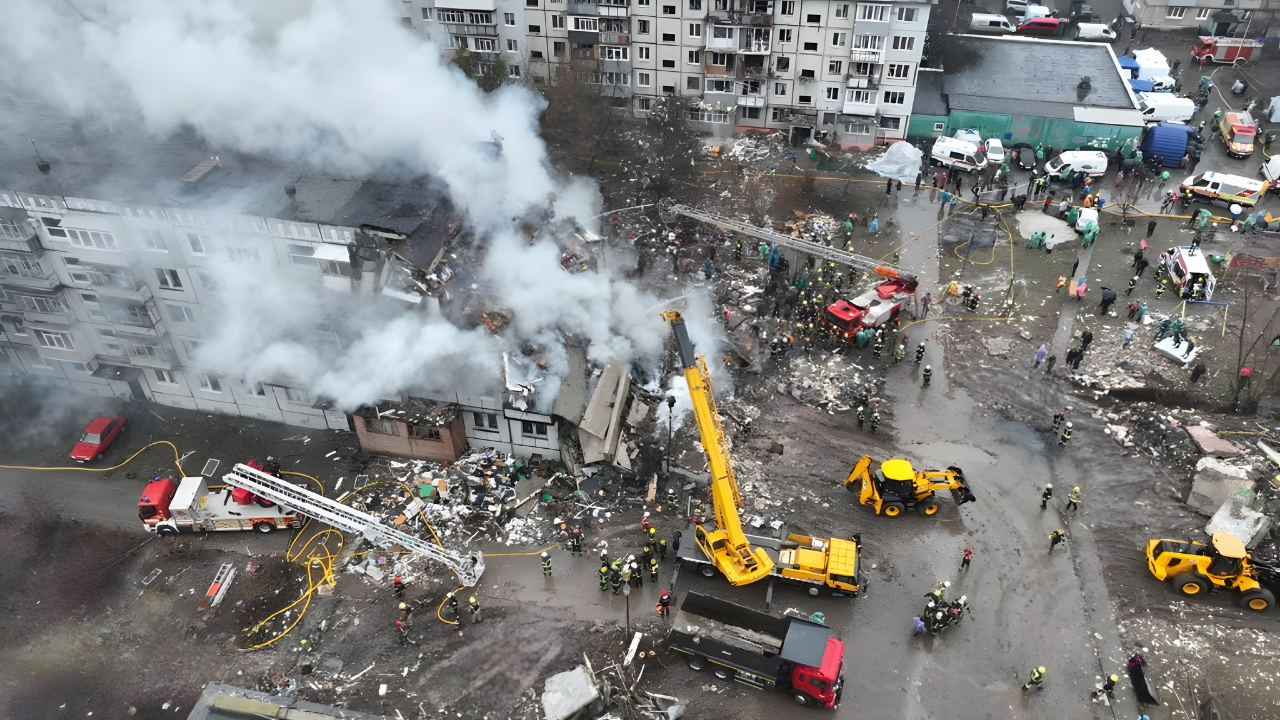
Drone footage shows massive explosions lighting up Russia’s Belbek airbase in occupied Crimea during a nighttime attack. Ukraine’s Security Service pulled off this daring drone raid, calling it one of the heaviest hits yet to Russia’s sky defenses over the peninsula. Long-range drones zeroed in on the airfield near Sevastopol, a vital spot for Russian fighter jets and missiles protecting the Black Sea. Kyiv officials frame this as part of a smart plan to chip away at Moscow’s strong shield over Crimea, leaving everyone wondering just how safe the region really is for Russian forces.
The base has long been a prime target, and this blow exposes growing cracks. Satellite images confirm fires and damage, while locals reported thunderous blasts shaking the night. As the war drags on, these strikes shift the power dynamic, forcing Russia to rethink its grip on Crimea seized back in 2014.
Damage Worth Hundreds of Millions
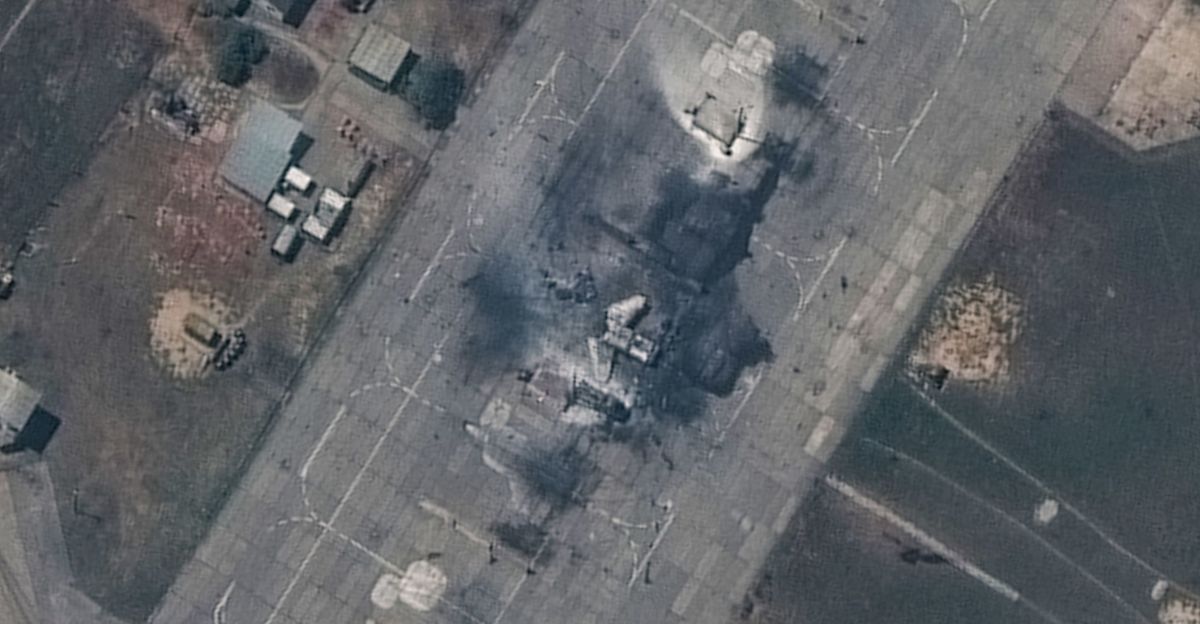
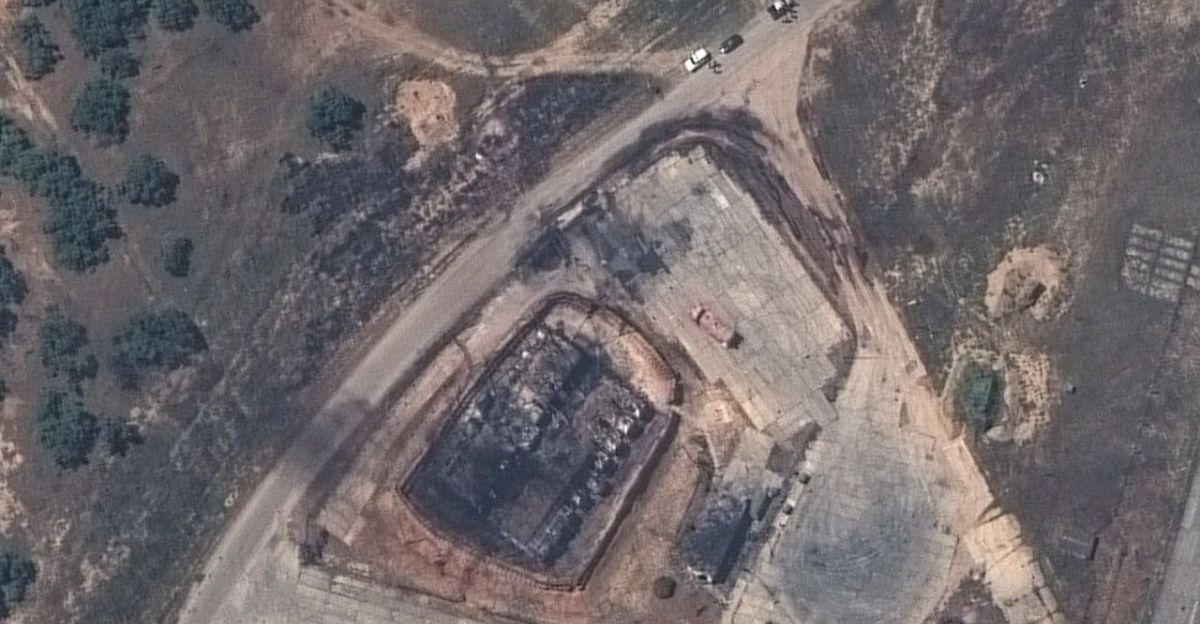
Satellite photos reveal serious destruction at Belbek, with radar sites and support buildings hammered. Ukraine puts the value of wrecked Russian gear at over $200 million, but experts using top prices estimate up to $300 million. This isn’t just about numbers, it’s the loss of key tools that spot and fight threats across Crimea. Cheap drones took out pricey, high-tech defenses in one swift move, proving small weapons can topple giants.
According to Kyiv Independentm “According to the SBU, the strike damaged or destroyed two Nebo-SVU long-range radar systems (each estimated to cost between $60 million and $100 million), a 92N6 radar used in the S-400 “Triumf” air defense system (valued at around $30 million on Russia’s domestic market and up to $60 million for export), a Pantsir-S2 air defense system (worth an estimated $12 million to $19 million), and a MiG-31 fighter jet equipped with a full combat load (valued at approximately $30 million to $50 million depending on its configuration).”
Why Belbek Matters So Much
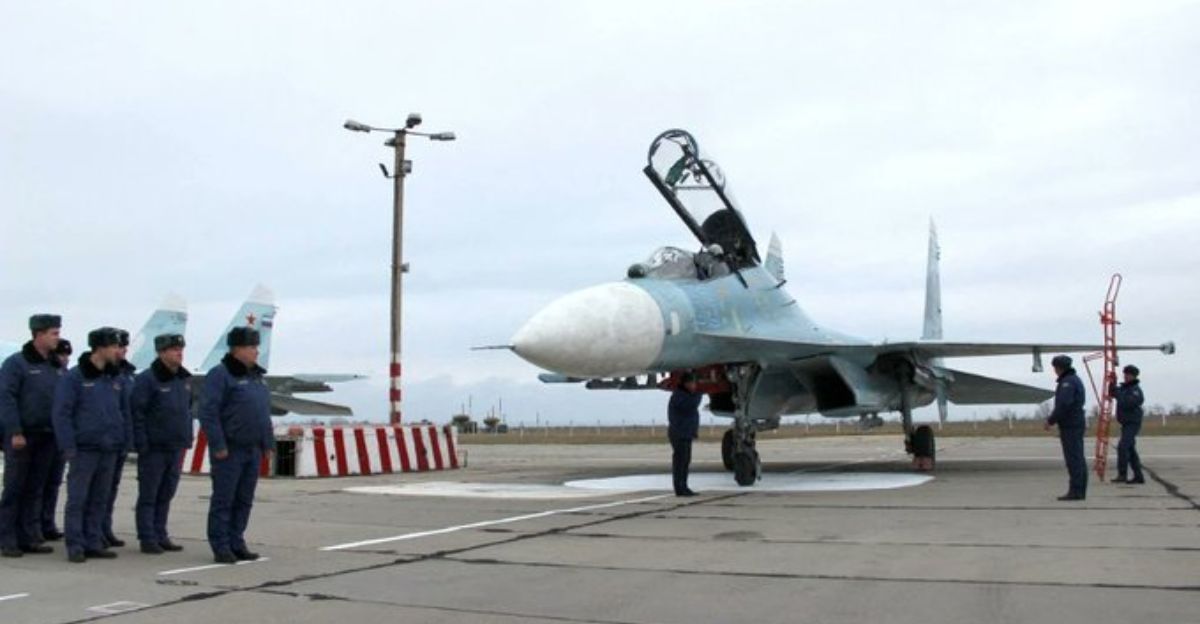
File photos show rows of Russian fighter jets parked at Belbek airfield, a cornerstone of Moscow’s hold on Crimea since grabbing it in 2014. This base hosts fighters and air-defense teams guarding Sevastopol’s naval yards and projecting power over the Black Sea. Western reports have flagged it for years as a high-stakes site, landing it repeatedly on Ukraine’s hit list. Past probes revealed weak spots, setting the stage for this major blow.
The International Institute for Strategic Studies (IISS) describes Belbek as central to Russia’s regional air operations. Strikes like this test those defenses, eroding the base’s role. Now, with key assets down, Russia scrambles to protect its fleet and supply lines.
How Russia’s Defenses Were Built
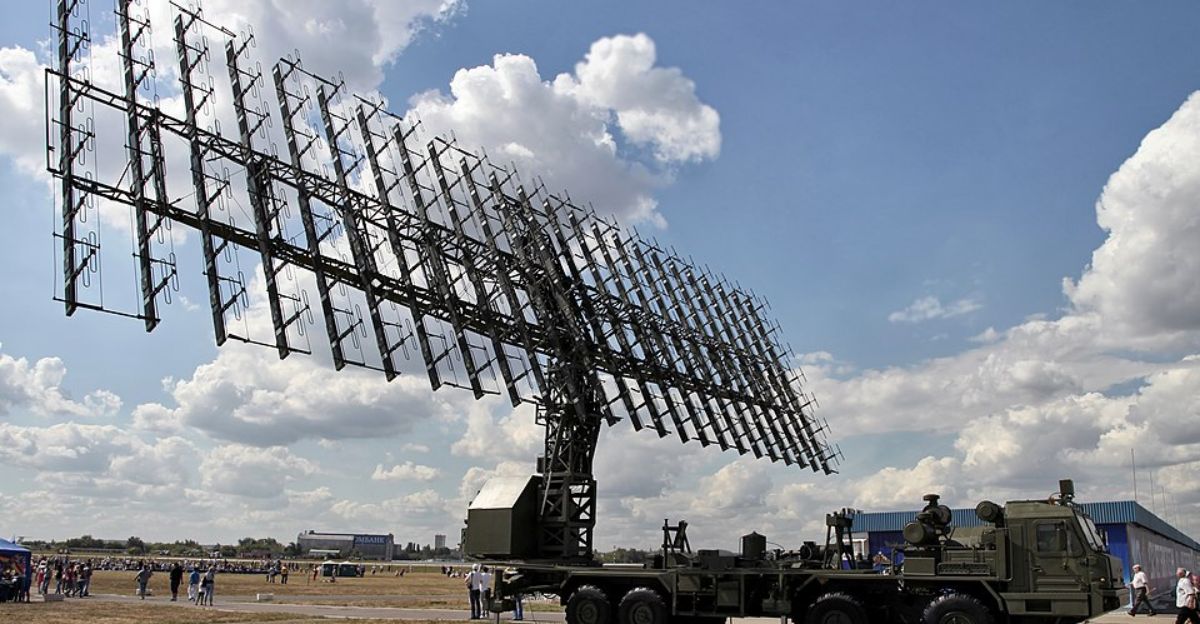
Belbek housed a tough setup: two Nebo-SVU radars for spotting high-flying dangers, a 92N6 radar from the elite S-400 for precise targeting, and a Pantsir-S2 to swat drones and missiles. These worked as a team, shielding the airfield and nearby Russian setups in western Crimea.
Independent sources confirm the mix of long-range detection and close-in firepower. This strike shattered that balance, showing how interconnected systems fail when one link breaks. Ukraine’s intel and drones exploited the setup perfectly.
What the Daring Raid Hit
Night-vision clips capture bright flashes from multiple blasts at Belbek on December 17-18, 2025. Ukraine’s elite Special Group “Alpha” from the Security Service flew in long-range drones for a pinpoint assault. They claim total takedowns: two Nebo-SVU radars, one S-400 92N6 radar, a Pantsir-S2 unit, and a MiG-31 fighter jet parked on the tarmac. All targets got wrecked or crippled, gutting local air cover.
This wasn’t luck, it’s precision planning paying off, leaving Russia blind and toothless in that sector. The MiG-31 loss stings extra, as it’s a rare, fast interceptor.
Crimea Now More Vulnerable
A map shows shrunken radar and missile reach over western Crimea post-strike. Experts say losing two Nebo-SVU radars and the S-400’s 92N6 creates a massive blind spot for spotting far-off threats. Defense Express calls it Crimea’s priciest one-night air-defense hit, slashing detection of high-altitude dangers. This opens doors for Ukraine to hammer military depots and supply lines deeper inside.
Analysts predict easier follow-ups As Russia’s umbrella is fraying, forcing rushed fixes amid stretched resources. Ukraine gains breathing room to press advantages.
What Locals Heard and Saw
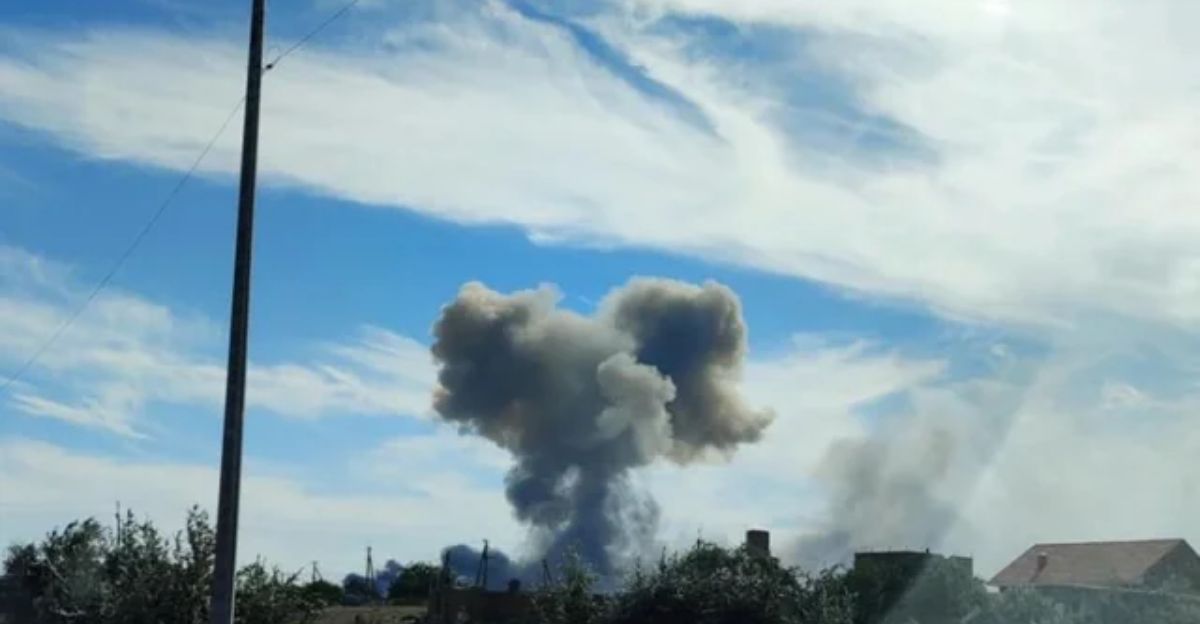
Residents near Sevastopol filmed smoke plumes rising toward Belbek after huge booms and fires. Crimea Telegram posts captured secondary blasts, likely ammo or fuel cooking off.
Russian puppet officials admitted a drone try but called damage minor; Ukraine touted smashed systems. Civilians endure constant sirens and fear as raids intensify around hot spots.
Why Pantsir Failed to Stop Drones
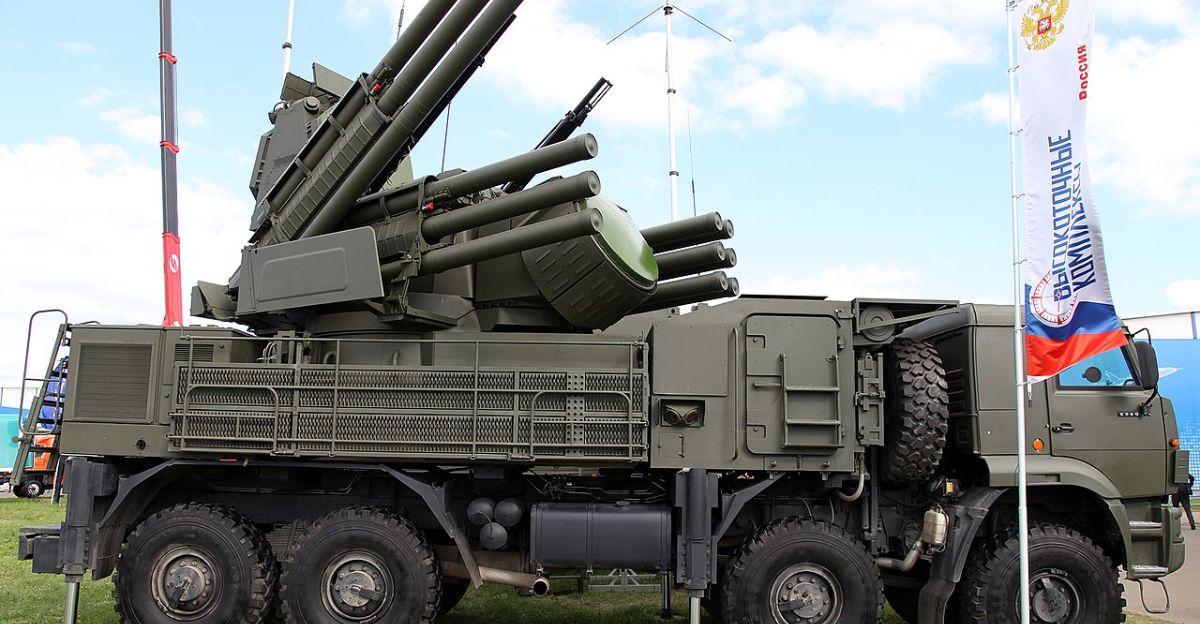
Photos depict a Pantsir-S2 on watch, like the one lost at Belbek, built to zap low-flying drones and missiles. Yet Ukraine’s drones slipped through again, raising doubts on Russia’s close-range shields. Experts point to static setups, poor small-target radar, and sloppy coordination across the network.
Russia over-relies on these without mobile backups, leaving bases exposed while Ukraine adapts faster, turning weaknesses into openings.
Breaking Down the Huge Price Tag
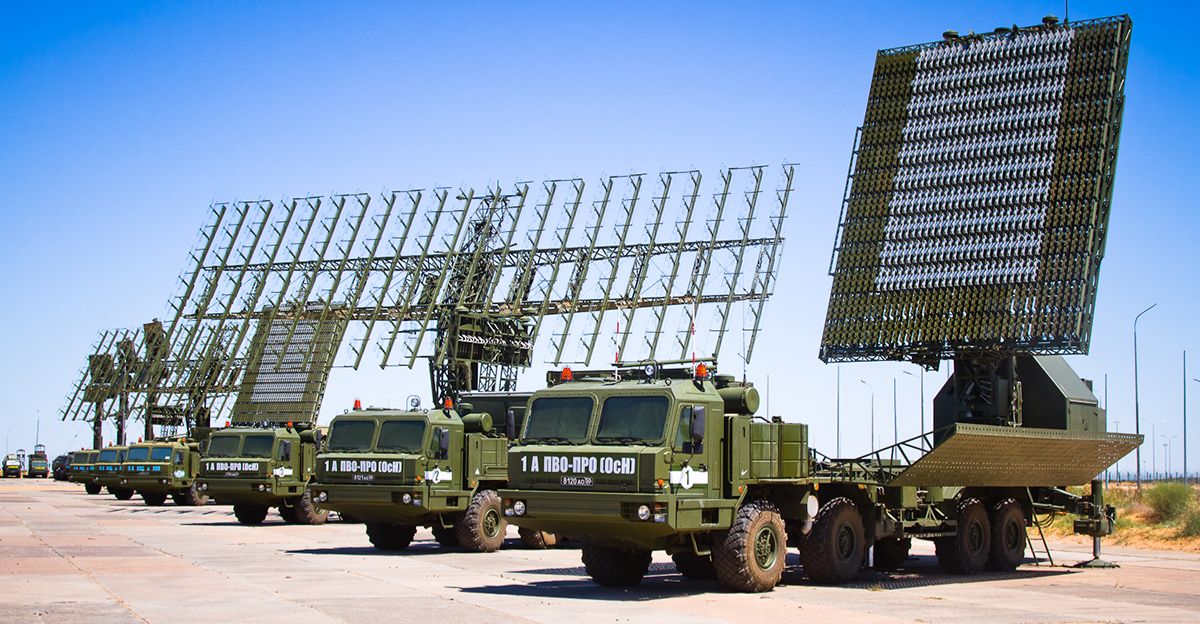
Graphics lay out the staggering costs of Russia’s lost gear at Belbek: each Nebo-SVU radar runs $60-100 million due to its advanced VHF tech for spotting stealthy high-altitude threats up to 380 km away. The S-400’s 92N6 fire-control radar, vital for precise missile guidance, fetches $30-60 million on domestic markets, while the Pantsir-S2 point-defense system, designed to shred drones, costs $12-19 million per unit.
Topping it off, the MiG-31 interceptor, a rare supersonic beast for long-range intercepts, carries a $30-50 million tag depending on upgrades. At high-end estimates, this haul exceeds $300 million, with Ukraine’s Security Service calling it hundreds of millions in pure hardware vaporized.
Part of a Bigger Ukrainian Push
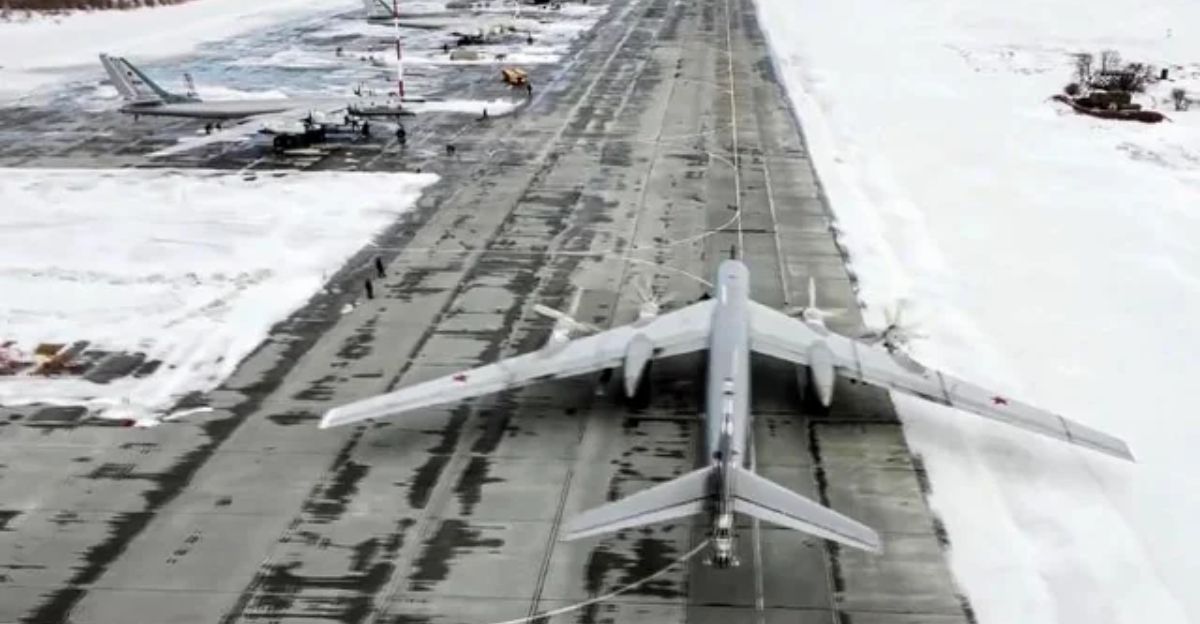
A montage captures Ukraine’s relentless hits on Russian airbases, from Crimea to deep inside Russia, painting Belbek as just one salvo in a grinding campaign. Since early 2025, Kyiv’s forces have hammered air defenses in occupied zones and beyond, claiming strikes on bomber fields like Engels and Olenya, hundreds of kilometers from the front, where Tu-95s and Su-34s park vulnerable.
Intelligence ops by the Security Service (SBU) pair with mass drone swarms, eroding Moscow’s sky superiority and forcing frantic redeployments of S-400s and Pantsirs.
Russians Lash Out at Their Own

Russian military bloggers and pro-war voices erupted online after the Belbek strike, flooding Telegram channels with photos of twisted radar wreckage and scorched tarmac.
They unleashed fury at local commanders, slamming them for leaving multimillion-dollar Nebo-SVU radars, the S-400’s 92N6 fire-control unit, and even a MiG-31 jet exposed on open aprons despite repeated Ukrainian warnings from prior raids.
Ukraine’s Alpha Team Leads the Charge
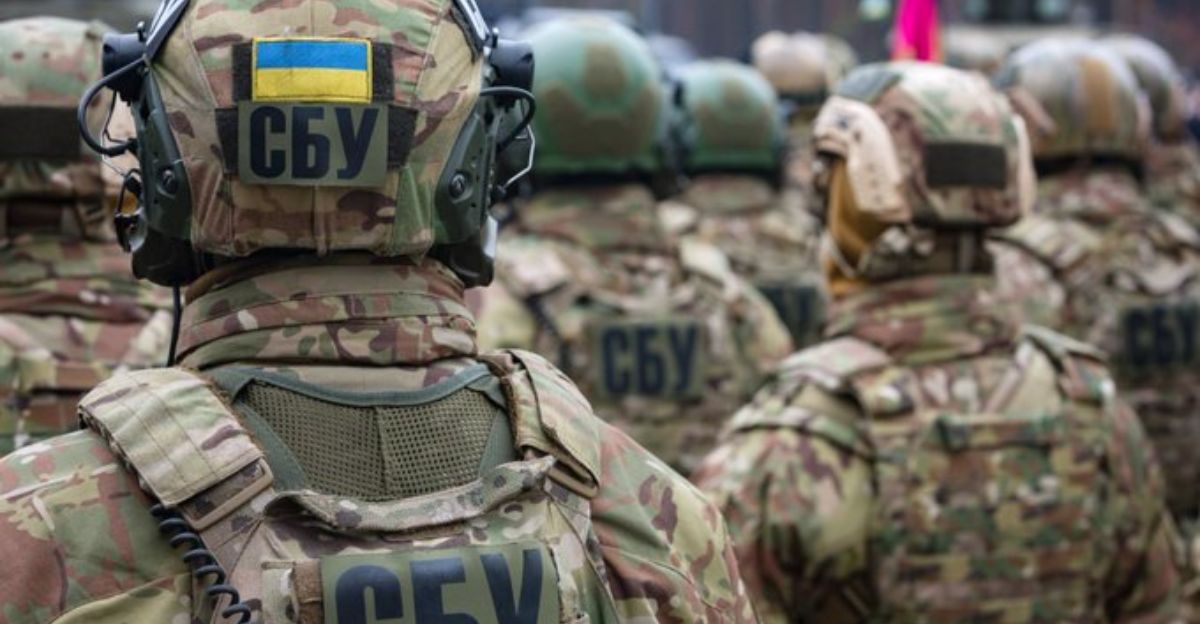
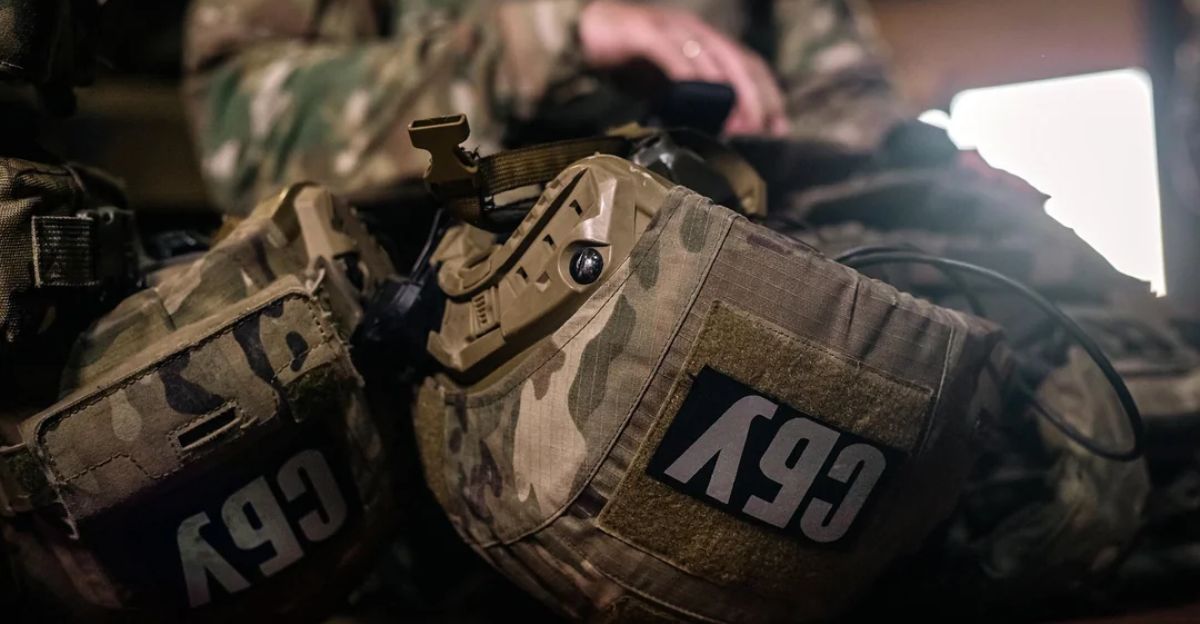
The Security Service of Ukraine (SBU) emblem symbolizes the sharp end of Kyiv’s covert strikes, with Special Group “Alpha” at the forefront of the Belbek raid and beyond. This elite Spetsnaz-style unit, based in Kyiv, handles high-stakes missions like long-range drone ops, sabotage, counterterrorism, and deep reconnaissance.
On the moonless night of December 17-18, 2025, Alpha’s operators flew precision drones into Belbek, obliterating radars and a MiG-31 while exposing parked jets. Just two nights later, they struck again, destroying two Su-27 fighters worth $70 million and damaging the control tower, proving their relentless tempo
What’s Ukraine Planning Next?
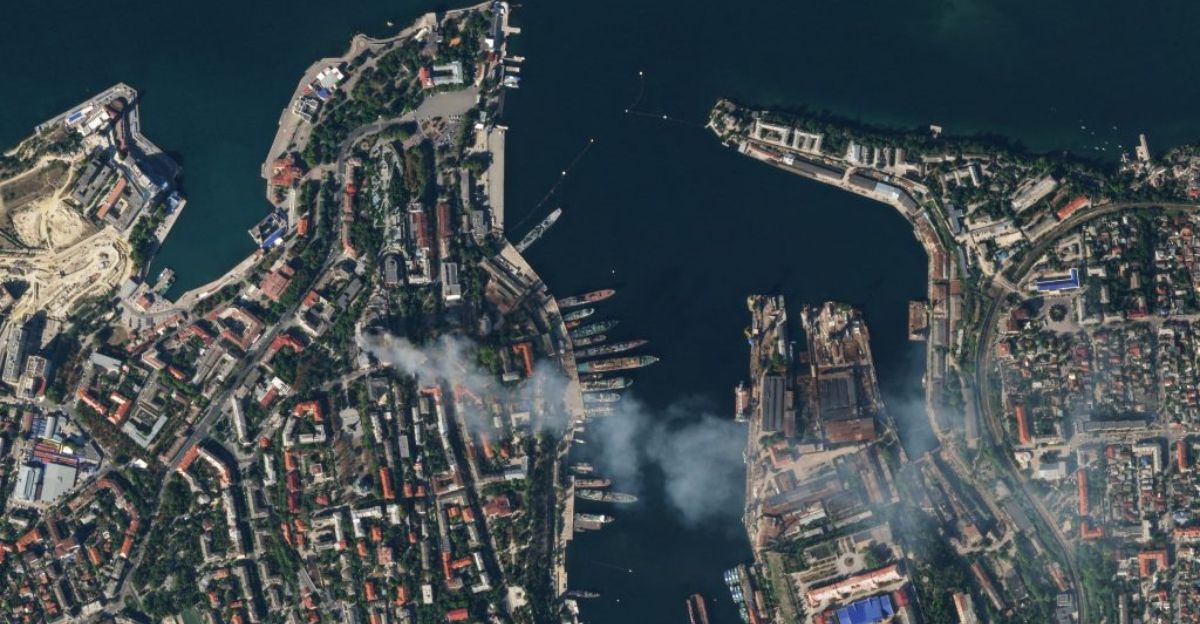
Kyiv Independent mentioned that weakened surveillance opens windows for precision hits on Sevastopol’s naval assets and western Crimea bases, escalating attrition to make occupation bleed Russia dry.
This fits Ukraine’s playbook: erode air umbrellas first, then exploit voids. With SBU’s Alpha Group vowing continuity, expect swarms targeting redeployments, analysts warn of chain reactions if fuel depots ignite next, forcing Moscow into costly scrambles amid sanctions-hit replacements.
Experts Weigh the Real Damage
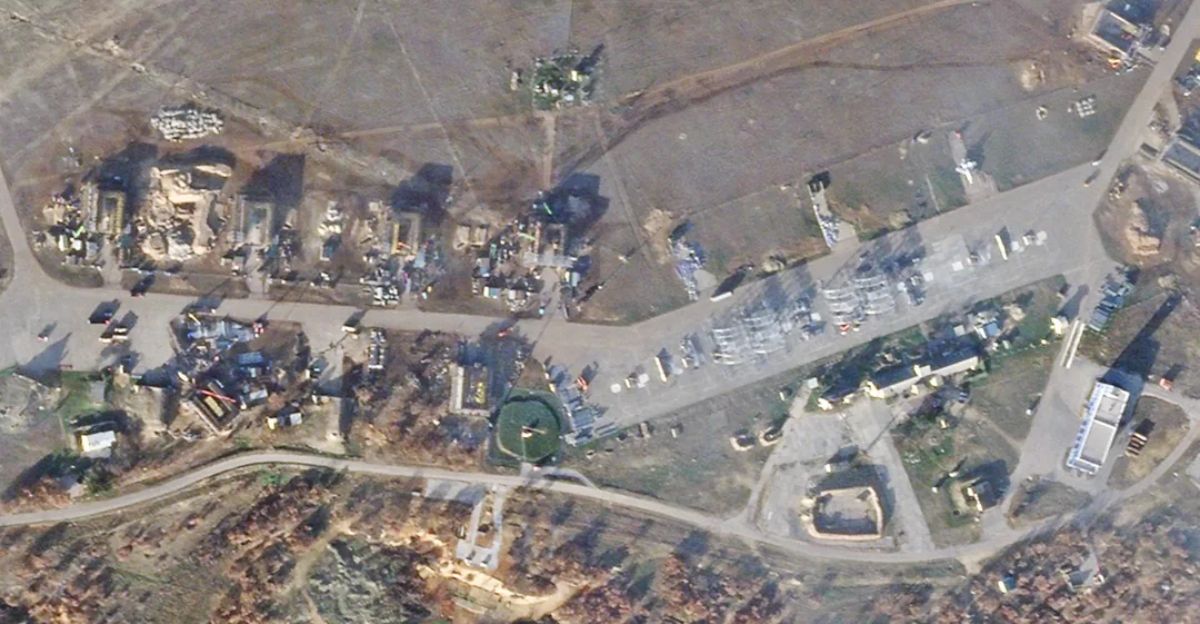
Defense analysts scrutinize satellite images and open-source videos to gauge the true scope of Belbek’s battering, cautioning that Ukraine’s bold claims demand independent proof. Russian sources dismiss major losses, claiming intercepts of most drones, yet footage of fireballs and smoke contradicts their minimal-damage spin.
Consensus emerges: Russia absorbed a sharp operational dent, with radar blackouts confirmed by coverage maps showing shrunken detection zones over western Crimea.
How the Power Balance Tips
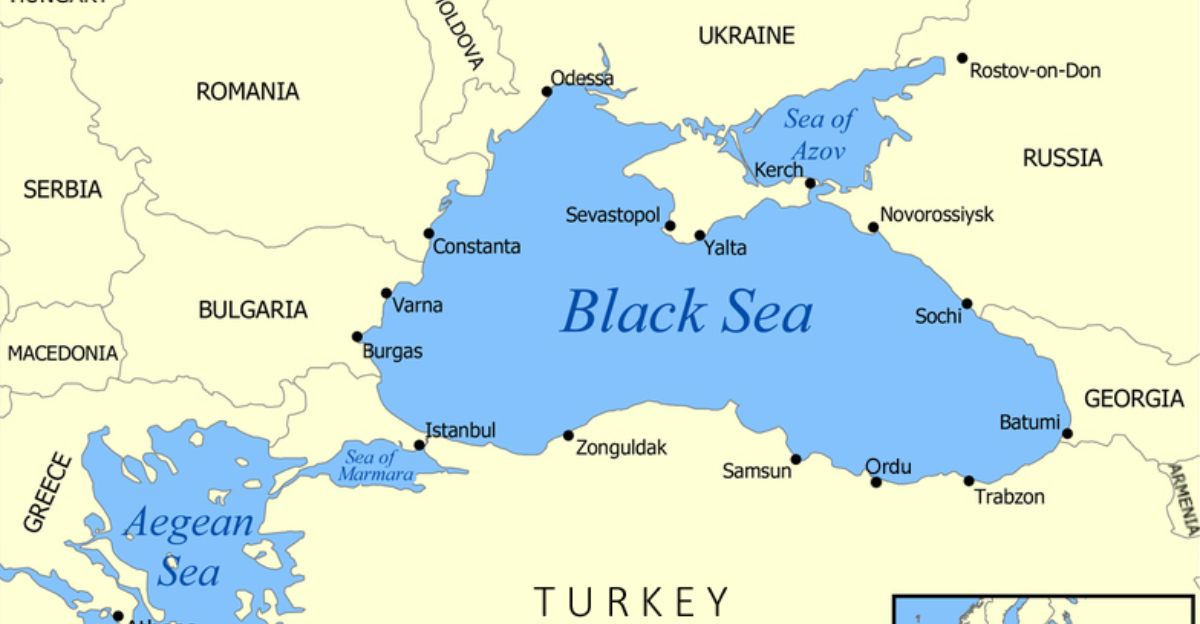
Strategic maps of the Black Sea spotlight contested skies and seas encircling Crimea, where Ukraine’s precision strikes chip away at Russia’s dominance. Each successful hit on air defenses like Belbek’s radars jacks up Moscow’s occupation costs, turning the peninsula from a secure stronghold into a costly quagmire.
If more chunks of the umbrella crumble, Russian jets and ships face relentless drone swarms, forcing constant redeployments amid sanctions that throttle replacements.
Sources:
Ukrainska Pravda, “Ukrainian drones strike Belbek airfield in Crimea, hitting equipment worth hundreds of millions”
Kyiv Independent, “SBU says drones hit Russian military equipment worth hundreds of millions at Belbek airfield in occupied Crimea”
Defense Express, “Ukrainian Drones Hit Russian Nebo-SVU Radar System Worth $100 Million in Crimea”
BBC News, “How Ukraine carried out daring ‘Spider Web’ attack on Russian airbase”