On December 15, 2025, a significant event occurred at Novorossiysk naval base, a key Russian harbor. The Kilo-class submarine, designed for launching cruise missiles, had become notorious for its contributions to Russia’s aerial assaults on Ukraine.
Throughout 2025, these submarines were vital to Russia’s strategy, delivering devastating attacks that claimed numerous civilian lives, including a tragic April strike in Kyiv. However, that particular evening marked a turning point as Ukraine prepared for a historic operation beneath the surface. This move would largely go unnoticed by the global audience but would resonate throughout naval history.
Russia’s Naval Collapse
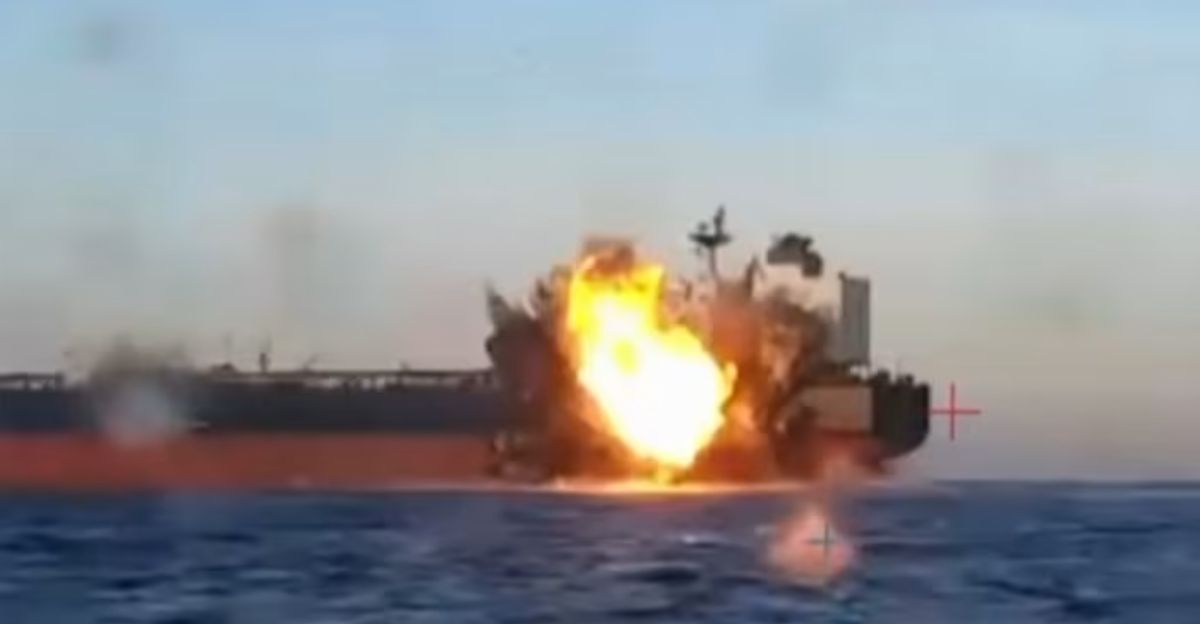
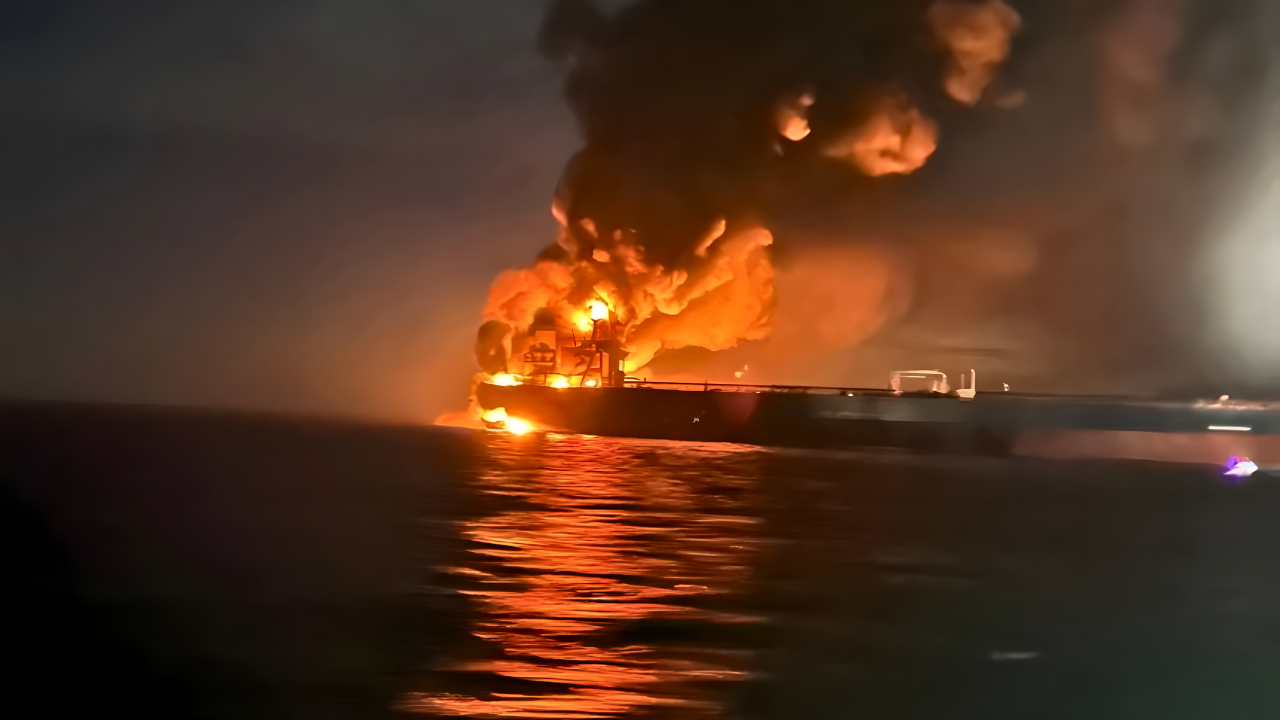
Once a dominant force, the Russian Black Sea Fleet’s numbers dwindled drastically by December 2025. Ukraine’s innovative military strategies led to the destruction of 22 Russian naval vessels and damage to many others, an unprecedented feat that rattled Moscow’s naval capabilities. According to the UK Ministry of Defence, between February 2022 and June 2024, Ukraine damaged or destroyed 26 Russian Navy ships operating in the Black Sea region.
Facing mounting pressure, Russia retreated from the vulnerable Sevastopol base and regrouped its remaining assets at Novorossiysk. This consolidation, however, left its forces exposed, presenting an opportunity for Ukraine’s elite operatives to capitalize on the risk-laden environment.
The Rise of Sea Drones
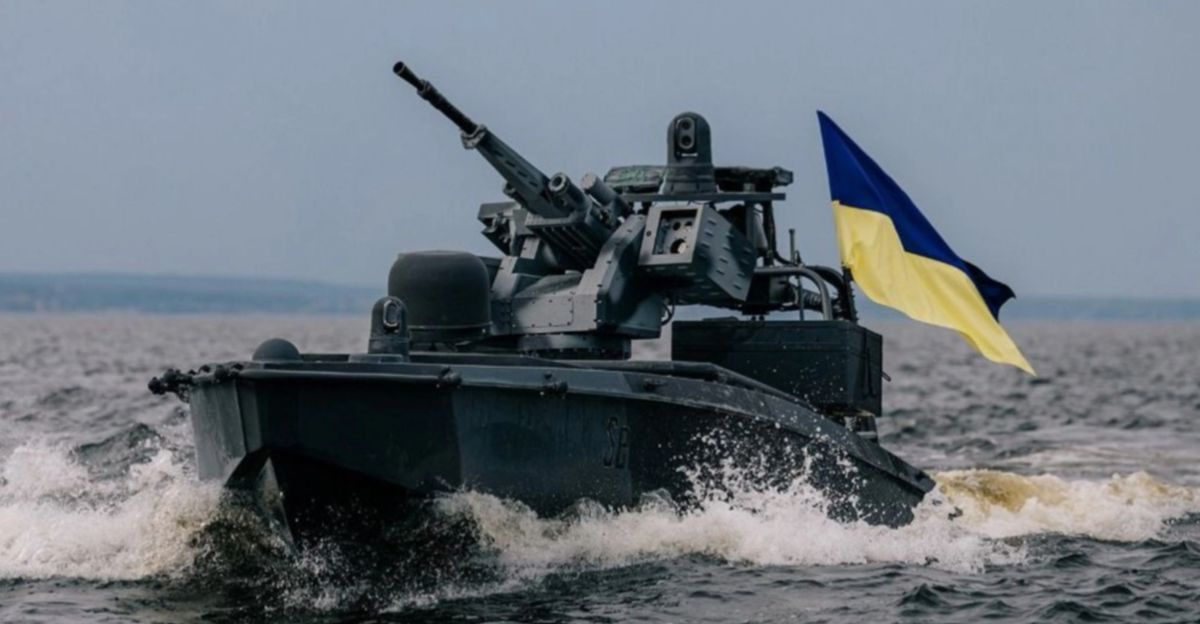
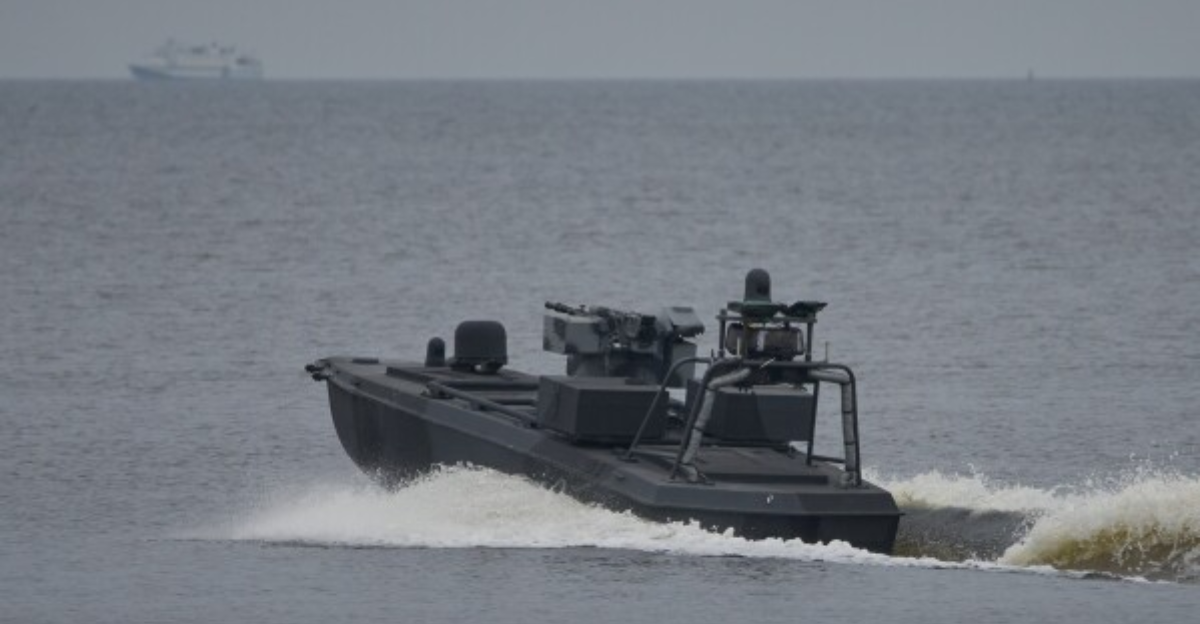
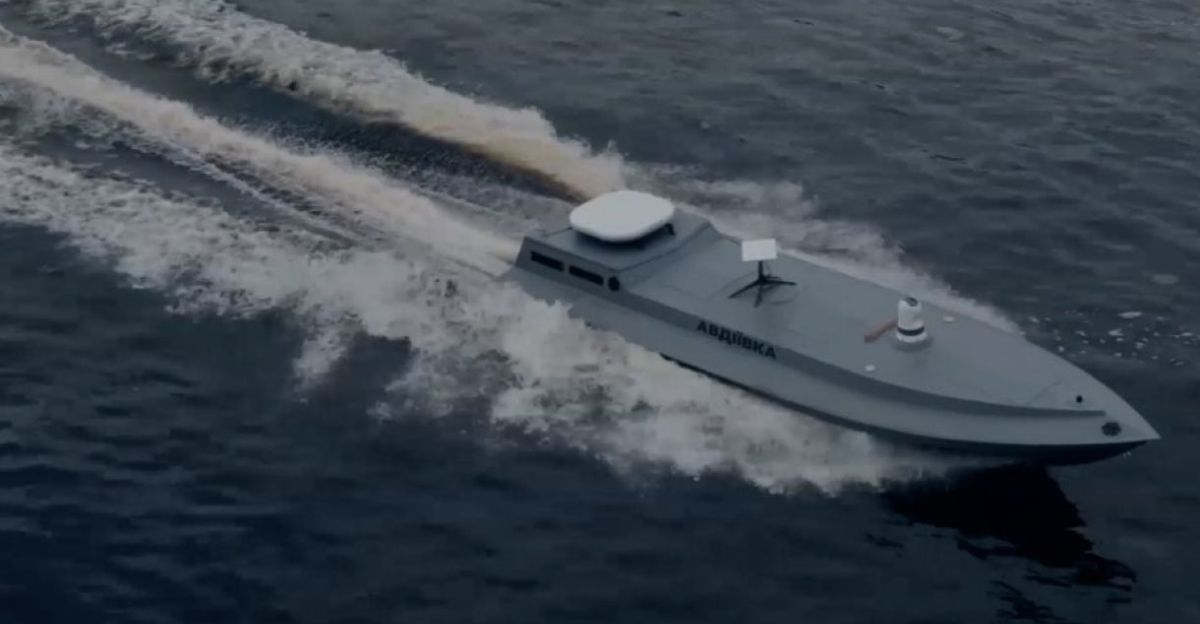
Ukraine’s naval revolution gained momentum with the introduction of the “Sea Baby,” with SBU Brigadier General Ivan Lukashevych stating: “The SBU became the first in the world to pioneer this new kind of naval warfare, and we continue to advance it.” By October 2025, advancements transformed the Sea Baby, extending its operational range to 930 miles (1,500 kilometers) and increasing its payload capacity to 4,400 pounds.
The integration of AI-assisted targeting replaced traditional manual controls, significantly improving strike capabilities. The surface variant of Sea Baby had already damaged or destroyed 11 Russian vessels, but that was just the beginning. Ukraine was developing underwater variants to further exploit vulnerabilities in Russia’s naval defenses, heralding a new era in maritime conflict.
The Submarine That Wouldn’t Leave
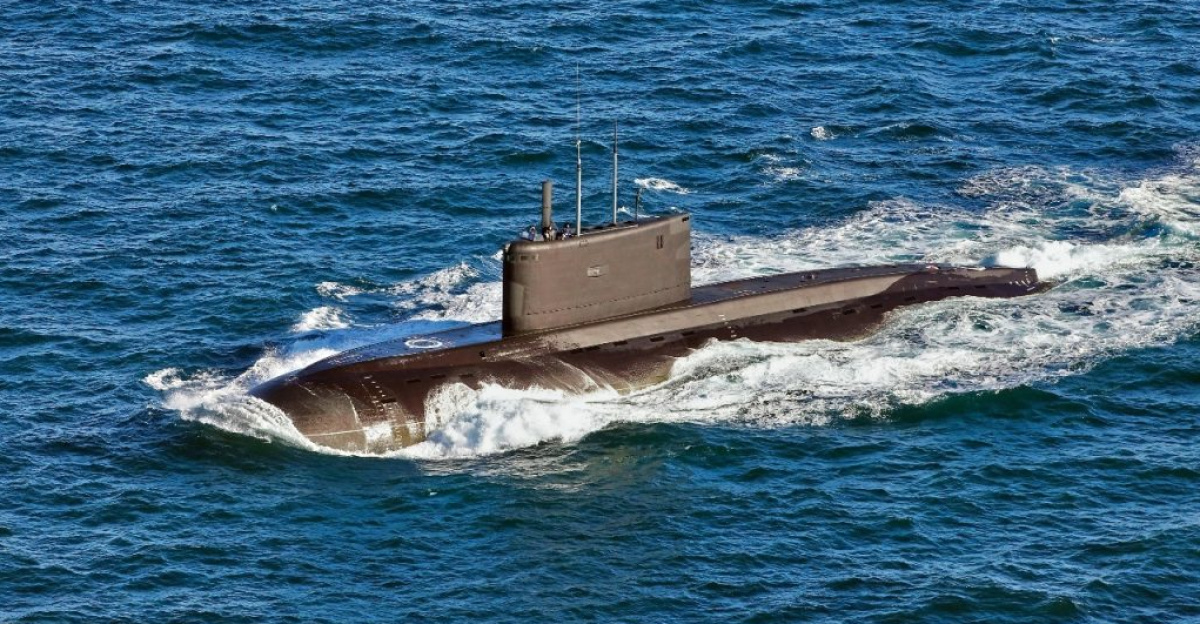
By late 2025, the Russian Kilo-class submarines found themselves increasingly isolated. One critical asset, the Rostov-on-Don, sustained catastrophic damage in earlier operations and was assessed as likely sunk or permanently disabled. The remaining submarines were confined to Novorossiysk, unable to navigate dangerous waters without risking adversary attacks.
Among these was the B-271 Kolpino, a stationary target in a high-risk environment. Ukraine’s intelligence units meticulously tracked each movement, ready to act. This changing dynamic created a precarious situation for Russia, with Ukraine eyeing the opportunity to strike against a historically formidable adversary.
The First Underwater Strike
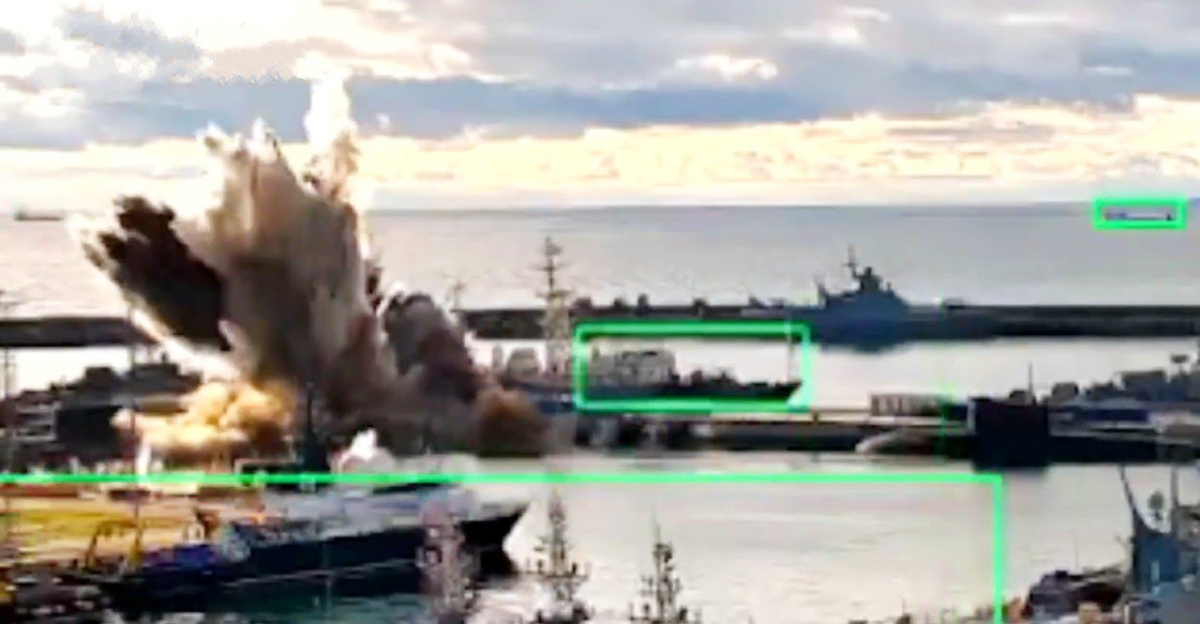
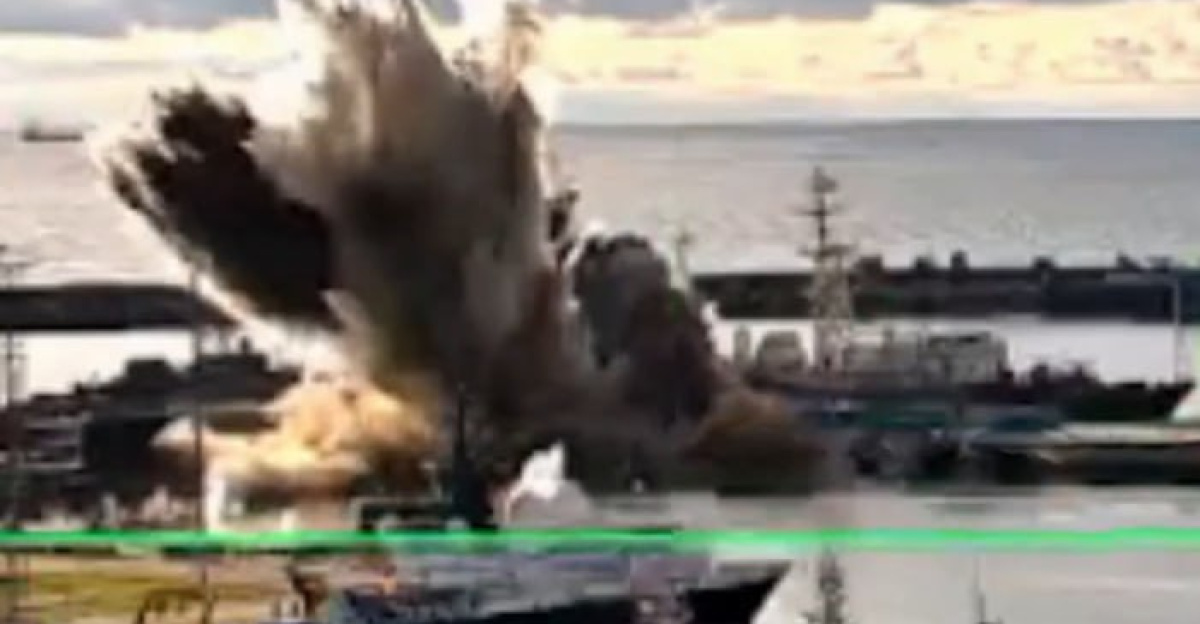
On the night of December 14-15, 2025, the Security Service of Ukraine executed a groundbreaking operation, launching what it described as the first-ever underwater drone strike in naval warfare history. Utilizing uncrewed underwater vehicles known as “Sub Sea Baby,” the Ukrainian Navy targeted the moored Kilo-class submarine. Footage released by the SBU captured a massive explosion erupting from the pier, confirming the success of the operation.
The SBU reported critical damage to the submarine, effectively rendering it inoperative. Reuters and other major international media outlets verified the video’s authenticity through pier layout analysis and structural references. Military analysts highlighted the event’s historical significance, noting it could reshape naval warfare globally by demonstrating the potential of underwater drones against traditional submarine threats.
Satellite Evidence of Devastation
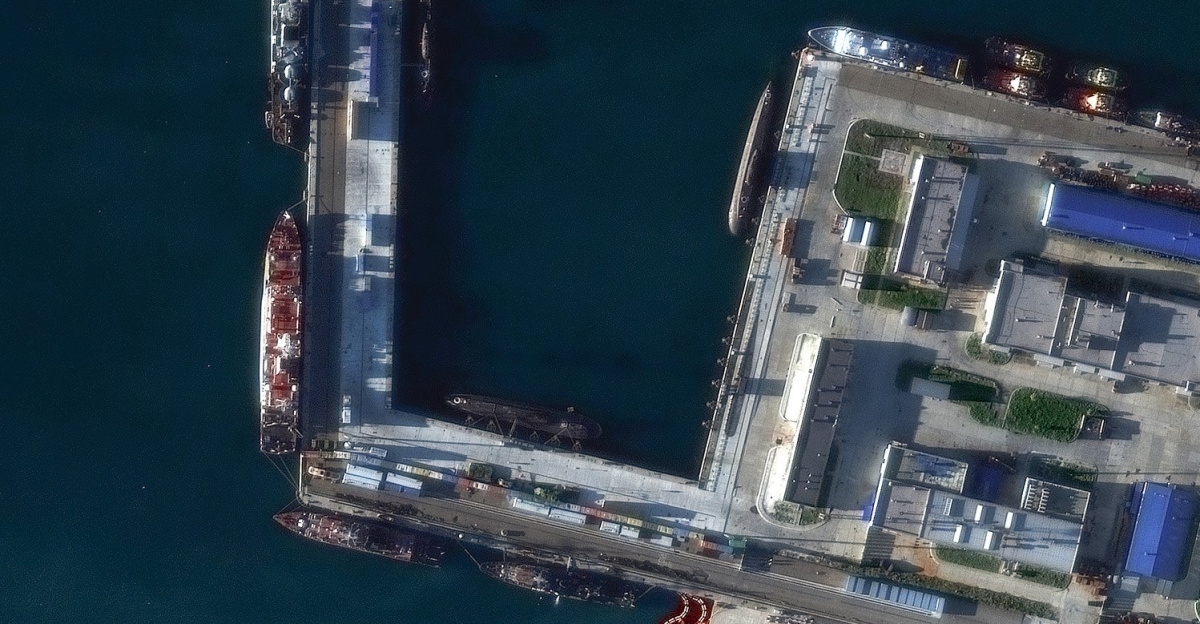
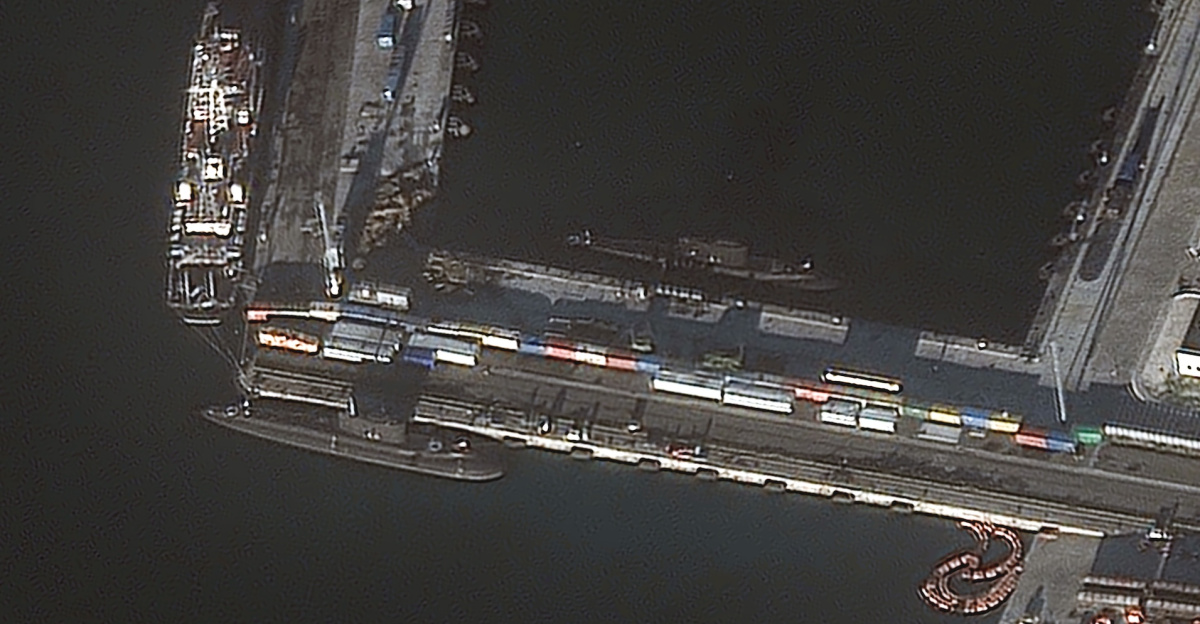
In the aftermath of the strike, commercial satellite imagery provided stark visual evidence of the destruction caused by Ukraine’s underwater drone attack. The imaging revealed a deep 9-meter crater in the concrete pier where the submarine was berthed, indicating the force of the blast.
More alarming was the visible shift in the submarine’s waterline, which sank lower, suggesting compromised hull integrity and flooded compartments. Experts noted the implications of this damage, particularly the loss of critical propulsion systems essential for a submarine’s operationality. This incident served as a clear demonstration of the effectiveness of new technologies in modern warfare.
The Global Reaction
The news of Ukraine’s unprecedented underwater drone strike sent ripples through the international community. Analysts and military experts began to assess the ramifications of such a technological shift in naval warfare. According to a Ukrainian Navy spokesperson, the operation targeting the submarine deemed the most challenging target to strike signified “another turning point” in Ukraine’s maritime confrontation with Russia.
The event prompted reactions from allied nations, with many expressing support while gaining insights into the rapidly evolving landscape of underwater warfare. NATO defense officials began studying the operational and doctrinal implications of the strike.
The Legacy of Sea Baby
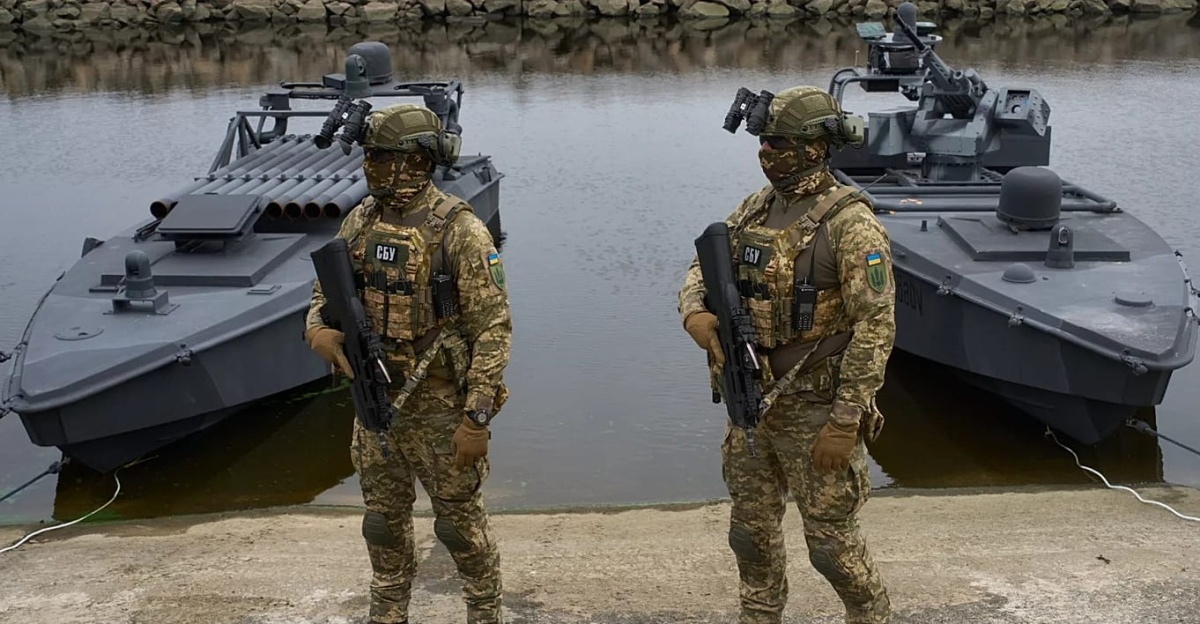
The Sea Baby program stands as a testament to Ukraine’s resolve and ability to adapt in the face of adversity. As the innovative Sub Sea Baby demonstrated its effectiveness, the ripple effects on naval doctrines worldwide began to be recognized. Defense analysts underscored the paramount importance of integrating unmanned systems into modern fleets, noting that the tactical advantages they provide could redefine existing naval strategies.
Reuters reported that the U.S. Navy, recognizing this shift, was accelerating investment in underwater drone capabilities. This incident not only showcased Ukraine’s ingenuity but also highlighted the growing significance of drone technology in a military landscape increasingly influenced by advancements in automation and artificial intelligence.
Ukraine’s Naval Strategy
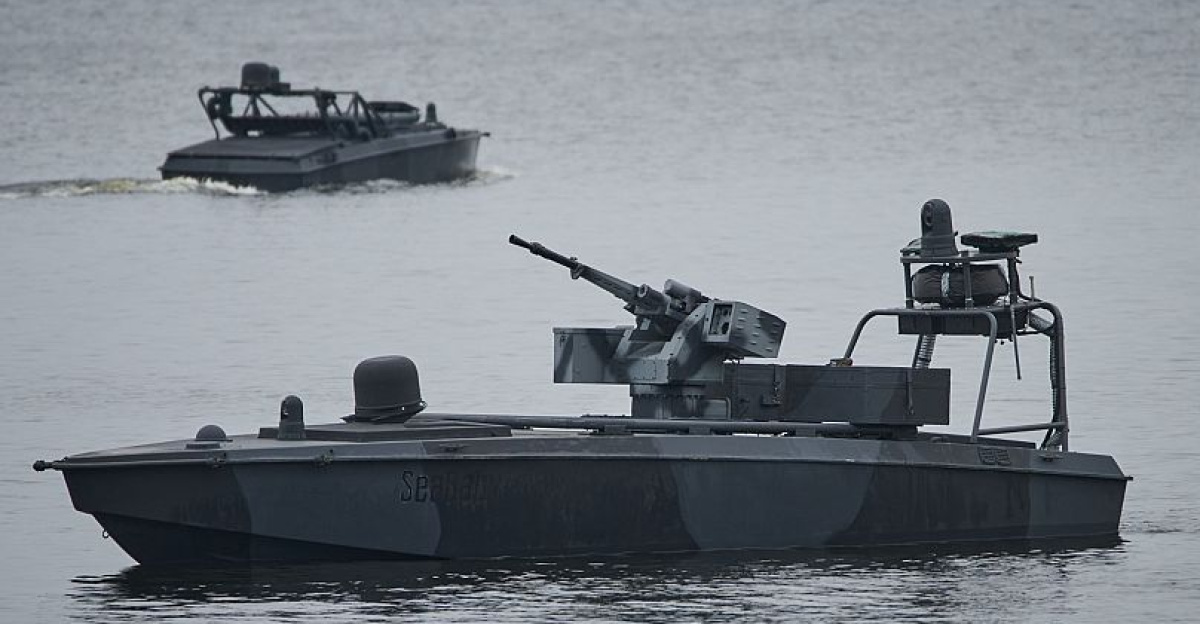
As the conflict continued, Ukraine’s strategy evolved to emphasize asymmetric warfare, leveraging technology and intelligence to counter conventional strengths. The successful underwater strike was emblematic of this approach, indicating a shift away from traditional naval engagements toward innovative, technology-driven tactics.
According to defense analysis, Ukraine’s maritime campaign, characterized by agility and adaptability, imposed significant operational constraints on Russian forces. With continued investment in marine technology, defense experts predicted that Ukraine’s naval capabilities would continue to expand, presenting ongoing challenges for adversaries in the region and reshaping perceptions of maritime conflicts.
Implications for Future Conflicts
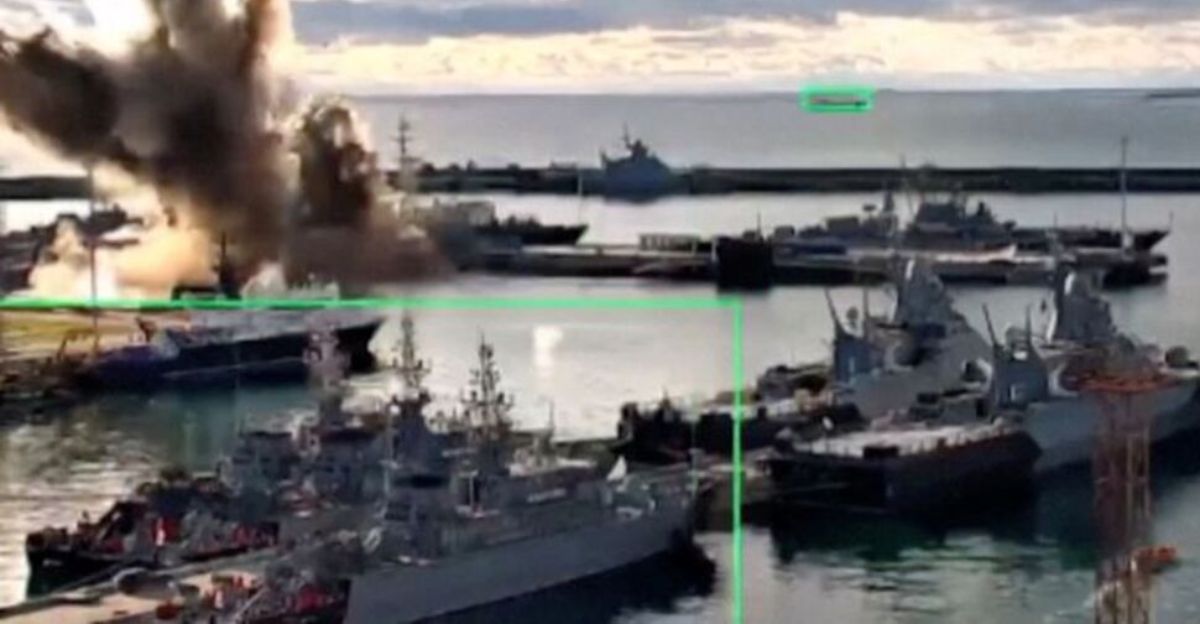
The December 14-15 operation not only incapacitated a Russian submarine but also established a precedent that could influence future naval engagements worldwide. The growing interest in underwater drone technology suggests that other nations may seek to develop similar capabilities.
This incident prompted discussions within NATO and allied defense ministries regarding maritime doctrine, strategic planning, and the nature of future conflicts. Military analysts noted that the implications could extend beyond the Ukraine conflict, reshaping how naval power is projected globally.
Responses from Naval Analysts
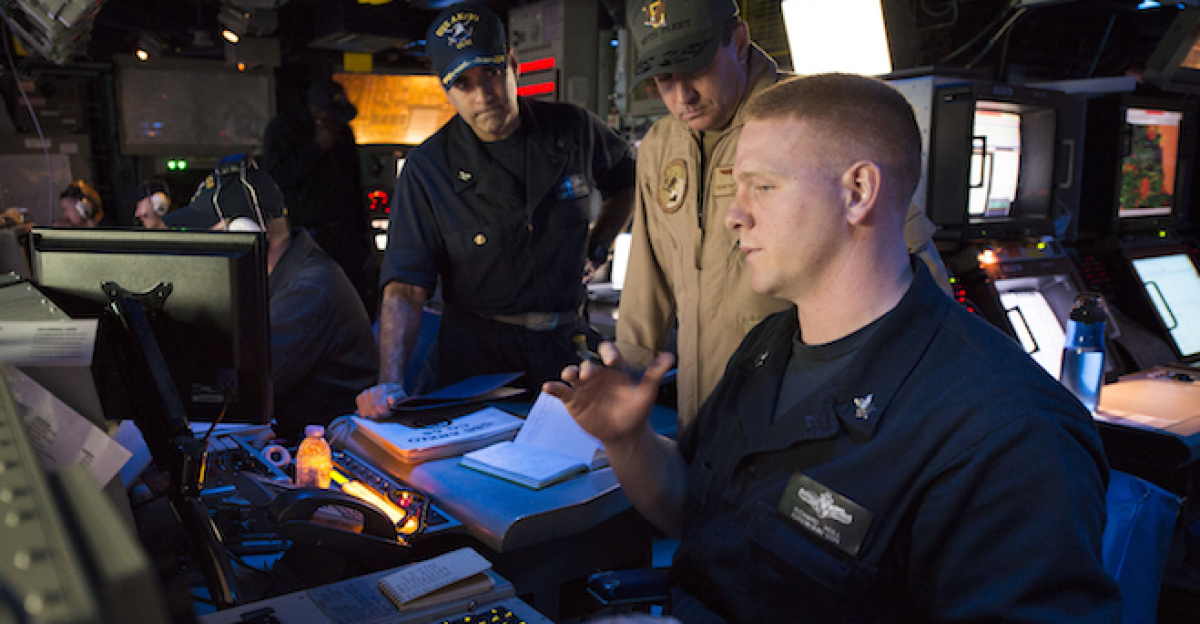
Naval analysts and defense officials have since emphasized the significance of this underwater drone strike. A U.S. Navy official noted that “Ukraine has demonstrated their effectiveness and how they can be utilized in contemporary operations,” emphasizing that the U.S. Navy must learn from this and deploy combat sea drones without delay.
The successful strike has led to increased interest and investment in drone technologies across various nations, further indicating a shift toward modernized military strategies. Observers called for a thorough reassessment of existing naval doctrines, highlighting the operational capabilities of unmanned systems, which could dominate future maritime conflicts.
Broader Implications for Military Strategy
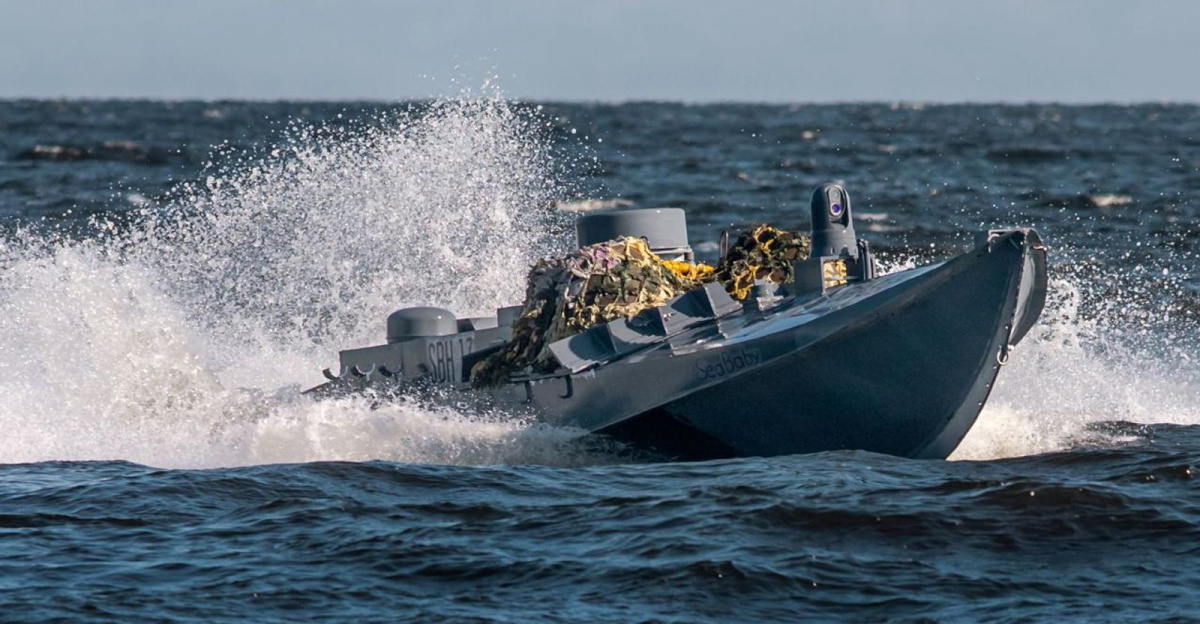
The implications of Ukraine’s underwater drone strike extend beyond immediate operational concerns. Analysts are investigating how this event may influence global military strategies and international naval policies. The strike serves as a crucial lesson in the evolving nature of conflict, showcasing the potential of unmanned technologies in ensuring strategic advantages.
Defense.info characterized the operation as “a genuine inflection point in modern naval warfare,” where uncrewed underwater vehicles have transitioned from experimental systems to operationally decisive weapons. Experts argue that nations overlooking this evolution may find themselves ill-prepared for future confrontations, emphasizing the need for adaptability in an increasingly complex security environment.
Developments in Naval Warfare
Following the strike, the broader implications of uncrewed underwater vehicles began to be scrutinized by military planners globally. According to analysis from the U.S. Naval War College and academic defense institutions, this development represents what some scholars describe as “if not a revolution in naval warfare, then something approximating one.”
This foresight into the trajectory of naval technology suggests a transformative period in maritime conflict, where traditional capabilities might give way to the growing dominance of AI-integrated systems. As nations seek to safeguard their waters, the race for advanced naval technology is expected to escalate.
The Strategic Cost Equation
While the success of the Sub Sea Baby drone strike was lauded as a strategic victory, analysts also focused on the economic and operational dimensions of the strike. Ukraine’s Security Service assessed the targeted Kilo-class submarine’s value at approximately $400 million under pre-war conditions, with current replacement costs potentially reaching $500 million due to international sanctions limiting Russia’s access to advanced naval components.
The loss of one submarine removes a launcher platform capable of firing four Kalibr cruise missiles, which have devastated Ukrainian cities. For military strategists, the strike demonstrated the asymmetric advantage of low-cost unmanned systems against billion-dollar conventional assets.
A New Era of Naval Warfare
Ukraine’s historic underwater drone strike represents a watershed moment in naval warfare, melding technology with military strategy. From implications for future conflicts to the operational constraints it imposed on Russian forces, the operation underscores the profound changes sweeping the military landscape.
As the global community watches closely, it’s clear that the integration of advanced technologies will play a pivotal role in shaping the dynamics of naval engagements for decades to come. The December 15 operation has set a new precedent: no naval base, however heavily defended, can guarantee sanctuary for high-value maritime assets against autonomous underwater threats.
Sources:
CNN International — Ukraine Says It Just Carried Out the First-Ever Underwater Drone Strike on a Russian Submarine
Euronews — Ukraine Unveils Upgraded Sea Baby Drone It Says Can Strike Anywhere in the Black Sea
Defense.info — Ukraine’s Sub Sea Baby Strike: A Strategic Inflection Point in Black Sea Naval Warfare
UK Defence Intelligence (via Pravda Ukraine) — UK Intelligence Analyses Ukrainian Strike on Russian Submarine
The War Zone — Aftermath of Ukraine’s Underwater Drone Attack on Russian Submarine Seen in Satellite Imagery
Ukraine World — Russia’s Deadliest Attacks On Civilians in 2025