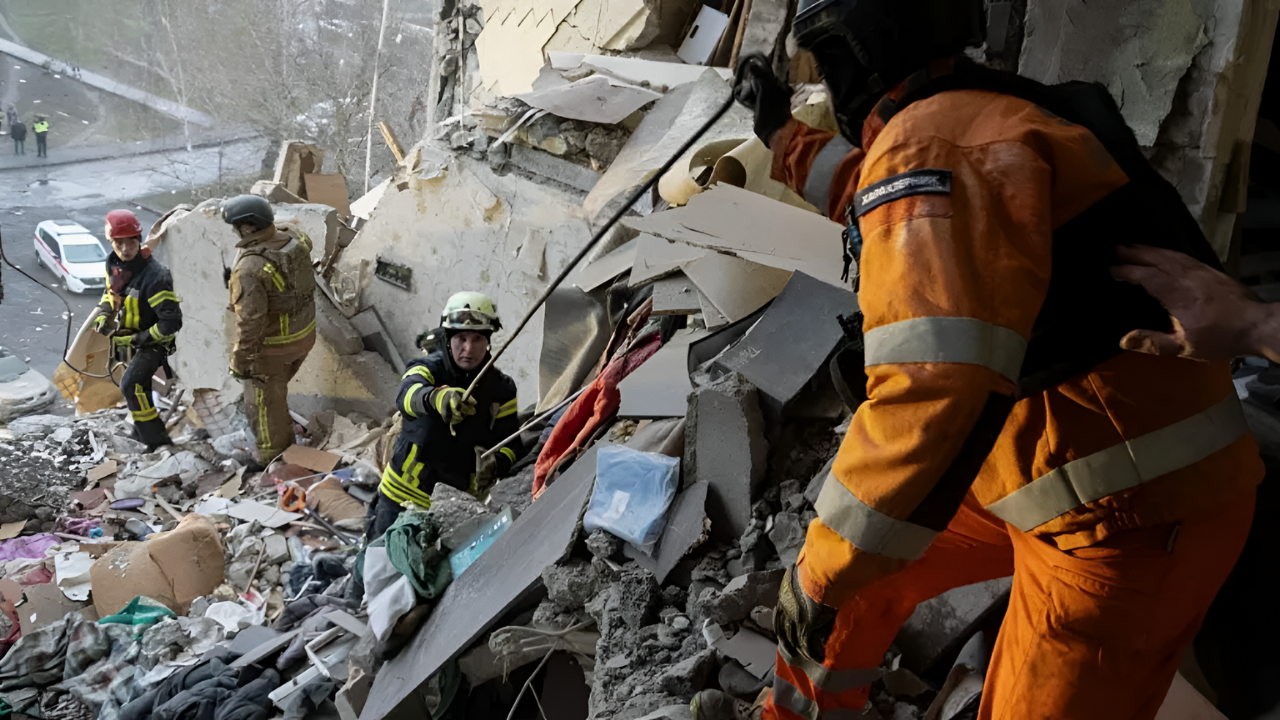
Ukraine’s Security Service (SBU) carried out an overnight long-range drone strike against Russia’s Belbek military airfield near Sevastopol in occupied Crimea in mid-December 2024.
Ukrainian officials reported the destruction of five high-value assets, including advanced radar systems, a surface-to-air missile platform, and a combat aircraft. The strike represents a direct hit on the layered air defense network Russia relies on to protect Crimea’s key military infrastructure.
SBU Alpha Targets Crimea’s Air Defense Backbone
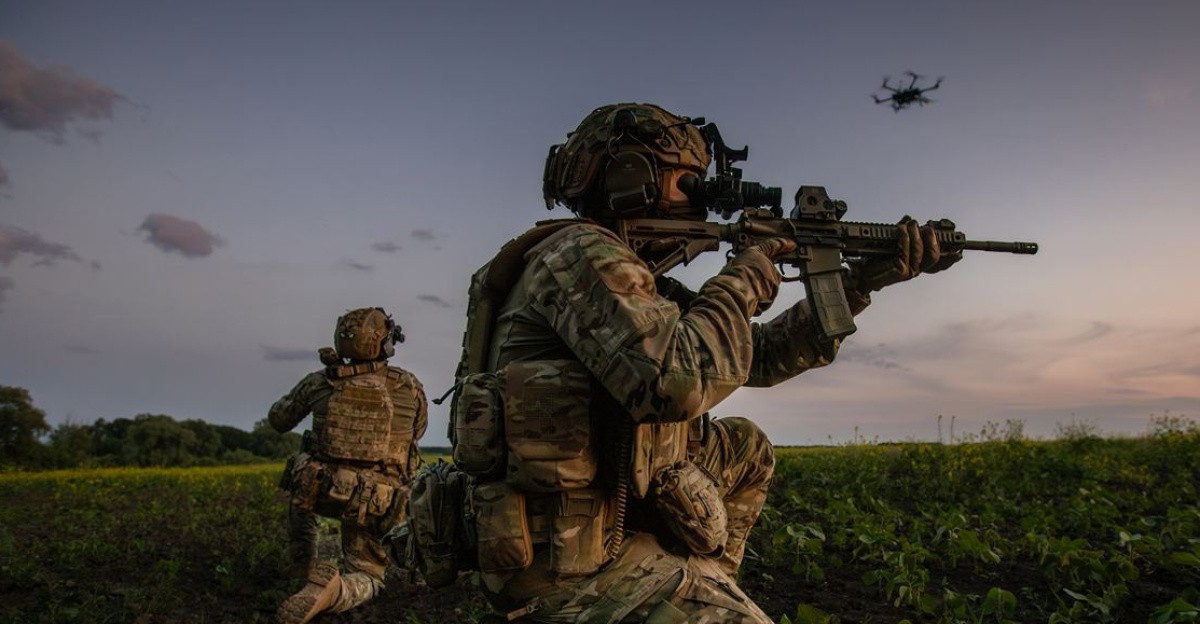
The operation was attributed to the SBU’s Alpha Special Operations Center, which has increasingly focused on high-value military targets deep behind Russian lines. Belbek was selected due to its role in shielding Sevastopol and nearby bases.
Ukrainian statements emphasized that disabling radar and missile systems at this location reduces Russia’s ability to detect and intercept future drone or missile attacks across the occupied peninsula.
Five High-Value Assets Reportedly Destroyed
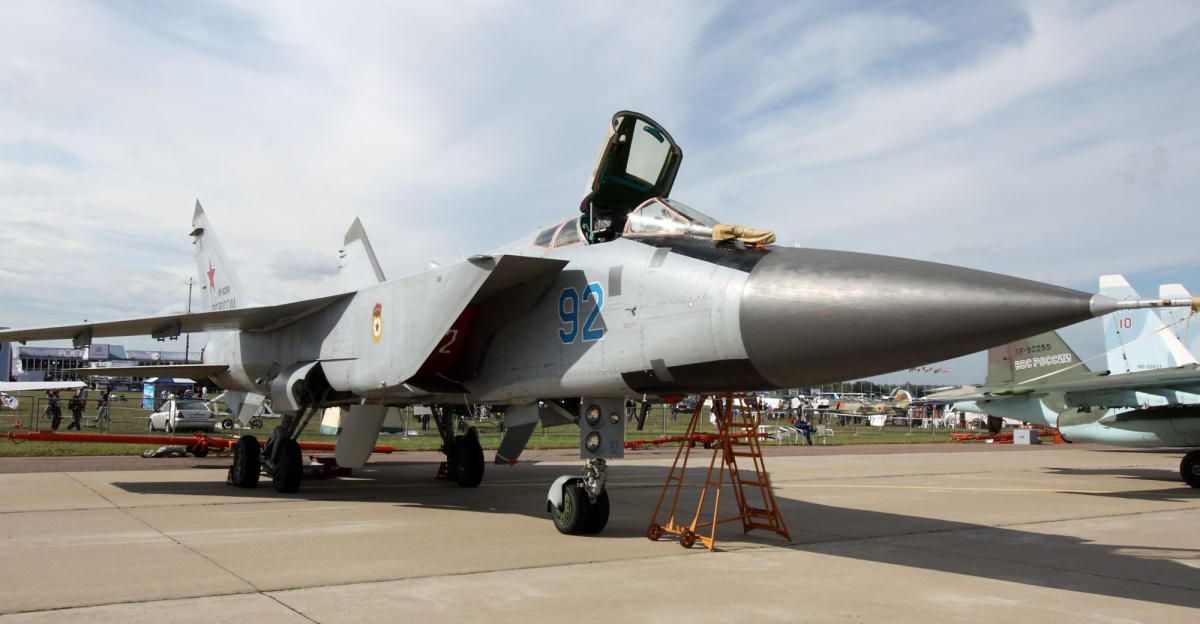
According to Ukrainian disclosures, the strike destroyed two Nebo-SVU long-range radar systems, one 92N6 radar component of the S-400 air defense system, one Pantsir-S2 short-range air defense unit, and one MiG-31 interceptor aircraft.
Together, these systems form part of Russia’s multi-layered detection and interception network, designed to counter aircraft, cruise missiles, and unmanned aerial vehicles operating over Crimea.
Financial Toll Estimated Near $292 Million

Based on widely cited estimates for comparable systems, the combined value of the destroyed equipment may approach $292 million.
Nebo-SVU radars are among Russia’s most expensive surveillance assets, while the S-400 radar and Pantsir system are critical defensive components. The MiG-31, one of Russia’s premier interceptors, represents a significant loss in both hardware and operational capability.
Belbek’s Strategic Importance to Russia
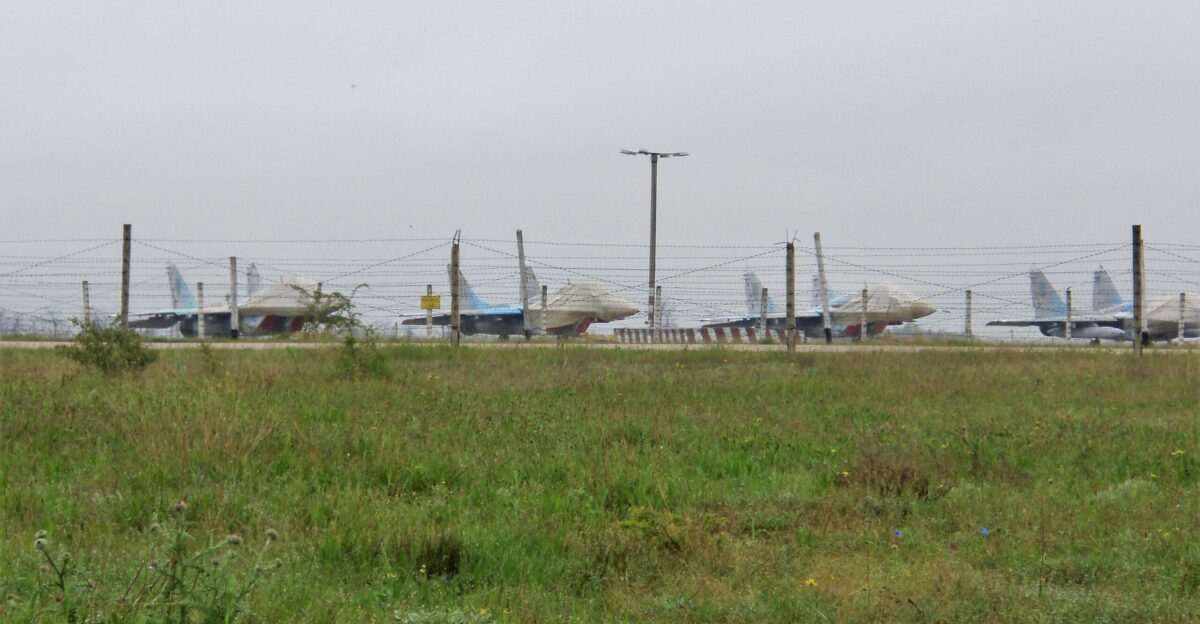
Belbek airfield has long served as a cornerstone of Russia’s military presence in Crimea. It supports fighter and interceptor operations and hosts air defense systems protecting Sevastopol and the Black Sea Fleet.
Repeated Ukrainian strikes on Belbek suggest a sustained campaign aimed at degrading Russia’s ability to use the base as a secure hub for air operations and regional air defense coordination.
Impact on Crimea’s Air Defense Coverage
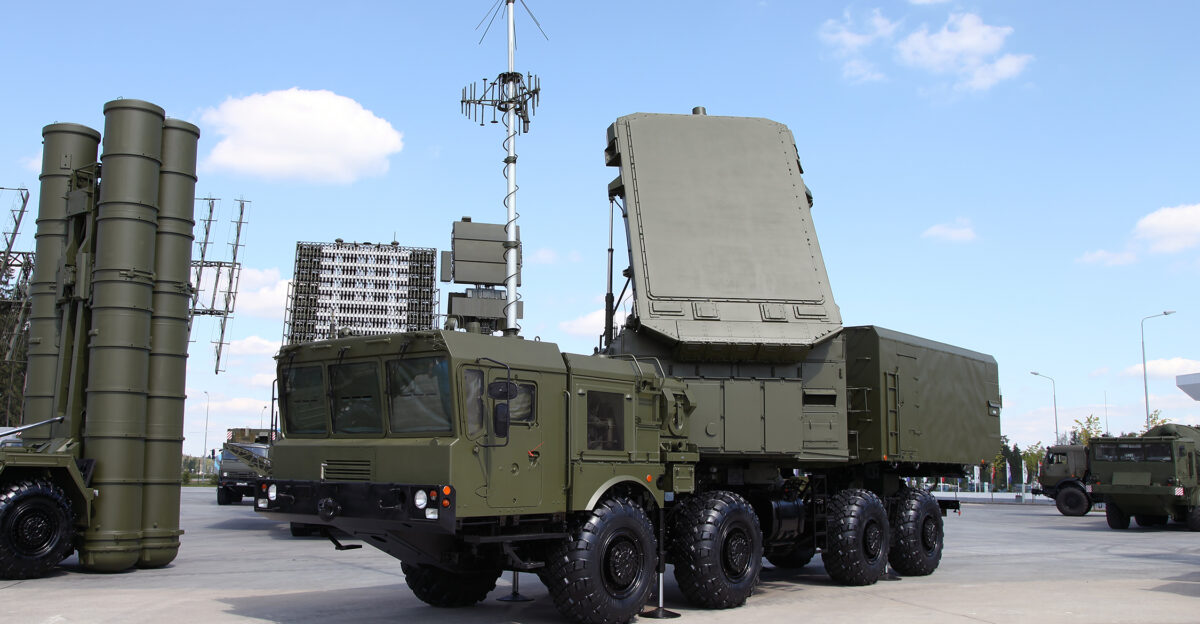
The reported destruction of multiple radar systems potentially reduces Russia’s situational awareness over western and southern Crimea.
Long-range radars such as Nebo-SVU are essential for early detection, while S-400 and Pantsir systems provide layered interception. Losing these assets may create temporary gaps in coverage, increasing vulnerability to subsequent Ukrainian drone or missile operations.
Growing Effectiveness of Ukrainian Long-Range Drones
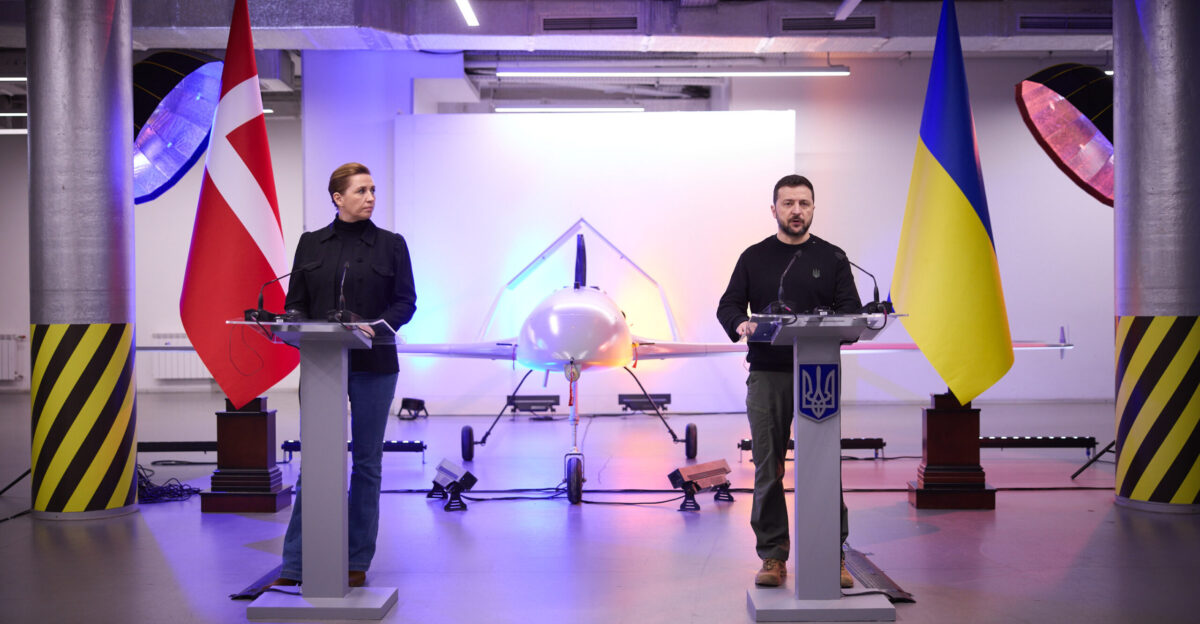
The Belbek strike highlights Ukraine’s expanding ability to conduct long-range precision drone attacks against well-defended targets. Ukrainian forces have steadily improved drone range, navigation, and penetration tactics throughout 2024.
Successfully hitting advanced air defense assets underscores a shift in the balance between relatively low-cost unmanned systems and expensive, complex defensive platforms.
Russia Forced to Adjust Defensive Posture
Following repeated strikes in Crimea, Russia has increasingly dispersed aircraft, relocated air defense assets, and reinforced base protection measures. Such adjustments complicate logistics and reduce operational efficiency.
Each relocation also exposes assets during transit, while the need to redeploy systems places additional strain on Russia’s already stretched air defense inventory.
The MiG-31 Loss Carries Strategic Weight
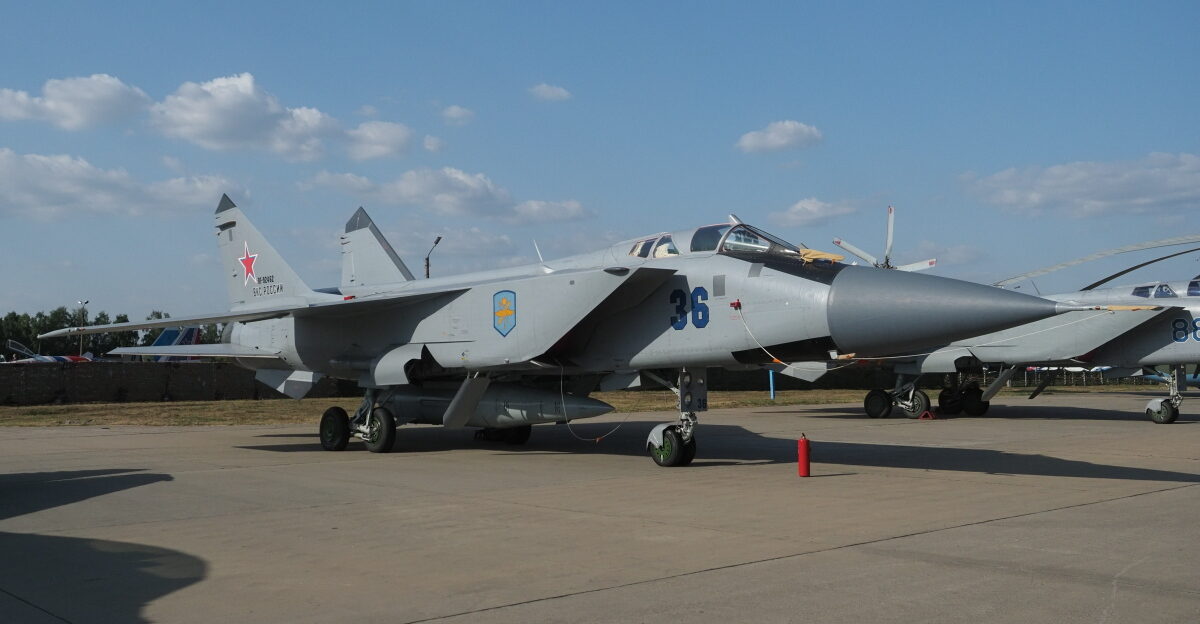
The reported destruction of a MiG-31 is particularly notable. The aircraft serves as Russia’s primary high-altitude interceptor and is capable of carrying long-range and hypersonic weapons. Russia operates a limited fleet, and replacement is difficult.
Even a single confirmed loss reduces available airframes and adds pressure to maintain readiness across multiple theaters.
Psychological and Civilian Impact in Crimea

Beyond military damage, continued strikes have affected daily life in occupied Crimea. Air raid alerts, explosions, and visible fires near military sites have increased anxiety among residents.
Reports of evacuations near sensitive facilities and declining tourism reflect the broader psychological impact of sustained attacks on areas Russia has portrayed as secure and fully controlled.
Competing Narratives and Information Warfare

As with many strikes, Russia and Ukraine offered sharply different accounts. Russian authorities minimized damage, while Ukraine released statements highlighting the scale and precision of the attack.
Videos and imagery shared by Ukrainian channels serve both military signaling and morale-building purposes, reinforcing the perception that even heavily defended targets remain vulnerable.
Implications for Russian Arms Credibility
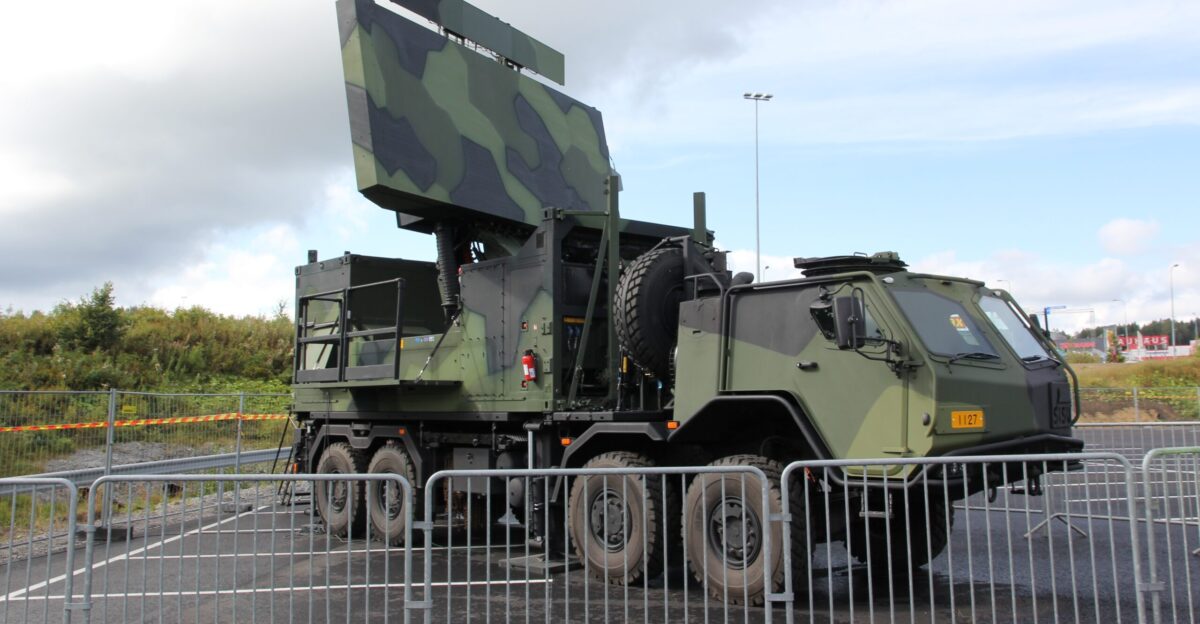
Advanced systems such as the S-400 and Nebo-series radars underpin Russia’s global arms export reputation. Repeated reports of these systems being damaged or destroyed by drones raise questions among current and prospective buyers.
Each high-profile loss places additional scrutiny on the real-world performance of equipment marketed as capable of countering modern aerial threats.
Ukraine’s Broader Campaign in Crimea
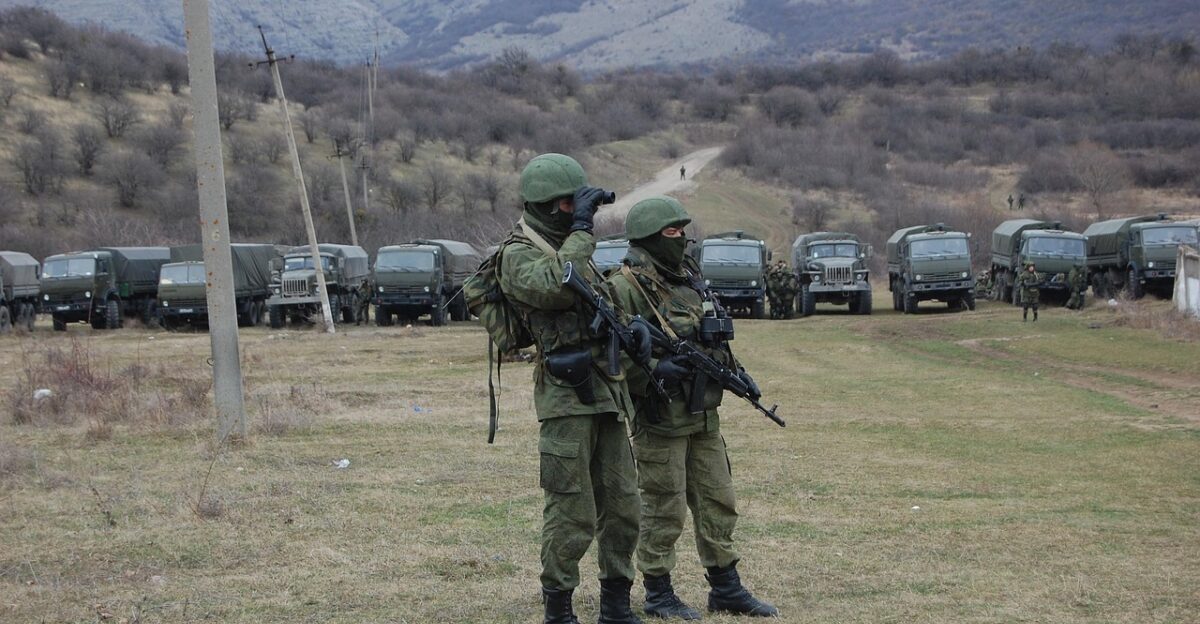
The Belbek strike fits into a broader Ukrainian effort to systematically degrade Russian military infrastructure in Crimea.
Previous operations have targeted airfields, radar sites, naval assets, and logistics hubs. Rather than isolated attacks, the pattern suggests a sustained strategy aimed at weakening Russia’s hold on the peninsula and limiting its ability to project power from it.
A Case Study in Modern Asymmetric Warfare
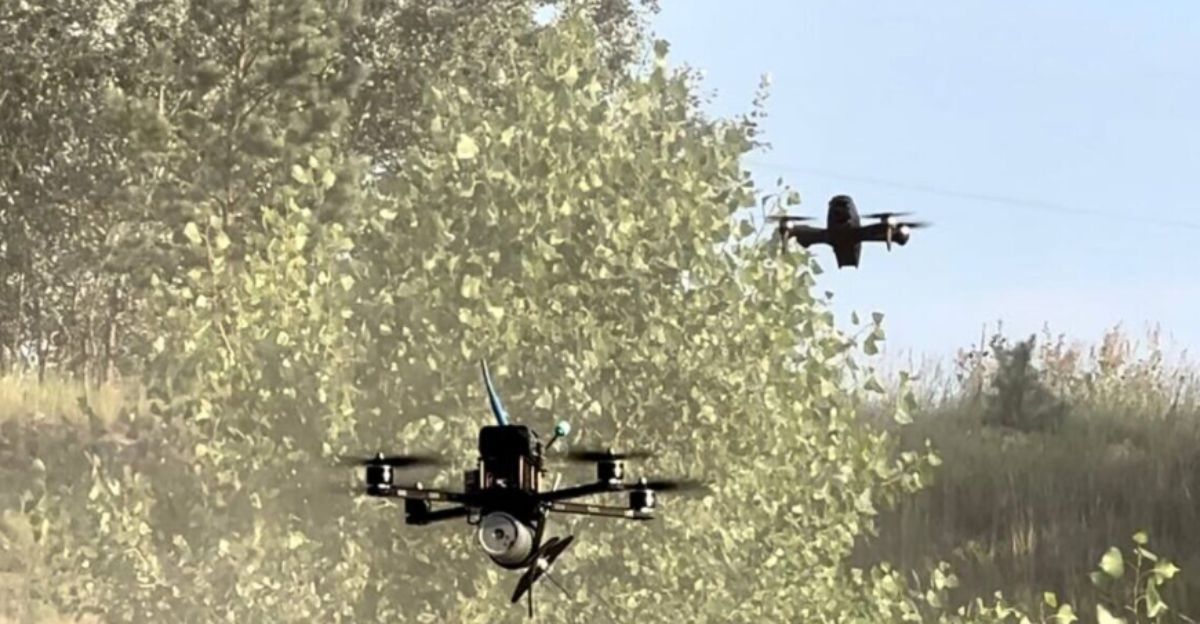
The operation illustrates how relatively inexpensive drones can neutralize extremely costly defense systems. This asymmetry is reshaping modern warfare, forcing militaries to reconsider how they protect high-value assets.
The balance between offense and defense is increasingly tilted toward adaptable, unmanned platforms capable of exploiting gaps in even the most sophisticated networks.
What Comes Next for Crimea’s Defenses
Ukrainian officials have signaled that operations against Russian air defenses in Crimea will continue. While Russia is expected to reinforce and adapt, each successful strike reduces available assets and increases pressure on remaining systems.
As drone warfare accelerates, Crimea’s defensive shield appears likely to face ongoing challenges in the months ahead.
Sources:
- Defence UA (en.defence-ua.com)
Article Title: “Ukrainian Drones Strike Belbek Airbase for Second Time in a Week, Damaging Two Su-27 Fighters”
Published Dec 19, 2025. Details second SBU Alpha strike hitting two Su-27 jets, control tower, plus prior radars, Pantsir-S2, and MiG-31 at Belbek’s 38th Fighter Aviation Regiment.
- Article Title: “SSU Strikes Belbek Airbase with FP-2 Drones, Taking Out Radars and MiG-31 Fighter Jet”
Published Dec 17, 2025. Specifies FP-2 drones with 100-kg warheads destroyed Nebo-SVU, 92N6 (S-400), Pantsir, and MiG-31.
- Ukrinform
Article Title: “Explosions reported at Belbek, Saky airfields in Crimea (social media)”
Published Dec 17, 2025. Confirms SBU Special Group Alpha long-range drones hit Russian air defense at Belbek on night of Dec 17-18.
- Ukrainska Pravda (pravda.com.ua)
Article Title: “Ukrainian drones strike Belbek airfield in Crimea, hitting equipment worth hundreds of millions – photos”
Published Dec 17, 2025 (article dated Dec 18). Lists destroyed assets: two Nebo-SVU radars ($60-100M each), 92N6 radar ($30-60M), Pantsir-S2 ($12-19M), MiG-31 ($30-50M); includes SBU photos.
- Mezha Media
Article Title: “Ukrainian Drones Hit Russian Air Defense at Belbek Airbase in Crimea”
Describes special forces’ long-range drone strikes damaging key Russian air defense systems at Belbek.