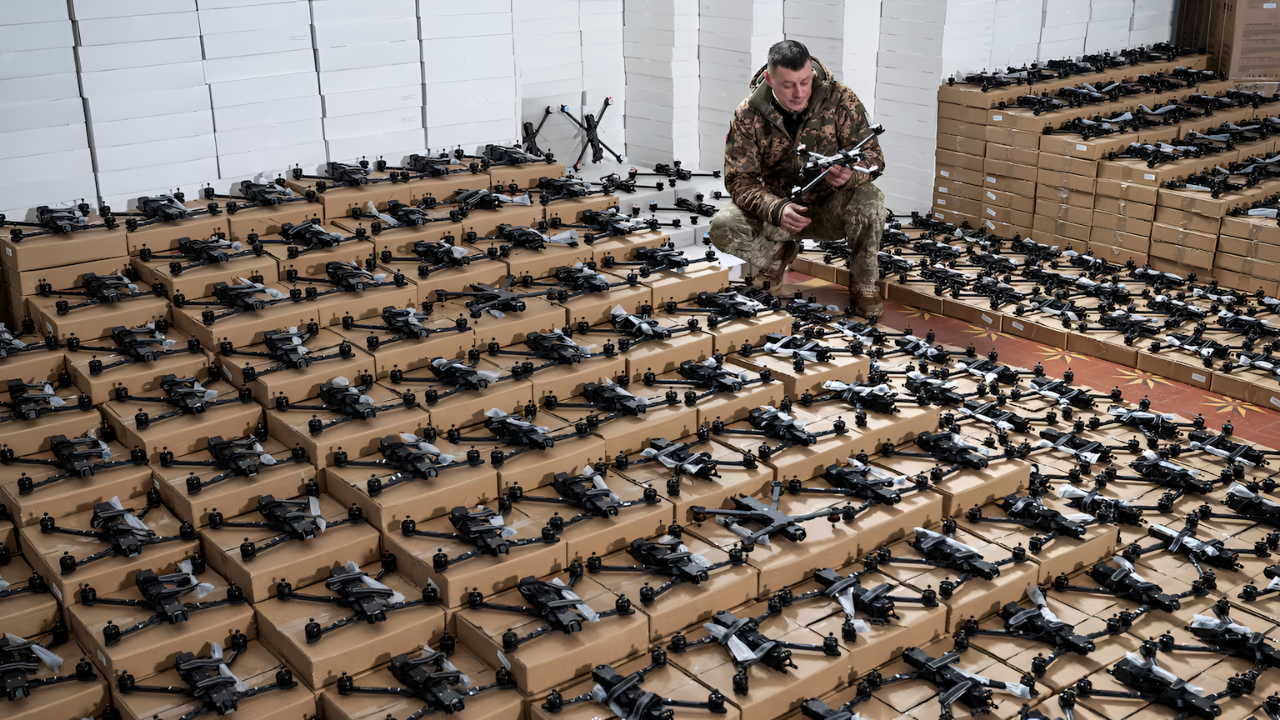
It started like any other December morning on Ukraine’s eastern front—until 5,471 drones lifted into the sky. On December 15, 2025, Ukrainian forces unleashed an arsenal of kamikaze drones across the battlefront while recording 151 combat engagements and 4,103 artillery strikes in a single day. Military observers watched in astonishment.
This wasn’t the future of warfare arriving slowly—it had already landed, and it moved at the speed of a button press. The question was no longer whether drones would dominate … It was: how do soldiers survive in a world where the sky itself hunts them?
The Border Guard Who Became a Drone Operator

While the heaviest fighting raged near Pokrovsk, something quieter and deadlier was unfolding in the Toretsk sector. The Feniks unit—a specialized drone crew from Ukraine’s State Border Guard Service—was methodically dismantling Russian firepower from miles away. These weren’t traditional soldiers.
They were unmanned aerial systems specialists who had traded rifles for joysticks. In a single day, they destroyed a Soviet-era BTR-70 armored personnel carrier, a Chinese Type-63 rocket launcher, a ground robotic system, and an enemy artillery gun.
How Wars Are Fought

The Feniks unit’s strategy revealed something profound: this war was no longer won through frontal assaults. They systematically transformed Russian supply routes into kill zones, hunting trucks, ammunition depots, and command vehicles stretched across Donetsk’s vast distances.
Rather than throw soldiers at entrenched positions, they leveraged something far cheaper and more plentiful—unmanned systems that could hunt targets around the clock without rest.
1960s Steel Meets 21st-Century Fire
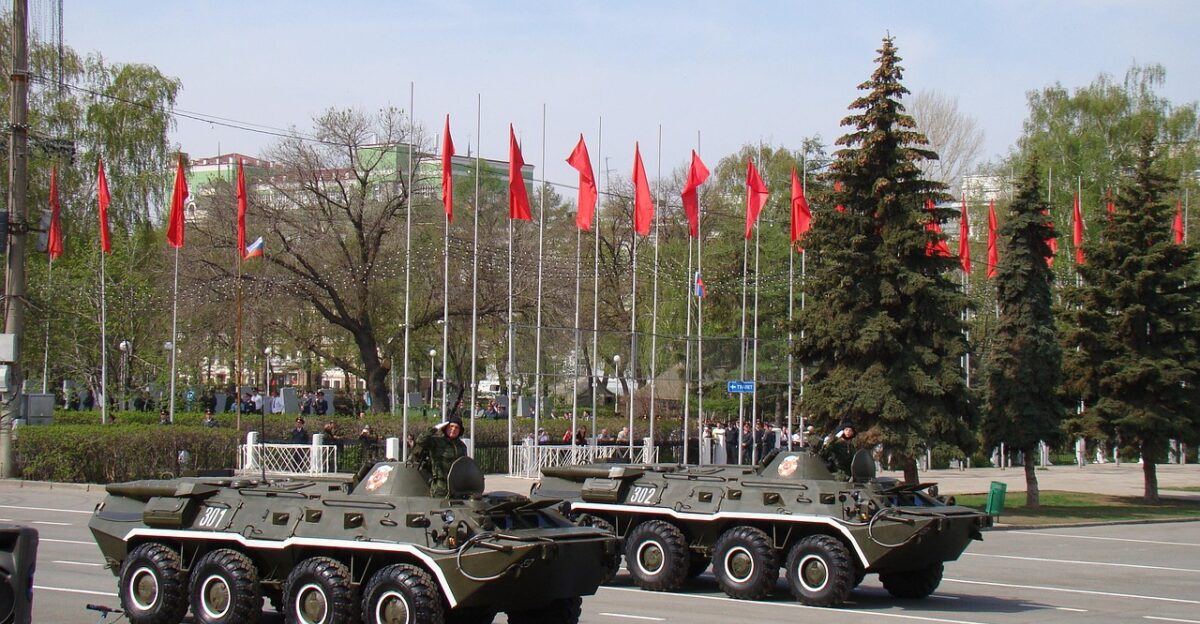
The BTR-70 that fell to Feniks drones was a relic—an eight-wheeled armored personnel carrier designed in the late 1960s, still considered reliable enough to carry seven combat personnel plus crew across hostile terrain. It bristled with heavy machine guns and weighed 12.7 tons.
In traditional warfare, such vehicles were serious instruments of power. But against swarms of drones, it became just another vulnerable point on a grid, detected in seconds and destroyed in moments.
The Chinese Rocket
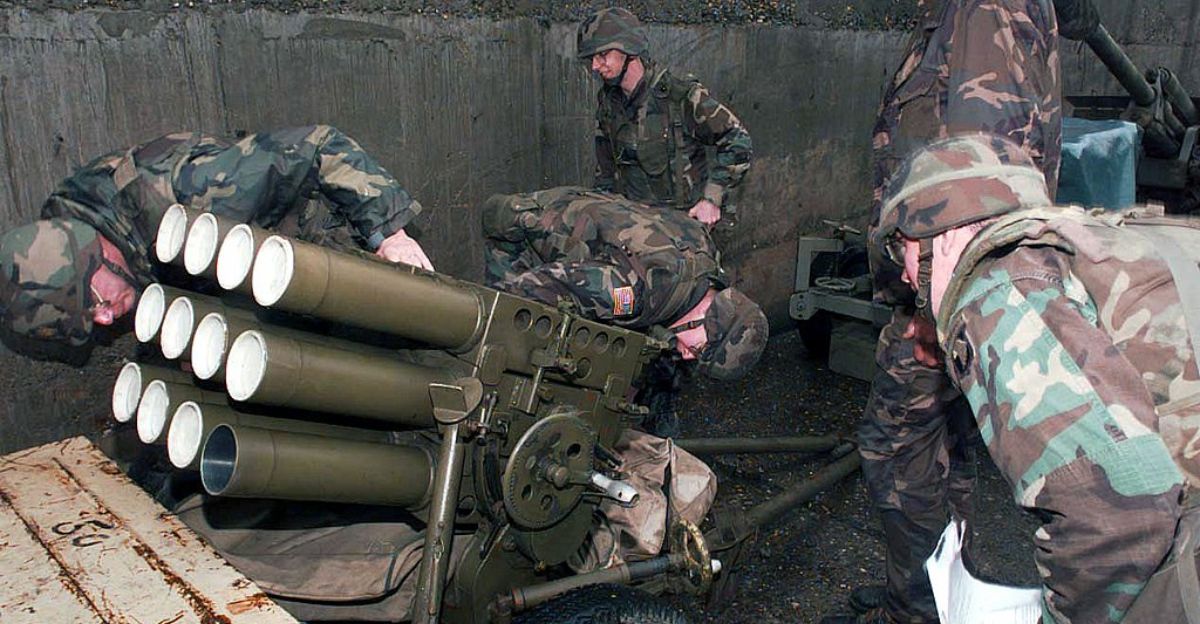
In that same strike, Feniks destroyed something even more valuable: a Chinese-designed Type-63 multiple launch rocket launcher capable of firing 12 rockets in just seconds. With a range exceeding five miles, this system was a potent area weapon that could devastate infantry positions and light vehicles across an entire sector.
But no range mattered against an opponent that could see it, target it, and strike it from above. The destruction eliminated roughly 20 to 40 rockets from the Russian inventory and the five-person crew operating it.
Robots Fighting Robots
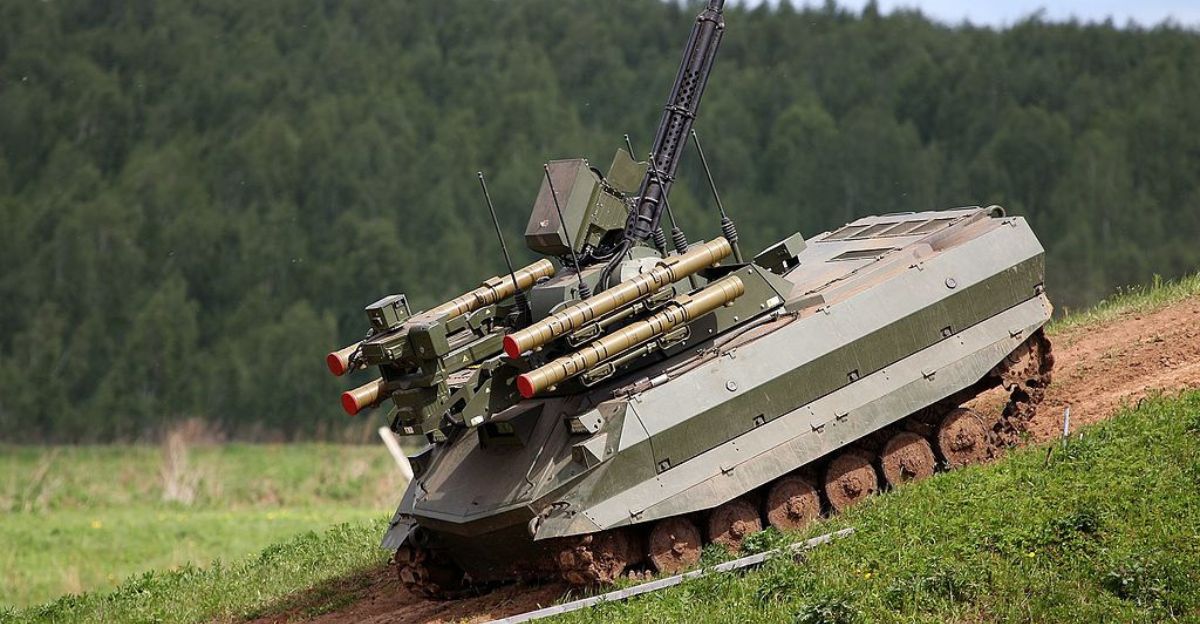
Perhaps most revealing was Feniks’s destruction of what military reports called a “ground robotic system”—confirmation that the future had arrived in the most unsettling way possible. Autonomous or remote-controlled ground vehicles were now actively deployed on battlefields, hunting and being hunted.
Ukraine planned to field 15,000 ground robots by the end of 2025, while Russia deployed armed Courier vehicles and Uran-6 demining robots.
A Complete Transformation

The numbers from December 15 told a story of fundamental transformation: 5,471 kamikaze drones deployed versus just 88 multiple launch rocket system strikes. Internal Ukrainian assessments revealed drones accounted for 69 percent of strikes on Russian troops and 75 percent of strikes on vehicles and equipment throughout 2025.
Three-quarters of all Russian casualties now resulted from Ukrainian drones rather than traditional artillery or small arms fire.
Losing 300 Drones Every Single Day
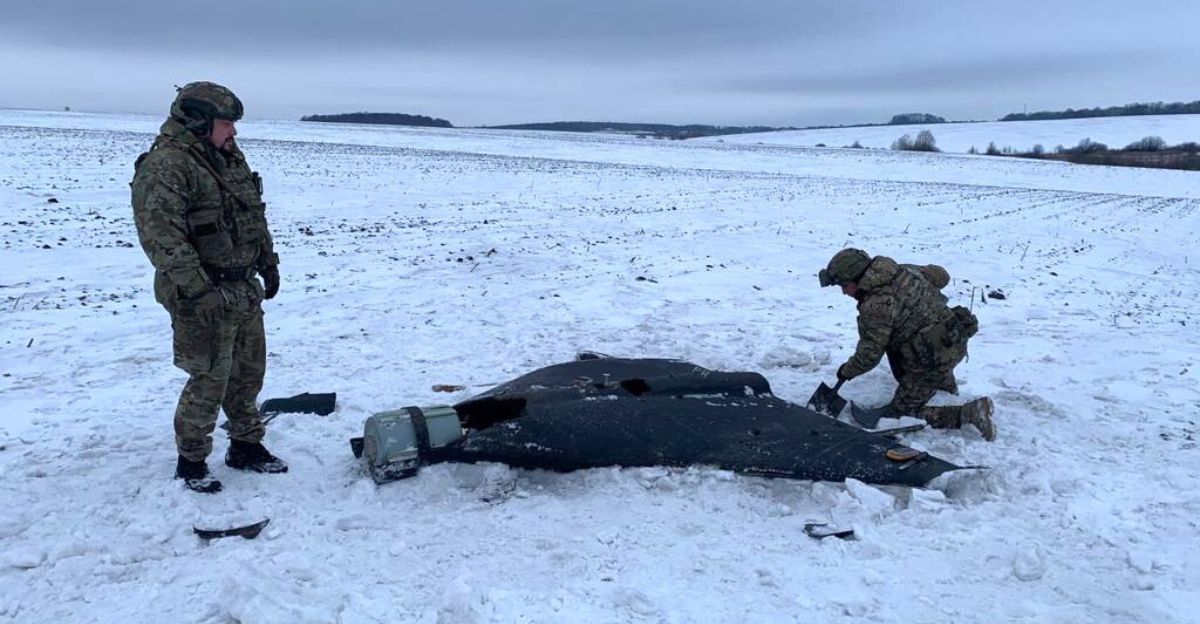
But victory in this new war came with a staggering price. Research by the Royal United Services Institute found the Ukrainian military loses approximately 10,000 drones per month—more than 300 per day—on the battlefield. Western military experts called it “exceptional” mass use, treating unsophisticated drones as consumables rather than precious assets.
Within a single 10-kilometer zone of front line, it’s common to see between 25 and 50 drones from both sides simultaneously, a constant ballet of death happening in the air above infantrymen’s heads.
When Tech Startups Became Weapons Factories
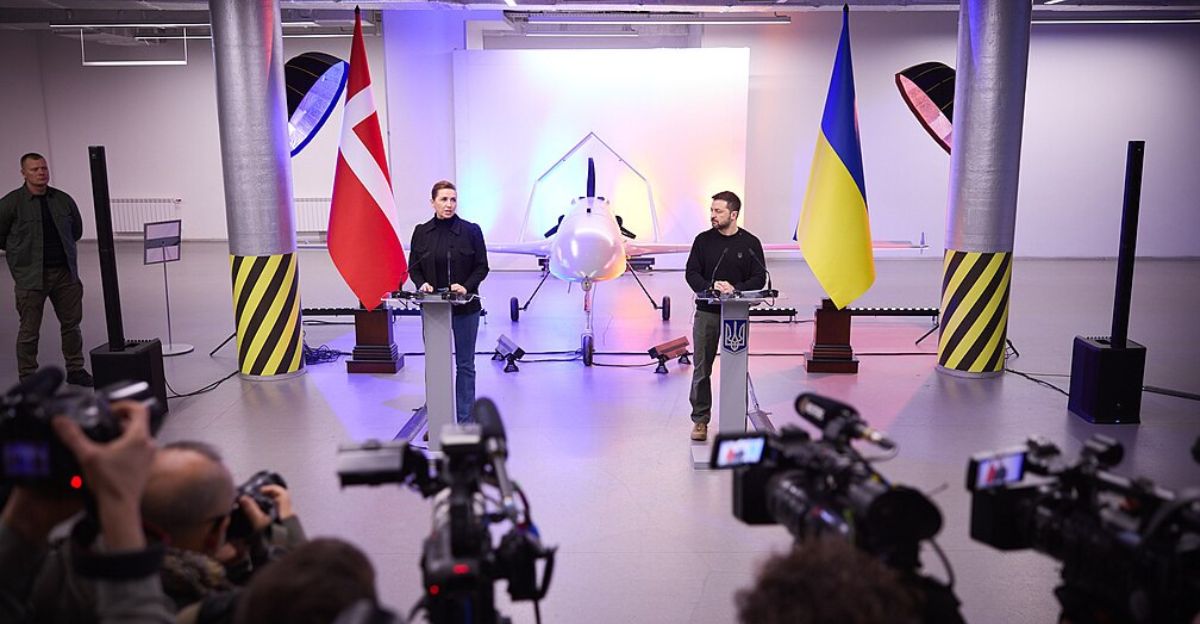
Ukraine delivered over 1.2 million drones to its armed forces in 2025, with more than 200,000 domestically-produced units reaching frontline units in December alone. The country’s vibrant tech sector had mobilized after the 2022 invasion, tripling the number of drone development companies from 30 to 90 in just a few years.
Innovation hubs became weapons factories. Startup engineers became military contractors. This remarkable transformation kept Ukraine’s technological edge sharp even as Russia threw industrial capacity and money at the problem.
The Month Russia’s Targets Became Impossible to Hide

In December 2025, Ukrainian forces hit more than 54,000 Russian targets with drones, with kamikaze drones accounting for 49 percent of all strikes. Commander-in-Chief Oleksandr Syrskyi reported that Ukrainian soldiers increasingly employed fiber-optic first-person view drones, which expanded capabilities to detect and destroy Russian equipment and personnel.
This massive strike volume demonstrated the unprecedented scale at which drone warfare now operated, with tens of thousands of targets engaged monthly across the battlefront.
The Unit That Became a Legend
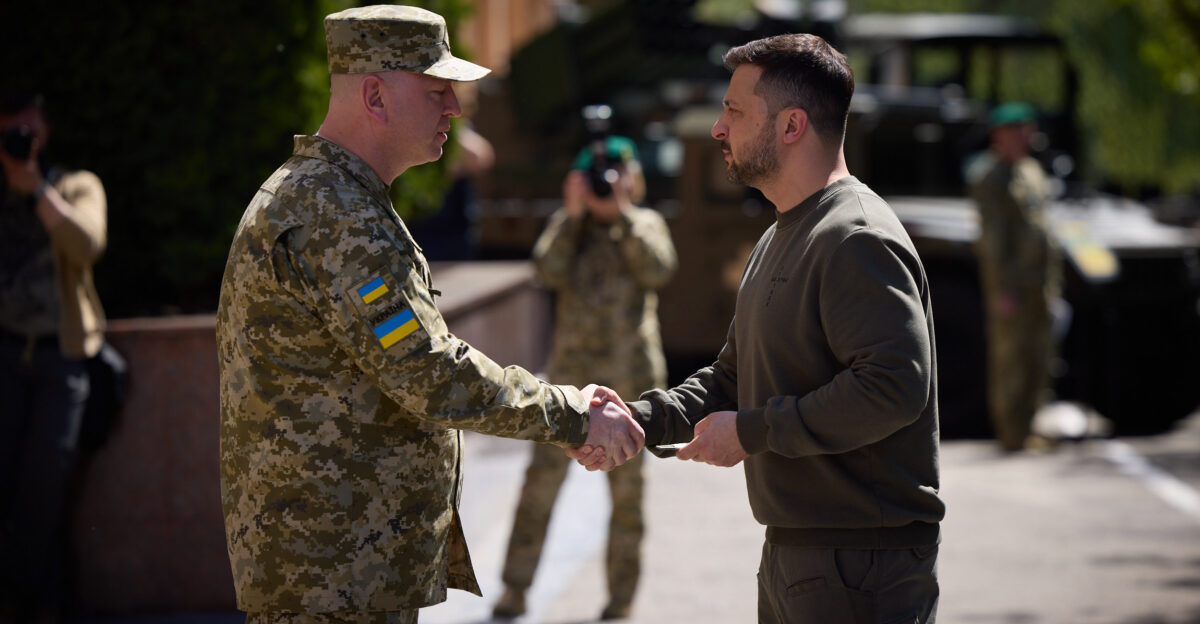
The Feniks unit represents Ukraine’s elite drone capabilities, and their accomplishments were extraordinary. Established in 2025, it became the sole border guard unit incorporated into the presidential “Drone Line” project—an initiative to scale the best drone units across Ukrainian forces.
Commanded by Lieutenant Colonel Dmytro Oleksiuk, awarded Hero of Ukraine for his unit’s accomplishments, Feniks claimed 1,742 Russian personnel strikes, killing at least 933, while destroying 169 armored vehicles, including 54 tanks.
The Deadly New Game
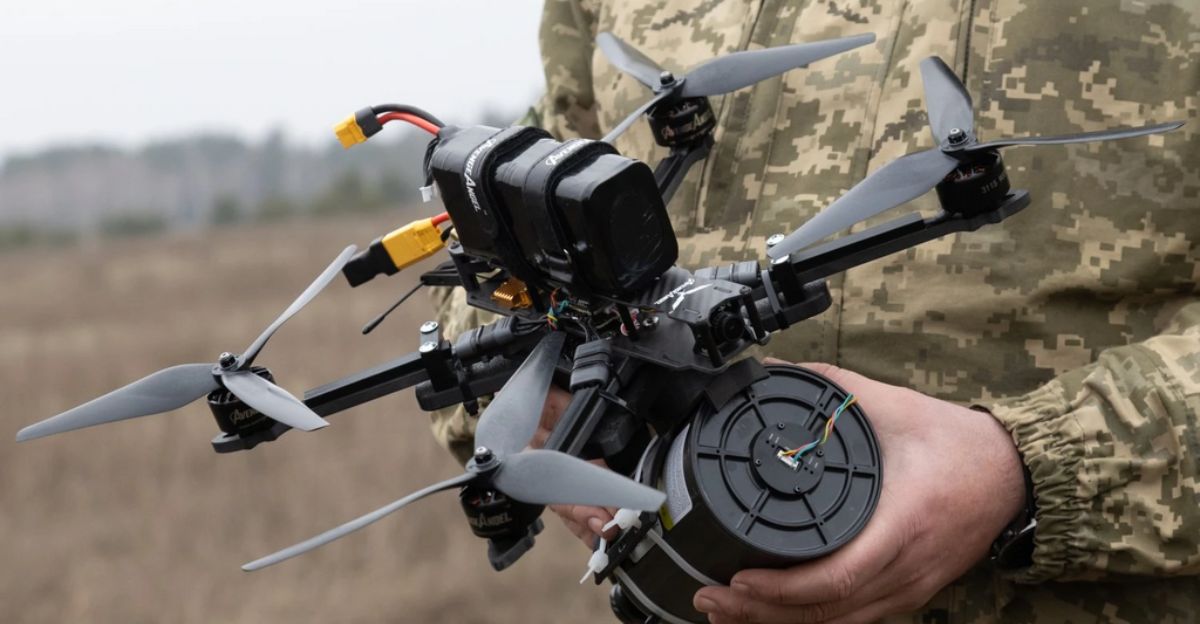
Russian fiber-optic drones had proven particularly effective at disrupting Ukrainian logistics by targeting supply vehicles far behind front lines, forcing Ukraine to rely on ground robotics for supply and casualty evacuation.
Both sides now prioritize attacking each other’s drone operators, creating a deadly chess match where the hunters themselves become hunted.
Russia Learns to Fight Back
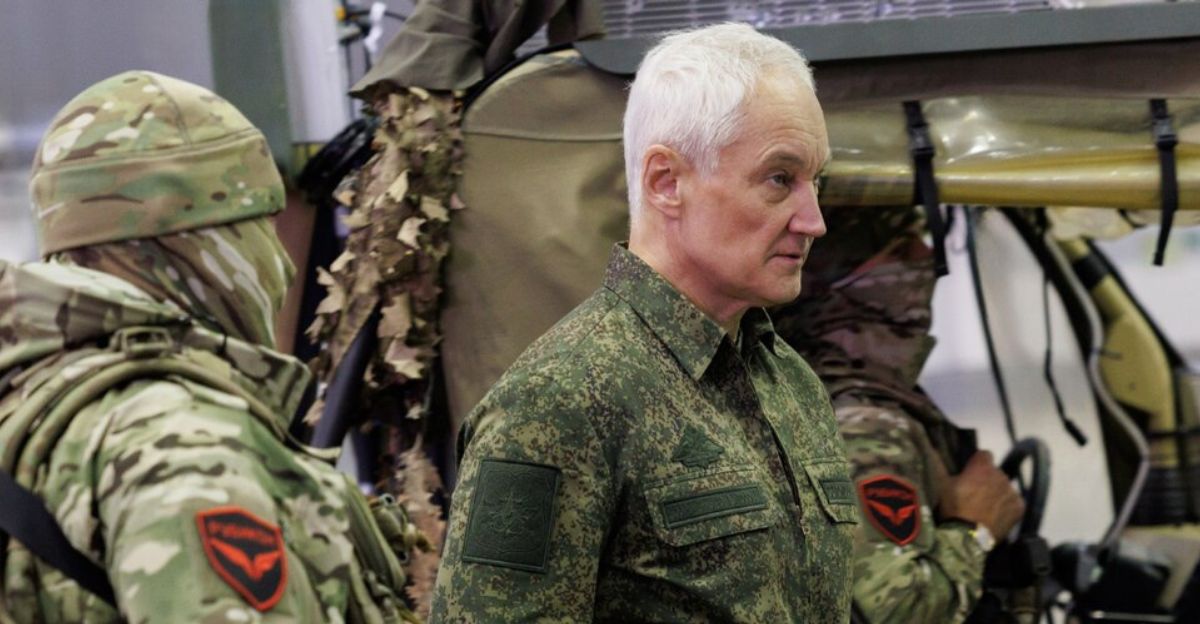
Russia had leveraged industrial capacity and financial resources to narrow Ukraine’s technological advantage. Russian forces deployed specialized units, such as Rubicon, whose highly trained teams targeted Ukrainian supply lines while training other army units to enhance their effectiveness.
Russia’s strategy focused on mass-producing limited drone models rather than pursuing Ukraine’s decentralized ecosystem of startups.
The Sky Will Never Be Empty Again
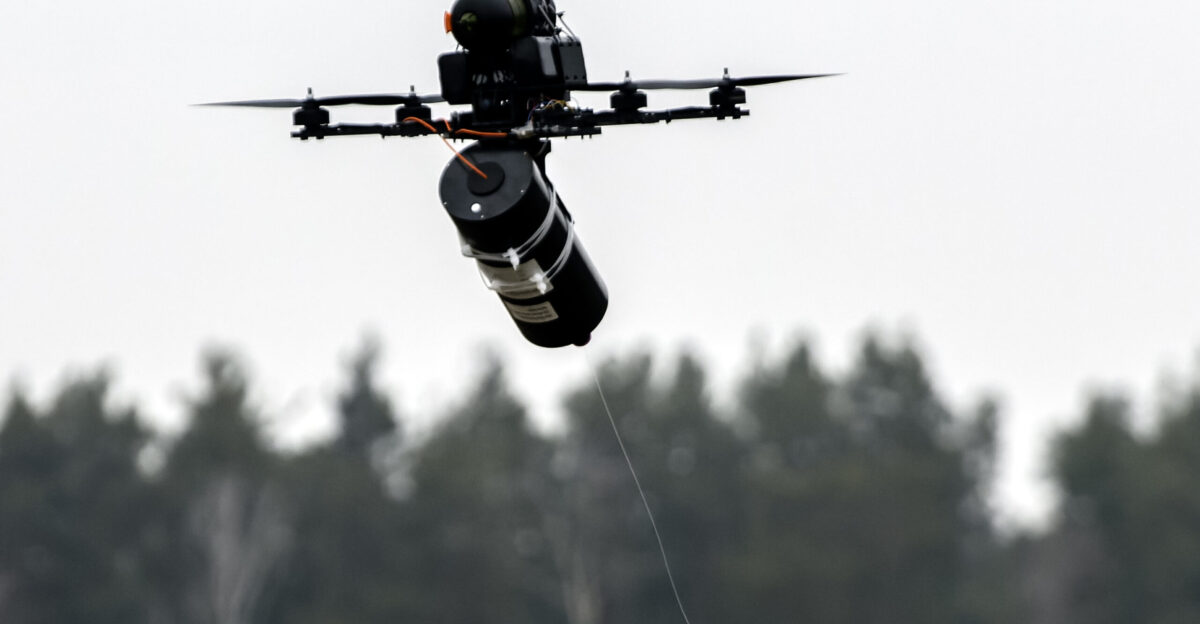
Drones had fundamentally altered the physics of ground combat, saturating front lines like permanent grapeshot—providing both shock and stopping power in ways artillery never could. They infiltrated rear areas, hunting fire support assets and logistics, posing a constant threat to any movement, gathering, or moment of vulnerability.
Under extreme attrition, drones had allowed both armies to maintain coherence and combat effectiveness even as traditional forces crumbled.
15,000 Ground Robots Coming
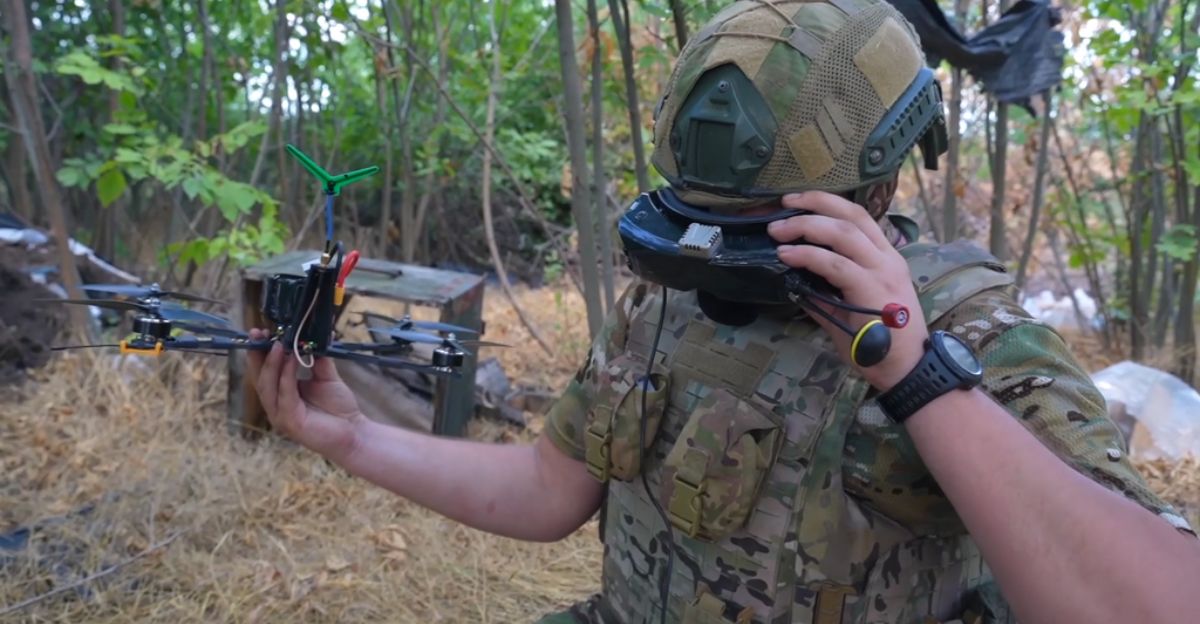
Ukraine was finalizing separate unmanned systems brigades designed to integrate infantry and drones into a single strike system, providing constant aerial support while creating kill zones 10 to 15 kilometers deep. More than 140 robotic systems were registered on Ukraine’s Brave1 platform, with 14 meeting NATO standards. Government reforms reduced codification procedures from months to just 10 days, accelerating deployment while maintaining quality.
This industrial-scale transformation of warfare showed no signs of slowing—it was becoming the template for all future conflicts. The question wasn’t whether other armies would follow. The question was how quickly they could catch up.
Sources:
Ukraine General Staff Operational Update, December 15-17, 2025
Feniks Drone Unit Telegram Statement, December 17, 2025
State Border Guard Service of Ukraine Official Report, December 2024
Royal United Services Institute (RUSI) Drone Warfare Analysis, 2024-2025
Critical Threats Project – Russian Offensive Campaign Assessment, December 2024
Atlantic Council Ukraine Alert – Drone War Dominance Study, December 2025