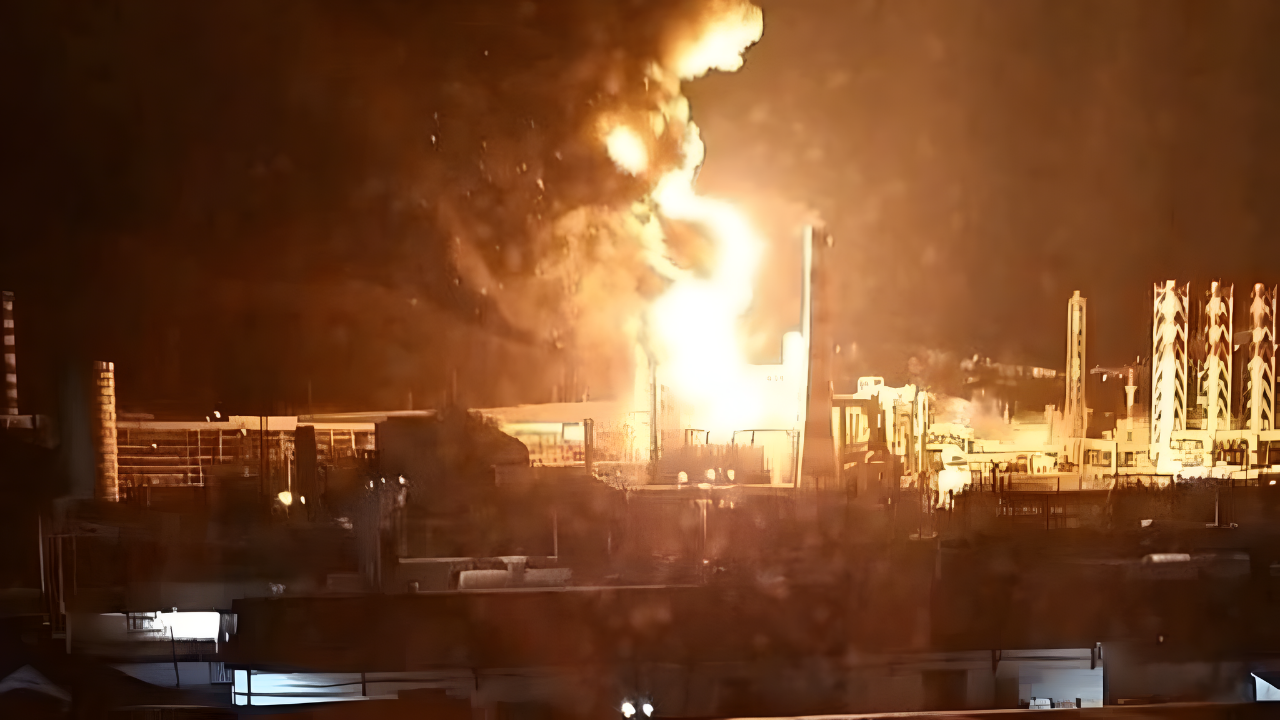
Between December 6 and 14, 2025, Ukrainian forces executed a concentrated drone offensive that penetrated hundreds of kilometers into Russian territory, striking vital fuel production infrastructure across four distinct regions. The coordinated campaign targeted major refineries in Ryazan, Yaroslavl, Saratov, and Krasnodar Krai—facilities that collectively process millions of tons of crude oil annually and serve as critical supply nodes for both Russian military operations and domestic energy consumption. The strikes, which ignited fires and forced production suspensions at multiple sites, represent one of the most sustained Ukrainian assaults on Russian energy infrastructure since the conflict began, demonstrating Kyiv’s expanding capability to reach strategic targets deep within enemy territory while challenging Moscow’s air defense networks.
Eight Days of Coordinated Strikes
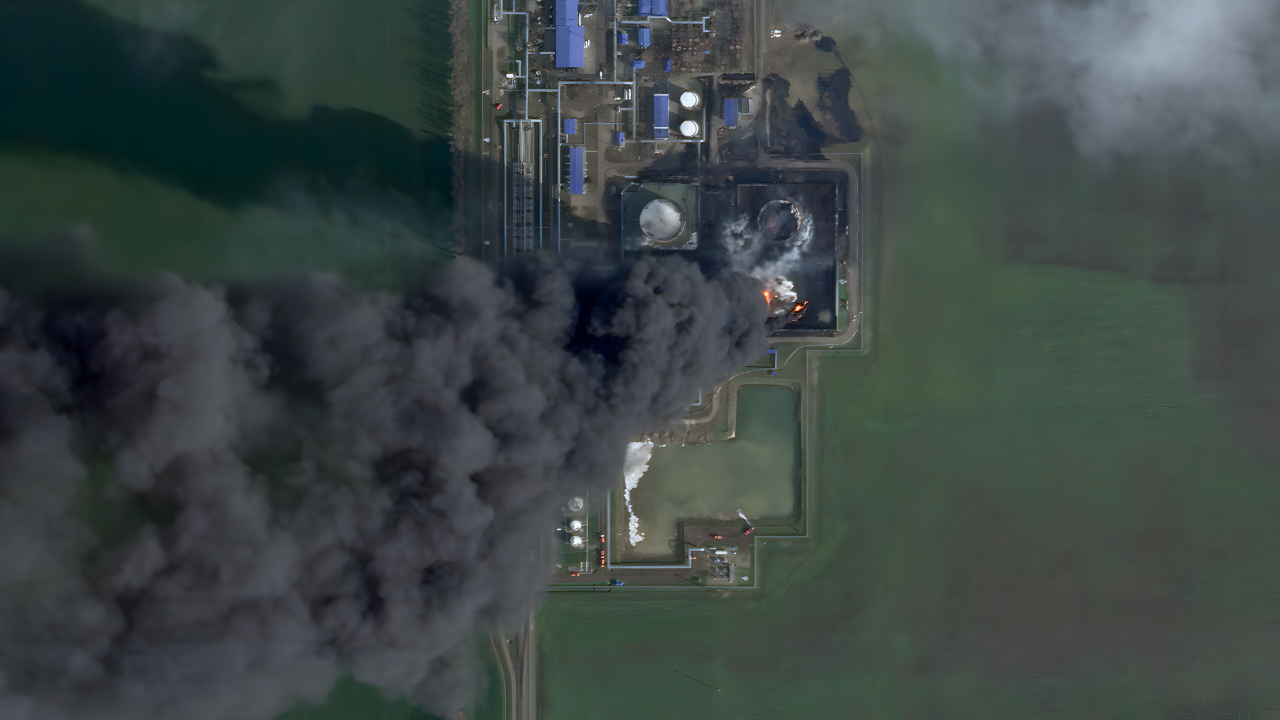
The offensive commenced on December 6 when Ukrainian drones struck the Ryazan Oil Refinery, damaging its low-temperature isomerization unit. With a design capacity of 17.1 million tons per year, Ryazan ranks among Russia’s largest refineries and produces aviation kerosene, gasoline, and diesel fuel utilized by Russian armed forces. The attack marked the ninth strike on the facility in 2025 alone, according to independent Russian monitoring channels.
Six days later, on December 12, Ukrainian forces targeted the Slavneft-YANOS refinery in Yaroslavl, located approximately 250 kilometers northeast of Moscow. Industry sources confirmed that drones damaged a key processing unit representing roughly one-third of the facility’s 15 million ton annual capacity, along with an oil loading rack. The refinery, jointly owned by state energy giants Rosneft and Gazprom, suspended fuel production following the strike. In 2024, the facility produced 2.6 million tons of gasoline, 4 million tons of diesel, and 4.7 million tons of fuel oil.
The campaign intensified on December 13 and 14, when Ukrainian drones hit both the Saratov refinery and the Afipsky refinery in Krasnodar Krai. The Afipsky facility, which processes 6.25 million tons of crude annually, experienced explosions and large-scale fires that damaged technical infrastructure. Local residents reported multiple explosions, and Ukrainian military sources confirmed the facility supplies fuel to Russian forces operating in southern regions. The Saratov strike resulted in damage to civilian infrastructure and casualties, though precise figures remain unconfirmed.
Military and Defense Infrastructure Targeted

Beyond energy facilities, Ukrainian forces struck Russian military infrastructure throughout the occupied territories and Crimea. Attacks damaged two command posts belonging to the 76th Air Assault Division in Donetsk Oblast, along with multiple electronic warfare stations. The strikes demonstrated a dual approach targeting both logistical support networks and tactical military assets.
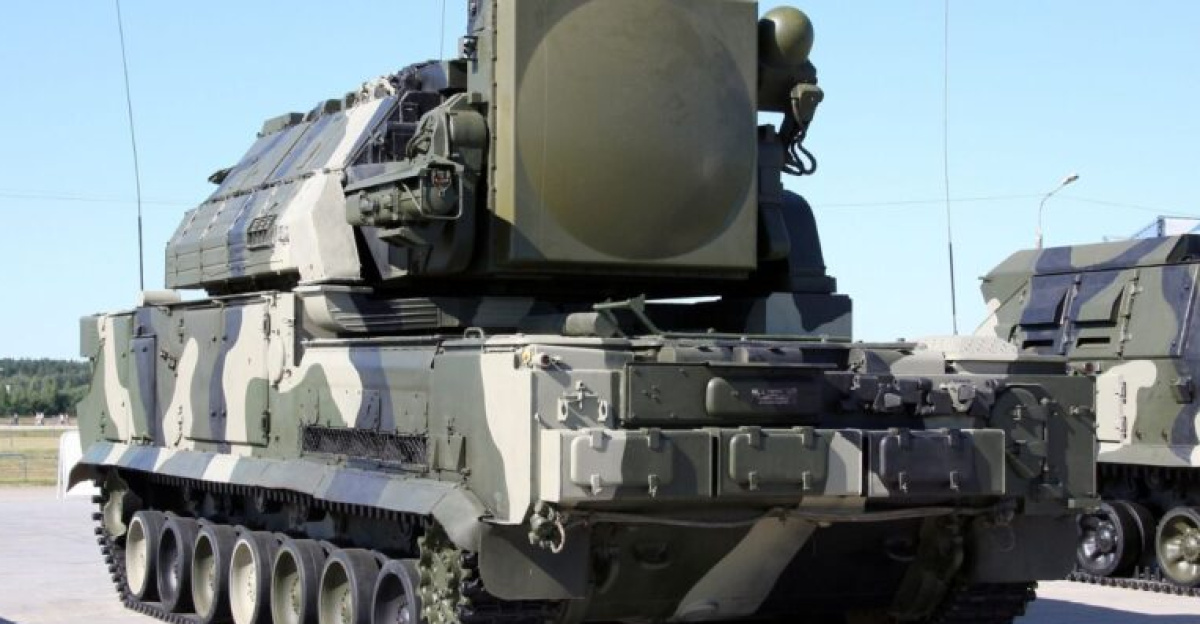
Ukrainian drones also engaged Russian air defense systems, hitting Tor-M2 surface-to-air missile batteries and 96L6E radar stations—critical components of Russia’s S-300 and S-400 air defense networks. In Crimea, forces struck two fuel storage facilities and radar installations, further degrading defensive capabilities around strategic sites. The systematic targeting of air defense systems suggests a coordinated effort to create gaps in Russian protective coverage, potentially facilitating future operations.
Supply Disruptions and Russian Response
The refinery strikes created immediate supply chain pressures. Multiple facilities either halted operations entirely or experienced significant production reductions following the attacks. The Syzran refinery, struck on December 5 with damage to a processing unit accounting for 70 percent of capacity, remained offline through late December, according to industry reports. The Slavneft-YANOS suspension removed substantial diesel and gasoline production from Russian supply networks.
Russia responded by attempting to mobilize spare refining capacity and import alternatives to offset production losses. Moscow reallocated air defense resources to protect critical energy infrastructure, while regional governors declared emergencies and initiated fuel rerouting measures. Despite these efforts, the concentration of strikes within an eight-day window created coordination challenges for Russian logistics operations. Military analysts noted that while Russia possesses reserve capacity, the simultaneous nature of multiple facility disruptions strained distribution networks and forced reliance on backup storage depots.
Evolving Warfare and Strategic Implications
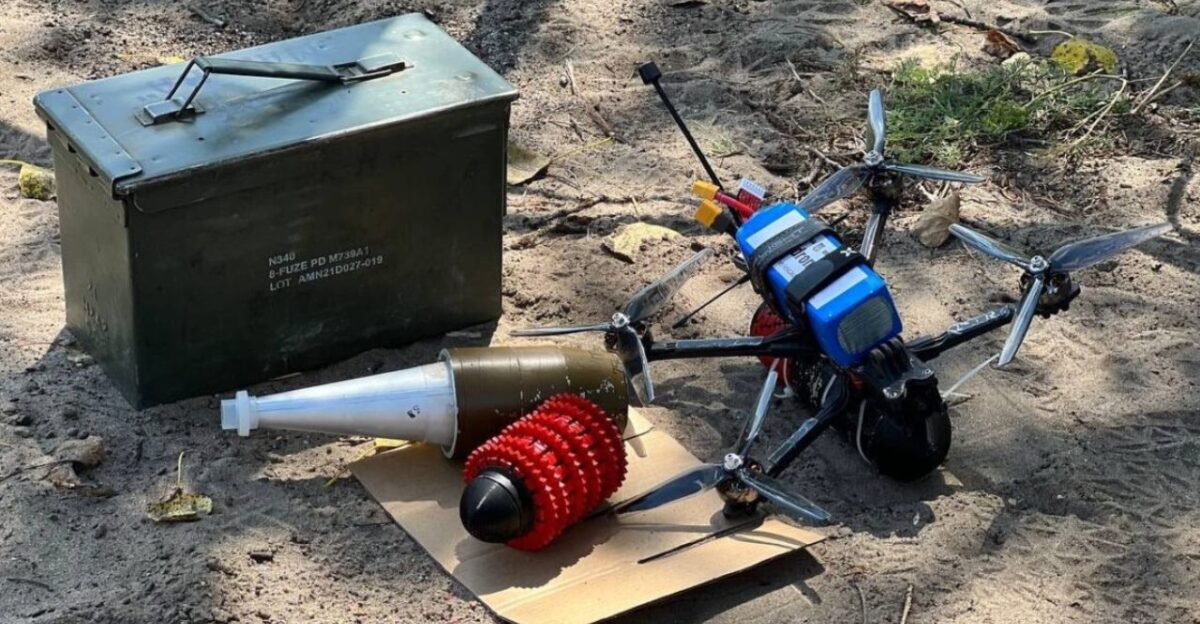
The campaign illustrates the expanding role of long-range unmanned systems in contemporary conflict. Ukrainian drones successfully reached targets exceeding 700 kilometers from the border, striking heavily defended facilities and demonstrating precision strike capabilities against strategic infrastructure. This operational reach transforms the tactical landscape, enabling forces to target logistics and energy networks that previously remained beyond conventional attack ranges.
The strikes impose both immediate and longer-term costs on Russian operations. While Moscow has demonstrated capacity to partially offset individual refinery losses through alternative production and imports, the cumulative effect of sustained attacks creates persistent logistical pressures. Energy infrastructure repairs require extended timelines, during which military fuel supplies face constraints. As Ukraine continues to develop and deploy long-range drone capabilities, the strategic calculus around infrastructure protection and resource allocation continues to evolve, potentially influencing operational planning and defensive prioritization for both sides in the months ahead.
Sources
“Ukraine says it hit Yaroslavl oil refinery, sources say output suspended.” Reuters, 12 Dec 2025.
“Ukraine Hits Afipsky 6.25M-Ton Refinery, Volgograd Depot Overnight, Says General Staff.” United24Media, 13 Dec 2025.
“Russia Uses Spare Refinery Capacity To Offset Ukrainian Drone Strikes.” ARISE TV, 13 Nov 2025.
“Russian Offensive Campaign Assessment, December 14.” Institute for the Study of War, 13 Dec 2025.