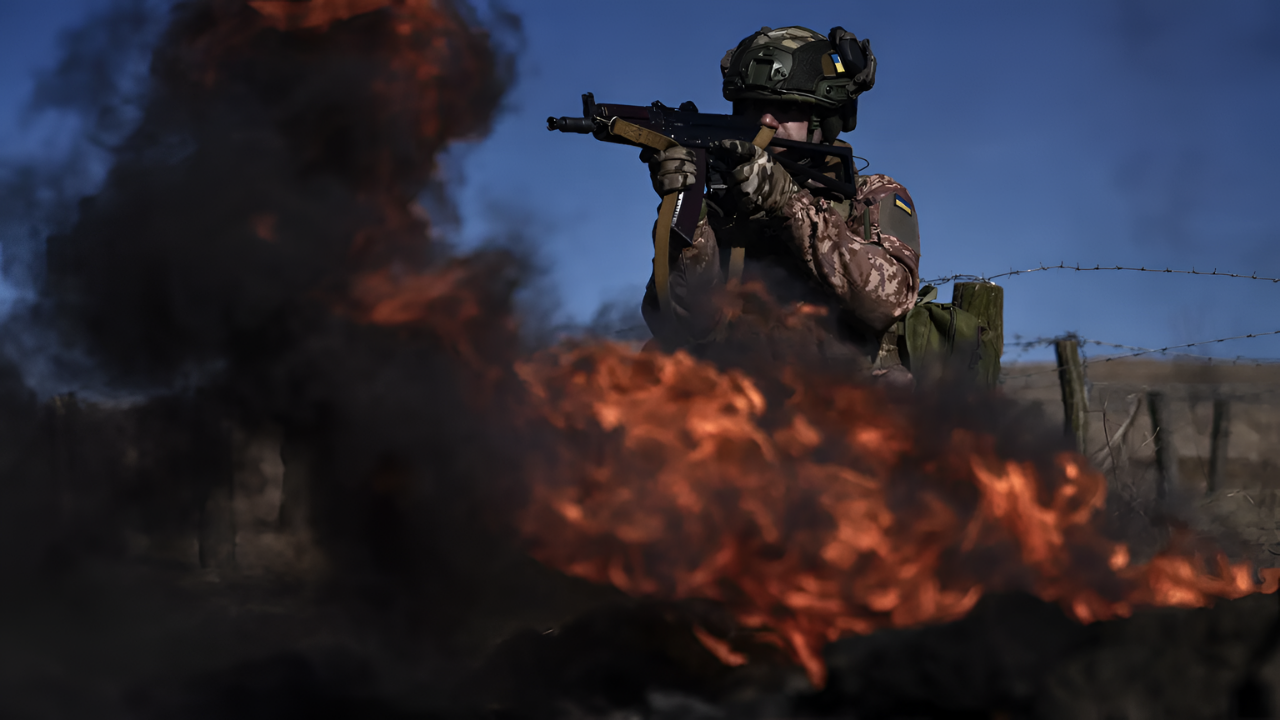
Ukraine’s December 18 assault near Lyman delivered a shock: officials said an entire Russian regiment of about 2,000 troops was destroyed or captured in the Serebianskyi Forest. Infantry, special forces, and drones worked in sync, showing how sophisticated Ukrainian operations have become after nearly 3 years of war. The bigger story is what that success means in a conflict still devouring lives daily, so the details matter.
A Regiment Hit Near Lyman
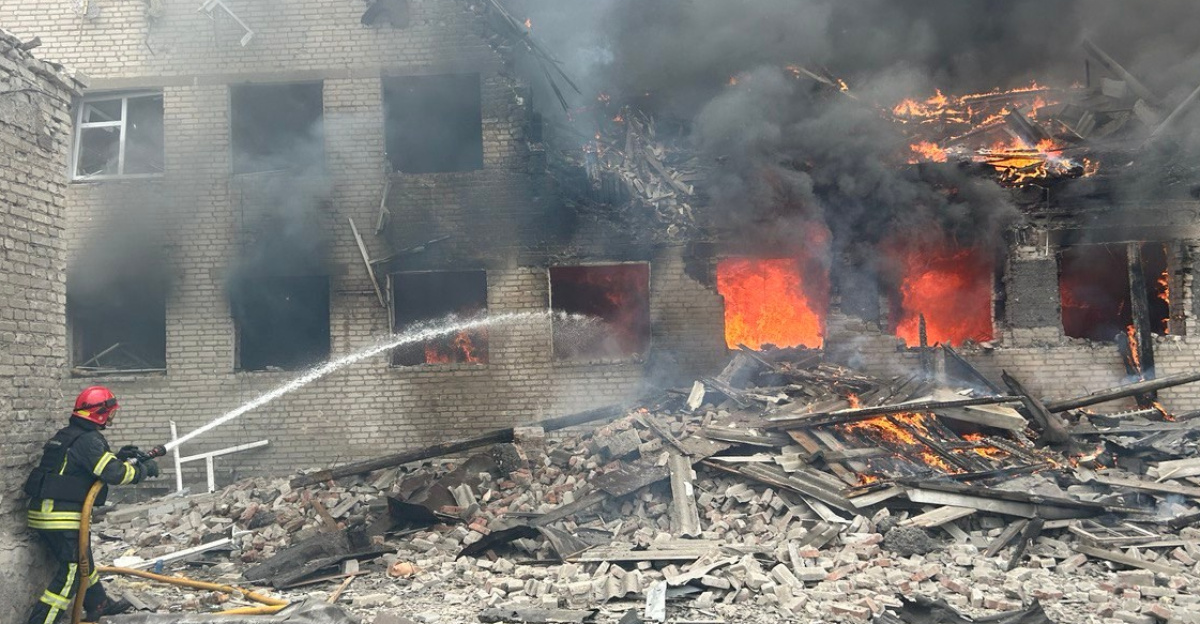
Ukrainian units struck Russian positions in the Lyman direction in Donetsk Oblast, reporting improved tactical ground and a more stable front line. Ukraine’s Third Army Corps said the target was a full Russian regiment, with additional soldiers captured alive. The raid disrupted Russian momentum and proved Ukraine can still coordinate multiple units under pressure. However, the composition of that force hinted at deeper strains.
A Carefully Built Strike Force
The assault used the 3rd Reconnaissance Battalion, the 2nd Mechanized Battalion of the 3rd Assault Brigade, FATUM Unmanned Systems units, and HUR’s Artan special forces. It was not a spontaneous push, but a planned blend of regular troops and elite capability tied together by drone support. Ukraine’s coordination has evolved sharply since February 2022. But why were elite units needed just to hold forest terrain?
Drones Made The Forest Fight Possible
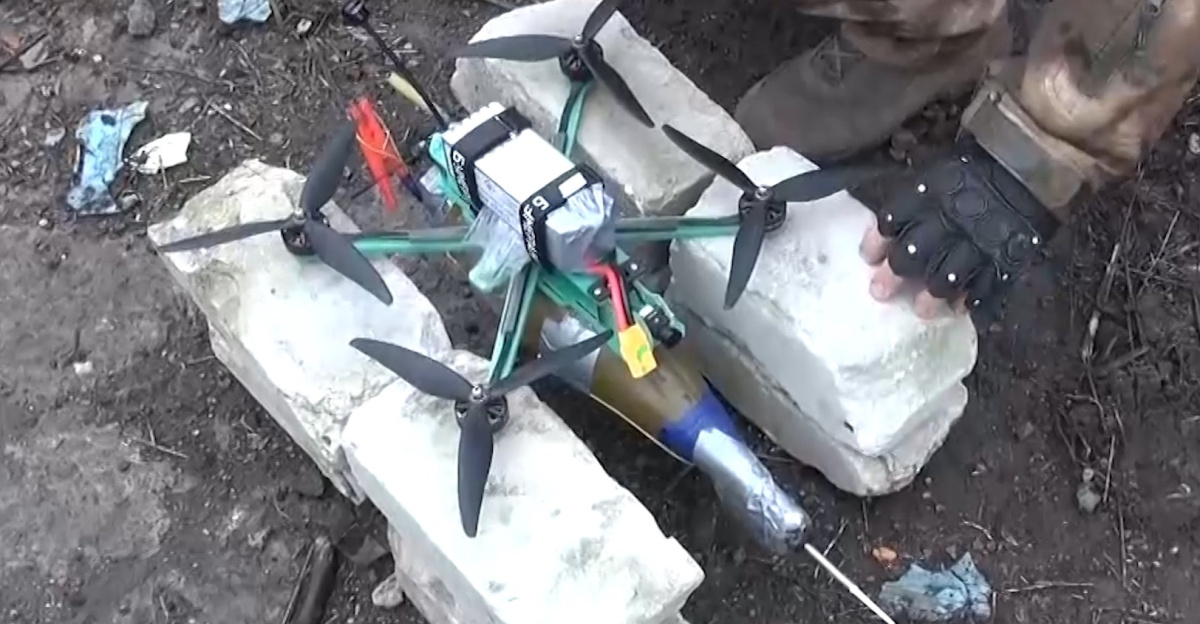
FPV drones handled scouting and precision strikes inside the dense Serebianskyi Forest, where artillery can be less effective. Parent drones carried multiple attack drones, while signal repeaters extended control range. One unit described fiber-optic drones “combing the area” to find camouflaged Russian gear. These tools have become central to Ukrainian tactics. Still, technology does not erase Russia’s raw manpower edge.
Biletskyi Framed It As Bigger
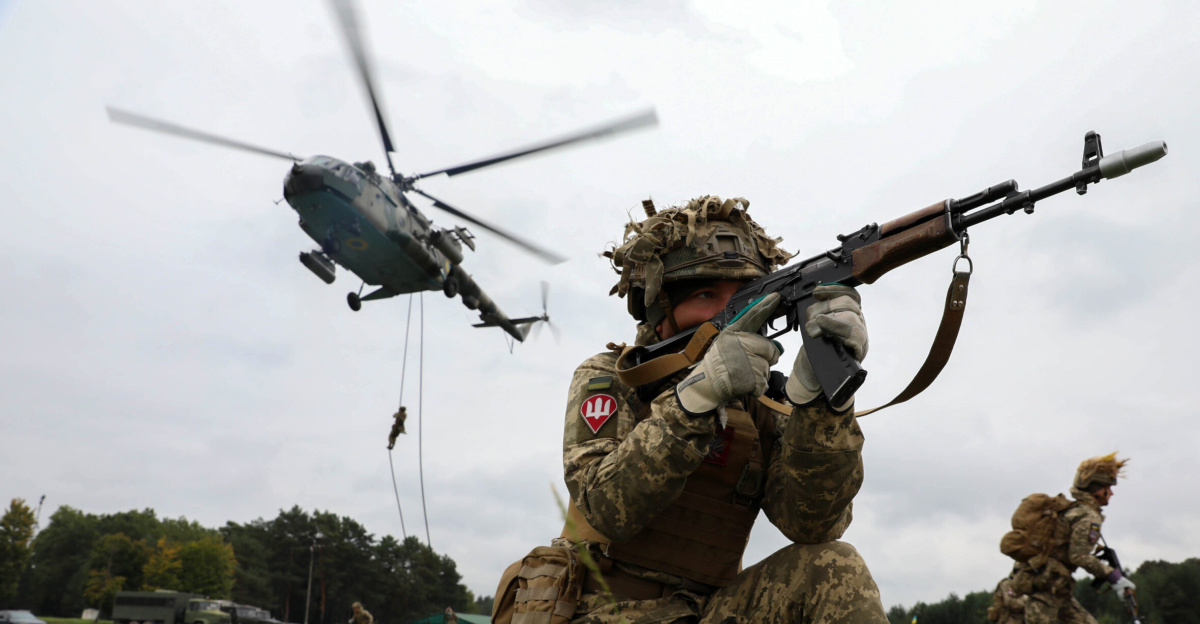
“Together with HUR, we achieved an operational-tactical result on the Lyman axis. This continues a tradition dating back to liberation of Moshchun and helicopter breakthrough to Mariupol—standing shoulder to shoulder in brotherhood,” Third Army Corps Commander General Andriy Biletskyi stated on December 18, 2025. His reference to “preconditions for further decisions” implied more planning is underway. What kind of commander talks in those terms?
The Commander Behind Third Army Corps
General Andriy Biletskyi moved from founding the Azov Battalion in 2014 to overseeing about 150 kilometers of front line in 2025. Promoted to brigadier general in early 2025, he built the Killhouse assault-training academy and pushed robotic systems development. His mix of military leadership and political profile gives him unusual reach. Yet even prominent commanders face a basic problem: too few troops for too much front.
Artan’s Leader Pointed To The Fighters
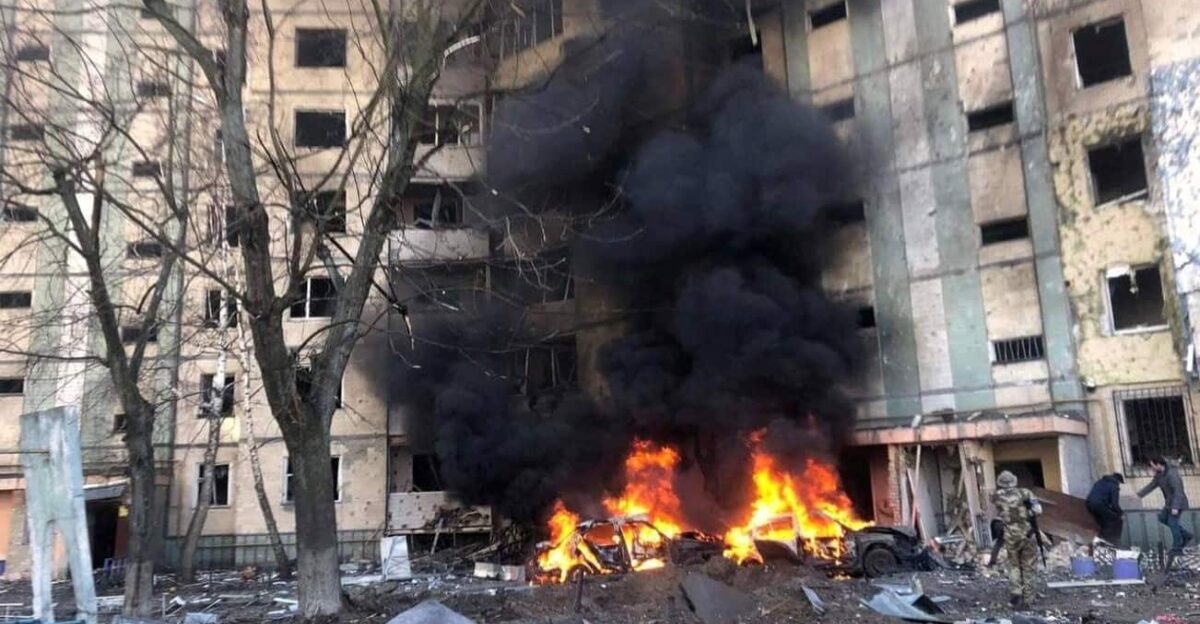
Viktor Torkotiuk commands Artan, the HUR unit involved in the Lyman assault. Created in 2022, Artan has fought in the Battle of Kyiv, Bakhmut, and Kupiansk, and took part in capturing the “Boyko Towers.” “This is primarily the merit of fighters and combat commanders who find solutions to any task,” Torkotiuk said on December 18, 2025. Can bravery and ingenuity keep pace with Russia’s replacement system?
How 2,000 Losses Barely Register
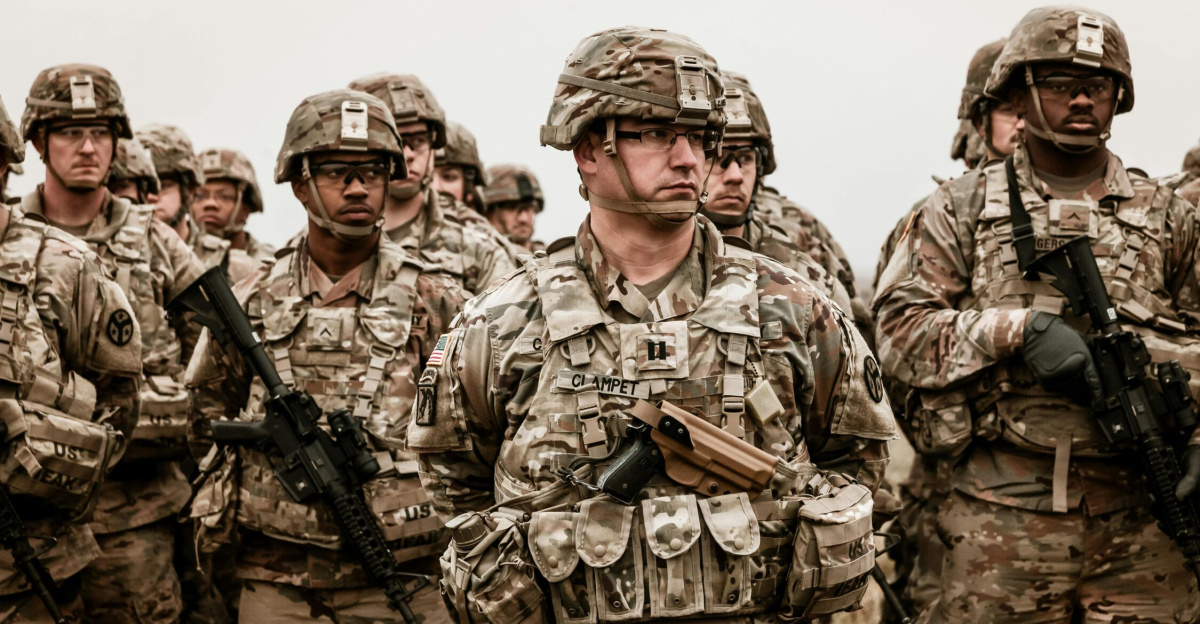
A destroyed regiment sounds decisive until Russia’s recruiting numbers enter the picture. Ukraine’s intelligence said Moscow hit its 403,000-soldier 2025 mobilization goal early, aiming to reach 103% by year end, and targeting 409,000 more in 2026. At roughly 1,090 casualties per day, 2,000 troops equals about 2 days of attrition. The grim arithmetic raises a different question: what fuels that pipeline?
Budanov Said Money Drives Enlistment

“Money for all wars has been one of the main levers for recruiting people. This is how they lure people into the army,” stated Kyrylo Budanov on December 27, 2025. He said most recruits are contract soldiers taking sign-on bonuses up to 2 million rubles, roughly $25,000. Russia spent about $4 billion on bonuses in the first half of 2025. That spending pace points to strain, even if propaganda insists otherwise.
Foreign Fighters Changed The Picture
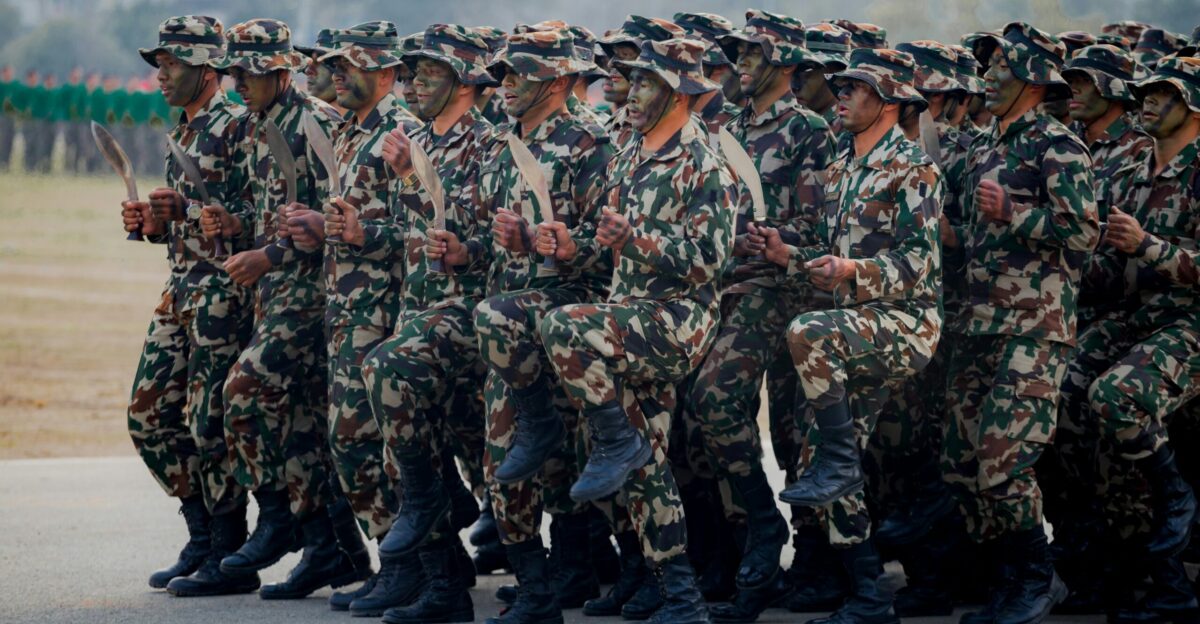
Russia has deployed more than 10,000 North Korean troops, with intelligence indicating more rotations or arrivals may follow. In December alone, more than 150 foreign nationals from 25 countries were identified as recruited, and by October more than 18,000 foreign nationals from 128 countries had been mobilized. Russia compensates North Korea with money, food, energy, and technology transfers. If manpower is stable, why widen the net so aggressively?
Convicts And The Medically Unfit

Russia has increasingly enlisted convicts and recruited people with chronic medical conditions, including HIV and hepatitis. Ukraine’s reporting put Russia’s total casualties above 1.2 million as of December 27, 2025, a level that helps explain why standards slipped. Lower-quality recruits often mean weaker training and higher losses, but Moscow accepts that cost to sustain operations. The approach also raises legal and moral questions that could outlast the war itself.
Why Lyman Sits At The Center
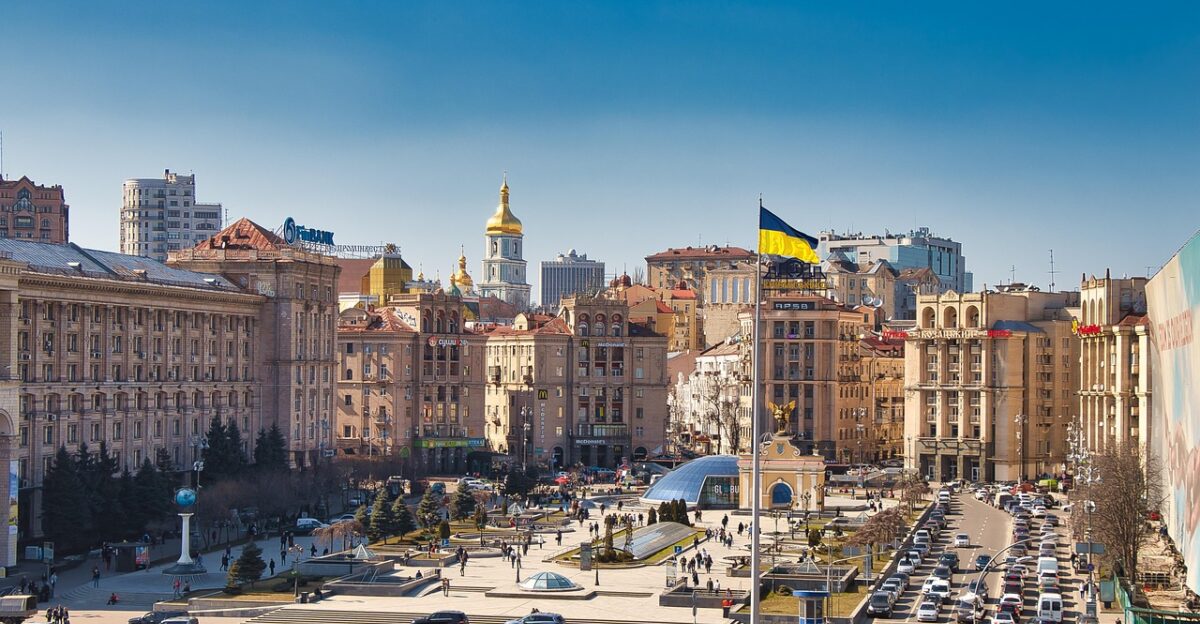
Lyman had a pre-war population of 20,000 and sits on key crossings and logistics routes leading toward Sloviansk, one of Ukraine’s core defensive hubs in Donetsk Oblast. Siversk is only about 30 kilometers from Sloviansk, with hills, villages, and a canal between them. East of Lyman, the Serebianskyi Forest stays contested through daily small-unit combat. If Lyman shifts, the map around Ukraine’s defenses shifts with it.
The Fortress Belt Ukraine Cannot Lose

Ukraine’s fortress belt includes Sloviansk, Kramatorsk, Druzhkivka, and Kostyantynivka, with total pre-war population above 380,000. Ukraine spent 11 years since 2014 fortifying them with shelters, trenches, and prepared positions. About 200,000 civilians still remain. Russia cannot break these defenses quickly without years of assaults and enormous losses. The cities are not just military anchors, but national symbols, making any threat to them politically explosive.
Russia Sees The Forest As A Key

Control of the Serebianskyi Forest would pressure Sloviansk, Kramatorsk, and the broader fortress belt. Russian planners treat Lyman as a lever for potential encirclement from the southwest, though analysts say that could take years at the current pace. Dense tree cover helps conceal forces but limits large mechanized pushes, turning each gain into a bloody grind. If the terrain is so punishing, what keeps Russia returning to it?
The Scale Of Russia’s Reported Losses
Russia has suffered about 250,000 killed and more than 950,000 total casualties as of summer 2025, including wounded, captured, and missing. That is about 5 times Russia’s fatalities in all wars between 1945 and February 2022. British intelligence estimated permanent combat losses of 400,000 to 500,000 by June 2025. The Economist suggested 900,000 to 1.3 million cumulative losses. How does Ukraine’s toll compare under this pressure?
Ukraine’s Losses And A Hard Reality
Ukraine has suffered between 60,000 and 100,000 killed, with total casualties around 400,000. The Russian-to-Ukrainian casualty ratio is often cited between 2:1 and 5:1 depending on the period and measure. Even so, Ukraine’s smaller population makes replacement far harder, and each loss hits more deeply. Both societies face lasting demographic damage from these numbers. The war’s trajectory now matters as much as any single battle outcome.
A Major Think Tank’s Assessment
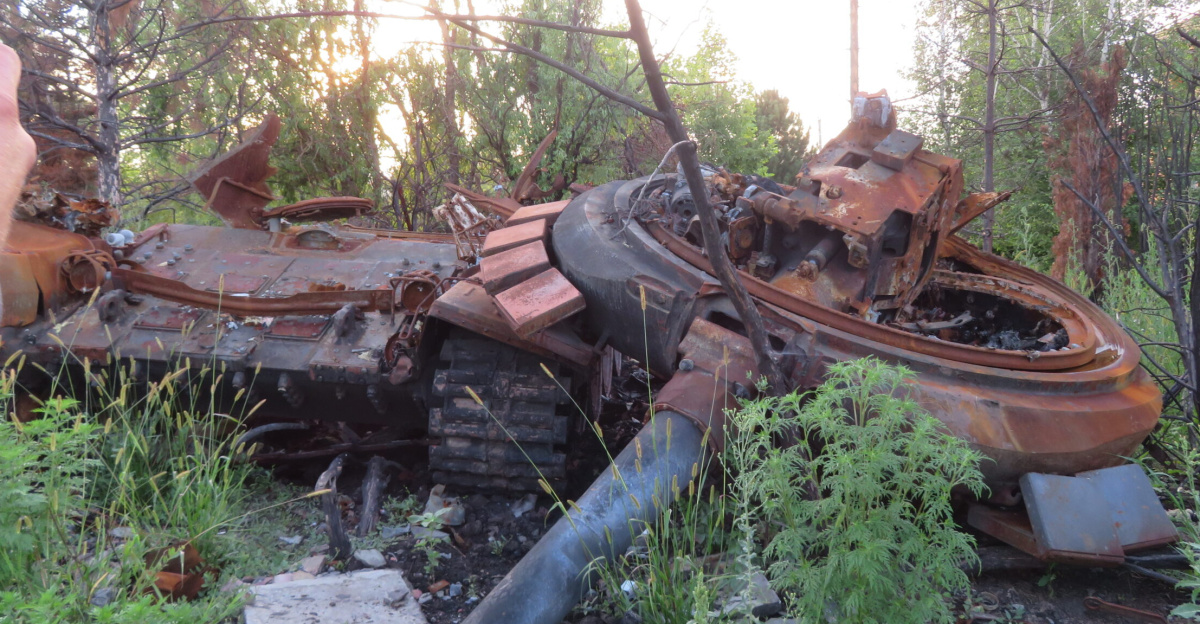
“Russia has failed to significantly advance on the battlefield, seized limited territory, lost substantial quantities of equipment relative to Ukraine, and suffered high rates of fatalities and casualties,” stated the Center for Strategic and International Studies in December 2025. It argued Russia paid a massive blood price for gaining less than 1% of Ukrainian territory since January 2024. Yet neither side accepts the other’s terms, locking in a grinding future. So what did Moscow demand when talks surfaced?
The Terms Ukraine Would Not Accept
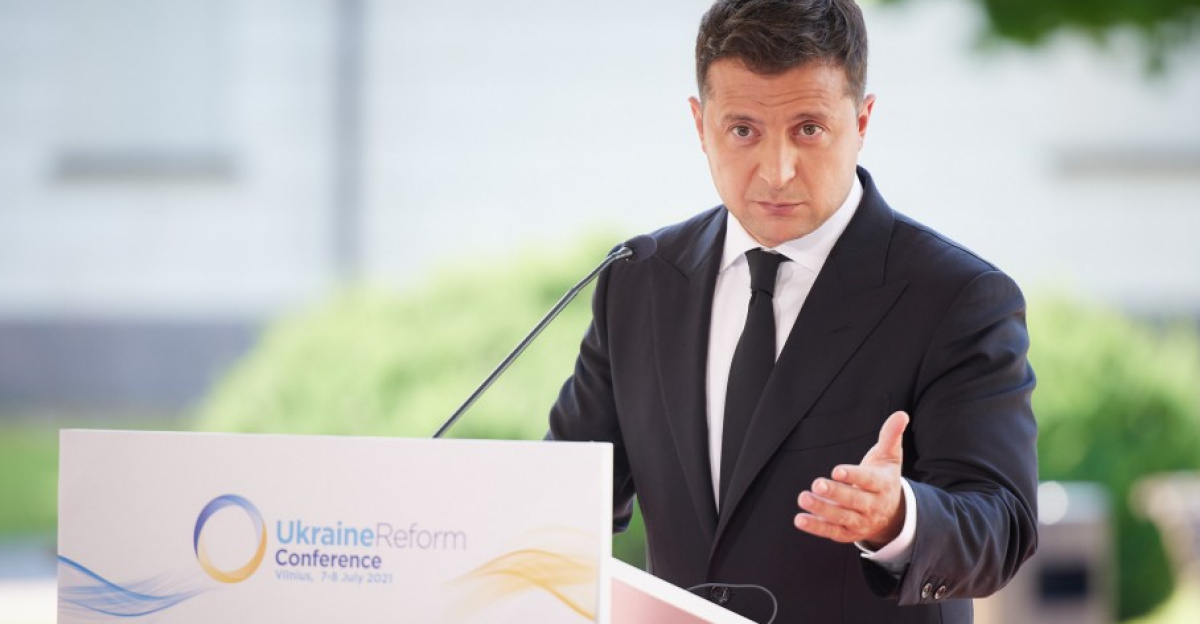
In August 2025, Kremlin officials demanded Ukraine cede all remaining Donbas territory, including the fortress belt, as a ceasefire condition. Ukraine rejected it, since it would mean abandoning positions fortified since 2014. The Institute for the Study of War warned such concessions would “place Russian forces on advantageous launching points for future offensives into Kharkiv or Dnipropetrovsk oblasts.” The refusal ensures continued fighting, but it also reveals Russia still frames victory in territory seized.
December Fighting, January Stakes

Analysts warned in late December that battles for Sloviansk, Kramatorsk, and Druzhkivka could intensify in January 2026, with active phases possibly beginning mid-January. Russia has reportedly concentrated resources for that escalation. Ukraine’s December 18 strike near Lyman appears designed to weaken Russian capability before those pushes begin. Ukrainian forces were also reportedly concentrated around fortress belt cities. Will Lyman prove a true disruption or only a delay?
A Victory With Limits And A Warning
The Lyman assault showed Ukraine can still plan and execute coordinated strikes, even deep in contested terrain. Yet the same operation highlights strategic limits: 1 regiment destroyed can equal about 2 days of Russian replenishment at current loss rates. Ukraine cannot destroy formations faster than Russia recruits them, and Russia cannot crack fortress belt defenses without years of brutal assaults. Civilians around Lyman and Sloviansk remain trapped under threat, as the war grinds on without a clear off-ramp.
Sources
Ukrainian forces counterattack near Lyman, claim Russian regiment destroyed. Kyiv Independent, 18 December 2025
Ukraine’s forces wipe out Russian army regiment, capture troops on Lyman front. RBC News Ukraine, 18 December 2025
Defence Intelligence of Ukraine and 3rd Army Corps report on joint assault operations. Ukrainska Pravda, 18 December 2025
HUR releases footage of assault operation by special unit ‘Artan’. Ukrinform, 18 December 2025
Russia aims to recruit over 400,000 soldiers in 2026, Ukraine’s military intelligence chief says. Kyiv Independent, 27 December 2025
Russia’s Battlefield Woes in Ukraine. Center for Strategic and International Studies, summer 2025