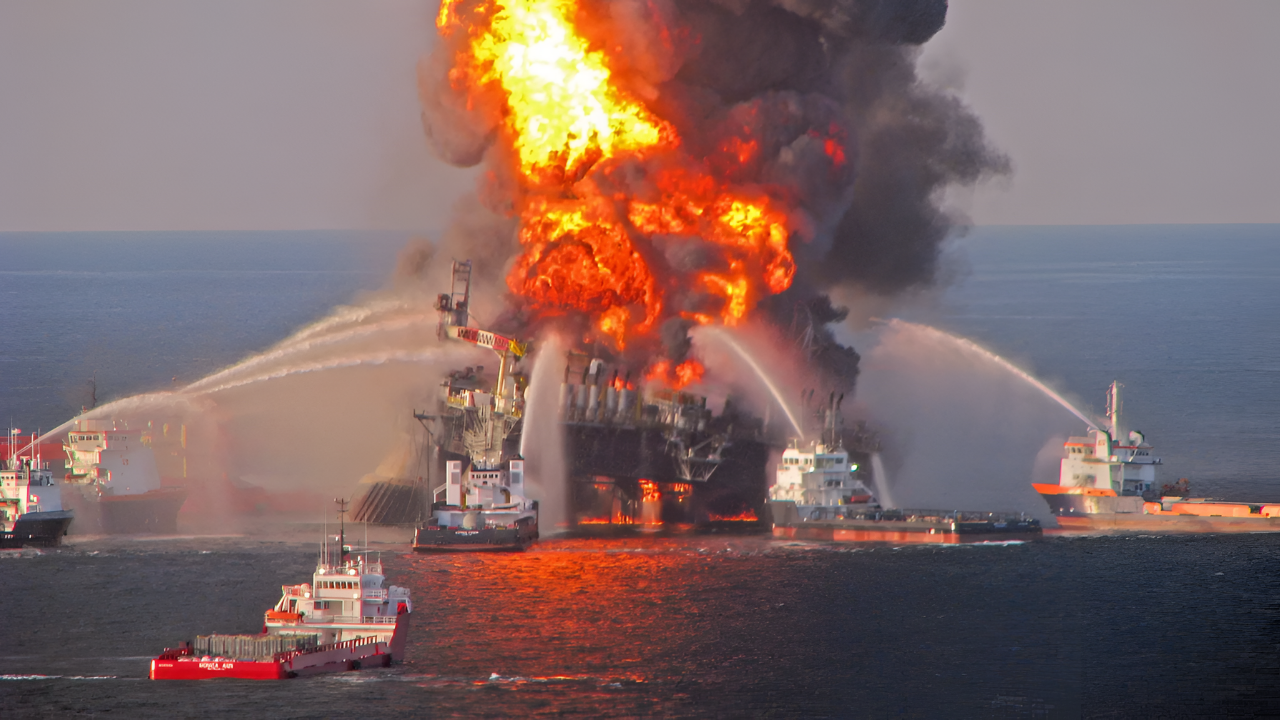
In early December, Ukraine executed a historic strike on one of Russia’s premier offshore oil platforms in the Caspian Sea. This seemingly untouchable asset had long fortified Russia’s energy security and military financing. Ukraine’s elite Security Service (SBU) unit defied expectations with a bold overnight operation, proving its capability to strike deep into Russian-held territory.
The implications are vast, dismantling the notion that any Russian energy asset is invulnerable. As a Russian official stated, “We believed these platforms were secure; this attack changes everything.” It marks a significant escalation in Ukraine’s ongoing energy war, challenging longstanding assumptions about regional stability.
A New Frontier Opens

With this unprecedented attack, Ukraine is redefining its tactical landscape. Long-range drone strikes had become commonplace against targets from the Black Sea to the Urals, but the Caspian offshore zone was deemed impenetrable. The successful operation against the Filanovsky platform marks a pivotal moment in the conflict, expanding Ukraine’s operational reach into previously secure territories.
Russian energy officials face a new reality where vulnerability now extends well beyond frontline engagements. A senior analyst noted, “This shift suggests a transformed battlefield, where no asset can be considered safe.” As Ukraine recalibrates its strategies, the stakes for both nations have intensified dramatically.
The Caspian’s Strategic Importance
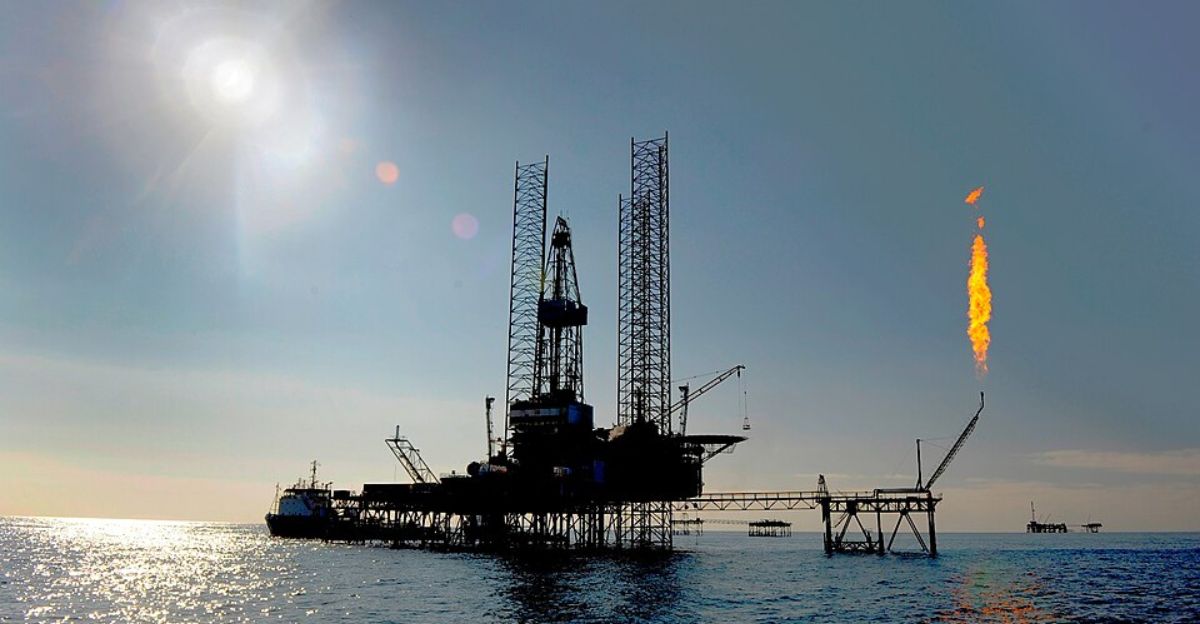
The Caspian Sea has long been a cornerstone of Russia’s energy production, with fields operated by Lukoil supplying a significant portion of the country’s oil and gas. This sector accounts for approximately 10% of Russia’s total output and is crucial for financing military operations.
The platforms within this region had been regarded as “sanctuaries,” insulated from direct conflict due to their distance from frontline skirmishes. However, Ukraine’s recent actions dismantle years of Russian military planning, revealing a crucial vulnerability. An expert remarked, “For years, these platforms were viewed as invulnerable; this attack shatters that illusion.” The strategic implications are profound for both energy production and military logistics.
Ukraine’s Escalating Strike Capability
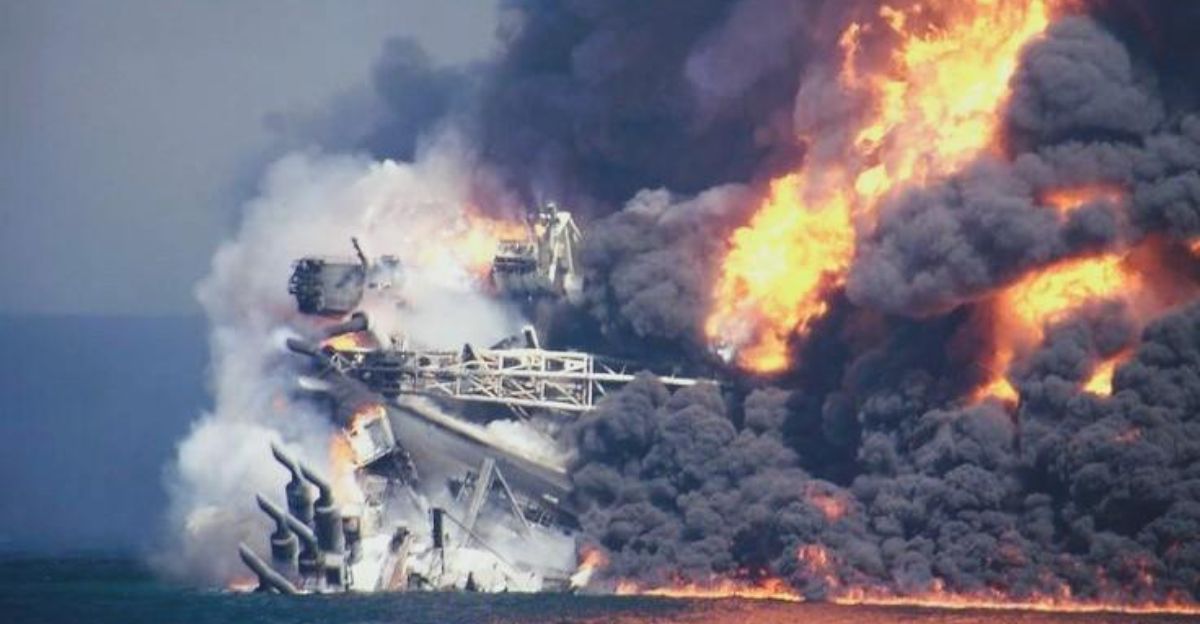
Over the past year and a half, Ukraine’s ability to conduct deep strikes has surged, illustrated by the successful attack on the Orsk refinery, situated 1,400 kilometers from the front lines. Attacks on the Primorsk oil terminal further showcased Ukraine’s evolving drone capabilities, rendering energy infrastructure across western and southern Russia vulnerable.
The Caspian strike signifies a leap in ability, as targeting such a distant asset necessitated advanced tactics and intricate logistics. According to defense analysts, “This operation could be a game-changer, marking a new stage in Ukraine’s military innovation.” The implications for Russia are dire, as its defenses are now under scrutiny.
The Filanovsky Strike: December 11, 2025
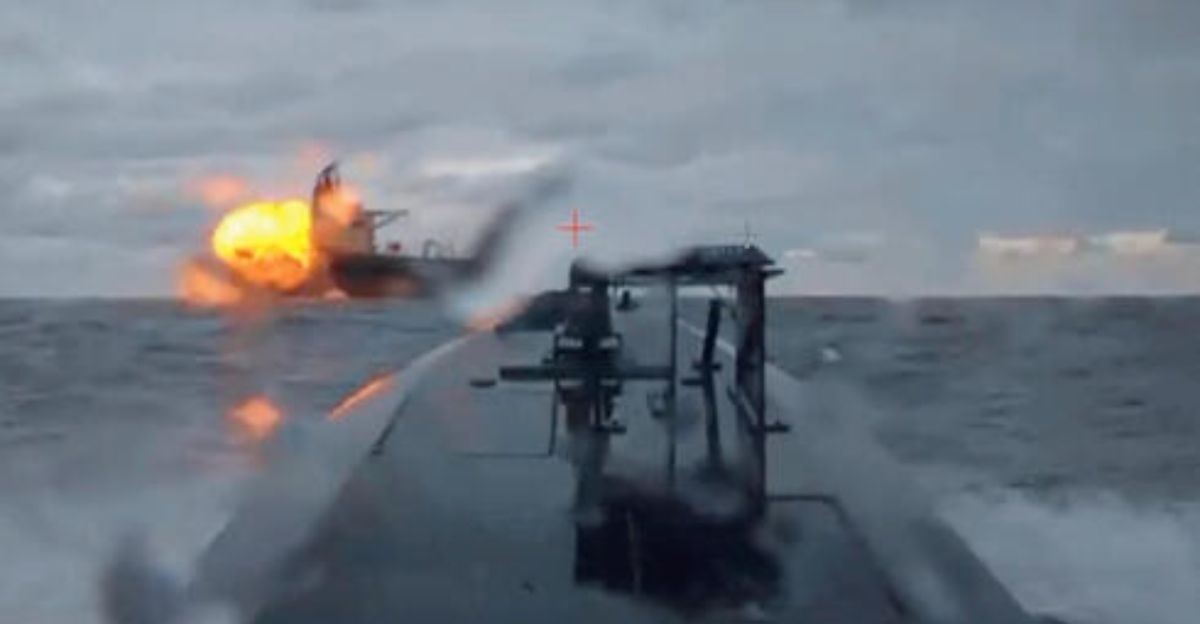
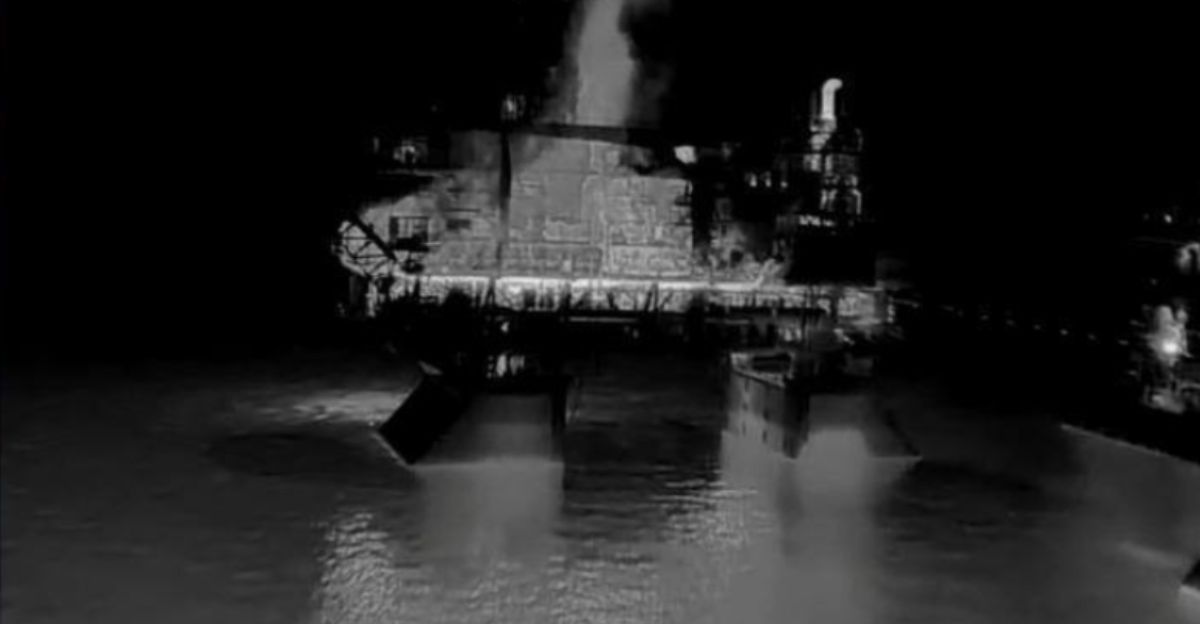
On December 10-11, 2025, Ukraine’s elite “Alpha” unit executed a drone strike on the Filanovsky oil platform, marking the first-ever Ukrainian attack on Russian offshore oil infrastructure. This operation resulted in at least four direct impacts, halting production across more than twenty wells.
The platform, located about 180 kilometers off Astrakhan and 700-1,150 kilometers from Ukrainian-held territory, suddenly lost power and relevance. A SBU officer stated, “We aimed for a decisive blow; we achieved that.” This unprecedented breach signifies the end of perceived sanctuaries in the Caspian and redefines the rules of engagement in the energy war.
The Scale of Filanovsky
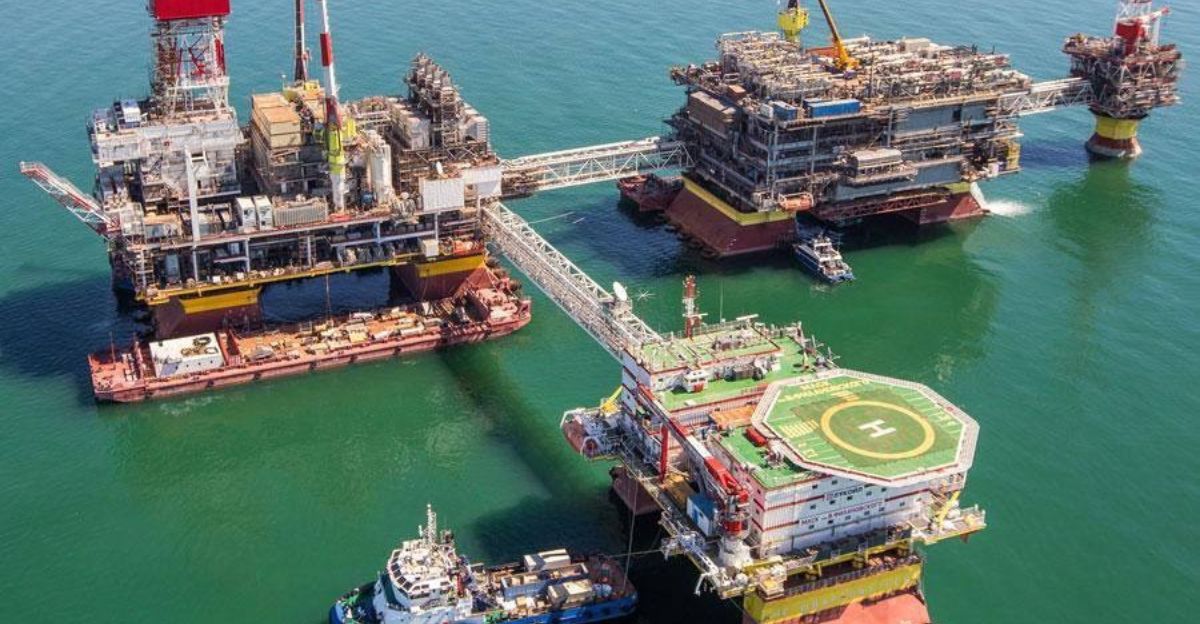
The Filanovsky field boasts impressive reserves, holding 129 million tons of proven oil reserves and 30 billion cubic meters of natural gas. With a production capacity of 120,000 barrels per day, the platform constitutes a vital asset for Lukoil in the Caspian region.
Following the attack, extensive damage rendered the platform inoperable, impacting one of Russia’s key offshore producers. Industry analysts note, “The scale of this loss will ripple through both the energy markets and state finances.” As Lukoil grapples with diminished production capabilities, the ramifications extend into Moscow’s military budgeting and overall economic health amidst ongoing sanctions.
Financial Impact Emerges

With current Brent crude prices hovering around $73-$74 per barrel, the daily output from Filanovsky generates approximately $8.8 million in revenue, increasing to an estimated $10-$15 million when natural gas production is included. This loss not only signifies a hit to Lukoil’s profitability but also represents a larger blow to Russia’s energy export revenues.
An energy economist stated, “Every reduction in output from Filanovsky is a significant setback for Russia’s state budget.” The cumulative financial implications of this attack will likely strain Russia’s military funding, further destabilizing its economic underpinnings as it continues the conflict.
Implications for Energy Markets
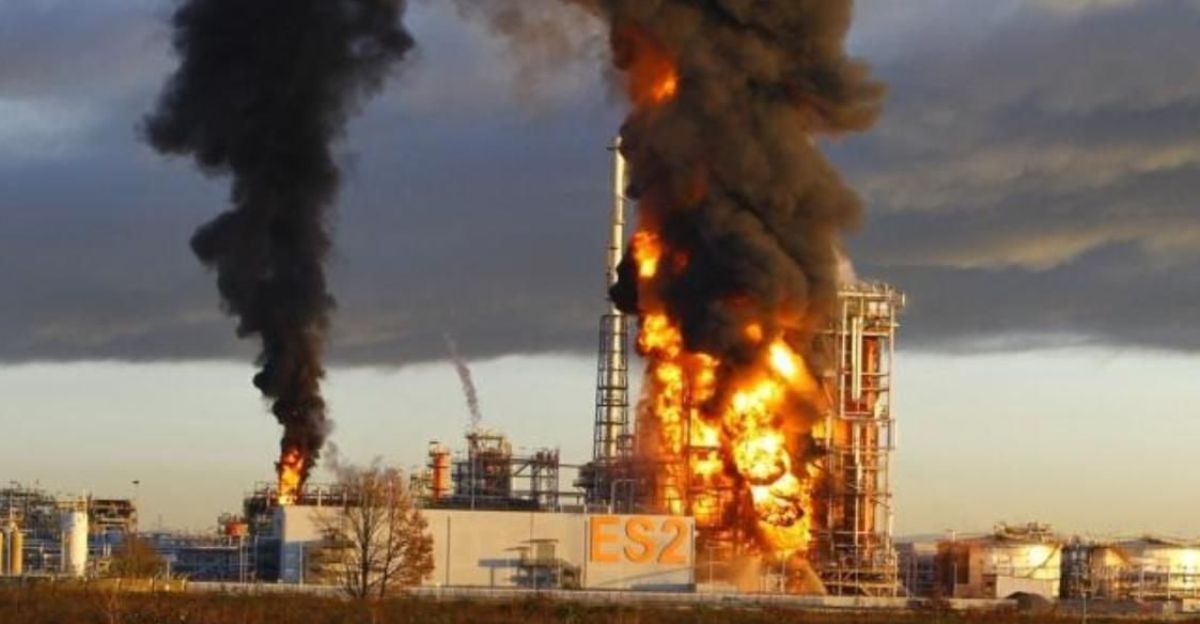
The immediate effects of the Filanovsky strike have sent ripples through international energy markets, leading to unpredictable fluctuations in crude oil prices. Analysts predict increased volatility as investors respond to new uncertainties in Russia’s energy stability. The potential permanent loss of production from a major player like Filanovsky raises questions about global supply chains and energy security.
A market expert commented, “This event changes the perception of Russian oil robustness; countries relying on these supplies must prepare for potential disruptions.” As energy firms reevaluate risks, the geopolitical landscape surrounding oil can also be expected to shift.
Response from the Kremlin

In reaction to this unprecedented strike, Russian officials have portrayed a mix of outrage and resolve. Public statements have underscored the government’s determination to protect its energy interests and retaliate against Ukrainian aggression.
A Kremlin spokesperson asserted, “We will not back down. These attacks will be met with appropriate responses.” Internally, Russia is likely reexamining its defensive strategies, questioning the efficacy of its current military investments. Analysts believe that without an immediate, significant response, Russia risks further erosion of its perceived power on the global stage.
Broader Strategic Consequences
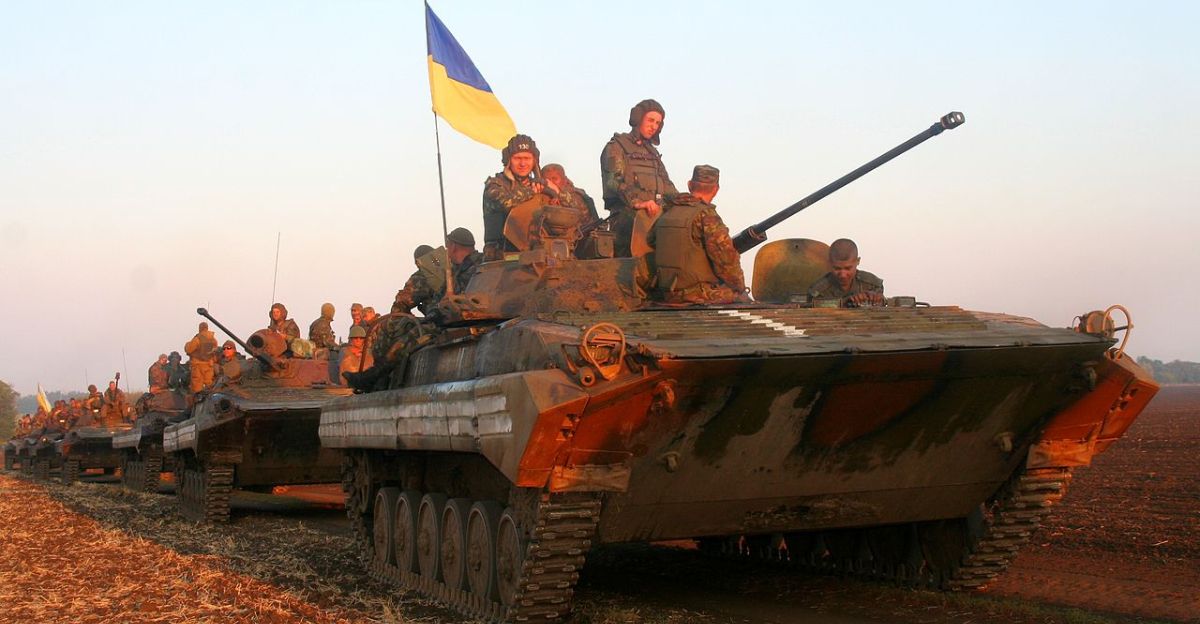
This attack fundamentally alters the dynamics of the Russo-Ukrainian conflict, presenting new strategic considerations for both sides. The successful strike equips Ukraine with renewed confidence and may embolden further military actions.
A Ukrainian military strategist noted, “This victory can galvanize our forces to explore even bolder enterprises, targeting assets that were previously thought secure.” Conversely, Russia is pushed to innovate its defensive strategies amidst expanding vulnerabilities. The attack’s reverberations may shift military alliances and influence national policies regarding energy dependence, ensuring that stability in the region hangs precariously in the balance.
The Changing Face of Warfare
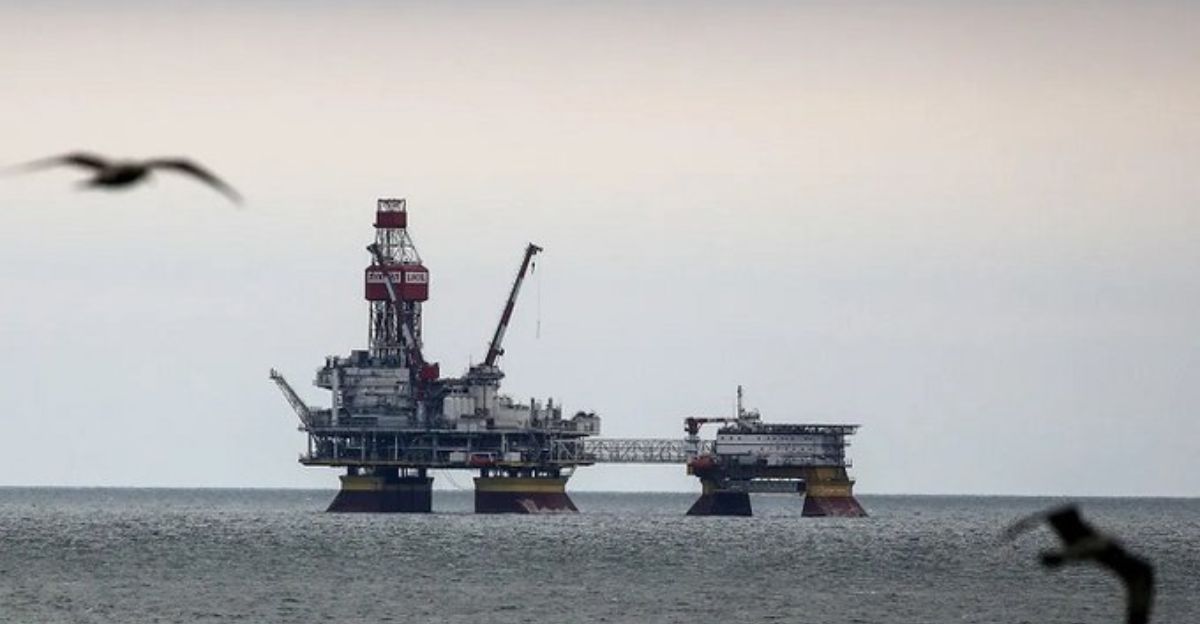
The Filanovsky strike exemplifies a shift toward asymmetric warfare, where smaller nations utilize advanced technology to counter established military forces. Ukraine’s reliance on drone technology illustrates a revolutionary approach to modern battlefield dynamics.
Experts assert, “As the technology evolves, we can expect a broader application of drone warfare in conflicts worldwide.” The implications are far-reaching, as smaller nations can now disrupt larger powers, fostering a new era of conflict. The Ukrainian approach may inspire others and challenge traditional warfare paradigms, inviting debate on defense strategies and the future of armed engagement.
A Shift in Military Doctrine
The successful attack on the Caspian platform necessitates a reassessment of military doctrines and strategies in both Ukraine and Russia. Ukraine’s ability to enact such a deep strike may spur other nations to invest in similar capabilities, recognizing the effectiveness of unmanned aerial systems.
A defense analyst noted, “Countries around the globe will be closely monitoring these developments, reassessing their own strategies.” Conversely, Russia may need to rethink its military posture and security frameworks as new vulnerabilities are identified. This evolving landscape requires agility and adaptability in the face of unpredictable advancements in warfare technology.
International Reactions
The international community has reacted with a mix of relief and concern regarding Ukraine’s capability to strike deep into Russian territory. NATO allies have expressed support for Ukraine’s right to defend itself while keeping a close eye on Russia’s response.
A NATO spokesperson mentioned, “We stand behind Ukraine’s sovereignty and its right to engage in defensive measures.” However, analysts caution that escalatory measures from Russia could lead to broader tensions in Eastern Europe. As diplomatic channels assess the implications of this attack, they recognize the need for comprehensive strategies to mitigate further deterioration in relationships.
Energy Dependency Dynamics
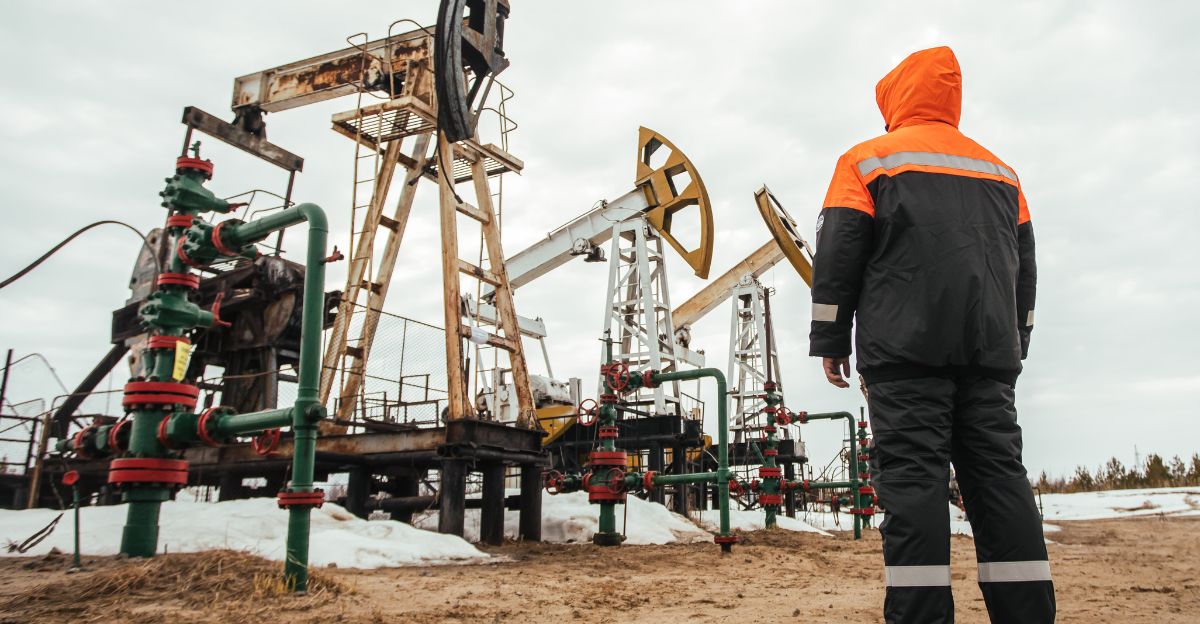
The strike against Filanovsky has prompted discussions about energy dependency among European nations reliant on Russian oil and gas. The immediate loss of production has intensified awareness around the need for diversification of energy sources.
A European energy official stated, “The attack emphasizes the importance of energy security and the risks associated with over-reliance on Russian resources.” As nations consider their strategies moving forward, they may increase investments in renewable energy and alternative suppliers, leading to a potential realignment of energy partnerships across Europe in light of heightened insecurity.
Long-Term Ramifications for Lukoi
For Lukoil, the losses incurred at the Filanovsky platform raise questions about its long-term viability in the increasingly hostile market environment. The company must now navigate the fallout from sustained attacks on its assets while recalibrating its operational focus.
An industry insider remarked, “This could lead to a reevaluation of Lukoil’s investment strategies and portfolio diversification.” As energy firms weigh risks, the strategic decisions made in the coming months will significantly influence their positions in a shifting global market landscape amid ongoing geopolitical tensions.
Voices from the Ground

The impact of these military actions extends beyond geopolitical implications, affecting individuals and communities tied to the energy sector. A local fisherman from Astrakhan shared, “We feel the tension in the air.
Our livelihoods depend on the health of these waters, and we worry about what this means for us.” With production halting, the fallout ripples through local economies dependent on the oil platform’s operations, highlighting the human cost of war. Such voices remind decision-makers of the profound effects of these conflicts on ordinary lives as strategies unfold on distant battlefields.
Public Sentiment in Ukraine

Amid the turmoil, public sentiment in Ukraine remains resilient, with citizens rallying behind the military’s actions. Many view the strike as a pivotal moment in the fight for sovereignty and independence. A Ukrainian civilian commented, “It feels like we’re finally turning the tide.
This shows we can confront them head-on.” As the nation’s resolve strengthens, the populace shifts towards increased support for military actions aimed at reclaiming sovereignty. This growing morale may bolster recruitment efforts and community solidarity as Ukraine navigates a challenging landscape.
Predictions for Conflict
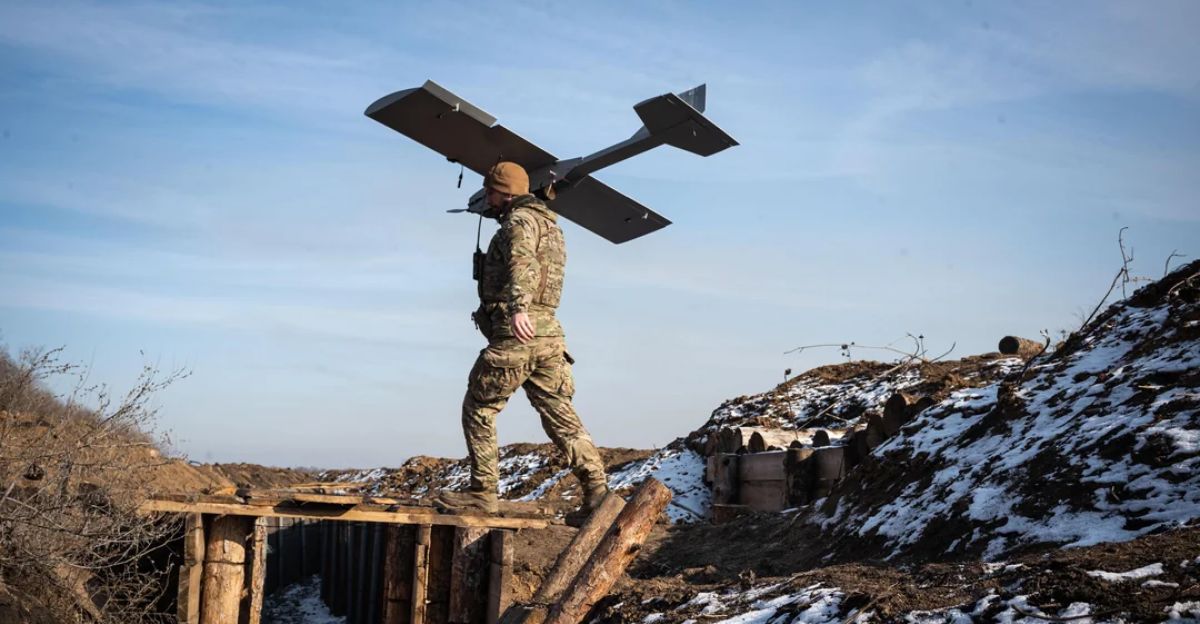
As both sides assess the implications of the Caspian attack, experts suggest further escalation may be likely. Russia’s need to respond, combined with Ukraine’s newfound striking capabilities, creates an unpredictable environment.
A regional analyst noted, “The potential for retaliation is high, and we could witness a new phase in the conflict.” As defenses are tested, the outcome may pivot on technological advancements and strategic ingenuity employed by both nations. The potential ramifications extend beyond the immediate conflict, affecting global geopolitical alignments in the broader context.
An Evolving Battlefield
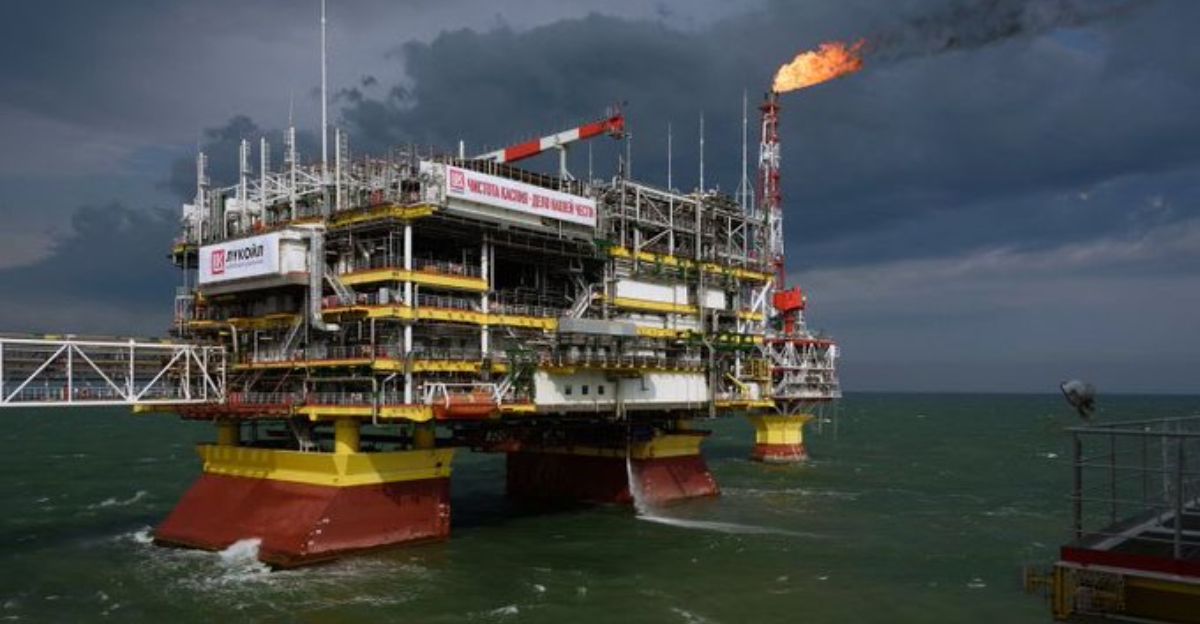
The successful strike on the Filanovsky platform signifies a transformative moment in the Russian-Ukrainian conflict. As the rules of engagement shift and vulnerabilities emerge, both nations are compelled to adapt in this rapidly evolving landscape.
The long-term consequences of this attack are likely to resonate in military strategies, energy dependencies, and geopolitics for years to come. Experts emphasize the importance of caution moving forward, as the world watches closely for the subsequent developments in a conflict that continues to evolve, reshaping our understanding of modern warfare.
The Nature of Energy Wars
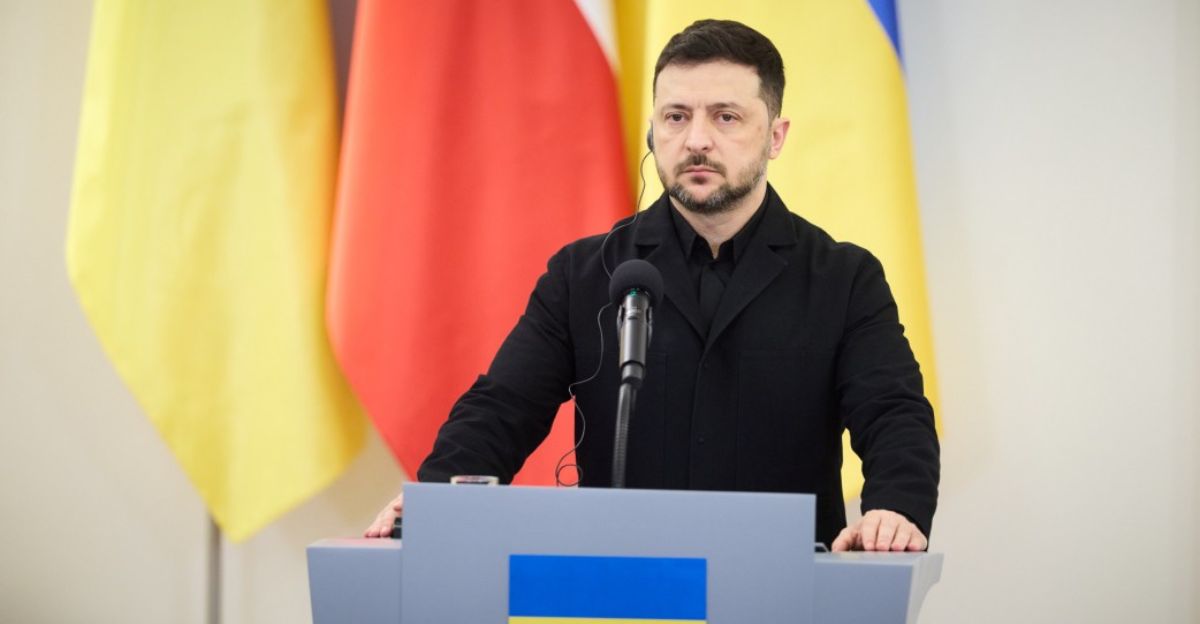
The Filanovsky attack has spotlighted the intricate relationship between energy resources and global conflict dynamics. As nations become increasingly entwined with energy dependency, the risks of targeting infrastructure in warfare will likely grow in importance.
The lessons learned from Ukraine’s actions may influence not only their own future strategies but also those of other nations involved in resource-based conflicts. In a complex physical and geopolitical landscape, understanding the implications of energy warfare is critical to predicting future engagements in an evolving world.
Sources
Reuters – Ukraine hits Russian oil rig in Caspian Sea for first time, official says
Bloomberg – Ukraine Attacks Russian Offshore Oil Field in Further Escalation
CNN – Ukraine’s gloves are off in its energy war with Russia
BBC – Ukraine strikes key Russian oil terminal in massive drone attack
International Energy Agency – Energy Market Analysis and Regional Production Data
Trading Economics – Brent Crude Oil Historical Prices & Data