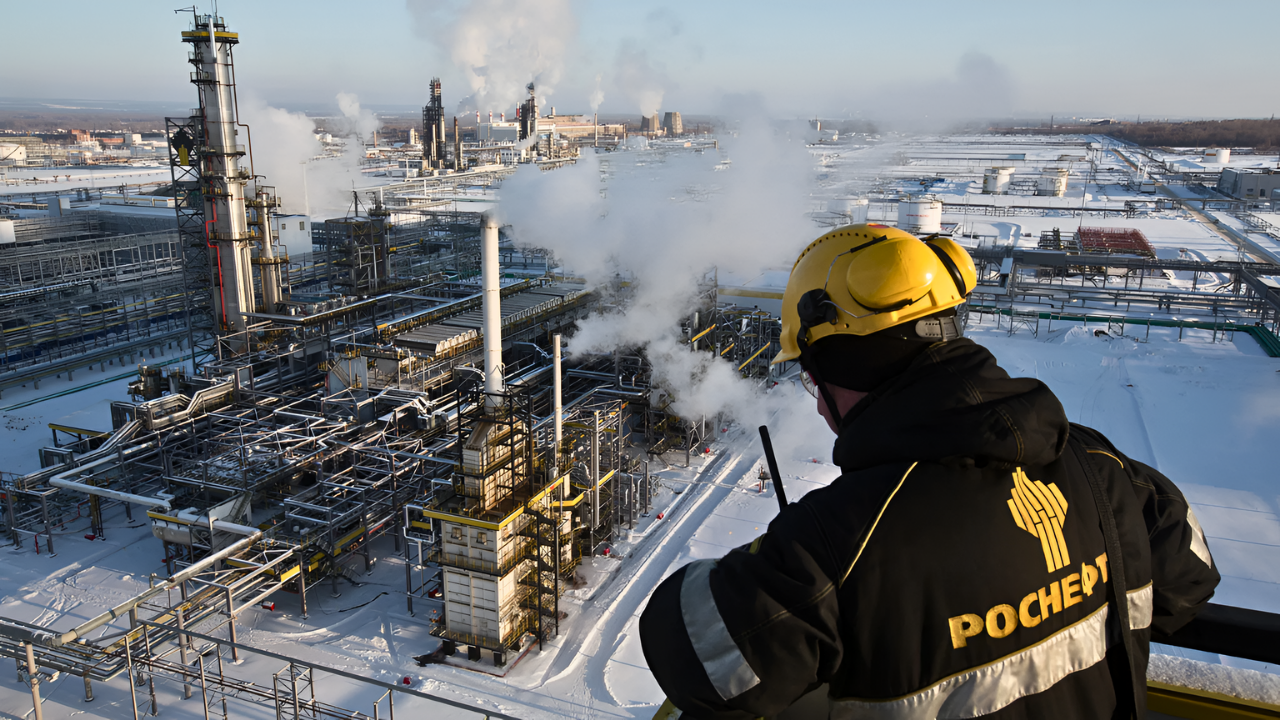
On December 13, 2025, Ukrainian forces unleashed a coordinated drone assault on Russian energy infrastructure across six regions, striking oil refineries and military sites to undermine Moscow’s fuel supply for its war machine. Explosions rocked key facilities despite Russian claims of intercepting 141 drones, exposing vulnerabilities in Russia’s defenses and signaling a bold escalation in Ukraine’s long-range capabilities.
Intensifying Campaign
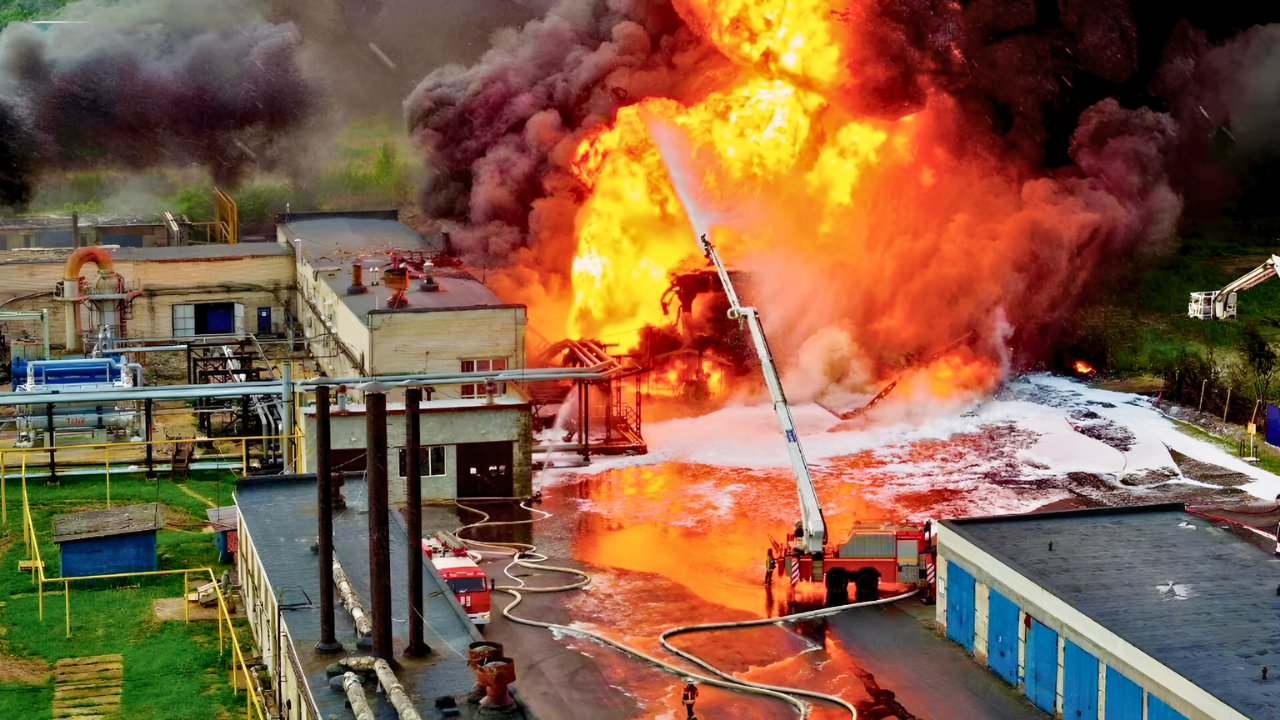
Ukraine’s strikes on Russian energy targets have accelerated through December, building on prior hits like the Syzran refinery and the vast Yaroslavl Slavneft-Yanos complex. These operations aim to erode Russia’s military logistics by curtailing fuel production. Analysts note the attacks’ precision and rising frequency, forcing Russia to confront gaps in its protective strategies as Ukrainian drone tactics evolve.
Russia relies on about 32 oil refineries to fuel its war economy, processing high volumes for both civilian and military use. Facilities like Yaroslavl Slavneft-Yanos were once seen as safe due to their spread across the country. Ukraine’s drone strikes have shattered that illusion, proving that remote locations offer little shield against modern precision weapons and straining Russia’s operational continuity.
Strike Aftermath
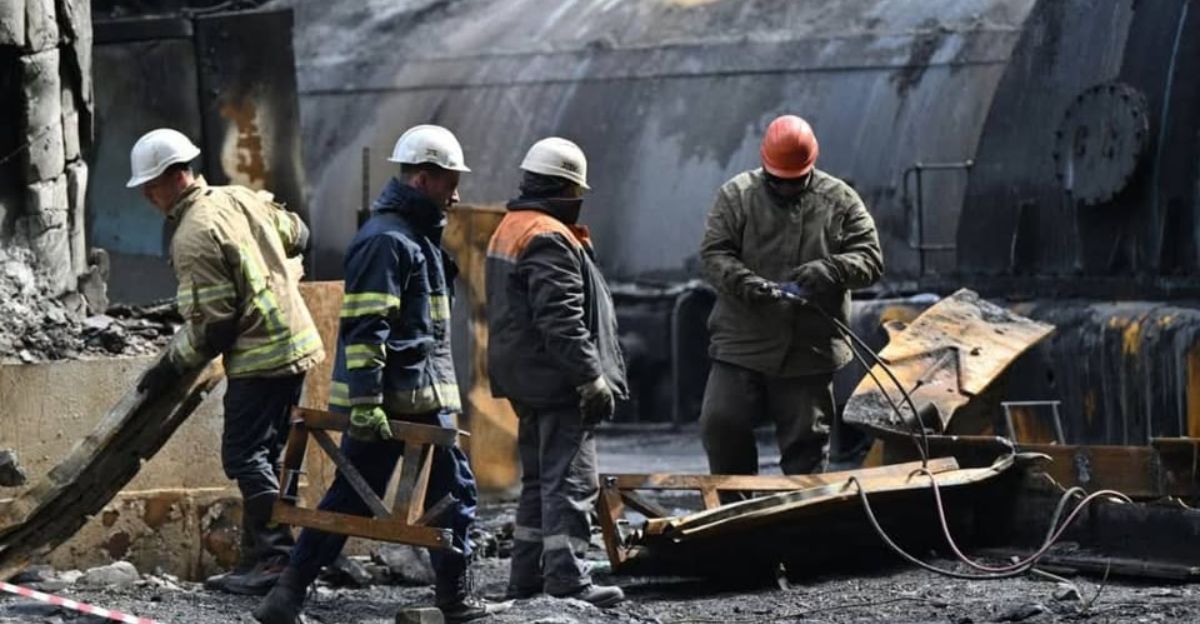
Between December 5 and 14, Ukraine hit multiple refineries, halting production and delaying repairs amid international sanctions. Russian officials acknowledged shutdowns, a shift from earlier dismissals. These disruptions could last weeks or months, exacerbating economic strain. Global crude prices jumped 2-3% in response, underscoring the attacks’ ripple effects on energy markets and Russia’s sustainability.
The December 13-14 operation targeted sites in Krasnodar Krai, Volgograd Oblast, and occupied Crimea. Explosions crippled the Afipsky Oil Refinery and set the Uryupinsk oil depot ablaze, while drones also struck command posts and electronic warfare units. Ukraine’s General Staff framed the effort as essential to curbing Russia’s offensive potential, blending energy and military targets in a display of tactical depth.
Russian Responses and Global Ripples
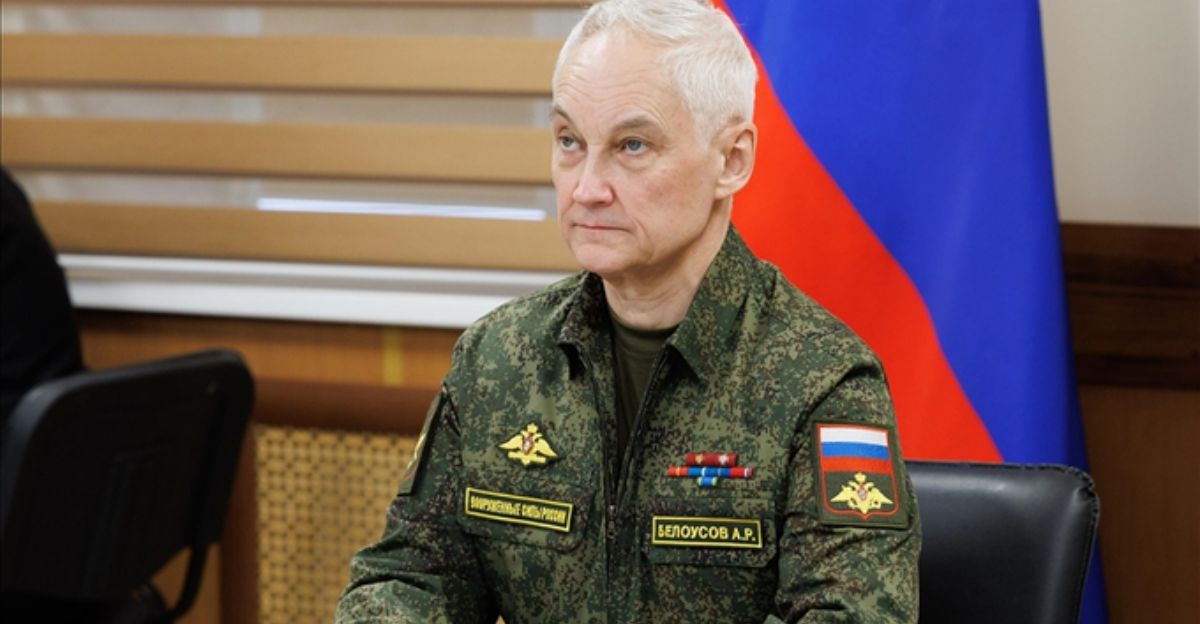
Russia bolstered air defenses, reporting 141 drone interceptions on December 14, but analysts question whether volume will overwhelm systems. Damaged sites threaten fuel for troop movements, creating logistical headaches. Internationally, allies voiced support for Ukraine, boosting aid flows. Markets braced for prolonged Russian output dips, with observers watching for shifts in negotiations or tactics as both sides adapt to this new frontline in energy warfare.
These strikes heighten the conflict’s stakes, pressuring Russia’s resources while bolstering Ukraine’s position. Sustained pressure could force tactical overhauls in Moscow and reshape geopolitical alignments, with energy security now central to the war’s uncertain path forward.
Sources:
Reuters – Fire at Russia’s Afipsky oil refinery extinguished after drone attack
Kyiv Independent – Explosions reported as Ukraine strikes oil depot, refinery
Institute for the Study of War – Russian Offensive Campaign Assessment, Dec. 14, 2025
Ukrinform – General Staff confirms strikes on Afipsky Oil Refinery, Uryupinsk oil depot
Oxford Institute for Energy Studies – Russian Oil Refining: in the Crosshairs
Critical Threats Project – Russian Offensive Campaign Assessment, December 15, 2025
Pravda.com.ua – Russia claims to have downed 141 Ukrainian UAVs