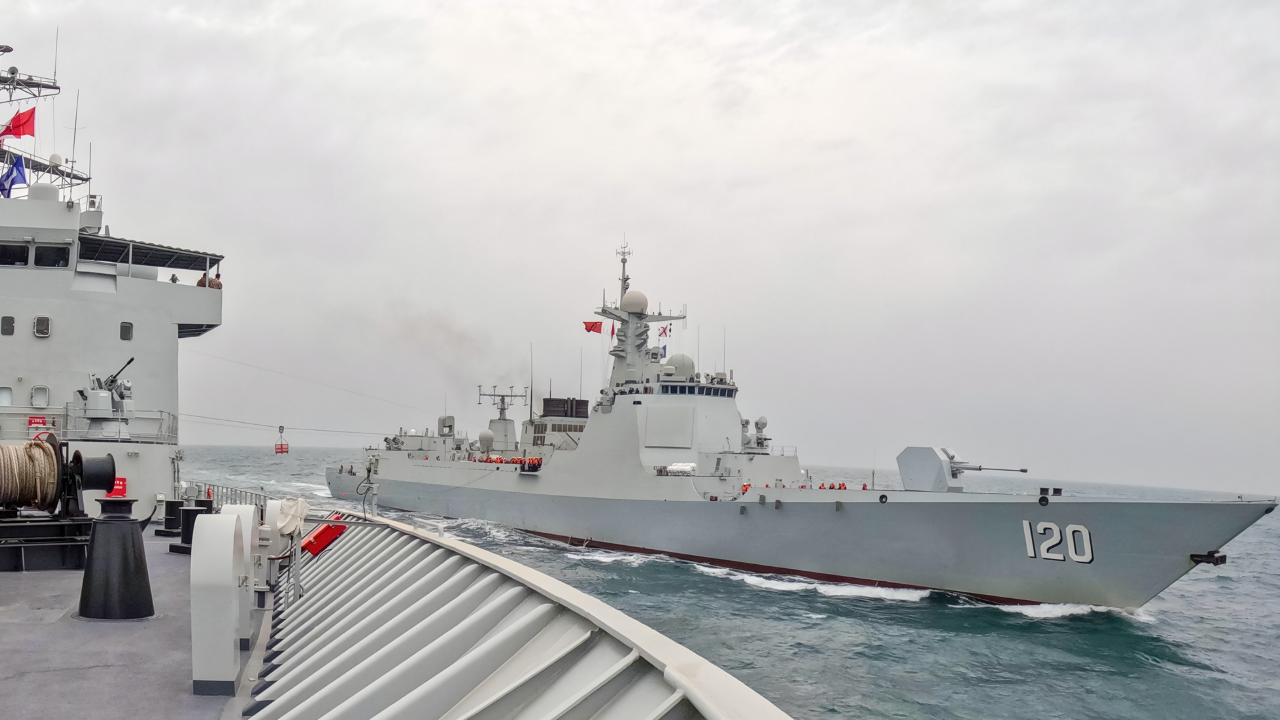
In early December 2025, China’s navy launched its biggest peacetime operation ever. More than 100 ships gathered across key waters in East Asia. This huge move forced Japan and the United States to respond quickly. The operation covered several sea areas at once and showed Beijing’s strong push to build up its sea power. Tensions in the region have grown, and this deployment made them even sharper.
Experts see this as part of a clear pattern in China’s naval plans. Over the last two years, the People’s Liberation Army Navy ran five big exercises each year. But the December 2025 action stood out because of its size and smooth teamwork. It happened in four areas all at the same time: the Yellow Sea, East China Sea, South China Sea, and parts of the wider Western Pacific. This proved China can handle tough logistics and command over long distances.
Intelligence reports called it the most advanced naval move in East Asia’s history. It went beyond earlier drills tied to Taiwan’s 2024 elections. The operation tests how well China can send its forces far from home. In turn, it changes the balance of sea power in the region.
What Sparked the Quick Buildup
The naval push came right after a heated diplomatic clash. On November 14, 2025, Japan’s Prime Minister Sanae Takaichi said her country might use military force if Taiwan came under attack. Beijing fired back hard against the statement. Just 11 days later, China sent out its fleet.
Analysts say China saw the Japanese words as a direct challenge to its claim over Taiwan. The fast reaction served as a strong message: Beijing will push back against any outside help for the island. This shows how fast talk in the Western Pacific can turn into real military displays.
Such quick steps highlight the risks in the area. Small verbal fights can lead to big shows of strength. They keep everyone on edge and raise the chance of mistakes.
Pressure Builds in Four Key Seas
China’s ships focused on spots that matter a lot for strategy. In the Yellow Sea, next to U.S. ally South Korea, the vessels moved near vital narrow passages. The East China Sea, right by Japan and Taiwan, saw a lot more activity in areas with ownership disputes.
The South China Sea became a hotspot too. This busy area has fights over land and carries more than $5 trillion in trade each year. China’s groups of ships there could block key routes and hurt world supply lines. Each zone had over 20 ships, which made it hard for allies to track and respond.
By mid-December, the count dropped a bit to more than 90 vessels. Still, the wide reach of the operation kept the pressure on. It stretched the ability of watching nations to keep up.
U.S. Steps Up and Looks Ahead

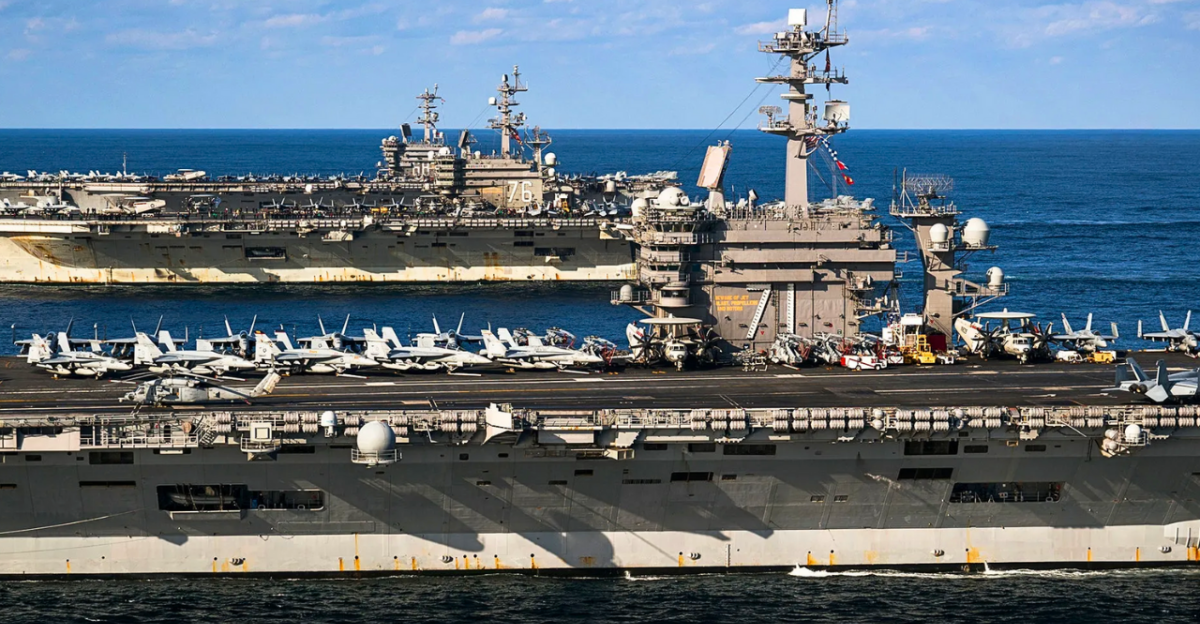
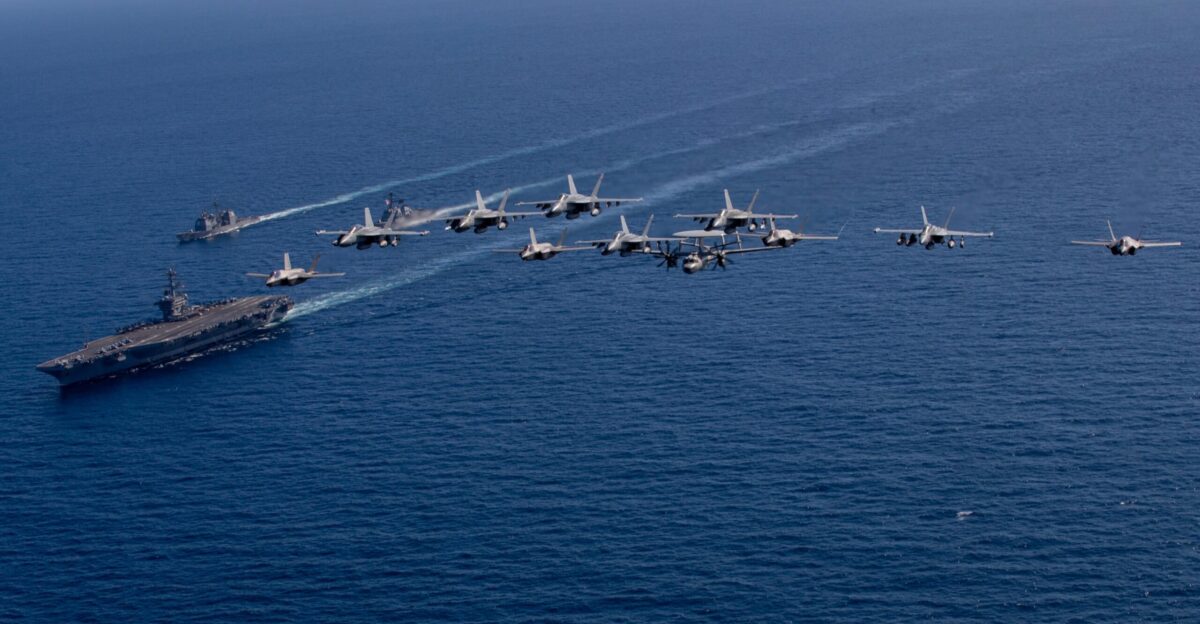
The United States acted fast to push back. The U.S. Pacific Fleet sent two aircraft carrier groups into position. The USS Abraham Lincoln stayed at Guam, and the USS George Washington went back to its base in Yokosuka, Japan. Both carry F-35 fighter jets, which boost America’s power to deter threats and help allies.
U.S. leaders said a strong, steady presence lets them react quickly to dangers. This keeps open paths for ships in disputed waters. The moves aim to hold the line against China’s growing reach.
The whole event forces a rethink of power in East Asia. Experts warn that if China keeps up these big operations, it could strengthen its grip on disputed spots like the South China Sea. Japan and South Korea may need to boost their own defenses. China’s use of both warships and coast guard ships shows its full range of tools.
Other countries now focus on teaming up for drills and sharing spy info. As one expert put it, these shows of force push allies to stick together as risks grow. For nations that depend on safe sea routes, the stakes hit trade and safety hard. A block in the South China Sea could shake global business.
The U.S., Japan, and NATO have raised alarms. Others call for more talks. Staying alert and working together will help avoid slip-ups. In the end, mixing strong defenses with real talk will decide if this leads to a long fight or steps back from the edge in the tense Western Pacific.
Sources:
Reuters: China massing military ships across region in show of maritime force
U.S. Pacific Fleet: Abraham Lincoln Carrier Strike Group arrives in Guam
U.S. Navy Press Office: George Washington returns to Yokosuka
Kyodo News: China has sent over 100 vessels to E. Asian waters
Japan Forward: China’s Provocative 100-Ship Naval Deployment Raises Regional Concerns
Defense Forces: China maintains over 90 naval vessels across the region in largest deployment to date