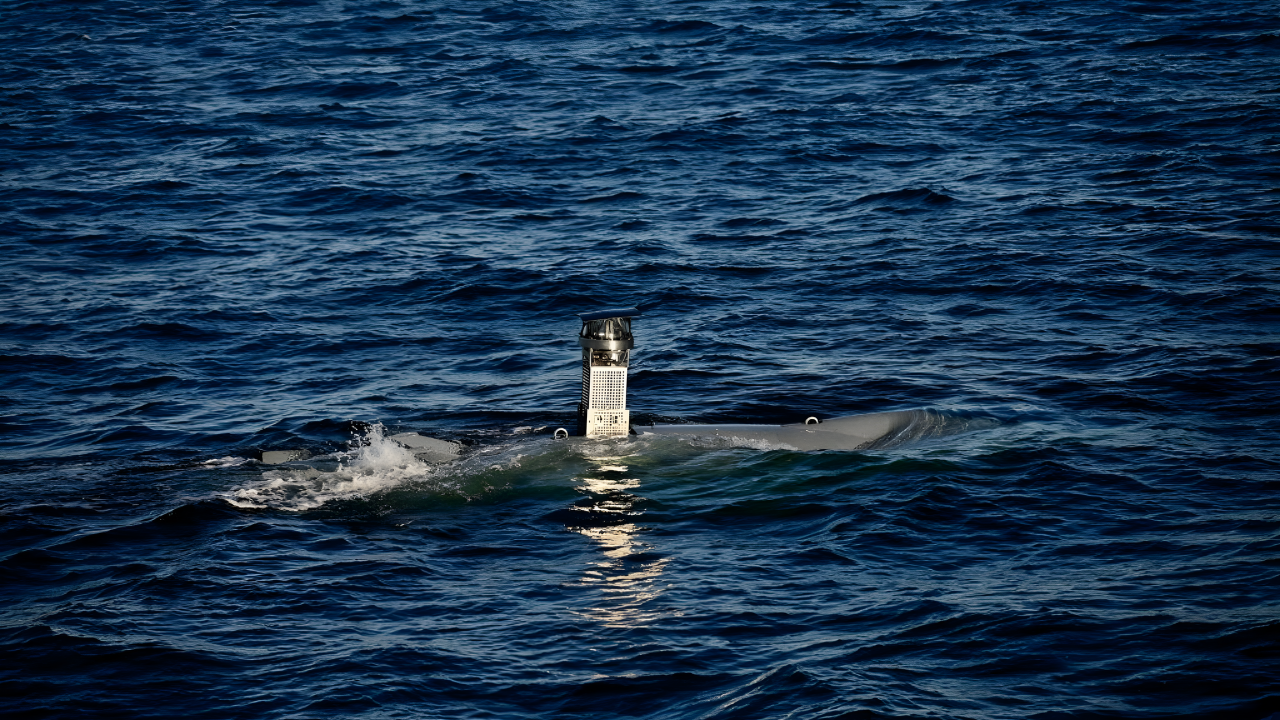
Ukraine’s sea drones have changed the fight in the Black Sea. On December 15, 2025, an explosion hit a pier at Russia’s Novorossiysk naval base. Ukrainian officials said an uncrewed underwater drone struck a Kilo-class submarine there. This sub had fired cruise missiles at Ukrainian cities. The blast capped three years of Ukraine pushing back Russia’s naval power in the region.
Russia’s Fleet Retreats Under Pressure
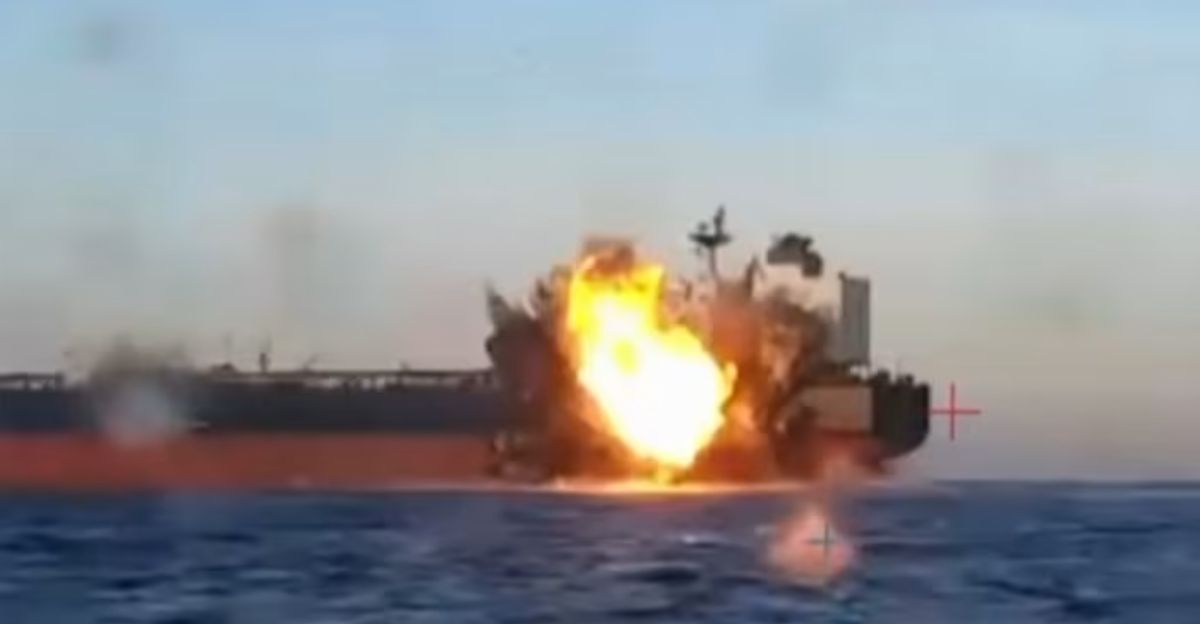
Russia’s Black Sea Fleet has shrunk dramatically by late 2025. Ukraine destroyed or damaged over 20 warships using missiles, special forces, and explosive surface drones. Moscow moved key ships from Sevastopol in occupied Crimea to Novorossiysk, a port farther east. This shift aimed to escape Ukraine’s reach but clustered valuable targets together.
British defense intelligence reported that from February 2022 to June 2024, Ukraine hit 26 Russian vessels. The Kilo-class submarines, diesel-electric boats upgraded to launch Kalibr cruise missiles, faced special risks. These subs had targeted Ukrainian cities, including a deadly strike on Kyiv in April 2025. With mines, drones, and missiles blocking sea routes, the subs stayed stuck in port, making them easier to attack.
Ukraine saw Novorossiysk as a weaker spot than Sevastopol. The base’s defenses focused on surface threats, leaving gaps below the water. Russian commanders hoped distance would protect their fleet, but Ukraine kept watching and planning.
Rise of Ukraine’s Explosive Drones
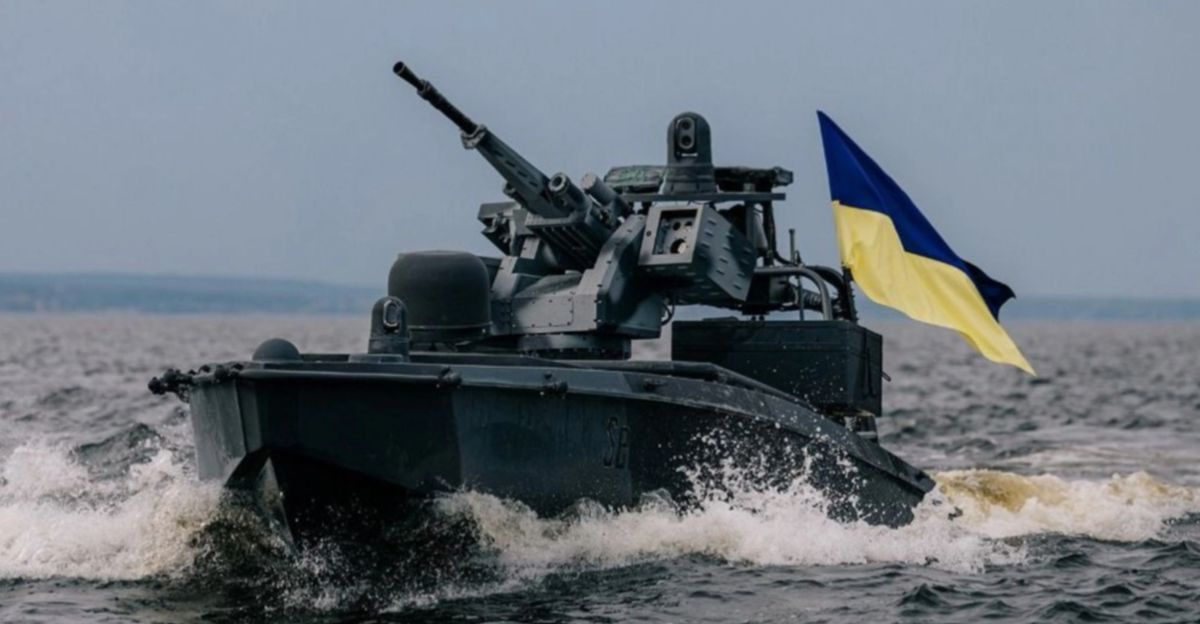
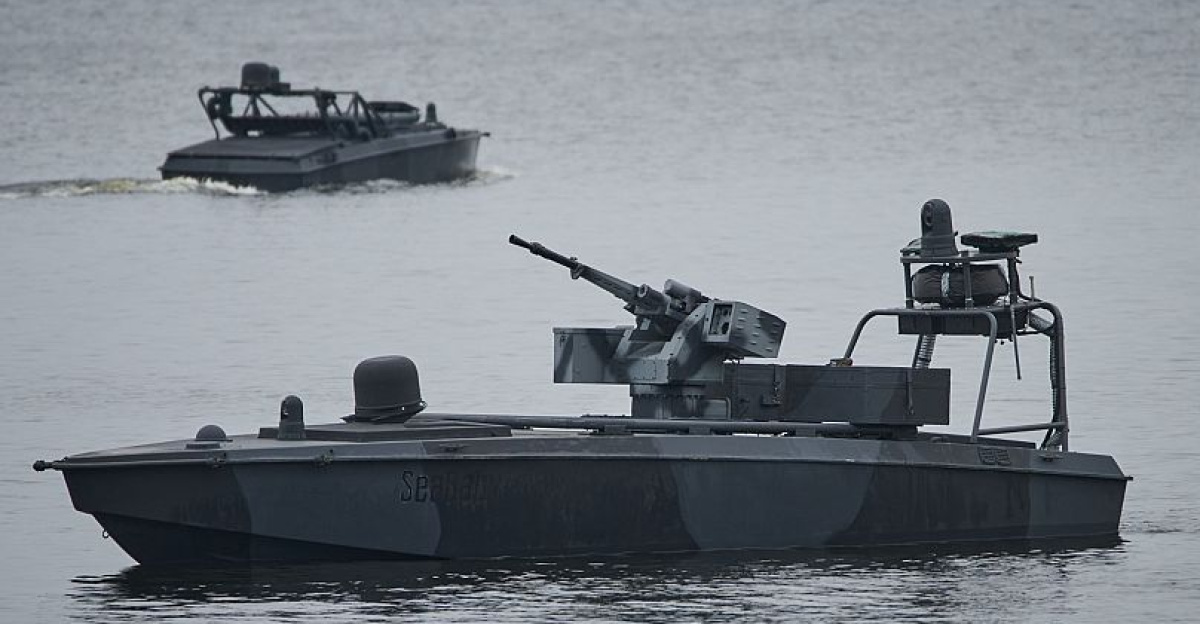
Ukraine built a range of drones to counter Russia’s navy. The Sea Baby, made by the Security Service (SBU), led this effort. SBU Brigadier General Ivan Lukashevych called it a world-first in naval warfare. By October 2025, the upgraded Sea Baby could travel 1,500 kilometers carrying up to 2,000 kilograms of explosives. It used AI for guidance and targeting, improving range and accuracy over manual control.
Officials said Sea Baby damaged or sank 11 Russian ships, like landing ships and patrol boats. This success led to an underwater version, the Sub Sea Baby. Designers adapted it to dive under booms, nets, and patrols in harbors. These defenses worked against surface or air attacks but not stealthy underwater threats. The new drone aimed to reach moored ships and subs directly.
Ukraine’s drone program showed quick innovation. Starting with surface vessels, they expanded to underwater ones, turning Russia’s early sea advantage into a weakness.
The Pier Strike on Kolpino Sub
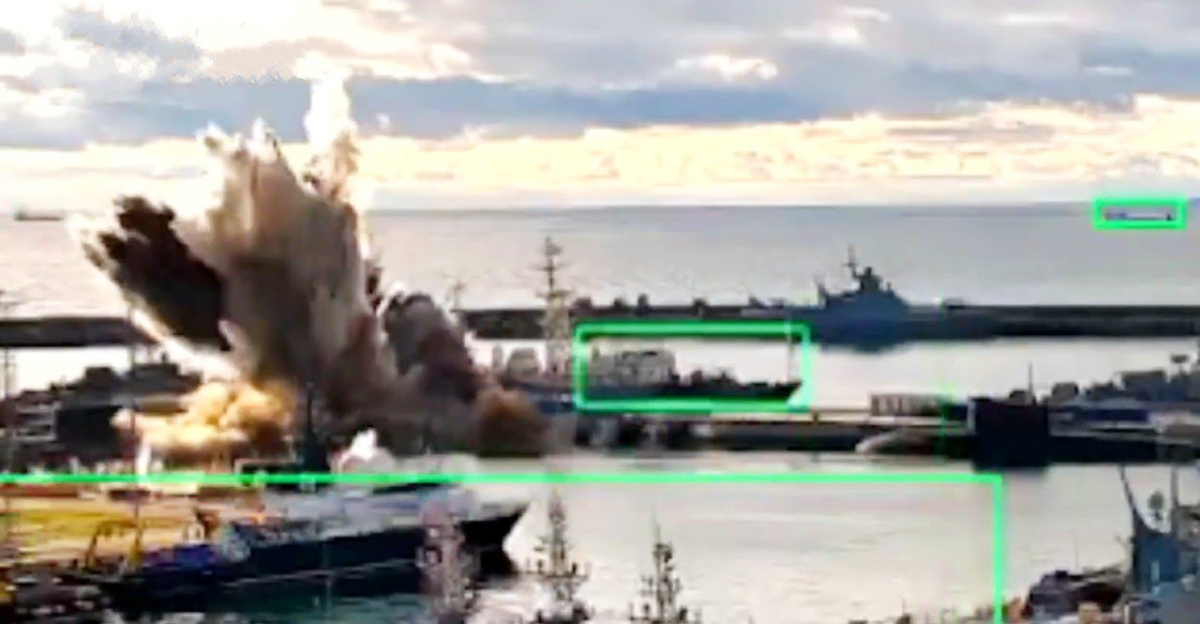
Russia’s Kilo-class subs were trapped by late 2025. One, Rostov-on-Don, was already wrecked and likely sunk. Survivors gathered at Novorossiysk, including the B-271 Kolpino, a main Kalibr missile launcher. Ukrainian intelligence tracked its position and pier routines, waiting for the right moment with calm weather and lax patrols.
These subs proved tough targets. They sat at protected piers with concrete that could absorb blasts. An underwater drone strike tested both the Sub Sea Baby and Russia’s base security. On the night of December 14-15, Ukraine’s SBU and navy sent the drones toward the pier.
SBU video showed the drone nearing the quay, then a huge blast. Flames and water sprayed from the mooring area. The agency said it crippled the sub, leaving it unable to operate. Reuters confirmed the site using video forensics against known images of Novorossiysk. Satellite photos post-attack revealed a nine-meter crater in the pier and the sub sitting lower in the water, hinting at flooding and lost propulsion.
Global Lessons from Asymmetric Naval War
The Kolpino sub cost about $400 million pre-war, with replacements now up to $500 million due to sanctions. Knocking it out removed a key missile platform. Ukraine achieved this with a cheap drone, highlighting asymmetric warfare’s power plays. Low-cost tools can disable expensive assets.
The strike sparked NATO debates on protecting bases from underwater drones. These slow, disposable craft bypass old barriers. Analysts see it speeding up global unmanned vehicle programs. Ukraine’s campaign forced Russia to reroute ships and abandon safe bases.
Looking ahead, naval warfare heads toward more AI, automation, and dispersed drones. The U.S. and others study this for their fleets. Ukraine, as a mid-sized power, showed how drones can challenge bigger navies. This Novorossiysk hit may redefine sea power worldwide, emphasizing underwater drone defense and offense.
Sources
CNN International — Ukraine Says It Just Carried Out the First-Ever Underwater Drone Strike on a Russian Submarine
Euronews — Ukraine Unveils Upgraded Sea Baby Drone It Says Can Strike Anywhere in the Black Sea
Defense.info — Ukraine’s Sub Sea Baby Strike: A Strategic Inflection Point in Black Sea Naval Warfare
UK Defence Intelligence (via Pravda Ukraine) — UK Intelligence Analyses Ukrainian Strike on Russian Submarine
The War Zone — Aftermath of Ukraine’s Underwater Drone Attack on Russian Submarine Seen in Satellite Imagery
Ukraine World — Russia’s Deadliest Attacks On Civilians in 2025