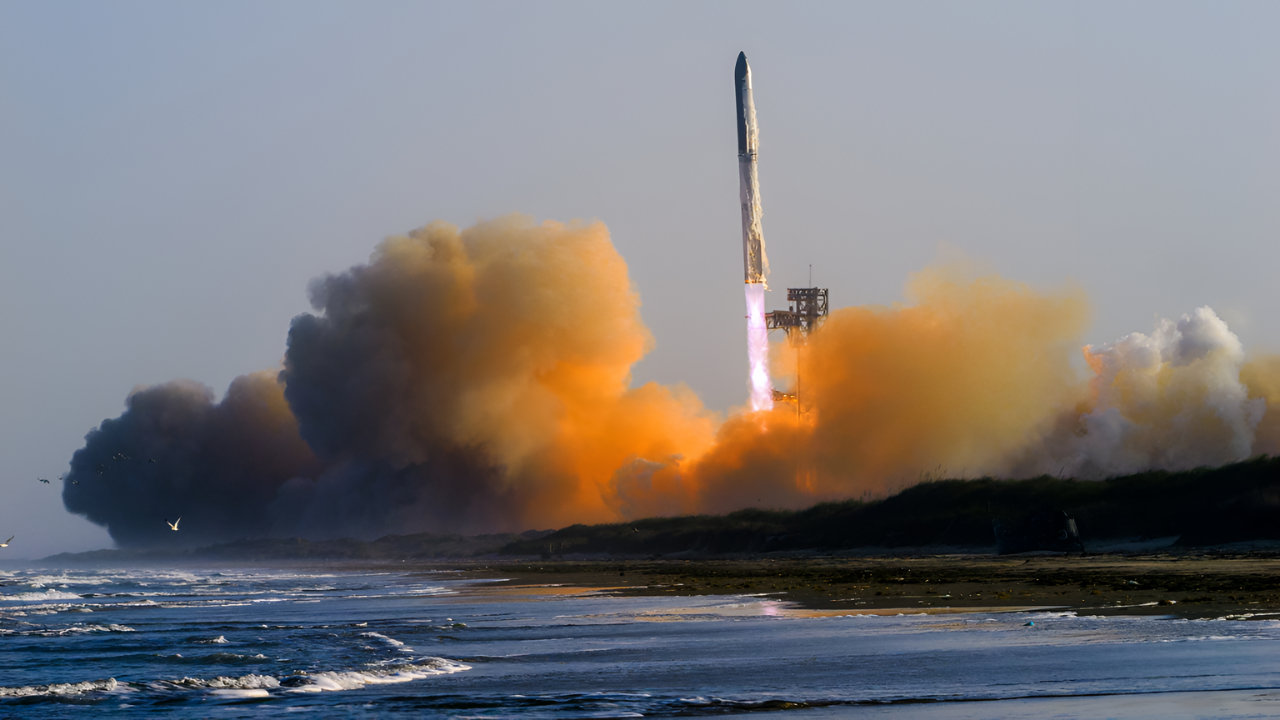
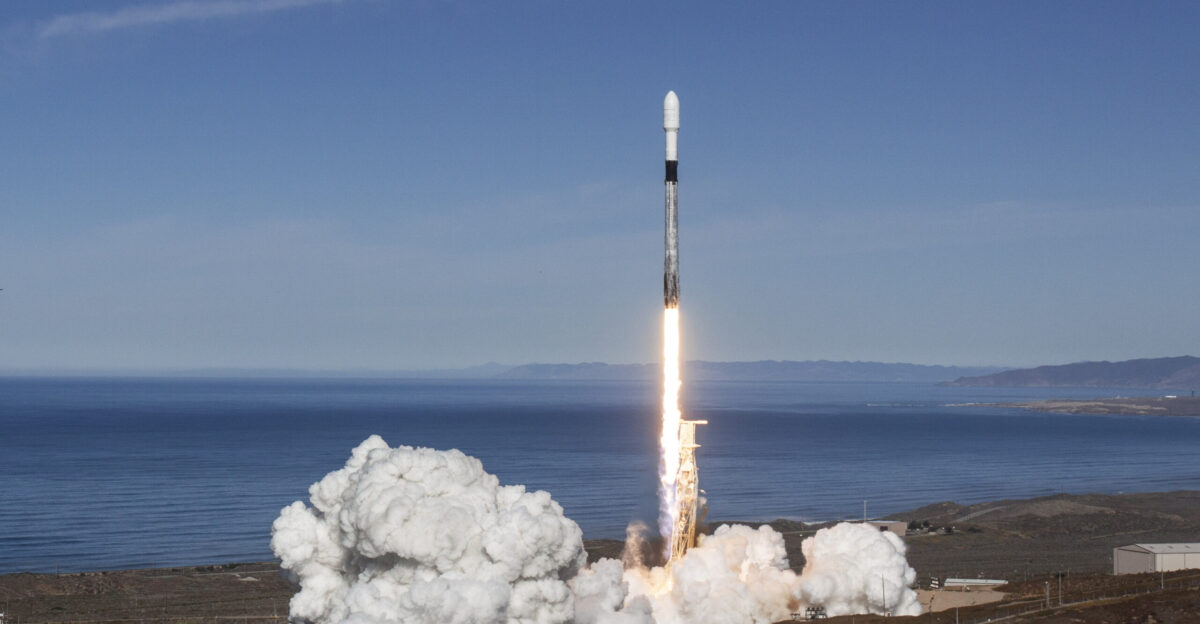
SpaceX’s Starship is the most powerful rocket ever flown, designed to carry heavy payloads to orbit, support NASA’s Artemis lunar landings, and eventually enable missions to Mars. On January 16, 2025, SpaceX launched Starship from Boca Chica, Texas, on its seventh integrated test flight.
The mission showcased major design upgrades and a successful booster phase, but events later in the flight quickly turned the highly anticipated test into a major aviation safety incident.
Launch Stakes Soar
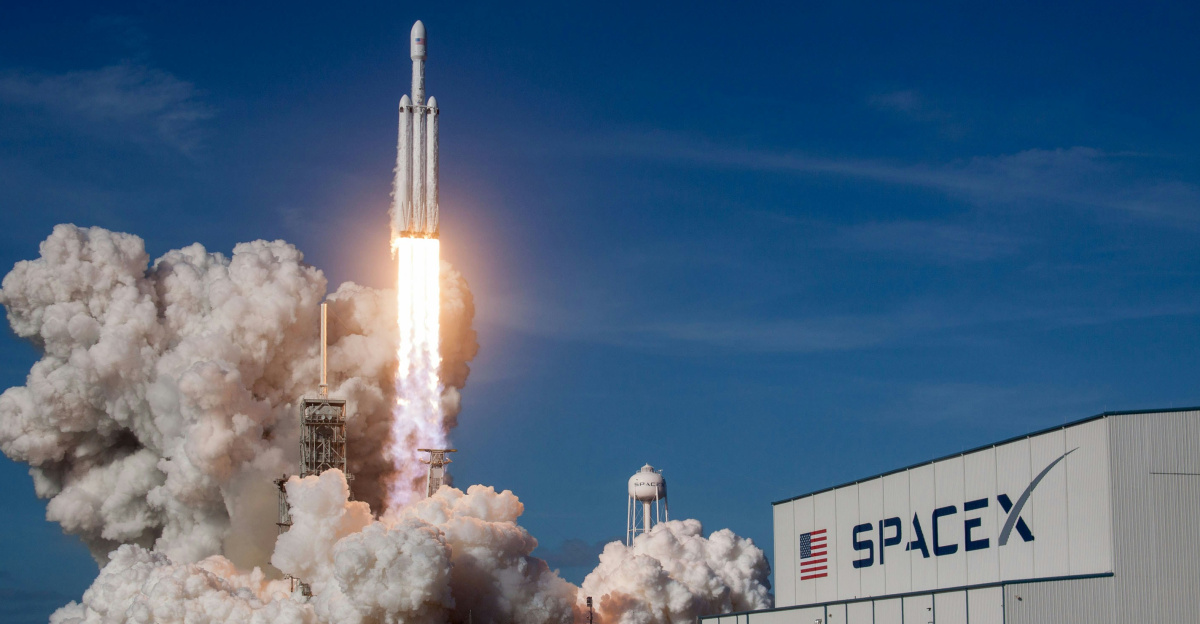
Global commercial space launches are accelerating rapidly, moving from a few dozen annually to projections of 200–400 launches per year. SpaceX leads this expansion with reusable rockets and frequent test flights.
The January 16 Starship launch was intended to further validate recovery techniques and orbital performance. With air traffic steadily increasing over the Caribbean, the test underscored how closely modern rocket launches now intersect with busy commercial flight corridors.
Starship’s Central Role
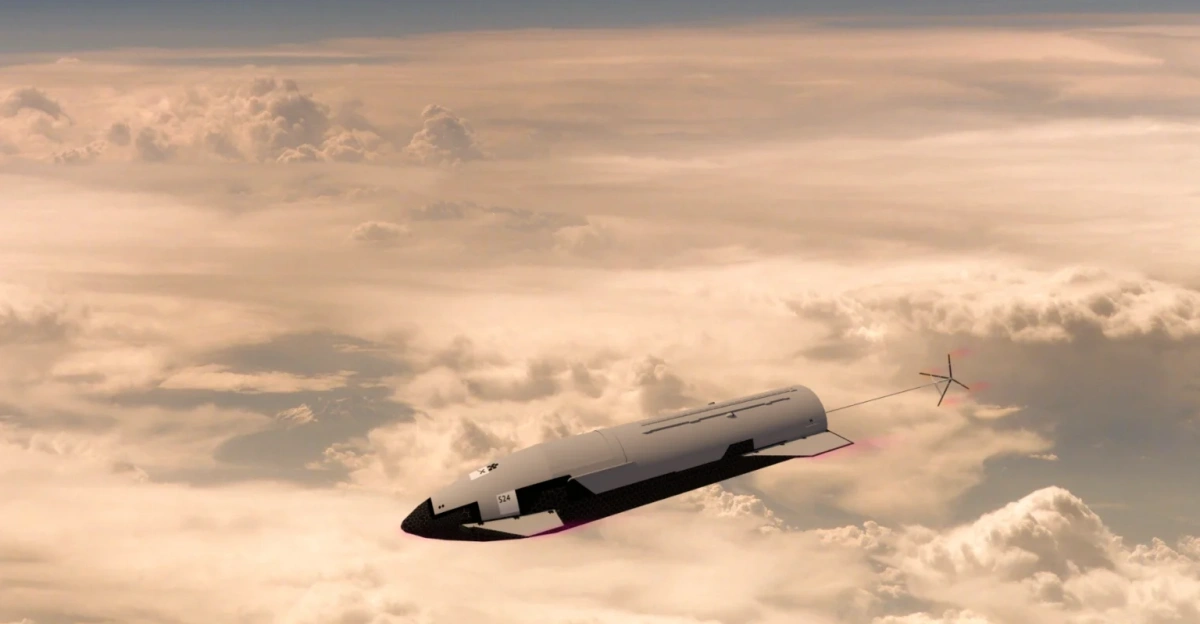
Starship is critical to U.S. space ambitions. NASA selected a modified version of the vehicle to land astronauts on the Moon under the Artemis program, increasing pressure for rapid development. SpaceX’s test-heavy approach emphasizes iteration through flight experience.
However, the scale of Starship introduces new risks, especially when failures occur beyond controlled launch zones and intersect with international aviation routes.
Crowded Caribbean Skies
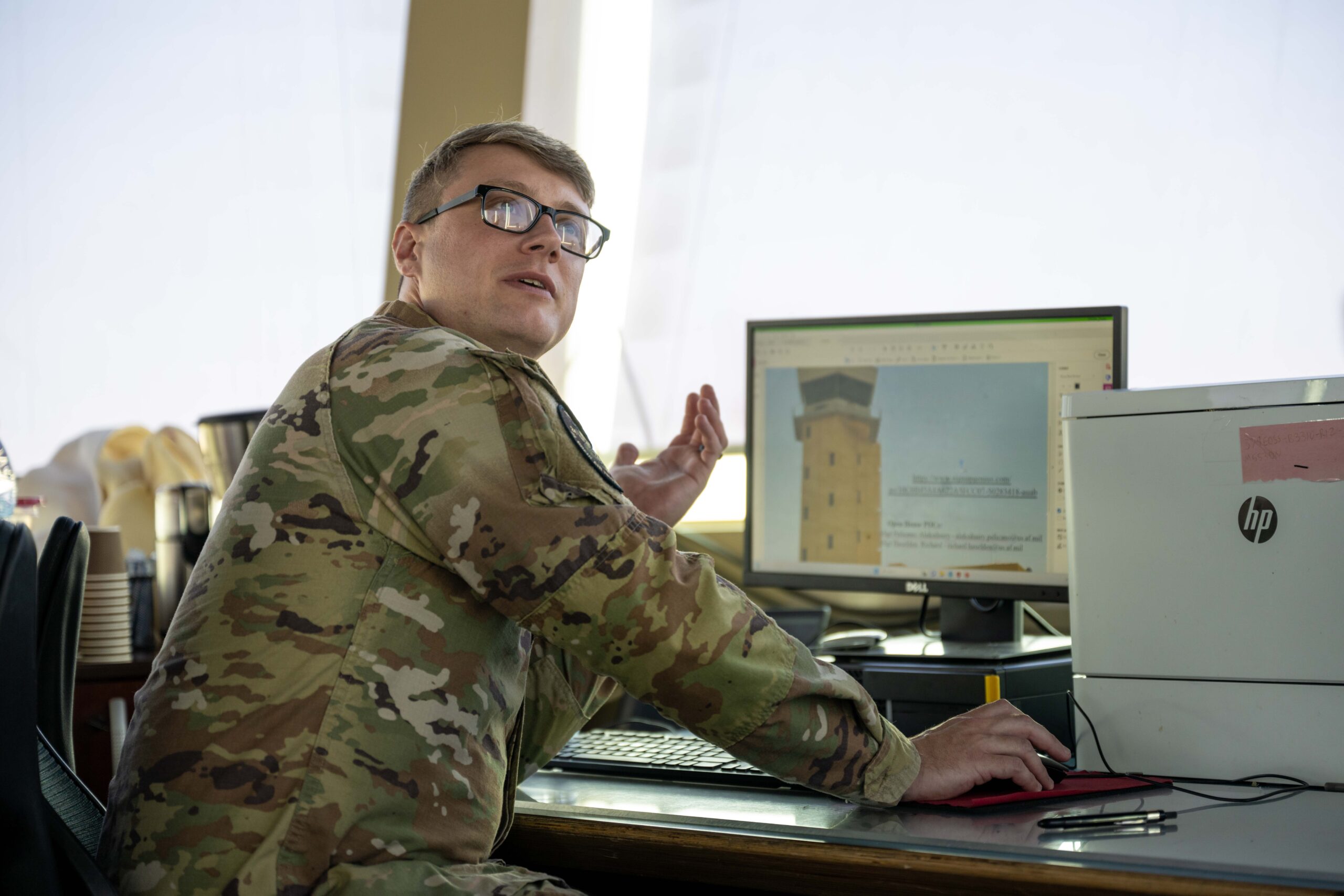
Caribbean airspace is among the busiest in the Western Hemisphere, carrying daily commercial traffic between North America, South America, and Europe.
Much of this region is overseen by U.S. air traffic controllers, with adjacent international airspace managed separately. On January 16, this complex patchwork of jurisdictions became a critical factor as debris spread far beyond the original launch safety corridor.
Mid-Flight Breakup
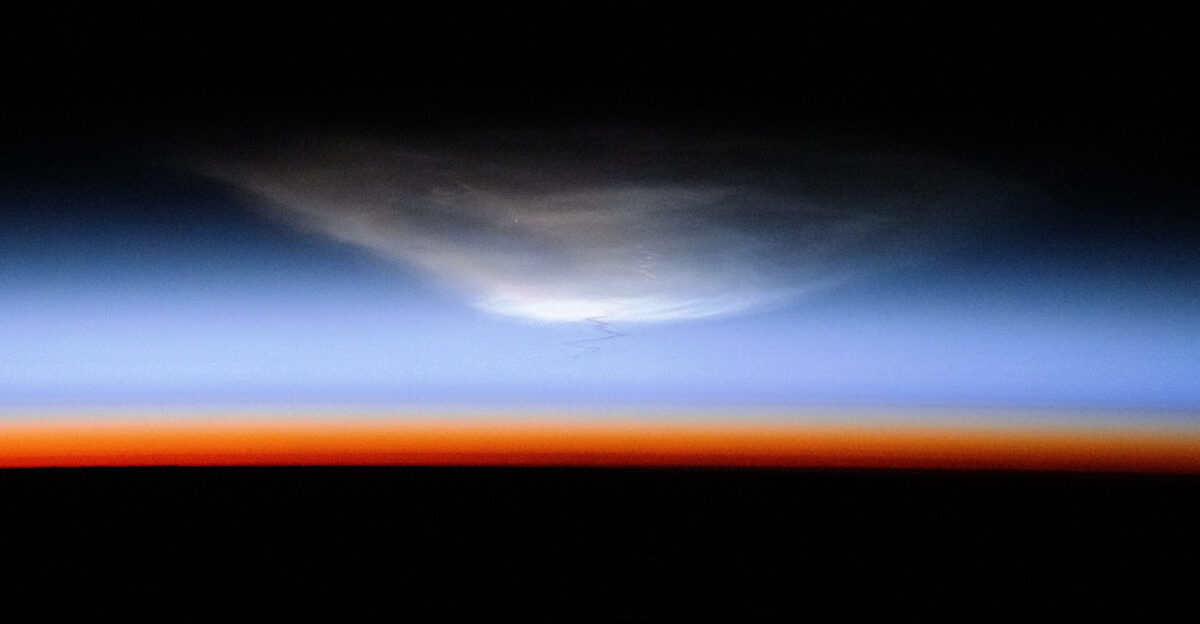
Shortly after launch, Starship’s upper stage experienced a failure and broke apart during flight. Debris spread across large portions of Caribbean airspace for nearly an hour.
The Federal Aviation Administration later described the event as posing a “potential extreme safety risk.” Importantly, air traffic controllers were not immediately notified by SpaceX through the agency’s dedicated emergency communication system.
Controllers Learn From Pilots
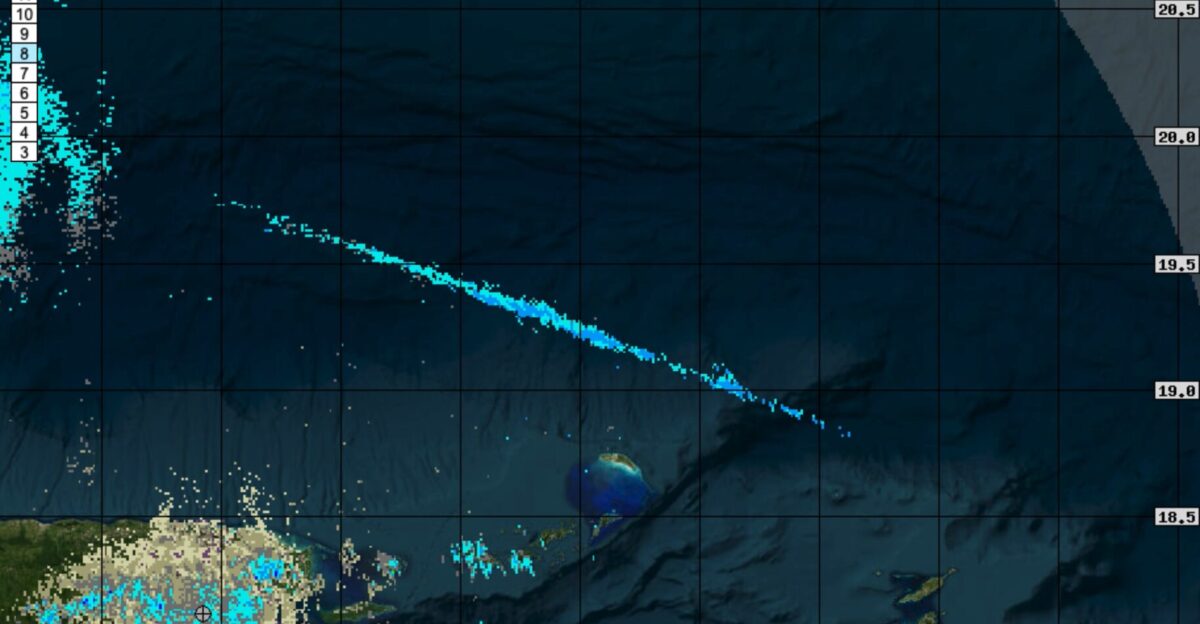
Instead of receiving an official alert, Miami-area air traffic controllers first learned of the breakup from pilots who visually observed debris falling from the sky.
Controllers were forced to improvise in real time, drawing emergency debris response areas only over U.S.-controlled airspace. This left gaps over international waters where no formal warnings could be issued, increasing uncertainty for aircraft in transit.
Aircraft Caught in the Zone
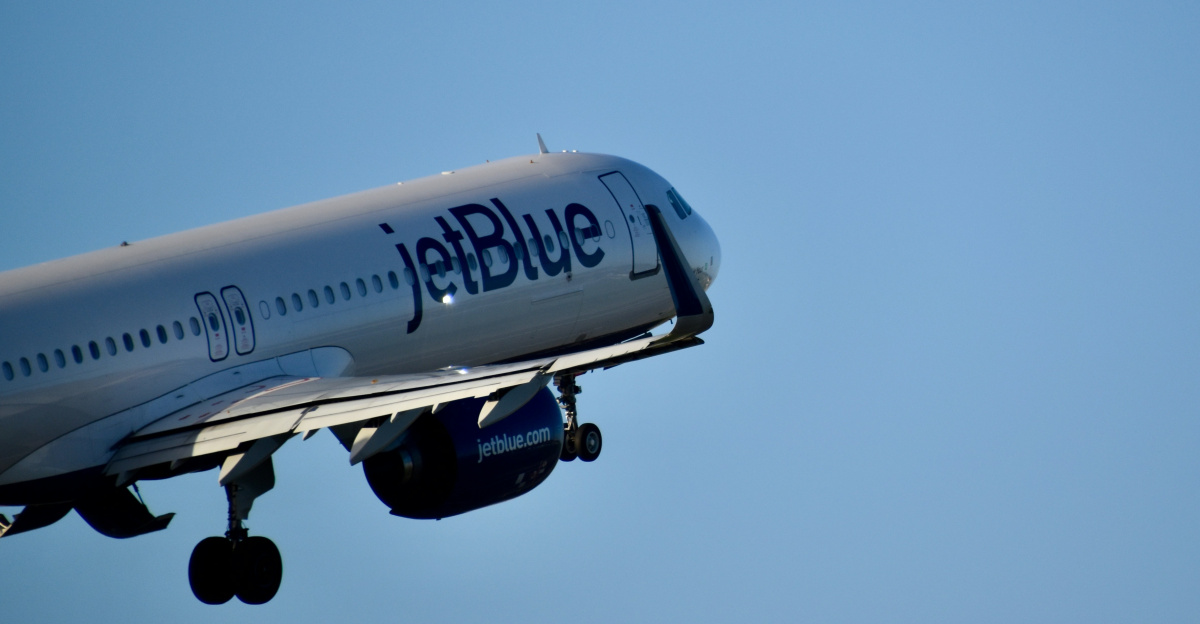
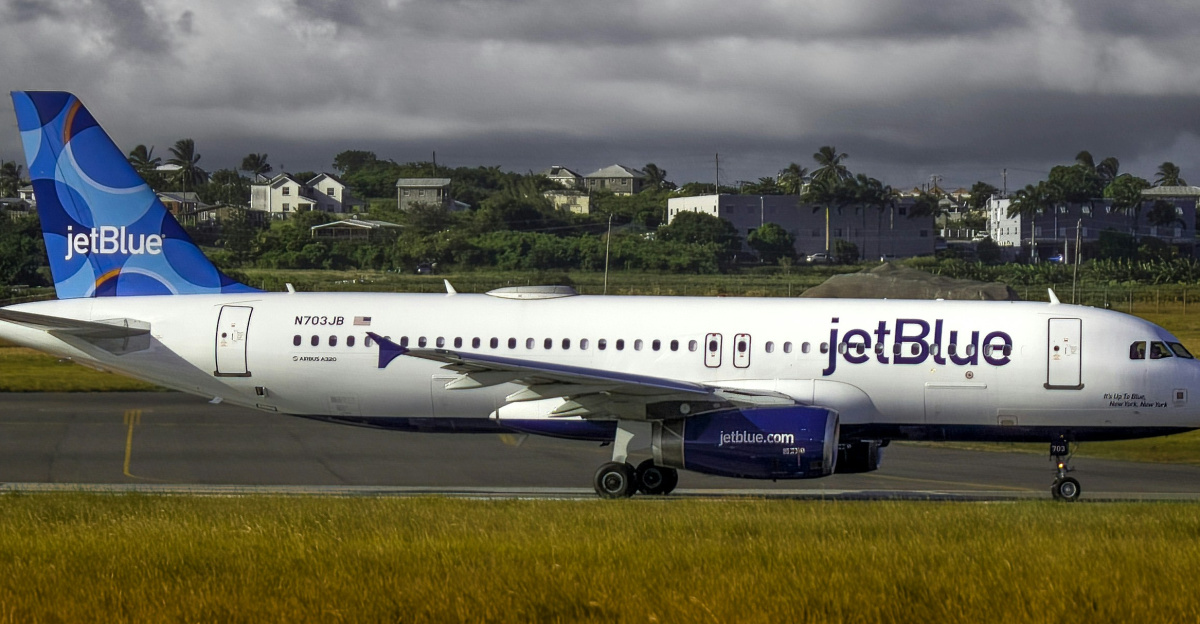
Three aircraft carrying roughly 450 people were directly affected. A JetBlue passenger flight, another commercial airliner, and a business jet encountered the debris field or its immediate vicinity.
Controllers warned one crew that proceeding toward San Juan would be “at your own risk,” an exceptionally rare advisory in commercial aviation. All crews faced rapidly changing and incomplete information.
Fuel Emergencies Declared
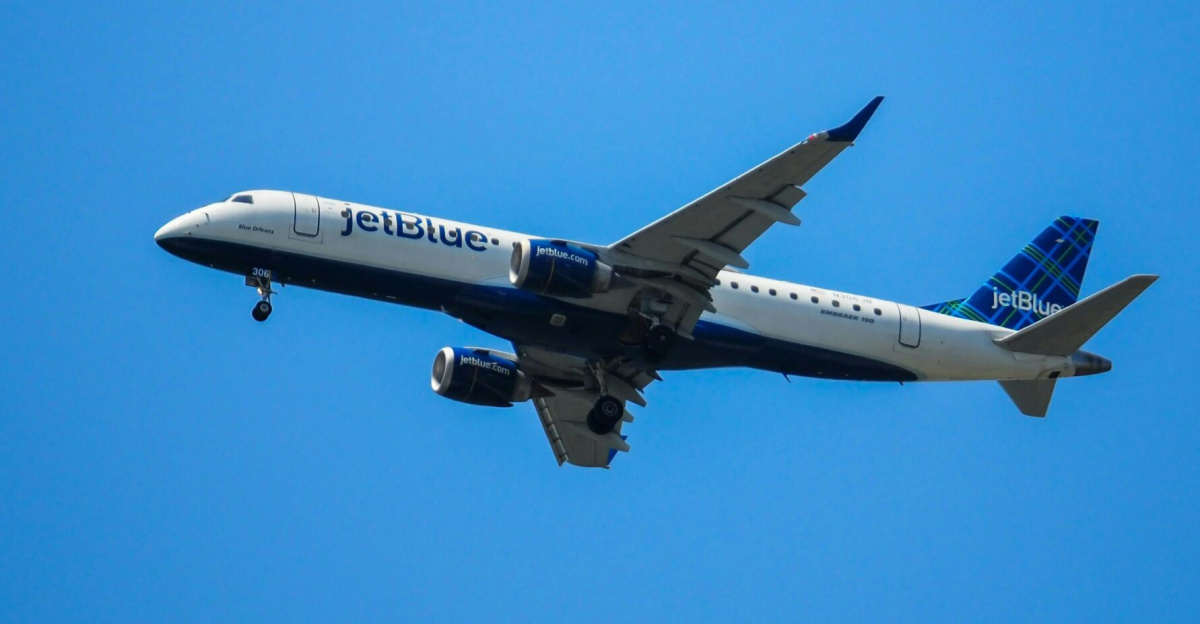
Two of the three aircraft declared fuel emergencies. In a striking reversal of normal safety logic, crews determined that flying through an officially marked debris area was safer than remaining in prolonged holding patterns that risked fuel exhaustion.
At least one near-conflict between aircraft required direct controller intervention to maintain separation during the chaotic conditions.
No Injuries, Narrow Outcome
Despite the severity of the situation, all three aircraft landed safely without injuries. The FAA later confirmed that no members of the public were harmed.
However, internal assessments emphasized that the outcome depended heavily on rapid decision-making by pilots and controllers rather than established procedures, highlighting systemic vulnerabilities rather than isolated mistakes.
FAA Grounds Starship
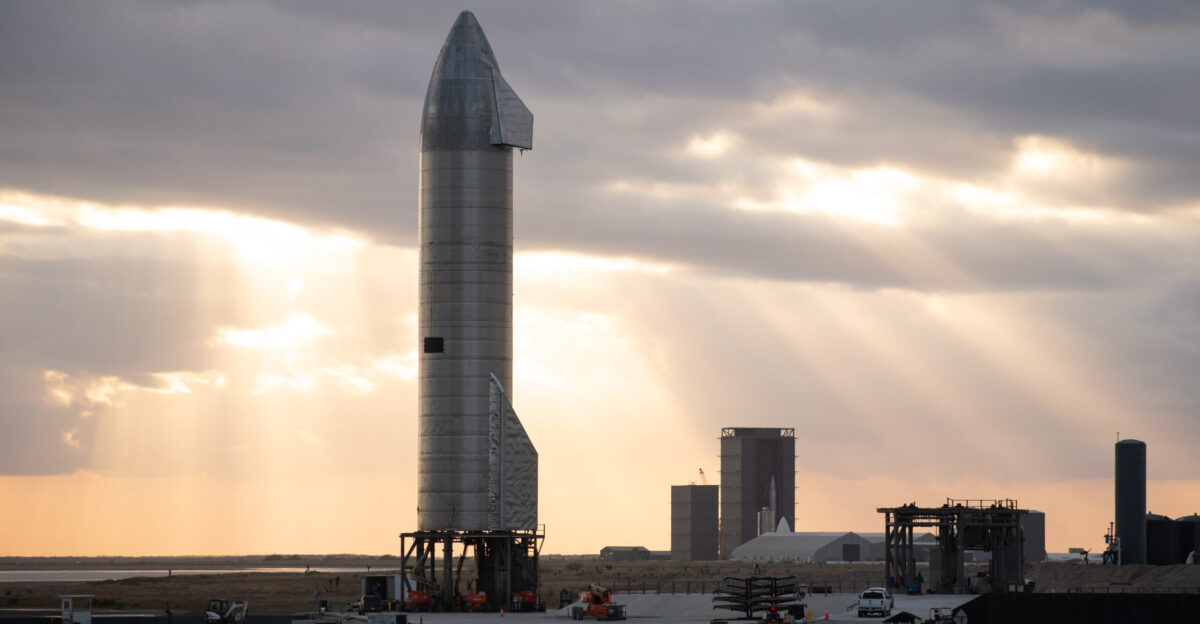
Following the incident, the FAA grounded Starship flights pending a formal mishap investigation. SpaceX was required to identify the cause of the failure and propose corrective actions before future launches.
Local authorities in Turks and Caicos also issued warnings advising residents not to touch any suspected debris, citing potential hazards from rocket materials.
Communication Breakdown Exposed

FAA documents revealed significant concern over SpaceX’s failure to promptly notify authorities through the required hotline.
The agency concluded that the lack of immediate communication significantly increased risk to aviation. The phrase “potential extreme safety risk” appeared repeatedly in internal summaries, reflecting the seriousness with which regulators viewed the breakdown.
SpaceX Response

Elon Musk later stated that the breakup was caused by an oxygen and fuel leak, resulting in what SpaceX terms a “rapid unscheduled disassembly.”
While the company highlighted the successful booster recovery during the test, regulators focused on the upper-stage failure and the cascading effects on aviation safety beyond the launch area.
Investigation and Fixes
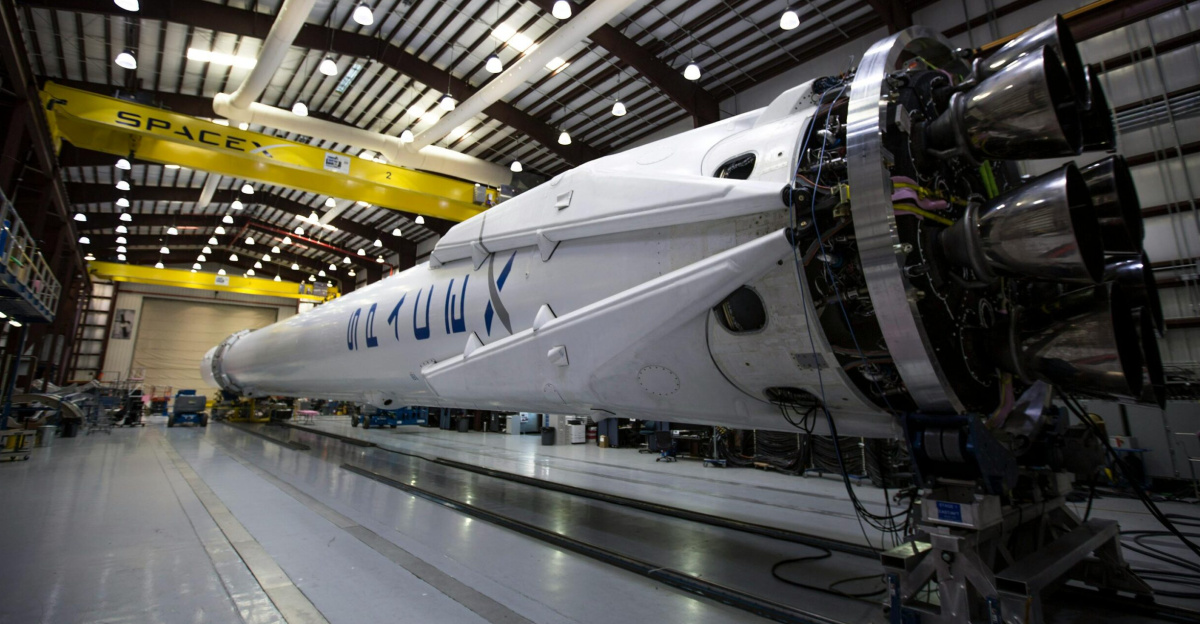
As part of the FAA-mandated mishap investigation, SpaceX proposed technical changes to address the leak and improve reliability.
The company emphasized that testing remains essential to refining Starship’s design. However, regulators stressed that engineering fixes alone would not resolve the broader challenges posed by coordinating high-frequency launches with commercial air travel.
Expert Panel Convened
In February 2025, the FAA convened an expert panel to reassess debris response procedures, communication protocols, and airspace coordination.
The panel examined how debris zones are established, how quickly alerts are issued, and how international airspace gaps can be addressed as launch activity continues to grow.
Expanded Safety Zones
As a direct result of the January incident, the FAA expanded debris response areas for subsequent Starship launches.
A later test failure in March 2025 caused significantly less disruption, suggesting that wider safety buffers and improved coordination can reduce risk, though they cannot eliminate it entirely.
Regulatory Slowdown
Despite these steps, the FAA paused parts of its broader safety review later in 2025, citing the need for additional external input and ongoing implementation of earlier recommendations.
This pause raised concerns among aviation experts, given the accelerating pace of commercial spaceflight and the unresolved challenges exposed by the January event.
International Ripples

The debris event drew attention from Caribbean governments and international aviation authorities. Turks and Caicos officials coordinated with external agencies on debris recovery and public safety messaging.
The incident highlighted the lack of a unified international framework for managing rocket debris risks over shared airspace and waters.
Legal and Environmental Issues

Under international norms, space debris remains the property of the launching entity. SpaceX faces responsibility for debris recovery and potential claims.
Environmental assessments were launched to determine whether falling fragments posed risks to ecosystems or populated areas, adding another layer of accountability beyond aviation safety.
Public Perception Shifts

Videos of glowing debris streaking across Caribbean skies captivated the public, but pilot reports and controller transcripts revealed the human stakes behind the spectacle.
What appeared awe-inspiring from the ground translated into urgent, high-risk decisions in cockpits and control rooms, reshaping perceptions of routine spaceflight.
A Skyward Reckoning
The January 16 Starship breakup marked a turning point in the relationship between commercial spaceflight and aviation.
As launch rates climb and rockets grow more powerful, coordination failures carry greater consequences. The FAA’s “potential extreme safety risk” warning stands as a reminder that innovation must advance alongside robust safeguards for everyone sharing the sky.
Sources:
- Phys.org, Jan 2025
Covers Starship test flight details, FAA grounding after fiery mid-air event, booster catch success with upper stage failure, and debris incident response.
- MSN via FAA docs, 2025
Provides FAA documents on airspace risks, delayed notifications, mishap probe, and “potential extreme safety risk” declarations.
- VASAviation ATC transcript, Mar 2025
Air traffic control recordings detailing diversions, pilot queries, debris warnings, and near-misses over Caribbean zones.
- VideoFromSpace, Jan 2025
Videos capturing debris streaks over Turks and Caicos, public photos of fragments, and international reactions.