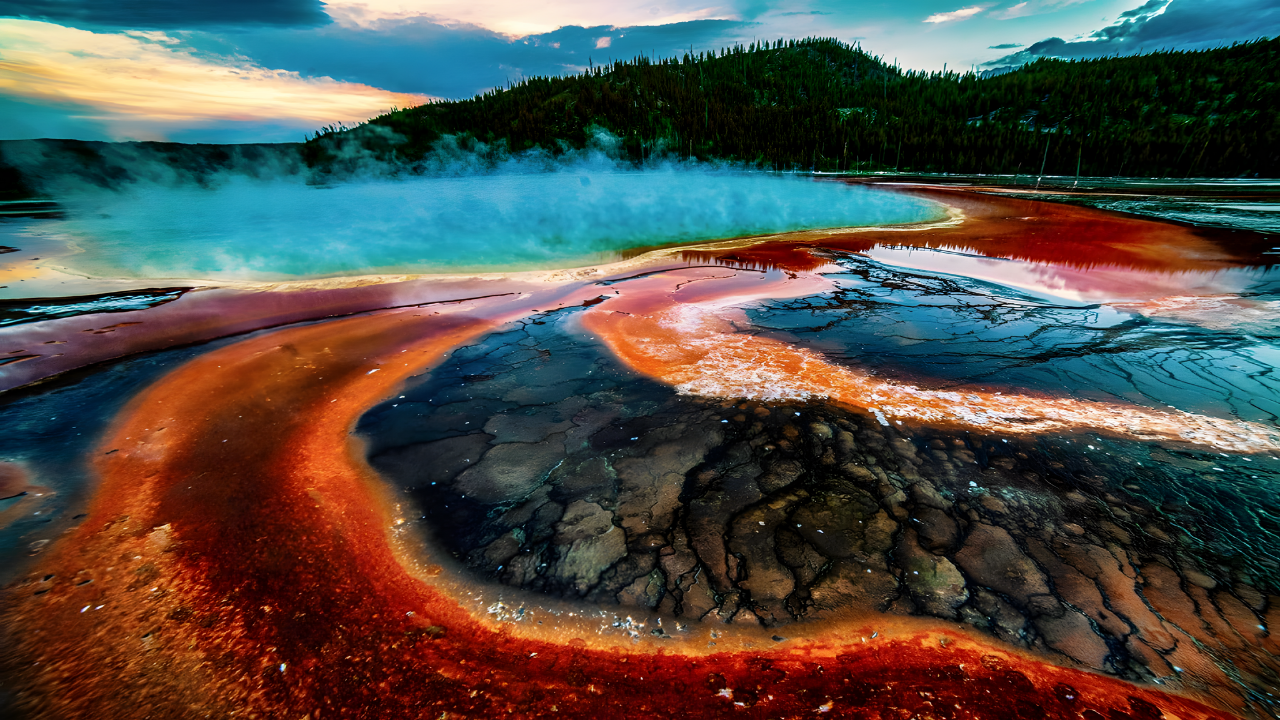
Yellowstone’s supervolcano, nestled beneath Wyoming’s expansive terrain and extending into Montana and Idaho, continues to draw intense scientific scrutiny. Recent seismic swarms and advanced imaging have revealed a more dynamic magma system than previously understood, though activity remains within normal bounds after 640,000 years without a major eruption. These developments highlight the site’s ongoing monitoring and the measured readiness in surrounding communities, balancing vigilance with everyday life.
Uncovering the Rhythmic Magma Layer
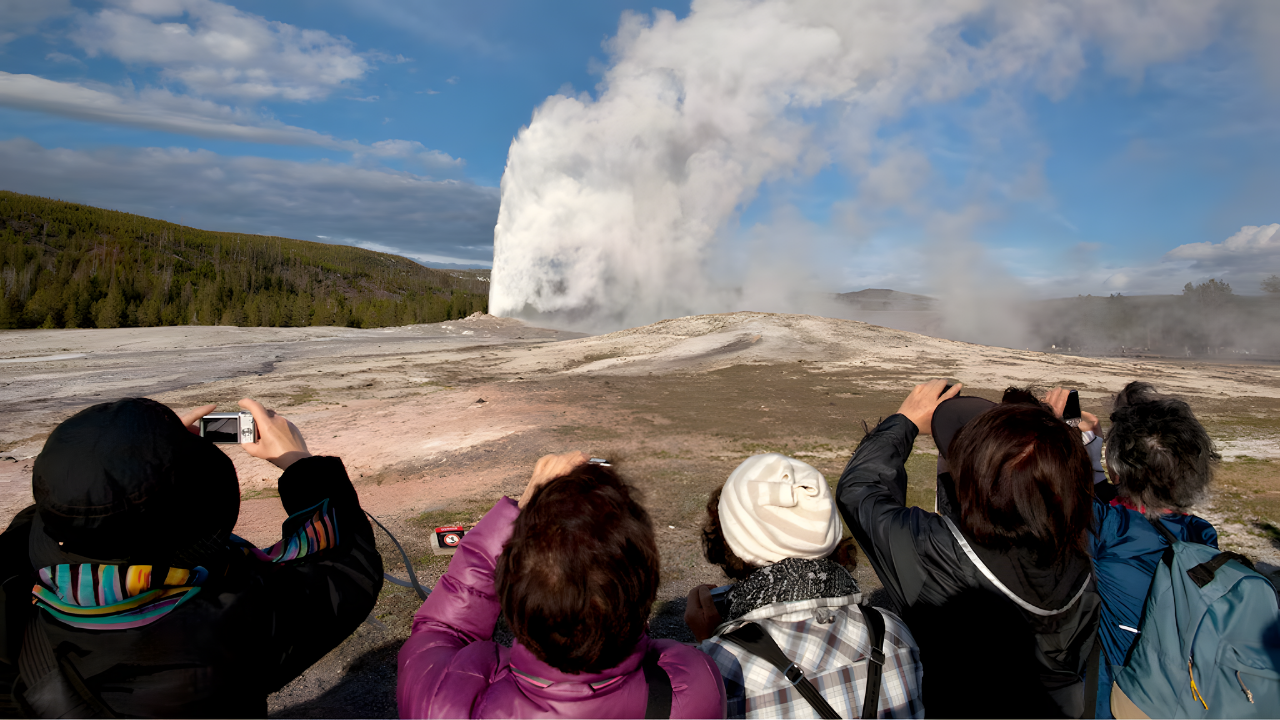
Researchers detailed a shallow magma layer in a 2025 Nature study, positioned about 2.6 miles underground. This spongy formation expands and contracts in a rhythmic pattern, releasing gases and fluids to ease pressure buildup. Seismic imaging confirms these natural leaks contribute to the caldera’s long dormancy, portraying Yellowstone as a self-regulating system rather than an imminent threat.
The findings ease concerns by explaining persistent stability. Scientists now view the volcano’s behavior through a lens of controlled activity. This perspective reassures observers while underscoring the value of precise monitoring tools.
Vast Reservoir Fuels Park Features
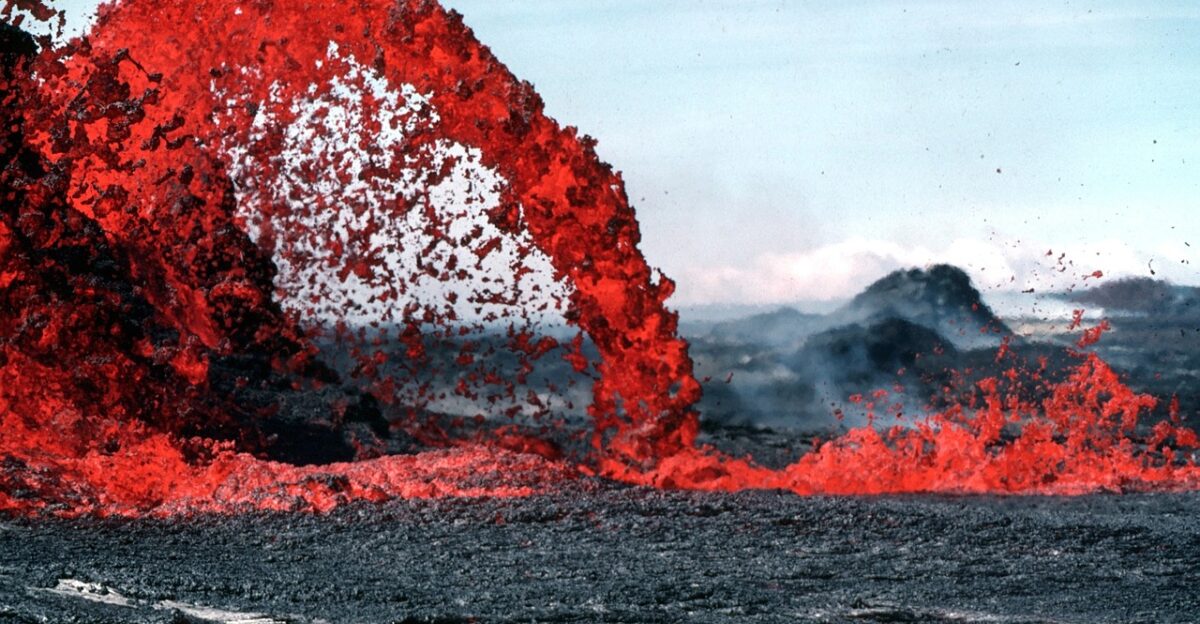
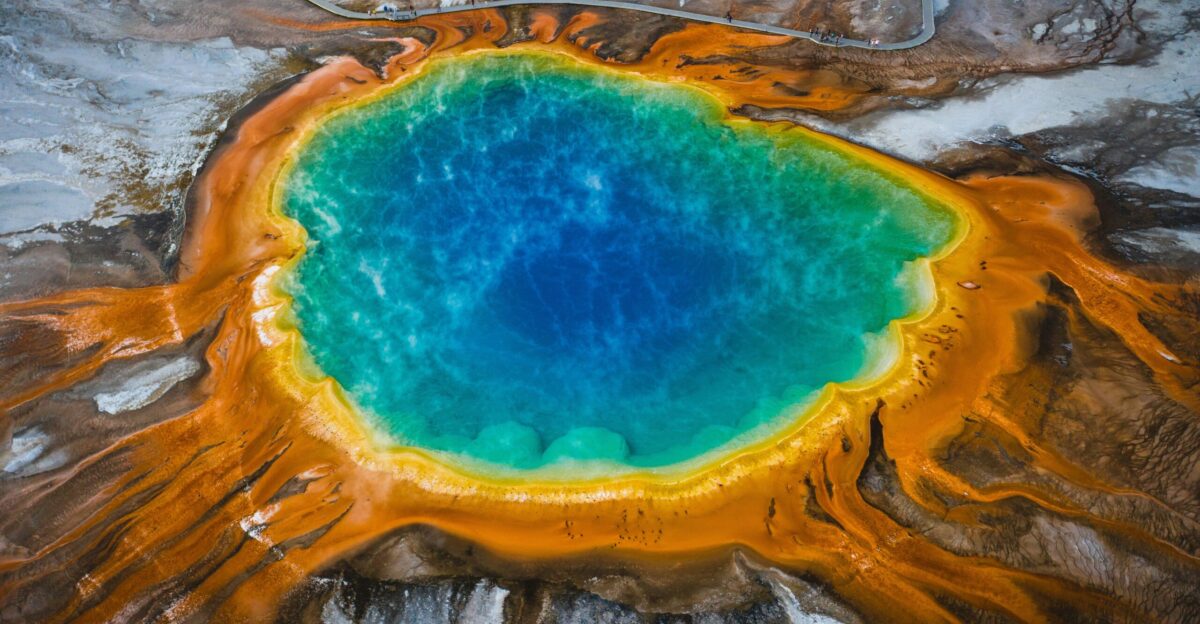
Deeper beneath lies a sprawling magma reservoir, roughly 11,200 cubic miles in extent, far larger than earlier estimates, with just 2 percent molten material. The overall system spans about 15,000 cubic kilometers, though past supereruptions drew on only a fraction of that volume. This underground expanse powers the park’s geysers, hot springs, and trails visited by over 4 million people yearly.
Current levels show no unusual escalation. The reservoir sustains hydrothermal activity without signaling heightened risk. Experts emphasize its role in the park’s natural display, not as a precursor to unrest.
November Swarm Fits Normal Patterns
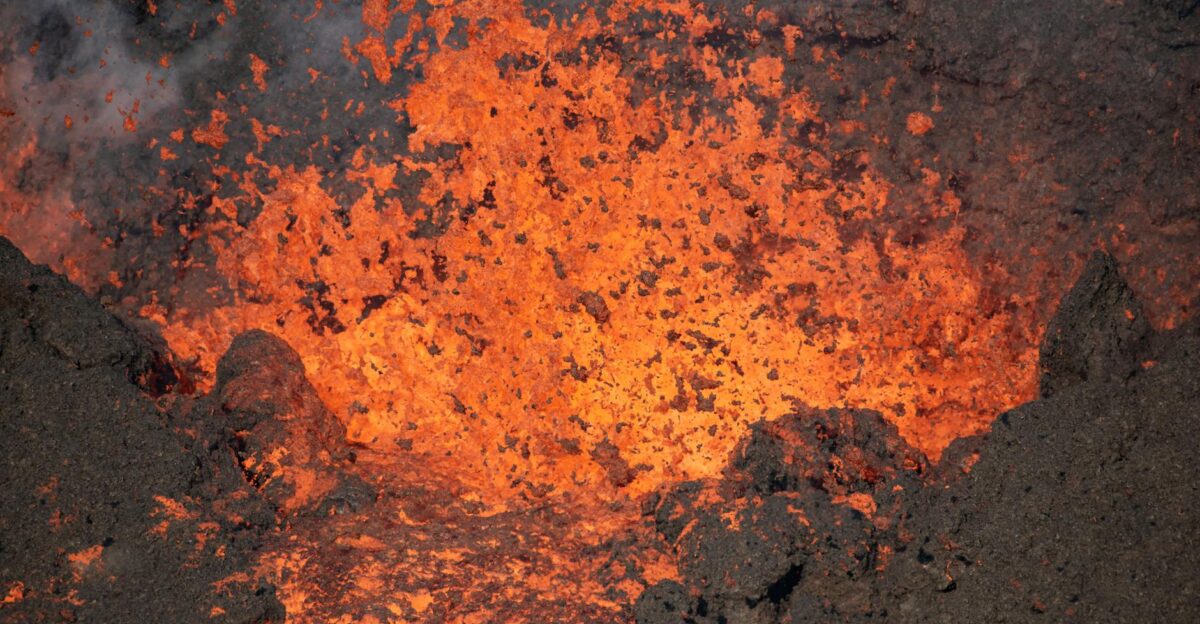
Yellowstone registered 251 earthquakes in November 2024, peaking at magnitude 3.2, enough to rattle dishes but inflicting no damage. This cluster aligns with the region’s typical 1,000-plus annual quakes, often occurring in swarms. USGS networks across Wyoming, Montana, and Idaho provided real-time tracking throughout the events.
Local residents noted minor shakes, spurring awareness without halting routines. The timing coincided with mapping efforts on the shallow layer. Such episodes reinforce the need for constant observation amid routine seismicity.
Communities Focus on Preparedness
The caldera spans three states, placing tens of millions in potential ashfall paths from a supereruption. FEMA projections outline $3-5 trillion in nationwide impacts, including grounded flights, buried crops, and strained infrastructure. Officials respond with drills and emergency kit recommendations, sustaining tourism that bolsters local economies.
USGS upholds a normal alert level, prioritizing education over alarm. Park rangers weave updates into visitor orientations for informed safety. This approach fosters resilience without disrupting normalcy.
Advanced Monitoring Enhances Outlook
Thousands of sensors now detect micro-quakes and ground shifts, complemented by satellite deformation maps. USGS anticipates 2026 drilling to sample the deep reservoir directly. These tools capture subtle changes missed by prior methods, illuminating the system’s baseline hum.
Enhanced detection supports early warnings if patterns shift. Communities benefit from this progress, blending scientific insight with practical readiness. Yellowstone’s power meets human adaptability, ensuring steady vigilance.
Sources:
Live Science, ‘Breathing’ magma cap inside Yellowstone supervolcano, 2025-04-25.
USGS Yellowstone Volcano Observatory, Volcano Updates, 2025-11-30.
Rice University News, Inside Yellowstone’s fiery heart: Rice researchers map volatile-rich cap, 2025-04-15.
Buckrail, Yellowstone’s November update includes 88 earthquakes, 2024-12-02.
CNN, Magma expanse under Yellowstone supervolcano more vast, 2015-04-24.
Smithsonian Magazine, Giant New Magma Reservoir Found Beneath Yellowstone, 2015-04-22