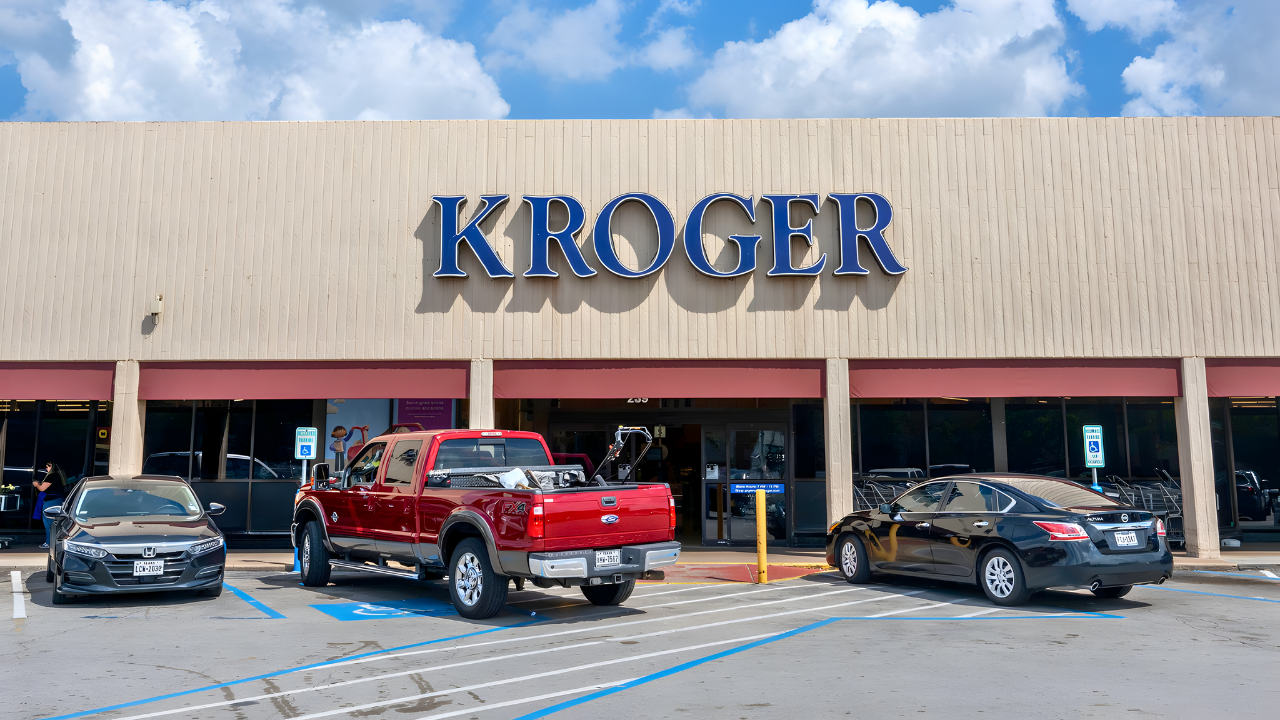
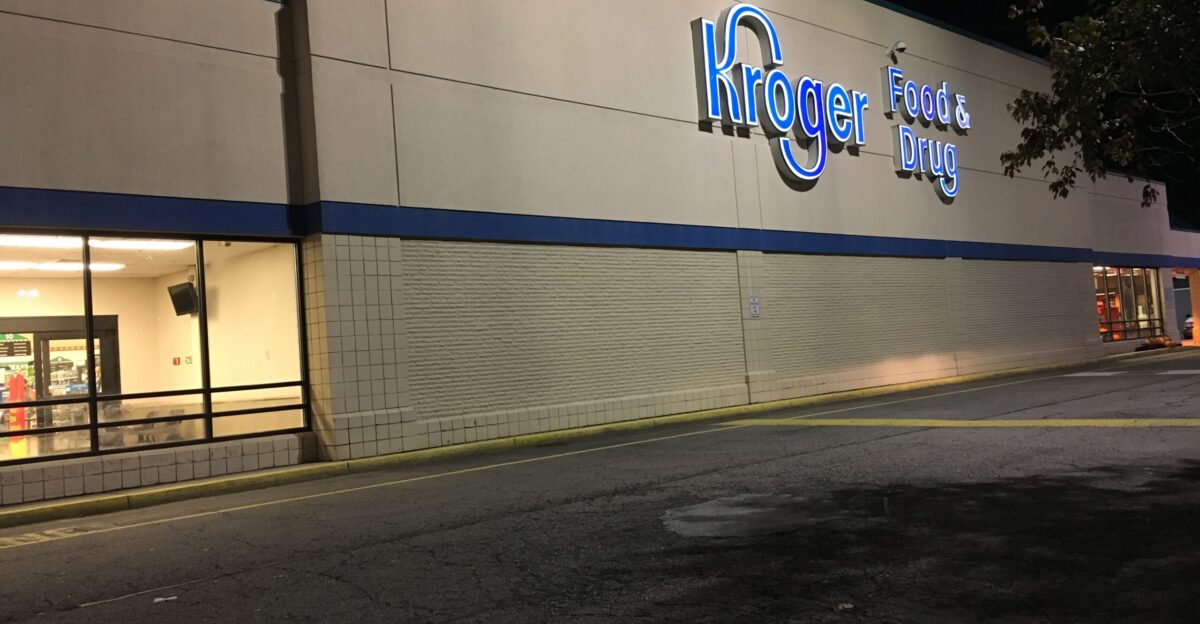
Kroger has officially confirmed plans to close approximately 60 stores across the United States by the end of 2026. This decision impacts roughly 2% of the supermarket giant’s total footprint of over 2,700 locations.
Management describes the move as a strategic reset designed to eliminate underperforming locations that have consistently failed to meet financial targets. The company aims to strengthen its remaining portfolio by shedding these less profitable assets.
Workforce Transfer Plans
Despite the significant number of confirmed closures, Kroger is actively working to minimize layoffs by offering transfers to affected employees. Workers at the shuttered locations will generally be given the opportunity to move to nearby stores within the network.
This effort aims to retain experienced staff while maintaining morale during a difficult operational transition. Union representatives are currently monitoring the process to ensure contract compliance and job security.
Regional Impact Zones
While a complete nationwide list remains unpublished, confirmed reports highlight specific regions facing the brunt of the cuts. Significant closures have been identified in the Metro Atlanta area, Northern Virginia, and suburban Illinois, including Mariano’s locations.
These specific shutdowns largely involve older properties with expiring leases, rather than a total exit from these markets. The company insists these specific market adjustments are necessary for long-term financial health.
Fallout from Failed Deal
These operational changes arrive one year after the collapse of Kroger’s ambitious $24.6 billion merger with Albertsons. Federal courts blocked the proposed combination in late 2024, citing antitrust concerns and potential consumer harm.
The failure of this deal forced Kroger to abandon its expansionist strategy and focus inward. Without the huge scale of the merger, the company is now prioritizing internal efficiency over external acquisition growth.
Ongoing Courtroom Disputes

The merger’s termination sparked a bitter legal war between the two grocery titans that continues today. Albertsons is currently suing Kroger for billions in damages and a substantial breakup fee, alleging breach of contract.
Kroger has countersued, claiming Albertsons failed to meet its own contractual obligations during the regulatory review. These expensive and distracting legal battles continue to weigh on the company’s resources as it attempts to restructure.
Leadership Shakeup Shock
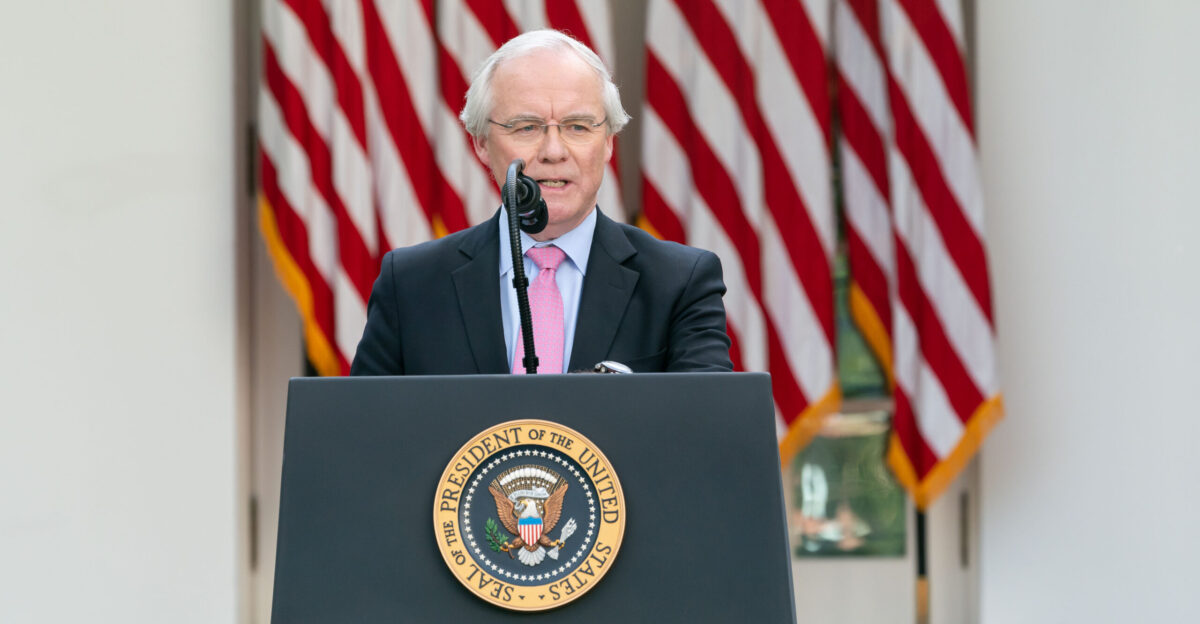
Adding to the corporate turmoil, long-time CEO Rodney McMullen resigned abruptly in March 2025. His departure followed an internal board investigation into personal conduct unrelated to the company’s financial performance or operations.
McMullen, who had led Kroger for over a decade and architected the merger, forfeited millions in unvested equity. His exit marked a sudden end to the leadership team that had championed the failed consolidation strategy.
Temporary Executive Control
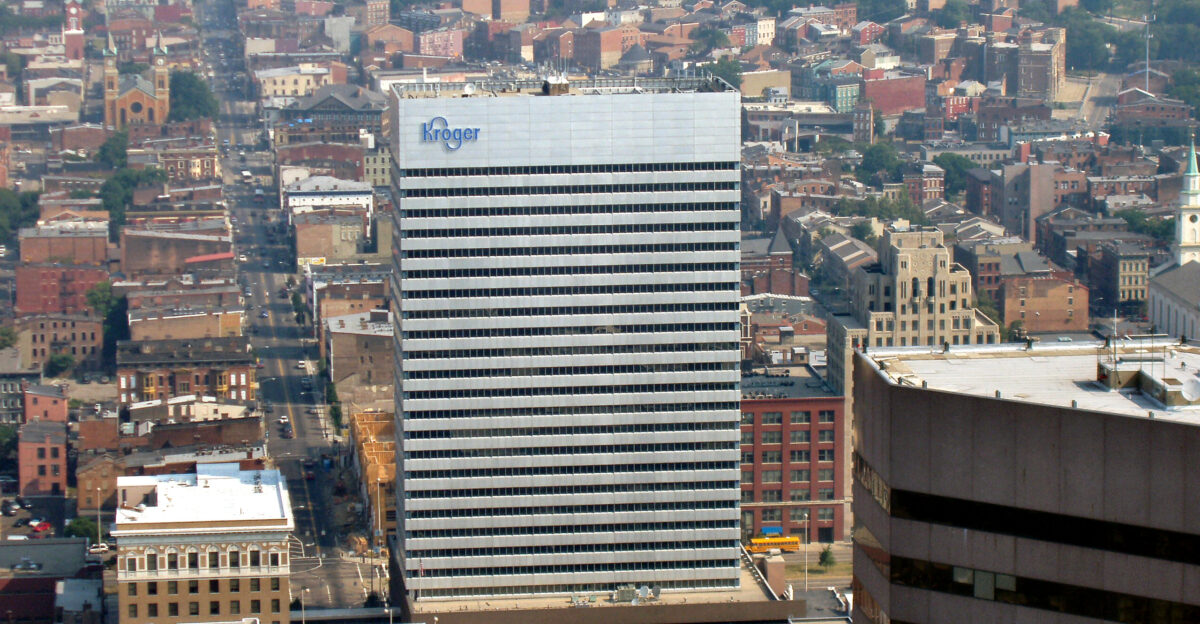
Following McMullen’s resignation, the board appointed Ron Sargent as interim CEO to steer the company through this crisis. Sargent, formerly the CEO of Staples, has implemented a rigorous focus on cost discipline and operational efficiency.
He has made it clear that his mandate is to stabilize the ship while the board conducts a comprehensive search for a permanent leader to guide the company into its next phase.
Outsider to Take Helm
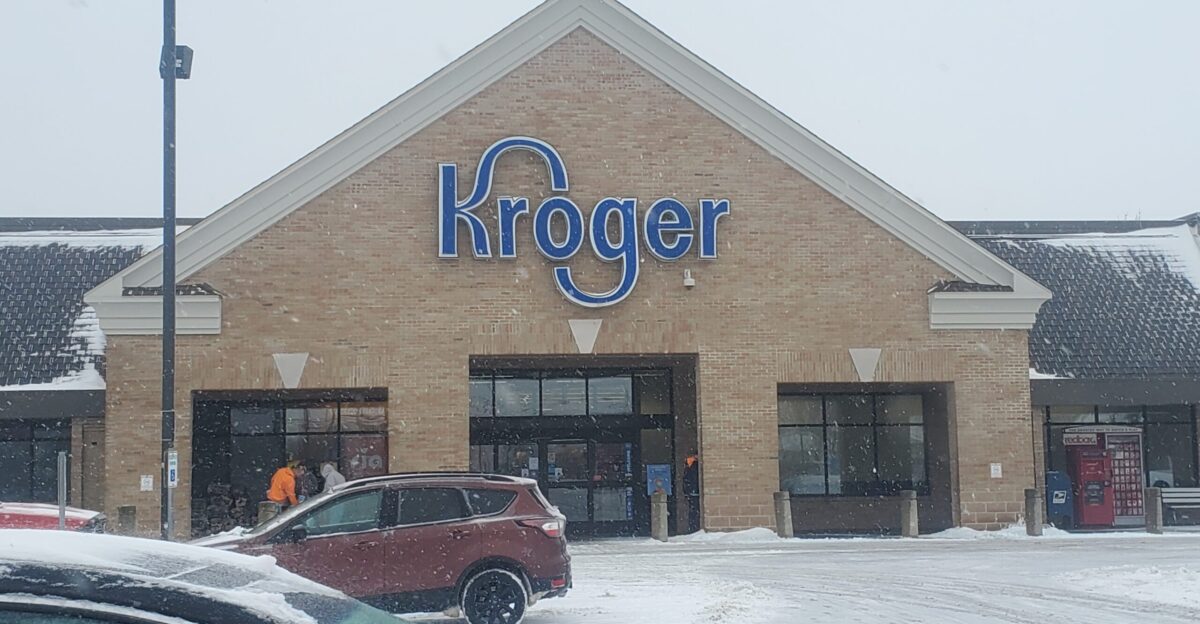
In a historic shift for the 143-year-old retailer, the board has confirmed that the next CEO will be hired from outside the company. This decision breaks with Kroger’s long tradition of internal promotion and grooming successors from within.
Directors are seeking a candidate with a fresh perspective to modernize operations. The search is expected to conclude in early 2026 with a high-profile appointment to lead the reset.
Retreat from Robotics

Kroger is also reversing its expensive bet on automated warehousing technology designed to compete with Amazon. The company recently announced the closure of three massive fulfillment centers in Wisconsin, Florida, and Maryland.
These facilities, powered by Ocado technology, failed to meet profitability metrics. This strategic pivot resulted in a massive $2.6 billion impairment charge, signaling the end of Kroger’s capital-intensive experiment with exclusive robotic fulfillment.
New E-Commerce Model

The closure of the robotic centers signals a transition to a lighter, more flexible digital model. Kroger is now prioritizing fulfillment directly from local stores and utilizing third-party delivery partners like Instacart and Uber Eats.
This approach reduces overhead costs while maintaining service levels for delivery customers. Management believes this “asset-light” strategy will finally drive the e-commerce division to full-year profitability by the end of 2026.
Administrative Staff Cuts

To further reduce operating costs, Kroger executed multiple rounds of layoffs affecting corporate staff throughout 2025. The most recent cuts in August eliminated approximately 1,000 administrative and support roles across the organization.
These reductions were concentrated at the Cincinnati headquarters and regional offices. The company stated these painful measures were necessary to streamline decision-making and protect profitability in a slower-growth environment without the merger synergies.
Sales Growth Continues

Despite the internal chaos, Kroger’s core grocery business remains surprisingly resilient according to recent data. The company reported identical sales growth of 2.6% in the third quarter of 2025. Customers continue to shop at Kroger for its fresh food and private-label value despite the headlines.
This steady top-line performance suggests that the brand’s relationship with millions of daily shoppers remains intact despite the corporate restructuring.
Returning Capital to Investors

To maintain investor confidence during this rocky transition, Kroger has aggressively repurchased its own stock. The board authorized a $7.5 billion buyback program, with over $5 billion already executed by the end of the year.
This move is designed to support the share price and return capital to shareholders. Analysts view this as a clear signal that management believes the company is currently undervalued by the market.
Rivals Gaining Ground
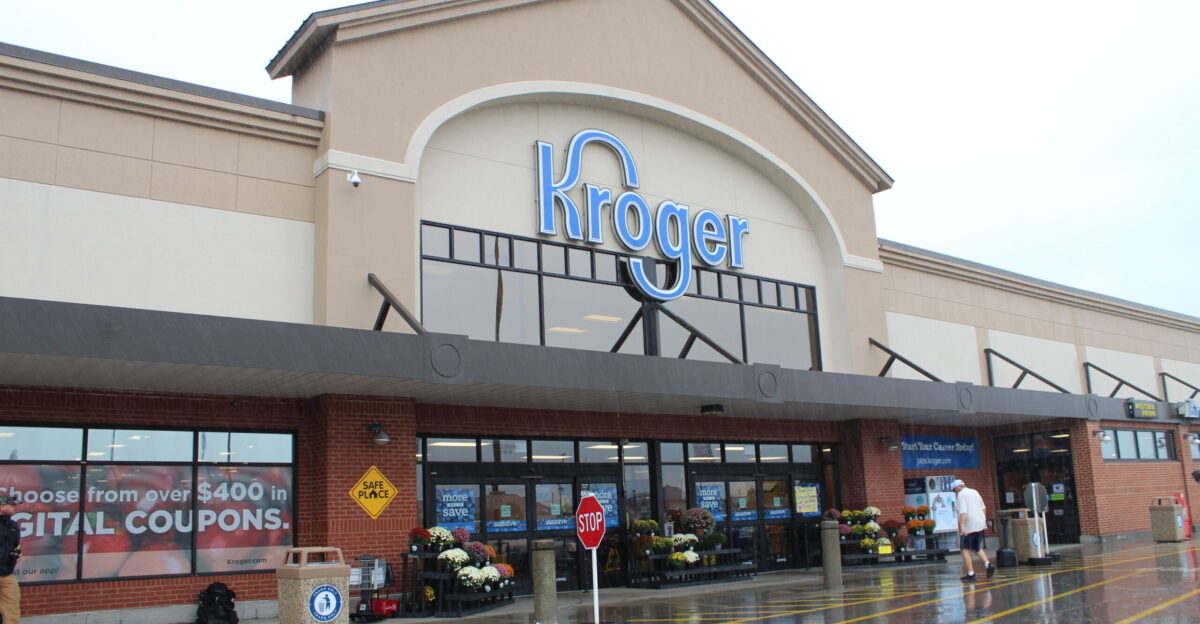
The failed merger has left Kroger vulnerable to aggressive competitors like Walmart and Costco who are expanding. These rivals have continued to gain market share while Kroger has been distracted by regulatory fights and restructuring.
Discount grocers like Aldi are also expanding rapidly, putting pressure on pricing in key markets. Kroger must now defend its market position without the scale benefits it had hoped to gain from Albertsons.
Critical Year Ahead
As 2026 approaches, Kroger stands at a defining moment in its long corporate history. The combination of store closures, leadership changes, and digital pivots represents a total corporate reset.
The incoming CEO will face the immense challenge of executing this new vision while retaining customers. Success will depend on balancing necessary cost cuts with the need to innovate in a fiercely competitive industry.
Sources:
“Kroger closing around 60 stores nationwide.” USA Today, 20 June 2025.
“Albertsons terminates $25 billion merger with Kroger after regulatory hurdle.” Reuters, 11 Dec 2024.
“Kroger closing 3 automated fulfillment centers.” Supply Chain Dive, 18 Nov 2025.
“Kroger Reports Third Quarter 2025 Results.” Kroger Co. Investor Relations, 11 Dec 2025.