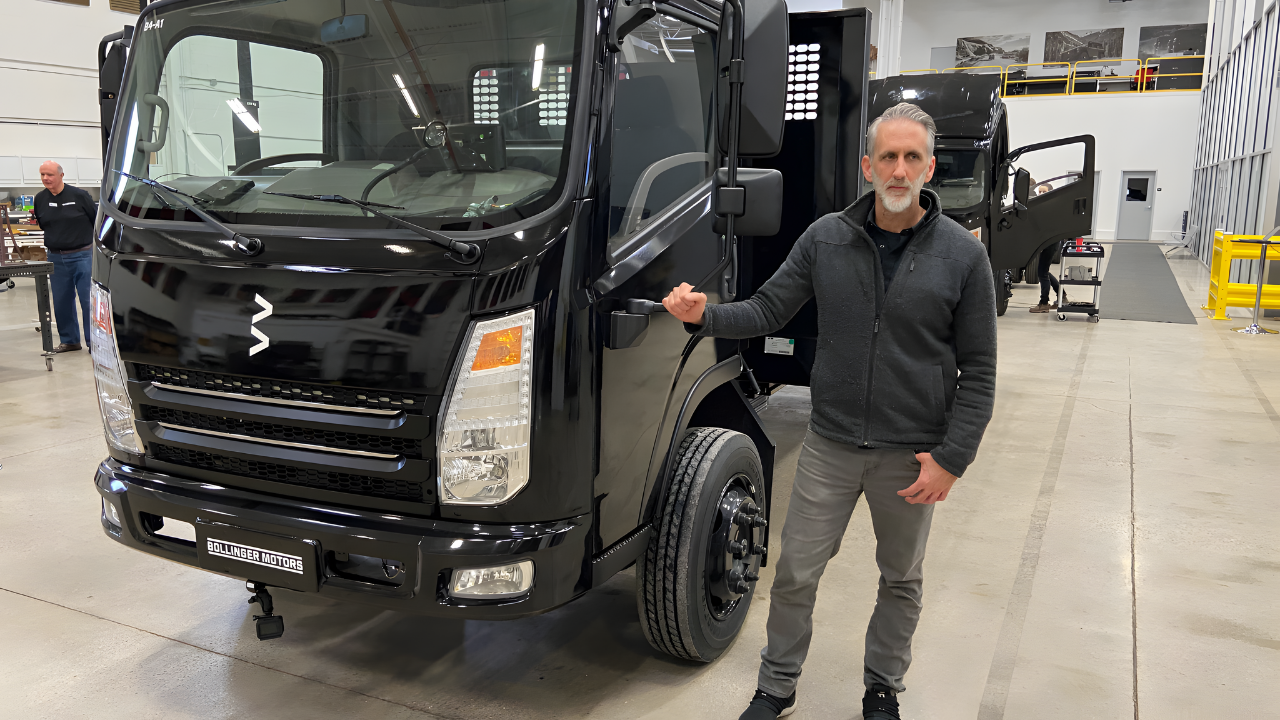
On the morning of November 21st, an HR director’s email crushed hundreds of employees’ hopes at an EV start-up. Bollinger Motors, a Michigan-based electric truck startup, abruptly ceased operations.
The company, which had consumed $163 million in investor capital over a decade, delivered fewer than 50 vehicles. Workers were left unpaid ahead of winter holidays. Here’s what went wrong and how $163 million vanished.
The Bold Promise
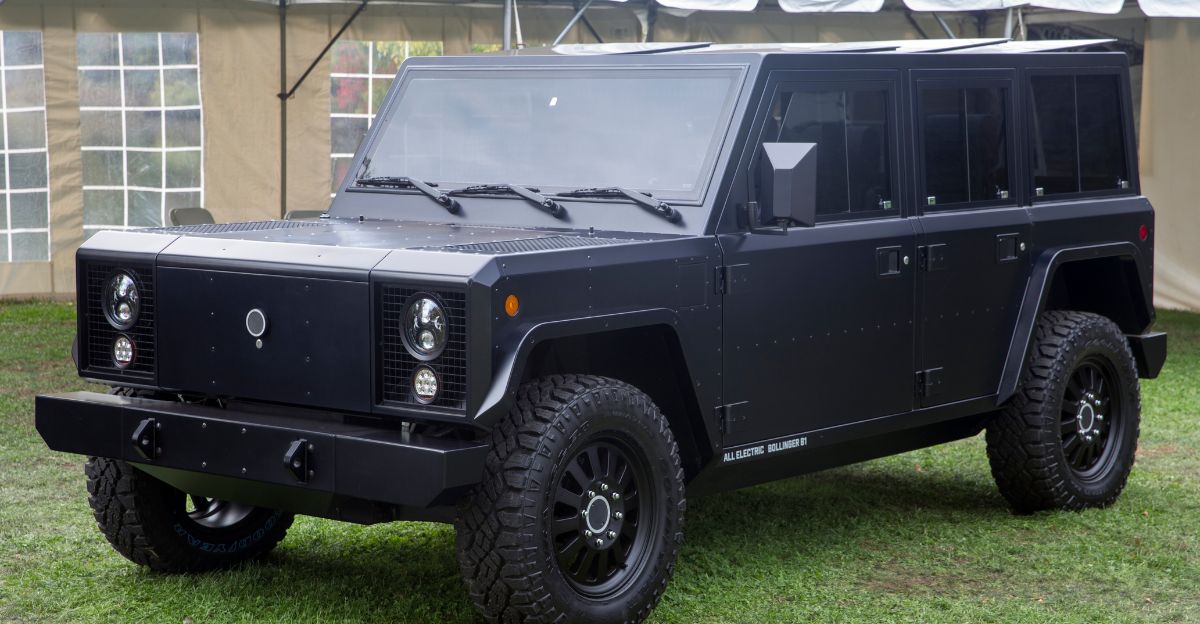
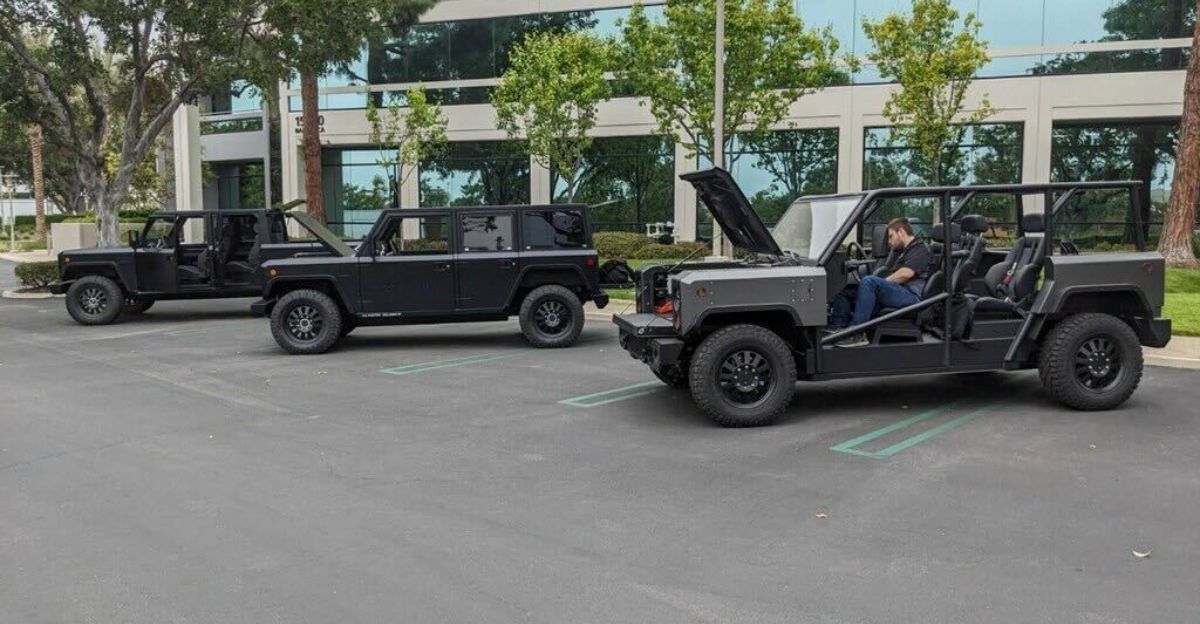
Robert Bollinger launched his namesake company in 2015 with high ambitions. The Michigan startup promised to revolutionize commercial trucking with electric vehicles. Marketing claimed Bollinger Motors would deliver “the most bad-ass electric commercial trucks on the planet,” focusing on B1 SUVs and B2 pickups. But behind the hype, early signs of trouble were already emerging, threatening the ambitious vision.
Seven Years, Zero Revenue
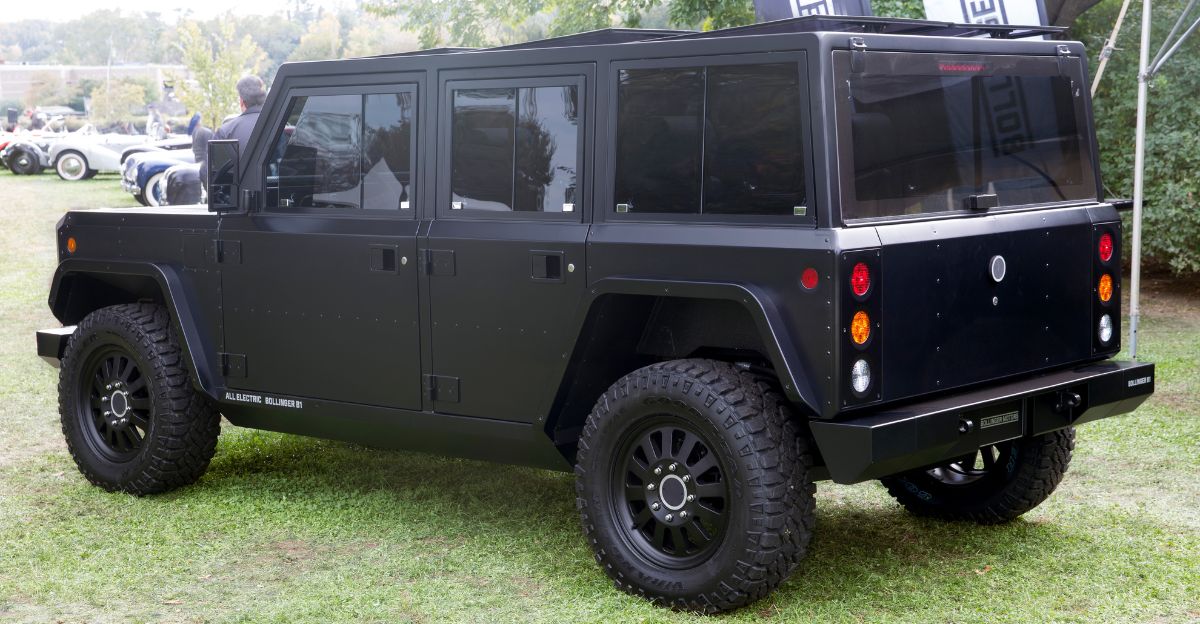
From 2015 to 2022, Bollinger Motors spent over $100 million developing consumer EVs that never reached production. Deposits were refunded, vehicles remained prototypes, and no commercial revenue was earned. Tesla dominated the emerging EV market, leaving Bollinger behind. By 2022, investors realized the original business model had failed. Survival demanded a dramatic pivot—or the company would vanish entirely.
The $148 Million Lifeline
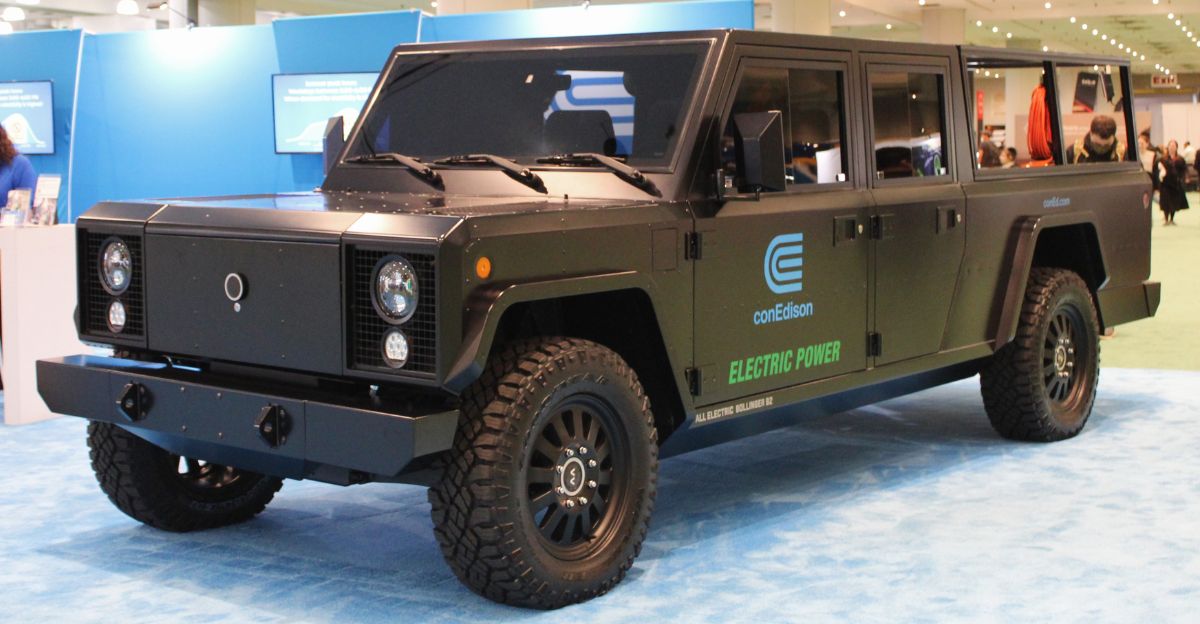
In September 2022, Mullen Automotive invested $148 million to rescue Bollinger Motors, acquiring 95% ownership. Consumer trucks were abandoned, replaced by Class 4 commercial EVs. Headquarters remained in Oak Park, Michigan, with a renewed focus on fleet electrification. For the first time, Bollinger appeared positioned for success. Yet even with fresh capital, challenges in production and competition loomed large.
A Race Against Time
Transitioning under Mullen required 2-3 years to redevelop products and secure manufacturing. Rivian, Ford, GM, and Tesla already dominated commercial EVs. Bollinger contracted Roush Industries in Livonia, Michigan, with a theoretical capacity of 5,000 B4 trucks annually, announced October 11, 2023. Despite potential, actual production lagged far behind projections. The clock was ticking against market entrants with massive advantages.
The Founder’s Exit
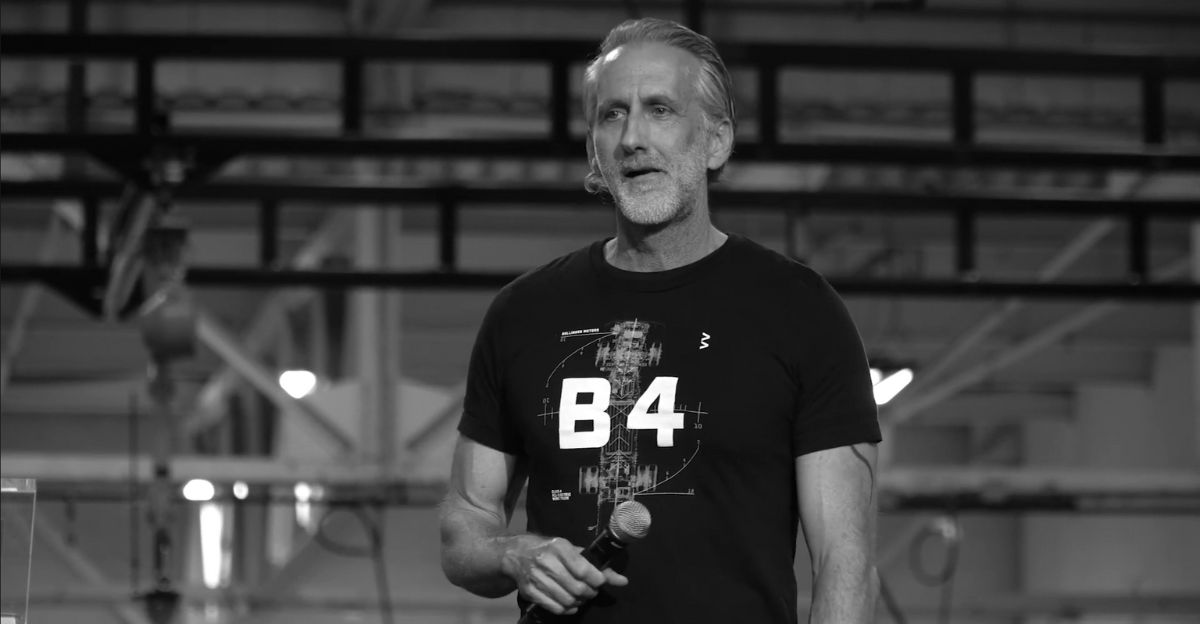
Founder Robert Bollinger stepped down as CEO in June 2024. Leadership instability followed: Bryan Chambers became interim CEO in March 2025, replaced by David Michery from Mullen in June 2025. Three CEOs in 12 months prevented consistent strategy. Bollinger’s departure signaled his own doubts about survival. What insights did he have that investors and the public couldn’t see?
The First Trucks Roll Off the Line
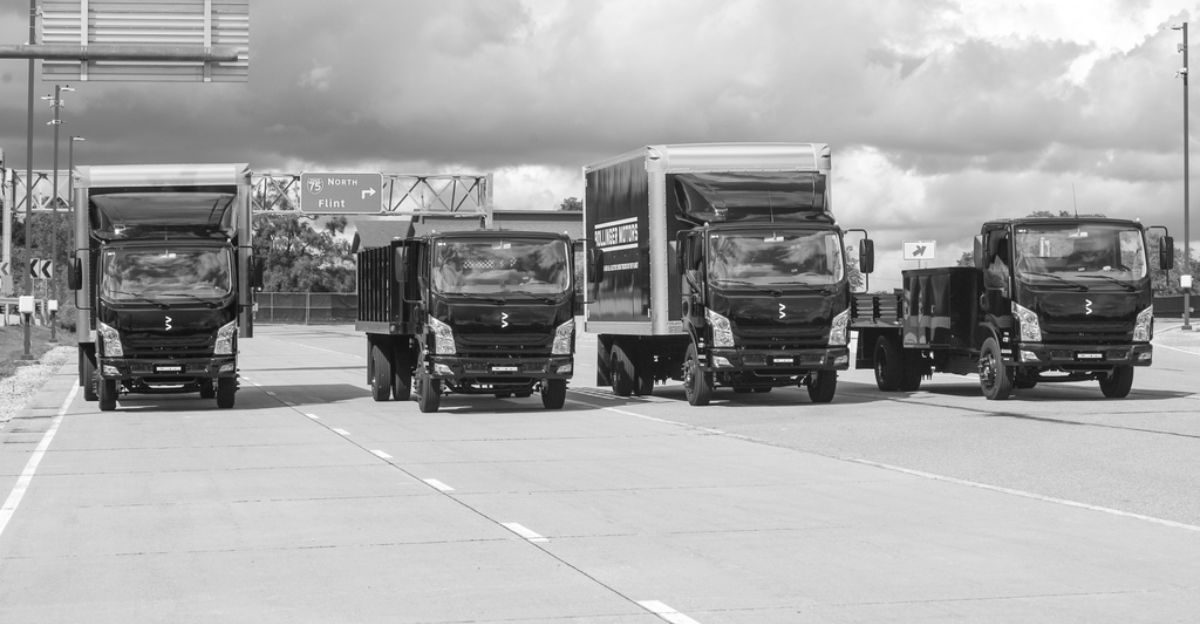
Between September 16-20, 2024, the first B4 trucks rolled off Roush Industries’ line. The 158-kWh battery, 323-horsepower, 675 lb-ft torque trucks offered 200-mile range and MSRP of $158,758. With incentives, buyers paid under $60,000. After nine years of waiting, commercial EV production was real. Early adopters showed interest, yet questions lingered: Could sales cover the long-term cash burn?
First Deliveries Arrive
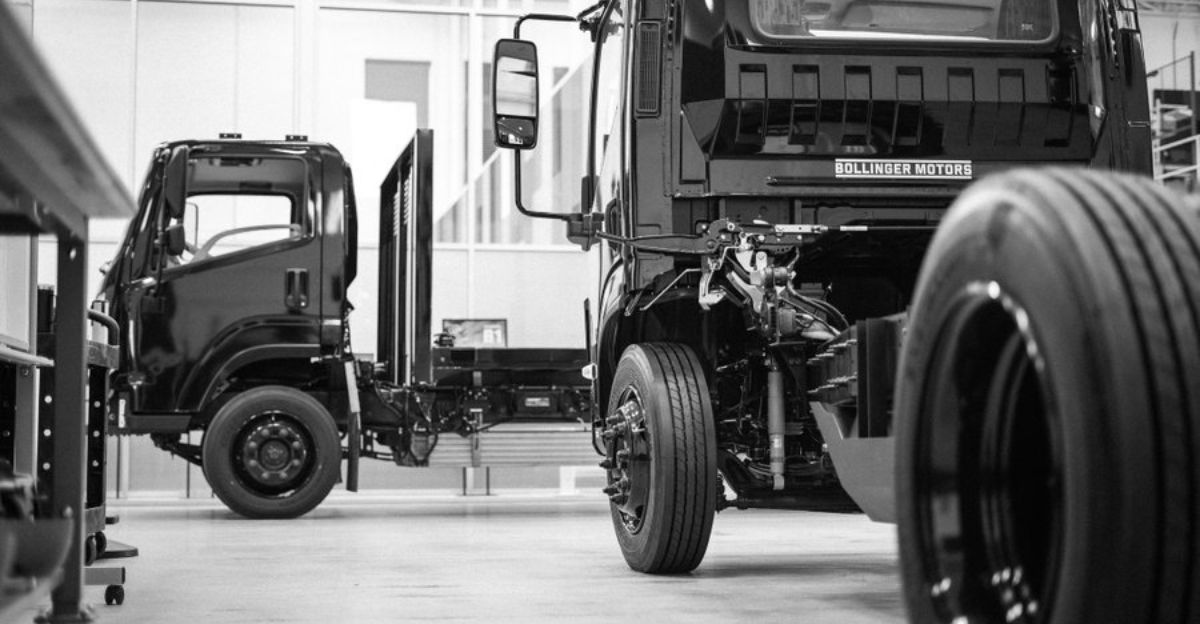
In October 2024, Nacarato Truck Centers received five B4s valued at $800,000. TEC Equipment received three trucks totaling $500,000. These were revenue-generating sales, not prototypes. Production accelerated and optimism returned after years of waiting. Revenue began trickling in. But even as sales grew, financial realities remained daunting. Could small-scale deliveries sustain a company with massive capital needs?
The Cash Burn Accelerates
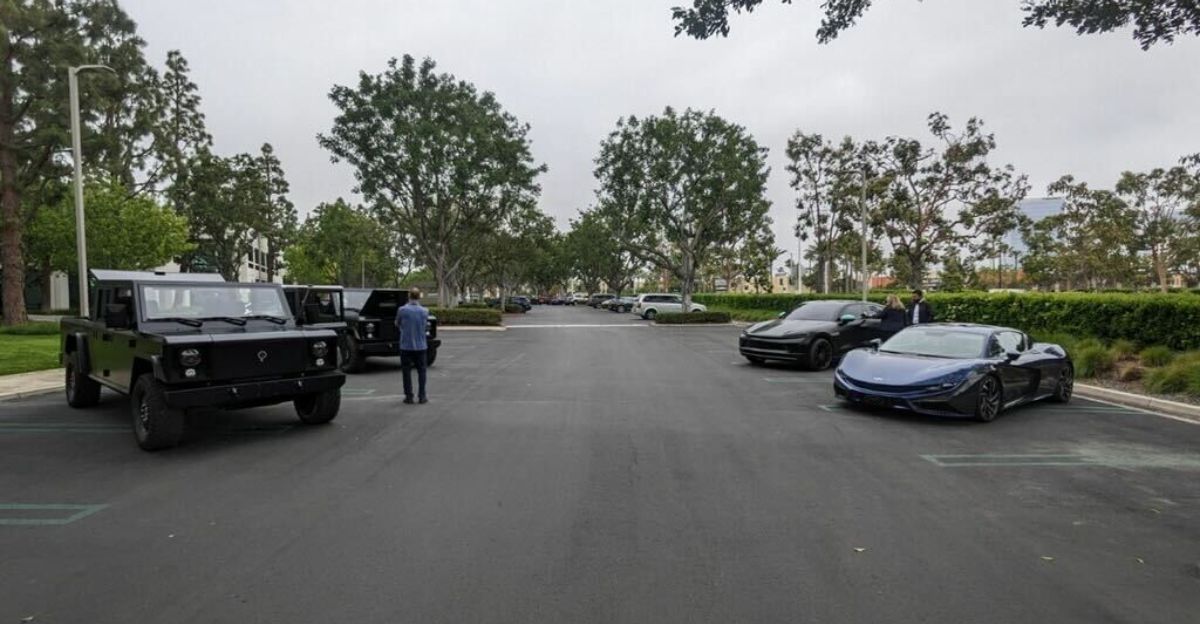
Quarterly cash burn hit $21.2 million, equating to $84.8 million annually, while only 40-50 vehicles generated $2-4 million quarterly gross profit. With the gap so large, the business model was unsustainable. Investors remained hopeful but cautious. Every quarter saw financial hemorrhage. The optimistic narrative masked a grim reality: revenue alone could never cover operating expenses. Could leadership bridge the gap?
“You’ve Got to Kill Me to Stop Me”

In June 2025, CEO David Michery boldly stated, “You’ve got to kill me to stop me.” Confidence aimed to reassure investors, yet the company owed $24 million to suppliers. The cash burn far outstripped revenue, leaving creditors anxious. Enthusiasm couldn’t mask insolvency risks. As suppliers grew wary, the company’s optimism clashed with a harsh financial truth, raising concerns about imminent collapse.
The Founder Strikes Back
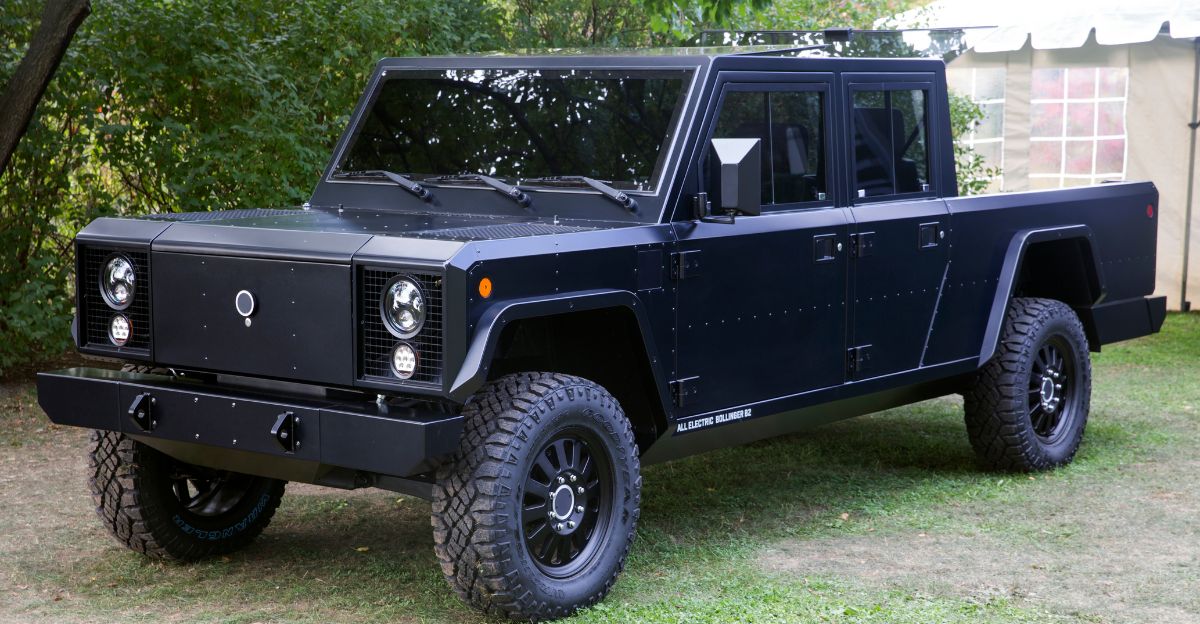
In March 2025, Robert Bollinger filed suit to recover a $10 million loan he had given the company in October 2024. Institutional investors had stopped funding operations, forcing the founder to step in. When repayment failed, a federal judge placed Bollinger Motors under receivership in May 2025. Insolvency became official, and production access was cut off. Desperation had become legal conflict.
Receivership Reveals the Truth
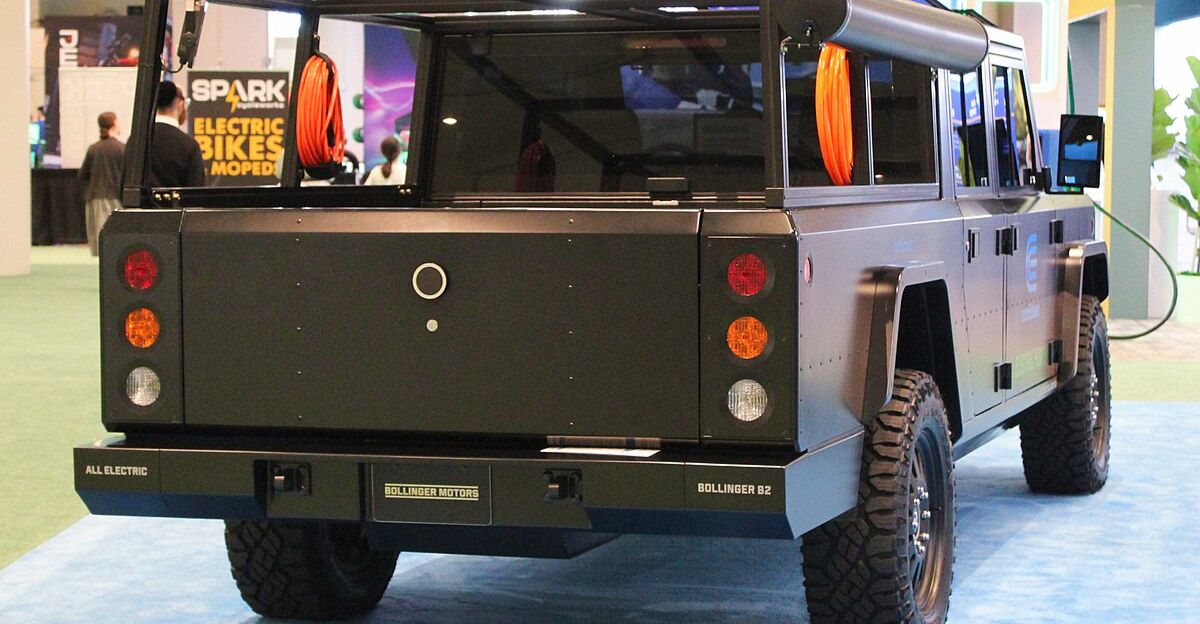
Court testimony in May 2025 revealed over $20 million owed to suppliers. Production halted as employees were locked out. Facility management threatened eviction for non-payment of rent. The company’s financial collapse was deeper than public reports suggested. Bollinger Motors was not merely struggling—it was in freefall. Could any intervention prevent complete liquidation and financial ruin for all involved parties?
The Settlement That Saved Nothing

In June 2025, Mullen Automotive paid Robert Bollinger $11 million to settle his lawsuit, exceeding the original loan. CEO David Michery proclaimed optimism for the company. Yet the settlement didn’t reduce cash burn or generate revenue. The fundamental business model remained broken. Even with legal disputes resolved, the company’s financial stability was still out of reach. Was recovery possible at all?
The Dalisted Parent Company
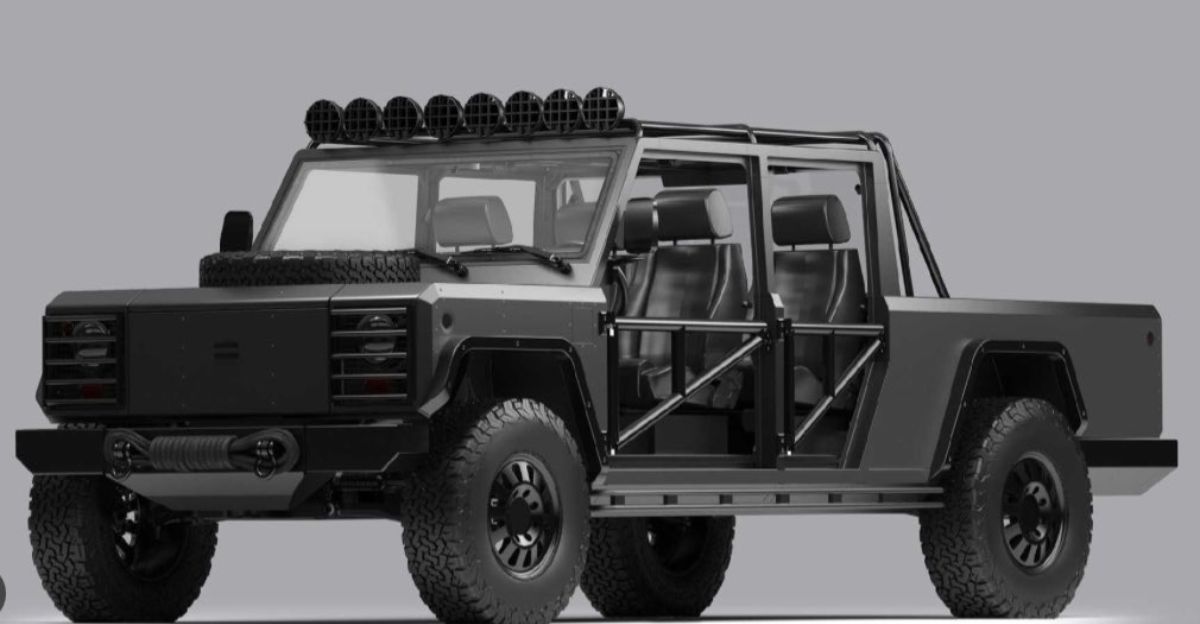
In October 2025, parent company Mullen Automotive delisted after stock fell below $1, following six reverse splits in 12 months. Bollinger Motors lost access to capital markets, equity financing, and bonds. The cash spigot was permanently shut off. With no external funding, survival depended entirely on internal cash flow. Could a startup with negligible revenue survive without parent support?
58% Reduction in Burn Rate—Still Not Enough
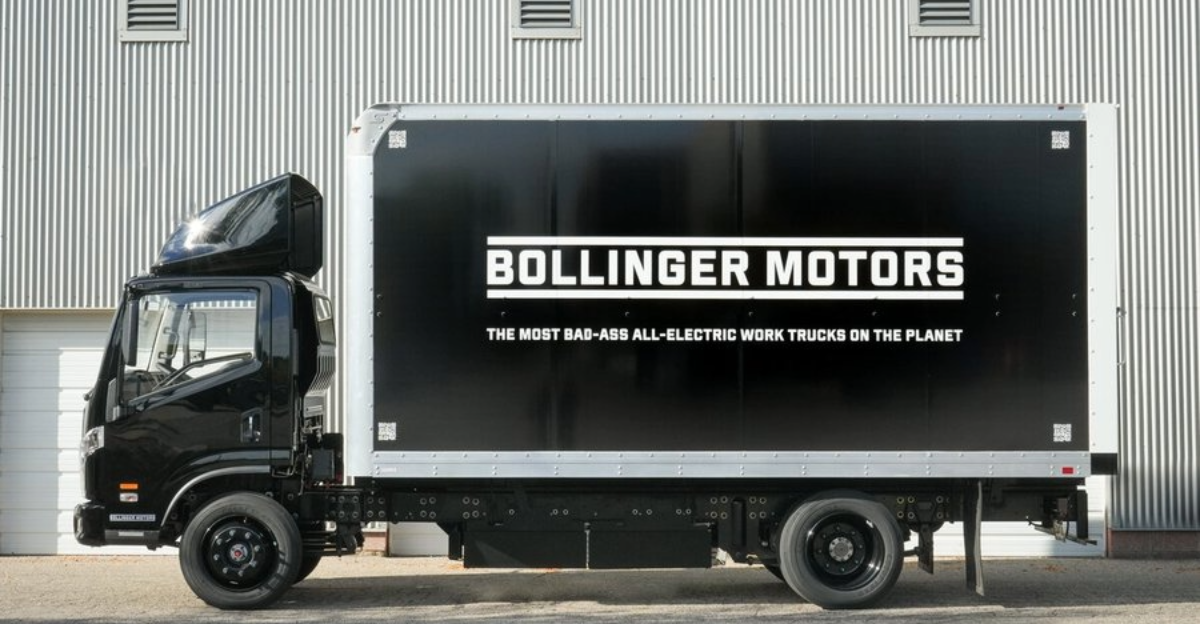
On September 15, 2025, Bollinger announced cuts reducing quarterly burn from $21.2 million to $8.9 million. Workforce halved, manufacturing contracts terminated, and offices consolidated. CEO Michery claimed commitment to growth, but projected revenue of $6-8 million still fell far short of $35.6 million annual burn. Even aggressive cost-cutting could not bridge the financial gap. Could anything realistically save the company now?
Two Missed Paychecks in Three Weeks
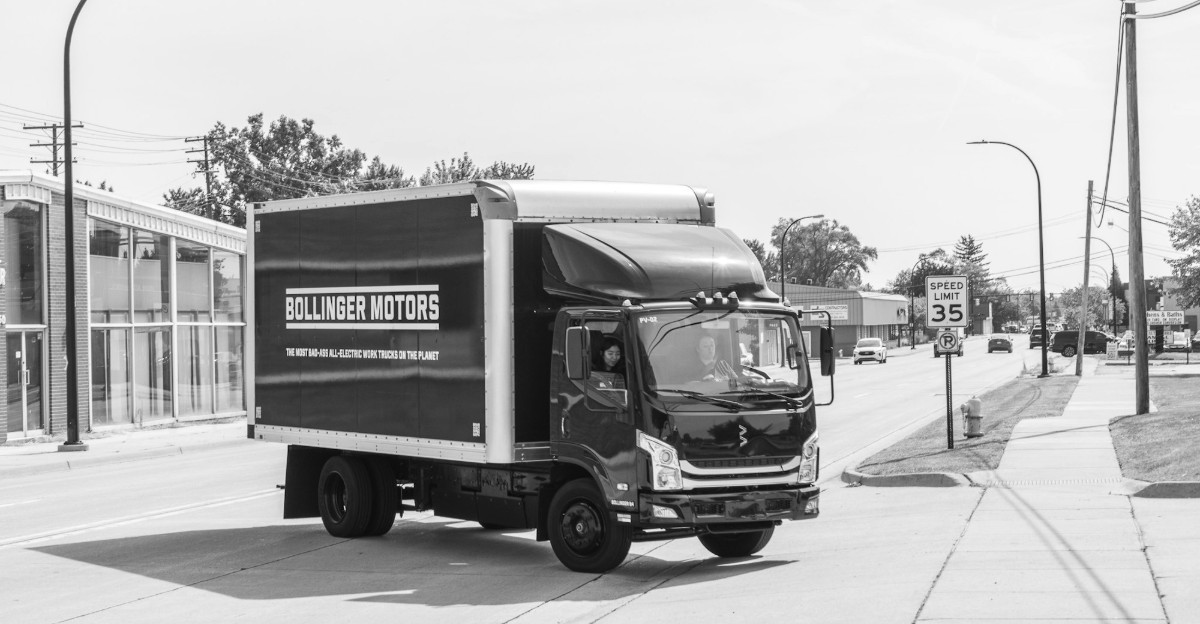
Employees missed payroll on October 31 and November 6, totaling $15,000-$20,000 per worker. Wage claims were filed with Michigan’s Department of Labor. Within days, 59 to 70 claims emerged. Morale collapsed, and financial uncertainty became tangible. For many, the dream of a promising EV career vanished. How long could operations survive after such critical disruption?
“Close the Doors Effective Today”—No Warning, No Transition
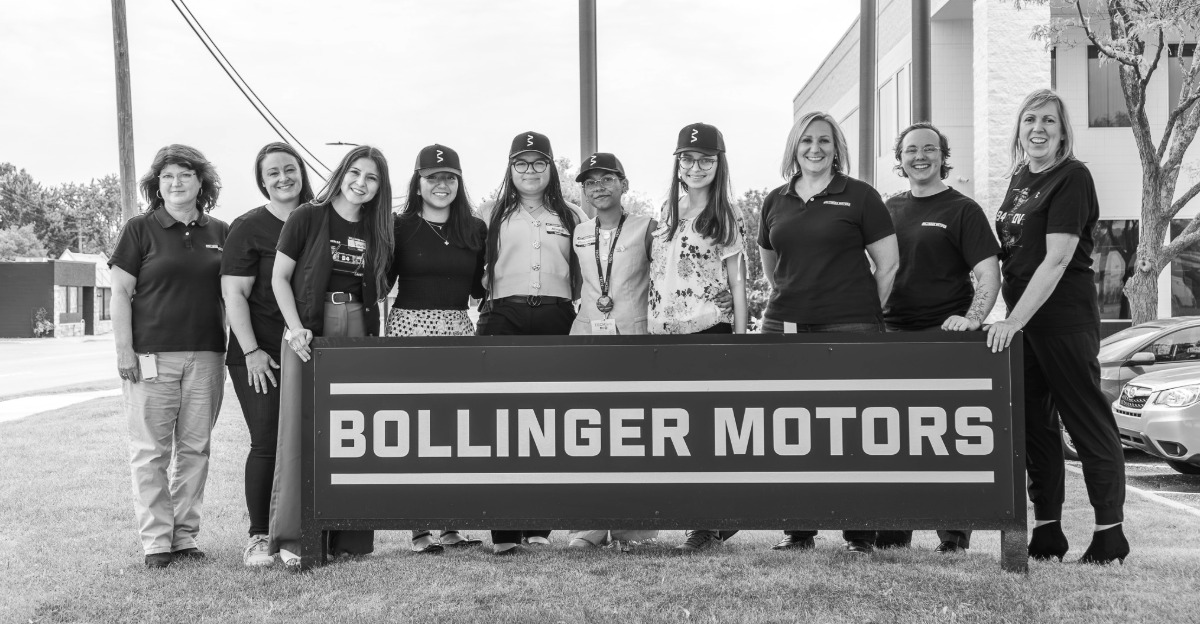
On November 21, 2025, HR Director Helen Watson emailed: “We are to officially close the doors of Bollinger Motors, effective today.” No structured wind-down occurred. CEO Michery promised payments that never materialized. The shutdown was immediate and devastating. Workers, suppliers, and customers were left in the lurch. Could any recovery effort ever undo the damage done by this abrupt closure?
Six Suppliers Sue for Over $5 Million in Unpaid Bills
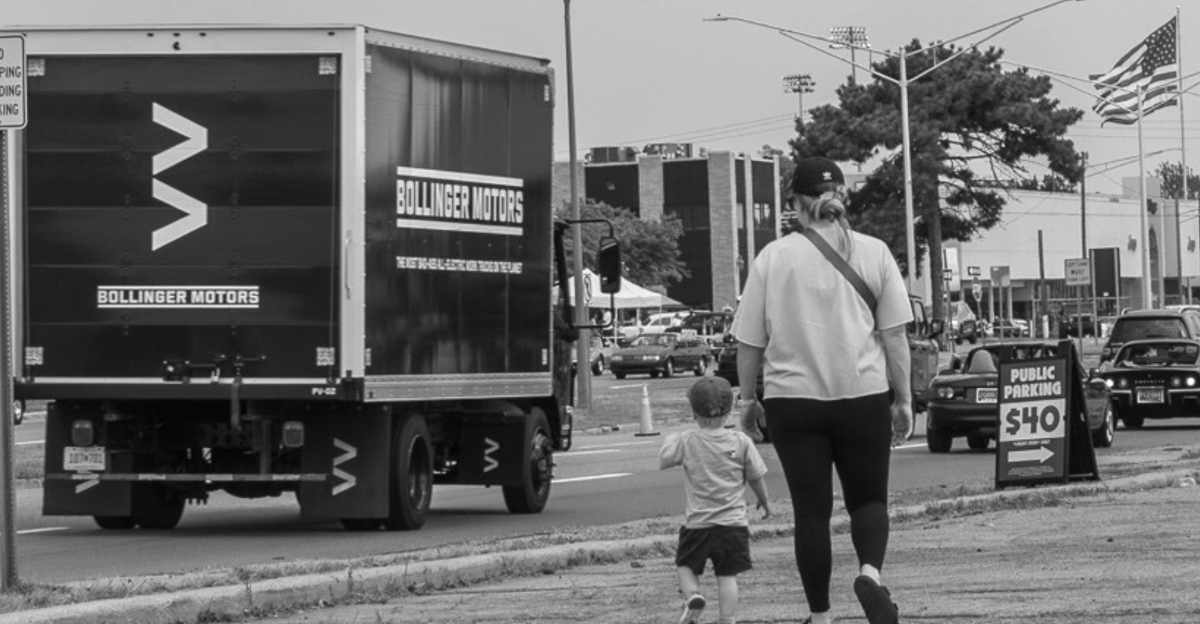
Suppliers were left unpaid after the shutdown. Six companies filed lawsuits totaling over $5 million in 2025, including Thyssenkrupp AG, Metalsa, Tool House Inc., and Wurth Electronics ICS. Only Roush Industries avoided litigation, having received nearly $1 million pre-shutdown. International suppliers from Canada, Germany, and Brazil suffered losses. Supply chain failures highlighted the broader impact of Bollinger’s collapse on partners worldwide.
The Stranded Customers and Taxpayers
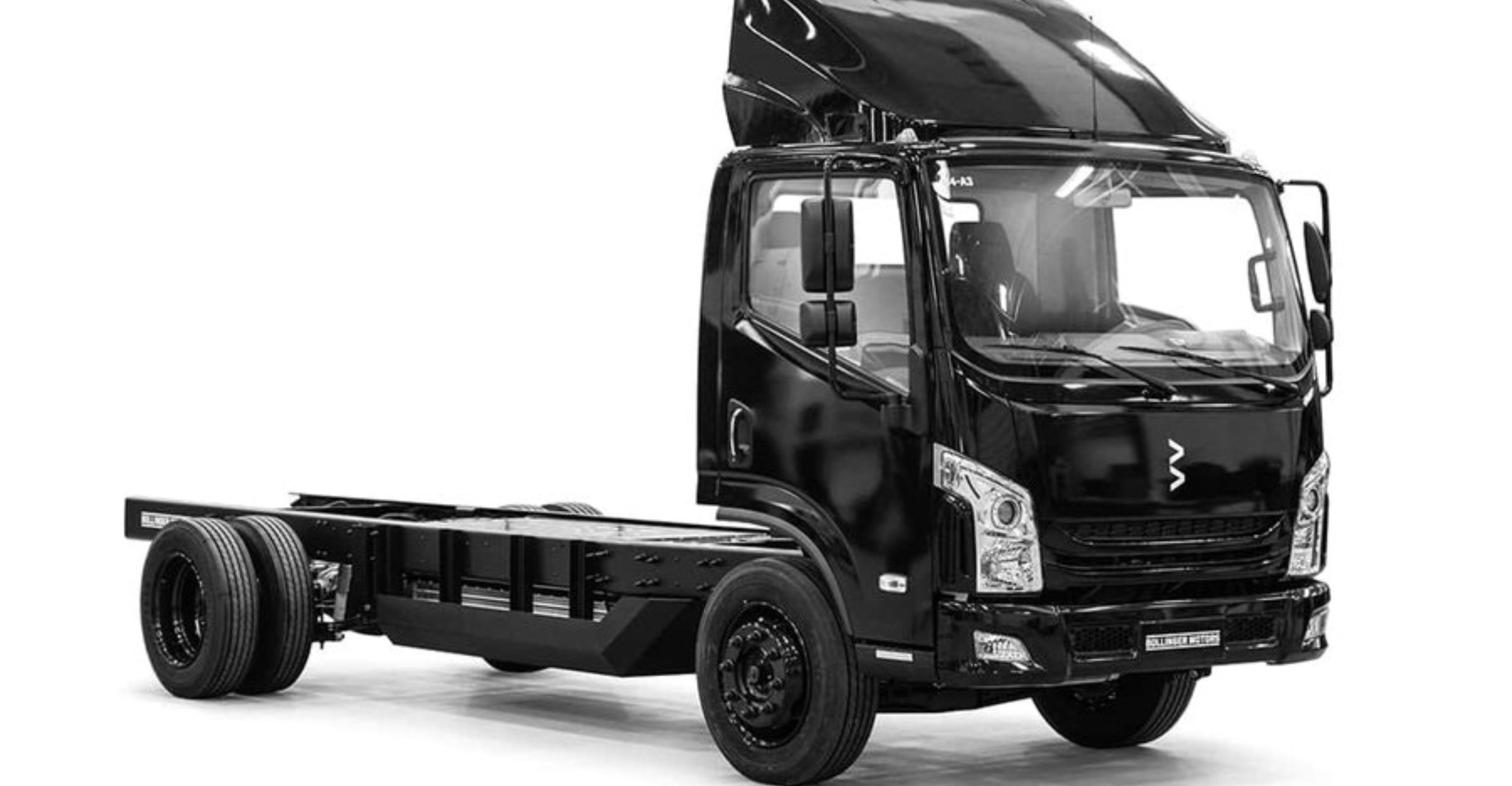
Delivered B4 trucks lost all factory service and warranty support. Customers faced orphaned vehicles with no recourse. Michigan’s $3 million jobs grant, intended for 237 new jobs, also faced repayment as zero qualified jobs were created. Both customers and taxpayers bore financial losses. The collapse of Bollinger Motors left tangible consequences beyond the company itself, demonstrating the risks of speculative EV ventures.
The Epilogue—$163 Million and Nothing to Show
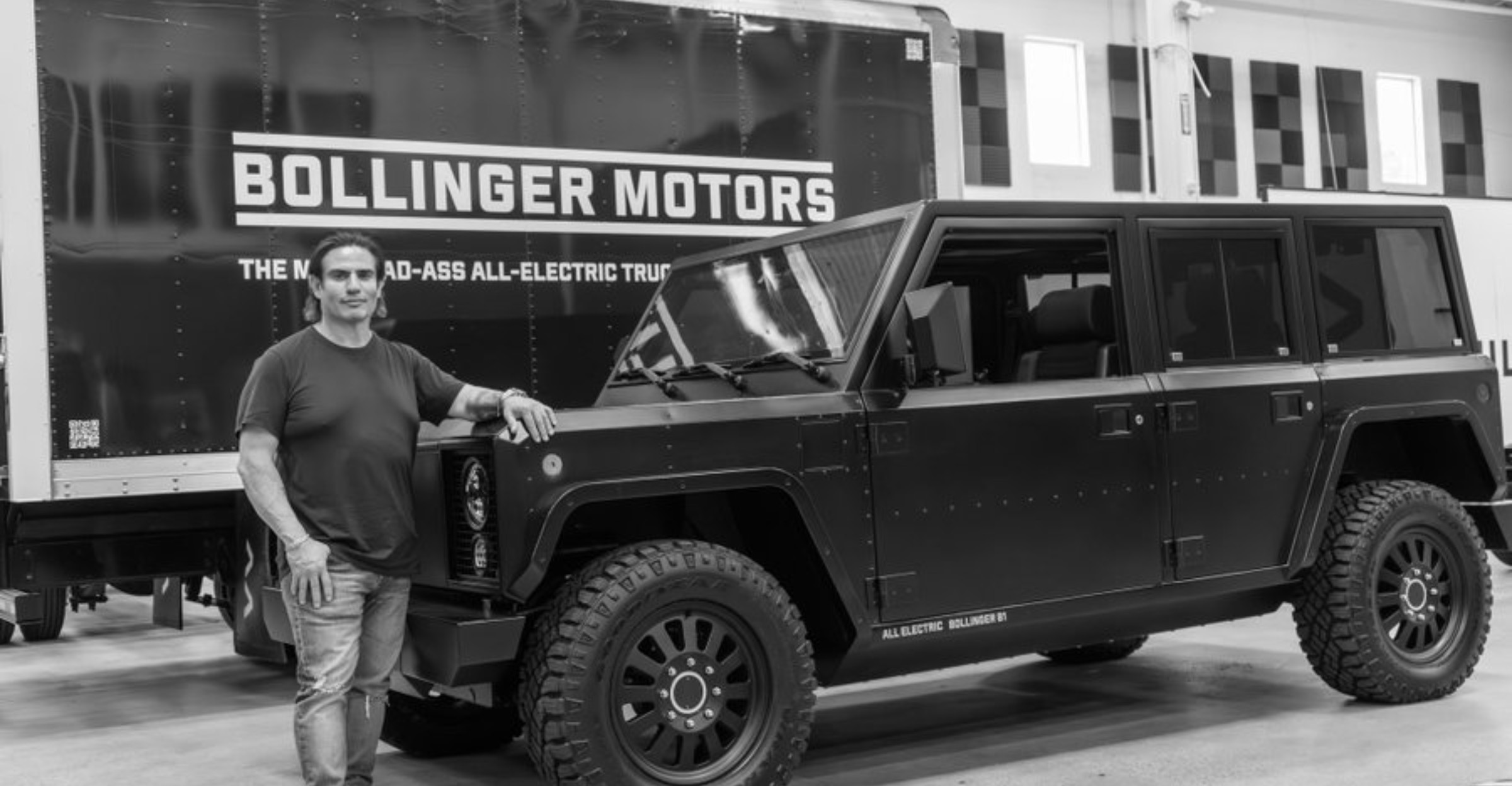
Bollinger Motors burned $163 million over 10 years, delivering only 40-50 vehicles. Founder loans, supplier debts, and investor funds failed to produce sustainable operations. CEO David Michery earned $49.63 million during the collapse. Hundreds of workers went unpaid, suppliers lost millions, and taxpayers bore grant losses. The company’s decade-long ambition ended in ruin, a stark lesson on EV startup risks and mismanagement.
Sources:
“Bollinger Motors shuts down amid financial woes.” Yahoo Finance, December 2, 2025.
“Mullen Automotive subsidiary Bollinger Motors Delivers First B4 Trucks and Receives Payment in Full.” Bollinger Motors/Mullen Automotive official press release, October 2024.
“Bollinger Innovations Takes Further Cost Cutting Actions.” Bollinger Innovations official press release, September 15, 2025.
“Judge Orders Bollinger Motors Into Receivership.” Automotive News/Reuters reporting, May 2025.
“Embattled EV start-up from Oak Park closes for good, emails show.” Detroit Free Press, November 21, 2025.