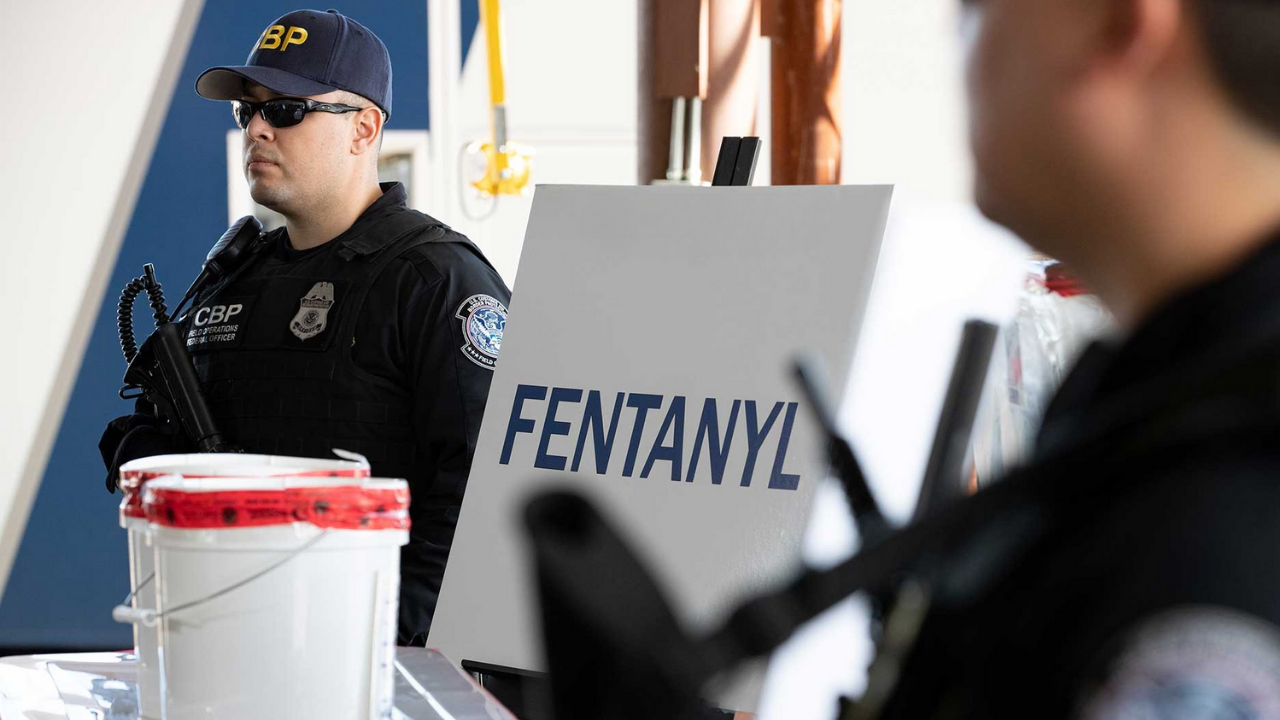
U.S. overdose deaths plummeted for the first time since 2018, dropping 14.5% from June 2023 to June 2024 and sparing roughly 16,000 lives amid a grueling public health emergency. CDC figures confirmed the trend, with deaths falling from 111,615 to 93,087 in that period, and provisional full-year 2024 data reporting 80,391 deaths—the lowest since 2019.
Researchers grappled with the abrupt reversal after years of escalation. DEA testing showed counterfeit fentanyl pills becoming less potent: only 5 in 10 contained a potentially deadly dose in 2024, down from 7 in 10 the prior year. Seizures topped 60 million pills, linked to the agency’s campaigns. Yet powder fentanyl, dominant in illicit markets, lacked similar data, leaving experts cautious.
Shifts in Drug Potency and Supply

Anne Milgram, DEA Administrator, attributed pill dilution to cartel pressure from enforcement. “The cartels have reduced the amount of fentanyl they put into pills because of the pressure we are putting on them,” she said. Declines extended beyond fentanyl: cocaine deaths began falling in August 2023, methamphetamine a month later, and synthetic opioids by 37% year-over-year. This synchronicity across unrelated substances pointed to multifaceted influences rather than isolated enforcement wins.
Dr. Daniel Ciccarone, a University of California, San Francisco addiction medicine professor, voiced doubt on sustainability. “I’m not 100% convinced this phenomenon lasts another year. We have to expect the unexpected moving forward,” he said, citing potential supply shocks raising fentanyl’s cost and scarcity. Cartel economics added puzzles: traffickers typically boost potency to offset rising costs, not dilute products, fueling debate over true drivers.
Harm Reduction Gains Momentum
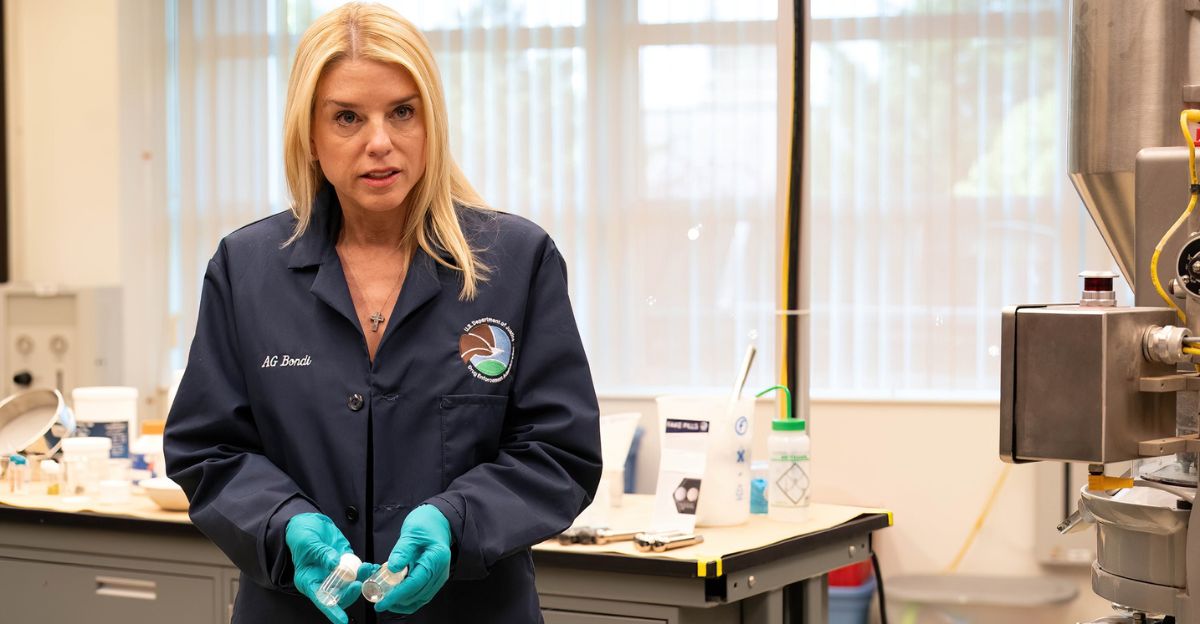
Naloxone access surged after its over-the-counter approval in March 2023. California’s Naloxone Distribution Project supplied over 7.1 million kits since October 2018, reversing over 386,200 overdoses through 2024. Pharmacy prices dropped from $90.93 to $62.67 on average, with state programs hitting $24. Treatment programs expanded too: buprenorphine availability rose from 67% to 85.1% in opioid treatment programs between 2017 and 2023, and full-spectrum medication offerings from 33.2% to 45%. Still, only 18% of 2.1 million with opioid use disorder received care annually.
Behavioral patterns evolved quietly. Older users, averaging 37-38 with long histories, drove many overdoses, while younger people shied from fentanyl-laced heroin. A San Francisco study found smokers of fentanyl faced 40% lower nonfatal overdose risk than injectors (19% versus 27%), plus fewer infections. Harm reduction efforts promoted safer smoking tools, potentially cutting deaths even without potency changes.
Enforcement and Persistent Challenges
Law enforcement intensified: DEA grabs included nearly 8,000 pounds of powder in 2024, equivalent to 380 million lethal doses, plus a 2025 operation nabbing 617 arrests and vast hauls. The CDC listed converging factors—naloxone spread, treatment access, supply shifts, post-pandemic recovery, and sustained funding—in a February 2025 release.
Gaps persisted. Racial disparities widened: non-Hispanic Black fentanyl death rates in Ohio nearly doubled those of Whites and Hispanics; Michigan showed 57.7 per 100,000 for Blacks versus 25.4 for Whites. Nationally, Black overdose death rates increased approximately 533% between 1999 and 2022, from 7.5 to 47.5 per 100,000 population. Rural areas lagged: North Carolina pharmacies charged $65.43-$88.67 for naloxone versus $53.58 urban, with treatment clustered in cities.
Expert consensus held on core truths: the decline is verified, multiple elements interplay, fentanyl stays lethal amid variable tolerance, markets adapt swiftly, and longevity is unpredictable. Sinaloa and Jalisco cartels dominate supply per DEA assessments.
Three trajectories loom: entrenched harm reduction and treatment could solidify gains; a supply rebound might spike potency; enforcement might spur cartel pivots. With 80,000 deaths in 2024, the downturn offers a fragile opening—demanding swift, coordinated action to extend progress before markets or inequities erode it.
Sources:
CDC Reports Nearly 24% Decline in U.S. Drug Overdose Deaths. Centers for Disease Control and Prevention, February 24, 2025.
Less-Potent Fentanyl Pills May Be Playing a Role in Declining Overdose Deaths. CNN Health, November 21, 2024.
DEA’s Third Annual National Family Summit on Fentanyl Highlights Progress. Drug Enforcement Administration, November 15, 2024.
Naloxone Distribution Project: Opioid Harm Reduction Through Expanded Access. California Department of Public Health, January 2025.
Medications for Opioid Use Disorder in U.S. Treatment Programs (2017-2023). JAMA Network Open, June 1, 2025.
Widening Racial Disparities in Opioid-Related Deaths Across U.S. States. Journal of the American Medical Association, January 15, 2025.