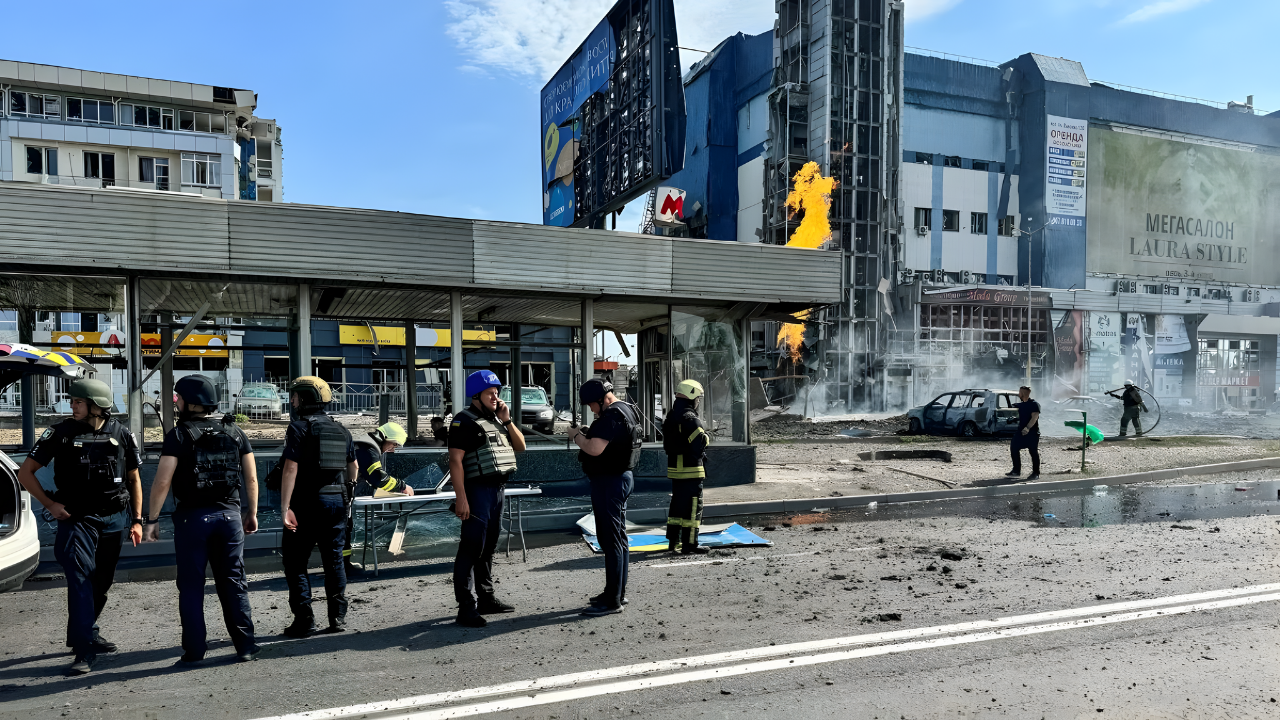
Russian and Ukrainian forces are locked in one of the war’s most intense confrontations around the northeastern city of Vovchansk, where nearly two years of fighting have turned the area into both a testing ground for new weapons and a symbol of endurance for Ukraine’s defenders.
The city, about five kilometers from the Russian border, has been under sustained assault since May 2024. Ukrainian units have held a defensive bridgehead on Vovchansk’s southern outskirts for roughly 572 days, contesting Russian claims of full control and turning streets, industrial zones, and river crossings into overlapping kill zones. For Kyiv, holding even part of Vovchansk denies Moscow a deeper staging area inside Kharkiv region; for Russia, the city offers a potential springboard for pushing further southwest if Ukrainian lines break.
Drone Battle Over the Front
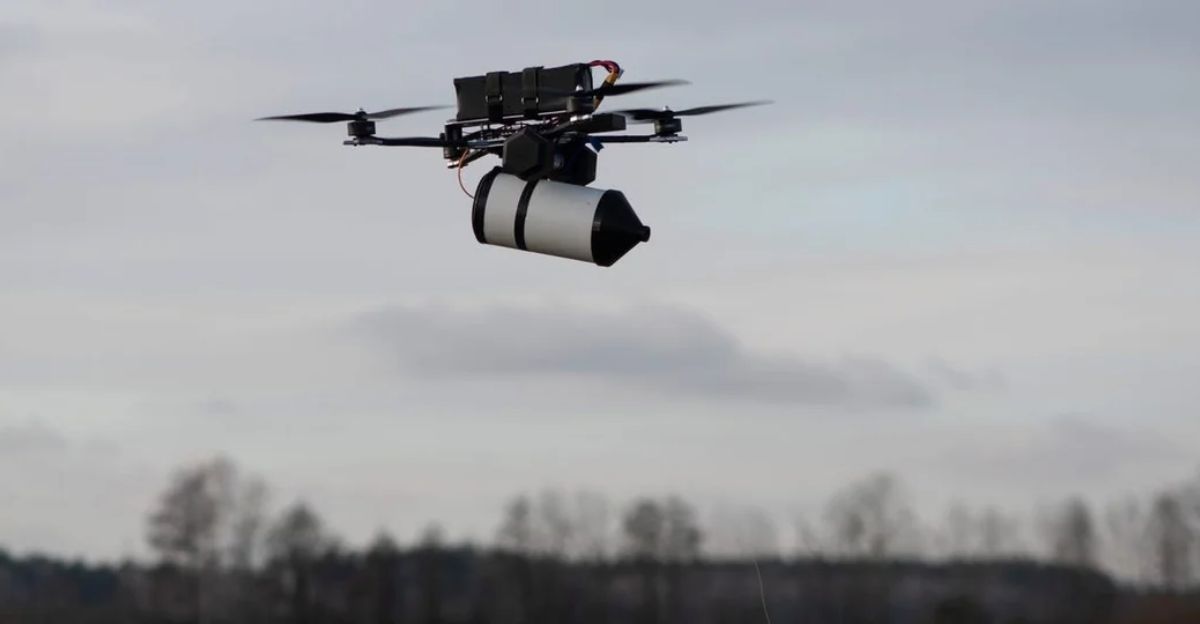
A key feature of the fighting around Vovchansk is the escalating contest in unmanned systems, driven in large part by Russian advances in fiber‑optic drone technology. Since late 2024, Russian forces have fielded large numbers of tethered or wired drones guided through fiber‑optic cables, which are resistant to traditional radio-based jamming and can operate beyond 50 kilometers from launch sites.
These drones, used extensively by specialized units such as the Rubikon group, have been directed against Ukrainian logistics hubs, ammunition depots, and command posts. By striking supply roads and staging areas behind the front, they complicate Ukrainian movements, forcing units to disperse, conceal equipment, and relocate support nodes more frequently. Analysts describe this as a narrowing of Ukraine’s early-war advantage in small drones and electronic warfare, replacing it with a more evenly matched technological struggle that raises the cost of staying still for too long.
Russia’s growing drone fleet has also imposed a heavier burden on Ukrainian air defenses and counter-drone teams, who must now track threats guided by cables as well as radio links. The result is a battlefield where reconnaissance, targeting, and attack cycles are compressing on both sides, and where small, relatively inexpensive systems can shape ground operations far from traditional front-line exchanges.
Hybrid Air Power: Soviet Airframes, Western Weapons
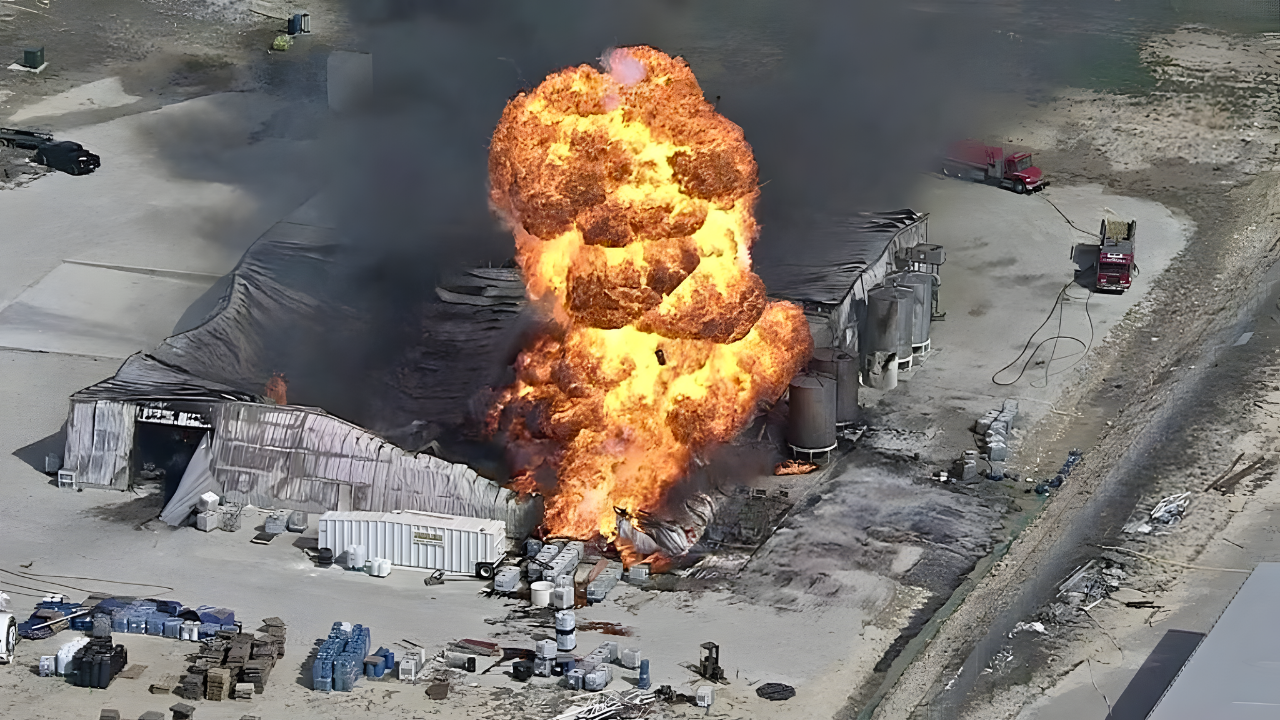
To counter Russia’s entrenched artillery, air defenses, and drone nodes, Ukraine has increasingly relied on a hybrid air strategy: pairing Soviet-designed aircraft with Western precision weapons. Since 2023, Ukrainian engineers working with NATO advisers have modified MiG‑29 fighters to carry U.S.-supplied Joint Direct Attack Munition–Extended Range (JDAM‑ER) glide bombs.
This adaptation allows Ukraine to introduce standoff precision-strike capability without waiting for a full fleet of Western jets. By fitting existing bombs with GPS guidance kits and wing kits, JDAM‑ER turns legacy stocks into long-range, steerable munitions able to hit point targets while aircraft remain outside the densest air-defense zones.
The approach is both practical and symbolic. Practically, it extends the reach of Ukrainian tactical aviation and gives commanders a tool for engaging hardened or high-value Russian positions. Symbolically, it illustrates how international military support has moved beyond ammunition and vehicles toward deeper integration of Western technology into Ukraine’s Soviet-era arsenal, tightening operational links with NATO states.
JDAM‑ER in Action
The GBU‑62 JDAM‑ER, used by Ukrainian MiG‑29s, is built around a 500‑pound bomb body fitted with guidance and glide components. Dropped from high altitude, it can strike targets up to about 40 nautical miles away, using satellite navigation to correct its path during flight.
Unlike traditional unguided bombs that fall steeply near the release point, a JDAM‑ER follows a flatter trajectory, allowing aircraft to launch from safer distances and altitudes. For Ukrainian pilots operating near heavily defended zones such as the Vovchansk sector, this standoff profile is critical. It reduces exposure to medium‑range surface‑to‑air missiles and short‑range air defenses, while enabling strikes on fixed infrastructure like command posts, ammunition sites, and drone control facilities.
Because the system upgrades existing bomb stocks rather than relying solely on newly manufactured munitions, it also offers a way to scale precision strikes without entirely rebuilding Ukraine’s air arm from scratch. Each successful engagement that avoids losses in scarce aircraft and trained pilots carries an outsized operational and psychological impact.
Targeting Russia’s Drone Nerve Center
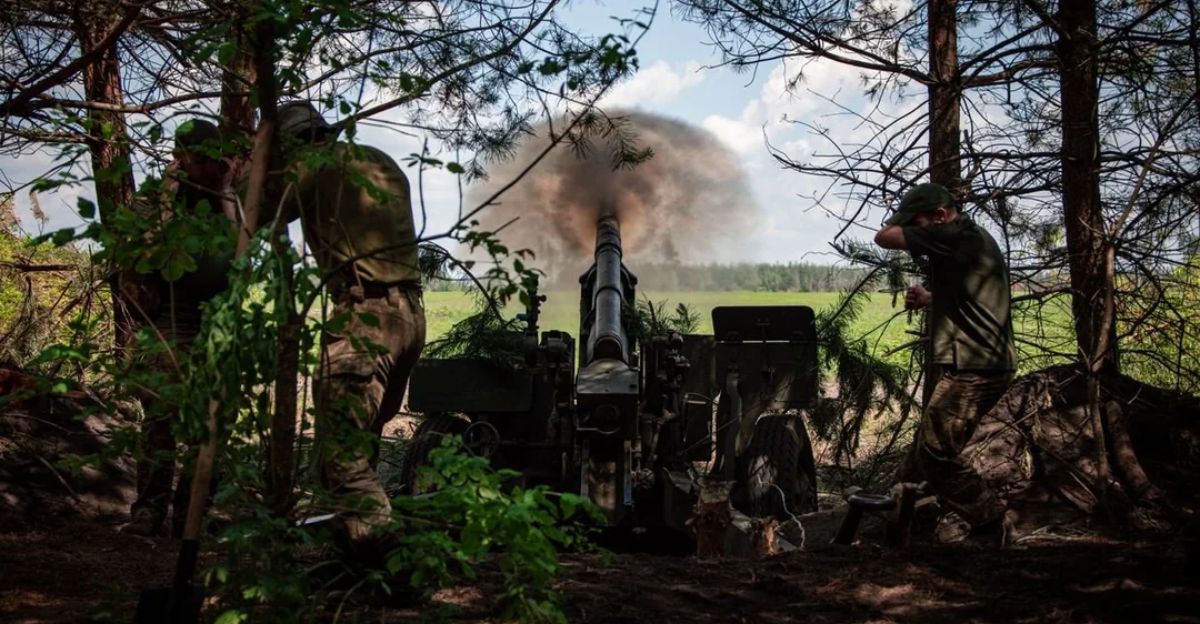
The most visible demonstration of this hybrid air approach came on the night of December 2–3, 2025, when a Ukrainian MiG‑29 launched a JDAM‑ER strike on a Russian drone control site in Vovchansk. The facility, located near railroad tracks, reportedly coordinated operations for Russian unmanned systems supporting the local offensive.
Video published by the Ukrainian aviation-focused Telegram channel “Sonnyashnyk” showed the strike sequence: reconnaissance drones first identified and monitored the target, then relayed data to adjust the bomb’s aim. The resulting impact appeared to destroy key structures associated with command and communications equipment.
Ukrainian sources framed the operation as a deliberate effort to degrade Russia’s drone network in one of the most contested sectors of the front. Military analysts noted that disabling such a node can have knock-on effects across a wider area, temporarily reducing the volume and coordination of reconnaissance and strike drones while Russia relocates and rebuilds. For Ukrainian units on the ground around Vovchansk, this kind of disruption can open narrow windows to rotate forces, reinforce positions, or push back local assaults.
Holding the Line in Vovchansk
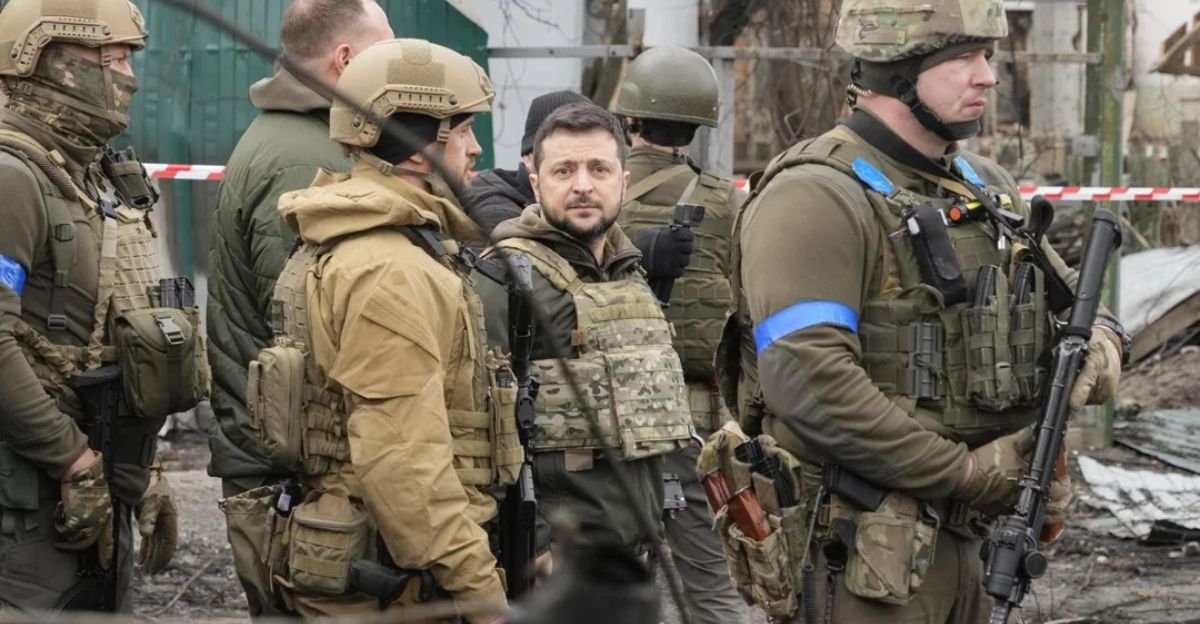
Despite repeated Russian attempts to encircle or eject Ukrainian troops, the southern approaches to Vovchansk remain bitterly contested. Open-source monitoring groups report that small Russian assault teams have gained ground in some areas while being pushed back in others, reflecting a grinding pattern of advances and counterattacks.
Ukrainian officials and independent analysts agree that Russian forces have made incremental progress around the city but emphasize that Kyiv’s troops still hold fortified positions, particularly on high ground and along key access routes. For Ukraine, preserving this foothold ties down Russian units that might otherwise be deployed along other axes and demonstrates that Moscow’s declared objectives are not fully realized on the ground.
The battle’s duration has strained both sides’ logistics. Supply convoys must navigate constant surveillance and periodic drone or artillery strikes. Even brief disruptions to fuel, ammunition, or medical support can affect local operations, making secure routes and timely resupply as decisive as any single engagement.
Looking Ahead: Technology, Alliances, and a Prolonged Fight
The struggle for Vovchansk illustrates how the war has evolved from rapid maneuver into a prolonged contest shaped by technology, adaptation, and external support. Russia’s deployment of fiber‑optic drones and persistent assaults highlight its effort to erode Ukrainian defenses through pressure and innovation. Ukraine’s response—integrating Western precision weapons into Soviet-era platforms and targeting critical enablers like drone control centers—shows how alliances and technical cooperation can partially offset numerical disadvantages.
As both sides continue to refine their use of drones, guided bombs, and electronic warfare, future battles around Vovchansk and elsewhere are likely to hinge on who can better protect logistics, disrupt enemy networks, and sustain a tempo of precision strikes. For Ukraine, maintaining international backing and access to advanced systems will be central to holding ground and shaping any eventual settlement. For Russia, converting tactical gains into durable control in areas like Vovchansk remains a central, and still unresolved, challenge.
Sources:
United24 Media – Ukrainian Airstrike Destroys Russian Drone Control Center in Vovchansk (December 2025)
Army Recognition – Exclusive: Ukrainian MiG-29s Deploy US JDAM-ER Bombs in Strategic Strike on Kursk Bridge (June 2024)
Business Insider – Unjammable Drones Leave Wires, Force Ukrainians to Move With Caution (December 2025)
Critical Threats Project – Russian Offensive Campaign Assessment (December 2025)
Wavell Room – The Battle for Vovchansk (May – August 2024)
Lowy Institute – Fibre-optic Drones Reshape Ukraine’s Technological War (December 2025)