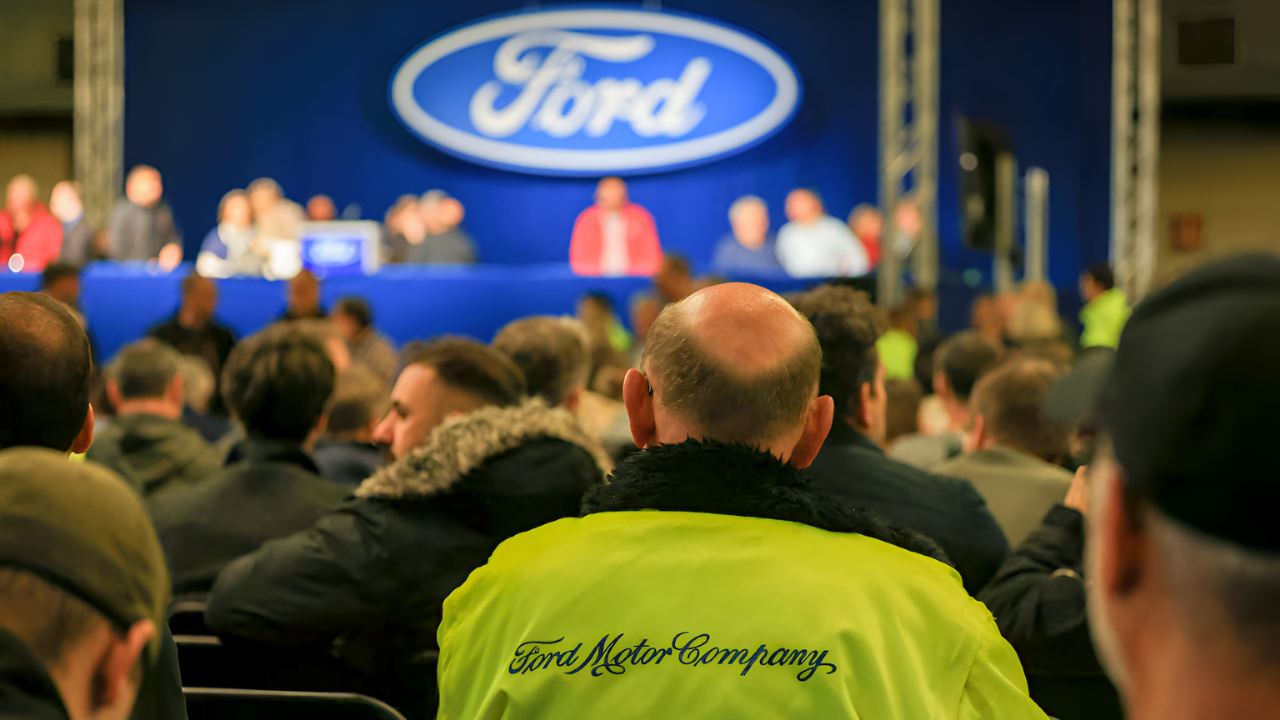
A video flashes across screens: 1,600 workers at Ford’s BlueOval SK battery plant in Glendale, Kentucky, learn their jobs are gone. Phones ring. Families huddle in disbelief. Paychecks and benefits will continue for only 60 days. The $5.8 billion facility, once hailed as America’s EV battery capital, will pivot away from electric vehicles entirely.
Ford announced about $19.5 billion in charges tied to a broader EV strategy overhaul, marking one of the auto industry’s biggest write-downs to date. Shockwaves ripple through the local community, Wall Street, and the auto industry.
The Human Cost Emerges

Behind the staggering numbers, 1,600 Kentucky workers face immediate unemployment. These aren’t gradual layoffs; every position at the BlueOval SK plant is eliminated by mid-February 2025. Families reliant on manufacturing wages confront sudden uncertainty, with the news arriving via corporate video message weeks before Christmas.
Emotional strain collides with financial pressure, while local officials scramble to provide retraining and job search assistance. The closure underscores the human toll of industrial pivots driven by corporate strategy and market forces.
A Dream Born of Ambition
In 2021, Ford and South Korea’s SK On announced an $11.4 billion joint venture to build three battery plants in the U.S., with Kentucky receiving a $5.8 billion flagship facility. Governor Andy Beshear called it “the largest economic development investment in the history of the commonwealth.”
BlueOval SK promised to make Glendale the EV battery capital of America. At the time, the project symbolized Ford’s boldest bet on electrification, aiming to dominate the post-combustion era with aggressive EV expansion.
Market Headwinds Mount

By 2024–2025, Ford’s EV momentum stalled. Sales of the F-150 Lightning lagged projections, while rising interest rates and limited charging infrastructure slowed consumer adoption. Policy shifts compounded pressure: the incoming Trump administration signaled an end to the $7,500 federal EV tax credit, which had been a key incentive.
High production costs and weaker-than-expected demand made Ford’s aggressive EV investments financially unsustainable, creating a market scenario that forced the automaker to reconsider its ambitious battery strategy.
Kentucky Facility Repurposed
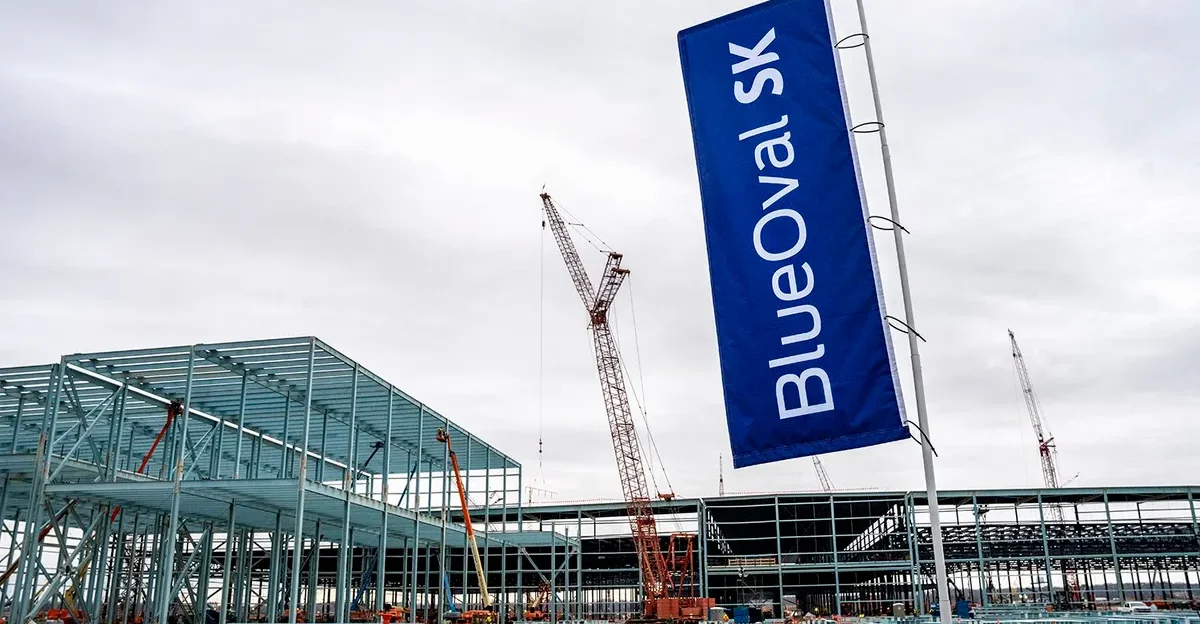
On December 15, 2025, Ford announced it would dissolve the BlueOval SK joint venture. The Kentucky plants will shift from EV battery production to lithium iron phosphate (LFP) energy storage for utilities, AI data centers, and renewable projects. The pivot abandons the original mission of supplying F-150 Lightning and Lincoln EVs.
Ford’s Model e EV division lost $5.1 billion in 2024 and $4.7 billion in 2023, underscoring the financial pressures driving the strategic turnaround.
Shockwaves Across Kentucky
Economic development leaders in Kentucky were blindsided. Local officials quickly initiated retraining programs and job placement resources for displaced workers. Governor Beshear’s office expressed disappointment while pledging support.
The facility’s transformation represents a sudden loss of high-wage manufacturing jobs in a state banking on automotive growth. Communities once hopeful for long-term EV prosperity now face immediate economic uncertainty and potential ripple effects across suppliers and local businesses tied to the plant.
Workers Grapple With Reality
While the Kentucky Cabinet for Economic Development provides retraining vouchers and placement services, the income gap between previous wages ($52K–$68K) and regional alternatives looms large.
For many households, this is more than a job loss—it’s an abrupt disruption to financial stability, emotional well-being, and community identity.
Competitive Tremors Across Auto

Ford’s retreat raises alarms industry-wide. Automakers like General Motors, Volkswagen, and Stellantis had invested heavily in EV production and battery plants. General Motors also announced plans in October 2024 to scale back EV battery production amid slowing demand, cutting thousands of jobs.
Analysts now question whether competitors can sustain aggressive capacity without facing similar pressures. Slowing EV demand, policy uncertainty, and rising battery costs could force an industry-wide reassessment. Ford’s decision sends a stark signal: even legacy automakers struggle to achieve profitability in large-scale EV battery production under current market conditions.
The Broader EV Market Reckoning
Consumer EV adoption has plateaued well below prior aggressive projections. High upfront costs, limited charging infrastructure, and range anxiety persist as barriers. With the federal EV tax credit ended, middle-income buyers face less incentive to switch.
Ford’s charges tied to its EV overhaul signal that profitability timelines for electric vehicles have extended and that aggressive EV-first strategies face structural market headwinds. The automaker’s shift reflects how many consumers continue to avoid pure EVs, citing concerns about price, range, and charging access.
The Future Hiring Contradiction

Despite eliminating 1,600 jobs, Ford plans to hire approximately 2,100 workers at the Kentucky plant as the retooled energy-storage facility ramps production. Labor advocates question whether the new roles, with unclear timelines, wages, and skill requirements, will meaningfully offset current losses.
This contradiction leaves local communities in limbo: promises of growth exist alongside tangible job destruction. The extended timeline before full rehiring highlights the prolonged uncertainty for displaced workers facing a significant gap before any potential return to employment at the site.
SK On Frustration and Exit
SK On, Ford’s joint venture partner, expressed frustration at market conditions and Ford’s strategic pivot. On December 11, 2025, the companies mutually agreed to dissolve the BlueOval SK partnership. Under the dissolution agreement, Ford assumed full ownership of the Kentucky battery plants, while SK On retained and will independently operate its Tennessee facility.
SK On had invested billions in Kentucky expecting steady EV battery demand. The dissolution left the company with significant write-downs. SK On stated it remains committed to the Tennessee plant and will focus on supplying batteries to other customers, including stationary energy storage systems.
Ford Leadership’s Pivot
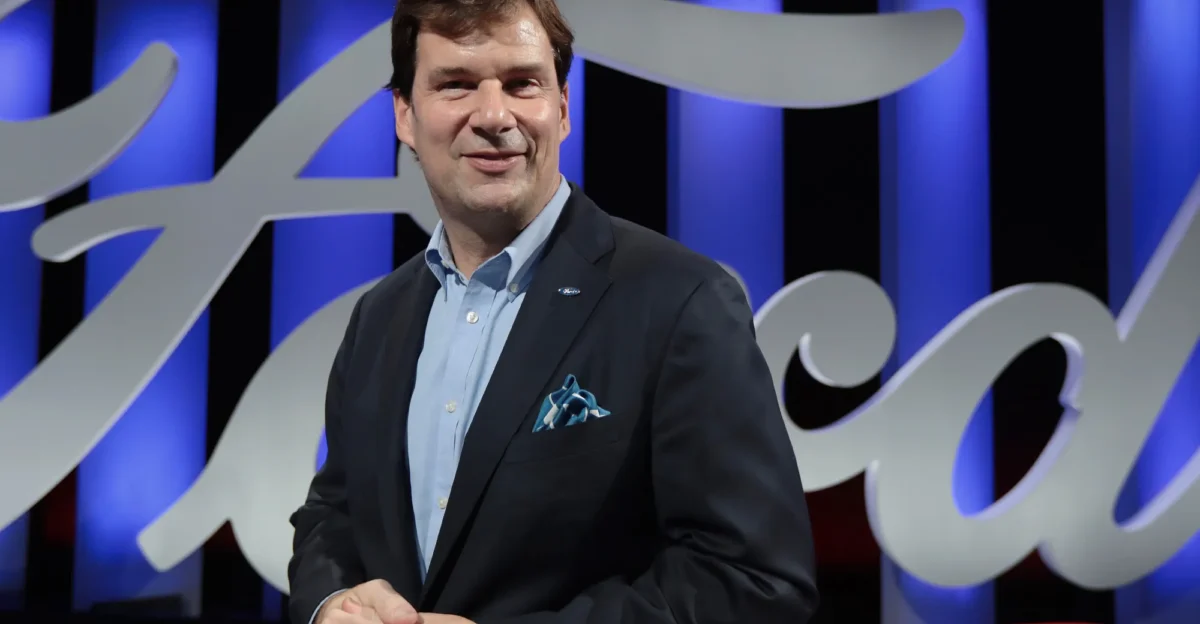
CEO Jim Farley declared, “Instead of plowing billions into the future knowing these large EVs will never make money, we are pivoting.” This marks a dramatic departure from previous commitments to EVs as the company’s future.
Ford is stopping production of the all-electric F-150 Lightning and now pivots toward hybrids, combustion engines, and selective EV investments, reflecting a conservative approach to capital allocation. The statement signals that near-term EV profitability is not achievable under current conditions and that the automaker will prioritize diversified, risk-averse powertrain strategies.
Hybrid Strategy and Investment
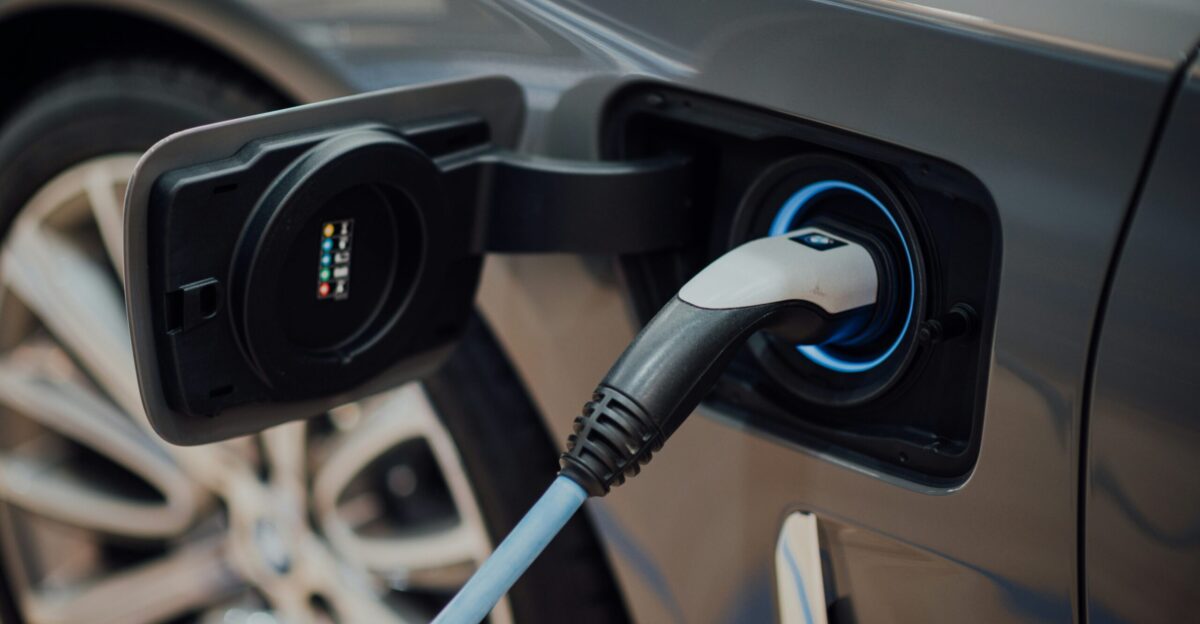
Ford is redirecting billions into hybrid vehicles and extended-range EVs with onboard gasoline engines. Expanded investments target hybrid F-Series trucks, SUVs, and Lincoln luxury vehicles. The company also maintains plans for a lower-cost EV pickup by 2027.
The strategy leverages Detroit’s traditional strength in combustion engine optimization while acknowledging a slower EV transition. By emphasizing hybrids over full electrification, Ford anticipates consumer demand to favor intermediate solutions, reflecting a measured retreat from prior “EV-first” ambitions and repositioning the company to remain competitive during the energy transition.
Financial Markets’ Response

Ford’s stock initially dropped following the $19.5 billion charge announcement but stabilized as investors digested the news. Analysts viewed the restructuring as a necessary reset to clean balance sheets and realign strategy.
While the move indicates proactive acknowledgment of losses, it also exposes Ford’s vulnerability to market fluctuations and policy changes. The episode underscores the challenge for legacy automakers balancing traditional vehicles, EV ambitions, and government-influenced incentives in an unpredictable economic and political environment.
The Open Question for EVs
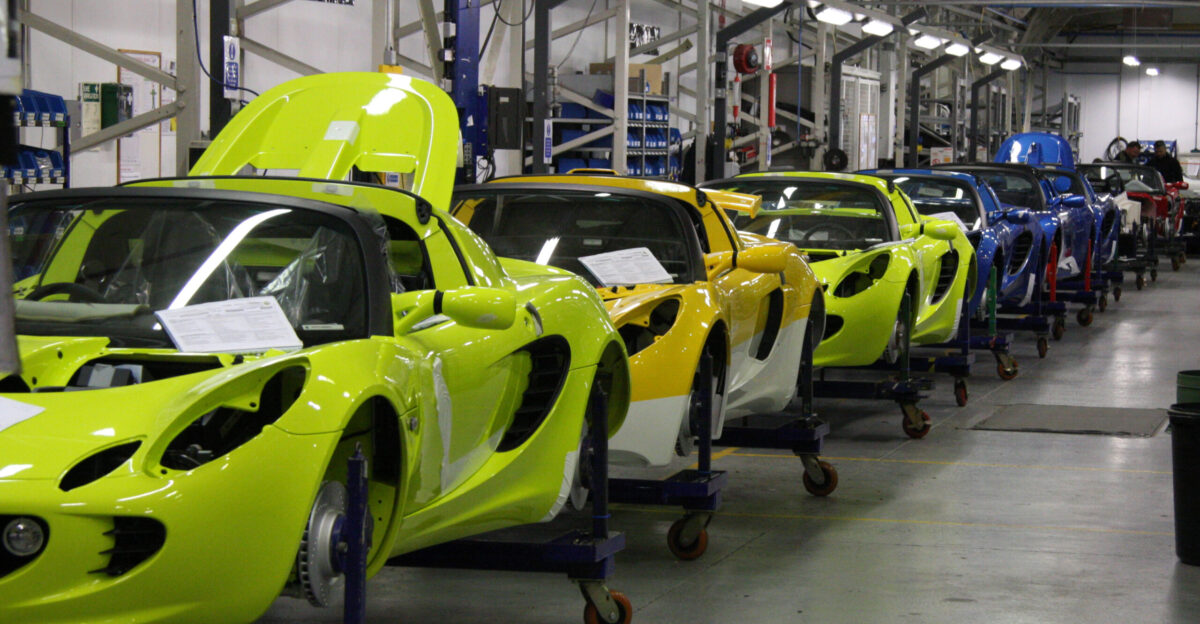
If a Global 500 automaker cannot sustain aggressive EV battery production, who will lead electrification? Pure-play EV companies like Tesla, Chinese competitors, and battery specialists may dominate, while traditional automakers increasingly rely on hybrids or outsource battery supply.
Ford’s retreat highlights the fragile link between private investment and government support, raising questions about the U.S. supply chain, domestic EV production capacity, and the speed at which electrification can realistically proceed. The Kentucky story may be just the first in a broader industry shift as market realities collide with earlier electrification timelines.
Sources:
CNBC | Ford to record $19.5 billion in special charges, pull back on EVs | December 15, 2025
WDRB | All 1,600 Kentucky battery plant employees laid off as Ford pivots away from EV | December 23, 2025
Manufacturing Dive | Ford, SK On dissolving BlueOval SK EV battery joint venture | December 11, 2025
Fortune | Ford writes down $19.5 billion as it pivots electric Lighting | December 15, 2025
Local12/WKRC | Former Kentucky Ford employees react after automaker lays off 1,600 | December 16, 2025