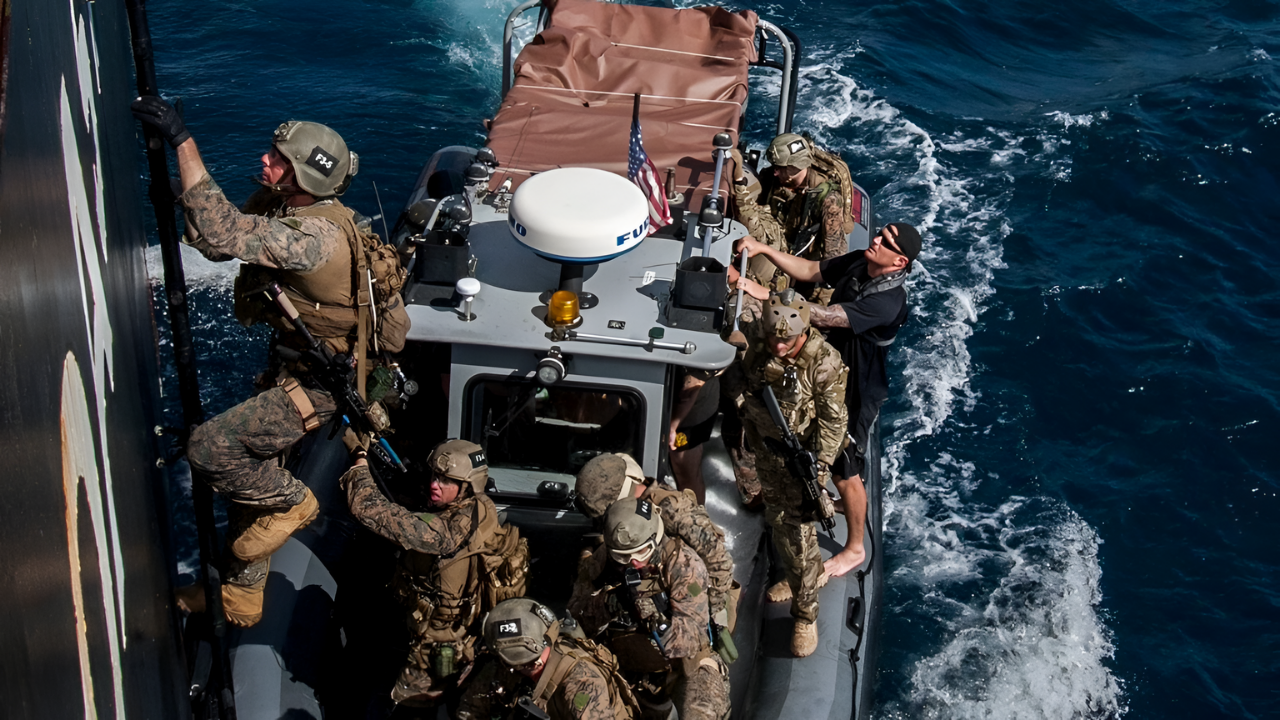
The U.S. Coast Guard moved to intercept the sanctioned tanker Bella 1 off Venezuela in late December, triggering a high‑stakes pursuit that has stretched toward two weeks. The empty, aging VLCC refused boarding, pulled a sharp U‑turn near Venezuelan waters, then raced into the Atlantic at full speed.
As Coast Guard cutters closed to about half a mile, the crew hastily painted a Russian flag on the hull, abruptly complicating any U.S. seizure plans.
Trump’s New Caribbean War
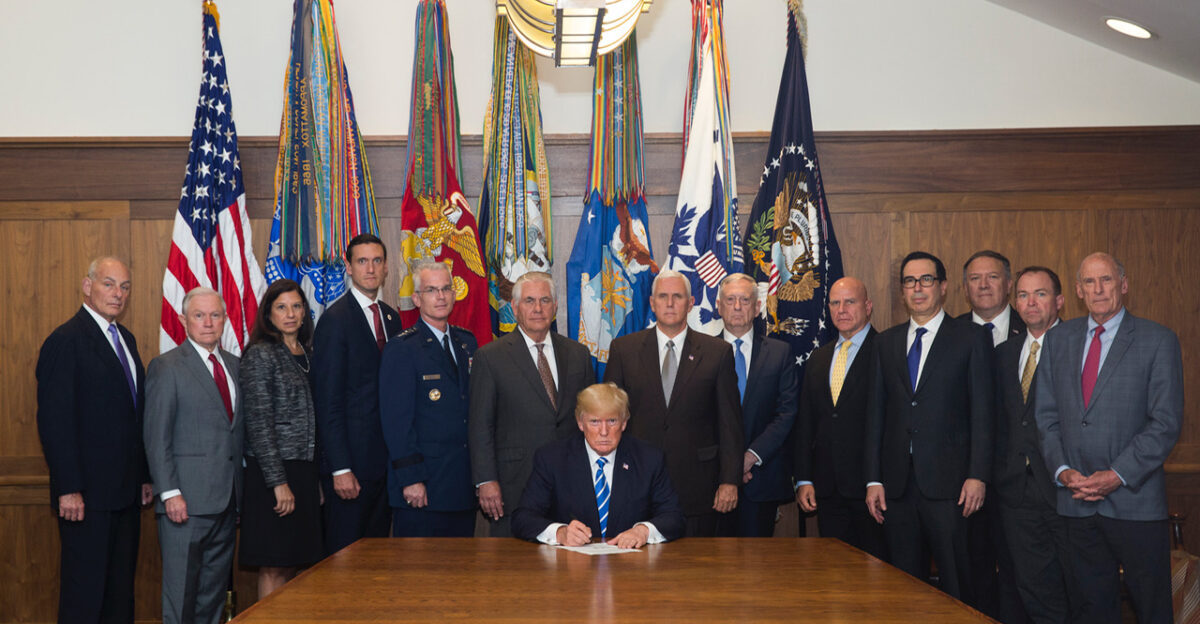
President Trump ordered a “total and complete blockade” of sanctioned oil tankers entering or leaving Venezuela, a move that U.S. officials describe as the first major American military buildup in the Caribbean in decades.
According to the administration, the objective is to choke off Nicolás Maduro’s main source of income—oil exports—while targeting networks that also move drugs.
The Vessel: Old, Empty, and Defiant
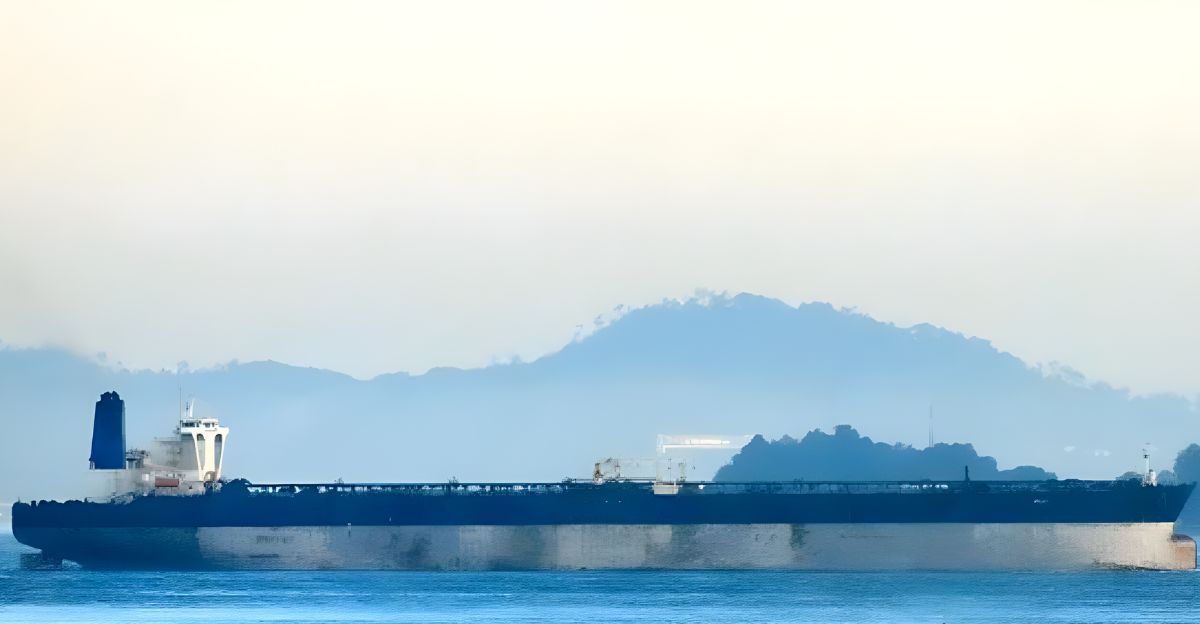
Bella 1 is a Very Large Crude Carrier, a VLCC capable of carrying about two million barrels of crude, typically worth roughly $100 million per full load at current sanctioned crude prices.
Maritime databases describe the ship as old and in poor condition, and U.S. officials say it was empty when it turned away from Venezuela. Yet the crew has refused orders to submit to boarding, raising the unresolved question of who is directing its risky stand‑off.
Iranian Oil and Terror Networks

The U.S. Treasury has sanctioned Bella 1 for allegedly shipping black‑market Iranian oil to Hezbollah, Yemen’s Houthi movement, and Iran’s Quds Force, the overseas arm of the Islamic Revolutionary Guard Corps.
According to Treasury designations and maritime investigators, the tanker is part of a wider “shadow fleet” that includes dozens of aging vessels helping Russia, Iran, and Venezuela circumvent sanctions by switching names, cloaking ownership, and manipulating transponder signals while transporting crude oil to buyers in Asia.
A Startling Gambit
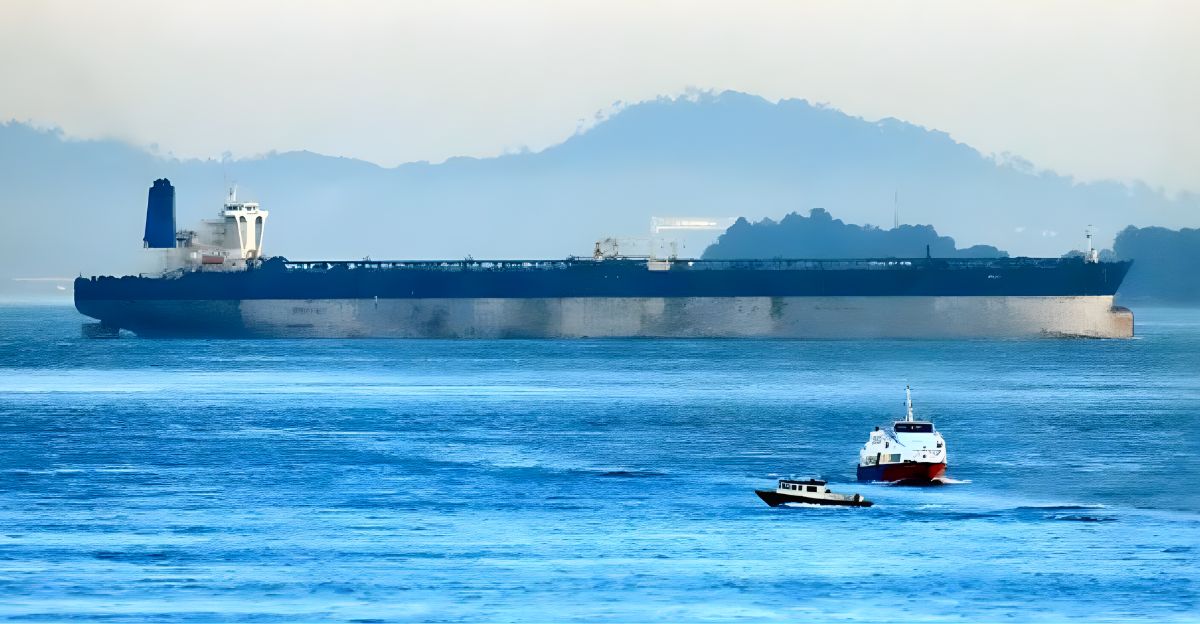
As the chase moved into the Atlantic, U.S. officials told major U.S. outlets that the Bella 1 suddenly appeared with a Russian flag sloppily painted on its hull. The rough paint job, applied mid‑voyage, looked less like an official re‑registration and more like a last‑minute gambit to claim Moscow’s protection.
Coast Guard cutters, which had been preparing to launch an elite Maritime Security Response Team for a boarding, pulled back while lawyers and policymakers reassessed the legal and geopolitical stakes.
Does a Painted Flag Really Change the Law?
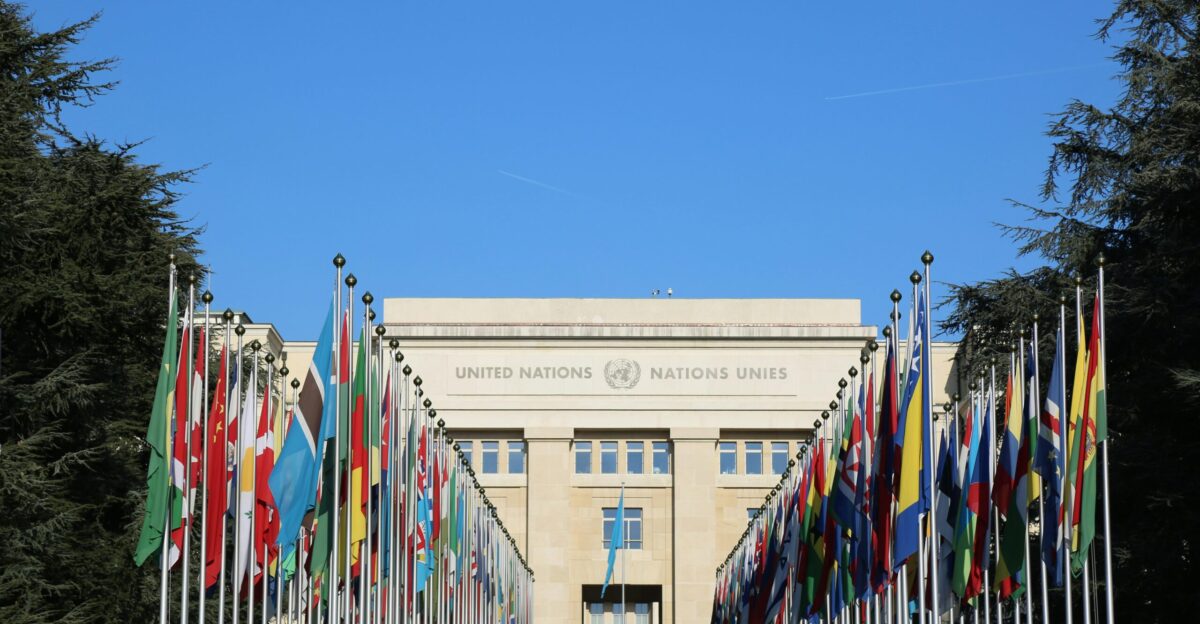
International law generally treats a ship as subject to the jurisdiction of its flag state, but experts note that simply painting a flag does not automatically confer that protection. Russia has not publicly confirmed that Bella 1 is on its registry.
Eugene Fidell, a research scholar affiliated with Yale Law School and a military justice expert, told reporters that “maybe the Russians, to jerk the U.S. around, are waiving all the formalities,” underscoring how much of the situation rests on murky state practice rather than clear rules.
A Moving Standoff at Sea
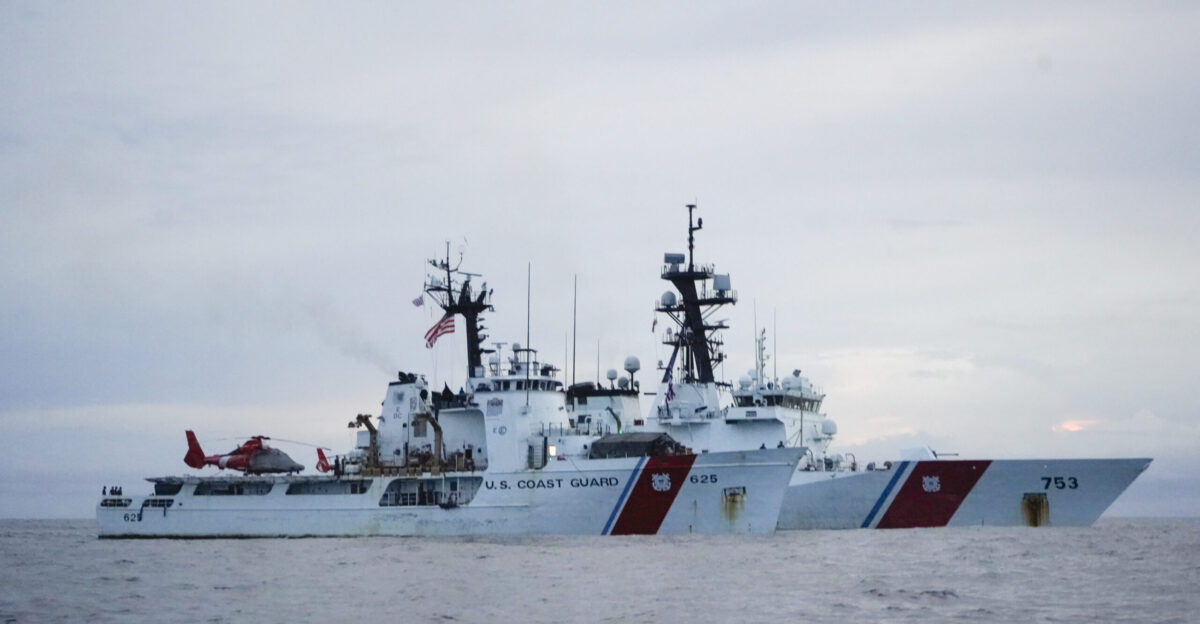
Coast Guard vessels have kept Bella 1 under near‑constant watch, trailing at roughly half a mile with authority to move on the ship if the White House gives a clear order. Boarding a moving VLCC is risky even when crews comply, and U.S. officials note that this crew has already refused previous instructions.
The painted Russian flag increases the danger of miscalculation: any aggressive action could be portrayed by Moscow as a provocation, even if the legal status remains contested.
Dozens of “Ghost” Tankers
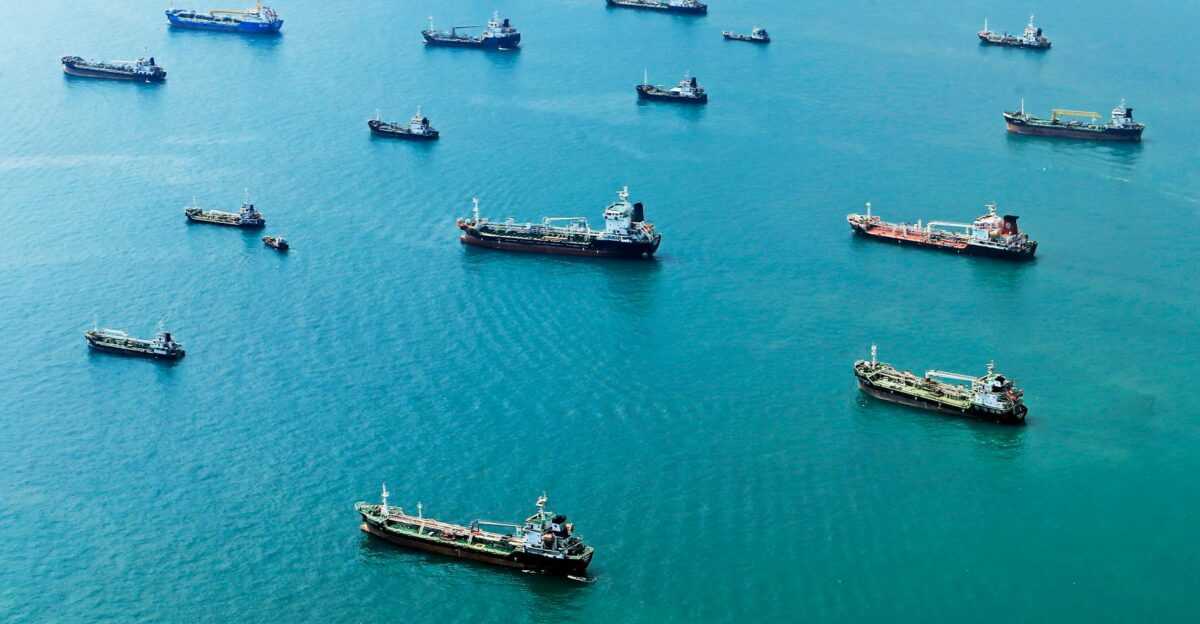
Analysts who track automatic identification system data say dozens of shadow‑fleet tankers tied to Iran, Venezuela, and Russia have been shuttling crude to customers in China, India, and elsewhere, often with their transponders switched off.
U.S. authorities recently sanctioned 29 additional tankers engaged in sanctions evasion, part of more than a hundred such ships designated in recent years. Taken together, officials estimate that this gray trade is worth billions of dollars annually.
The Next Flashpoint
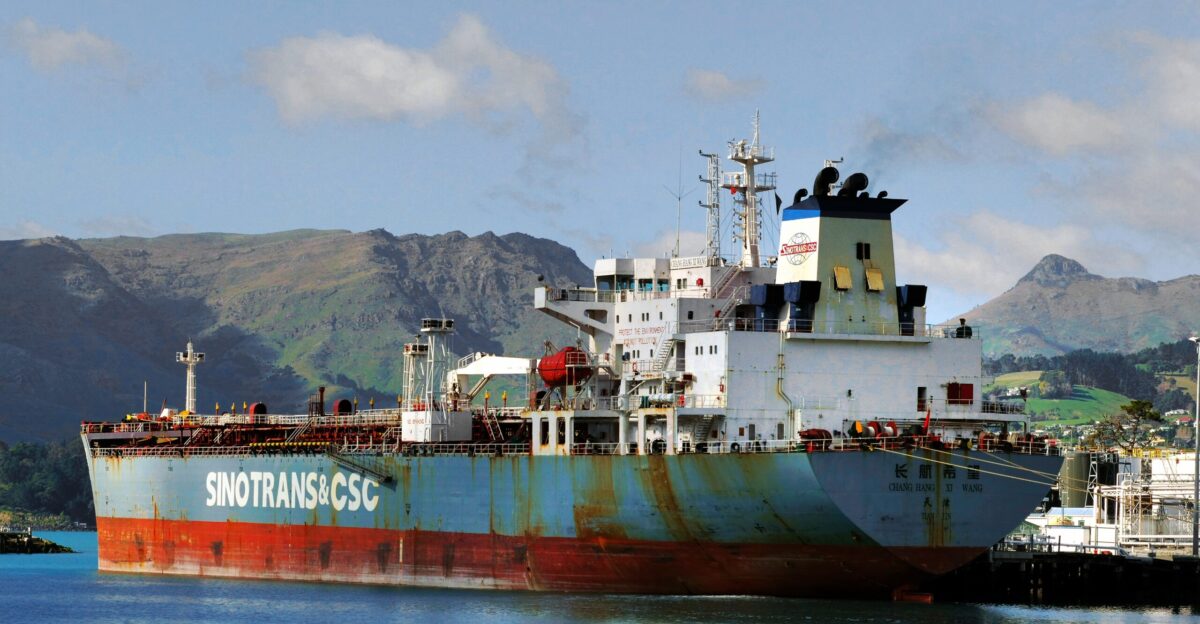
A Chinese‑flagged VLCC called Thousand Sunny is steaming toward Venezuela’s José oil terminal, with arrival expected around mid‑January, according to Lloyd’s List Intelligence and ship‑tracking data. The vessel is not under U.S. sanctions and has run the Venezuela‑to‑China route for roughly five years, carrying heavy crude to Ningbo.
Its decision to continue toward Venezuela after Trump’s blockade order sets up a potentially explosive test of whether Washington is willing to confront a Chinese‑flagged tanker in the same waters where Bella 1 is being shadowed.
Venezuela’s Lifeline Under Siege
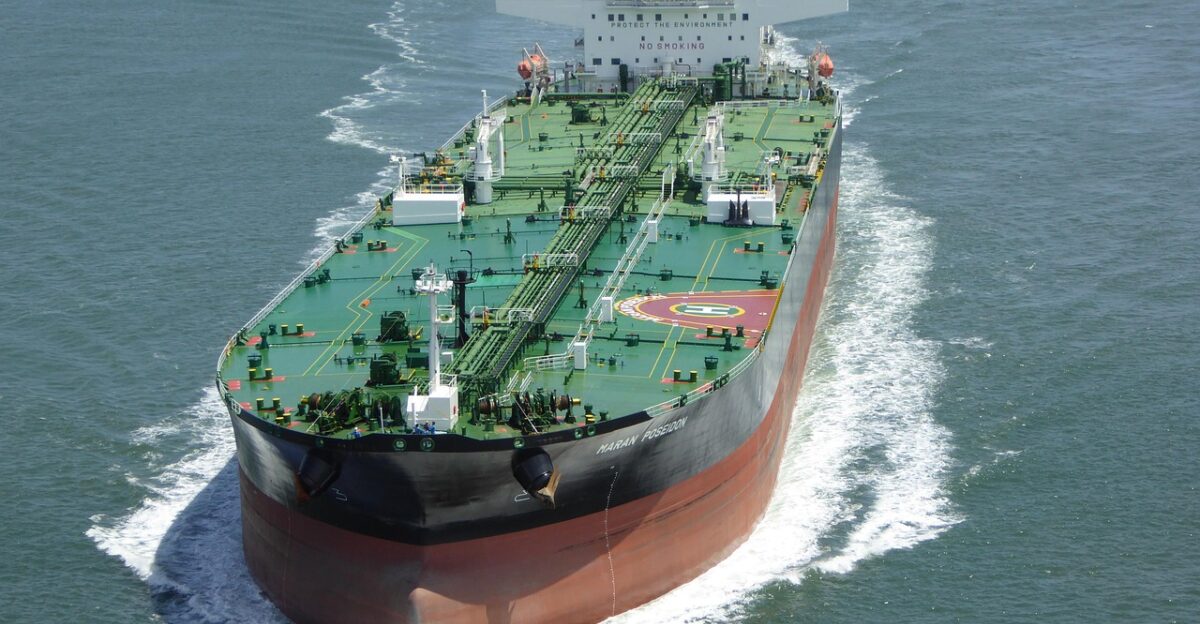
Venezuela’s economy remains heavily reliant on oil exports, particularly to China. Energy analysts estimate that Caracas ships between 500,000 and 700,000 barrels per day to Chinese buyers, flows worth on the order of $10 billion to $15 billion per year at current prices.
U.S. seizures of two tankers carrying Venezuelan oil since December 10, combined with the naval buildup, have rattled shippers and insurers.
The Crew Caught in the Middle
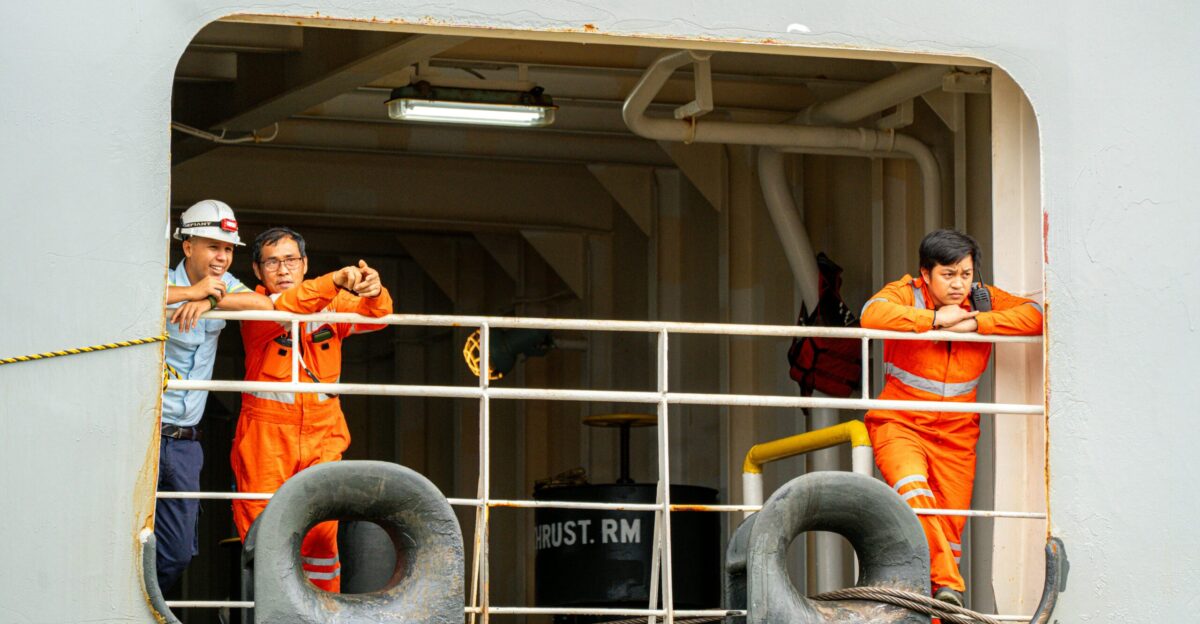
VLCCs like Bella 1 typically sail with around 20 to 30 crew members, and U.S. reports identify the crew as a mix of Russian, Indian, and Ukrainian nationals. Maritime unions emphasize that most seafarers are contract workers with little control over opaque ownership structures or geopolitical decisions.
Yet if U.S. forces eventually board and seize Bella 1, those same sailors could face detention, lengthy questioning, and possible prosecutions related to sanctions‑evasion schemes they did not design.
From Drug Boats to Oil Tankers
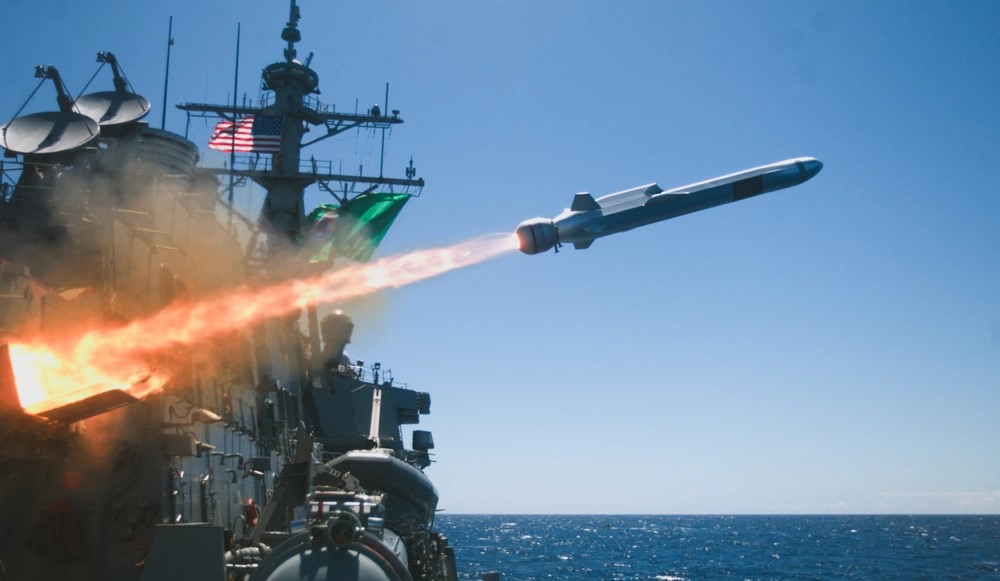
The blockade is unfolding against a broader backdrop of U.S. forceful action at sea. In recent months, U.S. forces have carried out lethal strikes on small craft in Caribbean and nearby waters that Washington alleges were carrying narcotics, resulting in dozens of deaths.
Rights groups have raised alarms about transparency and rules of engagement. Now similar tools—surveillance aircraft, armed helicopters, special‑operations boarding teams—are being turned toward oil tankers, blurring the line between counter‑drug missions and economic‑warfare operations.
White House on Pause
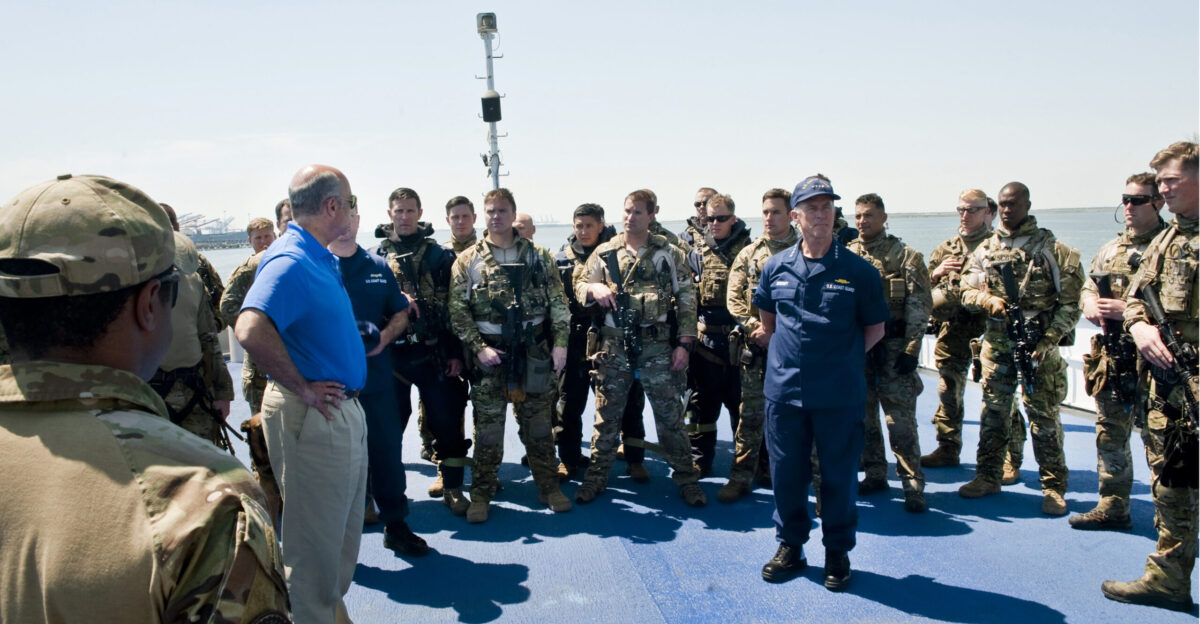
According to U.S. officials, the Coast Guard has secured the legal authority needed to seize Bella 1 and has a Maritime Security Response Team on standby. Yet the combination of an empty tanker, a painted Russian flag, and uncertain instructions from higher up has left the operation on hold.
The White House has declined to comment publicly on the standoff, and the Pentagon has been similarly tight‑lipped, leaving allies and adversaries guessing how far Washington is willing to go over a single ghost‑fleet ship.
Cold War Echoes in the Caribbean
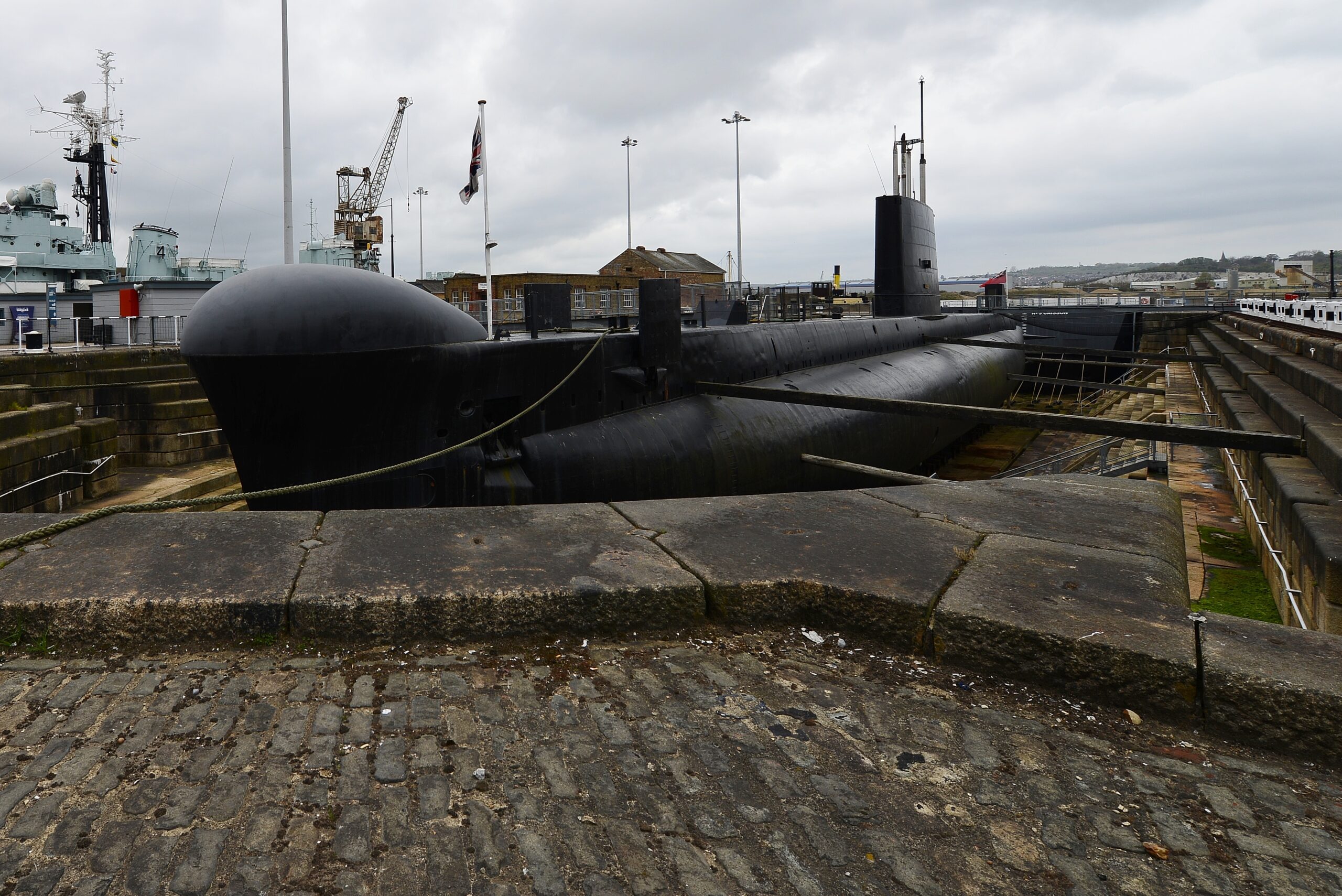
For regional observers, the Bella 1 saga evokes Cold War‑era episodes when Soviet and U.S. ships shadowed one another in contested waters. Back then, submarines and destroyers tested red lines; today, it is sanctions‑busting tankers and painted flags.
Analysts note that the Caribbean has not seen such a concentrated U.S. naval presence in decades. The visual of a U.S. cutter pacing an aging tanker flying improvised Russian colors is already being used in state media abroad to question U.S. reach and resolve.
What Happens When Thousand Sunny Arrives
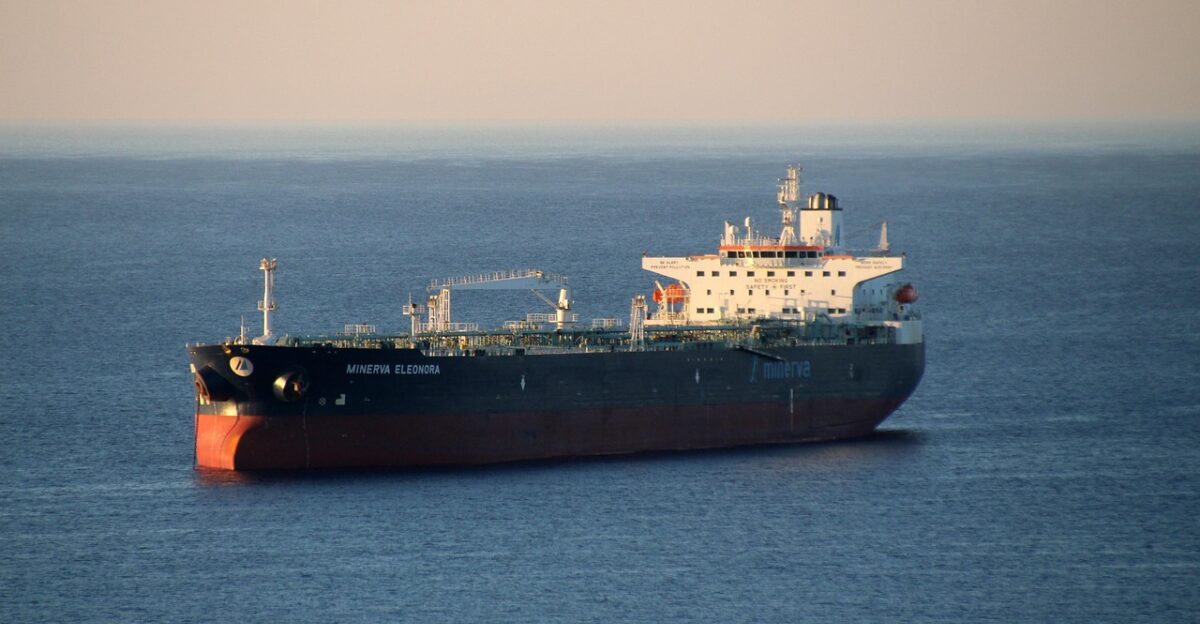
Bella 1 remains under close watch in the Atlantic, but attention is already shifting to the Thousand Sunny’s expected arrival off Venezuela. If U.S. forces move to block or board an unsanctioned, Chinese‑flagged tanker, the risk of a broader diplomatic clash with Beijing rises sharply.
If they do not, critics will argue that the blockade is porous and primarily punishes weaker actors. Between those extremes lies a narrow path of quiet deals, legal maneuvers, and shadow‑fleet cat‑and‑mouse games that could define the next phase of this standoff.
Sources:
Oil Tanker Pursued by the U.S. Appears to Claim Russian Protection — The Wall Street Journal
Oil tanker pursued by US now has a Russian flag painted on its side — CNN
Crew paints Russian flag on tanker pursued by US Coast Guard — Anadolu Agency
Trump orders ‘total’ blockade of sanctioned Venezuelan oil tankers — Al Jazeera
Trump says he’s ordering blockade on oil tankers in and out of Venezuela — BBC News