A quiet notification blinking “Archival active” on a locked work phone now signals a major shift in how workplace conversations are stored, searched, and scrutinized. Without employee input, companies can turn routine text chats into permanent records, extending the reach of corporate compliance systems into everyday mobile messaging.
Compliance Drives a New Messaging Infrastructure
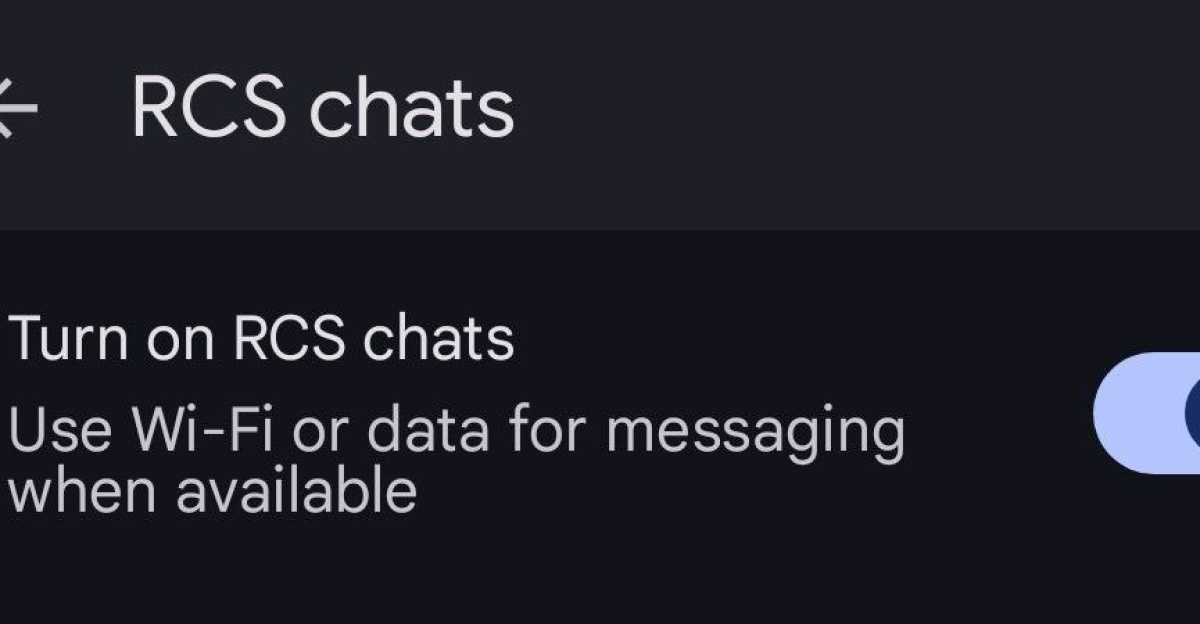
Google introduced its integrated RCS Archival system in November 2025, presenting it as a way for regulated industries to meet strict record-keeping rules. U.S. Securities and Exchange Commission regulations require financial firms to preserve all business communications, including texts, in a form that can be retrieved for legal discovery. Similar obligations apply to organizations governed by the Freedom of Information Act and to sectors such as finance, healthcare, and government that face tight retention and disclosure standards.
By building archival directly into Android’s messaging stack, Google is offering companies a technical foundation that aligns mobile communication with existing email retention policies. The move comes after years of increasing enforcement, with regulators issuing sizable fines to firms that failed to capture business-related messages, including those sent from personal devices. For employers, automated archiving reduces the risk of sanctions tied to incomplete or missing records.
How Archival Sidesteps Encryption and Deletion
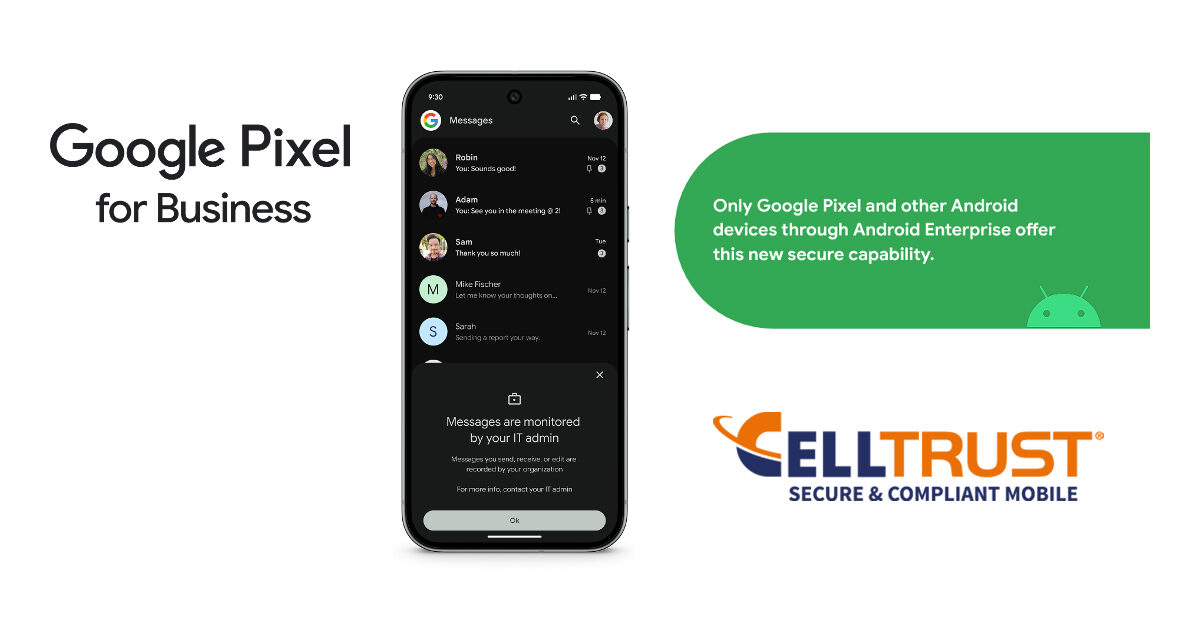
RCS, or Rich Communication Services, supports end-to-end encryption for one-on-one conversations, but the new archival system operates after decryption at the device level. Google has integrated with partners including Celltrust, Smarsh, and 3rd Eye, which receive system-level notifications whenever a message is sent, received, edited, or deleted.
Those partner apps capture message content as soon as it appears in Google Messages. Because this happens before a user can erase or modify anything, the traditional “delete” action no longer removes a communication from the organization’s record. Edits and deletions themselves become logged events, recorded alongside the original text.
Earlier carrier-based interception tools could not read encrypted RCS traffic, but the on-device model bypasses that limitation. The same mechanism can also ingest SMS and MMS, providing unified archival across older and newer messaging formats. From a compliance standpoint, mobile messages on managed Android devices now resemble email: they can be preserved for years in tamper-resistant repositories.
Surveillance Expands Across Regulated Workplaces
The impact is concentrated in heavily regulated industries and the public sector, where communication rules are strict and often audited. The U.S. financial services workforce alone numbers in the millions and operates under SEC and FINRA retention and supervision requirements. Government workers who respond to FOIA requests face growing pressure to document their communications thoroughly. Healthcare providers, legal professionals, and corporate staff operating under internal or external oversight add more millions to the pool of affected employees.
On fully managed Android devices, IT departments can switch on RCS Archival without user consent. When they do, a notification indicates that archival is active, but employees have no control over the feature and cannot opt out. For many workers, particularly in remote and hybrid roles, company-issued smartphones double as daily communication hubs. Once those phones are configured for compliance, messages sent late at night, on weekends, or during personal errands may still be captured as business records if they pass through Google Messages.
Independent Encrypted Apps and Remaining Boundaries
Google emphasizes that the archival capability applies only to company-managed devices. Personal Android phones that are not enrolled in enterprise management, as well as work profiles carved out on personally owned devices, are excluded from this system. In practice, however, many employees rely on employer-issued hardware as their primary or only phone, limiting the real-world protection that separation is meant to provide.
Some messaging platforms remain technically outside the reach of RCS Archival. Apps such as WhatsApp and Signal operate independently from Android’s native messaging framework and do not integrate with the event notifications that partners like Celltrust use. Their end-to-end encryption is managed within the app environment, not through Google Messages, so the same system-level capture method does not apply.
Even so, privacy on those platforms is not absolute. Device access, organizational security policies, and backup settings can still expose conversations under certain conditions. Companies may also deploy broader monitoring or access policies that affect how independent apps are used on managed devices, regardless of whether messages are archived through Google’s system.
A Lasting Shift in Workplace Communication Norms
The rise of RCS Archival coincides with a broader trend: most large enterprises already deploy some form of digital monitoring, and a significant share of employees report being tracked through productivity tools, device management software, or other surveillance technologies. Microsoft’s plan to have Teams identify users’ workplace locations when connected to corporate Wi-Fi, starting in 2026, points to parallel developments in location-based oversight.
Together, these changes erode several long-held assumptions: that encrypted messaging on work phones is private, that deleting a text erases it, that employer devices become personal after hours, and that only email is systematically monitored. Under modern compliance regimes, company-managed phones function as instruments of record creation. Each text, edit, and deletion can be preserved and later examined in internal investigations, civil litigation, regulatory inquiries, or FOIA responses.
For employees, this environment alters how they evaluate risk and choose communication channels. Some may reduce personal use of work phones, shift sensitive conversations to private devices, or avoid official platforms altogether. Others may adjust tone and content, aware that casual remarks could later be reviewed in contexts far removed from the original conversation.
As adoption grows, workplace messaging is likely to be treated less as fleeting chat and more as durable documentation. Organizations will continue to balance regulatory demands, legal exposure, and operational needs against worker expectations of privacy. How that balance is struck—through policy, technology choices, and transparency—will shape the evolving boundary between compliance-driven oversight and individual autonomy at work.
Sources
Technical implementation and regulatory partnerships — Google’s official announcement with partner companies (Celltrust, Smarsh, 3rd Eye)
Regulatory framework — SEC Rule 17a-4 and FINRA Rule 3110 requirements that drive the feature
Scale and adoption metrics — RCS daily message volume and user base growth statistics
Industry context — Workplace monitoring prevalence