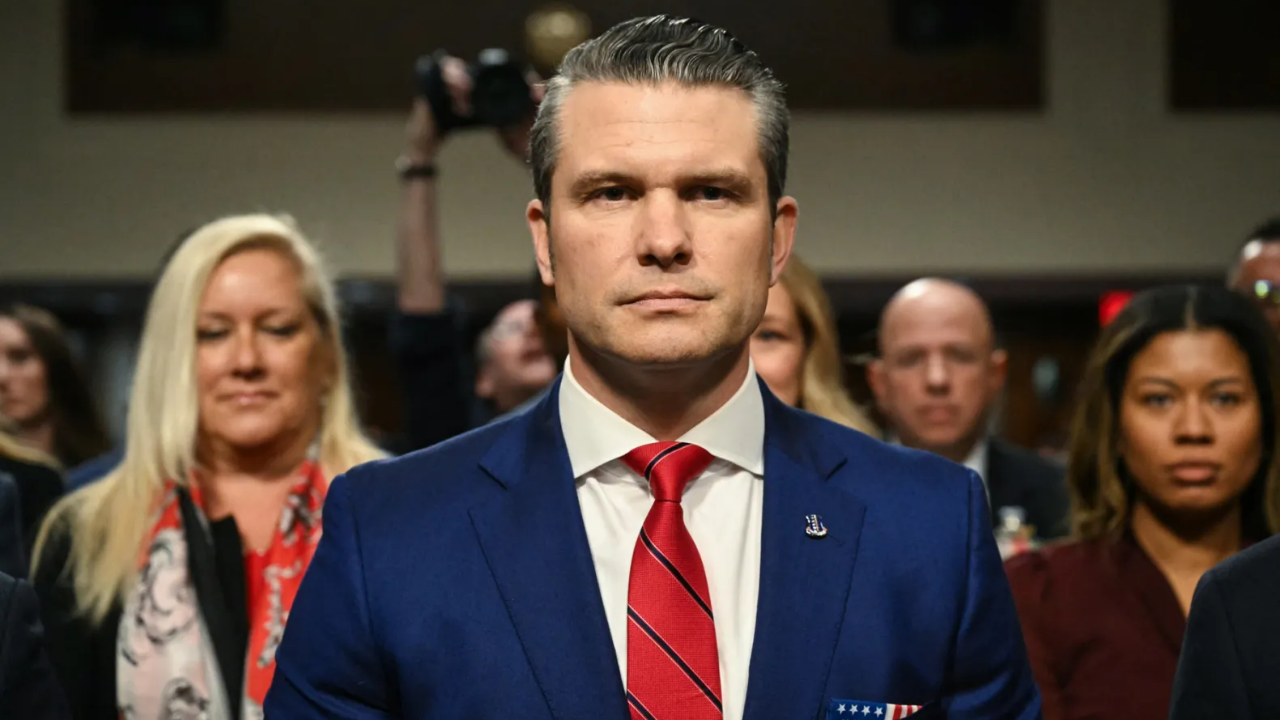
In U.S. military barracks from Virginia to Germany, peeling walls, moldy rooms, and failing safety systems have long been part of daily life for thousands of service members. A 2023 Government Accountability Office review documented sewage spills, gas leaks, and disabled fire alarms across multiple installations, tying deteriorating housing directly to morale and unit readiness. After years of complaints, inspections, and warnings, Pentagon leaders are now treating the barracks crisis as a core readiness problem and launching what they describe as the largest overhaul of unaccompanied housing in recent memory.
Neglect, Backlogs, and a Shift in Priority
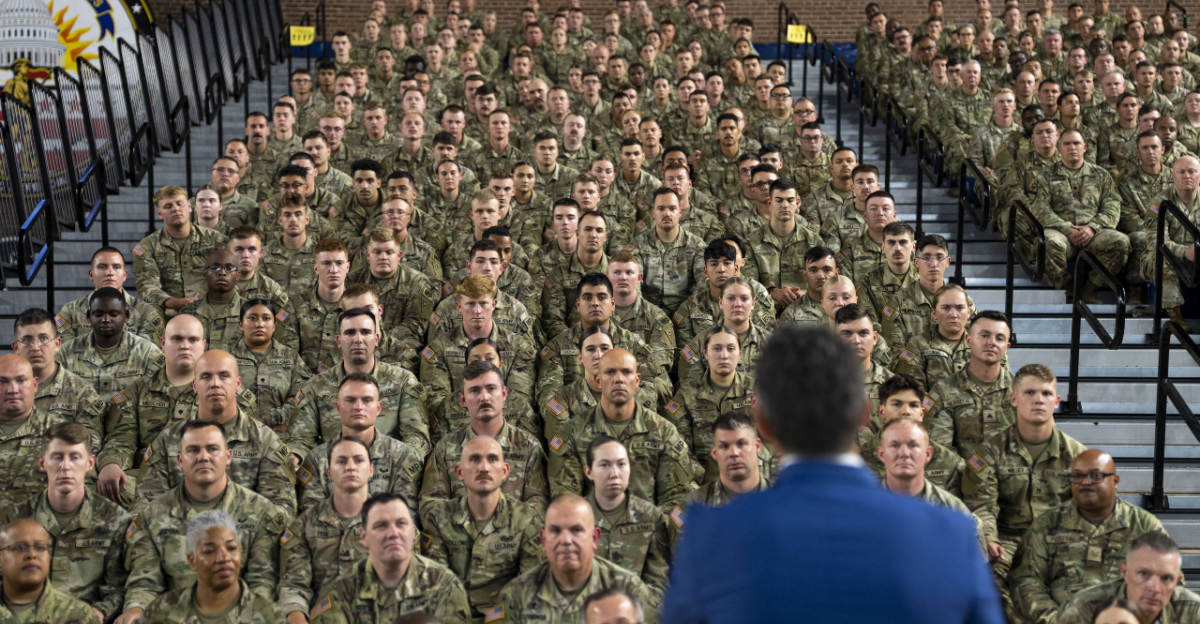
For decades, repairs and construction were postponed as other budget priorities took precedence, leaving a multibillion-dollar maintenance backlog. The Army compounded the strain by diverting more than $1 billion in 2025 to support border operations, further delaying work on aging facilities. Independent assessments found conditions that would violate many civilian housing codes, prompting Navy and Marine Corps leaders in some cases to move troops out of unsafe buildings.
These findings arrived as younger recruits and junior enlisted personnel expressed rising frustration with living standards. Surveys have shown that housing quality is a significant factor in decisions to re-enlist, and advocates warned that persistent neglect was undermining recruitment, retention, and the basic promise of safe accommodation for those in uniform. Mounting concern inside and outside the services pushed the Pentagon to respond on a national scale rather than base by base.
Task Force, New Law, and Political Momentum
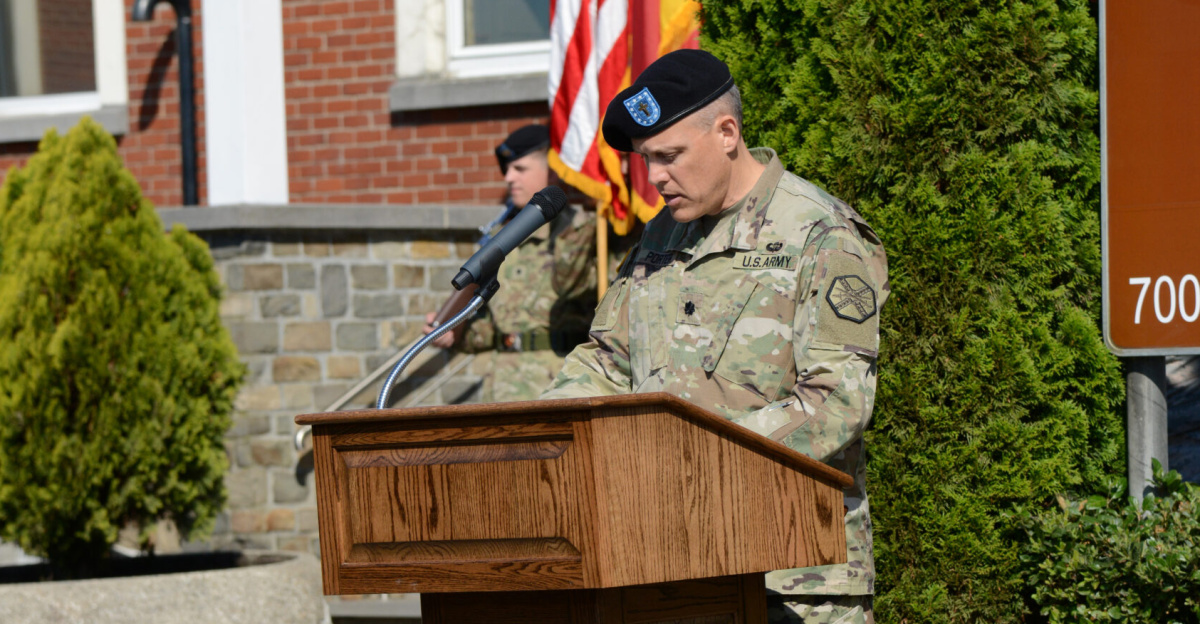
In October 2025, Secretary of Defense Pete Hegseth created the Pentagon Barracks Task Force with 30 days to design a comprehensive plan to upgrade unaccompanied housing. A former Army National Guard major, Hegseth cast the mission as central to military effectiveness, directing the group to catalog conditions, prioritize urgent needs, and recommend a funding strategy that covered all branches.
External pressure added force to the effort. Congress and veterans’ organizations increased scrutiny of base conditions, and advocates such as Robert Evans, founder of the Hots & Cots app, participated in task force sessions and backed the initiative while warning that change would take time. In July 2025, the Trump administration’s One Big Beautiful Bill Act set aside $1 billion specifically for unaccompanied housing improvements, signaling bipartisan recognition that barracks needed major investment. With White House support and a growing public record of unsafe conditions, Hegseth gained the political space to pursue structural reforms rather than piecemeal fixes.
A $1.2 Billion Barracks Overhaul
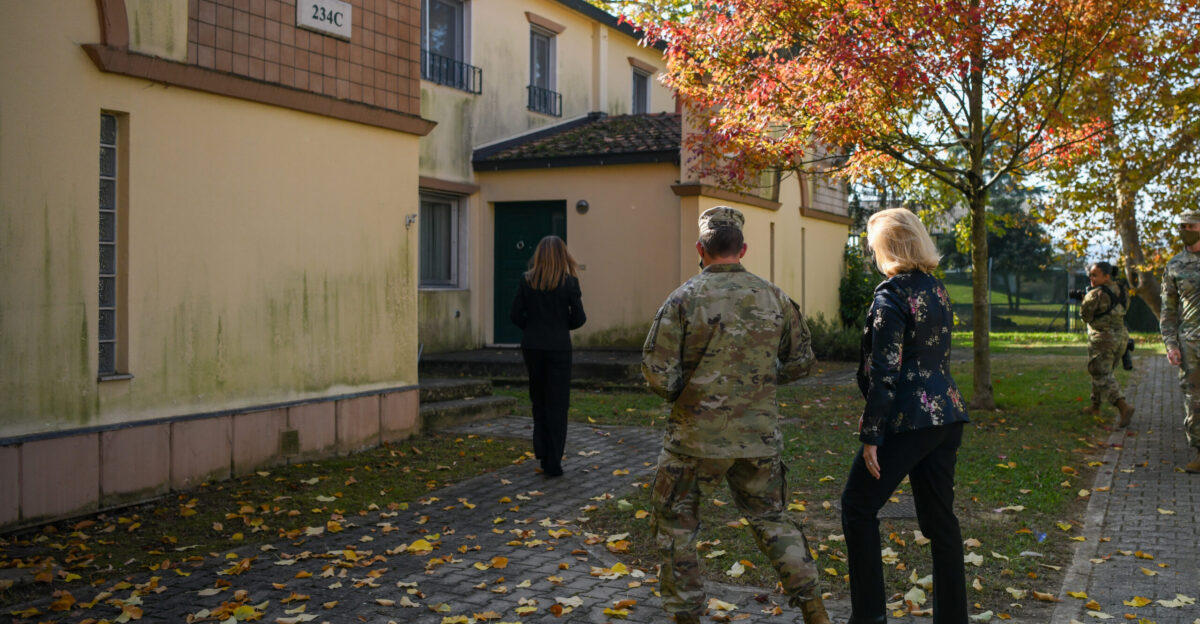
On December 3, 2025, Hegseth announced a $1.2 billion package for barracks upgrades, describing it as the largest such investment in recent years aimed at junior enlisted and other unaccompanied personnel. Of that total, $400 million was reserved for immediate needs, with $800 million dedicated to more complex repairs and projects. Pentagon officials outlined straightforward benchmarks: rooms without mold, doors and locks that work reliably, and modern security and safety systems.
Early spending focused on visible, quickly deliverable improvements. By Thanksgiving 2025, 81 barracks housing more than 15,000 service members had received new mattresses and furnishings. Ten barracks with over 6,000 occupants saw door locks replaced or upgraded, addressing long-standing complaints about basic security. Thirteen facilities housing 1,500 people received new security systems. These changes, funded by an initial $101 million, were widely seen as a first signal that the Pentagon was moving beyond studies and briefings to tangible action.
Longer-term projects are underway as well. In Hampton Roads, Virginia, the Army has launched a $380 million privatization effort to replace outdated housing with modern complexes. The Army Corps of Engineers is reviewing building standards with the goal of accelerating construction timelines without sacrificing safety. Overseas, a $330 million modernization of Barton Barracks in Germany will demolish older structures and add new unaccompanied housing, including two barracks projects estimated at $100 million each starting in summer 2026. These efforts are intended both to improve daily life for troops and to reinforce the U.S. military presence in key regions such as Europe.
Readiness, Local Authority, and the Road Ahead
Hegseth has repeatedly framed the housing crisis as a national security issue rather than solely a quality-of-life concern, arguing that units cannot reach peak readiness when troops return from training or deployments to unhealthy, insecure quarters. That reframing has helped draw broader political backing, as lawmakers link barracks spending to overall force effectiveness and NATO commitments.
A notable element of the new approach is decentralization. The $400 million earmarked for urgent fixes is being pushed down to garrison commanders, who now have greater discretion to authorize repairs and address hazards without waiting on lengthy approvals from higher headquarters. In exchange for this flexibility, commanders are required to document decisions and report monthly on progress, creating new accountability mechanisms alongside new authority.
Despite the influx of funding, officials and advocates caution that decades of deferred maintenance cannot be reversed within a single budget cycle. Evans has noted that major structural repairs and full replacement projects will take years, even as he acknowledges that construction is finally visible on the ground. The task force has already completed inspections for barracks under the Air Force, Navy, Marine Corps, and the Army’s 18th Airborne Corps, with assessments of Army Reserve and National Guard facilities expected by January 2026. Those findings will clarify the full scope of the problem and likely influence future budget requests.
Health concerns, legal exposure, and changing expectations among younger troops add urgency to sustaining the effort beyond the initial $1.2 billion. The 2023 GAO findings on mold and other hazards raised the prospect of legal challenges and long-term medical costs if conditions go unaddressed. At the same time, Gen Z recruits bring higher expectations for workplace and residential standards, making modern housing one factor in maintaining a professional, all-volunteer force. Whether through direct funding, expanded use of private partners, or further regulatory changes, the Pentagon’s barracks overhaul is set to remain a test of political will, fiscal priorities, and military culture for years to come.
Sources
Task and Purpose – December 2025
ABC News 7 – December 2025
Breaking Defense – March 2025
War.gov – October 2025
MOAA (Military Officers Association of America) – October 2025
ClearanceJobs – December 2025