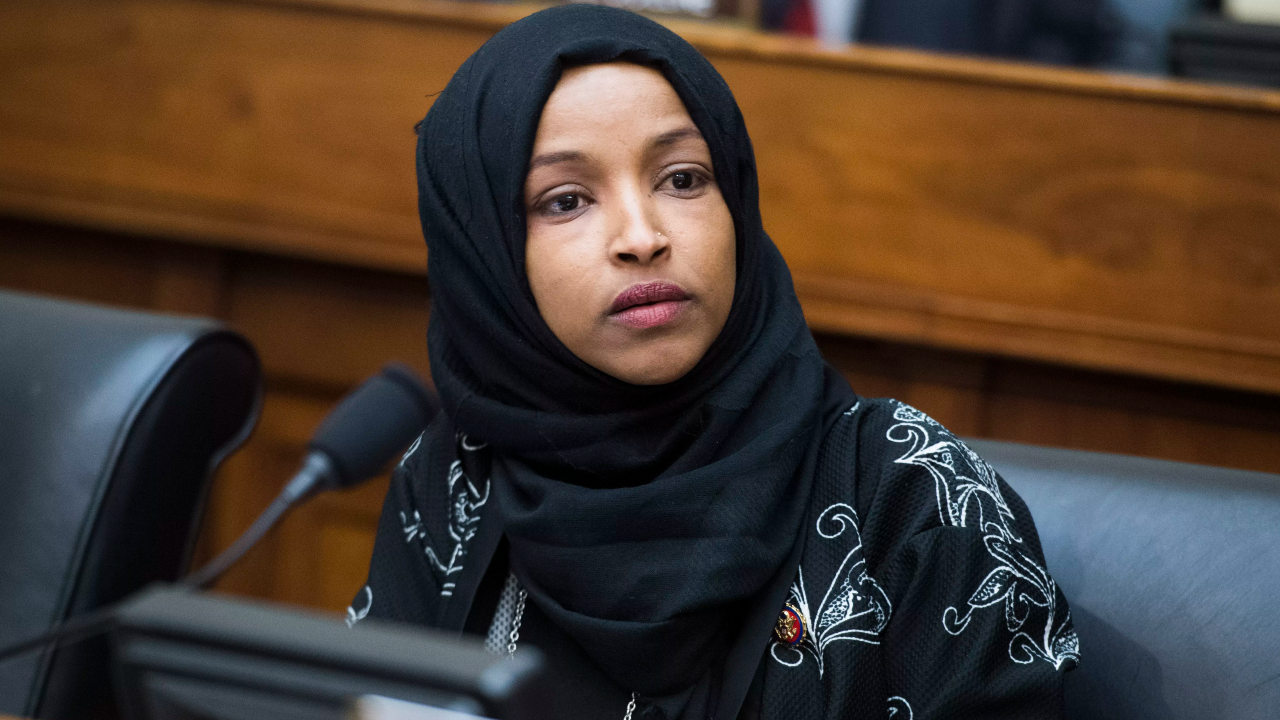
In Minnesota, a shadow hangs over the promise of feeding the hungry. While the pandemic left thousands of children vulnerable, a massive scheme allegedly siphoned billions intended for their care.
What began as a local investigation has spiraled into an international saga involving FBI raids, a silent Congresswoman, and a historic diplomatic breakthrough in the Horn of Africa. This is the story of how a safety net became a “den of thieves.”
The Visible Cracks
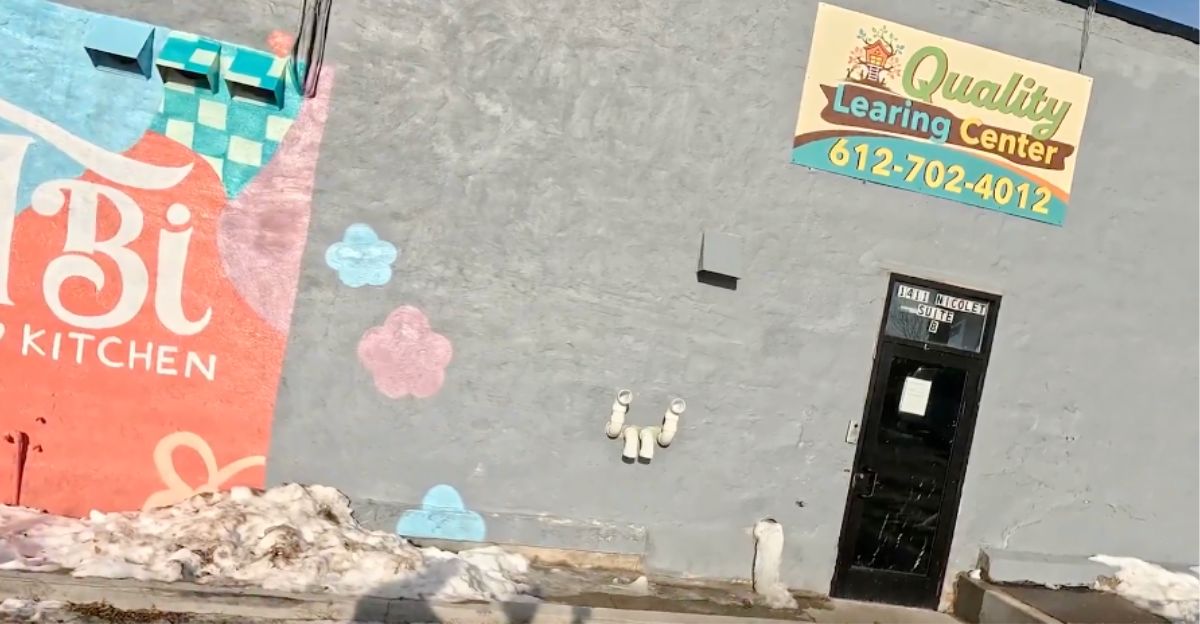
The cracks in the system became visible on a quiet Minneapolis street. Independent journalist Nick Shirley captured footage of the “Quality Learing Center”—its sign misspelled—which reportedly received millions in taxpayer funds. Neighbors told Shirley they had not seen children there in years.
Behind the shuttered blinds lay the reality of what FBI Director Kash Patel later called “the tip of a very large iceberg” of fraud hidden in plain sight.
The Staggering Scale of the Theft
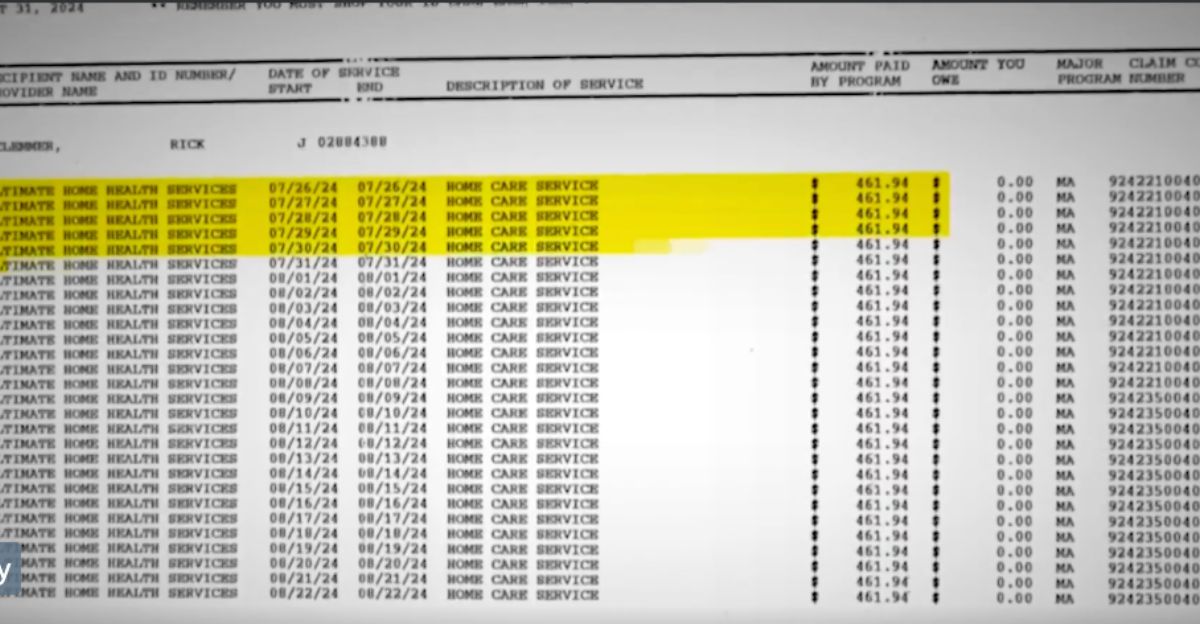
The numbers are staggering. Federal authorities dismantled the “Feeding Our Future” network, securing 78 indictments in a $250 million scheme. But that figure is just the beginning. Prosecutors have now convicted 59 individuals, revealing a labyrinth of shell companies.
Instead of feeding hungry students, court records show the stolen money purchased luxury cars, lakeside property, and vacations, leaving the state’s most vulnerable children with nothing but empty promises.
An “Industrial-Scale” Deception Exposed
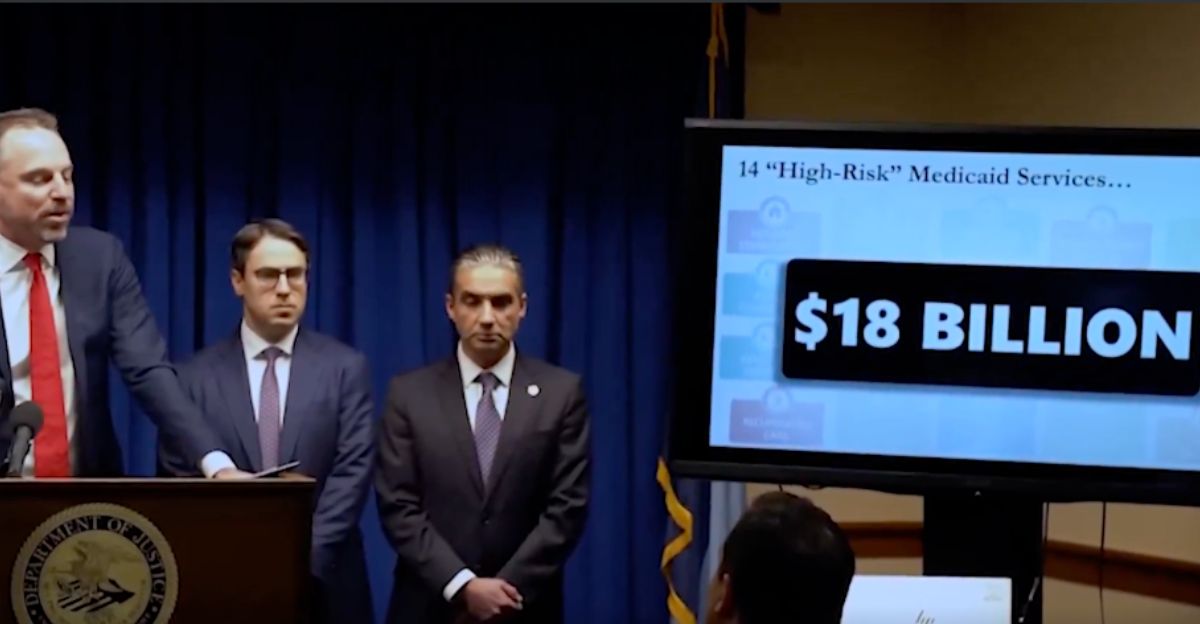
The deception operated on an industrial scale. Assistant U.S. Attorney Joe Thompson revealed that investigators are now scrutinizing 14 different government programs that disbursed $18 billion since 2018. “We know a significant amount was fraudulent,” Thompson stated, noting that he sees “far more warning signs than genuine providers” when reviewing claims.
The $250 million already uncovered may represent only a fraction of the total taxpayer loss across the state.
Warnings Waving in the Wind
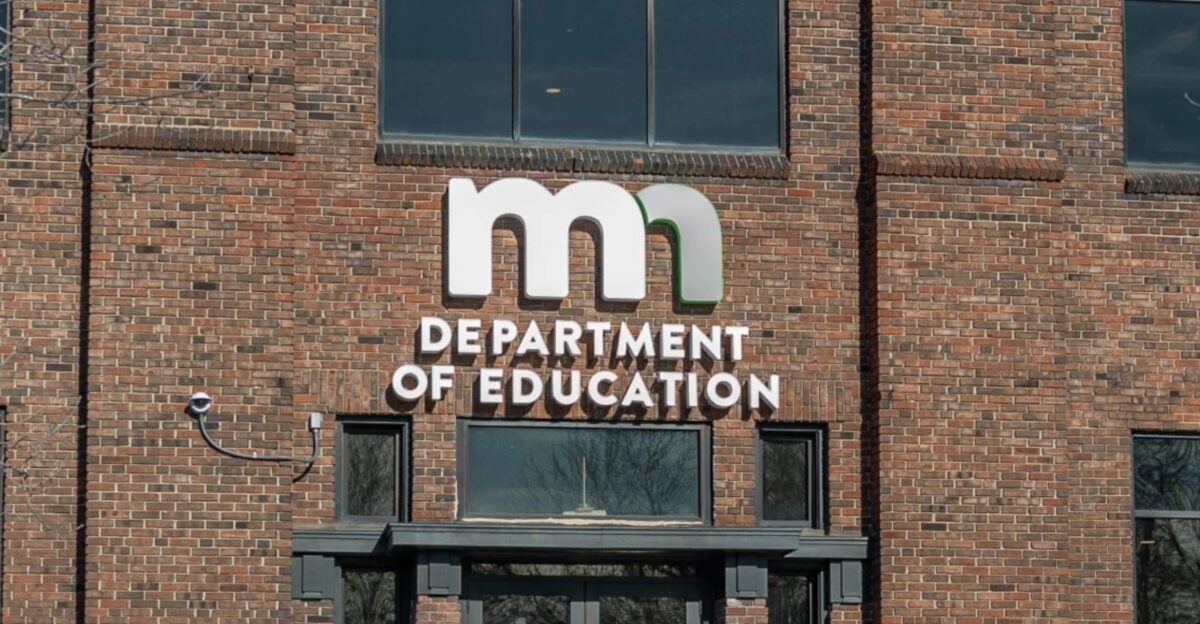
Red flags were waving long before the arrests took place. A scathing 120-page report by Minnesota’s Legislative Auditor found that the Department of Education’s inadequate oversight “created opportunities for fraud.”
Officials received over 30 complaints about Feeding Our Future between 2018 and 2021 but failed to act decisively.
When the Courts Forced the Spigot Open
When state employees finally tried to turn off the spigot, the legal system forced it back open. Twice, the Department of Education attempted to stop payments to Feeding Our Future; twice, the nonprofit sued.
A Ramsey County judge ruled the state lacked authority to withhold funds without first imposing specific conditions. Fearing legal repercussions, the department resumed payments, and millions more flowed to fraudulent operators, according to court documents.
A Congresswoman Stands Her Ground
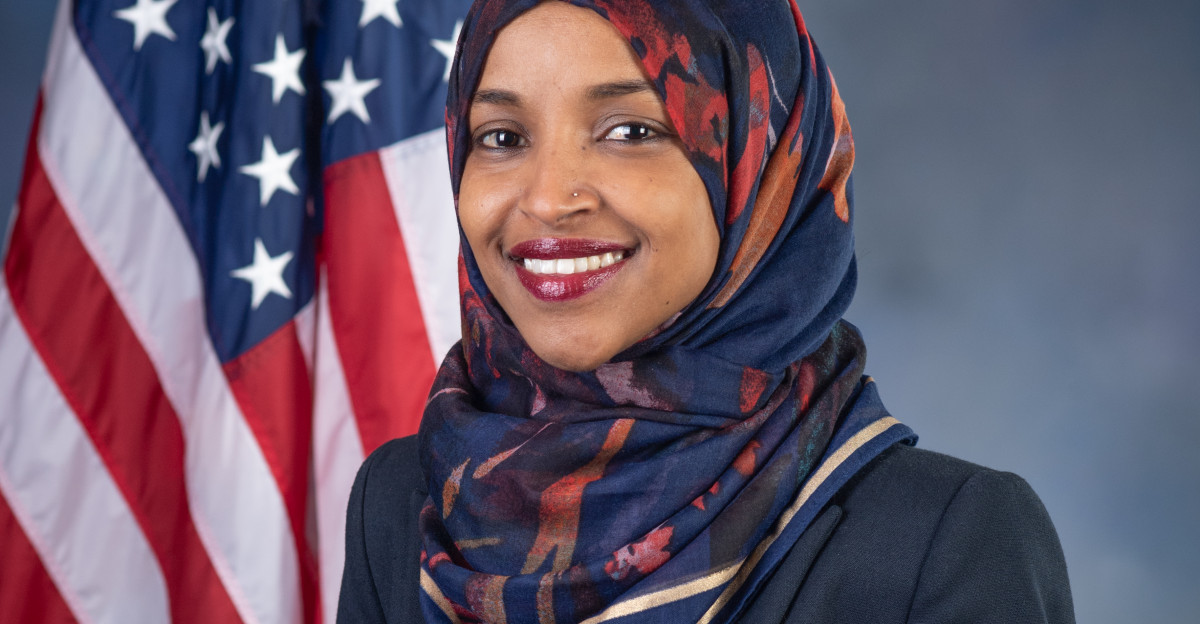
At the center of the political storm stands Representative Ilhan Omar. She championed the MEALS Act, legislation that removed critical oversight safeguards to expedite food delivery during the COVID-19 pandemic.
When Fox News Digital asked if she regretted supporting the bill in light of the fraud, Omar remained defiant. “Absolutely not,” she insisted, emphasizing that the waivers were necessary to feed children, even as critics argue those very loopholes enabled the massive theft.
The Virus of Fraud Spreads
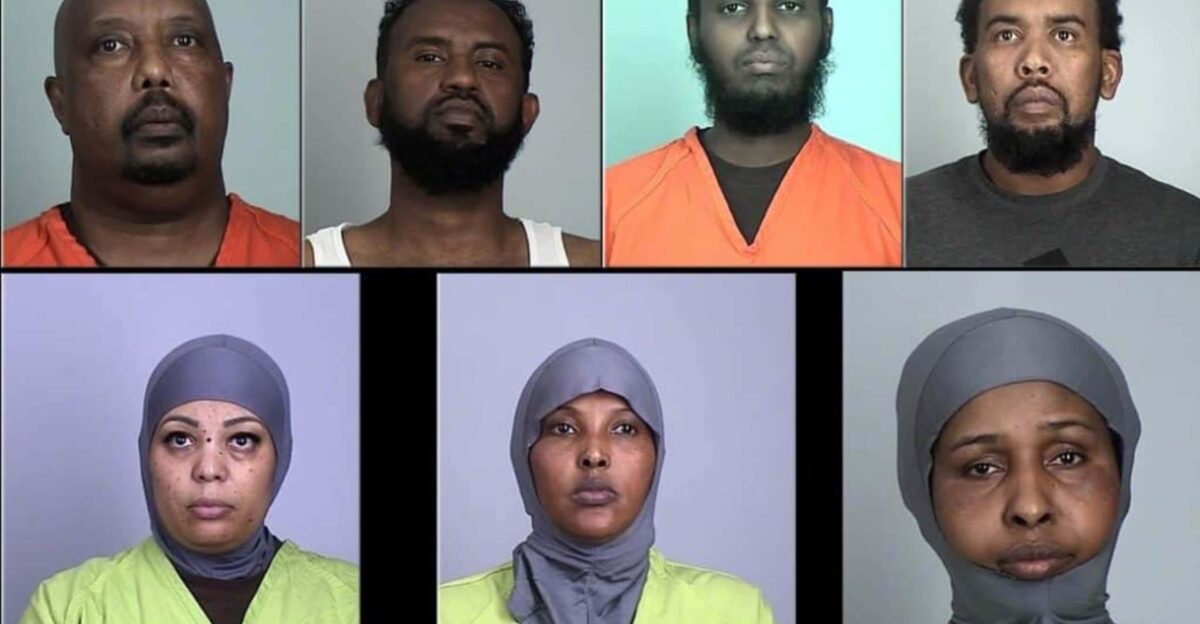
The “virus” of fraud spread to other sectors. The Housing Stabilization Services program, initially estimated to cost $2.5 million annually, mysteriously ballooned to $104 million by 2024. FBI search warrants describe a “massive scheme to defraud” involving 13 charged defendants so far.
Investigators found that fraudsters were recruiting vulnerable patients from drug treatment centers to sign up for services they never received, further draining state resources meant for the needy.
A Tale of Two Governance Models
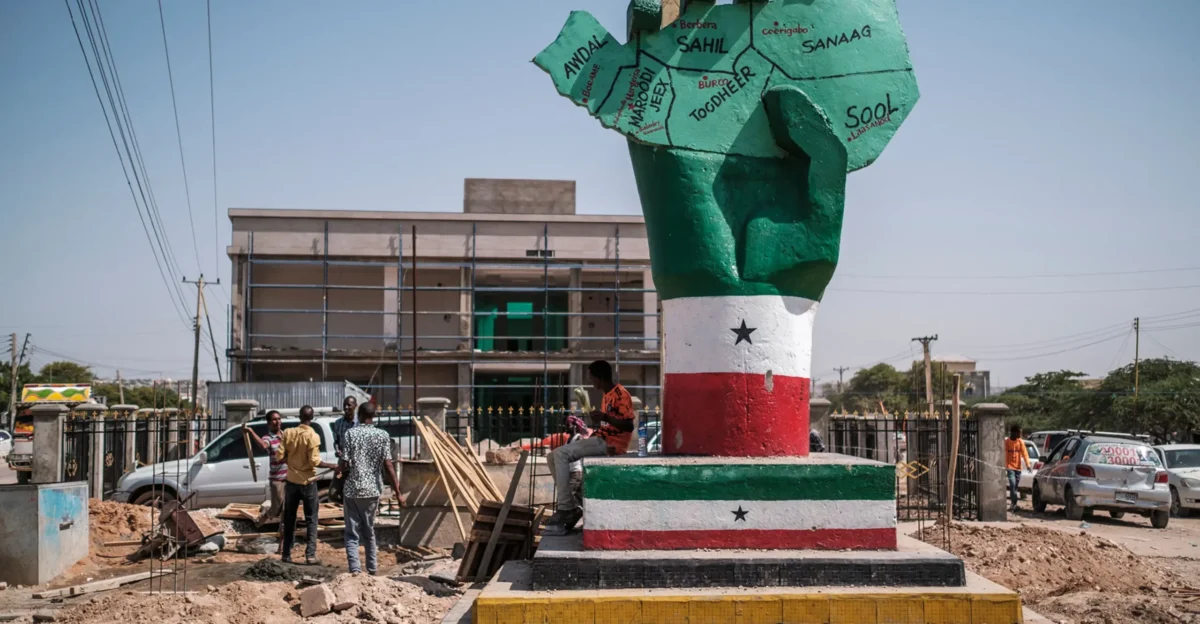
As Minnesota grapples with governance failures, a different story of accountability is emerging in the Horn of Africa. While Somalia—the country Omar’s family fled—struggles with corruption and instability, its northern neighbor Somaliland has quietly built a functioning democracy.
For over 30 years, the breakaway region has maintained its own currency, held peaceful elections, and policed its borders without international recognition or billions in foreign aid, challenging the narrative of the region.
History Made in Jerusalem
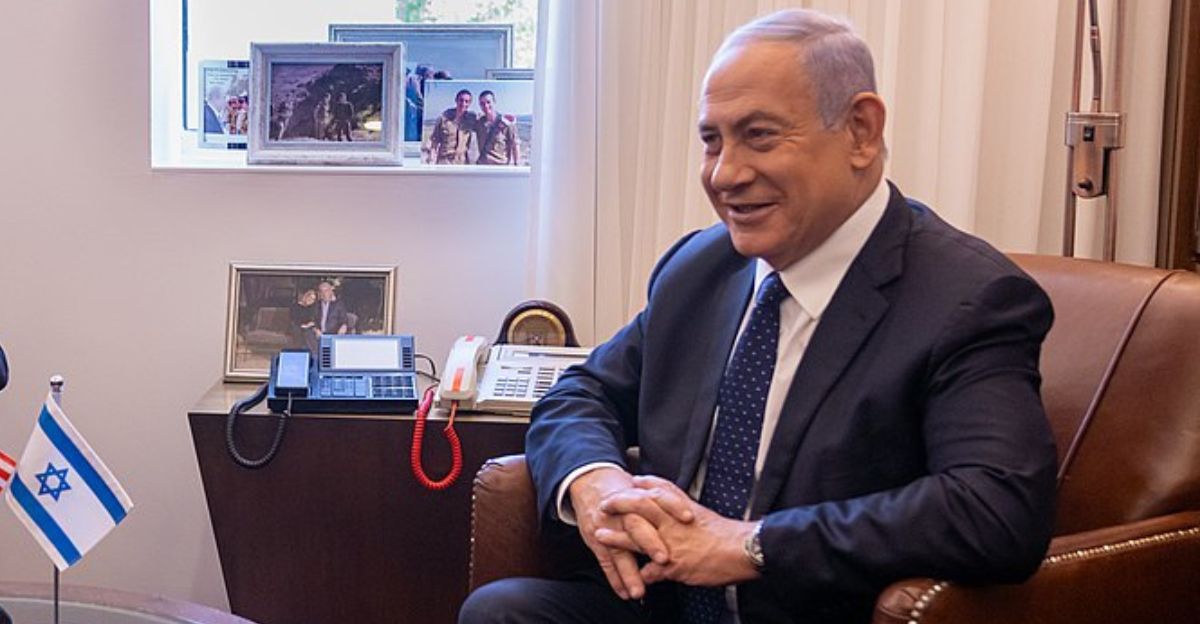
The geopolitical landscape shifted seismically on December 26, 2025. Israeli Prime Minister Benjamin Netanyahu officially recognized Somaliland’s independence, making Israel the first UN member state to do so.
In a ceremony with Somaliland President Abdirahman Mohamed Abdullahi, the leaders signed a declaration of mutual recognition. Somaliland pledged to join the Abraham Accords, positioning itself as a strategic partner against terrorism in the Red Sea region and opening a new diplomatic chapter.
Stability Amidst Chaos: The Data
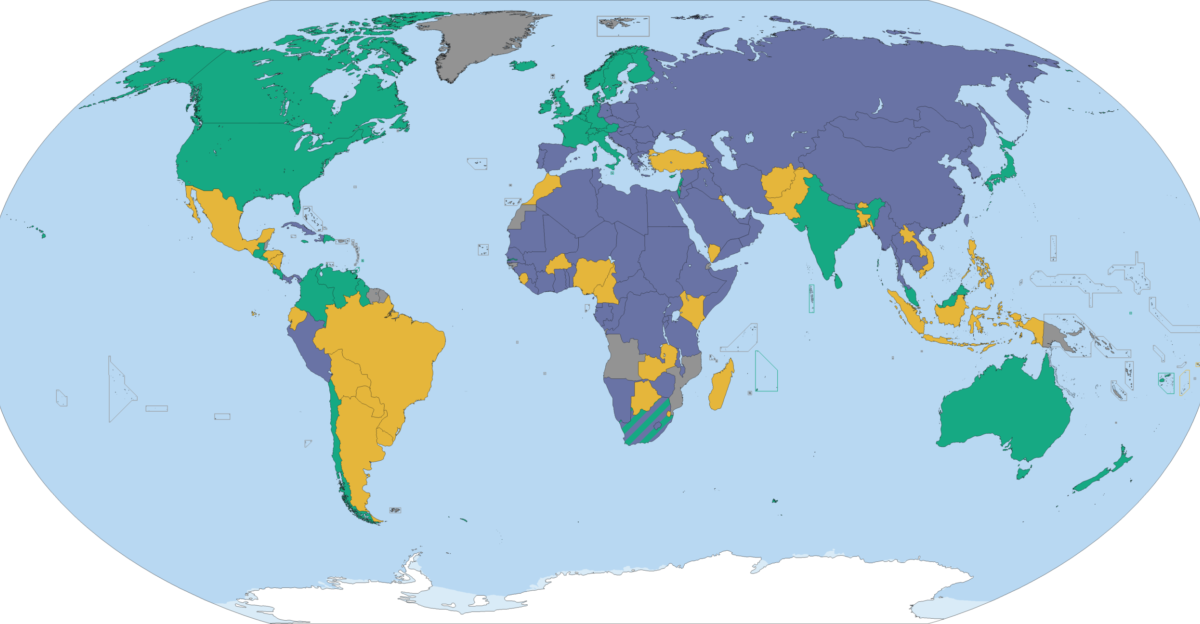
The contrast between Somaliland and Somalia is starkly quantified. In 2024, Freedom House rated Somaliland “partly free” with a score of 43, praising its democratic transfers of power. Meanwhile, Somalia scored just 8, categorized as “not free.”
Michael Rubin of the American Enterprise Institute noted the irony, stating that “Somaliland has charted a different course entirely, relying on internal accountability” while corruption and clan violence continue to plague its southern neighbor.
The Heavy Burden of Family History
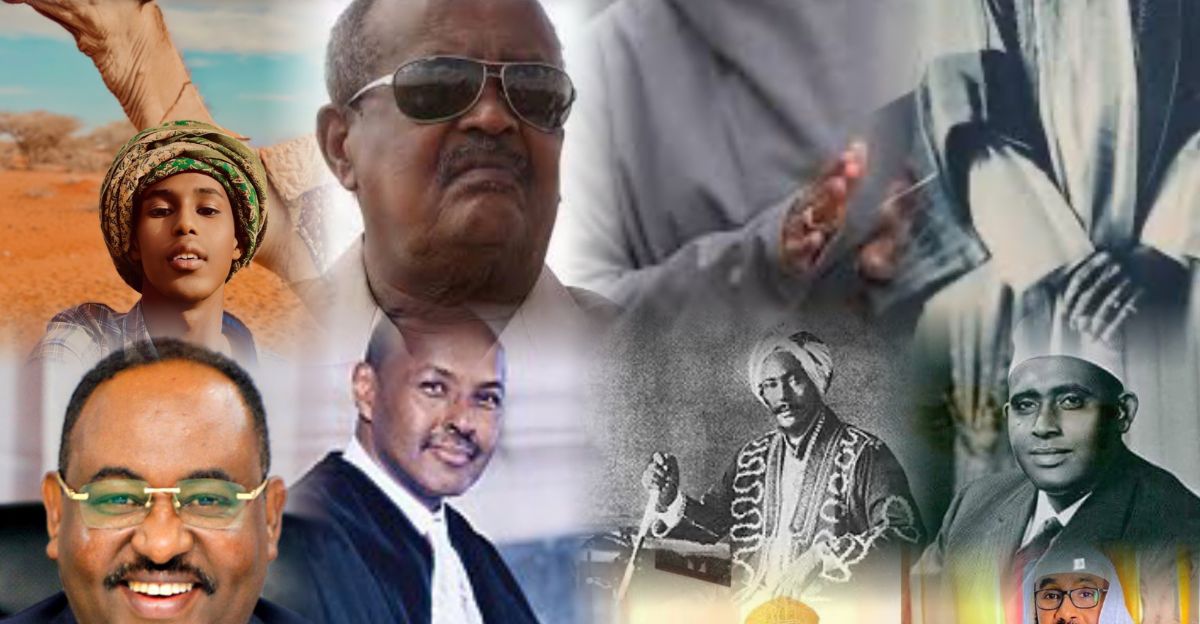
The recognition of Somaliland has reopened old wounds regarding Representative Omar’s family history. Her father, Colonel Nur Omar Mohamed, served as a senior officer in Siad Barre’s military during the brutal Isaaq genocide of the late 1980s. Human rights groups estimate that over 200,000 civilians were killed.
Reports from the Somaliland Chronicle indicate his high-ranking position placed him within the command structure during these atrocities, complicating her present-day political stance.
The Sound of Silence in Washington
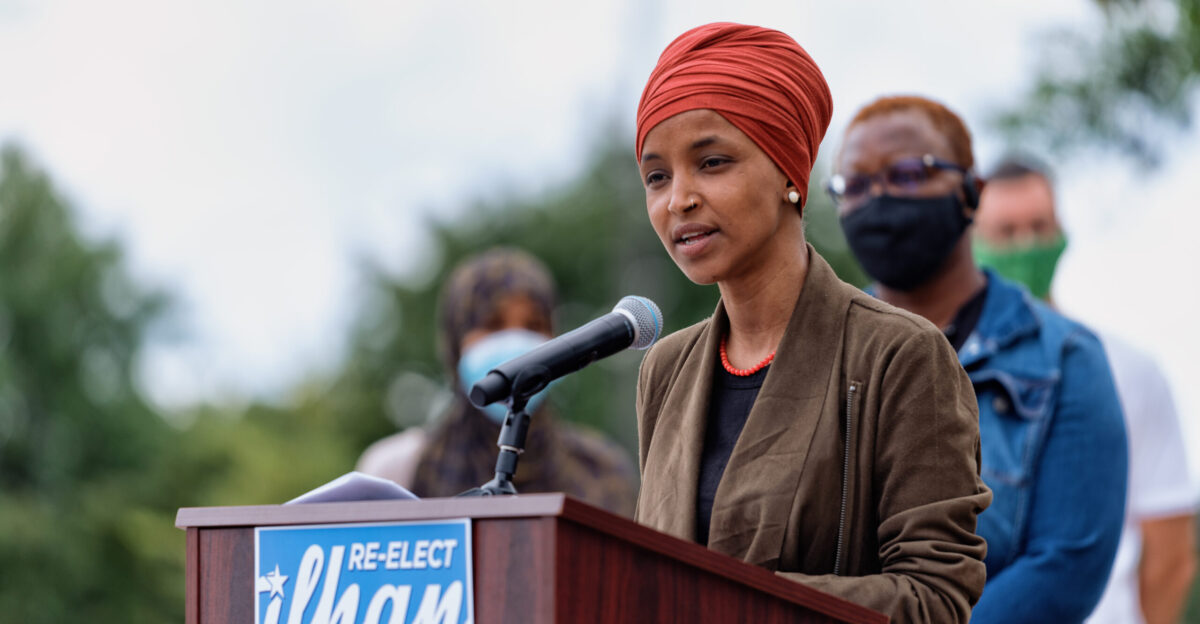
Despite her role as a vocal foreign policy advocate, Representative Omar has remained conspicuously silent on Israel’s recognition of Somaliland. “Clan dynamics shape Somali politics,” Michael Rubin explained to Fox News Digital, suggesting her stance aligns with traditional Somali unification views rather than Somaliland’s democratic reality.
This silence persists even as her home district reels from fraud linked closely to her own community.
Connecting the Dots of Failure
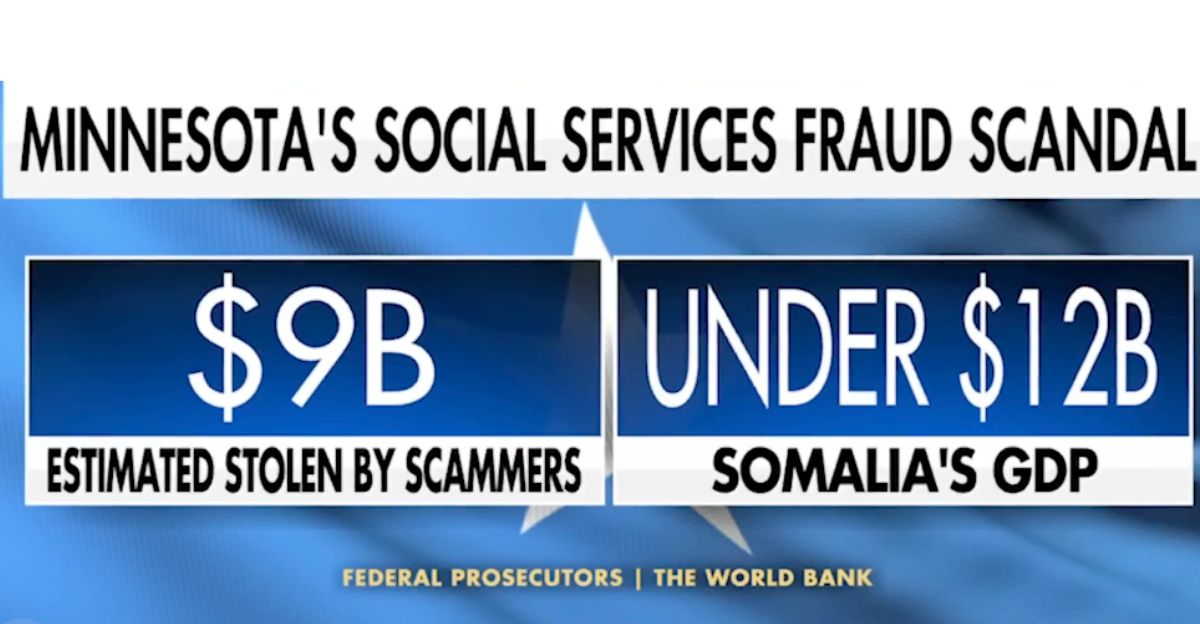
The crises in Minnesota and East Africa share a common thread: the failure of oversight and the cost of ignoring reality. Critics argue the U.S. “One Somalia” policy has propped up a corrupt central government in Mogadishu while ignoring the democratic success of Somaliland.
Similarly, unchecked funds flowed into Minnesota under the guise of compassion, only to be exploited by those who were aware of the system’s weaknesses and lacked accountability.
The Next Chapter: Accountability and Strategy
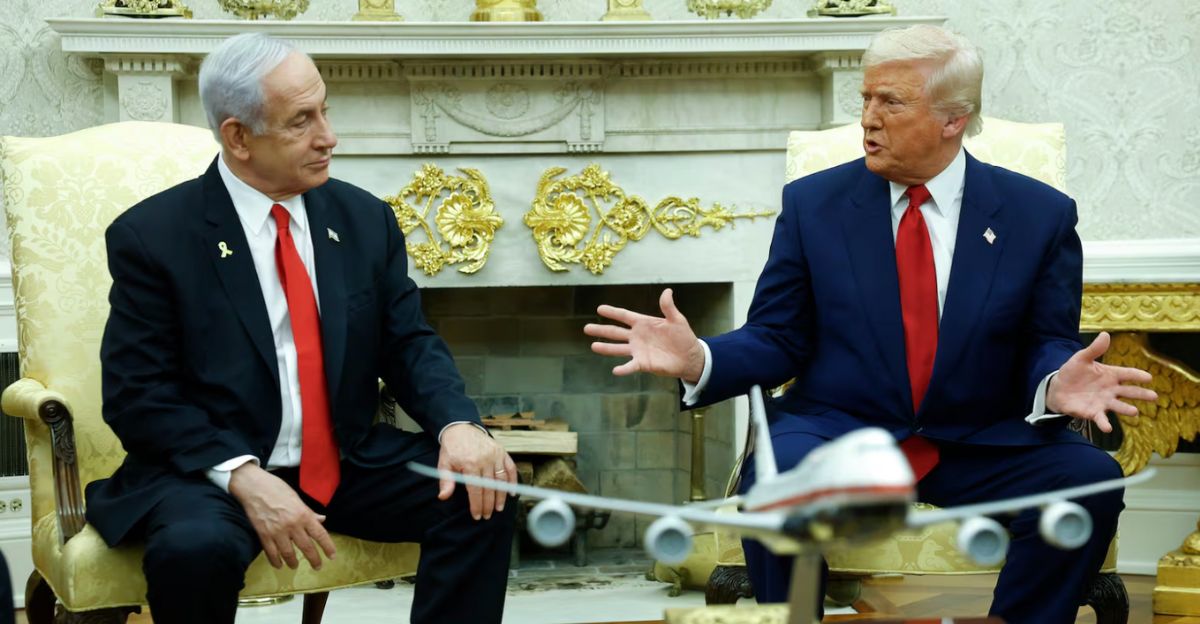
The story is far from over. As federal agents continue to unravel the “iceberg” of fraud in Minnesota, geopolitical currents are shifting. Prime Minister Netanyahu recently met with President Trump at Mar-a-Lago to discuss regional strategy, with the recognition of Somaliland on the table.
For taxpayers in Minnesota and citizens in the Horn of Africa, the demand is the same: accountability, transparency, and an immediate end to the cycle of corruption.
Sources:
Minnesota Department of Education: Oversight of Feeding Our Future – Office of the Legislative Auditor, State of Minnesota
78th Defendant Charged in Feeding Our Future Fraud Scheme – U.S. Attorney’s Office, District of Minnesota
Israel becomes first country to formally recognise Somaliland – Reuters
Hayes, Omar Introduce Legislation to Remove Barriers to Free School Meals – U.S. House of Representatives
Somaliland: The Horn of Africa’s Breakaway State – Council on Foreign Relations