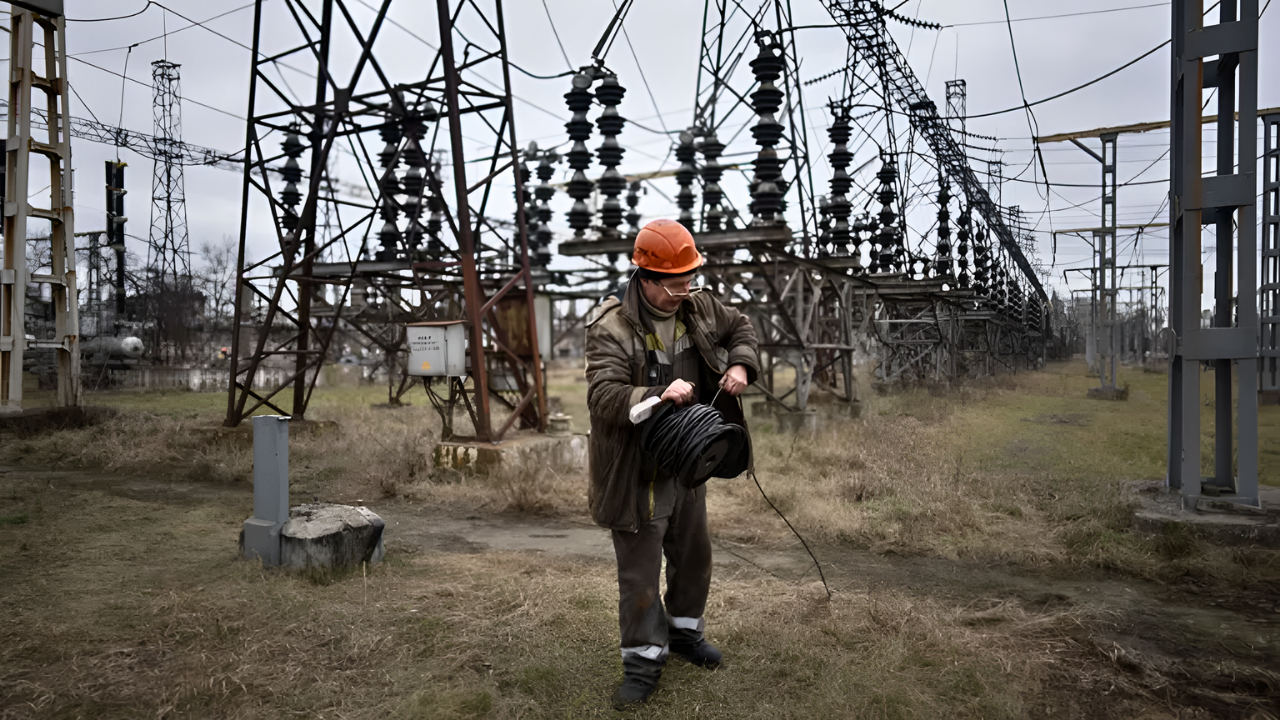
Millions of households across the Midwest and Mid-Atlantic are opening electricity bills and finding shocking increases they never budgeted for. The cause is not weather or fuel shortages, but artificial intelligence. Explosive growth in AI data centers is overwhelming power grids built decades ago. A new state report confirms planners never accounted for this surge. From Illinois to Virginia, families are paying the cost. Here’s what’s going on.
“We Never Saw It Coming”
Illinois regulators released a 222-page report this month, confirming that data centers now drive an electricity crisis that nobody anticipated. When Governor Pritzker signed the Climate and Equitable Jobs Act in September 2021, planners expected gradual demand growth. Instead, AI commercialization surged. The December 15 Resource Adequacy Study found increases “were not foreseen,” leaving 4 million ComEd customers exposed. The admission stunned lawmakers and utilities alike. What officials said next revealed deeper failures.
“We Tried To Expect The Unexpected”
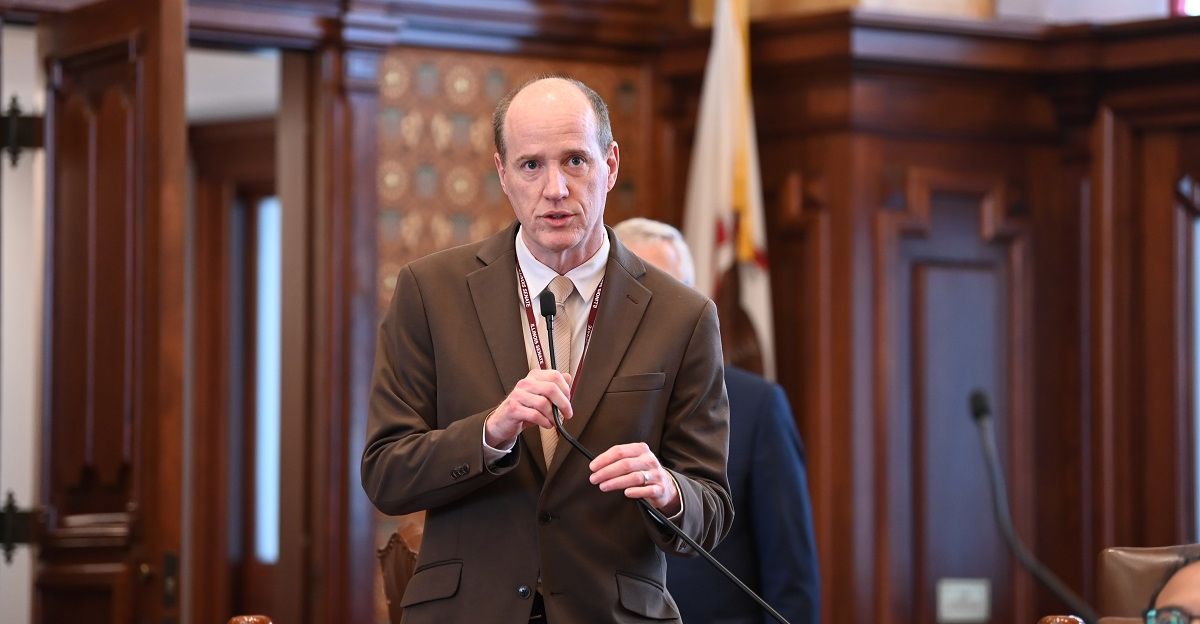
“We tried to expect the unexpected,” State Senator Bill Cunningham (D-Beverly) admitted in December 2025. “The unexpected turned out to be data centers.” That single statement encapsulates the planning failure: 4 years after CEJA’s passage, Illinois faces electricity demand it never modeled.
Approximately 80 data centers operate in Northern Illinois today, with more than 30 planned, according to a December 16 CBS Chicago report. Meta alone is committing to purchase 1.1 gigawatts of power—the equivalent of a nuclear reactor’s full output—beginning in June 2027. The state’s grid was built for a different era entirely.
The real consequences soon appeared on household bills.
The Summer Shock Nobody Expected

Last summer, ComEd customers opened their June 2025 bills and gasped. Electricity charges increased by 10% to 15%, resulting in additional monthly costs of $10.50 to $10.60 for typical households. However, some customers experienced something far worse: according to a Chicago Tribune report from July 22, 2025, certain ComEd subscribers saw triple-digit bill increases in a single month.
The Citizens Utility Board immediately identified the culprit: “The giant spike we saw in ComEd bills this past summer was largely due to the impact of data center electric demand on the system,” Sarah Moskowitz, CUB’s executive director, stated on December 16.
The Second Wave Arrives
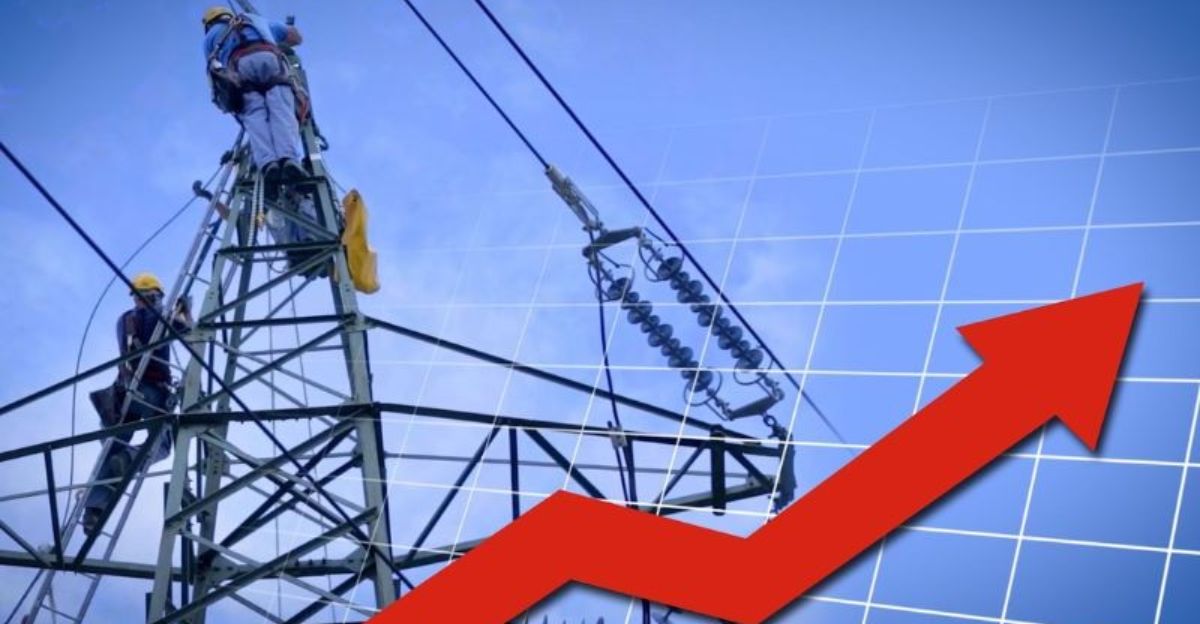
While summer 2025 delivered the shock, a second jolt is already scheduled to follow. Another 22% capacity price increase takes effect in June 2026, according to December 18 reporting from Illinois regulators. The Citizens Utility Board projects that electric bills in the Chicago area could rise by $70 over the next three years—roughly $23 to $24 per month through 2028.
ComEd’s 4 million customers and Ameren’s 1.2 million customers across southern Illinois face cumulative increases that compound on previous shocks. For families already struggling with housing and food costs, electricity bills are becoming unmanageable. Financial pressure mounts across the state.
Yet Illinois is just one part of a much larger regional crisis spreading across multiple states.
The Data Center Problem Goes Regional
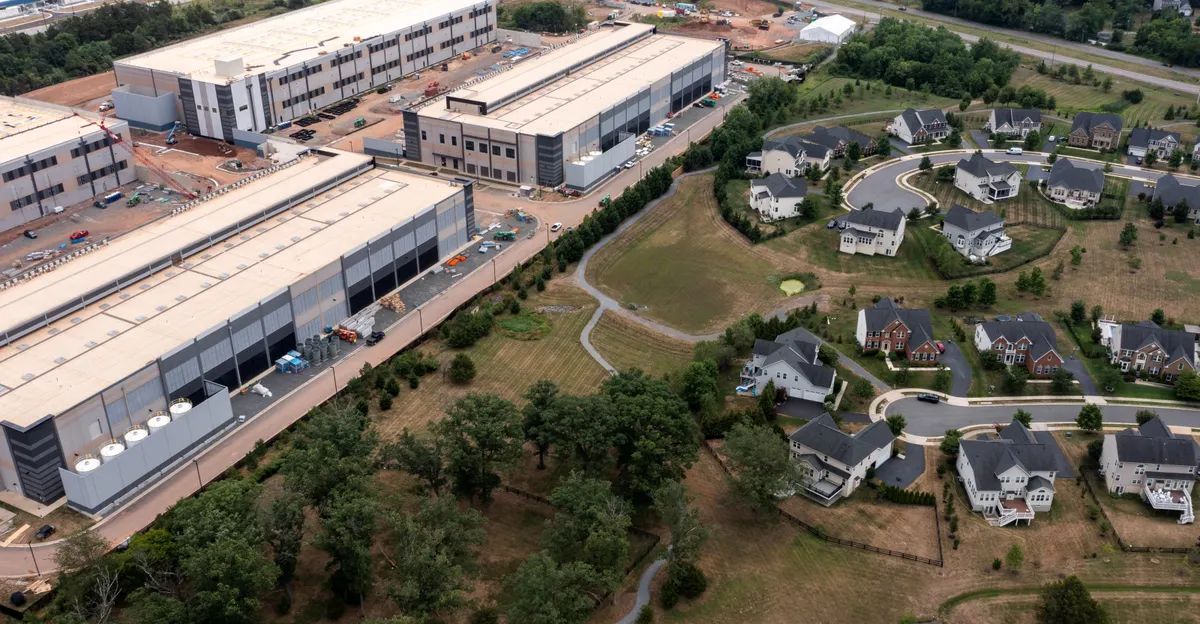
Illinois isn’t facing this alone. The PJM Interconnection—an electrical grid serving 67 million people across 13 states and Washington, DC—is experiencing identical pressures. Data centers currently account for only 4% of PJM’s load, but are projected to reach 12% by 2030.
Virginia, Maryland, Ohio, New Jersey, and Pennsylvania all report soaring electricity costs driven by identical factors: the rapid growth of AI data centers that nobody adequately anticipated. The December 17 PJM capacity auction results show the region fell short of reliability targets and hit price caps again. What started as an Illinois problem became a regional catastrophe.
Virginia’s Data Center Alley Problem
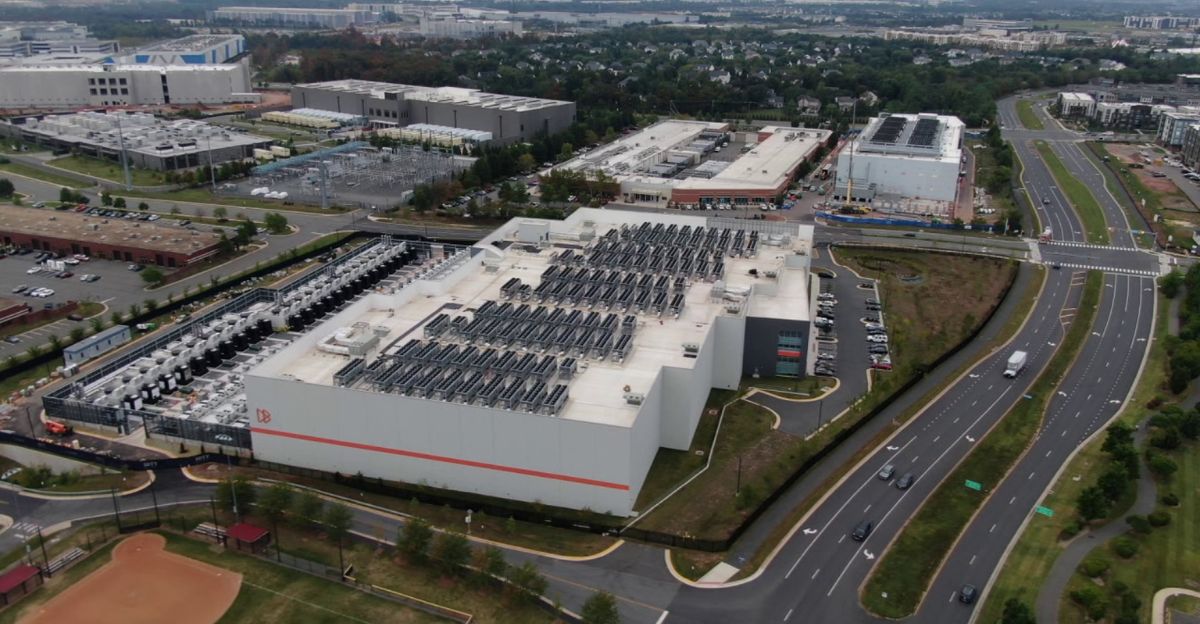
Virginia hosts the world’s densest cluster of data centers. Electricity prices jumped 13%, according to a November 14 CNN report. Dominion Energy projects that peak demand will rise 75% by 2039, compared to 10% without continued expansion, according to a September 29, 2025, Bloomberg analysis. Political fallout followed. Abigail Spanberger won Virginia’s November 2025 gubernatorial race after pledging that data centers “pay their own share.” Voters demanded accountability. Maryland felt the impacts even sooner.
Maryland Residents Face Concrete Dollar Increases

Maryland households now pay about $18 more per month, according to a December 16, 2025, Yahoo Finance report. Baltimore residents saw their bills increase by over $17 per month after a single PJM auction. Linda Young, a 68-year-old grandmother, asked on July 23, 2025, “Is quantum computing really about making our lives better?” Her question captured growing public anger. Some residents face even harsher realities.
“It’s Killing My Pockets”

Kevin Stanley, 57, lives on disability payments in Baltimore. His energy bills are “about 80% higher than they were about 3 years ago.” From 2022 to 2025, compounding increases created impossible tradeoffs. Similar pain spreads across PJM. Ohio households face $16 monthly increases. New Jersey prices climbed about 20% year-over-year. The crisis spans all 13 states. Behind the bills, the grid is straining.
When The Lights Might Go Out
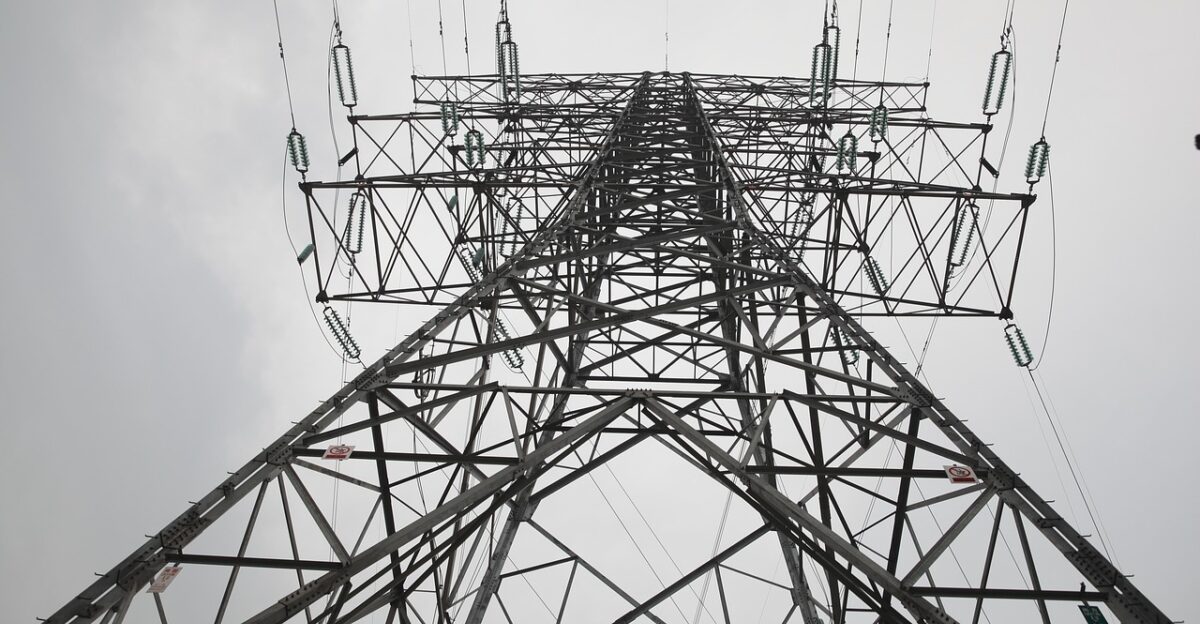
The December 15 Resource Adequacy Study projects explicit timelines for electricity shortfalls. Northern Illinois (ComEd territory) faces a “credible risk of regional capacity shortfalls” by 2029, with an “outright shortfall” projected for 2032.
Southern Illinois (Ameren territory) shortfalls begin in 2031 and escalate through 2035. These aren’t hypothetical scenarios—they’re formal engineering assessments indicating the grid cannot reliably meet demand. “The state’s ability to import power from other regions during critical hours becomes compromised as neighboring states face similar pressures.” Blackout risk becomes real within 7 years.
Aging Plants Meet Exploding Demand
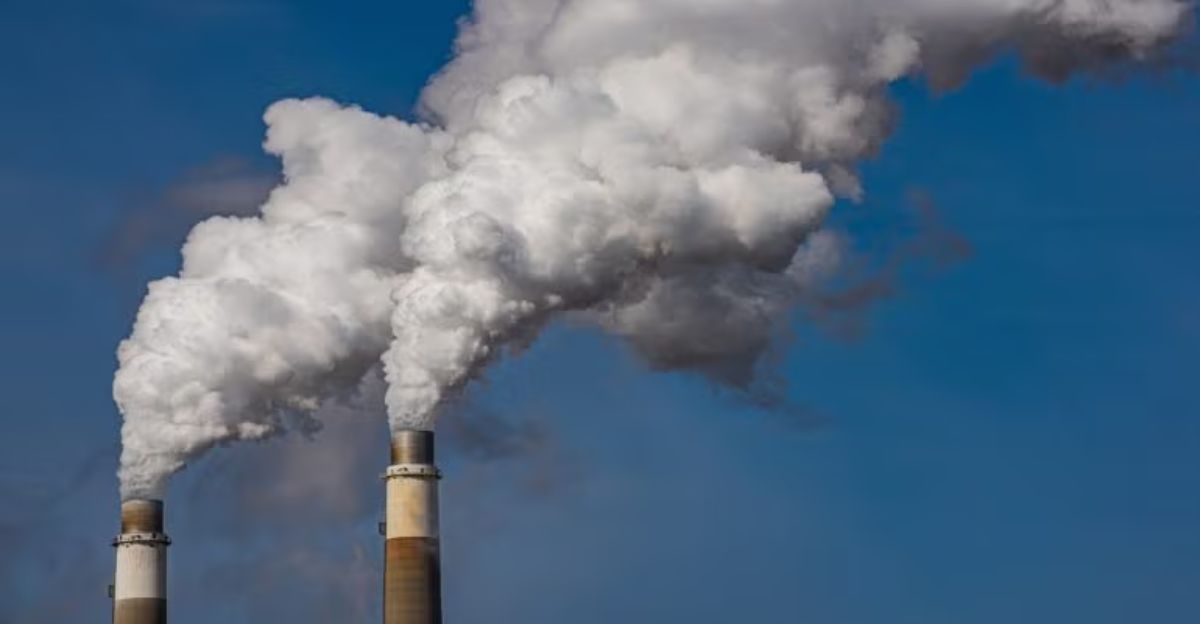
Illinois coal plants are aging and scheduled to retire under the 2021 law. The December Illinois Times reported coal and gas facilities will exit due to age, economics, and emissions limits. The U.S. Energy Information Administration reported on February 24, 2025, that 12.3 gigawatts would be retired in 2025, representing a 65% increase from 2024. Illinois relied on these plants as bridges. The bridge is collapsing faster than expected.
Wind And Solar Race Against Time
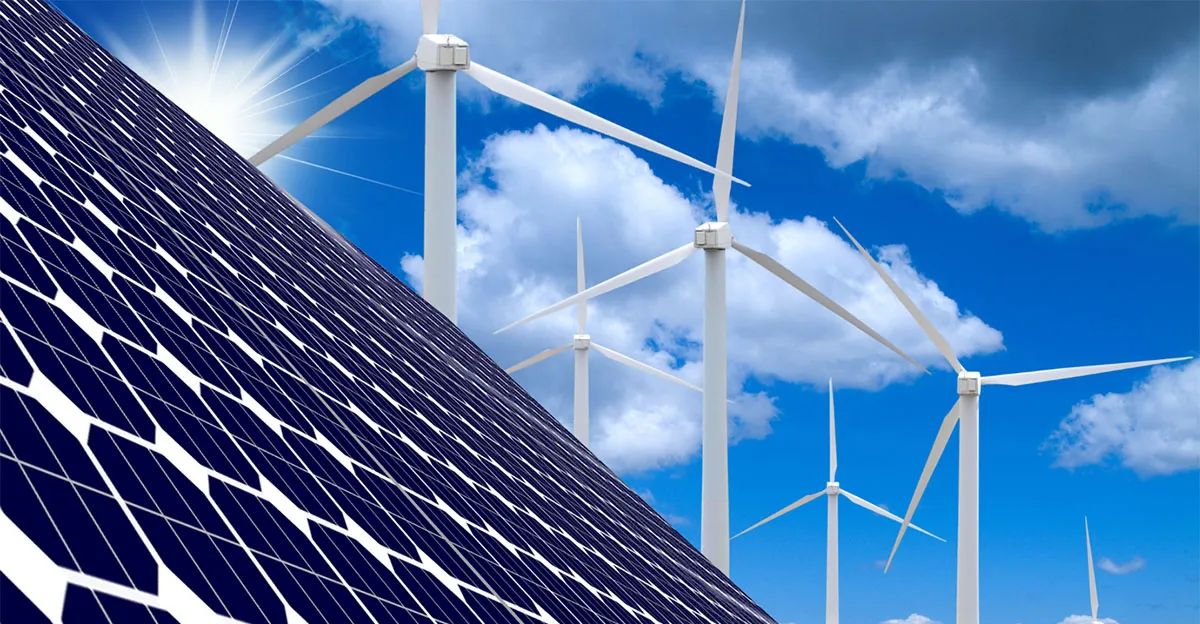
Illinois doubled renewable funding to $580 million annually, yet progress stalled. An October 6 Energy Innovation analysis found that tax credit changes left developers hesitant, resulting in a projected capacity reduction of 2.7 gigawatts of wind and 1.3 gigawatts of solar by 2035. Suitable sites fell 41.9% in 9 months. Interconnection queues stretch 5 to 7 years. Tech companies continued to sign massive power deals.
Meta’s Nuclear Bet Changes The Equation
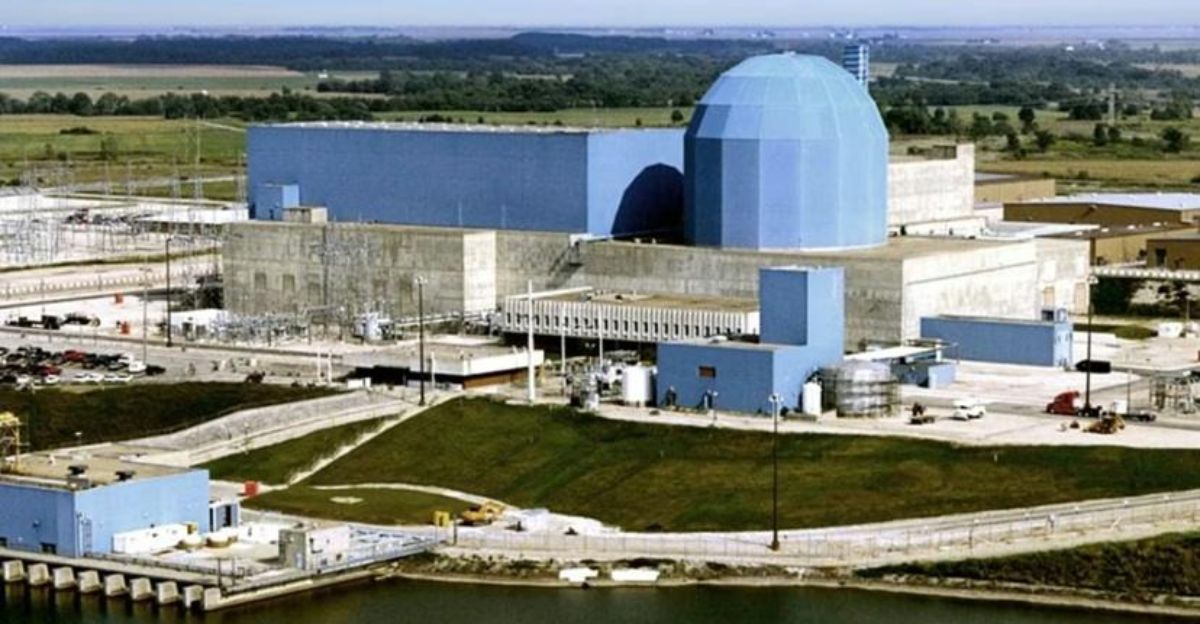
Meta signed a 20-year agreement with Constellation Energy in June 2025 for 1.1 gigawatts from Clinton’s nuclear plant starting June 2027. The deal, valued at approximately $1 billion, preserves 530 jobs and generates $13.5 million in annual tax revenue.
Meta executive Urvi Parekh said on June 3, 2025, “Securing clean, reliable energy is necessary to continue advancing our AI ambitions.” The agreement helps Clinton, not statewide shortages. AI demand keeps climbing.
AI’s Unprecedented Energy Appetite
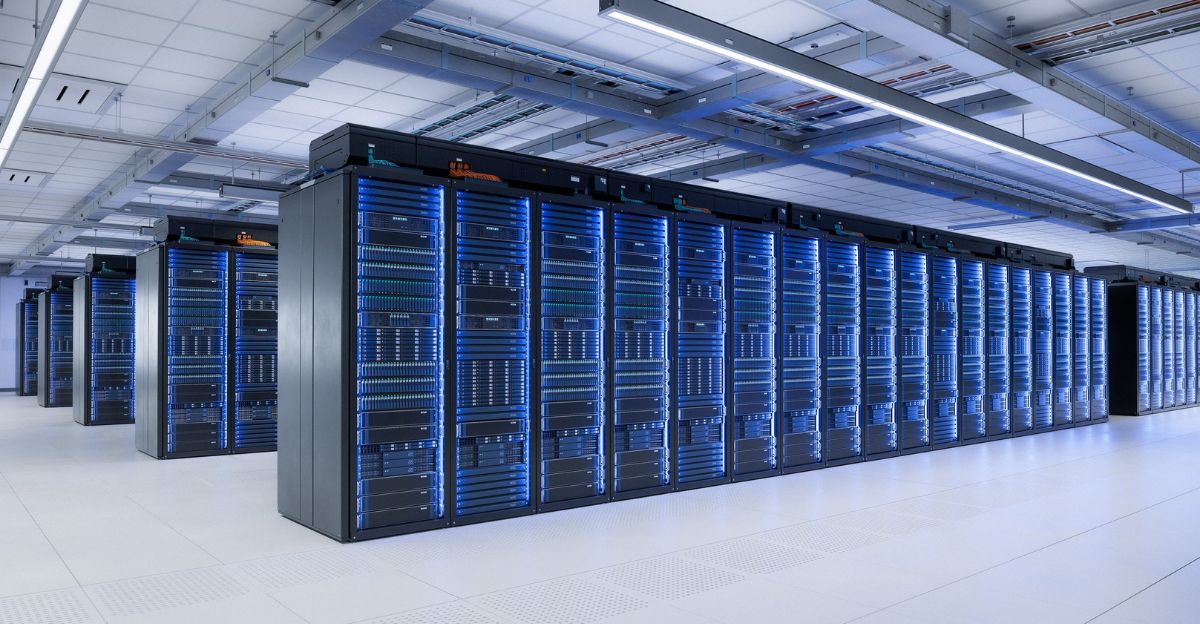
Data centers could consume 9% to 12% of U.S. electricity by 2030, up from 4% in 2024, according to a CNBC report on November 26, citing the IEA. Director Fatih Birol said demand will double, matching Japan’s current consumption. Meta’s El Paso facility alone uses nearly 1 gigawatt, enough for 200,000 homes. Data centers now dominate load growth. This was intentional, not accidental.
The State Recruited Them Actively
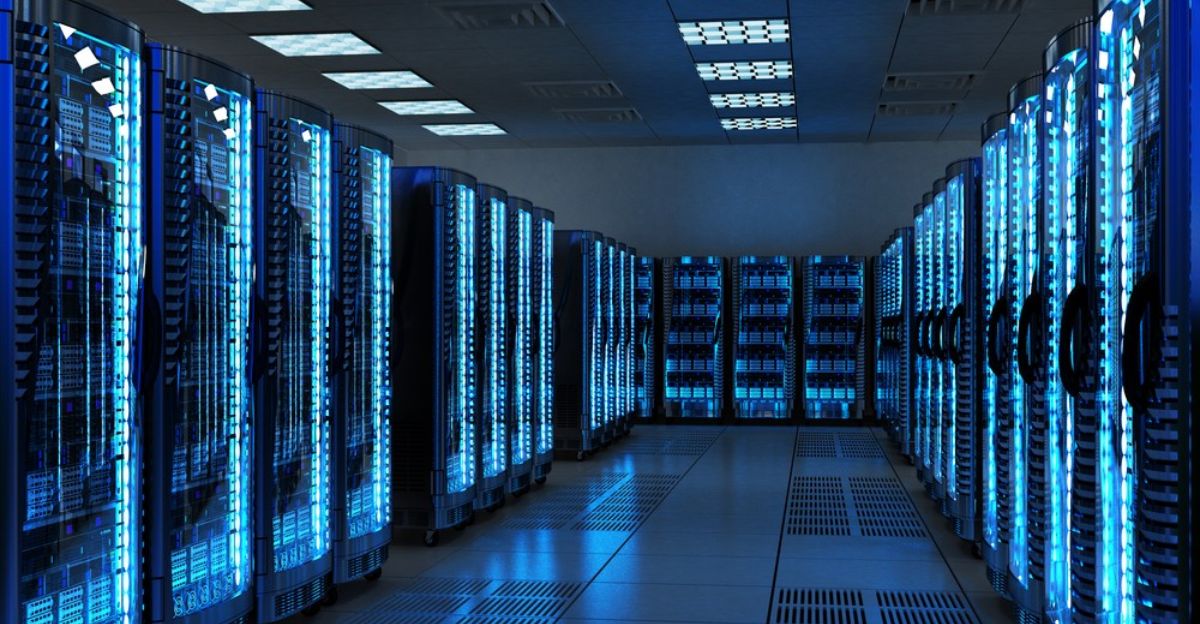
Illinois actively courted data centers. In September 2025, the governor’s office announced $3 billion in new capital investment through 120-plus projects. Pritzker touted $5 billion in data center investments using tax incentives. ComEd marketed the region as ideal for these facilities. None of the plans modeled systemwide electricity impacts. The unintended consequence is that households subsidize corporate expansion through rising bills. Officials are now reversing course.
Governor Demands Tech Giants Pay More
After the December 16 report, Governor Pritzker said data center developers “should pay for the disproportionate energy burden” they create. The state is pursuing guardrails requiring companies to fund transmission upgrades, battery storage, and generation. This marks a sharp pivot from recruitment 18 months earlier. The fight will determine whether clean energy goals survive the AI boom. Solutions, however, remain complex and fragmented.
No Single Fix Exists
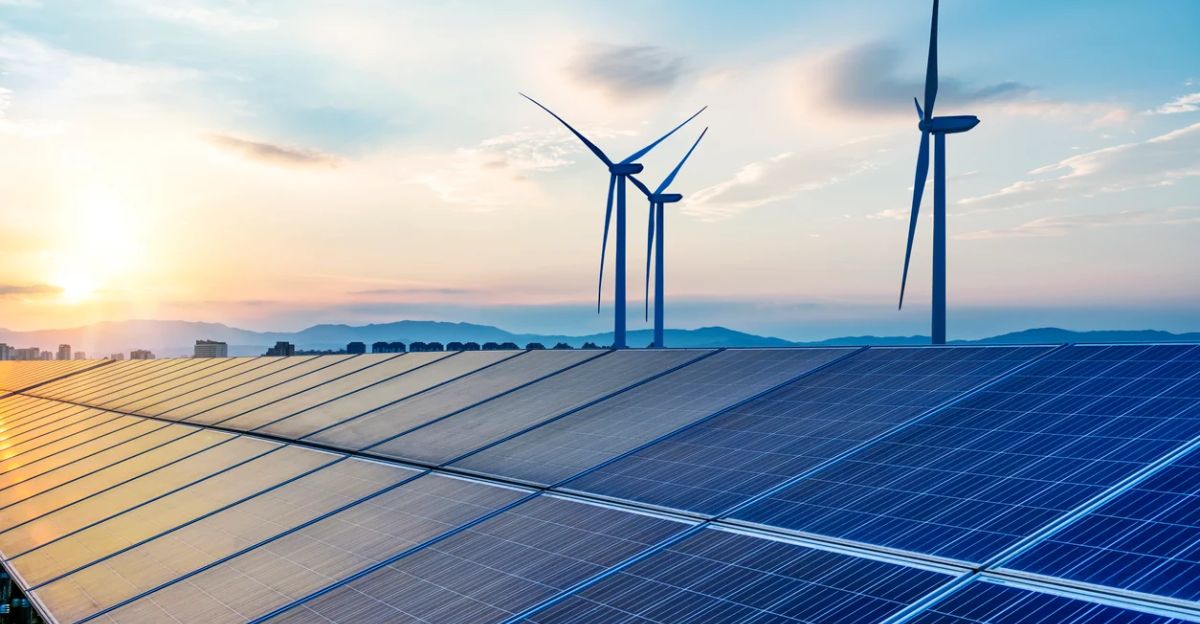
The Resource Adequacy Study recommends a diversified approach. This includes expanding renewables, optimizing transmission imports, and retaining coal and gas plants as reliability assets, as reported on December 18, 2025. The Clean and Reliable Grid Affordability Act, passed in October 2025, aims to add 3,000 megawatts of battery storage. Nuclear licenses were extended on December 16, 2025. Each step helps, yet none close the gap by 2029. More drastic moves loom.
Illinois Ends Its Nuclear Ban
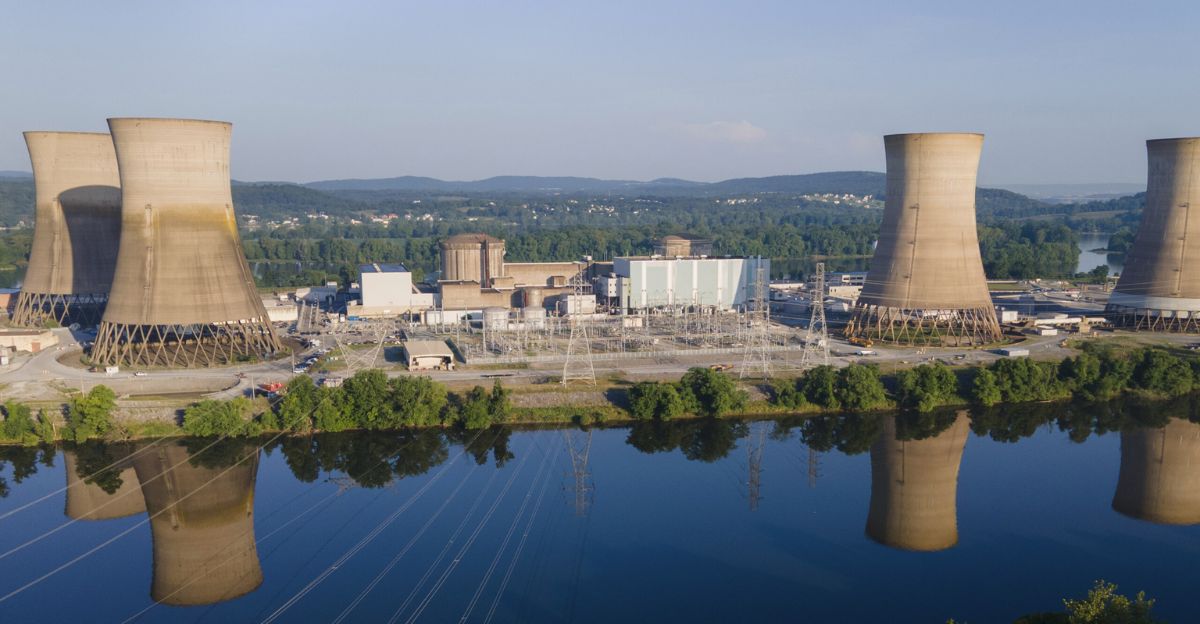
Illinois lifted its ban on new nuclear reactors in October. Constellation may pursue a small modular reactor at the Clinton site. Such reactors add 300 to 500 megawatts, which is meaningful but insufficient alone. Even fast-tracked builds take 5 to 8 years. Illinois faces shortages sooner. That reality prompts officials to make uncomfortable compromises.
Climate Goals Under Direct Threat
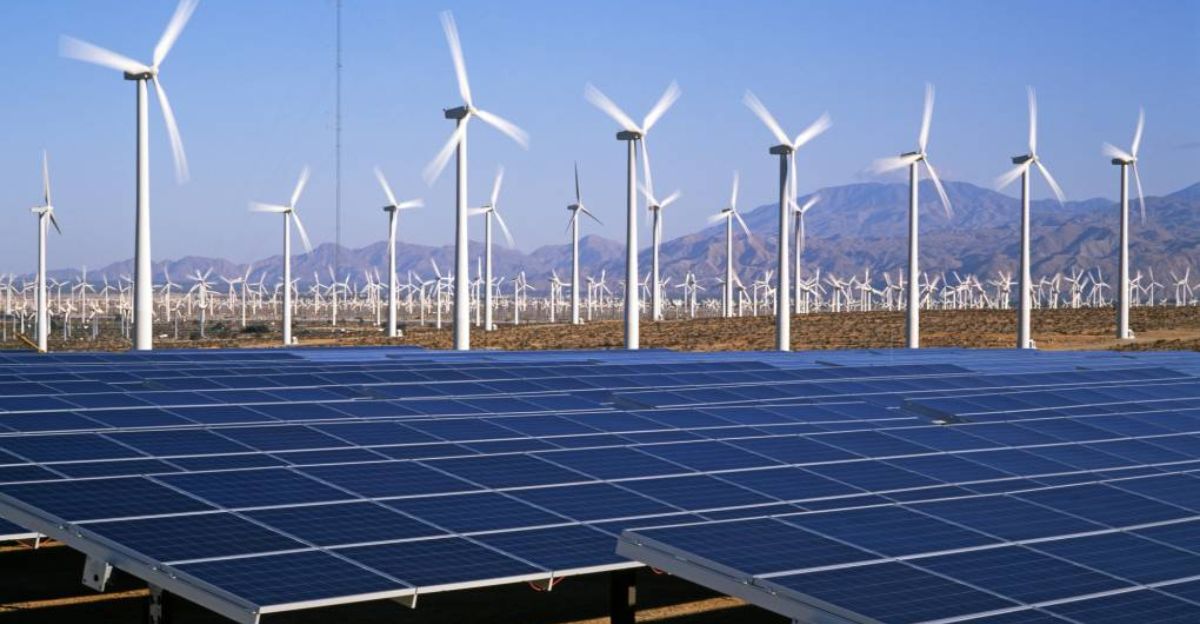
The 2021 law targeted 100% carbon-free electricity by 2045. Yet, the December 15 study found that some fossil fuel plants may need to stay open in the short term. Regulators may consider timeline adjustments. This marks the first serious challenge to Illinois’ climate framework. Economic competitiveness and emissions goals are now colliding head-on. The decision timeline is accelerating quickly.
The 2026 Planning Deadline Looms
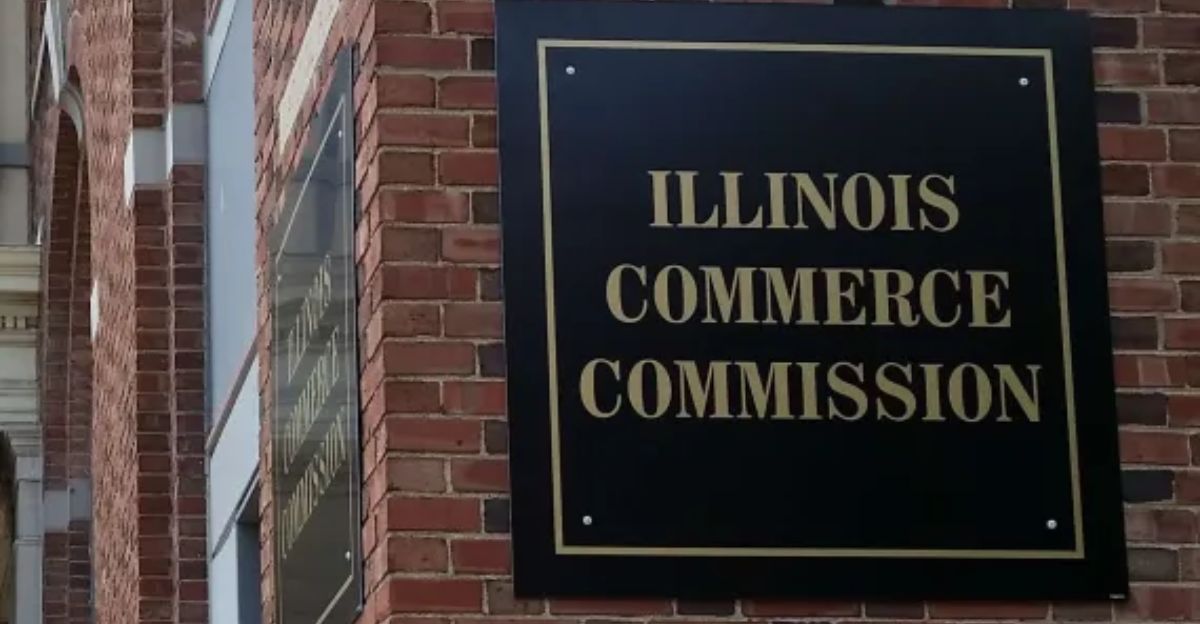
The Illinois Commerce Commission must complete integrated resource planning by 2026—a critical deadline that will determine whether Illinois’ clean energy future survives the AI boom. The process will determine whether demand can be met without extending fossil fuel operations.
Pennsylvania Governor Josh Shapiro convened all 13 PJM states to address cost allocation for 67 million residents. These talks will decide whether AI and climate goals can coexist. Families are watching closely.
The Crossroads Ahead
Illinois faces a stark choice: either expand fossil fuels to power AI or constrain data centers, risking economic growth. The December 15 study admits clean energy planning failed to anticipate this surge. ComEd customers will face a 22% increase in June 2026, while shortages are expected within the next 7 years. Similar choices confront 12 other PJM states. Governor Pritzker now demands tech firms pay the grid costs they created. How this resolves will shape electricity, climate policy, and AI expansion across the lives of 67 million people.
Sources:
2025 Resource Adequacy Study, Illinois Power Agency, December 15, 2025
New Report Warns Illinois Could Face Electricity Shortages, CBS Chicago, December 16, 2025
As AI Booms, Data Centers May Create Electricity Scarcity Among Users, Forbes, December 15, 2025
Data Centers Are Sending Power Bills Soaring, Bloomberg, September 29, 2025
Data Centers Added $9.4 Billion in Costs on Biggest U.S. Grid, Bloomberg, June 3, 2025
Electricity Bills in States With the Most Data Centers Are Surging, CNBC, November 14, 2025