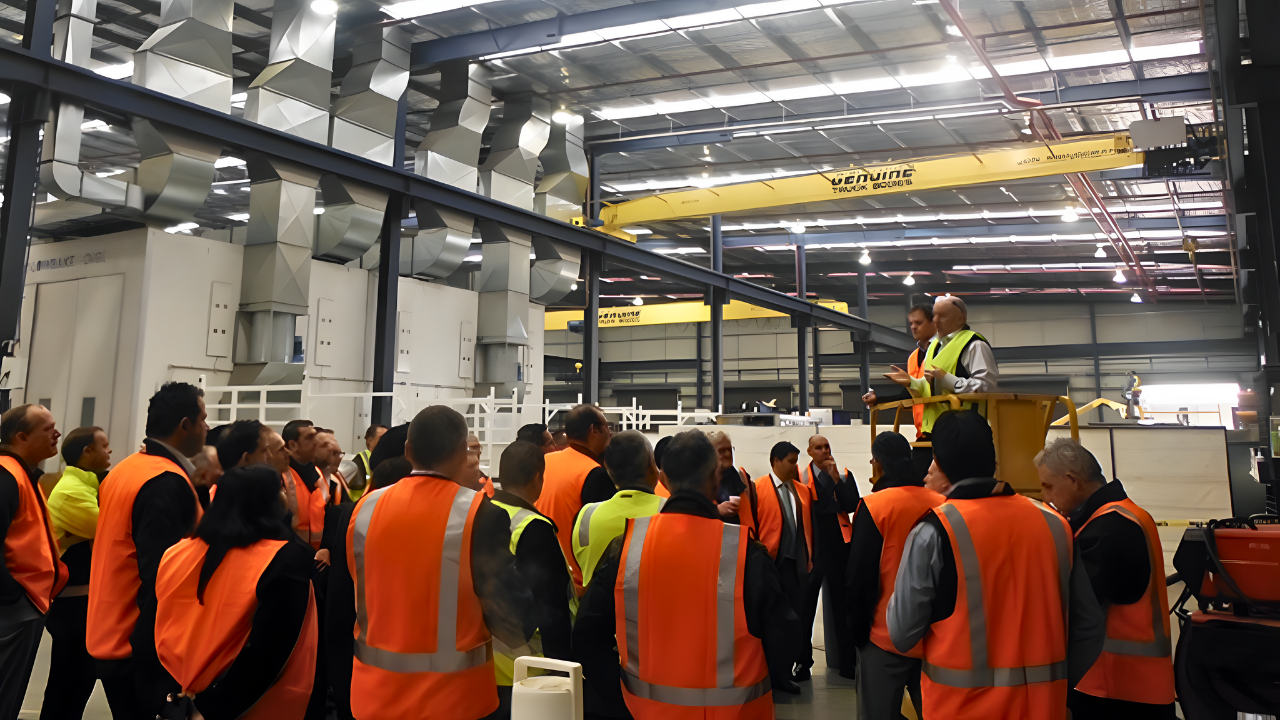
Trailer makers across North America are cutting production sharply. Since April 2022, the trucking industry has faced challenges, including declining shipment volumes, lower freight rates, and financial struggles among trucking companies. Multiple carriers have gone out of business.
This downturn shows how deeply the crisis affects even the strongest companies. The collapse raises real questions about local economies and when the freight market will recover.
Pennsylvania’s Industrial Heartland at Risk
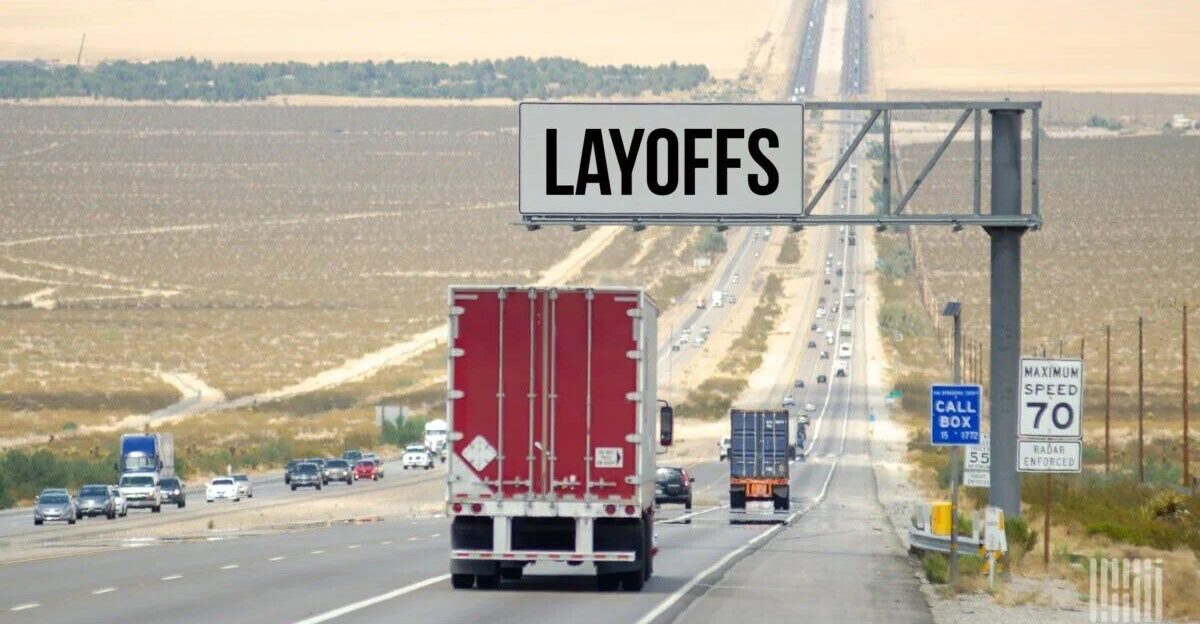
Elysburg, Pennsylvania, sits in rural Northumberland County. The town has built its economy on manufacturing for over 100 years. For the past ten years, residents depended on good-paying jobs at Great Dane’s trailer factory. Now that foundation cracks.
A major employer has just announced temporary layoffs affecting approximately half of its local workers. This news hits city halls, schools, and local governments that depend on worker taxes.
The Freight Recession Timeline
The freight slowdown started in April 2022. Industry experts referred to it as a “correction cycle.” For three and a half years, freight demand stayed weak—much longer than the 12-to-18 months experts predicted.
Falling shipment volumes, lower freight rates, and an oversupply of trucks created steady pressure. By late 2025, there is no indication of a quick recovery. Manufacturers now make big decisions about production and workforce size.
Market Indicators Show Deep Weakness
National truck shipments dropped 10.7 percent year-over-year in the third quarter of 2025. October 2025 freight volumes hit their lowest point in 21 months.
Freight rates stayed well below levels before the recession. Many trucking companies have gone bankrupt and left the market.
These numbers reveal genuine, lasting weakness—not temporary fluctuations. Trailer makers must cut production now.
164 Jobs Gone in February
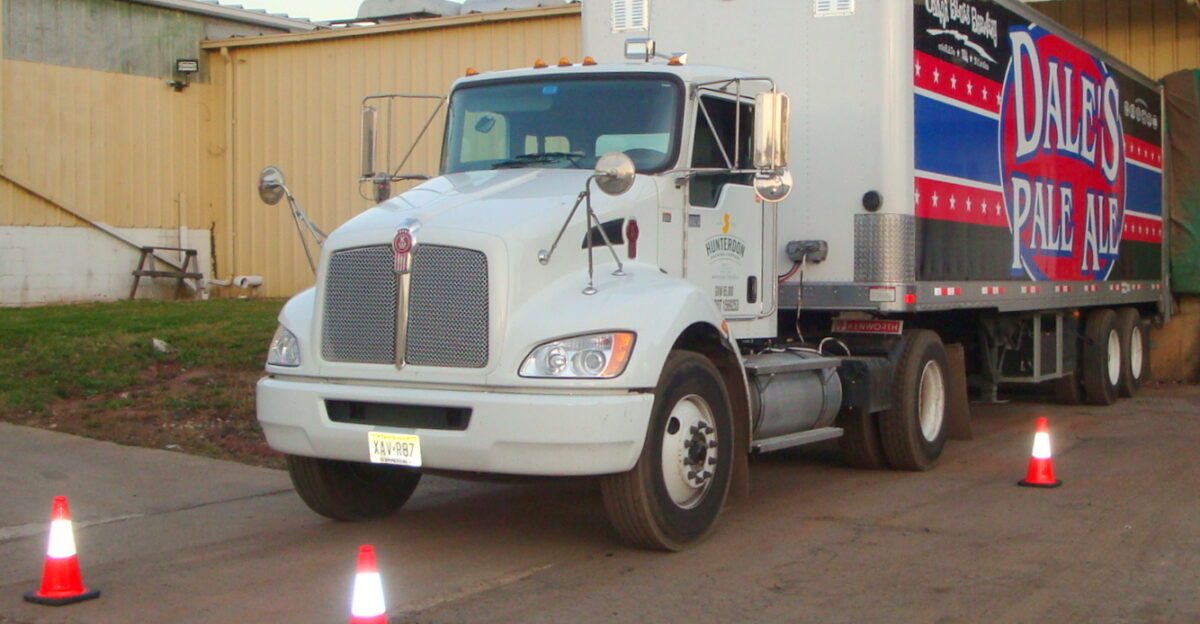
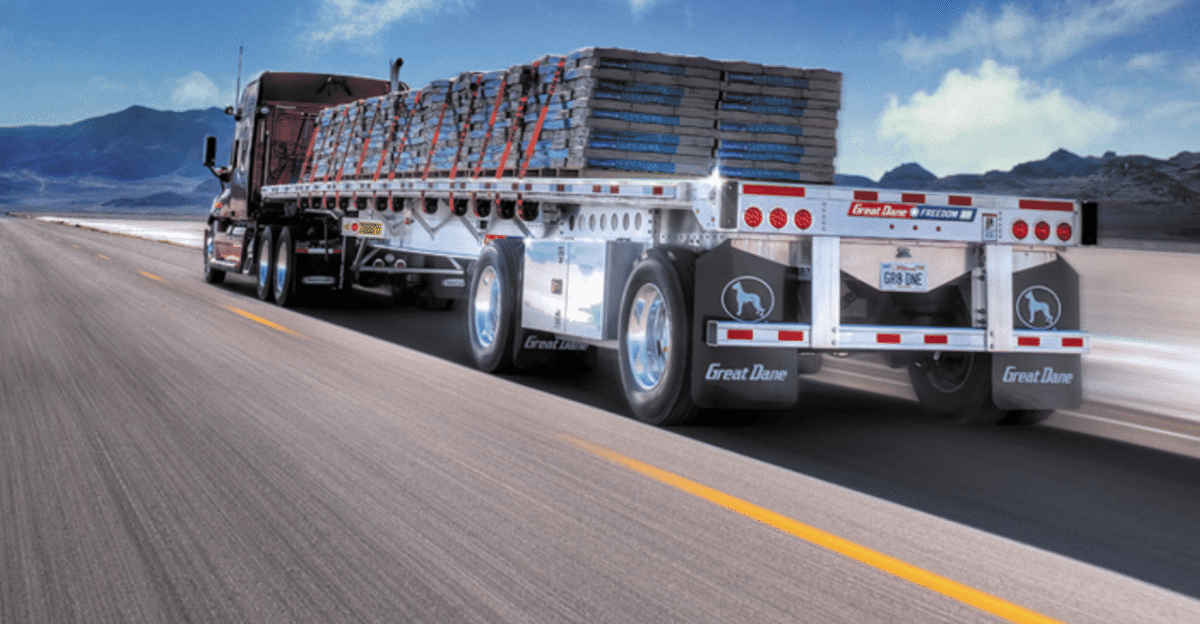
Great Dane makes more commercial trailers than any other company worldwide. The firm reports $1.6 billion in annual revenue and approximately 5,000 employees across 11 factories.
In December 2025, Great Dane filed layoff papers stating that 164 workers would lose their jobs at its Elysburg plant starting in February 2026.
This cuts roughly half the plant’s 315-person team. The company opened this plant in 2016 and spent $3.5 million on upgrades in 2021.
Families Without Answers
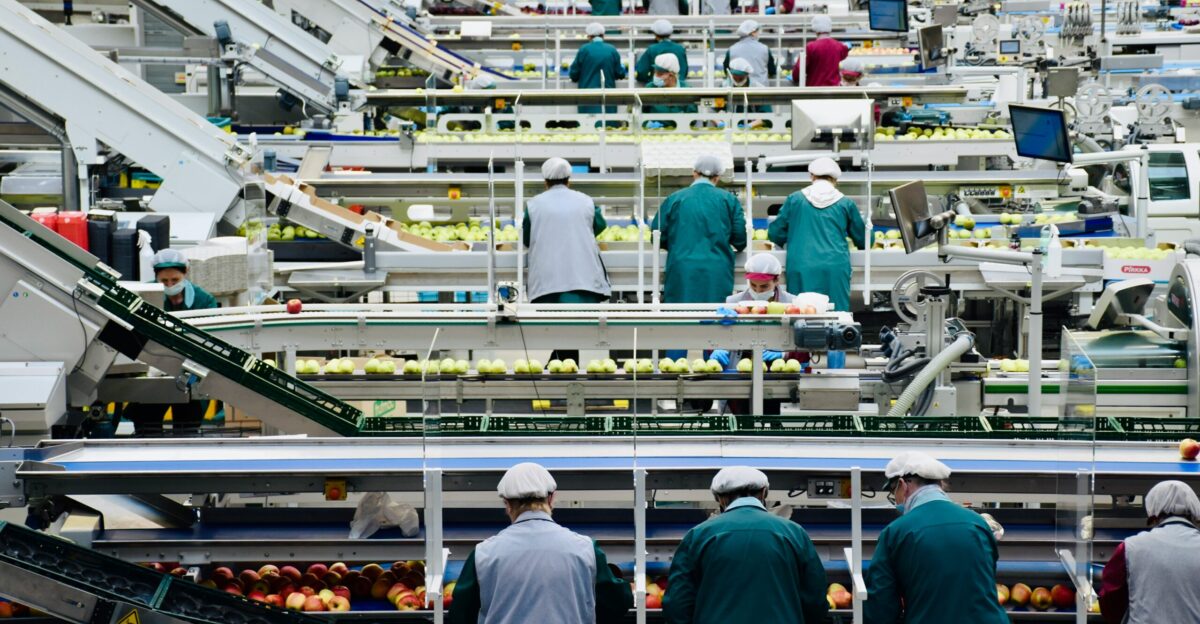
One hundred sixty-four workers and their families now face sudden hardship. Factory workers in Pennsylvania earn between $22 and $27 per hour on average.
This translates to a yearly pay of roughly $45,000 to $56,000 for full-time positions. These layoffs remove about $7 to $9 million in yearly wages from the local economy.
Great Dane won’t say when workers might return, only that recalls depend on market recovery. Temporary layoffs feel permanent.
Ripple Effects in Rural Pennsylvania

Elysburg’s town government relies on worker pay taxes and property taxes to fund schools, police, and roads. The loss of $7 to $9 million in yearly local wages will shrink tax revenue.
The town already faces a smaller population and aging buildings. Local shops, car dealers, and medical offices will see fewer customers.
Schools may cut budgets if families move away. This is a real blow to a town with few other big employers.
Trailer Manufacturing’s Fragile Economics

Trailer makers work on thin profit margins and need high sales to cover fixed costs. When freight demand drops, manufacturers face tough choices: cut production quickly or stockpile inventory that ties up cash and warehouse space.
Most large trailer manufacturers have slowed production, shut down plants, or delayed expansions.
Great Danes’ move aligns with industry-wide stress—not just company-specific issues. But as the biggest maker, Great Dane’s actions signal that even leaders see no quick recovery.
Carrier Bankruptcies Accelerate Demand Decline

Many trucking companies went bankrupt in 2025. This shrinks truck fleets and cuts demand for new trailers. Surviving carriers use smaller, leaner fleets and delay trailer purchases.
This creates a vicious cycle: fewer carriers need fewer trailers, so manufacturers cut costs, leading to job cuts, reduced spending, and weaker freight demand.
Experts warn this cycle may last through 2026 and beyond unless major economic conditions shift.
“Macroeconomic Uncertainty Remains High”
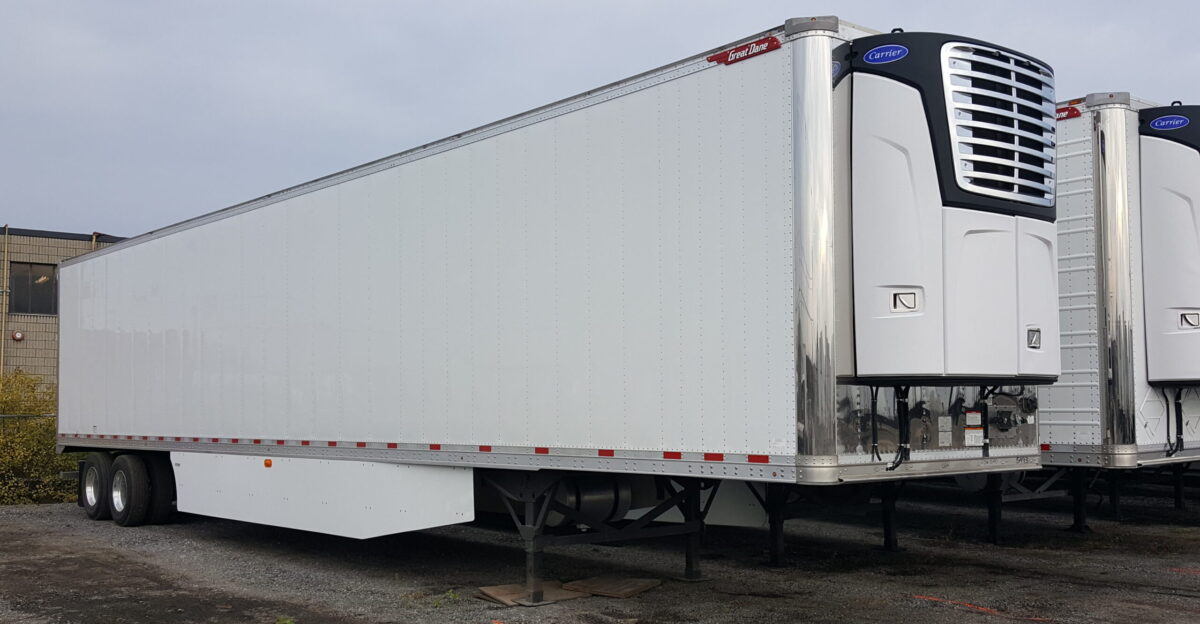
Great Dane’s December 8, 2025, statement says simply: “Macroeconomic uncertainty remains high.” The company didn’t blame one client, region, or policy.
Instead, leaders admitted deep confusion grips the entire freight business.
This careful language reveals the truth: Great Dane cannot predict when freight demand will recover or stabilize. If economic conditions don’t improve, temporary layoffs may last much longer.
2021 Expansion Reversed
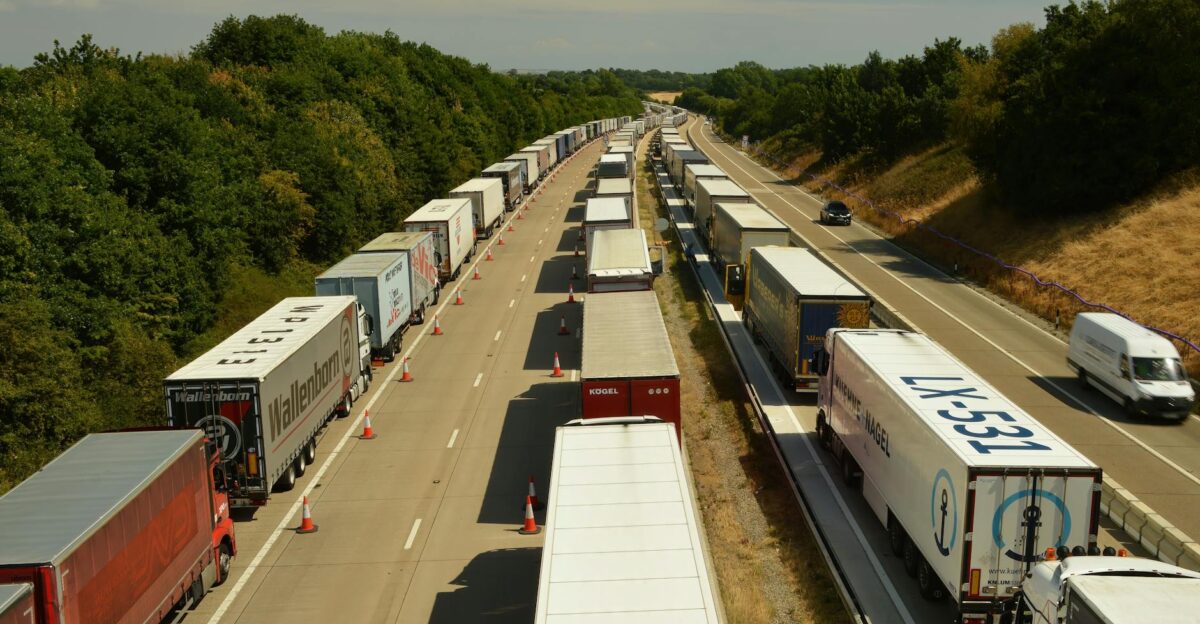
In 2021, during the post-pandemic freight boom, Great Dane invested $3.5 million in upgrading the Elysburg plant and hired additional workers.
That choice reflected hope for lasting demand growth. Today, the company reverses course. The 2021 expansion now looks poorly timed—it peaked just before April 2022’s crash.
Workers hired during the 2021 growth now face layoffs during this prolonged downturn. The cycle feels especially harsh.
Temporary Layoffs vs. Permanent Closures

Great Dane calls these “temporary” layoffs, not permanent plant shutdowns. That matters: temporary layoffs allow workers to retain seniority and benefit rights, whereas permanent cuts don’t.
However, the company won’t disclose how long ‘temporary’ means or what freight levels trigger recalls.
Past freight downturns have shown that temporary layoffs often last 12 months or more. Workers who take other permanent jobs may abandon recall chances forever.
Elysburg Plant’s Uncertain Future

Great Dane opened the Elysburg plant in 2016 to serve the mid-Atlantic and northeast freight markets. It marks the company’s footprint in that region.
If freight demand doesn’t recover by late 2026, Great Dane may decide what to do with this plant within its 11-factory network.
The company might relocate production to other sites or convert Elysburg into a maintenance center with fewer staff. The unknown future worries employees greatly.
Union Representation and Worker Protections
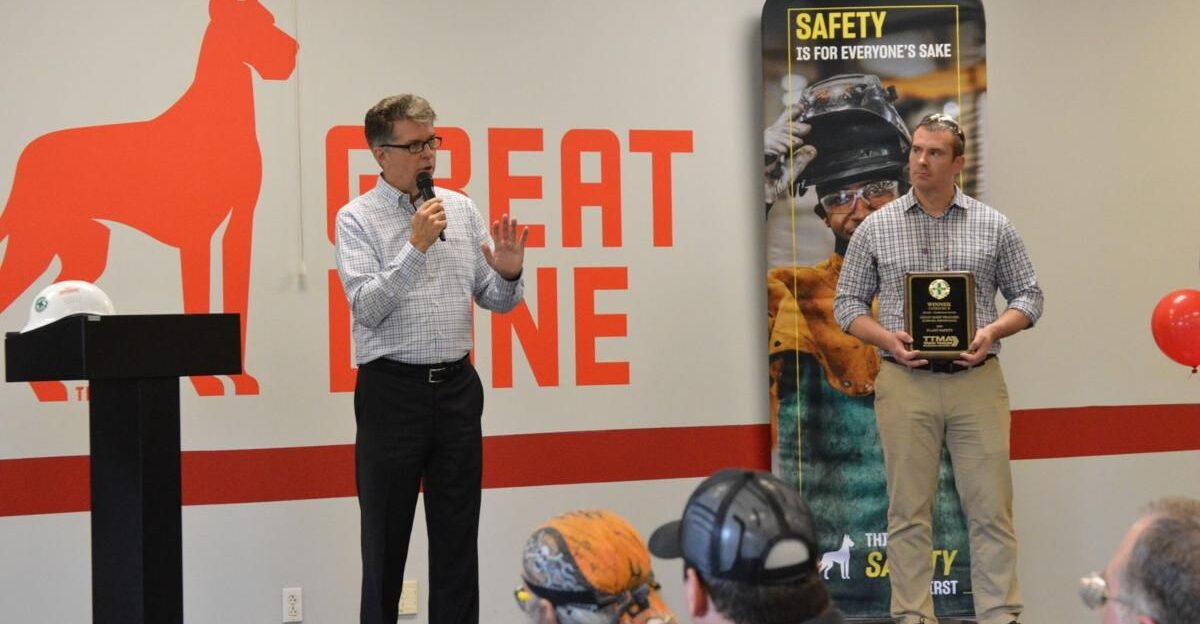
Great Dane’s Elysburg workers are represented by a union that negotiates contracts on pay, benefits, and layoff rules. Union contracts typically protect recall rights, limit the length of temporary layoffs, and establish severance terms.
The union’s response to this layoff will shape how workers handle the change. Without strong protections for recall timelines and pay during layoffs, temporary cuts may become permanent separations for workers who need other jobs.
Recovery Timeline Uncertainty
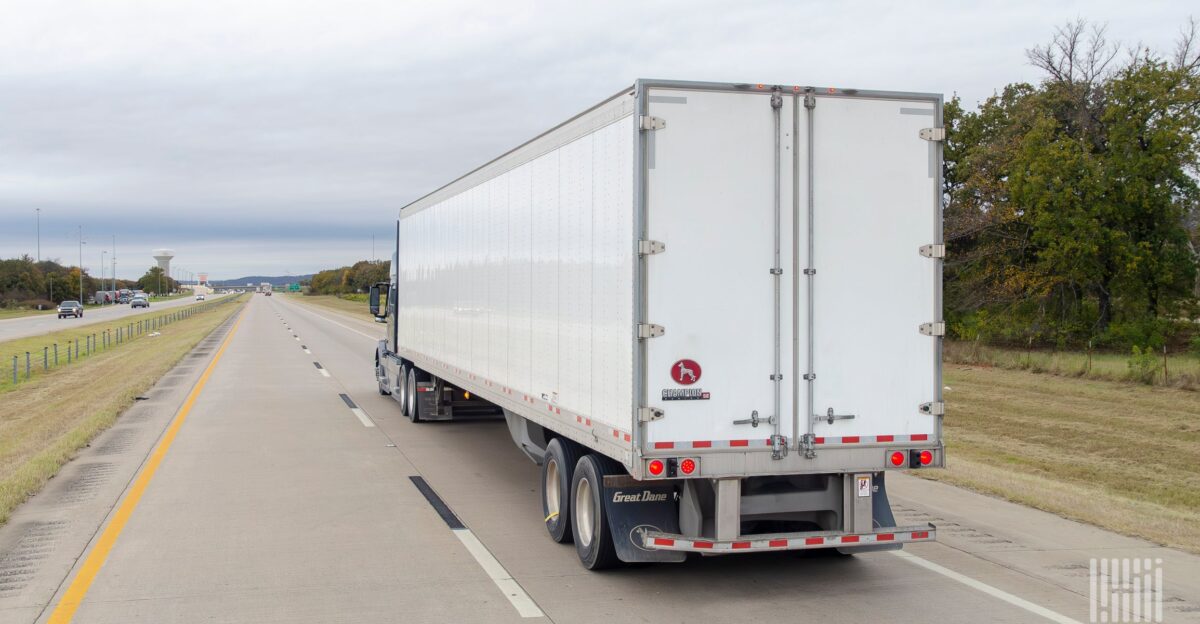
Great Dane and freight experts offer no clear recovery date. Some forecasts suggest small improvements by mid-2026 (if no big shocks hit). Others warn the downturn might stretch into 2027.
This doubt freezes workers, towns, and investors. Without knowing when freight demand will return, it is impossible to plan with confidence.
Phrases like “macroeconomic uncertainty remains high” continue to appear in company statements and industry reports, indicating genuine concern.
WARN Act Compliance and Government Response

Great Dane filed layoff notice papers with the Pennsylvania Department of Labor in December 2025. This triggered federal and state legal rules.
The WARN Act requires 60 days’ notice before big layoffs. Workers qualify for retraining help through state programs.
Pennsylvania’s labor department started resume workshops and job placement aid. But rural Northumberland County has few job options, so workers may struggle to find similar factory jobs nearby.
Ripple Effects Across the Logistics Supply Chain
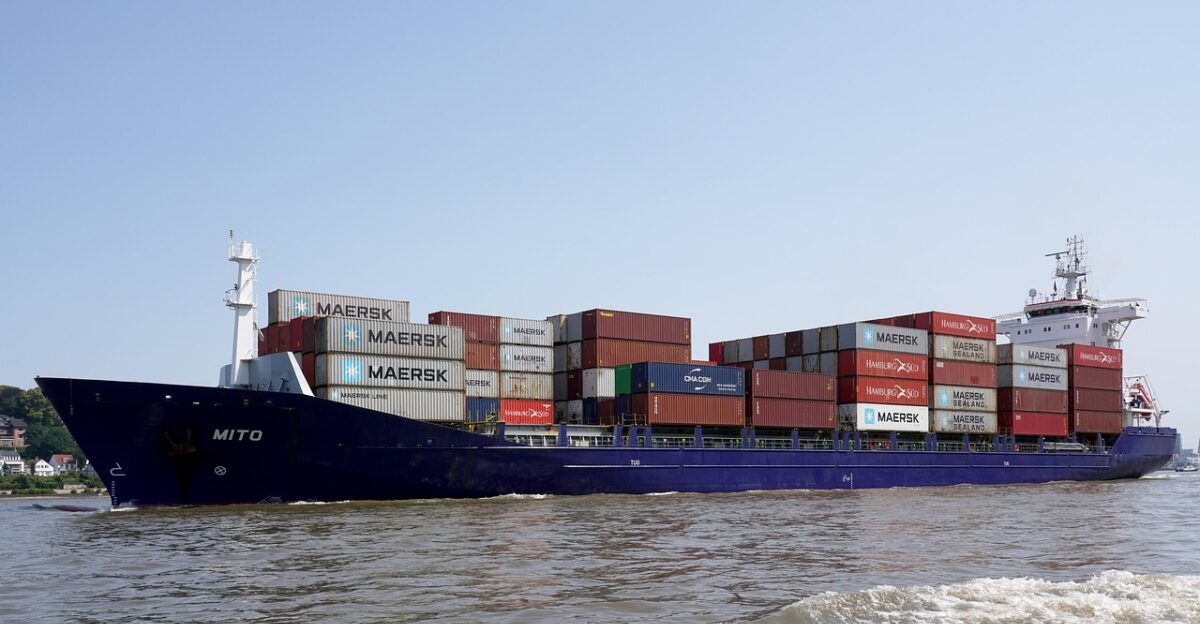
Trailer makers don’t work alone. Steel suppliers, hydraulic parts makers, upholstery firms, and wiring companies depend on steady trailer orders.
Shipping and logistics firms that haul trailers to dealers face lower volumes. Truck dealers selling new trailers see inventory pile up and profits drop.
Parts shops lose business from idle trucks. One plant’s layoffs create shockwaves through dozens of suppliers across the entire logistics chain.
Public Reaction and Information Landscape
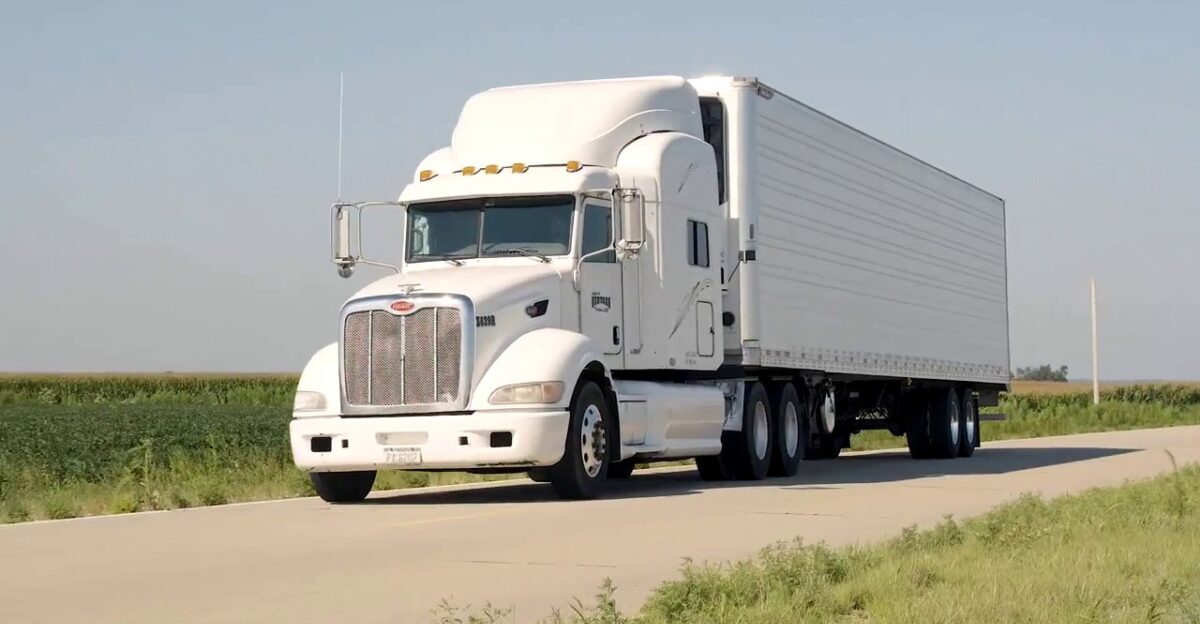
News of layoffs spread across social media and local news with mixed opinions. Some blame federal rules, while others point to the 2021 overexpansion, and still others cite large economic trends beyond the company’s control.
Great Dane has had to repeat that layoffs are temporary and market-driven, not punishment. False claims about permanent closure have spread online, adding to worker worry and community confusion. Local media tries to separate real facts from rumors.
Historical Manufacturing Recession Precedent
The 2008 financial crisis sparked a severe global recession that lasted for years. Following 2008, the factory sector took nearly a decade to recover in many regions. Global research indicates that countries with large factory bases typically require 7 to 10 years to recover to pre-crisis employment levels.
The current freight downturn, although different, carries similar risks: prolonged weakness, slow recovery, and extended job losses in factory towns. If this freight crash follows the same pattern, factory jobs may stay weak through 2027 and beyond.
A Signal of Systemic Freight Stress
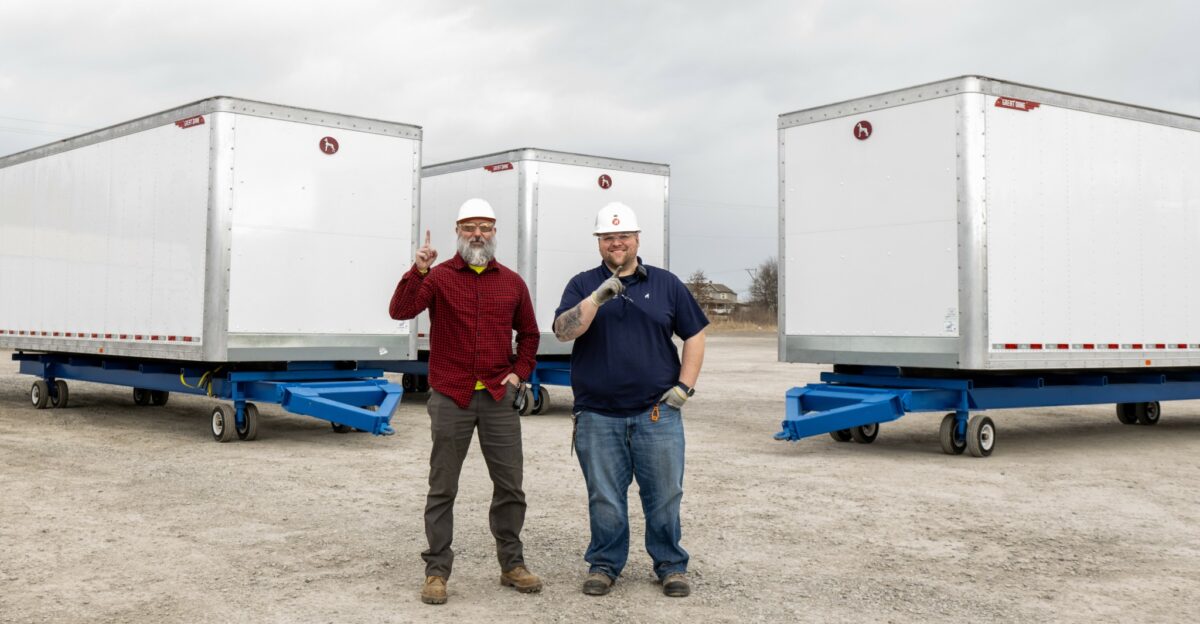
The Elysburg layoffs signal deep stress in freight-based manufacturing. A $1.6 billion company with 5,000 workers and a top market rank is reducing its local workforce by half because freight demand has collapsed, with no clear recovery path in sight.
For workers and families, layoffs bring immediate pain, and, for investors, the move signals that even huge makers hit limits and expect long-term weakness. For policy leaders, the news highlights the extent of the freight crisis.
Real recovery requires broad economic gains, rising demand, and carrier mergers—none look close as 2026 starts.
Sources:
Fox56 News (WOLF), Great Dane to lay off up to 164 workers at Elysburg plant as freight slowdown continues, December 7, 2025
ACT Research, Trucking Industry Forecast, November 2025
RXO, Truckload Market Guide, December 2025
Pennsylvania Department of Labor, WARN Notice, December 8, 2025
American Trucking Associations, Industry Report, December 2025
FreightWaves, Market Analysis and Carrier Bankruptcy Analysis, December 2025