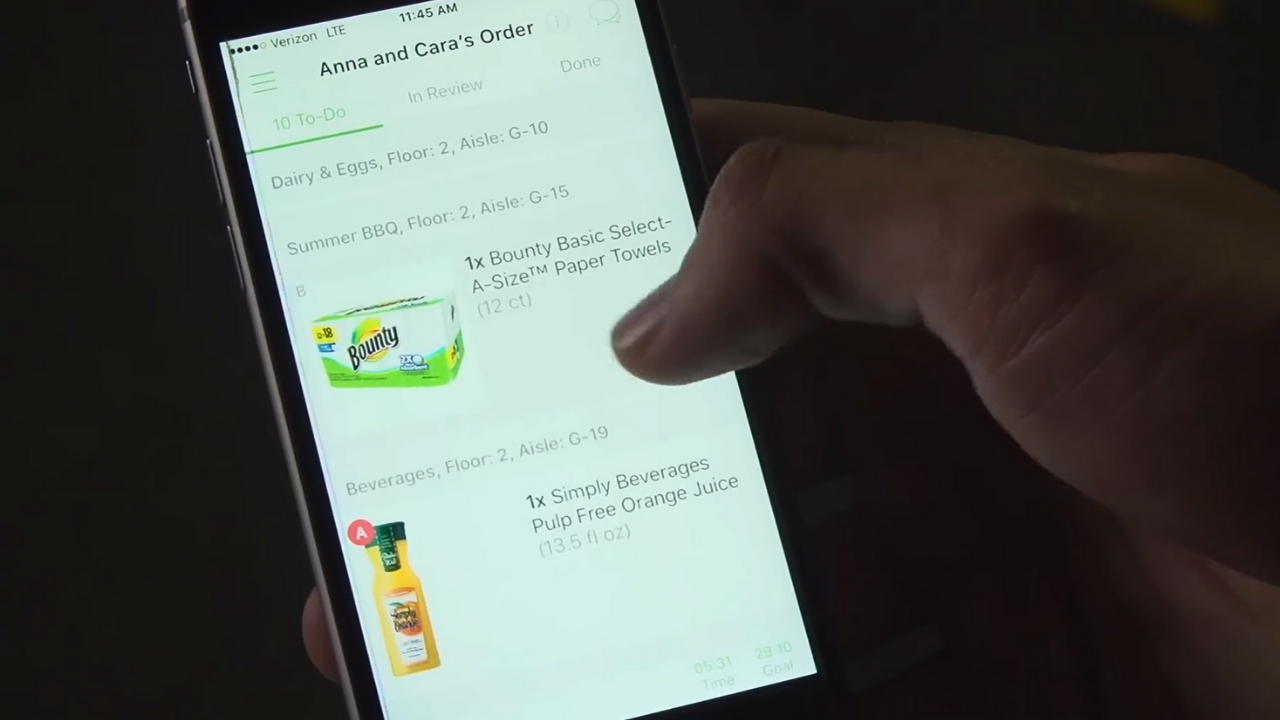
Two shoppers at a Target store in North Canton, Ohio, added the same carton of eggs and loaf of bread to their Instacart carts at the same moment. Their checkout totals differed: $84.43 for one, $90.47 for the other—a $6 gap exposing a hidden pricing scheme.
A December 2024 study by Consumer Reports and the Groundwork Collaborative revealed Instacart’s use of AI to vary prices for identical items, potentially costing a household of four up to $1,200 yearly.
Researchers documented markups as high as 23% on the same products purchased simultaneously. Neighbors ordering from the same supermarket via the app could face starkly different bills, determined by opaque algorithms.
Exposing the Practice
To uncover this, the groups recruited 437 volunteers in four cities, including Seattle and Washington, D.C. Volunteers logged into the Instacart app together, buying identical grocery baskets.
About 75% of items showed price differences across users, confirming systematic variation as standard. Examples included Wheat Thins at Safeway priced $2.99 for some and $3.69 for others—a 24% jump—and eggs in Washington, D.C., from $3.99 to $4.79.
AI Technology at Work

Instacart powers these shifts with Eversight, an AI pricing tool acquired in 2022. It runs ongoing experiments to test consumer tolerance, pinpointing maximum prices via data analysis.
A feature called “smart rounding” tweaks prices for better perception and sales, per internal documents. Unlike demand-based models like Uber surges, these tests appear randomized, unrelated to inventory or delivery rushes, turning grocery orders into unwitting experiments.
Retailer Involvement

The discrepancies hit major chains: Kroger, Costco, Safeway, and Sprouts Farmers Market. Instacart acknowledged tests with a “small subset” of 10 partners but withheld names.
Target denied participation, stating no pricing partnership or data sharing exists. Instacart countered that it scrapes public prices and adds markups for costs. The app also showed “fictitious pricing,” inflating “original” prices to exaggerate discounts.
Responses and Concerns
Instacart defended the approach as limited, short-term tests mirroring in-store practices, aimed at affordability for partners. Critics highlighted trust erosion amid high food costs, with U.S. prices up sharply over three years.
Experts noted grocery shoppers expect fixed prices on staples, unlike flights or rideshares. The study framed it as a “volatility tax” complicating budgets, especially in an affordability crisis.
Regulatory Pushback
Federal scrutiny intensified. The FTC probes “surveillance pricing” using personal data for individualized rates. Proposed “Stop AI Price Gouging and Wage Fixing Act of 2025” would ban automated customized pricing from surveillance.
New York passed the Algorithmic Pricing Disclosure Act, requiring notices when algorithms use personal data for prices. Instacart paused tests at Target and Costco amid outcry, but the tech persists, raising questions for future transparency.
Instacart’s practices spotlight tensions between AI optimization and fair pricing, with regulators poised to reshape online grocery delivery as consumer protections evolve.
Sources:
“Instacart’s AI technology is hiking prices as much as 20% for the same item, new study reveals.” CNN, 10 Dec 2025.
“New Report Exposes Instacart’s Hidden Price Games.” Groundwork Collaborative, 8 Dec 2025.
“Instacart’s AI Pricing May Be Inflating Your Grocery Bill.” Consumer Reports, 8 Dec 2025.
“FTC Surveillance Pricing Study Indicates Wide Range of Personal Data Used.” Federal Trade Commission, 8 Apr 2025.
“Stop AI Price Gouging and Wage Fixing Act of 2025.” Congress.gov, 22 Jul 2025.