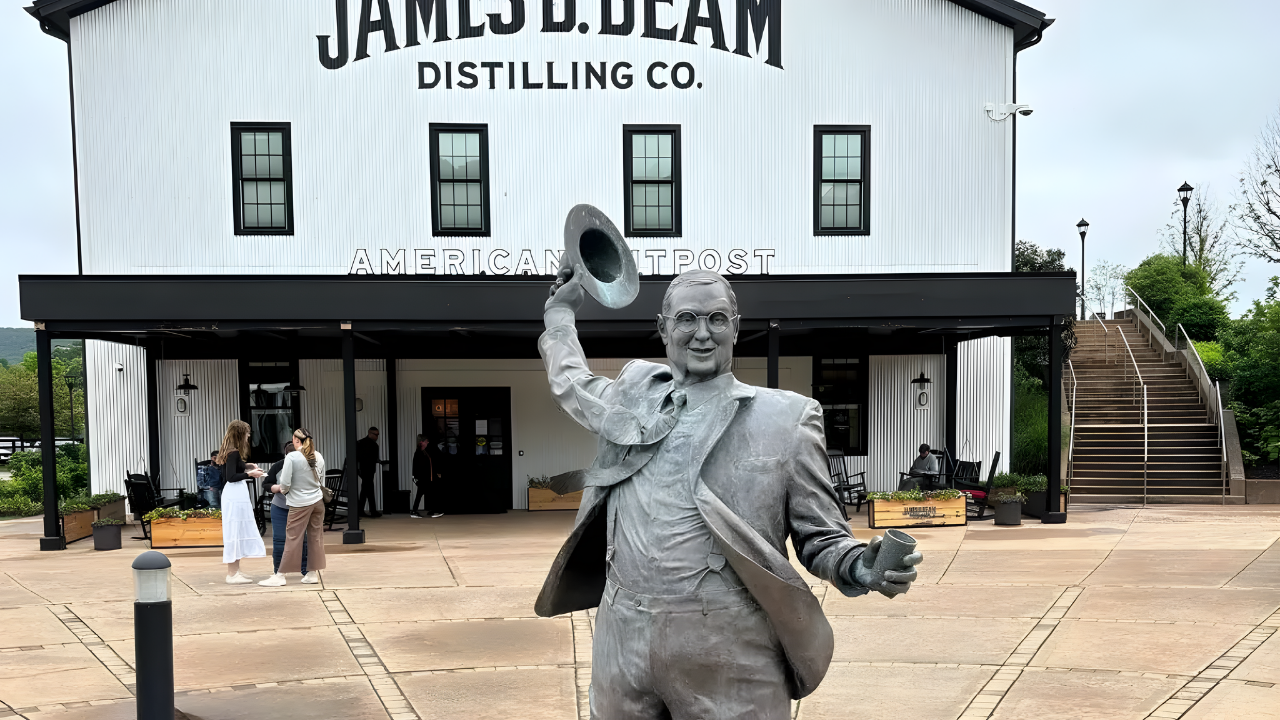
Steam often rises from the copper stills at Jim Beam’s distillery in Clermont, Kentucky. This sight has been common for generations of bourbon makers. But starting January 1, 2026, those stills will stop working for a full year. Warehouses are full of bourbon barrels. Exports have dropped sharply. This forces a big change in production.
Jim Beam made this announcement on December 22, 2025. The pause lets them check production levels against what people want to buy. Bottling lines, storage, and the visitors center will keep running. The plant in Boston, Kentucky, will continue too. This is a rare move for the famous brand.
Exports Drop Sharply
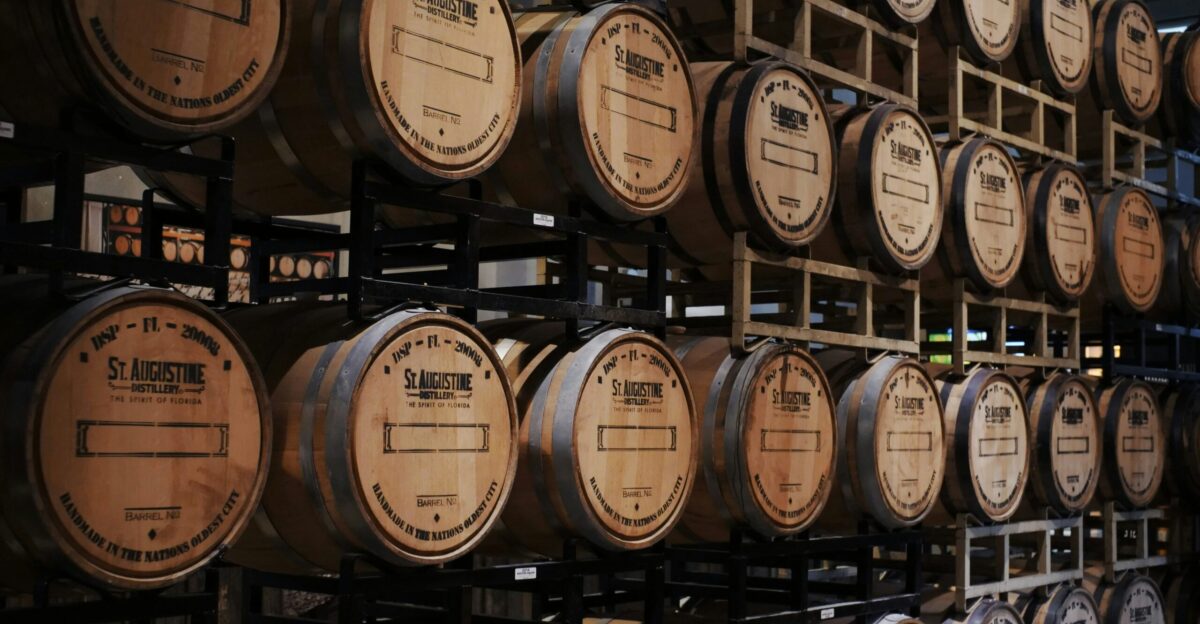
U.S. spirits exports fell 9% in the second quarter of 2025 compared to the year before. Canada buys a lot of American whiskey. But shipments there dropped 85% from April to June. Kentucky makes most of the bourbon. Distillers there built more space years ago. They expected steady sales around the world. Now, millions of barrels sit without buyers.
Trade problems caused this. Other countries added tariffs on U.S. whiskey. These were in response to U.S. taxes on steel and aluminum from the Trump years. Canada even talked about boycotts. U.S. officials mentioned annexing Canada. This broke trusted paths for selling bourbon abroad. Bourbon became a victim of bigger trade fights.
Demand Slows at Home
People in the U.S. are drinking less alcohol overall. Sales data and surveys show this trend. It hurts bourbon sales too. Bourbon needs at least four years to age. Distillers cannot switch quickly when demand falls. They end up with too much stock. They still pay for production costs.
Warehouses in Kentucky hold 16 million barrels as of January 2025. That is three times more than 15 years ago. It is the most in modern history. The bourbon world grew fast. Everyone thought global demand would never stop. Now, money and space are stuck in extra barrels.
Economic Impact and Relief Steps
Bourbon is key to Kentucky’s economy. The state makes over 95% of all U.S. bourbon. It supports 23,000 jobs. It brings in $2.2 billion a year for Kentucky and $9 billion for the whole country. A pause at Clermont affects workers and suppliers.
About 1,500 workers are at the site. They belong to the United Food and Commercial Workers union. Jim Beam promises to reassign them. No layoffs have been announced. Experts expect other distilleries to pause too. Historian Michael Veach from Louisville is surprised more have not done so yet.
Kentucky cut its barrel tax to help. This tax costs distillers $75 million each year. It will drop four percentage points a year starting in 2026. The tax will end by 2043. This saves money but does not fix too many barrels or lost exports.
The visitors center stays open. People can still do tastings, see exhibits, eat at the restaurant, and watch bottling. This keeps tourism money coming in. Jim Beam’s owner, Japan’s Suntory, calls this a normal adjustment. It gives time for markets to improve without new costs.
The future depends on better trade deals, lower tariffs, and more U.S. drinking. This pause tests if holding back is smart during hard times. Or it might make the industry smaller. Recovery will take years as barrels age. Bourbon faces a big turning point.
Sources:
Distilled Spirits Council of the United States (DISCUS) – American Spirits Exports 2025 Mid-Year Report, October 16, 2025
Kentucky Distillers’ Association (KDA) – “The Bourbon State: Challenges Continue Amid Record Barrel Inventory & Skyrocketing Taxes,” October 7, 2025
CNN Business – “Jim Beam pauses production at main distillery as bourbon industry slumps,” December 21, 2025
BBC News – “Bourbon maker Jim Beam halts production at main Kentucky distillery,” December 21, 2025
The New York Times – “Jim Beam Halts Production, as Whiskey Market Struggles,” December 22, 2025