
The ruling landed first: a Los Angeles judge ordered $1.84 million in damages tied to a Montecito mansion that had been locked in court for years. The decision closed one chapter of a dispute over a $15 million home—a property bought in 2020 but unreachable until 2024.
Only later would the courtroom unpack how a signed contract, an elderly seller, and years of delay collided to produce one of the most unusual celebrity real-estate cases in recent memory.
The 2020 Sale That Unraveled

The dispute dates back to June 2020, when Perry and Orlando Bloom agreed to purchase the Montecito property from disabled veteran Carl Westcott.
Shortly after signing, Westcott sought to cancel the deal. He argued that pain medication, recent back surgery, and his diagnosis of Huntington’s disease impaired his ability to understand the contract, turning a routine sale into a courtroom fight.
A Question of Mental Capacity

Central to the case was whether Westcott was legally capable of consenting to the sale. The contract was negotiated and signed between June 10 and June 18, 2020.
His legal team claimed cognitive impairment, while Perry’s side pointed to emails, negotiations, and witness testimony showing he actively participated. Courts spent years examining medical records and timelines to determine whether consent was valid at the moment of signing.
The Sale Is Upheld

In May 2024, the judge ruled that Westcott failed to present persuasive evidence that he lacked capacity when he signed the agreement.
The court upheld the sale, allowing Perry’s LLC to finally take possession of the property nearly four years after the contract was executed. That ruling resolved ownership but left open the question of financial harm caused by years of delay.
A Five-Year Gap Comes Into Focus

From mid-2020 to May 2024, the mansion remained locked in legal limbo. Perry did not have full control, access, or use of a property she had already paid for.
That roughly 5.5-year gap, including later litigation over damages, became the foundation for claims that the prolonged dispute prevented rental use and allowed the home’s condition to deteriorate.
Why Perry Sought Damages

In November 2025, Perry formally sued for damages tied to the delay. Her legal team argued the mansion could have been rented during the years it sat unused, generating significant income.
They also claimed the property suffered wear, neglect, and disrepair during the extended dispute. The initial damages request totaled nearly $5 million, reflecting both lost opportunity and physical decline.
How the Court Calculated Losses

The judge accepted that Perry experienced real financial harm but rejected the full amount requested. The damages phase focused on two areas: lost rental income and repair-related costs.
After weighing evidence and assumptions, the court reduced the claim substantially, ultimately awarding $1.84 million, signaling skepticism toward the highest projections while still recognizing tangible losses.
Rental Income Under the Microscope

Luxury homes in Montecito often command $25,000 to $50,000 per month as short-term rentals. Based on those figures, Perry’s team argued that hundreds of thousands of dollars per year were lost between 2020 and 2024.
The court acknowledged that potential but did not fully accept the most aggressive estimates, trimming the award to reflect a more conservative view.
Disrepair Becomes a Legal Issue

Beyond rental losses, the court considered evidence that the mansion’s condition declined during the dispute. Delayed maintenance, deferred upgrades, and general wear became part of the damages analysis.
While exact repair costs were not itemized publicly, they likely accounted for a substantial portion of the final award, bridging the gap between rental loss estimates and the $1.84 million figure.
A Rare Celebrity Real Estate Case

Celebrity real estate disputes rarely reach this level of intensity. This case stood out not only for the price tag but for the unusual conflict between a global pop star and an elderly disabled veteran.
The involvement of Huntington’s disease added medical complexity, making the outcome closely watched by lawyers, advocates, and high-net-worth buyers across the country.
The Human Cost Behind the Numbers
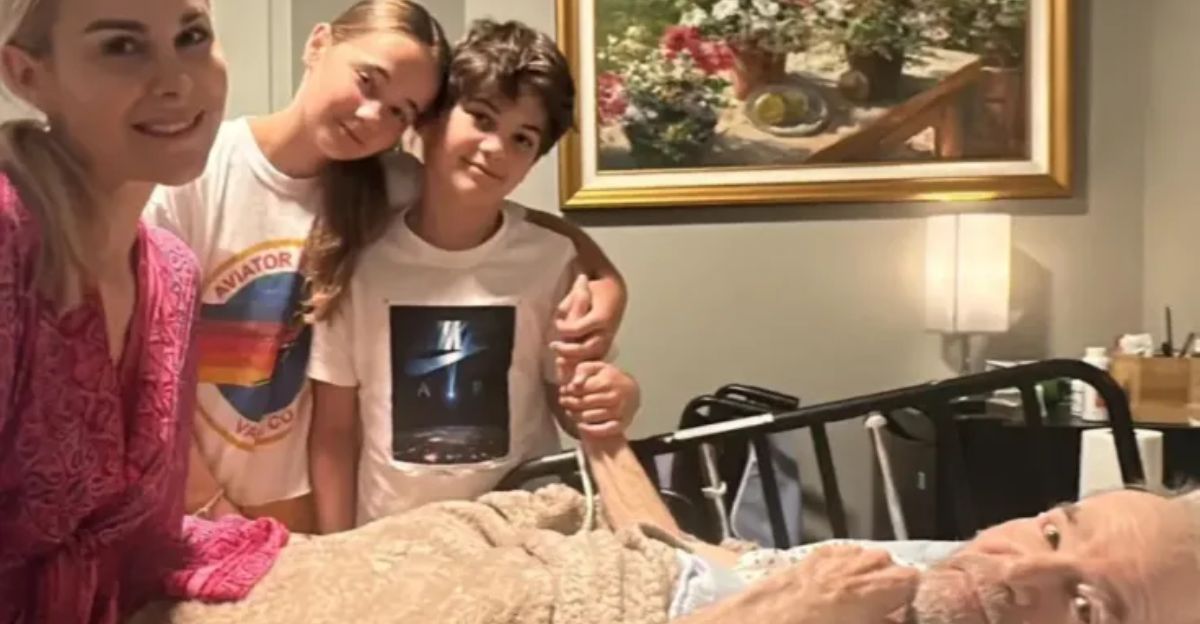
Westcott’s family described the years-long legal battle as a heavy strain on him, particularly given his age and progressive illness.
While the court focused on legal capacity and contractual obligations, the case highlighted the emotional toll such disputes can take. Aging, health decline, and litigation pressure collided in a way that made the fight deeply personal on both sides.
Why Capacity Claims Are So Hard to Win

The ruling reinforced a key legal reality: claiming mental incapacity is not enough on its own. Courts require clear evidence tied to the exact moment a contract is signed.
Even serious medical conditions do not automatically void agreements if contemporaneous actions suggest understanding. The Westcott decision underscored how high that evidentiary bar remains in California courts.
Implications for Older Sellers

For older homeowners, especially those with medical conditions, the case serves as a warning. Without clear safeguards, family involvement, or independent evaluations, signed contracts may remain enforceable even if health later declines.
Advisors may now push for stronger documentation and counseling before major transactions, particularly when valuable assets are involved.
Lessons for Wealthy Buyers

The dispute also delivered a message to buyers in elite markets: even a signed deal can spiral into years of uncertainty.
Health disputes, legal challenges, and possession delays can carry multimillion-dollar consequences. Buyers may increasingly seek added protections, escrow controls, and contingency planning when entering high-value real estate agreements.
Public Reaction and Backlash

Public response was mixed. Some criticized Perry for pursuing damages against an ailing veteran, while others emphasized that the court found the sale valid and enforceable.
The case sparked debate over power imbalances, celebrity privilege, and personal responsibility, showing how legal victories do not always translate into reputational wins.
Who Benefited Financially

In the end, Perry secured ownership of the mansion and a $1.84 million award, though far less than she initially sought.
Westcott retained the original sale price but faced damages and prolonged stress. Legal teams on both sides likely collected substantial fees, making attorneys among the few clear financial winners in the saga.
A Blueprint for Future Damage Claims

The court’s partial acceptance of lost-income and disrepair arguments may shape future cases. Plaintiffs may temper expectations, knowing judges will scrutinize assumptions closely.
Insurers, investors, and lawyers are likely to study how this court valued years of delayed possession in one of America’s most expensive housing markets.
Ongoing Financial Disputes

Even after the damages ruling, filings indicated disagreements over remaining payments tied to the sale. Westcott’s lawyers argued that Perry’s LLC still owed money under the original agreement after offsets.
While ownership is settled, financial threads remain unresolved, extending the life of the dispute beyond the headline verdict.
A Case That Reshaped Conversations

The Montecito fight has become a reference point in discussions about aging, consent, and wealth. Estate planners, real estate attorneys, and families now cite it when advising clients on large transactions.
Its visibility may encourage earlier planning and clearer boundaries when health and high-value assets intersect.
One Mansion, Many Consequences

What began as a 2020 luxury home purchase evolved into a five-year legal ordeal with national attention. The Perry–Westcott case now stands as a cautionary tale about contracts, capacity, and time.
It shows how a single property can ripple across law, finance, and culture—long after the keys finally change hands.
Sources:
“Katy Perry Poised to Recover $1.8 Million in Montecito Mansion War.” Rolling Stone, 26 Nov 2025.
“Court Rules Katy Perry Is Owed $1.8 Million in Damages for Lost Rental Income at Montecito Mansion.” Yahoo Entertainment, 26 Nov 2025.