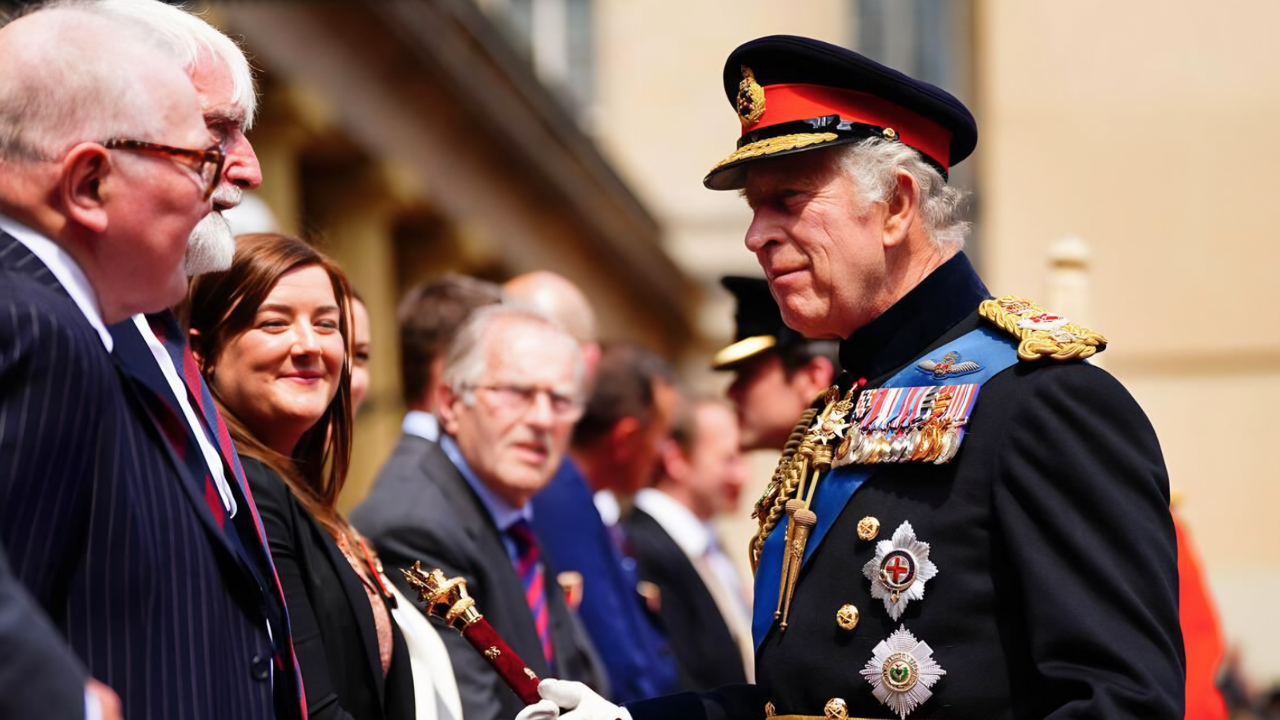
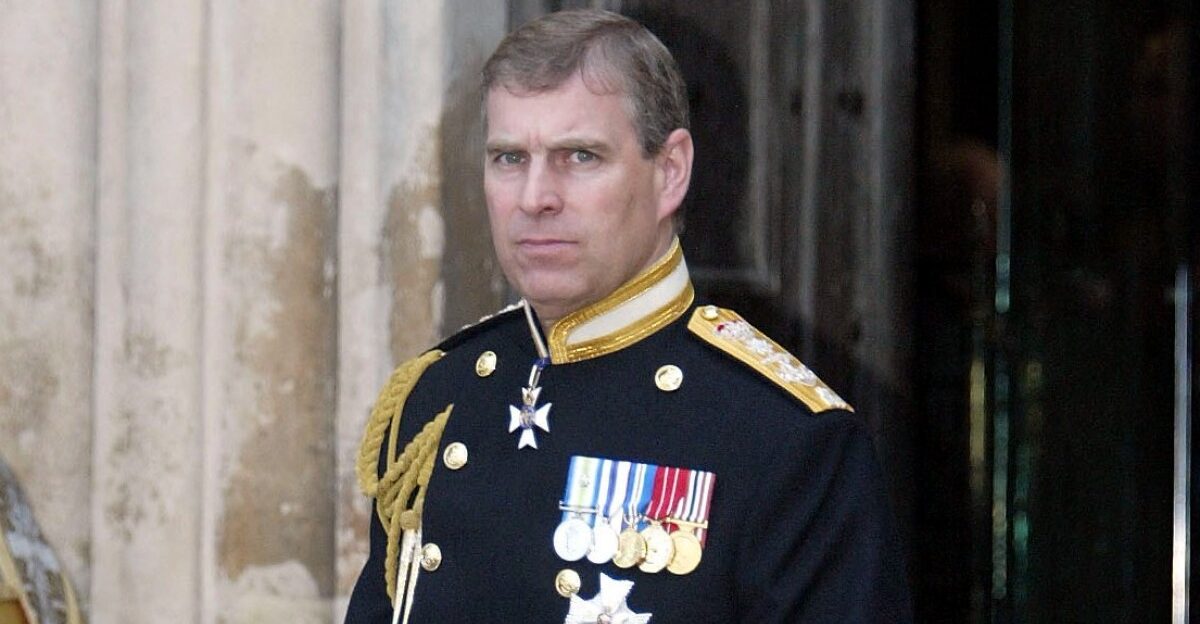
For over a decade, Prince Andrew clung to one title that managed to withstand the scandals, lawsuits, and public outrage: vice-admiral. This honorary title was awarded on his 55th birthday in 2015, in recognition of his service in the Navy.
However, in a significant administrative decision in mid-December 2024, the Defence Council officially reverted Andrew Mountbatten-Windsor to the rank of Commander (Retd.), the rank he held when he left active duty in 2001. This move stripped him of the ceremonial status that had defined his royal identity for decades in a matter of days, marking a notable shift in royal protocol and public sentiment.
The Unprecedented Fall
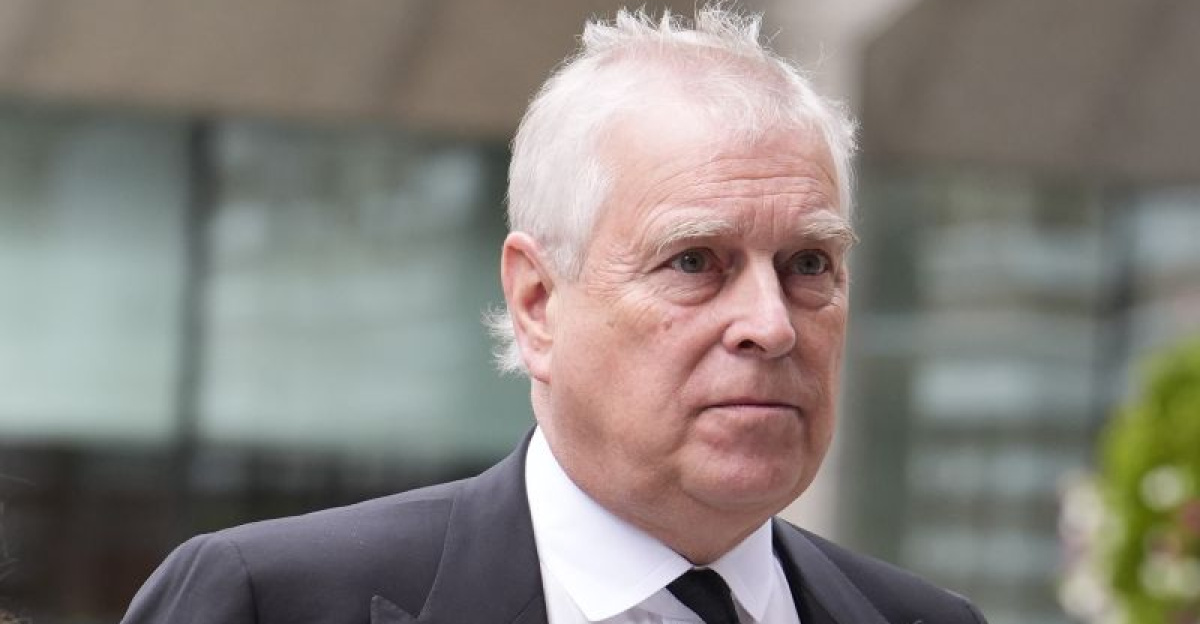
No British royal in modern history has experienced such a total loss of status due to personal scandal. Once a prince styled as His Royal Highness, Andrew Mountbatten-Windsor now bears only the title of commoner. He holds no royal titles, no military distinctions, and no honorary appointments.
His rapid transformation from royal figure to typical citizen is unprecedented and raises questions about the monarchy’s resilience in the face of scandal. With the previous royal privileges stripped away in just three years, the situation demands scrutiny regarding how far a monarchy will go to safeguard its reputation.
The Long Shadow of Epstein
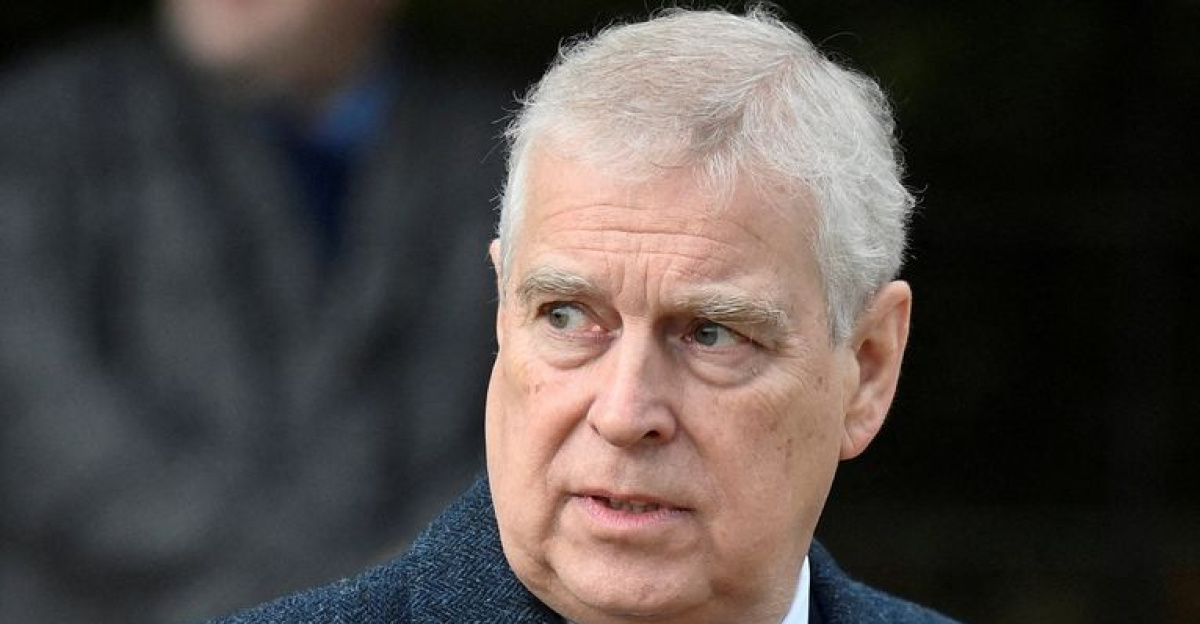
Andrew’s troubles began far earlier than his recent losses; they trace back to his association with convicted sex offender Jeffrey Epstein. While palace advisors were concerned about this friendship, it largely remained a background issue until 2019. In January 2020, Andrew’s infamous BBC interview revealed the extent of his troubles.
Attempting to distance himself from Epstein, he claimed to have been at Pizza Express in Woking on a night when he was alleged to have encountered Virginia Giuffre. This disastrous interview intensified public scrutiny, leading to increasing calls for him to step back from royal duties.
The 2022 Watershed
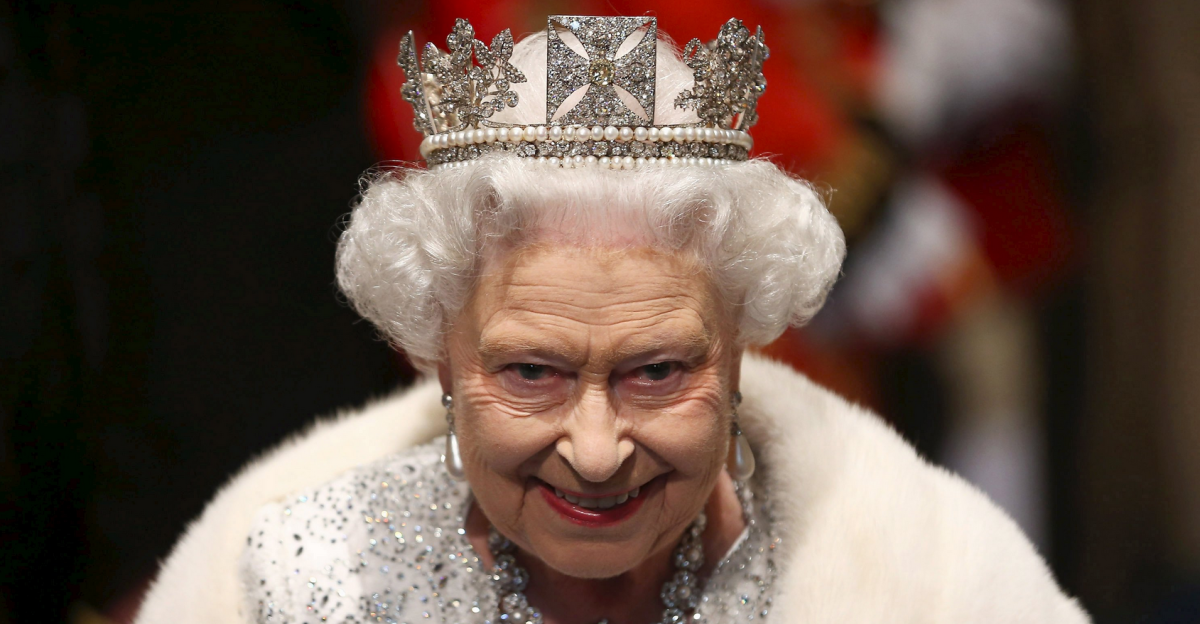
The turning point came in January 2022, when Queen Elizabeth II took decisive action against Andrew amid mounting accusations. She stripped him of over a dozen military affiliations, including Colonel of the Grenadier Guards and Commodore-in-Chief of the Fleet Air Arm, after Virginia Giuffre filed a civil lawsuit alleging sexual abuse.
Despite these critical steps, the palace allowed Andrew to retain his rank of vice admiral, representing a final thread of military affiliation amidst the deepening scandal. This decision illustrated the monarchy’s protective instincts even in the face of overwhelming evidence against Andrew.
The Final Severance
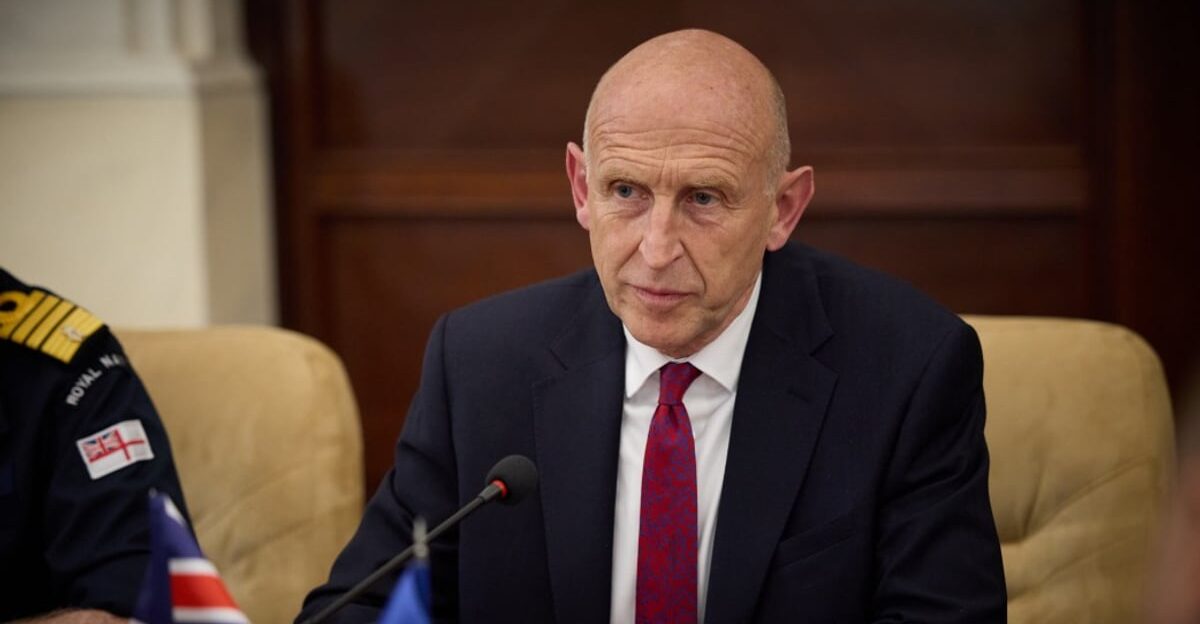
On December 13–15, 2024, the Defence Council announced the formal removal of Andrew’s last military title, reverting his rank from Vice-Admiral to Commander (Retired). Defence Secretary John Healey emphasized that this decision was guided by King Charles III, indicating a significant break from past royal protection.
Unlike the fanfare accompanying Andrew’s promotion to vice-admiral nine years earlier, this decision was buried in standard Ministry of Defence communications, highlighting a stark shift in royal narrative. The severance of this final symbol marked Andrew’s complete removal from his previously decorated status.
The Falklands War Reckoning
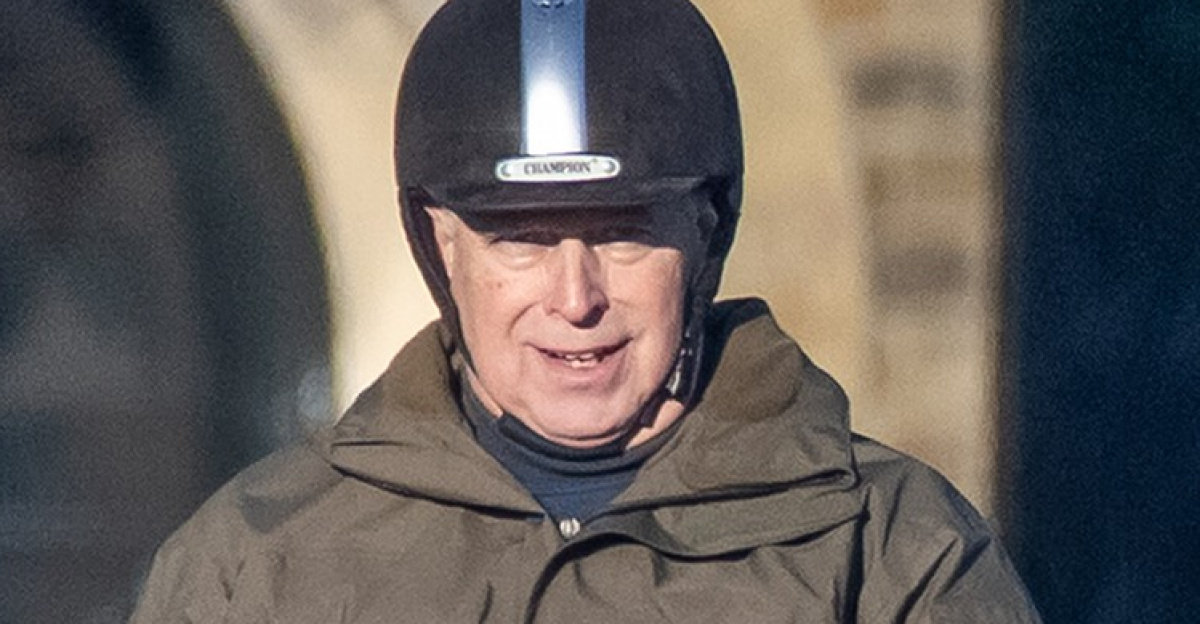
Though faced with scandal, Andrew remains a genuine war hero from the Falklands War, where he served as a helicopter pilot and earned operational service medals. Military veterans have expressed concern that stripping a decorated combat veteran of all military honors is “morally indefensible.”
Yet, in a compromise acknowledging his service, Andrew retained his Falklands War campaign medal and other operational service medals despite the loss of titles. This critical balance highlights the challenges of addressing personal wrongdoing while acknowledging genuine service to the nation.
Andrew’s Muted Response
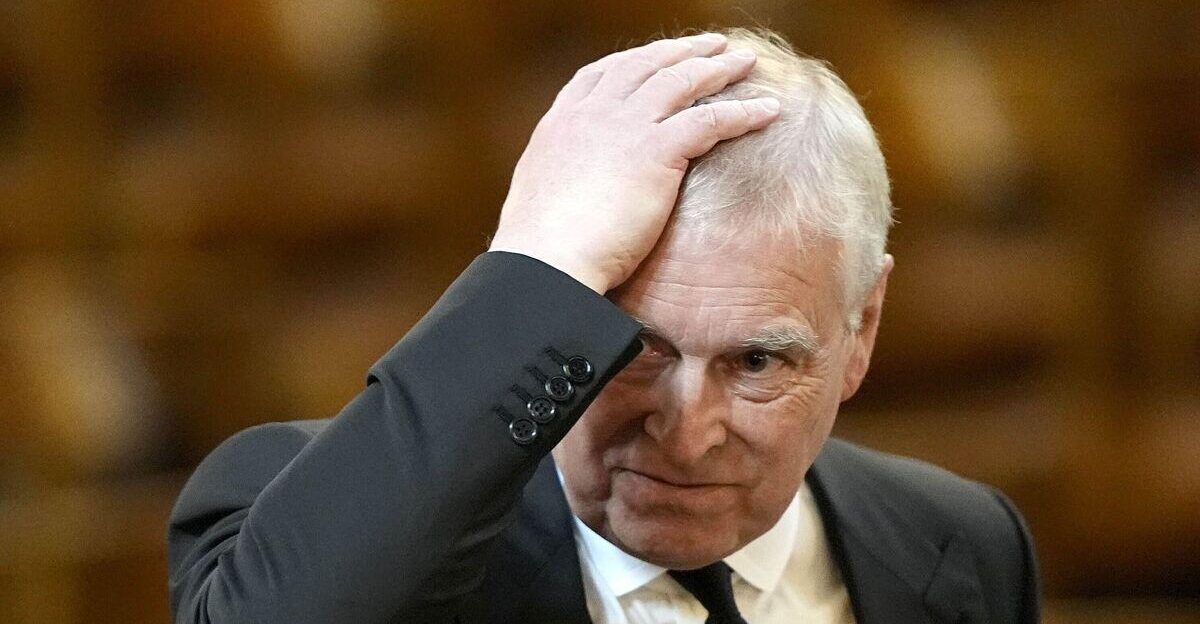
In response to the formal revocation of his vice-admiral rank, Andrew refrained from making any public statements. His silence spoke volumes and was a marked contrast to his earlier, more combative BBC interview, in which he defended his ties to Epstein.
Sources close to Andrew indicated that he had adopted a demeanor of resignation rather than defiance in light of his diminishing royal stature. The legal pressures, including a $12 million settlement paid to Virginia Giuffre in January 2022, compounded his struggles, effectively pushing him further into the shadows of public life.
Public Opinion Shift
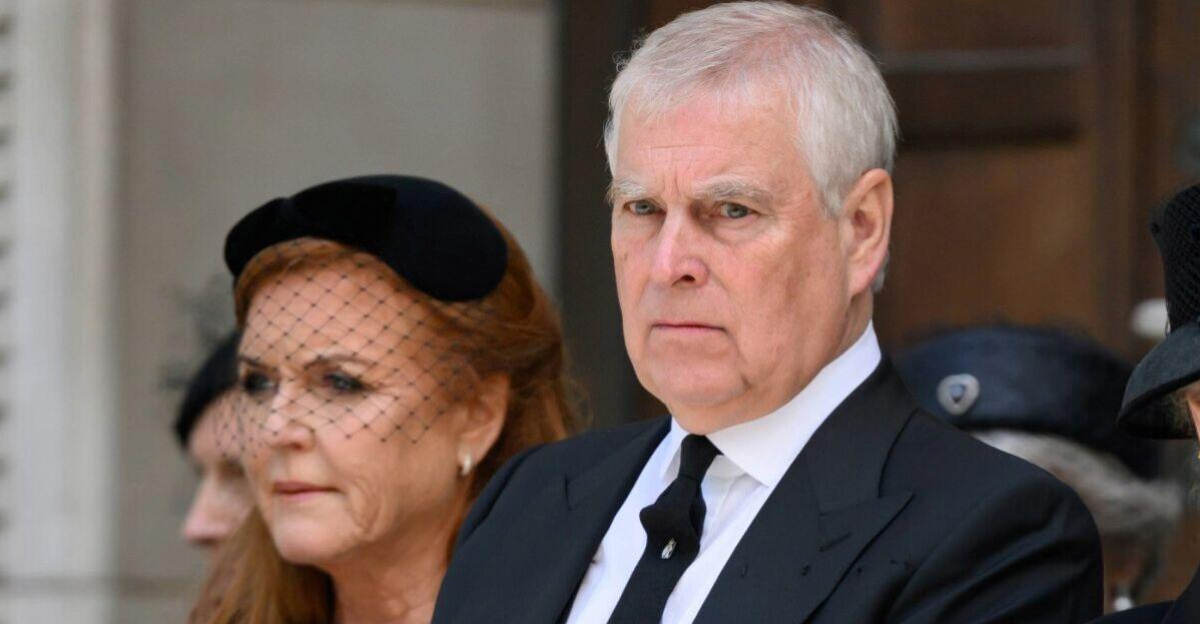
Public sentiment towards Prince Andrew underwent a drastic transformation throughout the years of scandal. Initially, some maintained a sense of loyalty towards the royalty, but as allegations of misconduct emerged, opinions shifted dramatically. By October 2024, surveys showed a significant majority supported Andrew’s removal from royal duties.
The fallout from his connections to Epstein and the subsequent legal consequences eroded the British public’s trust in him, illustrating the monarchy’s vulnerabilities to public perception and the impact of royal scandals on public opinion.
A Historic Context
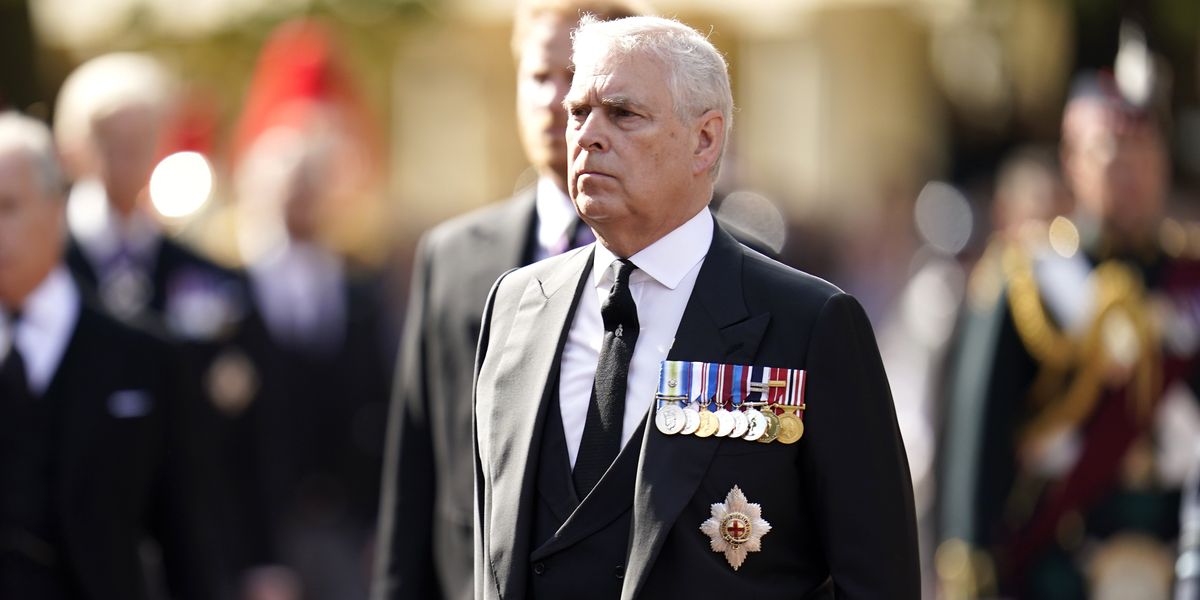
The removal of royal titles has historical precedent, but Andrew’s case presents a unique context. While titles have been stripped from royals before, often in response to grave misconduct, none have faced an erosion of status as complete as his.
This incident raises questions about the monarchy’s ability to adapt to modern standards of accountability, given the complexities of balancing dignity and lineage with addressing public outcry. The decision to strip Andrew of his titles signifies a potential shift in how the monarchy will approach similar scandals in the future.
Judicial Problems
Andrew has consistently denied all allegations against him, maintaining his innocence in the face of an extensive personal and legal crisis. However, his settlement with Virginia Giuffre suggested a desire to avoid lengthy legal battles and further damage to the royal reputation.
This decision sparked debate about the fairness of the legal system in cases involving influential figures and whether these controversies could have been resolved more judiciously. Andrew’s saga taps into broader discussions about accountability for the rich and privileged in the judicial process.
Aftermath and Impacts
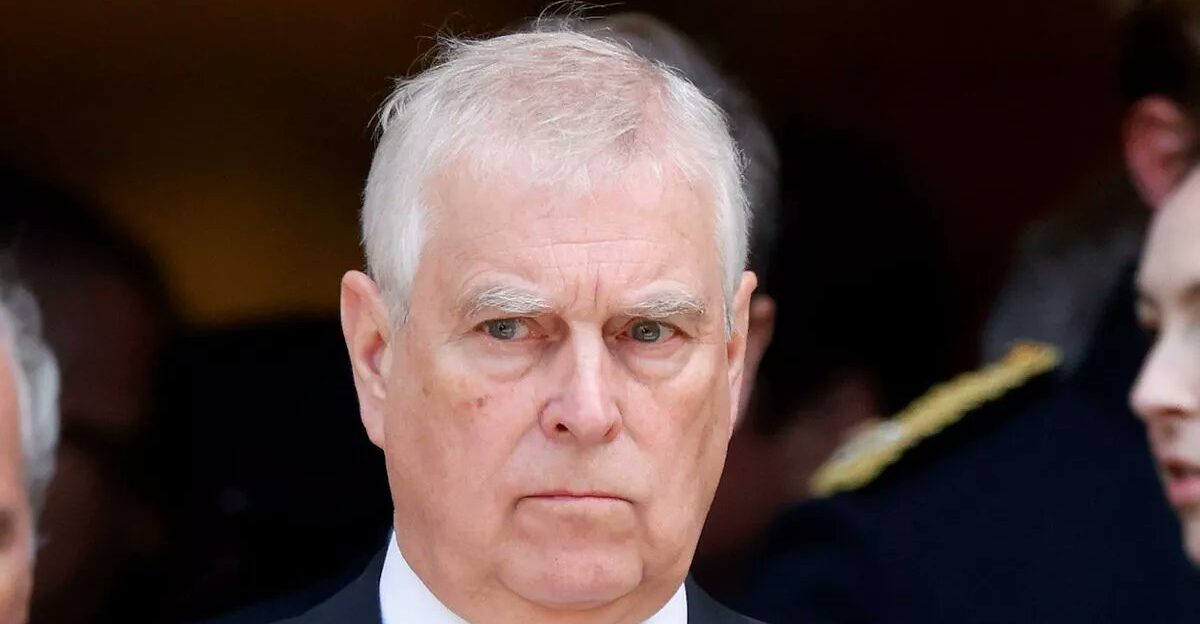
The consequences of Prince Andrew’s fall extend beyond his individual status. His debacle raises crucial questions regarding the monarchy’s future and the implications of its handling of personal scandals.
Analysts argue that King Charles III’s decisions signal an intention to strengthen public trust in the institution while establishing clear boundaries against future indiscretions. The fallout has implications for how the royal family interacts with the British public in the wake of scandals, ultimately influencing the monarchy’s image both domestically and internationally.
Broader Cultural Reflection
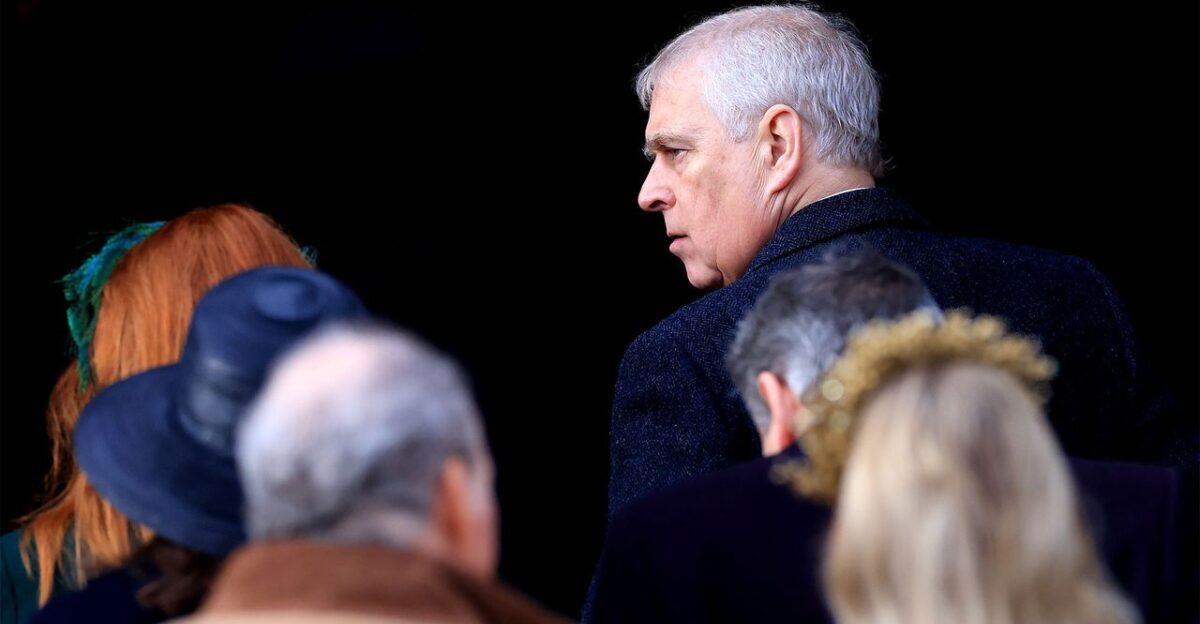
Prince Andrew’s downfall reflects a broader cultural shift regarding accountability and the treatment of influential individuals. Societal expectations around transparency and personal responsibility are evolving, and the public’s intolerance for scandals is rising.
Commentators note that the monarchy’s responses to personal failures will shape its relevance in a rapidly changing society. The necessity for accountability extends not only to individuals but also to institutions that intersect with issues of power and privilege.
Lessons Learned by the Monarchy
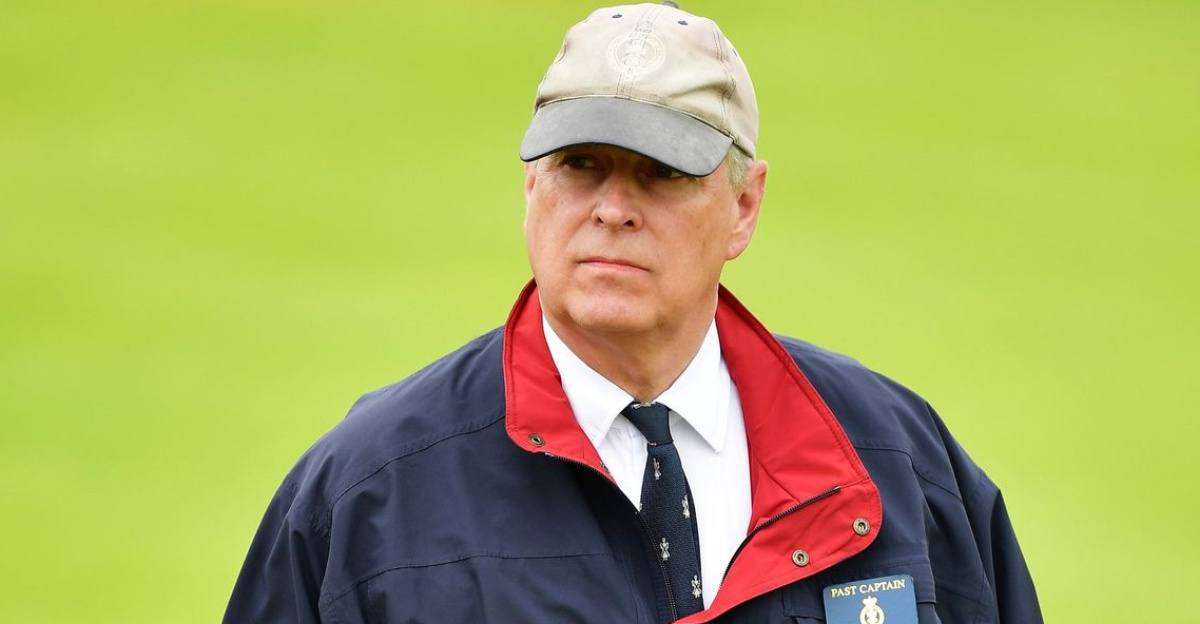
The monarchy is learning key lessons from Andrew’s scandal. Moving forward, there may be an increased focus on transparency, better crisis management, and the importance of distancing from personal controversies.
Drawing from the mistakes surrounding Andrew’s earlier engagements, royal advisors are likely to reassess strategies for public relations and community engagement. This case study may influence how the monarchy navigates its roles and responsibilities in the face of societal scrutiny.
Future of Andrew’s Legacy
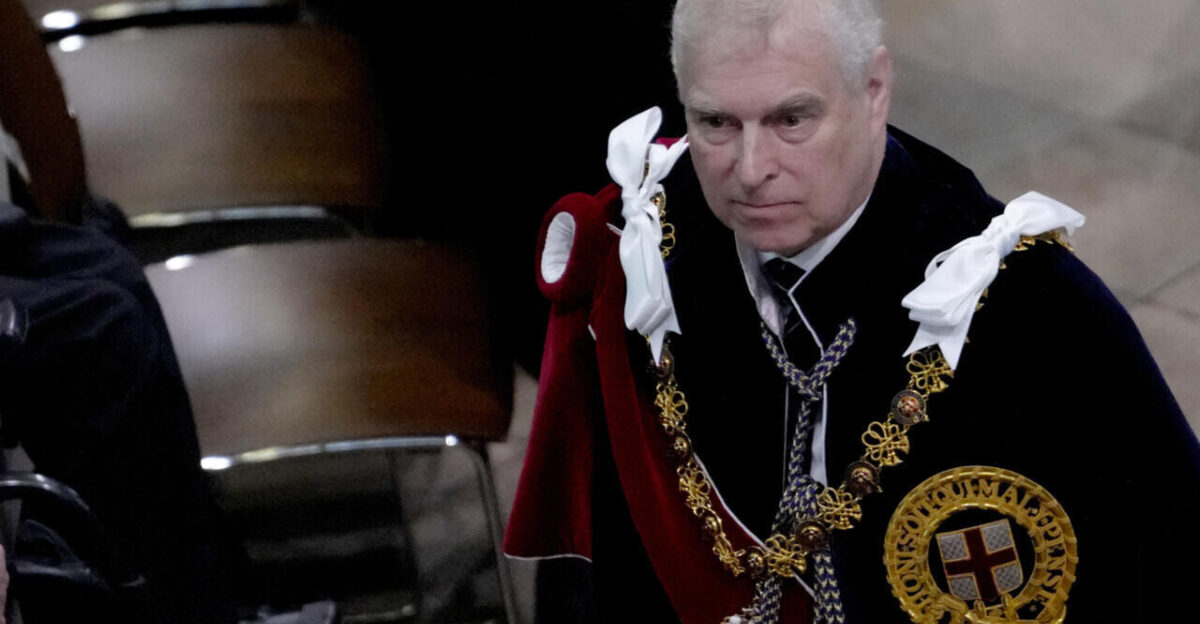
As Andrew fades into the background of royal history, his legacy poses a dilemma. Will he be remembered solely for his scandals and controversies, or will his contributions, such as his service in the Falklands, be acknowledged? The challenge lies in balancing the narrative: recognizing military service while acknowledging the significant personal failings that led to his public downfall.
Andrew’s story ultimately offers insights into the complexities of public memory, royal reputation, and the impacts of scandal on personal identity.
Reaction from the Military Community
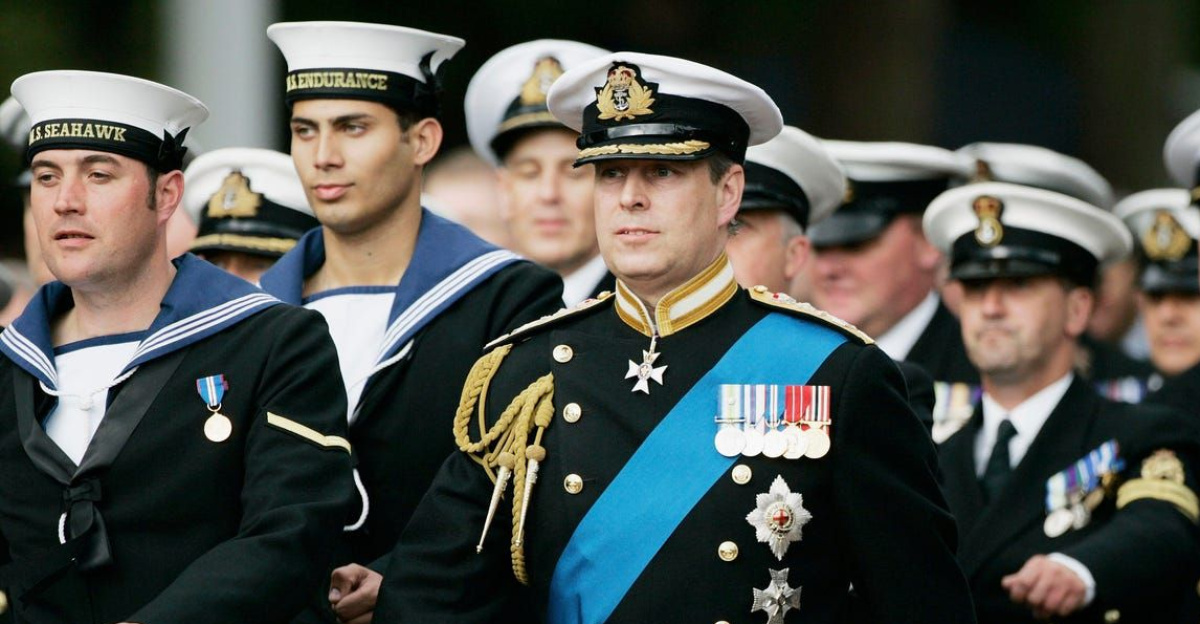
In the wake of these developments, responses from the military community have been mixed. While some veterans express sadness about the removal of Andrew’s honorary titles, others advocate for strict accountability, aligning with modern expectations.
The Armed Forces Association emphasized the importance of upholding ethical standards within military ranks, echoing broader sentiments about the integrity of service members. This case has sparked essential dialogue about the responsibilities of military representatives and the moral questions intertwined with royal service.
Media Coverage Analysis

Media coverage of Prince Andrew’s situation has been extensive and nuanced. Outlets have grappled with portraying the seriousness of the allegations while maintaining journalistic integrity. Reporting has ranged from critical scrutiny to attempts at providing historical context.
This media landscape influences public perception, shaping narratives around the monarchy that can impact its future. Evaluating the role of the press in high-profile royal scandals is vital in understanding their significance on societal attitudes and institutional credibility.
Political Implications
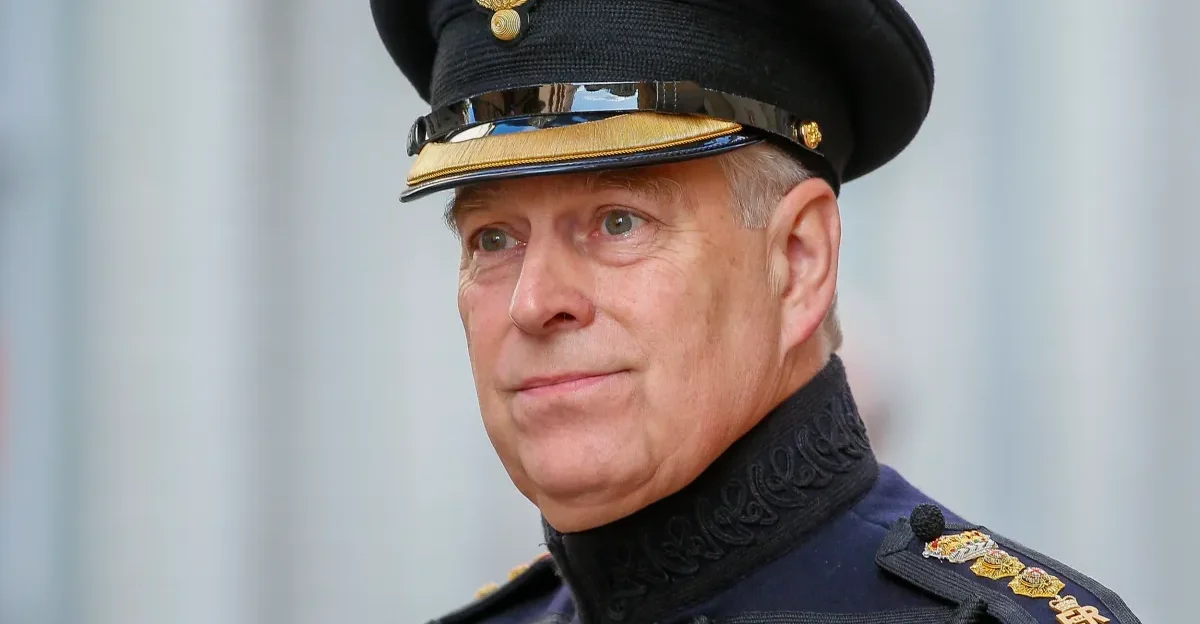
The stripping of Prince Andrew’s titles also carries significant political weight in a time of heightened scrutiny of royal expenses and public funding. The monarchy faces increasing pressure to justify its relevance, particularly among an electorate that questions public support for monarchy-related expenditures.
Andrew’s case could catalyze discussions in Parliament over royal conduct, pushing political figures to address how scandals affect public trust and the legitimacy of the crown as an institution.
What’s Next for Andrew?
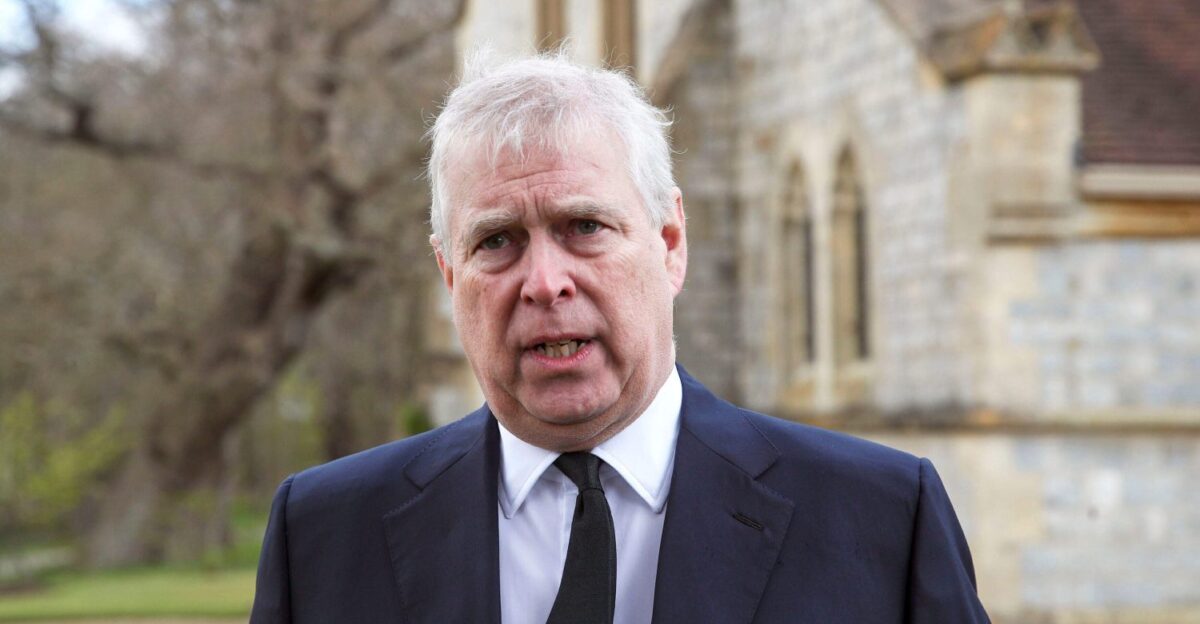
As Andrew transitions to a private life without royal status, his prospects hinge on his ability to adapt to this new reality. Sources suggest that he may retreat from public life permanently, focusing on personal interests away from the limelight.
However, it remains uncertain whether he can escape the shadow of past controversies. The following steps for Andrew will depend primarily on public interest, media coverage, and broader societal attitudes regarding accountability for individuals in positions of power and privilege.
The Role of Crisis Management
This saga underscores the importance of effective crisis management for public figures, especially within royal circles. The monarchy’s response to Andrew’s scandal has prompted calls for enhanced management protocols, advocating for prompt and decisive actions.
Developing a strategic approach to managing personal crises may prove essential in preserving the monarchy’s image and credibility in the future. Efficiency in crisis communication will become increasingly vital for public figures navigating scandals in an era fueled by rapid information dissemination.
Reflecting on Monarchy’s Future
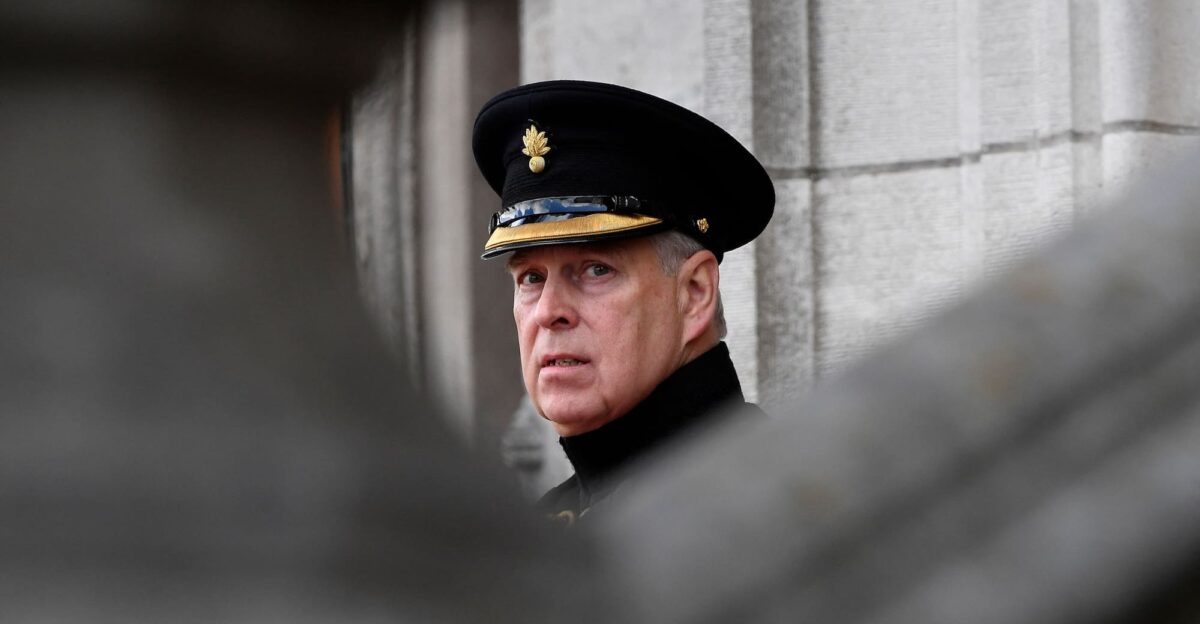
Prince Andrew’s rapid decline from royal status highlights the repercussions of personal scandal within institutions founded on public trust. The challenges faced by the monarchy today underscore an urgent need for self-reflection and reform in response to changing societal expectations.
As King Charles III navigates the delicate balance between tradition and modernity, the monarchy’s evolution will shape its legacy and relevance in the 21st century. Understanding these dynamics is crucial for the future of the British royal family.
Sources:
BBC News – Prince Andrew loses military titles and use of HRH
BBC News – King to strip Andrew of his final military title
Forces News – King Charles ends Andrews royal role three years after fall military honour and command
The Guardian – Prince Andrew and Jeffrey Epstein: a timeline
People Magazine – King Charles Strips Prince Andrew of All Royal Titles
Town & Country – How Royal Titles Have Been Removed Throughout History