
A winter night in central Ukraine ended in smoke and concrete dust when a Russian drone tore into a nine‑story apartment block on December 8, 2025. Rescuers climbed through shattered stairwells carrying survivors, including a small child wrapped in blankets, while her parents remained buried somewhere inside the rubble. Similar scenes played out across seven regions as waves of drones and missiles turned residential streets and power facilities into targets.
Russia’s Relentless Air Campaign
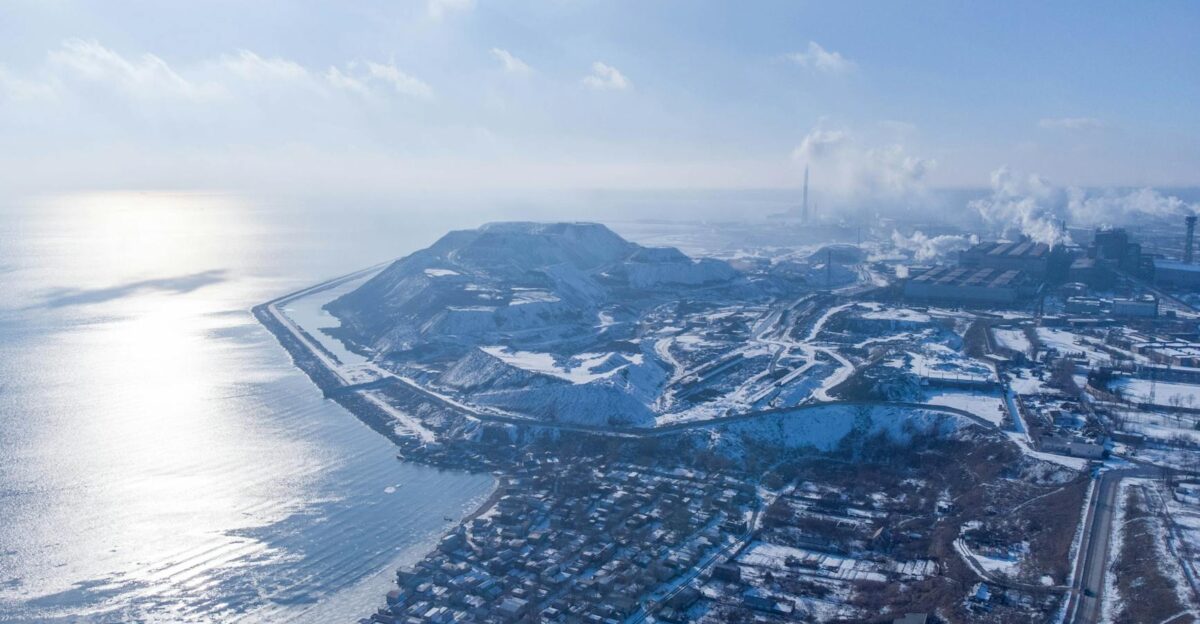
Ukrainian officials say the latest escalation has pushed aerial attacks to a new intensity. President Volodymyr Zelenskyy reported that Russian forces launched more than 1,600 attack drones in a single week in early December 2025, alongside roughly 1,200 guided aerial bombs and nearly 70 missiles of different types. In one coordinated operation, about 240 drones and five ballistic missiles struck several regions at once.
Ukrainian air defenses intercepted most of the incoming weapons, but not enough to prevent deaths, injuries, and widespread damage. Each night, air‑raid sirens send families into basements and shelters as winter darkness becomes a backdrop for near‑constant bombardment.
Russia’s Defense Ministry has framed these barrages as retaliation for Ukrainian strikes on Russian territory and infrastructure. It says the targets include transport links, fuel depots, energy facilities, military airfields, and long‑range drone sites. One assault on December 6 reportedly hit key railway junctions and fuel storage across multiple Ukrainian regions.
Blackouts, Displacement, and Civilian Losses
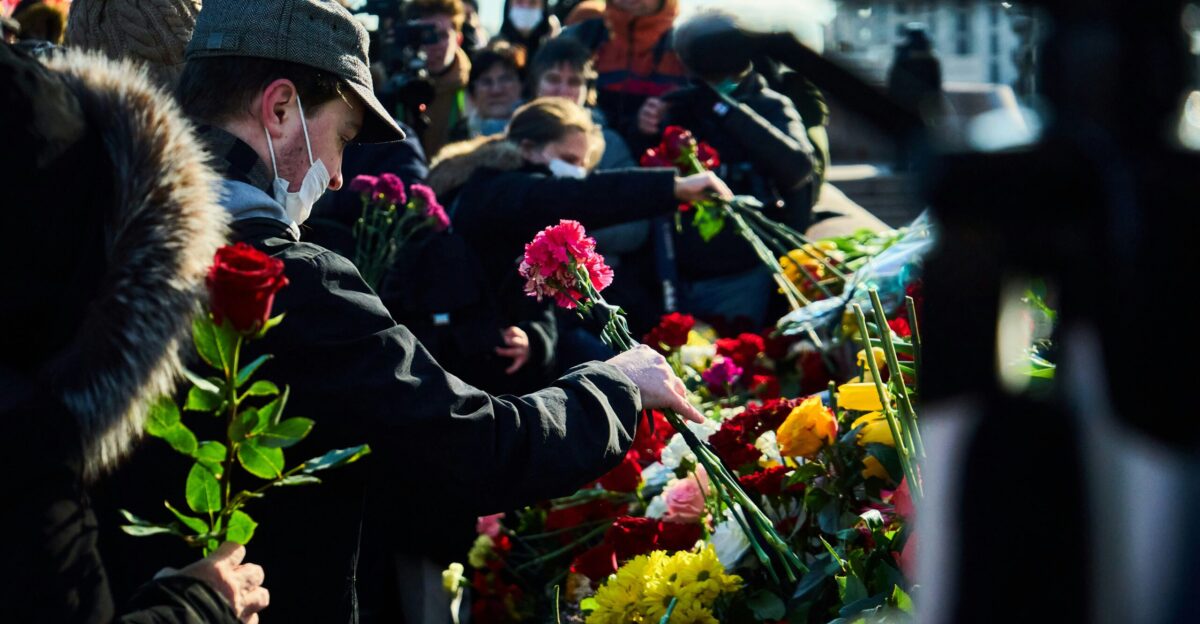
The focus on energy infrastructure has plunged large parts of Ukraine into rolling blackouts. Eight regions have faced repeated outages, and nuclear power plants have been forced to cut output because of damage around the grid. Millions of people endure sub‑zero temperatures with limited heat or electricity.
The United Nations and humanitarian groups estimate that 3.7 million Ukrainians are displaced within the country, many living in temporary shelters ill‑equipped for severe winter conditions. Emergency crews work under constant pressure, often in darkness, unable to respond to every call. Hospitals struggle to keep operating theaters, intensive‑care units, and heating systems running amid power cuts and fuel shortages.
Civilian areas remain on the front line. In Slovyansk, Russian strikes on residential neighborhoods killed at least one person and injured several others, collapsing apartment buildings and trapping residents under debris. In the Chernihiv region town of Novhorod‑Siverskyi, a Russian drone killed a 50‑year‑old man in his home during the night of December 5–6. Zelenskyy has repeatedly expressed condolences to the families of those killed and vowed that those responsible will face justice.
Negotiations Under Fire
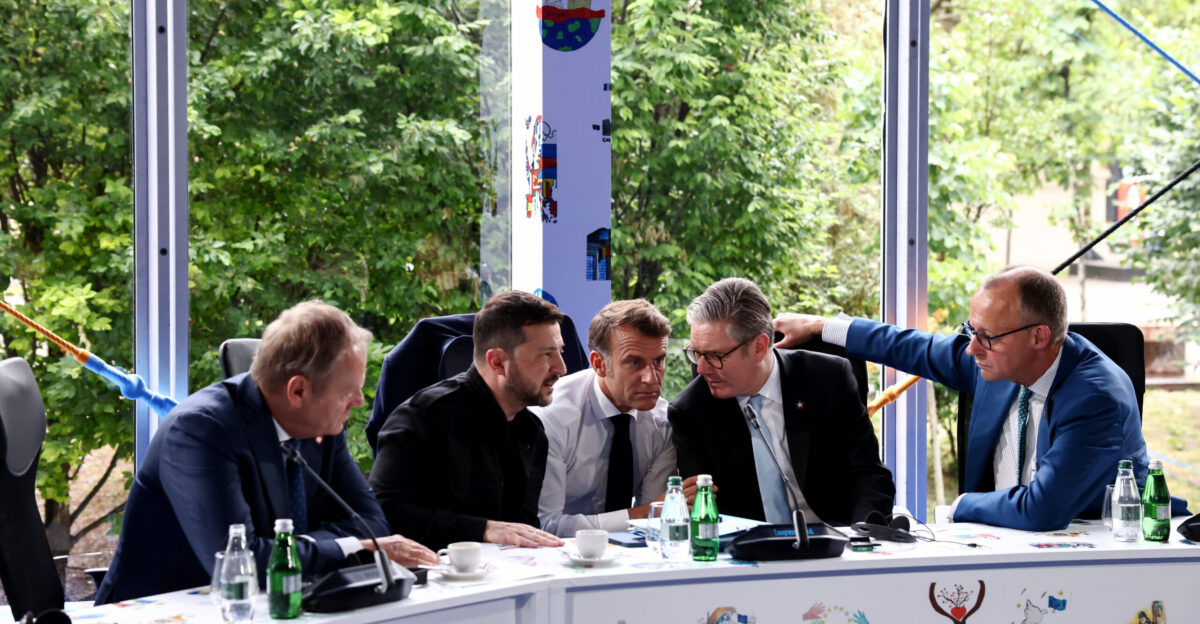
Diplomatic contacts have continued even as the attacks intensify. On December 2, U.S. envoys Steve Witkoff and Jared Kushner met Russian President Vladimir Putin in Moscow for more than four hours. Former U.S. President Donald Trump later described the talks as “very good.” In the days that followed, Russia launched some of its largest drone and missile barrages of the winter.
The same envoys then held extended discussions with Ukrainian officials, including chief negotiator Rustem Umerov and military leader Andriy Hnatov, in Miami from Thursday through Saturday. Participants called the talks “constructive” but announced no breakthrough. A joint statement underscored that any real progress depends on “Russia’s readiness to show serious commitment to long-term peace.”
Zelenskyy, speaking afterward, characterized the discussions as lengthy and warned that some issues could not be resolved remotely. Nearly four years of full‑scale conflict, failed ceasefires, and documented atrocities have eroded trust on all sides.
Unresolved Core Disputes
The most contentious issues remain unchanged. Territorial control is central: Moscow demands that Ukrainian forces withdraw from parts of the Donbas that Kyiv still holds, presenting this as a prerequisite for halting hostilities. Putin has said Russia will impose this outcome “by force” if necessary. Ukrainian authorities reject any withdrawal or formal cession of land, arguing that giving up territory would destroy national sovereignty and invite further aggression.
A second deadlock involves security alignment. The Kremlin insists that Ukraine must renounce its goal of joining NATO as part of any settlement. Kyiv maintains that only firm security guarantees—ideally full NATO membership—can prevent future attacks. European leaders have raised concerns about how to protect Ukraine without NATO’s collective defense clause, while Ukrainian officials fear that a deal without such assurances would simply delay another invasion.
Against this backdrop, Putin has told journalists that Russia now holds the “strategic initiative” in the war and that fighting will stop only when Ukrainian forces pull back from Luhansk and Donetsk. Russian authorities also claim incremental territorial gains, including control of Kucherivka and Volchansk in the Kharkiv region and settlements such as Rivne in Donetsk and Zeleny Gai, Dobropolye, and Chervonoye in Zaporizhzhia.
Stalemate on the Battlefield and at the Table
Both armies are suffering heavy losses. Russia’s Defense Ministry has issued regular statements claiming substantial Ukrainian casualties, including an assertion that about 9,050 Ukrainian troops were lost between November 29 and December 5 and roughly 1,400 in a single day on December 2. These figures cannot be independently verified.
Western intelligence paints a parallel picture of Russian losses. British officials estimate that Moscow’s forces have suffered roughly 1,000 to 1,170 casualties per day on average, with peaks of about 1,570 daily losses in December 2024. They assess Russia’s total casualties since the February 2022 invasion at more than 1.1 million. Independent Russian outlets, including BBC Russian and Mediazona, have confirmed over 152,000 Russian deaths through open‑source records. Behind the numbers are families in both countries confronting missing relatives, funerals, and long‑term trauma.
Inside Ukraine, emergency workers, firefighters, and paramedics labor around the clock to cope with the aftermath of strikes on cities and towns. Zelenskyy has said they face devastation “almost every day and every night” as they try to rescue survivors, extinguish fires, and clear rubble. Hospitals are full, morgues are under strain, and local authorities warn that the system is nearing its limits.
Looking Ahead to an Uncertain Winter
As snow deepens and temperatures fall, Ukraine enters another winter under bombardment. Power grids damaged by repeated strikes leave entire neighborhoods in the dark, while displaced families endure the season in makeshift accommodation. Diplomacy continues in parallel with military pressure: Kyiv has presented a revised 20‑point peace plan to European leaders and plans to discuss it with Washington, seeking a mix of American and European guarantees that would make any ceasefire durable.
Trump has criticized Zelenskyy over the pace of negotiations and suggested that both sides might eventually need to exchange territory, a proposal many Ukrainian and European officials view as too favorable to Moscow. For now, neither Moscow nor Kyiv shows willingness to abandon key demands on borders or security.
The war’s immediate future appears to hinge on whether sustained military pressure, deepening humanitarian strain, and ongoing diplomatic efforts can eventually shift political calculations in either capital. Until then, Ukrainians brace for more nights of sirens and explosions, watching closely for any sign that the balance on the battlefield—or at the negotiating table—might finally change.
Sources:
Russian Defense Ministry daily briefing,
Ukrainian President Volodymyr Zelenskyy official addresses and social media statements,
Reuters frontline and diplomacy reporting,
United Nations OCHA and humanitarian situation updates,
International Rescue Committee and major NGO humanitarian assessments