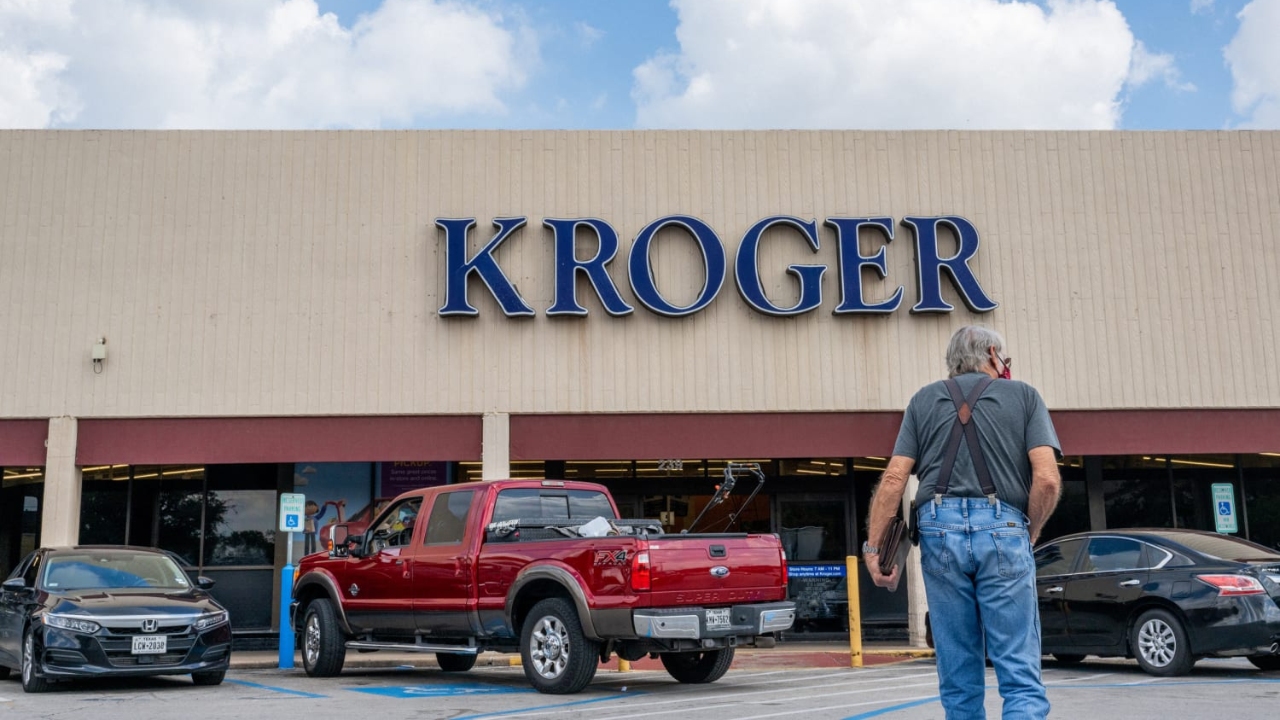
A Columbus, Ohio, mother reached for sale-priced Cheerios, expecting $2.99 based on the shelf tag. The register charged $4.89, an overcharge of $1.90 from an expired promotion. Nescafé coffee followed with another $2.30 excess, exposing a pattern of pricing discrepancies at Kroger stores.
Consumer Reports identified over 150 such errors across 26 Kroger locations in 14 states, averaging 18.4 percent overcharges per item. These incidents on staples like cereal, coffee, medication, beef, salmon, and dog food marked the start of Kroger’s turbulent December 2024, amid a broader crisis of regulatory blocks, lawsuits, and leadership shifts.
Merger Blocked by Courts
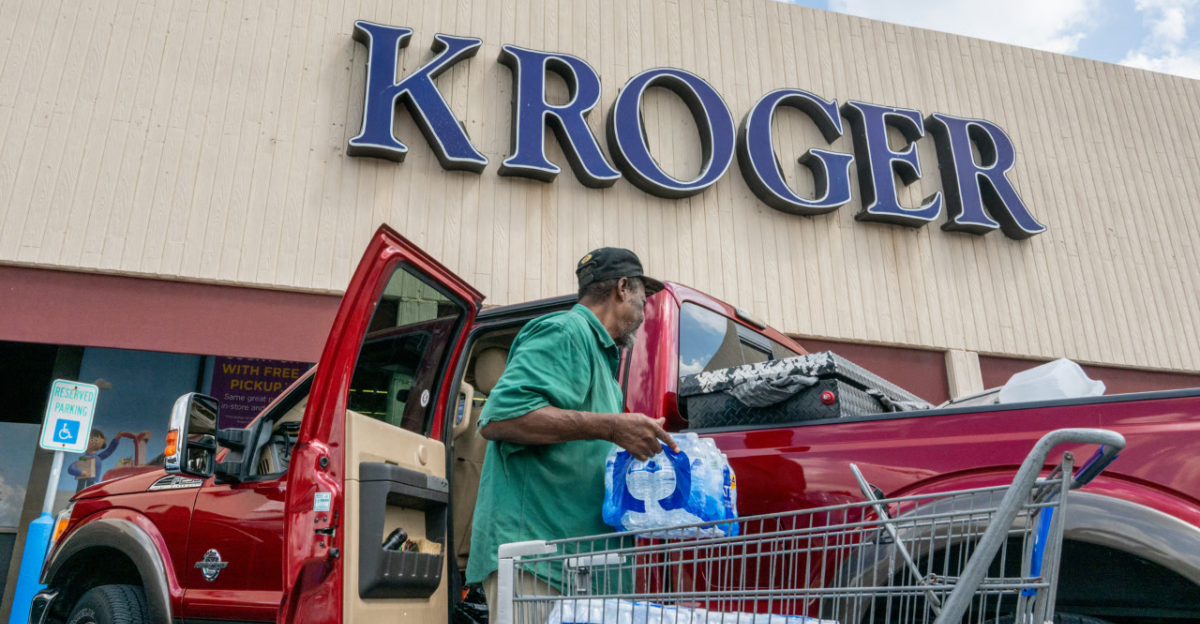
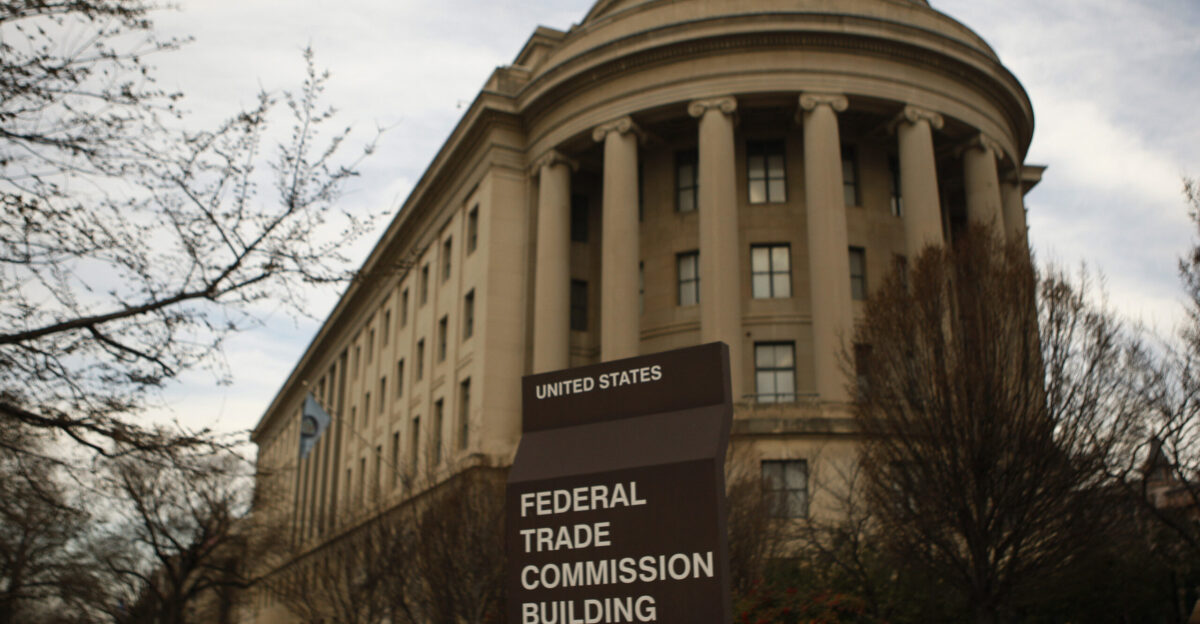
On December 10, 2024, federal courts halted Kroger’s proposed acquisition of Albertsons. U.S. District Judge Adrienne Nelson in Oregon approved the FTC’s preliminary injunction, while Washington’s King County Superior Court Judge Marshall Ferguson issued parallel blocks. The deal would have formed a giant with over 5,000 stores in 48 states and 700,000 employees.
The FTC’s February 2024 antitrust suit claimed the merger would reduce competition and raise grocery prices. Internal documents revealed Kroger executives describing it as creating “basically a monopoly in grocery.” Kroger’s plan to divest 579 stores to C&S Wholesale Grocers, a firm with limited supermarket operations, failed to satisfy regulators, who deemed it a mismatched bundle of assets. Judge Nelson doubted C&S’s ability to compete effectively.
Pricing Errors Spark Investigations
Joint reporting by Consumer Reports, The Guardian, and Food & Environment Reporting Network in May 2025 detailed systematic overcharges from outdated sale tags lingering on shelves. Ohio’s attorney general logged nearly 60 Kroger price complaints since 2021.
Employees, especially in Colorado amid labor talks, blamed chronic understaffing. Stores manage up to 40,000 manual price tags, overwhelming limited staff. Class-action suits emerged in California, Illinois, Ohio, and Utah, alleging violations of consumer protection laws due to poor price-checking and training. Kroger’s “Make It Right” policy lets staff fix issues at checkout, but critics see it as reactive.
Surveillance and Pricing Fears Mount

Senators Elizabeth Warren and Bob Casey warned Kroger’s CEO in August 2024 about electronic shelf labels enabling demand-based pricing, akin to airlines. They cited research on price swings in other sectors.
Representative Rashida Tlaib raised alarms in October 2024 over potential facial recognition ties to these labels for demographic profiling and discriminatory pricing, hitting low-income and minority areas hardest. Kroger denied surge pricing or surveillance links, stating tests aim to lower prices.
Leadership Shifts Amid Fallout
CEO Rodney McMullen resigned March 3, 2025, after a board probe into personal conduct unrelated to finances or operations but breaching ethics policies. The board named Ron Sargent, ex-Staples CEO, as interim leader at $4.35 million annually, launching a permanent search.
Kroger scaled back its 2018 Ocado automation pact, canceling warehouses and shifting to hybrid fulfillment with store pickups and partners like Instacart. Third-quarter 2024 showed 2.3 percent identical sales growth excluding fuel and $0.98 adjusted earnings per share, but narrowed full-year guidance signaled caution. First-quarter fiscal 2025 brought $45.1 billion sales excluding fuel, 3.2 percent identical growth, and 15 percent digital surge.
Albertsons terminated the deal, suing Kroger in Delaware for breach and seeking billions plus a $600 million fee. Walmart, Costco, and Amazon gained ground as rivals.
The FTC hailed the block as a win for consumers and workers, noting reduced union bargaining power in many markets. Kroger refocused on core groceries, fresh stores, and local innovation under Sargent.
Future Stakes for Kroger
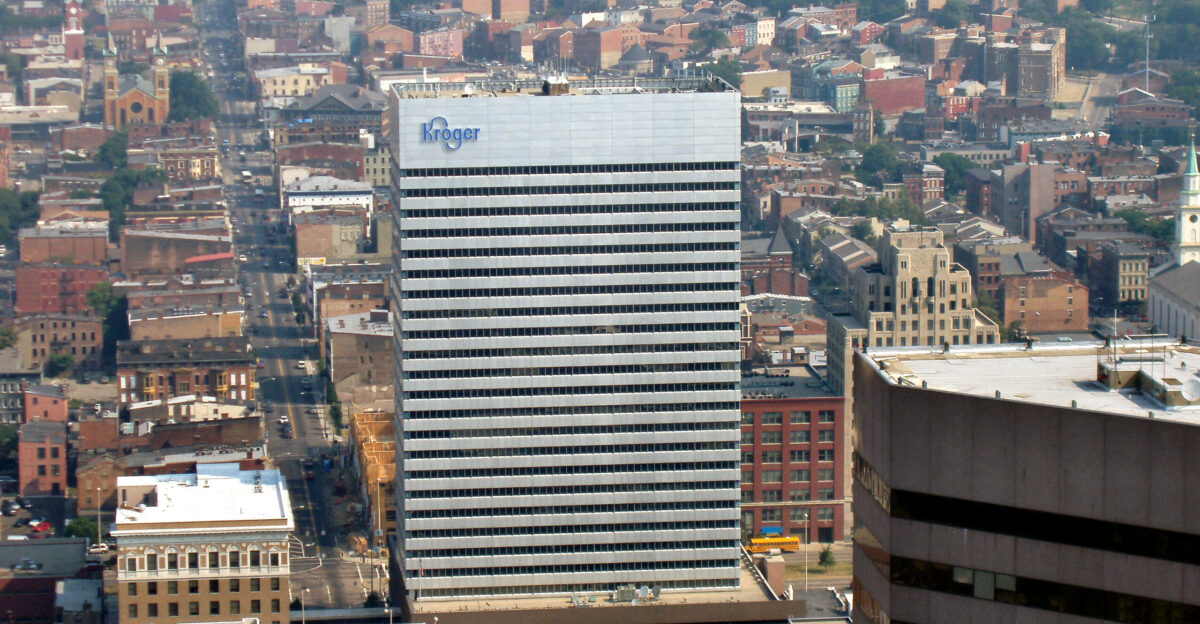
Kroger faces intertwined pressures: rebuilding trust after pricing lapses, defending lawsuits, navigating leadership flux, countering rivals without merger scale, and proving operational fixes. Shareholder dividends and buybacks offer reassurance, but success hinges on execution amid FTC scrutiny and shifting retail dynamics. The outcome will shape grocery competition and consumer protections.
Sources:
“Federal Trade Commission Challenges Kroger’s Acquisition of Albertsons,” Federal Trade Commission Press Release, February 26, 2024.
“Federal Judge Blocks $25 Billion Kroger-Albertsons Merger,” The New York Times, December 10, 2024.
“Kroger Stores Overcharging Shoppers on Sale Items,” Consumer Reports, May 2025.
“Investigation Finds Kroger Overcharging on Sale Items,” USA Today, May 20, 2025.
“Albertsons Files Lawsuit Against Kroger for Breach of Contract,” Albertsons Companies Press Release, December 10, 2024.
“Kroger Reports Third Quarter 2024 Results and Narrows Guidance Range,” Kroger Investor Relations, December 4, 2024.