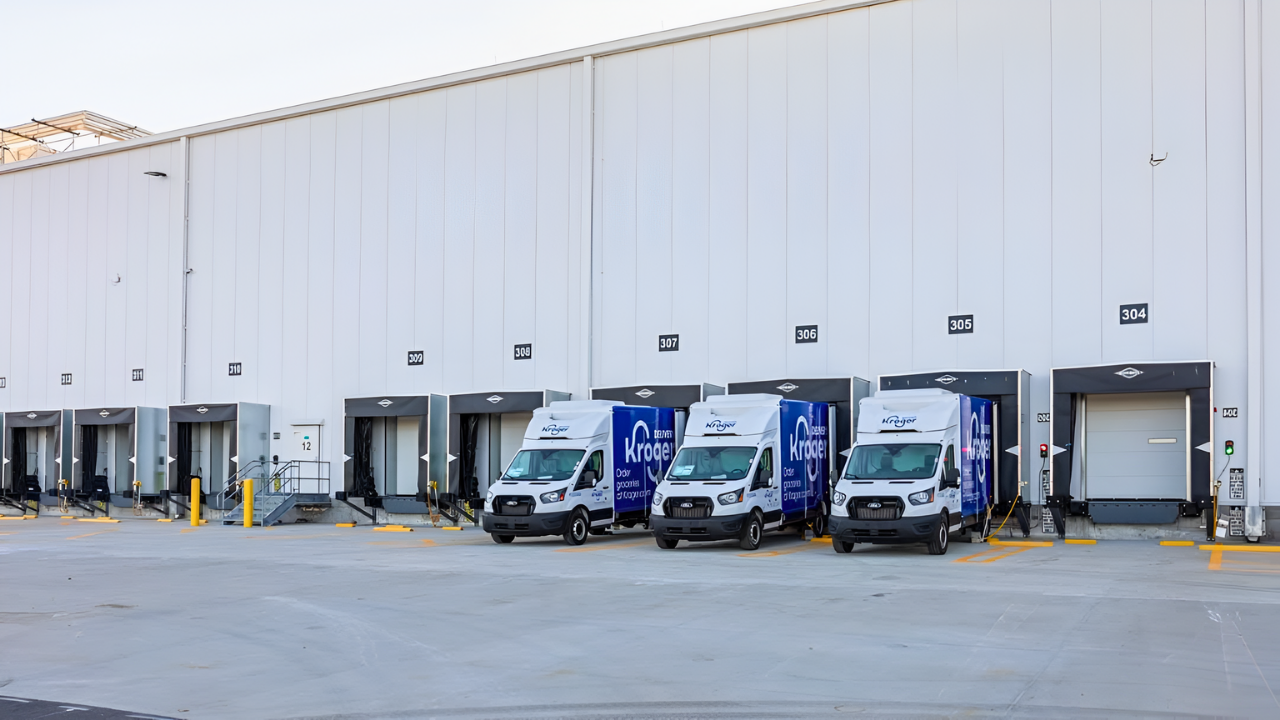
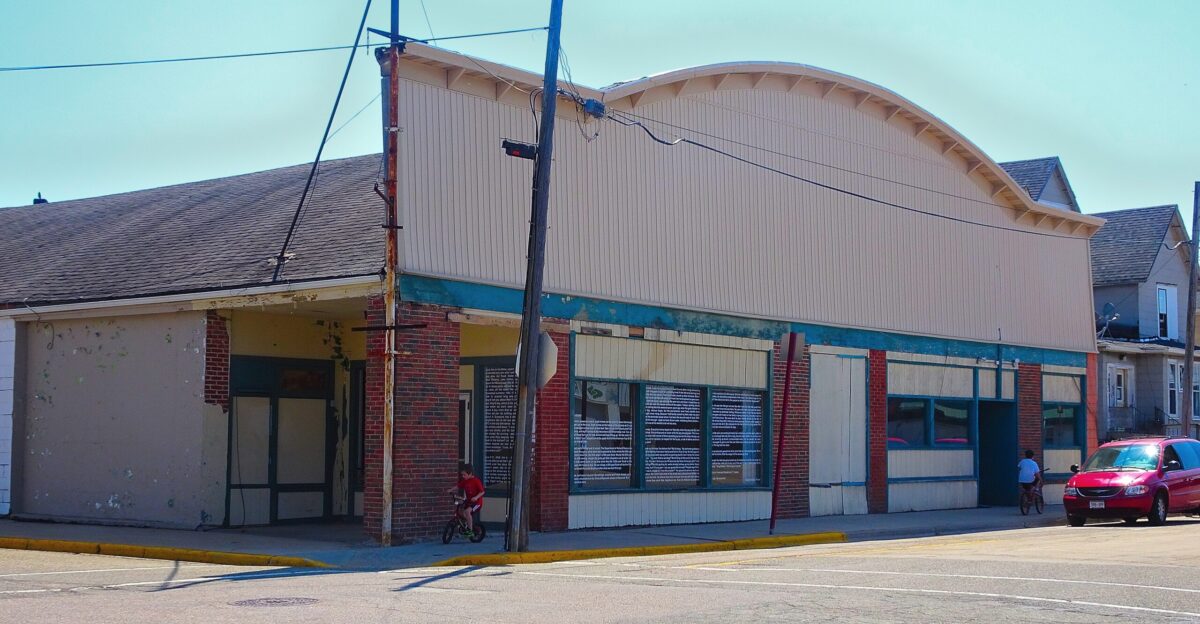
On November 18, 2025, Kroger detonated one of retail’s most audacious technology gambles, announcing it would shutter three gleaming automated fulfillment centers and absorb a staggering $2.6 billion impairment charge in a single quarter. The facilities in Pleasant Prairie, Wisconsin; Frederick, Maryland; and Groveland, Florida—once heralded as the grocery industry’s technological vanguard—would close by January 2026.
But this wasn’t merely a facility closure. It represented a complete abandonment of a seven-year, multi-billion-dollar partnership with UK-based Ocado that was supposed to revolutionize how Americans receive groceries.
The Partnership That Promised Everything
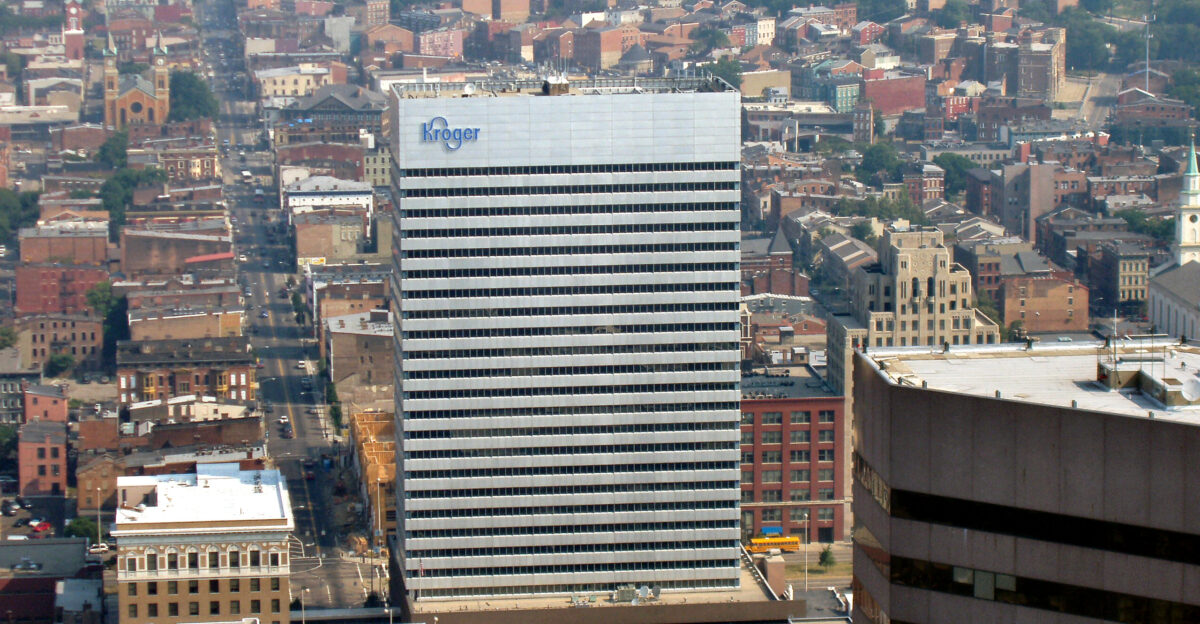
In May 2018, Kroger and Ocado announced an exclusive US collaboration that captivated Wall Street and terrified competitors. The ambitious vision called for building 20 state-of-the-art automated warehouses across America, featuring advanced robotics designed to compete directly with Amazon Fresh and Walmart’s rapid-delivery operations.
Kroger’s then-CEO, Rodney McMullen, proclaimed that they were partnering with “the best in the world” to “redefine the customer experience.” The promise was intoxicating: automated systems processing 500,000 units daily, delivering groceries faster and cheaper than humanly possible.
The Uncomfortable Truth
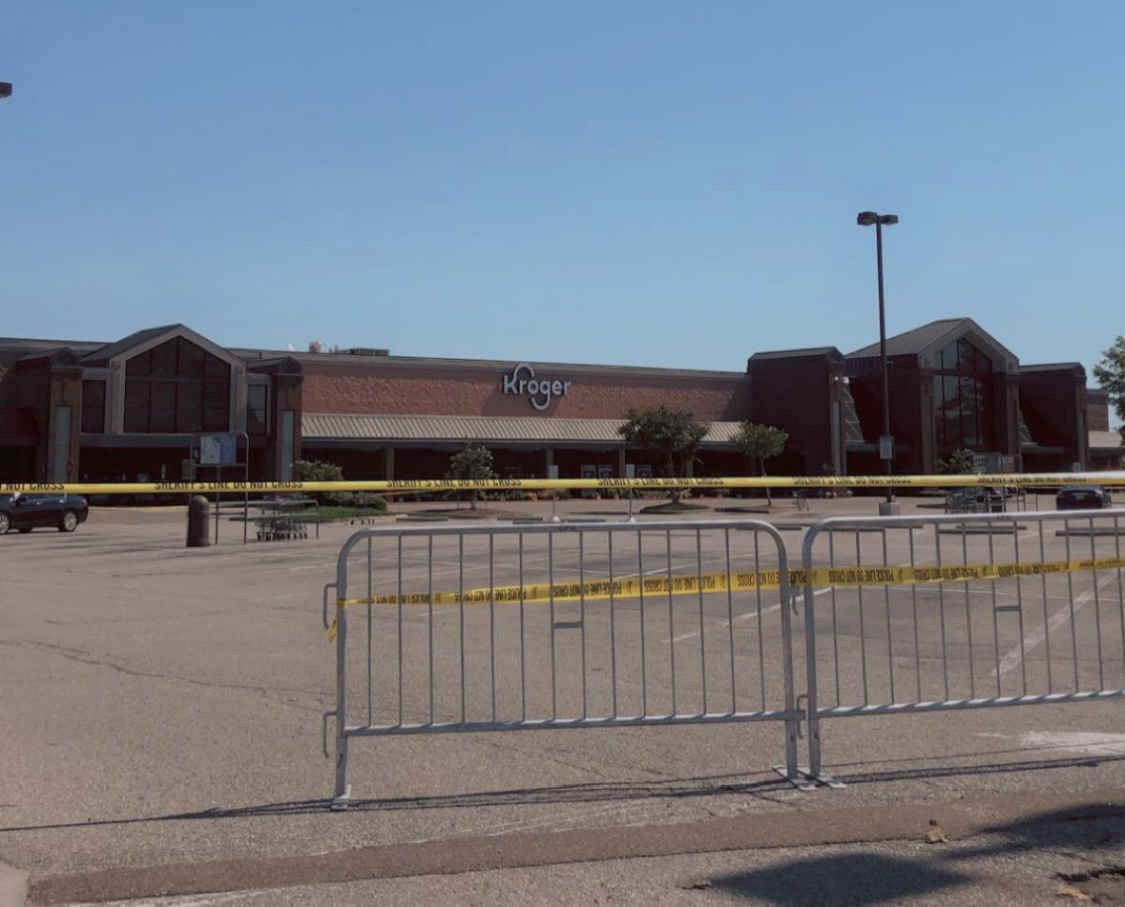
What could have been 20 cutting-edge warehouses never materialized. Only eight customer fulfillment centers (CFCs) were ultimately launched before Kroger’s conviction crumbled. The Pleasant Prairie facility opened in June 2022, Frederick in June 2023, and Groveland in June 2021—each representing massive capital investments with expectations of transforming regional grocery delivery.
Yet by September 2023, warning signs flashed red. Kroger publicly acknowledged it was pausing CFC expansion to evaluate whether existing sites would meet performance benchmarks.
Geographic Mismatch
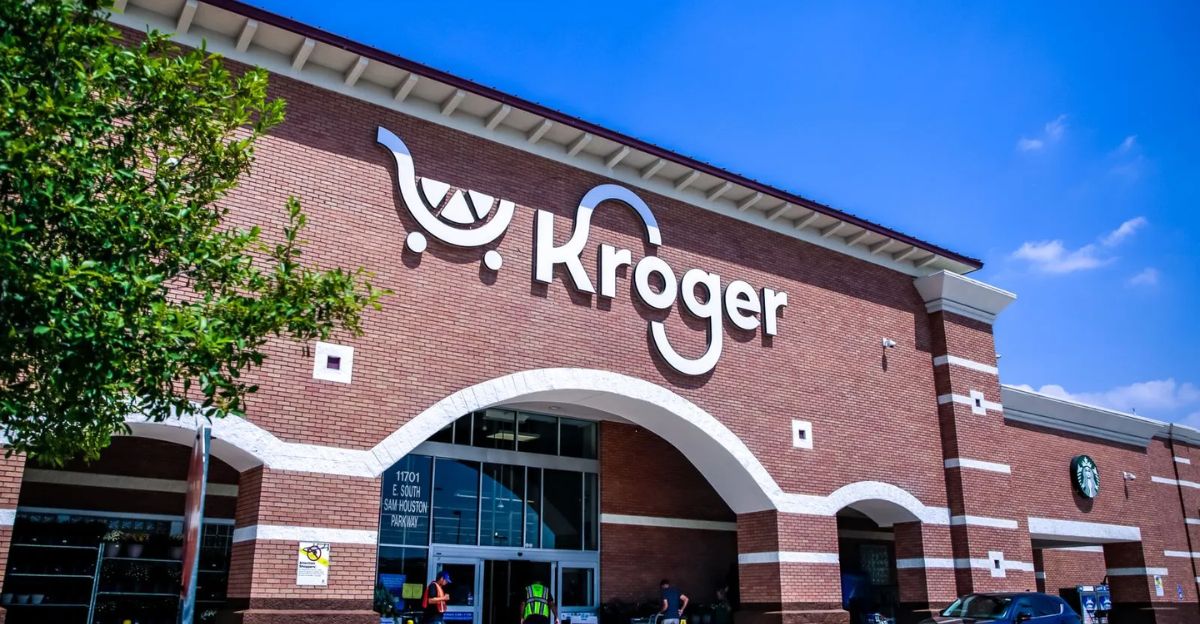
The fundamental problem wasn’t the robots themselves—it was where Kroger built them. The company located these multi-million-dollar automated centers in areas that lacked sufficient Kroger store presence or population density to justify the massive fixed costs.
Ken Fenyo, a former Kroger executive who now advises retailers at Pine Street Advisors, crystallized the problem: “You didn’t have enough people ordering, and you had a fair amount of distance to drive to get the orders to them.”
The Speed Revolution Left Automation Behind
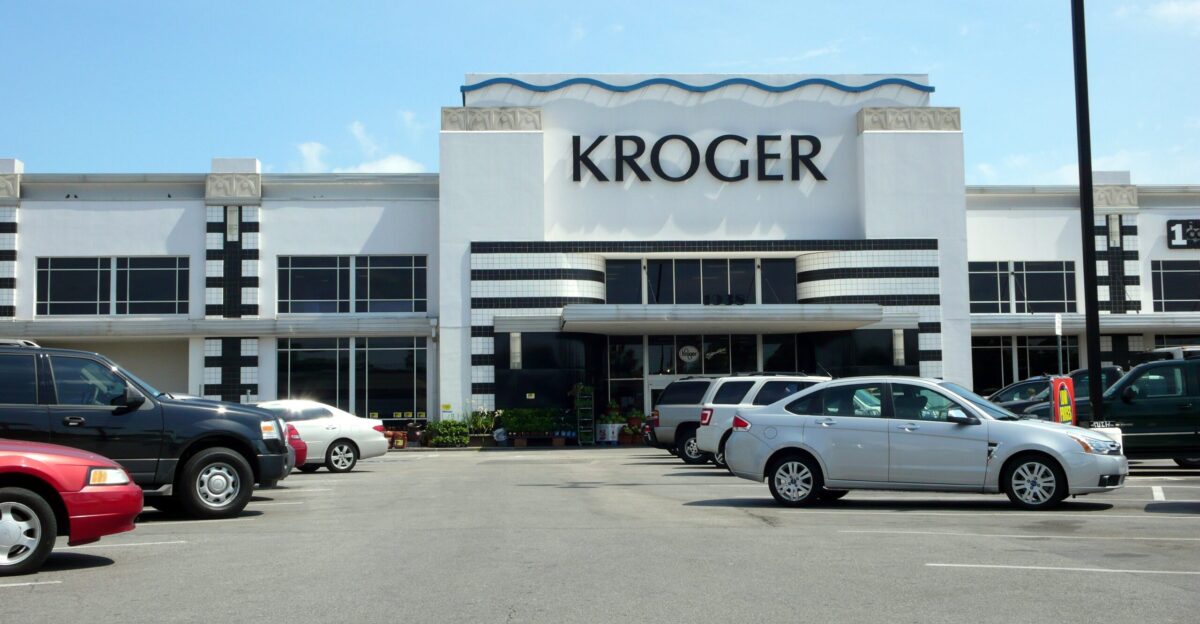
Between 2018 and 2024, consumer expectations underwent a significant transformation. Sixty-four percent of shoppers now demand grocery delivery within 24 hours, while 40 percent expect delivery windows of two hours or less. Kroger’s centralized warehouses—however technologically sophisticated—couldn’t match the rapid delivery competitors achieved by fulfilling orders directly from existing store locations.
Target demonstrated the store-based advantage by fulfilling 80 percent of online orders from its physical stores with 90 percent lower same-day delivery costs.
The $350 Million Exit Fee
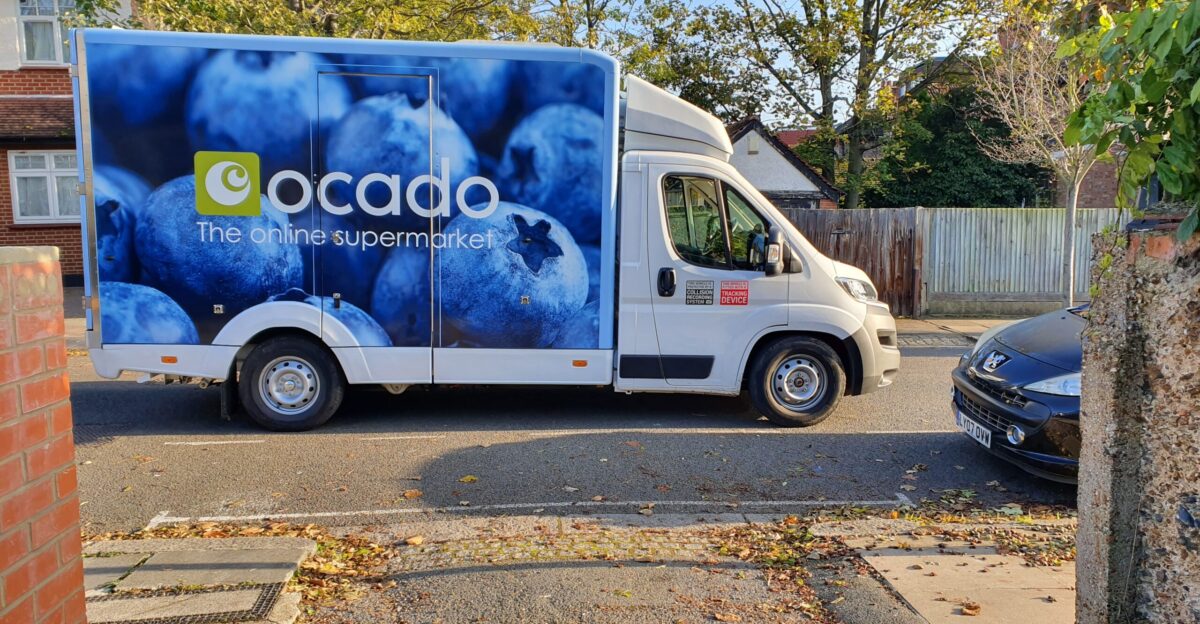
Adding insult to a $2.6 billion impairment, Kroger agreed to pay Ocado more than $350 million as compensation for closing the three facilities and canceling planned sites. The payment—expected in January 2026—represented the cost of extracting itself from a partnership that had become financially toxic.
Ocado characterized this as compensation for “fees related to the early closure,” though it would reduce the UK company’s annual fee revenue by approximately $50 million going forward.
Employment Devastation Across Multiple Locations

Over 1,000 workers lost their jobs due to the three main fulfillment center closures, with an additional 132 employees affected when Kroger shuttered the Nashville spoke facility that worked in tandem with the automated network.
These weren’t abstract corporate cuts. They represented real workers in Wisconsin, Maryland, and Florida whose jobs had depended on this failed experiment in technological transformation.
Ron Sargent’s Pragmatic Pivot: From McMullen’s Vision to Store Reality
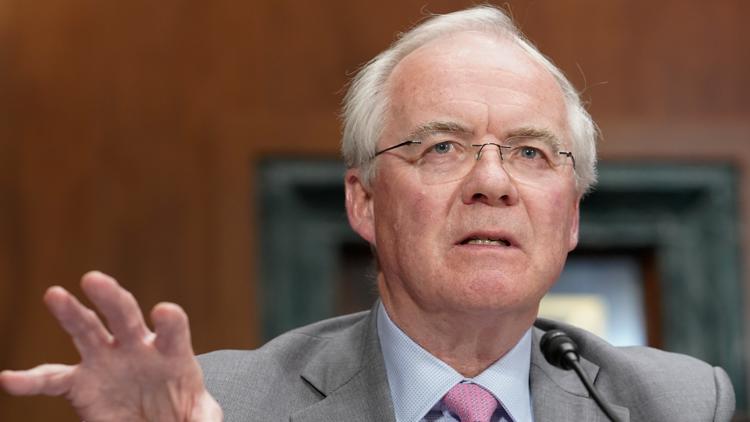
When Ron Sargent assumed the interim CEO role in March 2024, following Rodney McMullen’s departure after an ethics investigation, he brought a fundamentally different perspective.
Sargent’s retail career began in 1974 as a Kroger grocery store employee in Kentucky, instilling him with the conviction that proximity to customers mattered more than technological sophistication. In September 2024, Sargent promised shareholders a “full site-by-site analysis” of the Ocado network, signaling serious doubts about its viability.
The Profitability Paradox: Closures Actually Improve Earnings
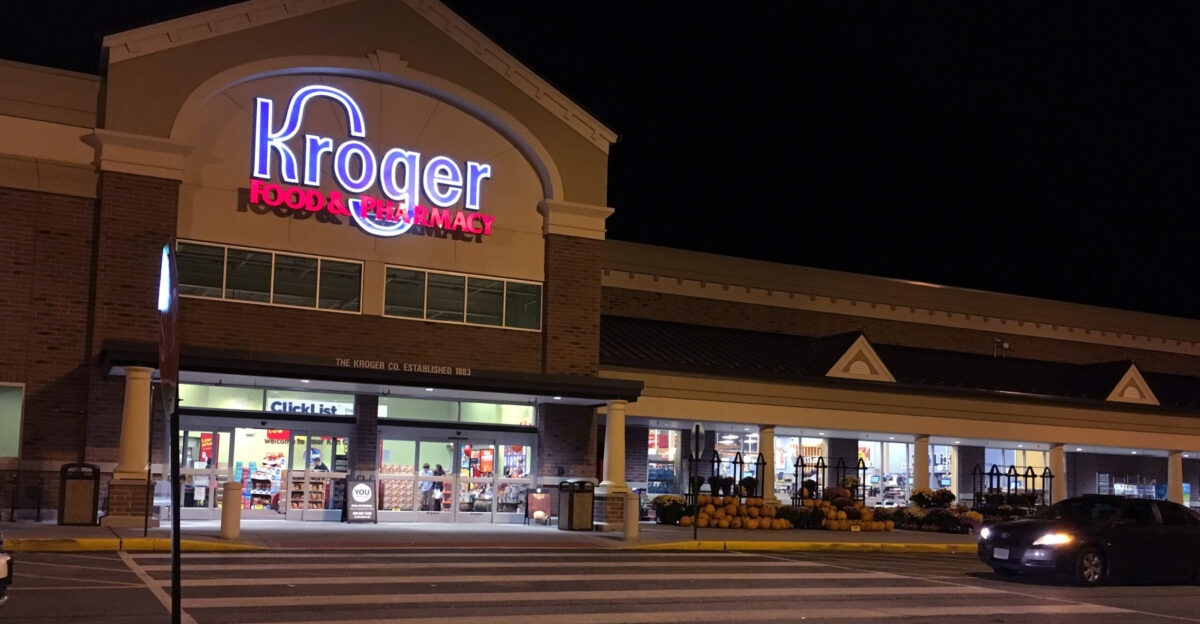
Here’s the painful irony that exposed the entire enterprise as fundamentally broken: Kroger expects the fulfillment center closures to improve e-commerce operating profit by approximately $400 million in 2026.
These facilities weren’t profit centers—they were profit destroyers. Their closure, despite the massive impairment charge, made financial sense. This reality vindicated critics who warned that the model couldn’t achieve profitability at scale.
The Strategic Reversal: Back to 2,700 Stores That Actually Work
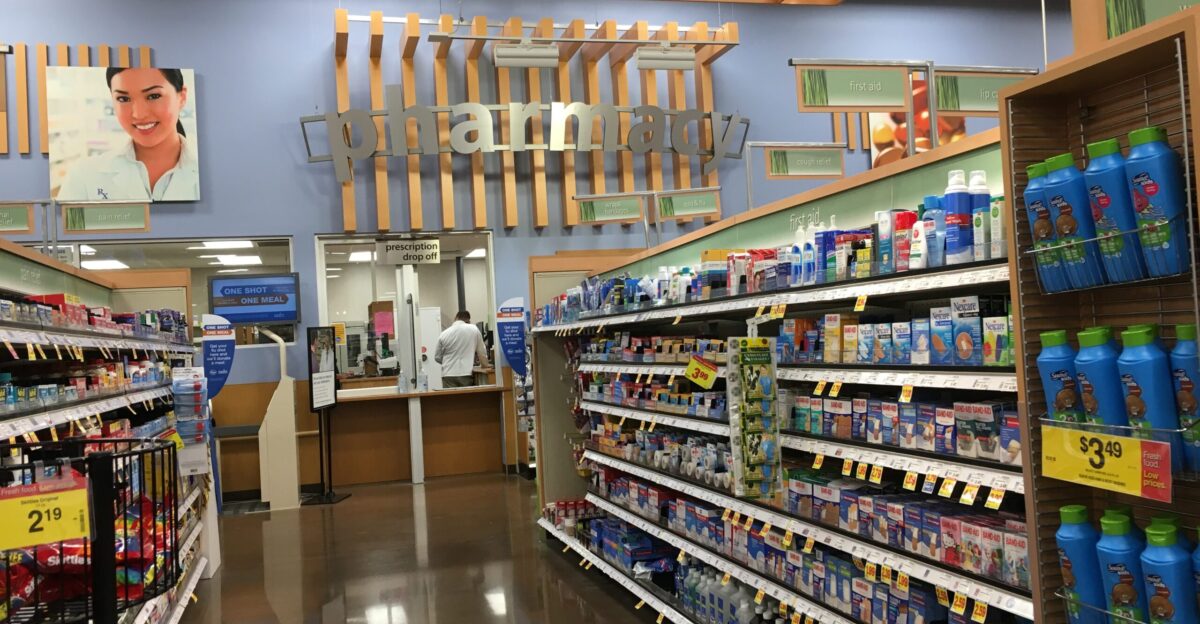
Kroger’s pivot emphasized leveraging its 2,700-plus grocery stores for order fulfillment—a radical shift acknowledging what should have been obvious: stores sit closer to customers, enabling faster and cheaper delivery while requiring minimal additional capital investment compared to building dedicated warehouses.
Interim CEO Sargent explained the logic plainly: Kroger could reach “new customer segments and expand rapid delivery capabilities without significant capital investments” by simply fulfilling orders from existing locations.
Third-Party Partnerships Replace the Automation Dream
Rather than building proprietary fulfillment infrastructure, Kroger dramatically expanded relationships with delivery platforms customers already trusted. Instacart became the “primary delivery fulfillment partner” across Kroger’s app and website. DoorDash expanded to 2,600-plus Kroger locations by September 2024.
Uber Eats Marketplace integration launched in early 2026. These partnerships enabled delivery in as little as 30 minutes—directly addressing the speed deficiency that plagued centralized automation.
Lessons From the Ashes
Kroger hasn’t entirely abandoned automation technology, but it is now piloting “capital-light, store-based automation in high-volume markets.”
Micro-fulfillment centers (MFCs) that automate order picking within existing grocery stores represent this evolution, learning from Walmart’s success in using in-store robotic systems that achieve picking speeds five times faster than manual methods while maintaining proximity to customers.
Ocado’s Stock Collapse
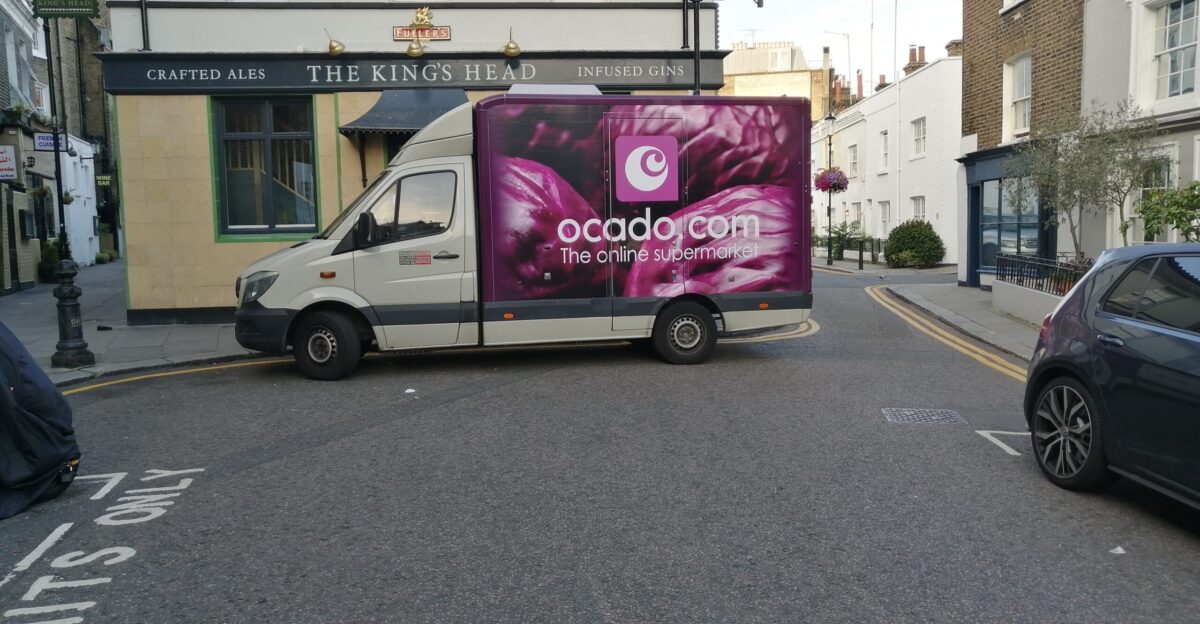
Ocado’s share price plummeted 17.4 percent on November 18, 2025, when Kroger announced the closures; however, the more serious damage had already been catastrophic.
The UK company’s stock has fallen over 90 percent from its September 2020 peak, trading at levels last seen when Ocado went public 15 years ago. Kroger represented Ocado’s flagship US partnership and served as its primary endorsement of warehouse automation technology globally.
The Broader Market Speaks: Store-Based Fulfillment Is Winning
Data across the industry validated Kroger’s new direction decisively. Target reported a 40% reduction in overall fulfillment costs by shifting to store-based order completion, with same-day costs dropping by 90%.
Store-based models achieve 60–80% shorter delivery distances and 30–50% lower last-mile costs compared to centralized fulfillment. Retailers increasingly recognized that geographical proximity to customers mattered more than warehouse sophistication.
Why Automation Couldn’t Win
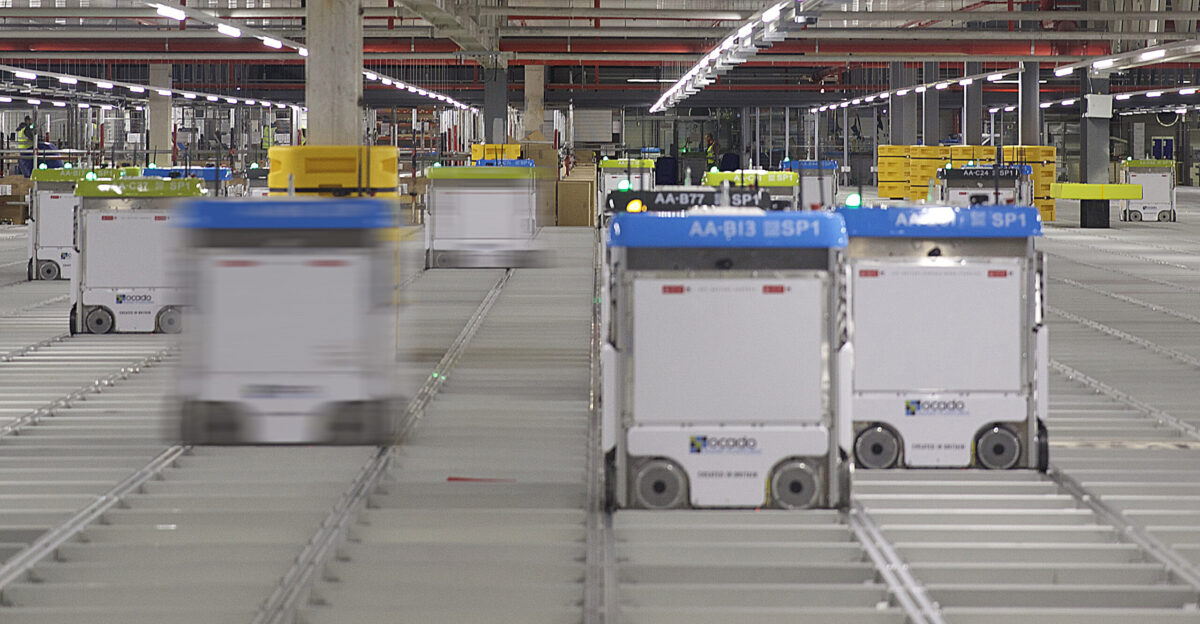
Industry analysts pinpointed multiple strategic failures. Brittain Ladd, a former Amazon supply chain executive who had recommended Kroger partner with Ocado, later acknowledged the geographic miscalculation: “Only open CFCs in locations with maximum order volume and density.”
This advice, largely ignored by Kroger, became prophecy. Technology couldn’t compensate for fundamental flaws in location selection, demand forecasting, and network architecture.
Five Facilities Remain
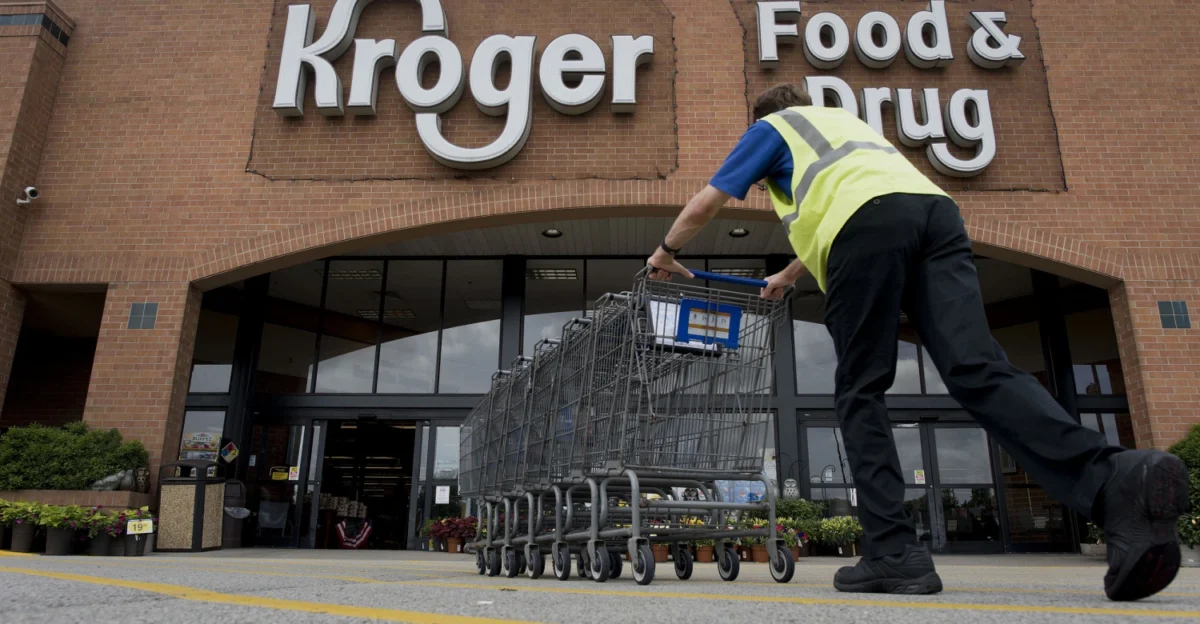
Kroger isn’t eliminating automation entirely. Five operational CFCs continue serving customers in Ohio, Texas, Colorado, Georgia, and Michigan. A Phoenix facility incorporating Ocado’s new “AutoFreezer” technology is scheduled to open in 2026.
This nuanced approach suggests that Kroger views selective automation in genuinely high-density markets as viable when complemented by store-based fulfillment, rather than as a wholesale replacement.
Ocado’s Desperation Pivot
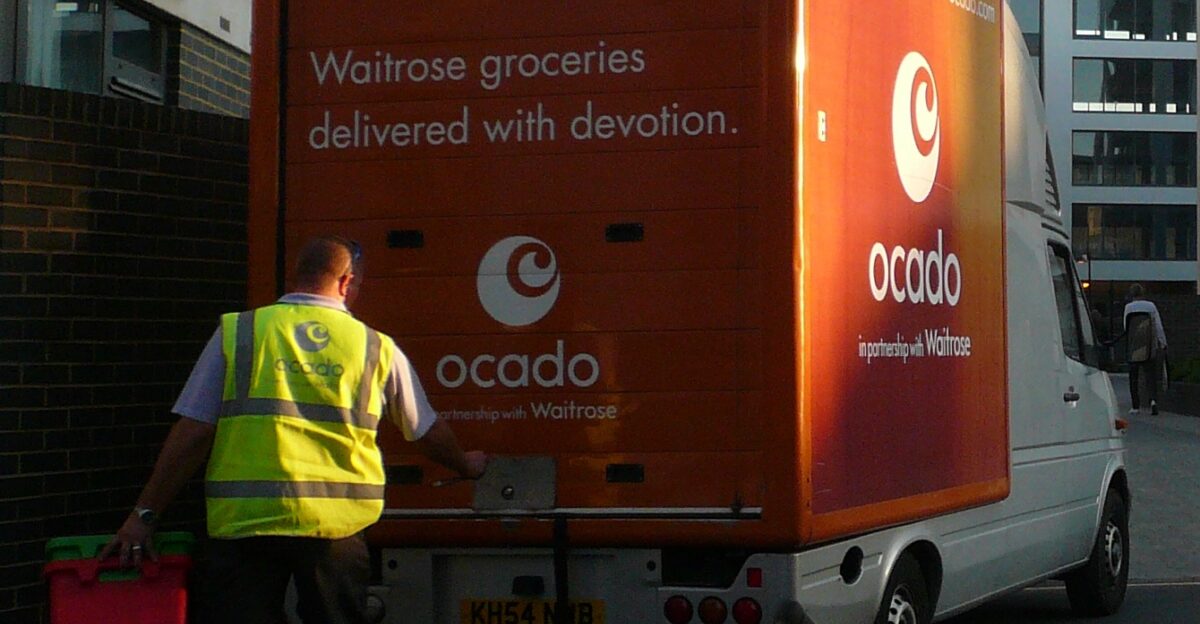
As the Kroger relationship collapsed, Ocado announced aggressive cost-cutting measures, attempting to salvage credibility with shell-shocked investors. The company reduced research and development spending and streamlined its workforce across eight global R&D sites, with nearly half located in the UK.
Ocado’s full-year 2024 results revealed narrower pre-tax losses of £374.5 million, but forecasts for slower growth in technology solutions in 2025 deepened investor skepticism about the long-term viability.
Can Ocado Recover?
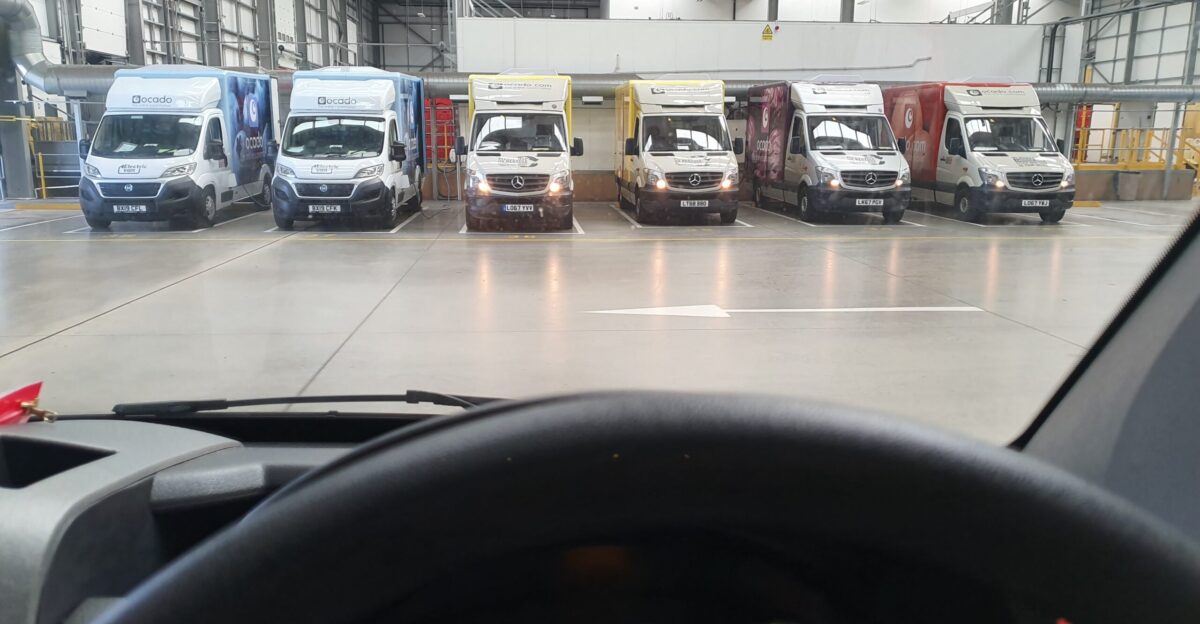
Industry analysts doubt Ocado can secure significant new US partnerships after the Kroger collaboration’s visible struggles. The company maintains its target of achieving positive cash flow by fiscal year 2026, though this timeline now appears increasingly optimistic.
With revenues growing slower than previously projected and the largest US partnership crumbling, Ocado faces existential questions about whether its capital-intensive automation model can ever achieve the profitability that Wall Street demands.
What Kroger’s Failure Reveals About Grocery E-Commerce
The broader lesson extends far beyond Kroger and Ocado. In 2024, e-commerce accounted for roughly 8–9 percent of grocery sales, falling short of expectations established during the pandemic, when digital channels suddenly represented 10–12 percent of the market.
The industry had fundamentally overestimated demand for premium fulfillment infrastructure and underestimated consumers’ contentment with rapid delivery from existing stores.
The New Hybrid Reality

CEO Ron Sargent characterizes Kroger’s future path as a “flexible, hybrid network balancing an expanded store footprint, third-party delivery, and selective automation.”
This pragmatic middle ground acknowledges that complete automation failure doesn’t require abandoning all technological advancements—rather, deploying them selectively and strategically where genuine opportunities exist. For an industry that once believed robots would replace stores, this represents a humbling recalibration toward market realities.
Sources:
Kroger Q3 2025 Earnings Announcement and Strategic Update; Supply Chain Dive reporting (November 2025)
Reuters Retail and Consumer Business Reporting; Ocado Group Partnership Update (December 2025)
Grocery Dive Industry Analysis; McKinsey Center for Future Fulfillment Research
Target and Walmart E-Commerce Fulfillment Case Studies (2024–2025)
Ocado Group Full-Year Results 2024; Financial market reports on Ocado stock performance decline