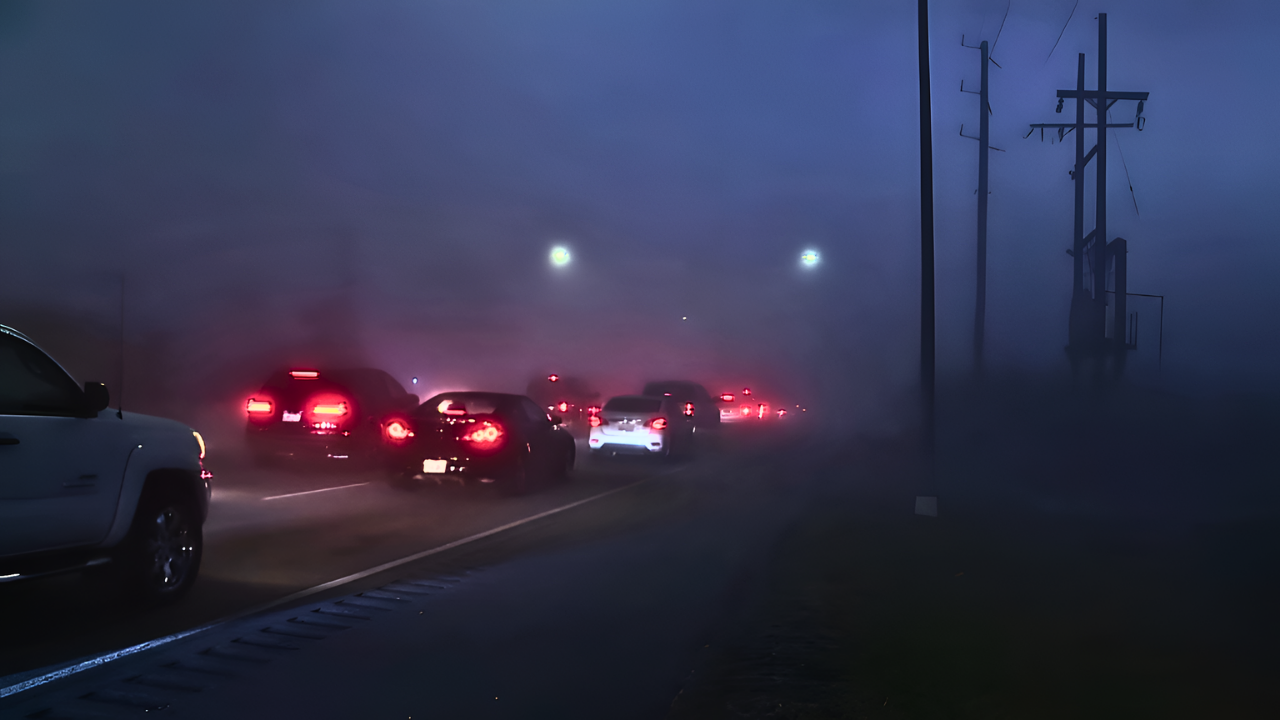
For weeks, California’s Central Valley found itself enveloped in an unyielding fog. This phenomenon, spanning over 400 miles from north to south, transformed highways into slow-moving corridors, with drivers navigating at a mere 15 miles per hour. Schools were forced to delay classes, adding hours to their routines.
Farmers experienced anxiety as they watched their crops shrouded in an unseen veil of smoke. Satellite images from NASA documented this extraordinary meteorological event, marking it as one of the most persistent fog episodes in recorded history. As residents adjusted to life beneath the dense layer, they began to realize the far-reaching impacts on their daily existence.
The Scale Unfolds
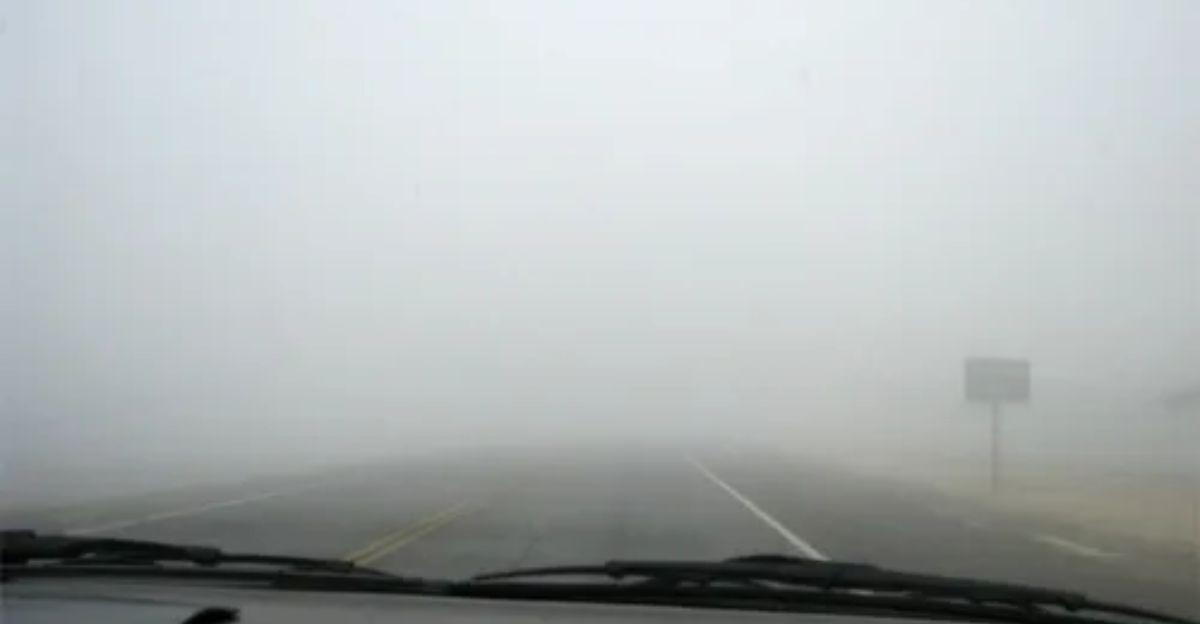
This was no ordinary winter fog. Across California’s agricultural heartland, over 20 counties, from Redding in Shasta County to Bakersfield in Kern County, experienced this phenomenon, which lasted more than three consecutive weeks. Visibility diminished drastically, dropping to a mere quarter of a mile in some locations.
Meteorologists characterized this event as one of the most prolonged and intense fog occurrences in recent memory. The scale of the fog’s impact extended well beyond the immediate visual obstruction, affecting transportation, agriculture, and public health across a broad region. Residents grappled with the daily challenges of living under such conditions while experts continued to study the implications.
What is Tule Fog?
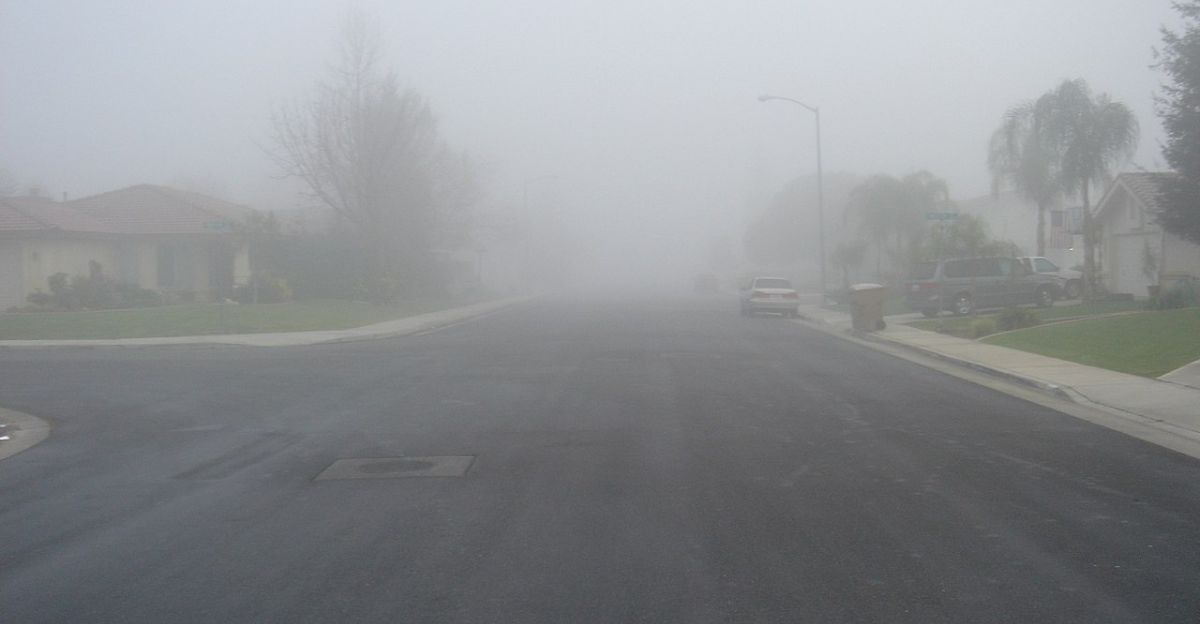
Tule fog, a local term for radiation fog, derives its name from the Tule elk and the vegetation of California’s marshes. This specific type of fog forms under unique meteorological conditions, including cool nights and moist ground. High humidity causes water vapor near the surface to condense rapidly into dense clouds that linger close to the ground.
These clouds often remain stubbornly in place until there is enough atmospheric mixing to disperse them. Understanding this phenomenon is crucial, as it provides insight into the mechanics behind why the fog can dominate the Central Valley and impact the lives of millions during the winter months.
The Perfect Storm Builds
The stage for this unique fog was set by a combination of record autumn rainfall and a stubborn high-pressure system that settled over California in late November. During the crucial September-November period of 2024, the state recorded precipitation levels among the top 10 percent historically. This moisture became trapped in the valley, creating optimal conditions for fog formation.
As the high pressure refused to budge, residents were left wondering when relief would arrive. Meteorologists closely monitored the situation, noting the unusual persistence of these weather patterns and their potential impacts on the region’s climate in the weeks and months to come.
The Event: November 22 Onset
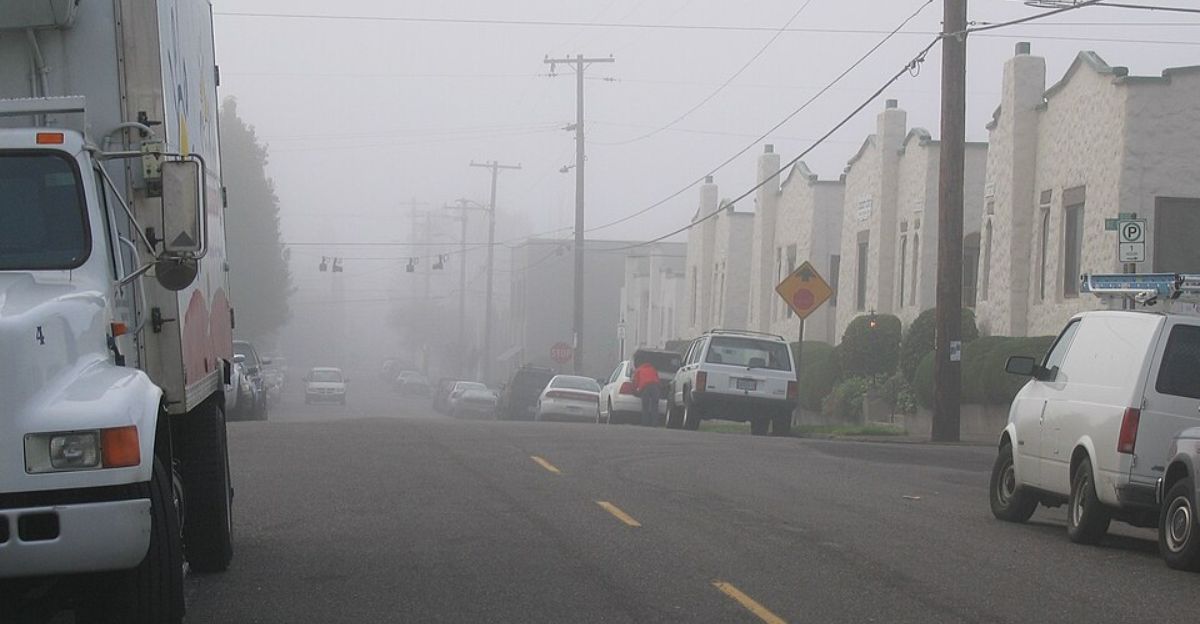
The onset of this relentless fog event commenced on November 22, 2024, when dense fog began to blanket the region. The National Weather Service issued multiple dense fog advisories almost daily, highlighting the severity of the situation through mid-December.
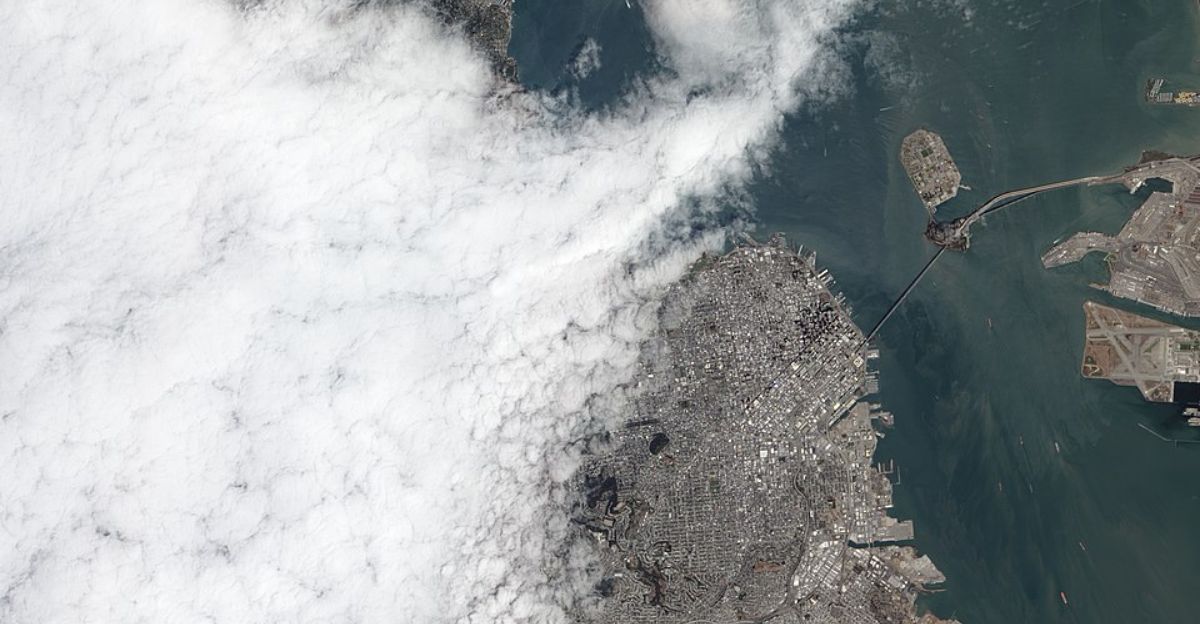
By December 2nd, satellite imagery confirmed that a contiguous fog layer stretched across the entire Central Valley, a phenomenon observable from space. The sheer scale of this event had never been witnessed in such a duration, prompting public interest and concern. Each passing day only intensified debates about its impacts on local communities, agriculture, and daily life.
Visibility Crisis on Highways
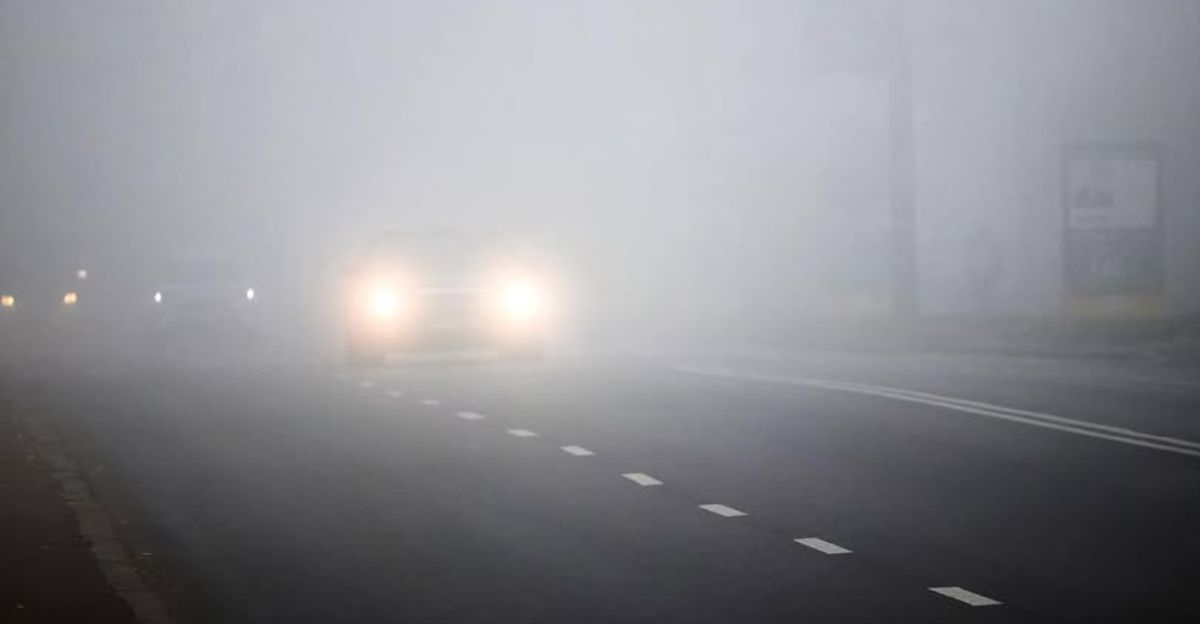
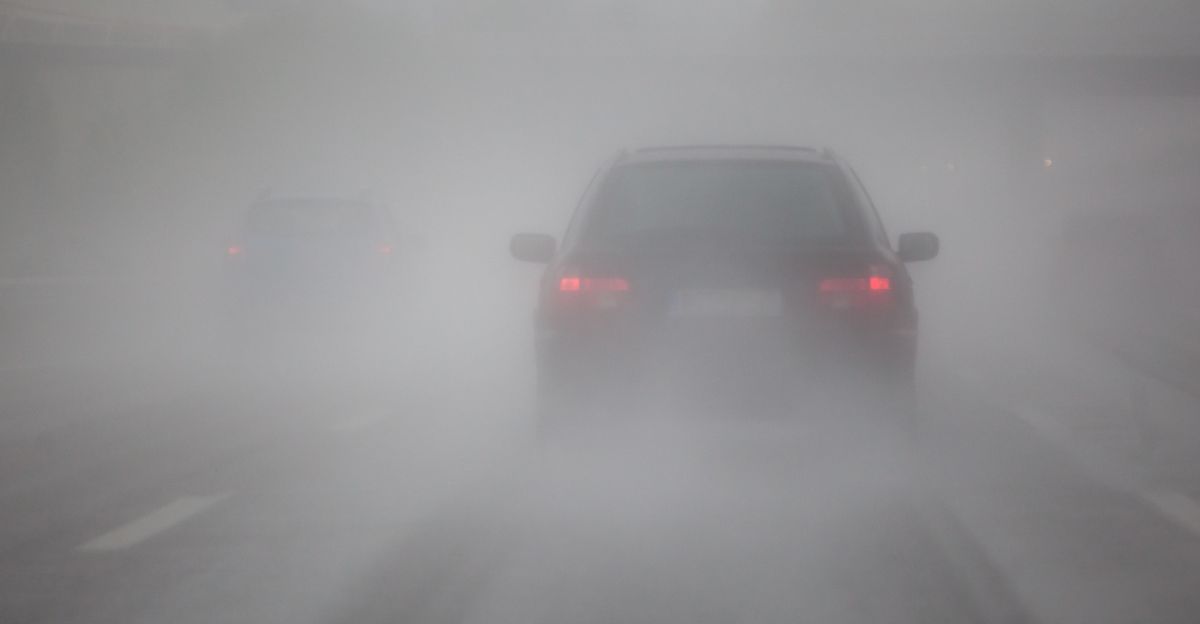
Drivers in California faced increasingly hazardous conditions on major thoroughfares, such as Interstate 5 and Highway 99, the valley’s vital corridors. Visibility plummeted to less than 100 meters, roughly the length of a football field. This alarming reduction in sight distance led to a substantial rise in accidents, spurring warnings from the California Highway Patrol about highway travel during peak fog hours, chiefly early mornings.
Commuters shared their frustrations, recounting harrowing experiences navigating the obscured roads. As tension mounted, the community sought solutions to enhance safety and maintain essential transportation in the face of challenging circumstances.
A Mayor’s Stark Assessment

In an eye-opening interview, Merced Mayor Matthew Serratto candidly expressed the challenges facing his community amidst the relentless fog. “We’re all used to the fog; tule fog is a big part of winter in the Central Valley,” Serratto noted. “But this has just been a thick layer that hasn’t lifted.
It’s been extraordinary.” His words captured the confusion and frustration felt by many residents, who were seeking normalcy in a situation where the familiar had become extraordinary. Local leadership responded by strategizing ways to address the ongoing crisis, reinforcing the need for adaptability in a rapidly changing environment.
Health and Respiratory Risks
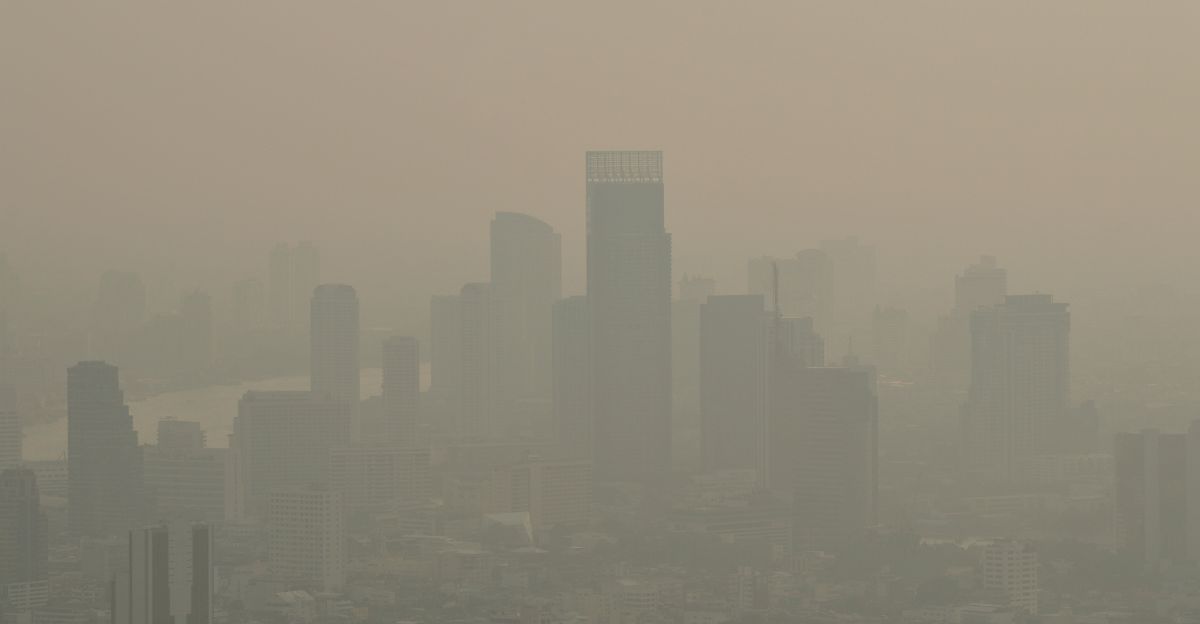
As the stagnant air remained trapped beneath the dense fog layer, pollutants accumulated, creating serious health risks for residents. Reports of respiratory irritation, coughing, and worsened asthma symptoms began to surface, alarming health officials. Agencies issued health advisories targeting vulnerable populations, including children, older people, and individuals with pre-existing respiratory conditions.
The community’s health was jeopardized amid a phenomenon that, while natural, had become an environmental hazard. Residents took precautions in their daily lives, adopting measures to mitigate exposure. At the same time, public health experts guided them on how to navigate the complexities of air quality during this unprecedented event.
Temperature Collapse

The persistent fog had another unexpected effect: it blocked solar radiation, resulting in significant temperature drops across the region. In December, parts of the Central Valley recorded temperatures that were 10 degrees Fahrenheit below average, generating concerns about the agricultural implications.
Meteorologists warned that if the fog continued unabated, it could result in a record-cool December, an unusual occurrence for a period typically associated with mild conditions. Farmers, anxious about the long-term impacts on their crops, began closely monitoring weather forecasts, managing their resources as they faced an uncertain winter ahead.
The Agricultural Paradox
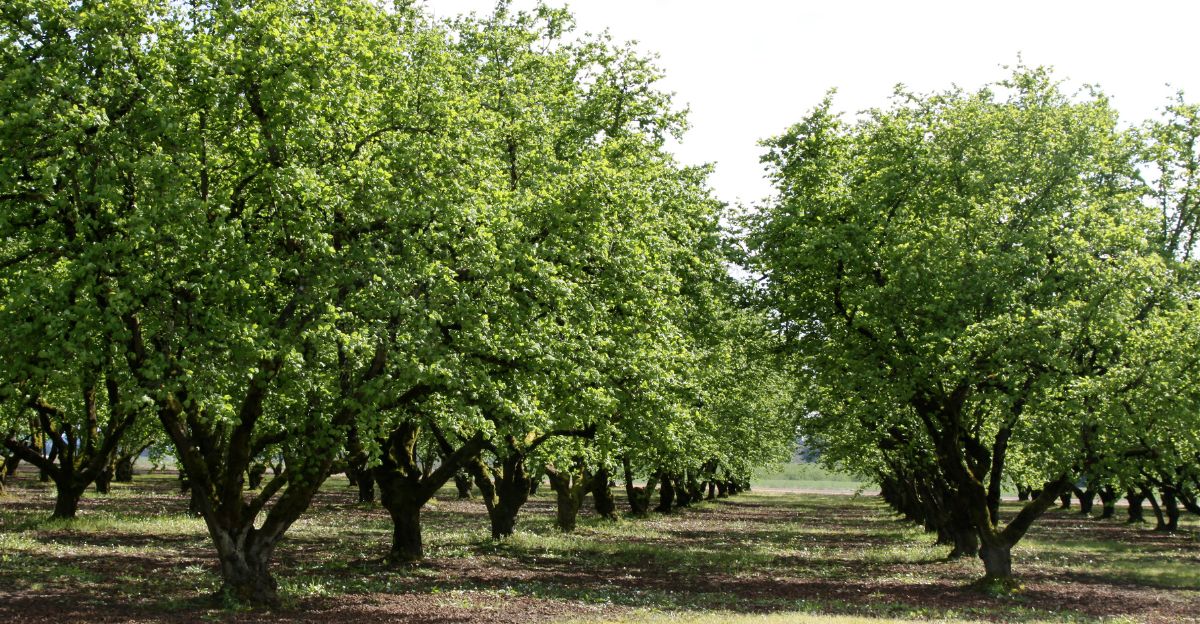
While the thick fog posed considerable hazards to human health and travel, it also offered an unexpected benefit to California’s lucrative fruit and nut industries. These crops rely on winter chill hours and adequate light exposure to ensure safe dormancy throughout the winter. Excessive sunlight can prematurely awaken floral buds, increasing vulnerability to subsequent frost events.
Paradoxically, the protective role played by the fog shielded billions of dollars of agricultural production, creating a complex dilemma for farmers and officials alike. They recognized that even unfavorable weather conditions can yield unforeseen advantages in agriculture, challenging their perceptions of the climate’s role in farming.
The Atmospheric Trap Deepens
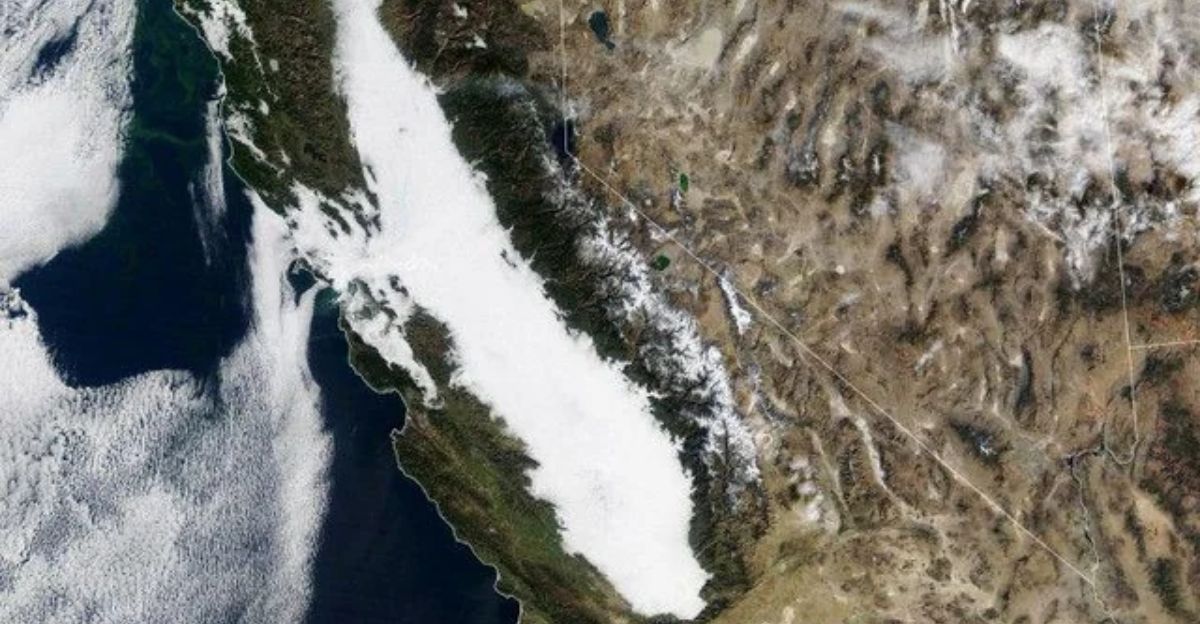
As December unfolded, meteorologists grew increasingly concerned about the high-pressure system trapping the fog, which showed no signs of waning. Computer models predicted a continuation of this trend, resulting in prolonged conditions that impact visibility, health, and agriculture. Communities began to brace themselves for further disruptions as public health advisories continued to mount and transportation challenges persisted.
Residents felt the strain, adapting their routines to cope with the ongoing situation. This atmospheric phenomenon became a case study in the delicate balance between weather and climate, revealing how drastically nature could impact human life in the Central Valley.
Educational Disruptions
Educational institutions across the Central Valley faced unprecedented challenges due to the enduring fog. Many schools reported delays or complete closures as administrators prioritized student safety amidst limited visibility. Reports from the California Department of Education indicated that over 50 districts had to significantly adapt their schedules, creating confusion for parents and students alike.
Teachers responded with creative solutions, incorporating virtual learning where possible. However, the situation tested the resilience of educational systems that had to navigate both health concerns and the challenges presented by the weather, demonstrating the far-reaching impact of the persistent fog on community infrastructure.
Economic Impact
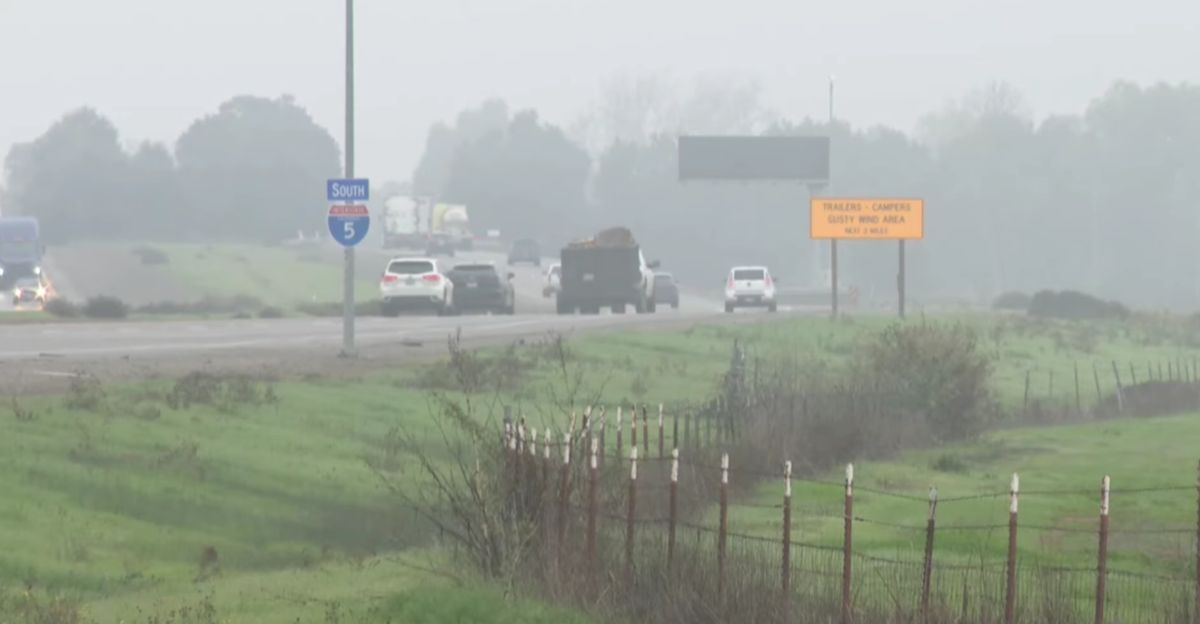
The prolonged fog event also had significant economic ramifications for local businesses. Transportation delays caused by the low visibility led to disruptions in supply chains, with trucks often unable to deliver fresh produce on schedule. Some businesses reported losses as they struggled to keep perishable goods from spoiling.
Local economies, heavily reliant on agriculture and tourism, felt the pinch as fog obscured attractions and restricted mobility. Residents and officials discussed ways to support affected businesses, emphasizing community solidarity during a challenging time while advocating for adaptive strategies to mitigate future weather-related events.
Collaborative Community Efforts

Faced with the persistent challenges posed by the fog, numerous community organizations sprang into action. Local leaders organized forums to discuss the impact, inviting experts to provide insights on health, safety, and environmental concerns. Community engagement became crucial in navigating the disruption.
Programs were launched to disseminate information about safety precautions and respiratory health, while partnerships among businesses emerged to help support one another. Residents actively contributed ideas to bolster community resilience, highlighting the importance of collaboration in overcoming adversity fueled by natural events. The spirit of unity shone through as communities banded together to tackle the fog’s effects.
Long-Term Environmental Considerations
As scientists studied the fog’s impacts, discussions began to focus on long-term environmental considerations. While the recent event temporarily highlighted the protective aspects of Tule fog, attention turned to broader climate patterns. Experts raised alarms about how climate change might alter future fog occurrences, as rising temperatures could threaten vital winter chill hours crucial for crops.
The dialogue encouraged community members to consider their environmental footprints and the role of sustainable agriculture. Stakeholders advocated for increased awareness of climate change impacts, fostering a propensity for proactive solutions to safeguard both agricultural output and public health in a changing climate.
The Continuing Mystery of Tule Fog
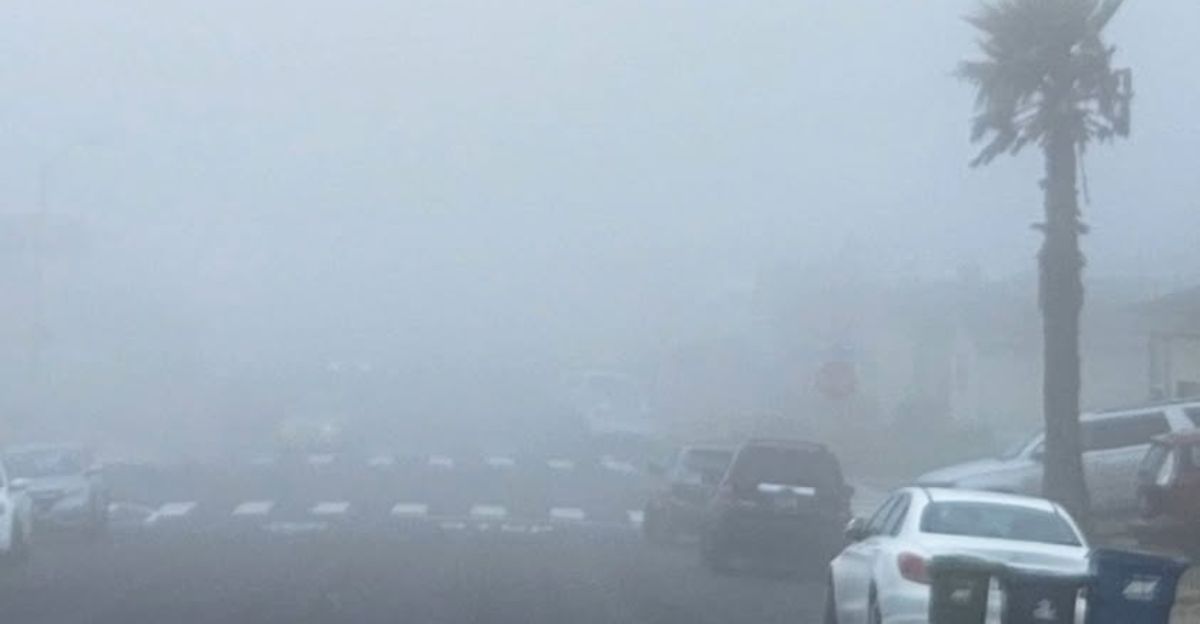
As residents of the Central Valley continued coping with the fog, a renewed interest in understanding Tule fog emerged within the scientific community. Researchers began collecting data to study the long-term trends of fog events and their implications on local ecosystems. Exploring the factors that influence Tule fog formation could help elucidate why such occurrences vary from year to year.
Community residents were encouraged to participate, contributing local observations to help build a more comprehensive database. The region’s iconic fog, once a seasonal inconvenience, has taken on renewed significance as a subject for scientific inquiry and public interest, representing the evolving relationship between people and the weather.
Emerging Technologies in Fog Forecasting

Advancements in technology also played a role in addressing the challenges posed by the fog. Meteorologists utilized sophisticated predictive models and satellite imagery to refine forecasts and deliver real-time updates on conditions. Innovations, such as drones equipped with sensors, were explored as potential tools to assess visibility and air quality from the ground up.
Meanwhile, local governments considered investing in technology to enhance road safety during foggy conditions. These initiatives demonstrated promise in using technology to establish a connection between weather events and public safety, ultimately leading to improved outcomes for Central Valley residents.
Narratives of Resilience

Throughout the fog ordeal, personal stories underscored the resilience of Central Valley residents. Farmers shared tales of navigating the challenges while maintaining their crops, demonstrating unwavering dedication to their livelihoods. Families recounted moments spent together at home during school closures, reinforcing bonds amid the unusual circumstances.
Community members engaged in discussions about coping strategies, ranging from health precautions to finding joy during challenging times, revealing their collective adaptability. The myriad narratives individuals shared painted a picture of perseverance, shining light on the human spirit’s strength in the face of adversity brought on by natural events.
Looking Ahead: Climate Adaptation Strategies
Moving forward, experts emphasized the importance of adaptation strategies to face future weather-related challenges. Community stakeholders began formulating plans for enhanced infrastructure, including improved drainage systems and public health initiatives to address air quality concerns. Educational programs focusing on climate change and fog mitigation tactics were initiated in local schools, ensuring that future generations were equipped with the necessary knowledge.
By diversifying crops and employing sustainable practices, farmers aimed to bolster resilience against unpredictable weather. The interplay between science, community action, and education showcased the forward-thinking mindset necessary to navigate a changing climate and its potential impacts on residents.
A Community’s Lessons Learned
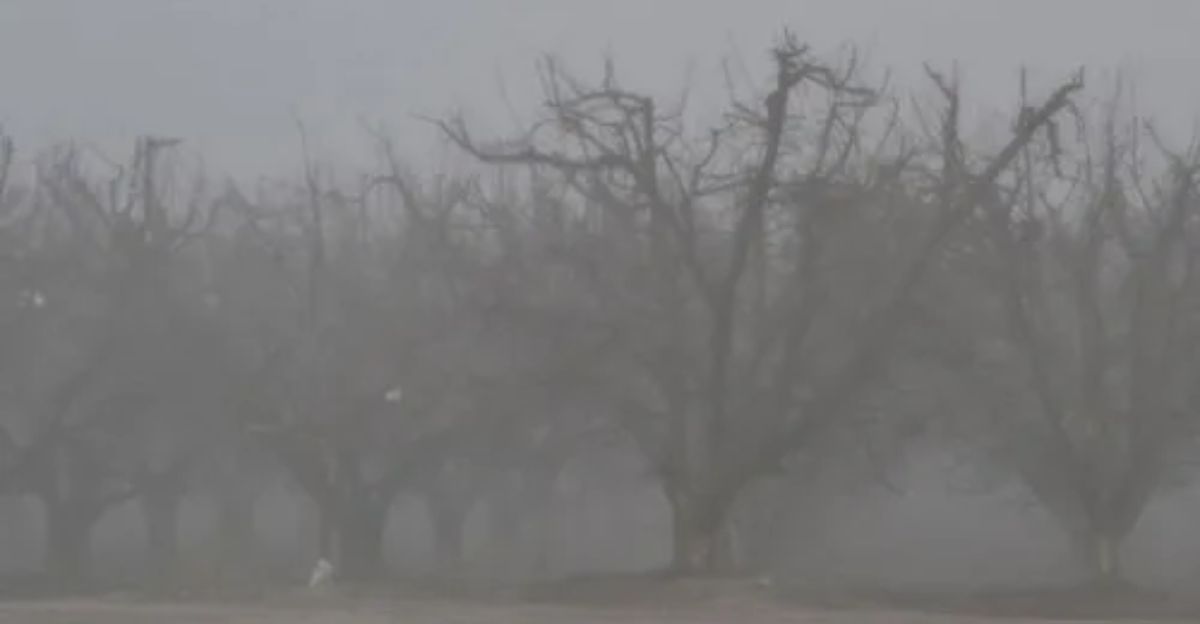
In conclusion, California’s extraordinary Tule fog event served as a vital case study in resilience, adaptability, and community engagement. As Central Valley residents learned to navigate the challenges posed by the persistent fog, they also gained insights into the broader implications of weather patterns and climate change.
The event fostered greater awareness of public health and safety, while inspiring a collaborative approach to problem-solving in the face of adversity. By drawing from direct experiences, discussions, and scientific insights, the community emerged with valuable lessons that would inform future responses to similar events, ultimately strengthening their bonds and commitment to collective improvement.
SOURCES:
NASA Earth Observatory – An Unrelenting Tule Fog
National Weather Service Hanford – December 2024 Monthly Summary
LA Times – Stubborn Clouds Over Central California May Bring Record Cool December
Weather.com – California Tule Fog Layer Persists for Three Weeks
The-Express – California’s 400-Mile Radiation Fog Creates Danger for Drivers
California Department of Water Resources – Water Supply and Aquifer Status Reports