
As the American corporate landscape shifts dramatically into 2026, a wave of massive job cuts is reshaping the economy. Giants like Tyson Foods, General Motors, and FedEx are collectively eliminating thousands of roles, marking the start of a deep restructuring.
With 1.17 million layoffs recorded in 2025—the highest since 2020—momentum is only intensifying. From rural manufacturing hubs to high-tech corridors, workers now face unprecedented uncertainty as industries prioritize automation over traditional labor. Here’s what’s going on.
The 2025 Reckoning Leads To Uncertainty

Last year was brutal for the American workforce as employers announced 1.17 million layoffs through November 2025. This marked the worst year for job cuts since the pandemic devastated the global economy in 2020. November alone saw 71,321 positions vanish. Technology and retail led the bleeding, with AI-driven automation becoming the new corporate religion for major executive boards. However, the reasons behind this timing are deeply tied to the calendar.
Why January 2026 Resets Corporate Strategies

The calendar flip to 2026 is structural rather than symbolic because fiscal year changes trigger massive reorganizations. Giants like Synopsys and Procter & Gamble aligned their layoffs with financial year resets to give executives a clean slate for quarterly targets. Because federal regulations require 60 days of notice, many November filings are only now resulting in actual job terminations this month. This specific timing creates a synchronized wave of unemployment across the country.
American Industries Currently Under Heavy Siege

Manufacturing bears the heaviest burden as Tyson Foods eliminates 3,200 jobs overnight at its flagship Nebraska plant. General Motors is also cutting roles in Detroit, proving the transition to electric vehicles destroys more jobs than it initially creates. Packaging firms like International Paper are consolidating, while tech giants like Intel cut 24,000 roles. These shifts suggest that any industry touched by technological disruption is currently vulnerable.
The Human Cost Of Financial Shifts

Small towns are collapsing under the weight of these closures. In Lexington, Nebraska, the community faces losing $3.28 billion in annual economic impact following the local Tyson plant closure. This isn’t just about statistics; it is about rent evictions and children being pulled from schools mid-year. Understanding which companies are cutting is essential for every American family. Let’s look at the fifteen corporations slashing the most jobs right now.
1. Nestlé – 16,000 Job Cuts

Nestlé announced a massive 16,000-job reduction spanning 2 years, with cuts accelerating throughout 2026. The Swiss food giant plans to eliminate 12,000 white-collar roles and 4,000 manufacturing positions. CEO Philipp Navrátil targets $5 billion in cost reductions by 2027. Robots are replacing factory workers, while AI takes over office analysis. This massive scale ensures these cuts will ripple through global markets for months.
2. Intel – 24,000 Job Cuts

Intel’s layoff spiral started in July 2025 and continues to accelerate deep into 2026. The semiconductor giant announced 24,000 job cuts—a staggering 20% of its workforce—alongside permanent factory cancellations in Ohio. The company is retreating from global manufacturing leadership to focus on contract design. Facilities in Arizona and Oregon face the largest reductions. Is this the end of Intel’s dominance in the global chip market?
3. Verizon – 13,000 To 15,000 Job Cuts

Verizon announced 13,000 to 15,000 layoffs in late 2025 and has already begun the execution process. The telecom giant claims it is becoming “scrappier,” which is corporate code for aggressive headcount reduction. While technician roles remain stable, administrative functions are being replaced by automated systems and chatbots. Workers in New York and Texas now face relocation or severance. Energy sectors are feeling a similar pressure to reorganize their staff.
4. Chevron – 8,000 Job Cuts

Chevron plans 8,000 job cuts by the end of 2026, with most landing in the first half of the year. The company cited weak financial results and high volatility in crude prices as primary drivers. A recent merger with Hess triggered massive overlap in HR and IT departments. While drilling roles remain, refining positions in Louisiana face significant reductions. How will these energy workers pivot as the industry shifts?
5. Procter & Gamble – 7,000 Job Cuts

Procter & Gamble announced 7,000 job cuts across two years starting in January 2026. The consumer goods behemoth is targeting administrative overhead and regional headquarters redundancy. CEO Jon Moeller stated P&G will exit underperforming brands to focus on core products. Manufacturing plants are being optimized with AI-enabled quality control. This leaves mid-career professionals in Cincinnati facing a very difficult job market. Logistics providers are facing even steeper numbers.
6. UPS – 48,000 Job Cuts
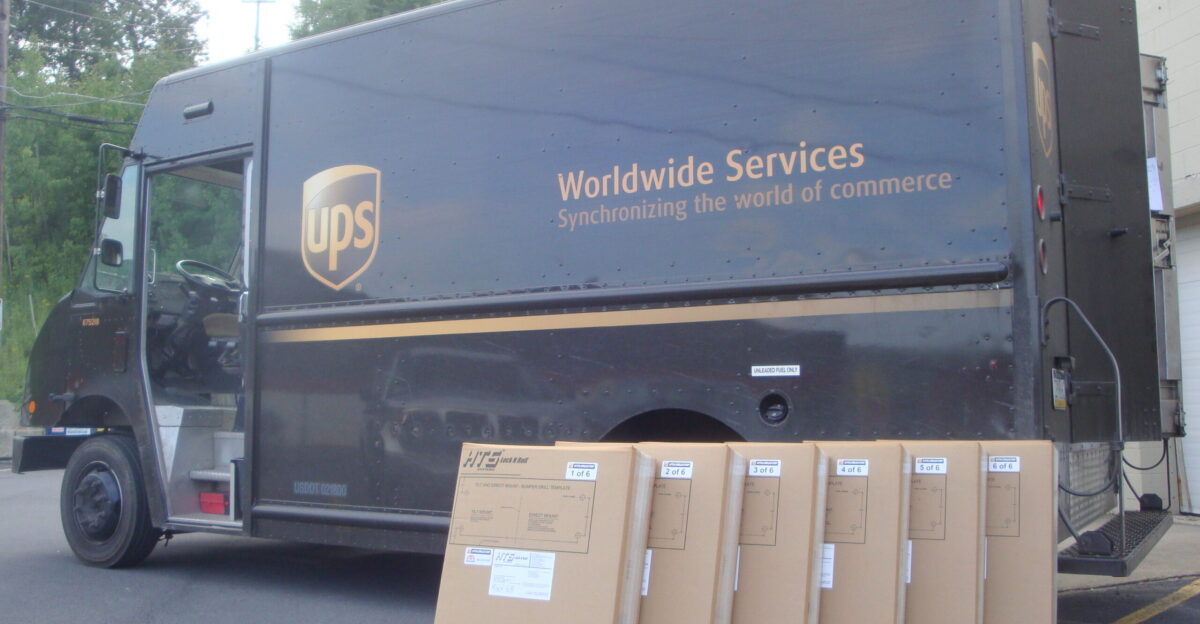
UPS announced a staggering 48,000-job reduction through 2026 as part of its “Network of the Future” plan. The logistics giant faces existential pressure from Amazon’s delivery dominance. UPS is closing regional hubs and implementing autonomous robotics to sort packages. While drivers remain essential, warehouse workers face wholesale replacement. This represents a total transformation from a labor-intensive to a capital-intensive operation.
7. Accenture – 22,000 Job Cuts

Accenture completed 22,000 layoffs recently, though the impacts are still rippling through the market this January. The consulting giant cited AI productivity gains as the reason they need fewer human consultants to deliver work. Junior roles have essentially disappeared, leaving fresh MBA graduates in a hiring freeze. This pivot signals a major shift in how professional services are delivered. Even specialized tech firms are not immune to these massive trends.
8. Synopsys – 2,800 Job Cuts
Synopsys announced 2,800 job cuts in November 2025, with most hitting home during the 2026 fiscal year. After acquiring a competitor, the semiconductor software company is eliminating duplicate engineering functions. By integrating new AI capabilities, the firm requires fewer people to manage product lines. Long-tenure engineers now face involuntary retirement offers. Food processing giants are seeing similar patterns of consolidation.
9. Tyson Foods – 4,900 Job Cuts

Tyson Foods is shuttering its iconic Lexington plant on January 20, 2026, eliminating 3,200 jobs in one day. Simultaneously, the Amarillo facility is cutting another 1,700 workers. The company cited supply chain optimization as the reason for the closures. This move devastates rural Nebraska, where the plant was the primary employer. It seems even the pharmaceutical world is following suit.
10. Novo Nordisk – 9,000 Job Cuts
Novo Nordisk announced 9,000 job cuts across 2026 as part of a major restructuring effort. Despite explosive demand for its GLP-1 medications like Ozempic, the firm wants a more flexible cost structure. Novo targets $3.5 billion in total savings. While production expands, administrative roles in North Carolina are being slashed. Could the tech sector be facing a similar internal contradiction regarding growth?
11. Amazon – 14,000+ Job Cuts

Amazon confirmed 14,000 corporate job cuts in 2025, with rumors of more January 2026 layoffs targeting tech roles. CEO Andy Jassy is pursuing “higher standards” by eliminating layers of management bloat. While warehouses remain busy, corporate functions in Seattle face severe pressure. Amazon’s swift execution of these cuts has created sustained anxiety among staff. Software giants are mirroring this move.
12. Microsoft – 9,000 To 15,000 Job Cuts

Microsoft is continuing its layoff trend into 2026 after cutting 10,000 roles last July. CEO Satya Nadella is prioritizing artificial intelligence over traditional software roles. The gaming division saw over 8,000 cuts following the Activision Blizzard acquisition. While AI researchers are being hired, sales and support staff face automation. This evolution is necessary for the company but painful for employees.
13. General Motors – 1,140 Job Cuts

General Motors permanently laid off 1,140 workers from Detroit’s Factory Zero starting January 5, 2026. The plant was purpose-built for electric vehicles but is currently operating well below capacity. GM blamed slower EV adoption rates for the sudden reduction in staff. This move signals that the green transition carries significant risks for traditional auto workers. Delivery services are also contracting.
14. FedEx – 856 Job Cuts
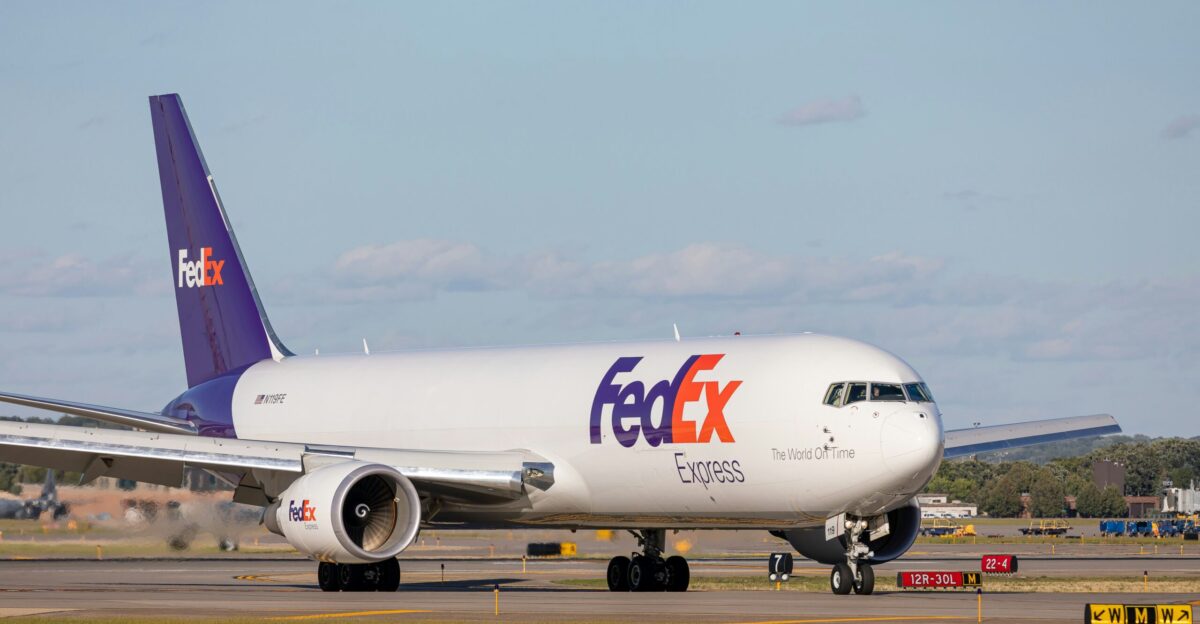
FedEx announced 856 job cuts at its Coppell, Texas facility, with layoffs beginning in late January 2026. The facility will close entirely by April because a major client relocated their operations. This closure illustrates how vulnerable logistics workers are to shifting contracts. FedEx is now prioritizing network rationalization over regional employment. The media industry is also bracing for a very difficult year.
15. Paramount – 2,000 To 3,000 Job Cuts

Paramount is cutting up to 3,000 jobs through 2026 as it consolidates content pipelines. The streaming wars have forced strict cost discipline, leading to smaller budgets and fewer shows. Creative staff in Los Angeles and New York are seeing brutal competition for remaining roles. This reflects a fundamental transformation of the entertainment landscape. These changes mark a definitive end to the previous era of American corporate employment.
Source:
“These Fortune 500 Companies Are Laying Off Thousands of Workers,” Fortune, November 26, 2025. “Layoff Announcements Top 1.1 Million This Year, the Most Since 2020,” CNBC, December 4, 2025. “General Motors Invoking 1,140 Layoffs at Detroit’s Factory Zero,” CBS News Detroit, November 25, 2025. “FedEx to Lay Off 856 Employees as Texas Logistics Facility Shuts Down,” FreightWaves, November 27, 2025. “What Happens to a Small Nebraska Town When 3,200 Workers Lose Their Jobs,” Associated Press, December 22, 2025.