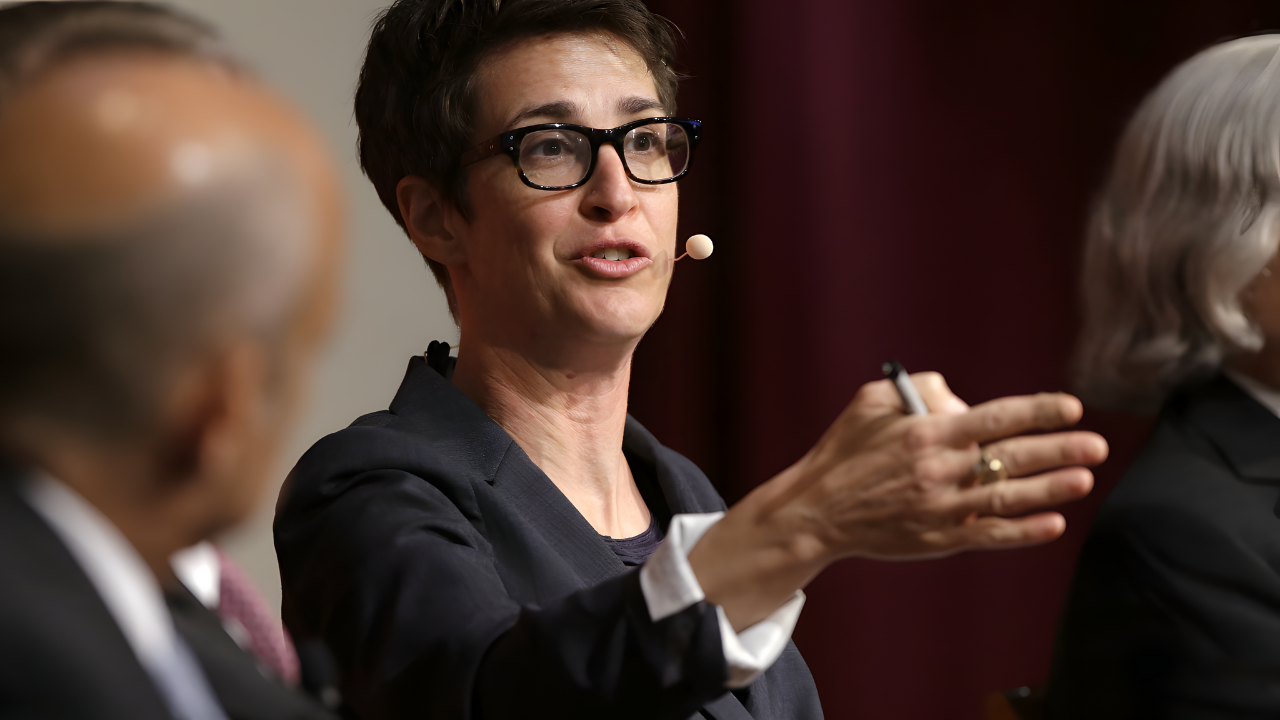
In early December 2025, MSNBC’s Rachel Maddow took a bold stand on Nicolle Wallace’s podcast, “The Best People,” addressing CBS’s decision to cancel “The Late Show With Stephen Colbert.” Her sharp critique branded the cancellation as a symptom of “corporate capitulation” to mounting political pressures.
This public attack distinguished itself from standard media discourse, as it highlighted a prominent media figure challenging a corporate decision while the show was still airing. Maddow’s intervention was unexpected, given the landscape of late-night television, where such criticism from a high-profile host unfolds in real-time rather than as retrospective commentary.
The Growing Controversy
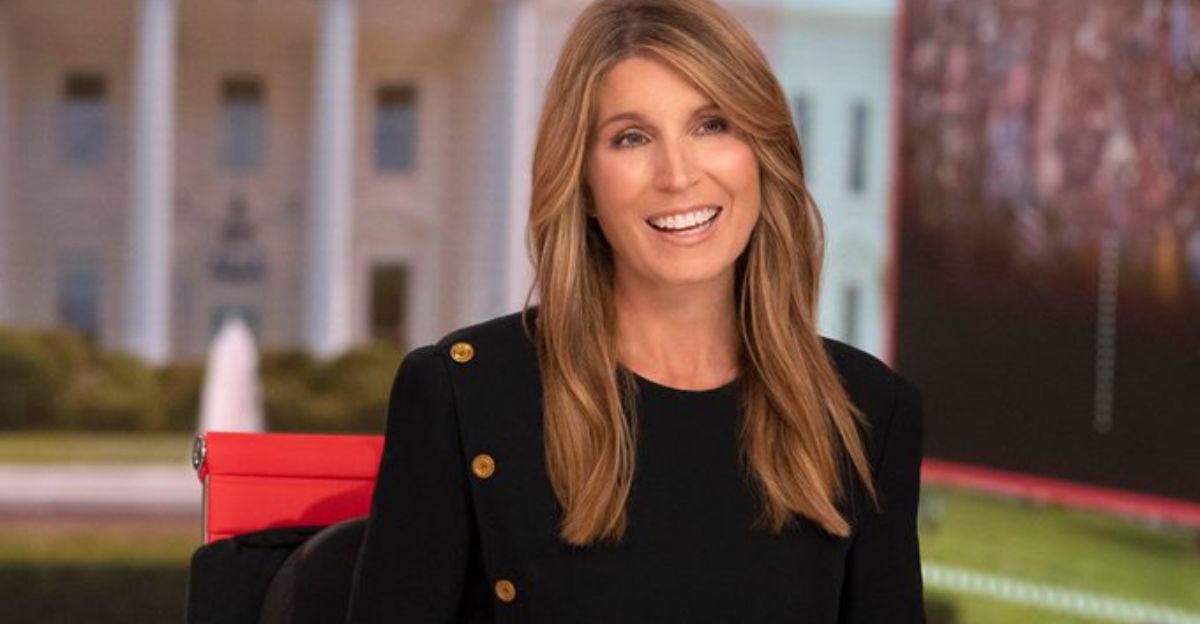
As Maddow spoke on Wallace’s podcast, she labeled CBS’s news restructuring a “huge embarrassment” for all involved. These words resonated across media platforms and sparked conversations about the threat to editorial independence in prestigious news organizations.
Her pointed descriptions, such as “absolutely transparent” and “capitulation,” framed the CBS move not just as a financial maneuver but as a moral crossroads for the network. These criticisms coincided with rising concerns over media consolidation and political influence, effectively positioning Maddow’s remarks within a broader narrative about the health and independence of journalism itself.
The Colbert Phenomenon
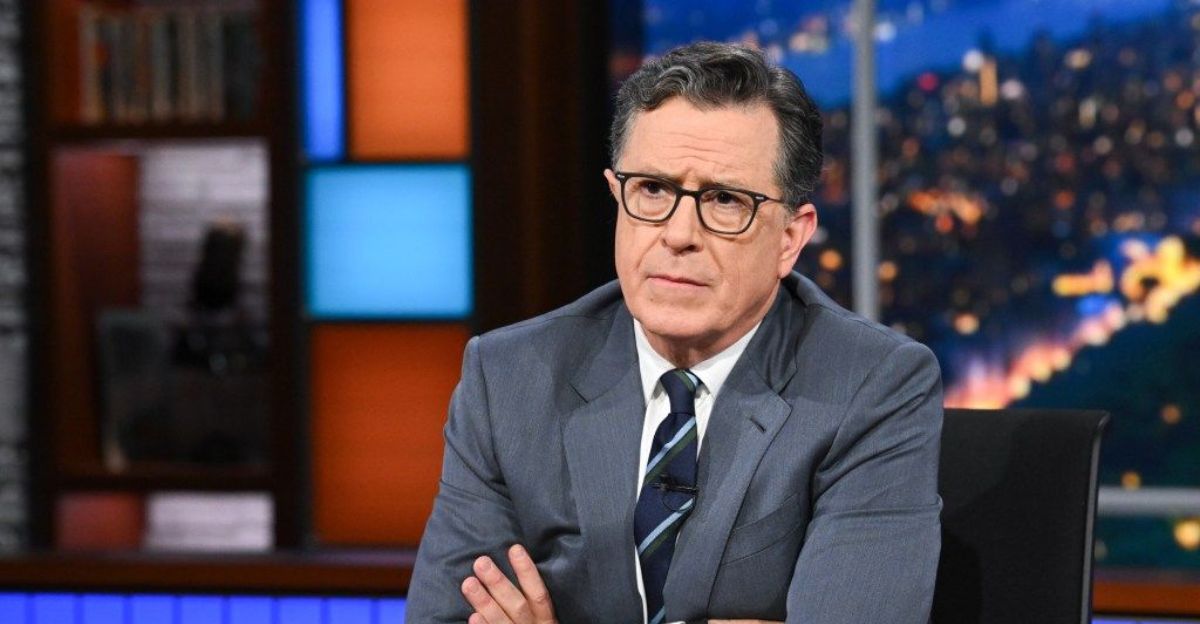
“The Late Show With Stephen Colbert,” which premiered in 2015, became a cornerstone of late-night television, consistently dominating ratings. Before its controversial cancellation in July 2025, the program transformed into an influential cultural platform, often critiquing then-President Donald Trump with sharp wit and biting commentary.
The show’s consistent success made CBS’s portrayal of its cancellation as a financial necessity seem inconclusive to fans and analysts. Instead, it raised questions about underlying motives at play within the network and its executive decision-making, as perceptions about market competition and ratings shifted dramatically in a fragmented media environment.
A Shifting Landscape

The backdrop of CBS’s decision involved the reorganized leadership following the 2025 merger of Paramount and Skydance, which brought David Ellison to the helm as CEO. Observers noted that recent ownership often leads to budget cuts and alterations in editorial direction.
The lead-up to the Colbert cancellation unfolded under these changes and raised concerns about the potential impact of political affiliation on business decisions within CBS News. This scenario illustrated a precarious juncture wherein economic decisions intersected with the ideological missions of media companies, inviting scrutiny from journalists advocating for unbiased news coverage.
The Weiss Impact
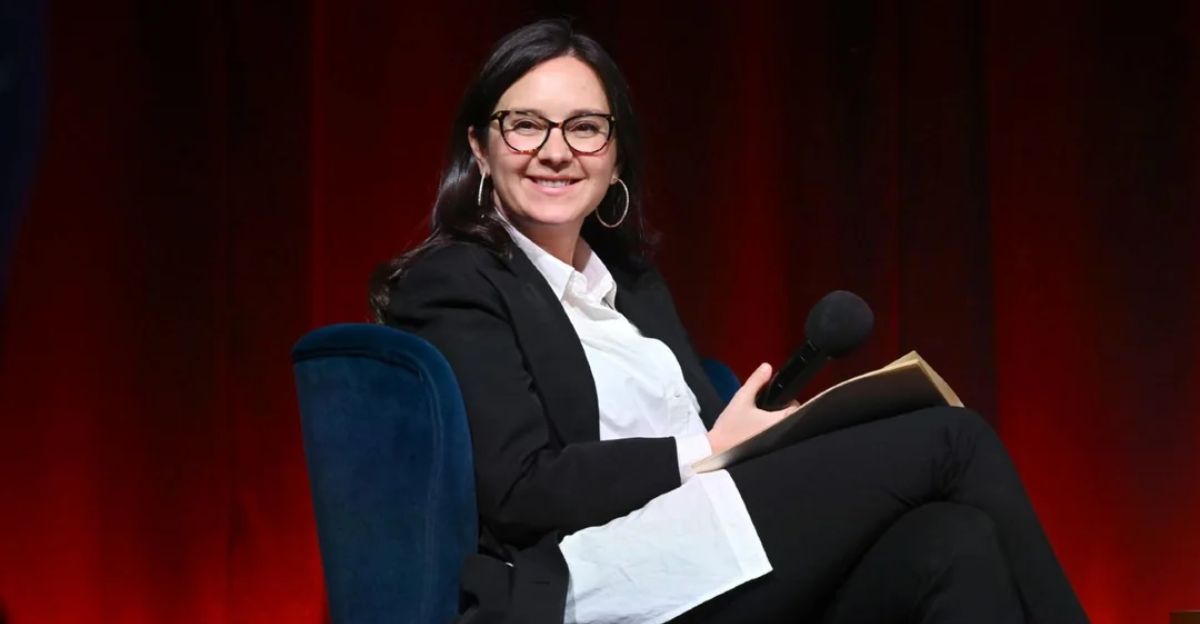
In an unexpected move, Paramount appointed Bari Weiss, founder of The Free Press and known for her conservative viewpoints, as editor-in-chief of CBS News in early October 2025. This shift indicated a profound ideological transition for CBS, which had traditionally been anchored in the journalistic values upheld by its career journalists.
Weiss’s perspective as the new editorial leader suggested a forthcoming realignment of news priorities at CBS, prompting immediate backlash, particularly from figures like Maddow. Her criticism signaled deep concern over what this change portended for CBS’s commitment to journalistic integrity and independence.
Cultural Shockwaves
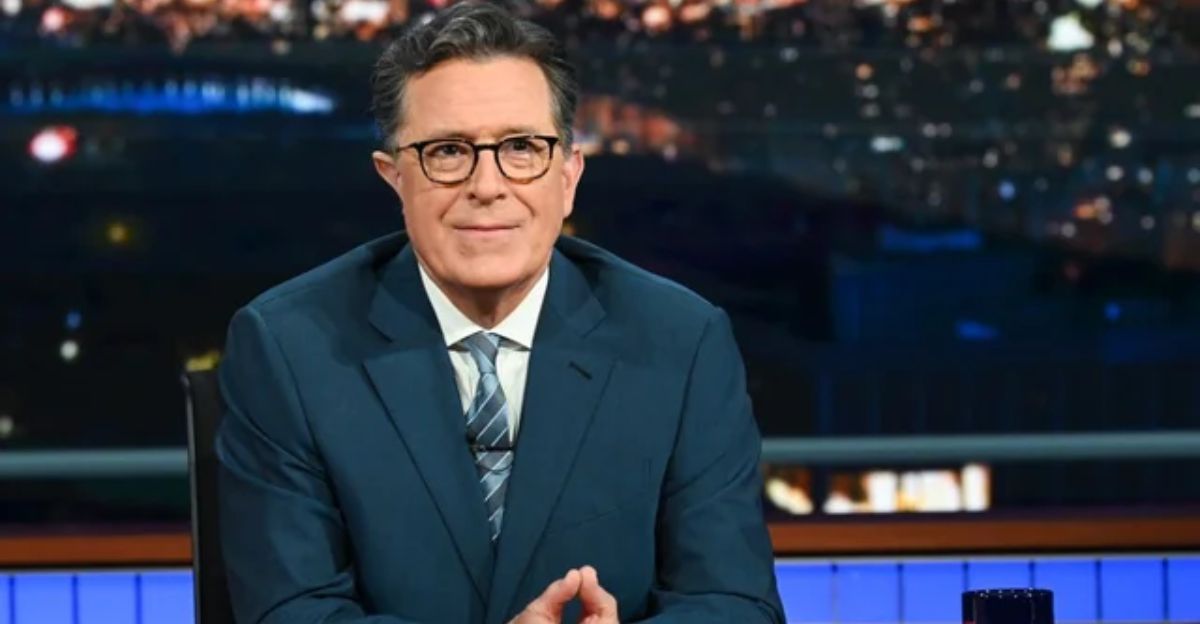
Colbert’s cancellation sent shockwaves throughout the entertainment industry, underscoring the dual role of late-night television as both a cultural beacon and a significant revenue source. The repercussions extended to approximately 150 to 200 jobs associated with production, prompting discussions about job security in an evolving media landscape.
The audience, accustomed to Colbert’s incisive political commentary, suddenly faced the loss of a prominent voice. As discussions unfolded, many wondered whether financial claims from Paramount concealed deeper strategic motivations influenced by the changing political allegiances of the company’s leadership.
Personal Reflections
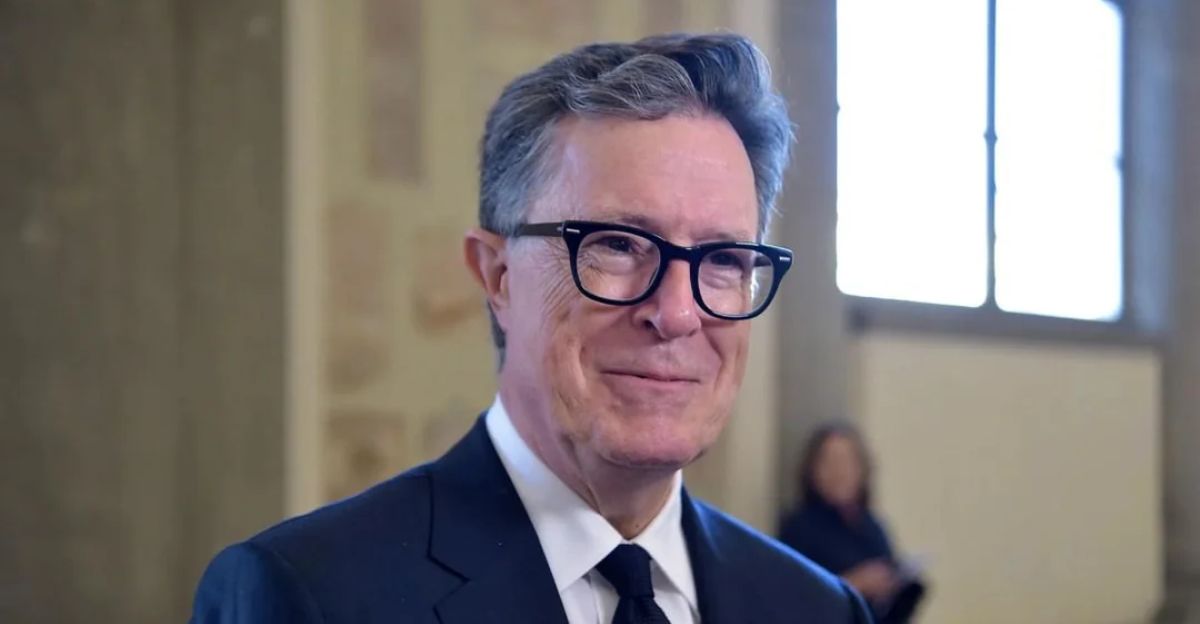
Stephen Colbert himself, addressing his audience in July, described his show’s cancellation as a “remarkable ride” but expressed deep disappointment about its end. His words resonated with a broad viewership estimated at 2-3 million nightly.
For Colbert and his team of writers, producers, and technicians, the cancellation underscored a brutal truth: even the most successful late-night programs are vulnerable within a turbulent media environment. As protests and condolences flooded social media platforms, it became clear that audiences mourned more than just a show; they lamented the loss of a pivotal forum for political discourse.
Industry Reactions
While late-night competitors NBC and ABC remained publicly neutral regarding Colbert’s exit, the news elicited a range of internal reactions within the industry. Many insiders voiced concerns that CBS’s actions signaled a disconcerting trend of prioritizing corporate interests over journalistic integrity.
This sentiment was palpable, as reports emerged indicating unease among audiences and even rival shows over what the cancellation of such an influential program meant for the broader landscape of political satire and late-night commentary in a time that demanded robust critique and engagement.
Implications of Corporate Consolidation

The controversy surrounding CBS and the influence of figures like Bari Weiss highlights the broader implications of consolidation within media ownership. Critics argue that this phenomenon stifles diverse perspectives and fosters environments where corporate interests dictate editorial decisions.
Maddow’s remarks underscore a resurgence of these concerns, particularly regarding the potential political biases that may shape news narratives. The merger’s impact thus calls for a renewed focus on how ownership structures prioritize profits over the integrity of political discourse in news reporting and pop culture.
The Future of Late-Night Commentary

As the entertainment industry adapts to Colbert’s departure, questions loom over the future of late-night commentary. Public demand for political analysis and satire remains high; however, the ramifications of CBS’s decision signal possible shifts away from progressive voices in the media.
Observers suggest audiences may seek new platforms that align with their preferences, given the turmoil surrounding established shows. As the competitive late-night landscape evolves, it remains to be seen how various networks will navigate the tensions between profitability and the need for credible, diverse narratives in a crowded marketplace.
A Broader Discourse
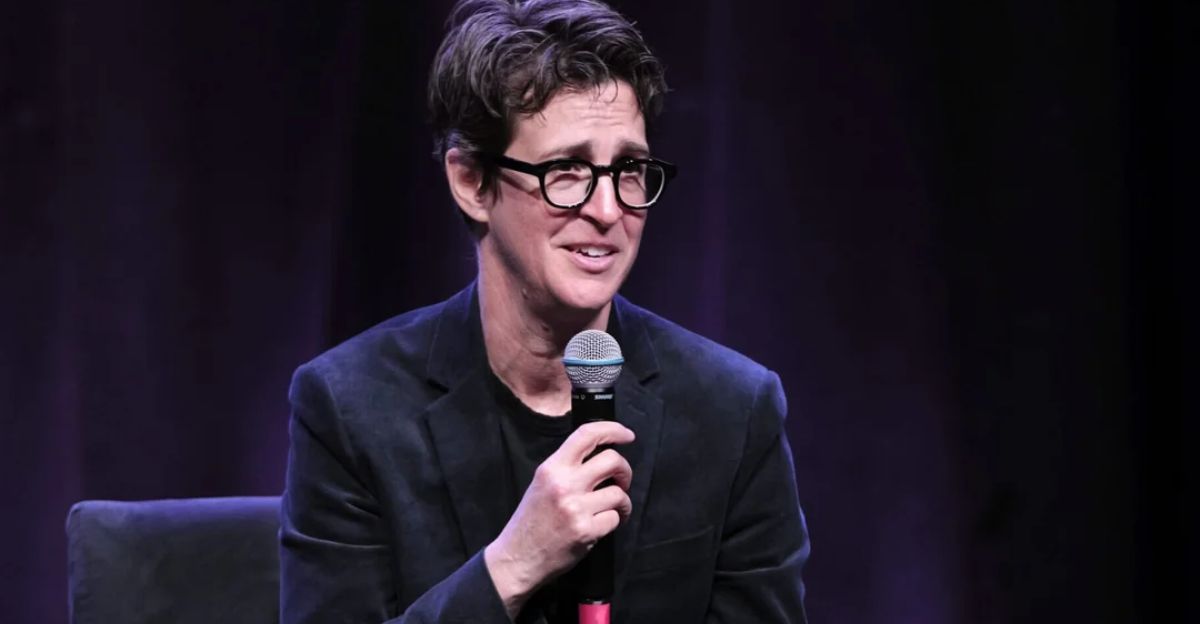
Maddow’s challenge to CBS’s decisions opens the door for larger discussions about media accountability. The question of editorial independence arises, particularly under corporate ownership that prioritizes profits over public service. As political pressures intensify, the integrity of journalistic institutions may be at risk.
The reactions to Colbert’s cancellation reflect broader sentiments about media responsibility, suggesting that audiences crave transparency and integrity in the messages they consume. This could galvanize a movement advocating for renewed ethical commitments within media organizations, ensuring they serve the public interest.
Audience Activism
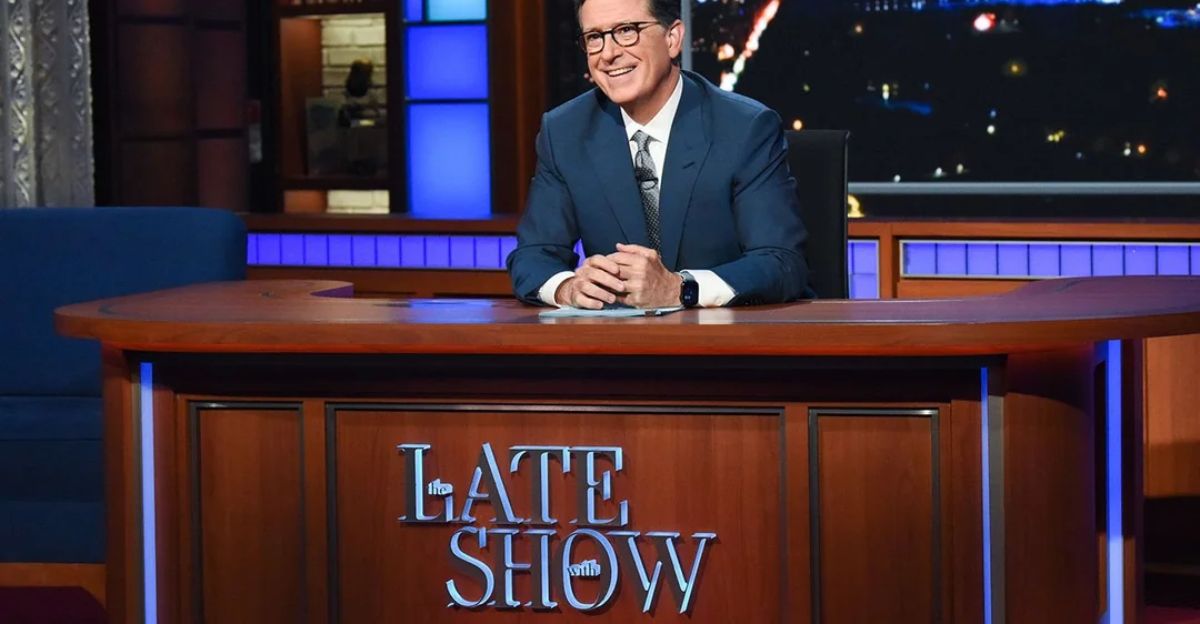
The cancellation of “The Late Show with Stephen Colbert” has sparked responses across social media from viewers rallying behind their favorite host. Many have taken to platforms to express their discontent, appealing for CBS to reconsider its decision. These acts of audience activism not only reflect personal feelings about Colbert as a host but also relate to deeply held beliefs about the voice of political commentary in the media.
The public outcry underscores the significance of late-night television as a cultural space where pressing issues are discussed, heightening awareness of the stakes involved in decisions made by corporate networks.
Navigating New Platforms
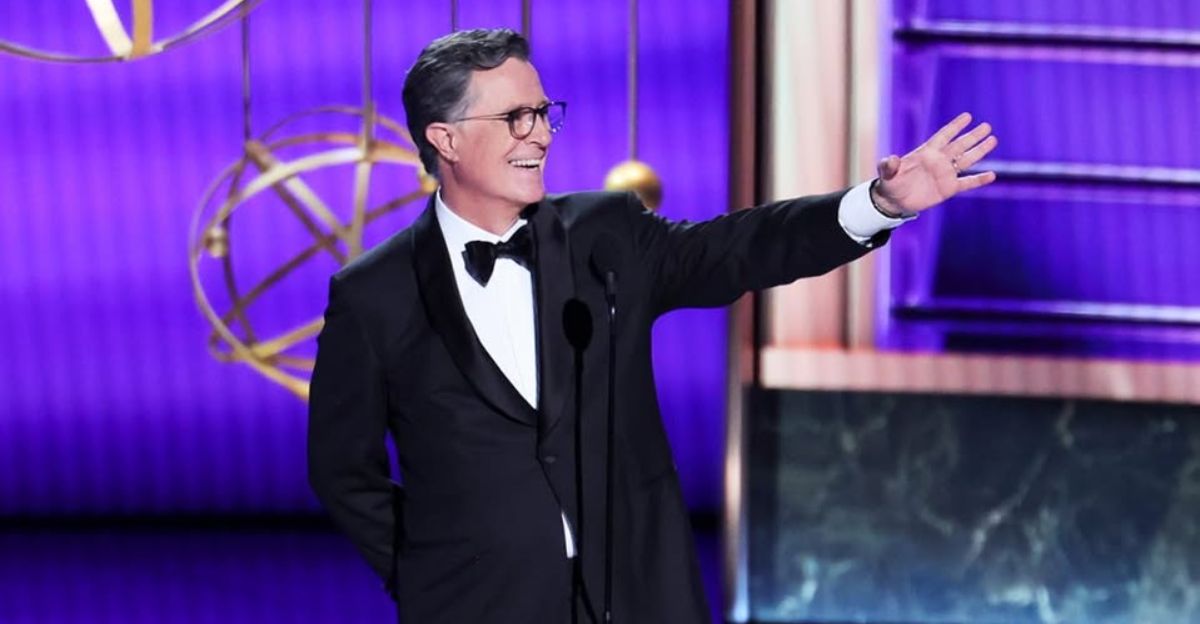
Amid the fallout from Colbert’s show’s cancellation, digital platforms emerge as vital spaces for political commentary and dialogue. New streaming services and social media channels are gaining traction among audiences seeking innovative voices and perspectives.
This transition presents an opportunity for emerging figures to fill the gaps left by traditional media, highlighting the adaptability of viewers in pursuing the kinds of commentary they value. Amid a time of vast choices, the evolution highlights a democratized media landscape where a diverse array of voices can contend for the attention of increasingly discerning audiences.
Industry Experts Weigh In
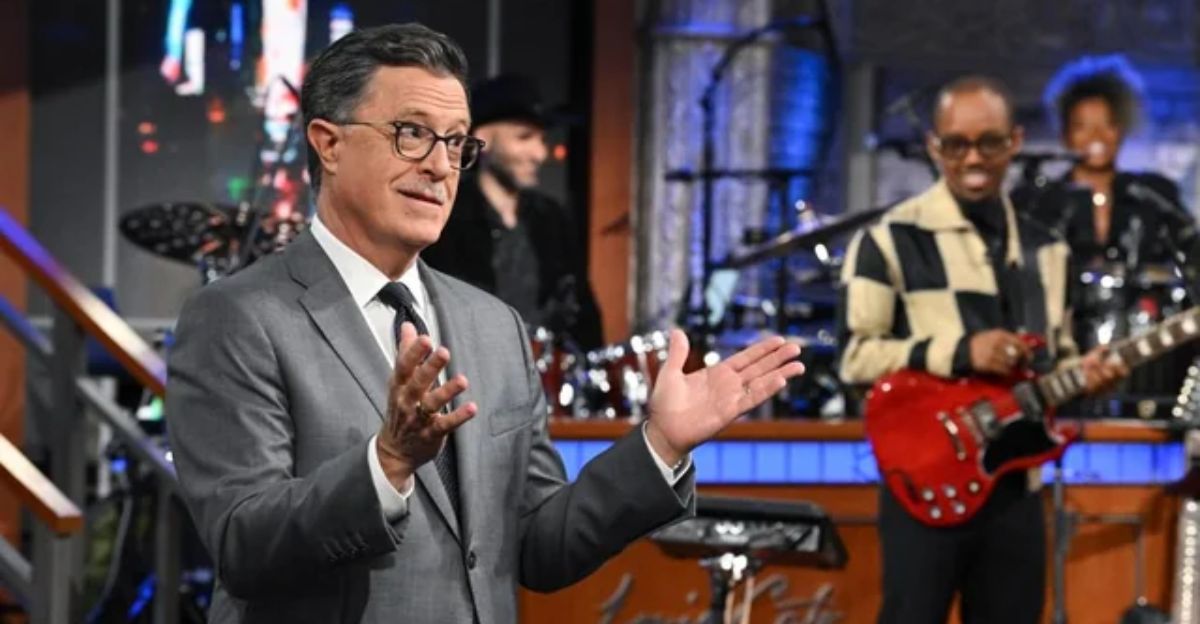
Media analysts have been vocal about the ramifications of the cancellation of Colbert. According to media expert John Smith from the Institute for Media Studies, “The elimination of such a dominant platform for political satire transforms the landscape significantly.” Many view this as indicative of a larger trend in which profitability outweighs the engagement with critical political content.
Analysts emphasize that cultural commentary is not only an entertainment vehicle; rather, it serves a crucial purpose in shaping public perception and discourse, creating a compelling case for media outlets to reflect on their editorial decisions.
The Role of Social Media

As traditional media grapples with massive changes, social media has positioned itself as both a challenger and a supplement to conventional broadcasts. Platforms like Twitter and TikTok facilitate conversations around political satire, allowing audiences to cultivate their own spaces for commentary.
Influencers and independent creators are now central to this discourse, inviting on-the-ground, immediate responses to ongoing events. Audiences prefer a more informal approach, resulting in traditional media outlets needing to adapt to retain their viewership and superiority in political commentary.
A Reflection on Legacy
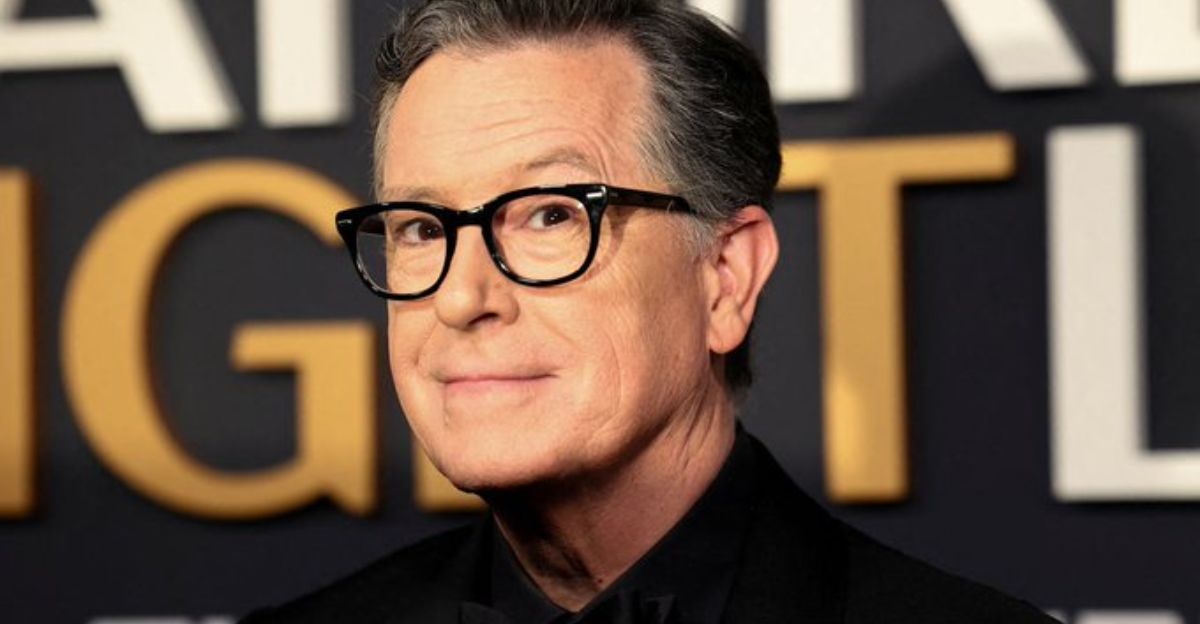
The fallout from Colbert’s show poses questions about legacy media’s ability to balance corporate strategy with responsible journalism. Critics theorize that as media conglomerates grow larger, their mission to enlighten and inform may be compromised.
This shift reflects changing cultural dynamics, challenging the very foundation upon which networks have thrived. Audiences advocate for trustworthy platforms that prioritize transparency and diverse viewpoints, suggesting a growing demand for authenticity in media representations amid evolving landscapes.
The Call for Accountability
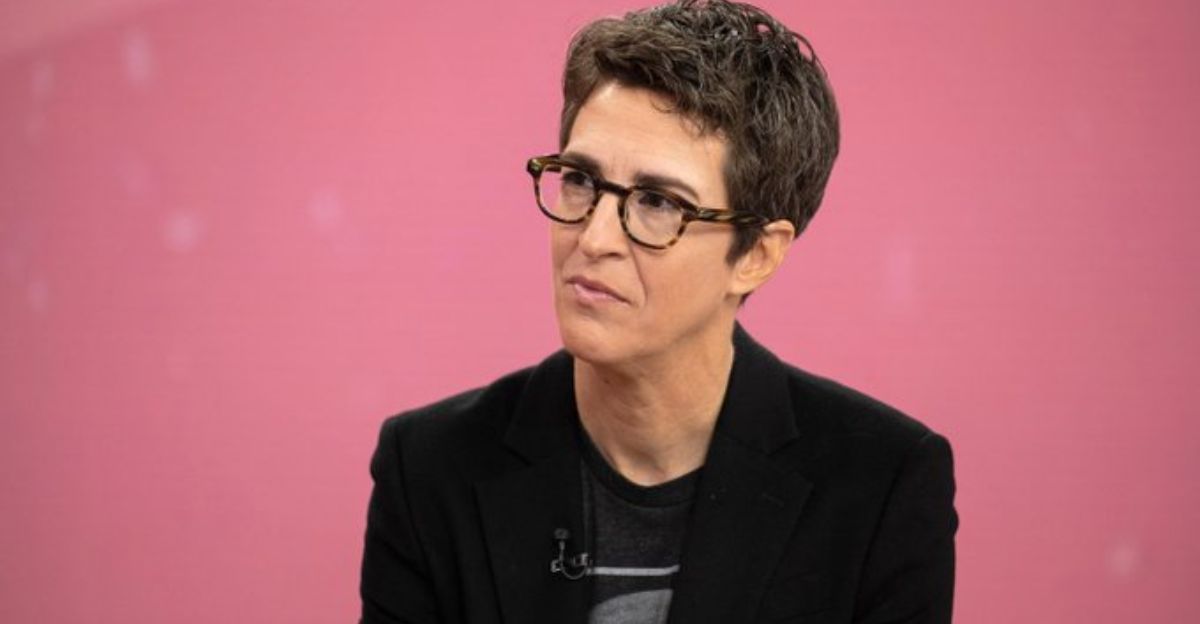
The response to Colbert’s exit highlights an essential demand for accountability among media corporations. As Maddow emphasizes the implications of editorial choice under corporate influence, a rallying cry for ethical journalism surfaces from viewers invested in the conversations surrounding political integrity.
Audiences recognize the importance of maintaining independent voices that challenge authority and advocate for news media that resonate with their values and beliefs. Such accountability may illuminate paths toward ethically oriented media practices that prioritize genuine editorial frameworks.
A New Era for Late Night?
As the late-night landscape evolves post-Colbert, the industry witnesses a crossover between traditional hosts and emerging online personalities. This dynamic landscape hints at a new era for political commentary in entertainment, offering a wealth of perspectives that challenge established norms.
The successful integration of humor and critique of user-generated content reflects how these new media can shape public opinion. This ongoing evolution may redefine not only how political discourse is had but also the significance of entertainment in navigating societal issues moving forward.
A Fading Tradition?
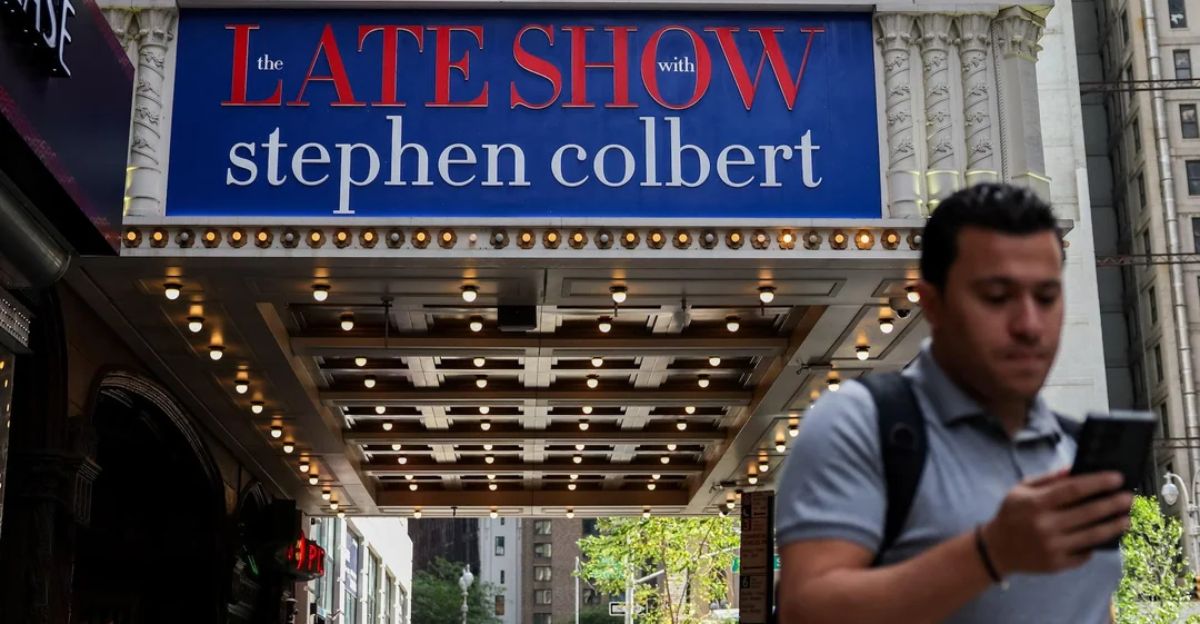
The disappearance of Colbert’s nightly commentary raises concerns about traditions rooted in political satire becoming increasingly fragile. As economic pressures compel corporations to prioritise profit margins over committed content, it becomes unclear whether audiences will secure access to the critical analysis they value.
The blending of corporate interests with entertainment risks diluting the quality of discourse, potentially leading to a homogenization of perspectives in the late-night arena, which ultimately challenges the collective conscience of viewers and the broader political landscape.
Moving Forward Together
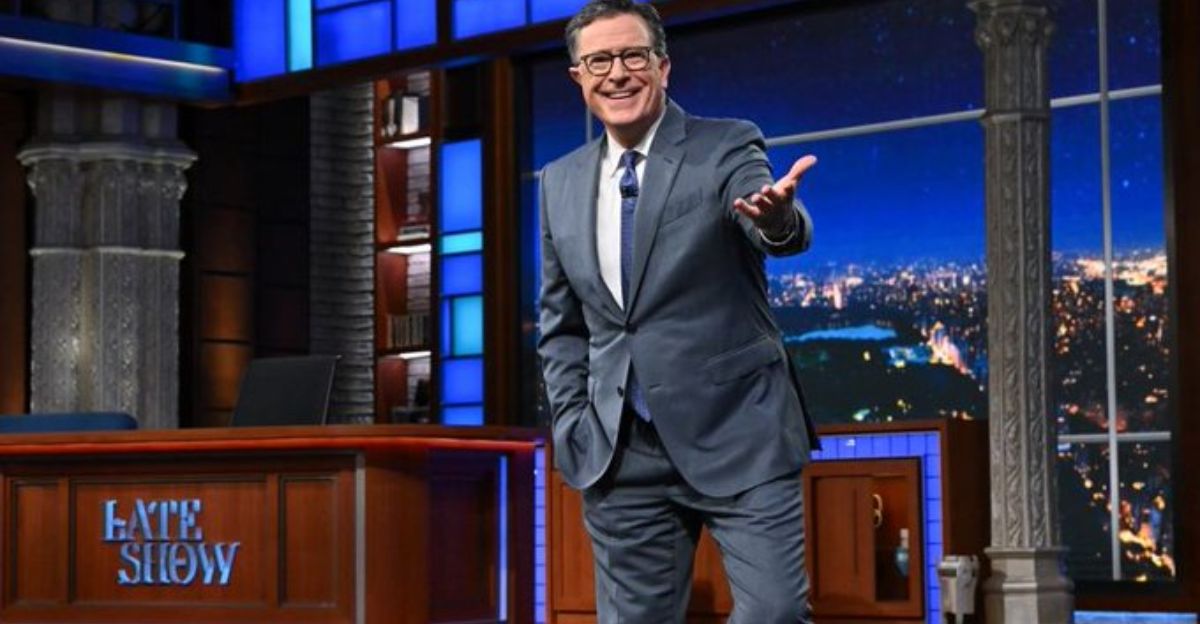
The future of late-night television and political discourse hangs in the balance as the legacy of “The Late Show With Stephen Colbert” is weighed against changing corporate strategies. As Maddow’s criticisms underscore the pivotal issues at stake, a wave of audience-centric activism hints at potential pathways to influence media practices toward authentic representation.
This decisive moment challenges media professionals to heed the voices of their audiences and reaffirm commitments to journalistic integrity and diverse storytelling. With the evolving landscape, the industry may see a renaissance of bold commentary that prioritizes truth and accountability.
Sources:
TV Insider – Rachel Maddow Calls on CBS to Uncancel Stephen Colbert’s The Late Show
Variety – Rachel Maddow Urges Paramount to Reverse Stephen Colbert Firing
CBS News Official Release – Bari Weiss named editor-in-chief of CBS News as Paramount integrates The Free Press
Reuters – CBS cancels Stephen Colbert’s late-night show, calling decision financial
CNN – Bari Weiss is now CBS News editor-in-chief after Paramount’s Free Press acquisition
BBC News – Stephen Colbert says The Late Show will end after 33 years