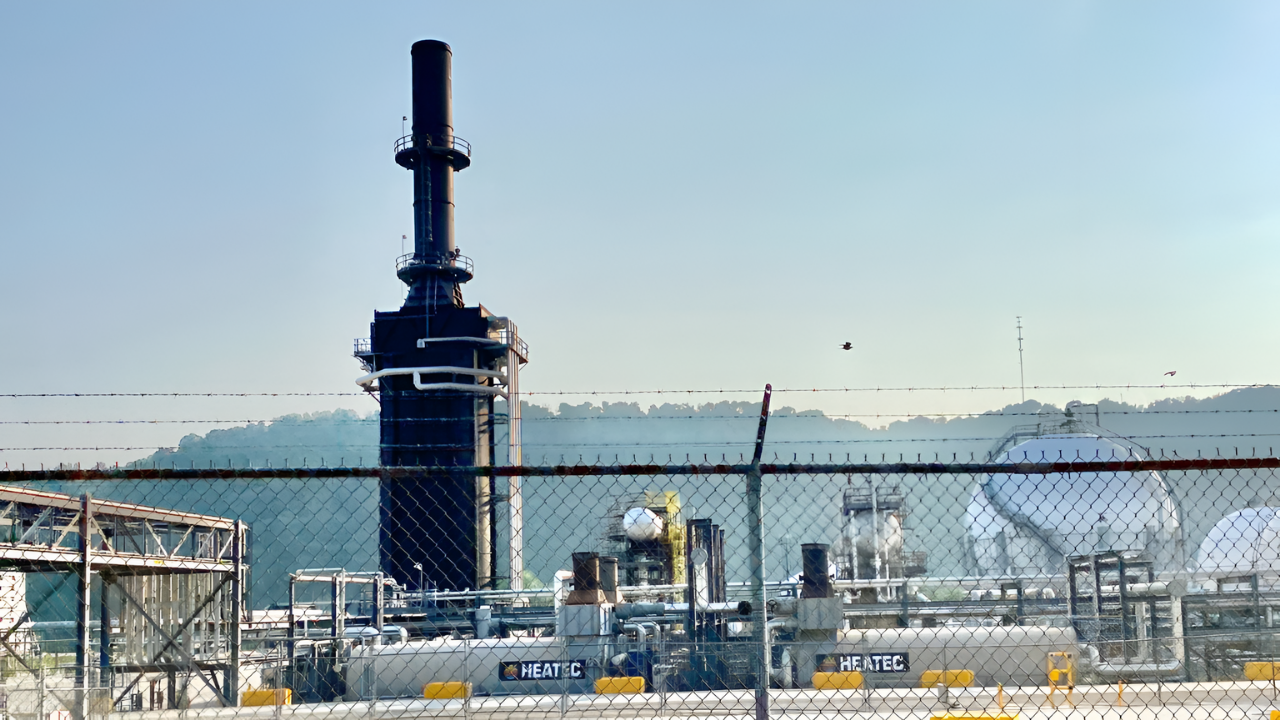
By December 2025, four major chemical units across Mississippi and Louisiana shut down as Westlake Corporation recorded a $415 million pre-tax charge, wiping out 3.3 billion pounds of annual capacity and triggering 295 layoffs.
Production lines that once moved billions of pounds of PVC, chlorine, and styrene each year sat idle. The shutdown unfolded quickly, completed before year’s end—but what forced plants built to run for decades to stop in weeks?
Jobs Cut at the Worst Moment

The human cost landed just before year-end. Nearly 300 chemical workers were notified their positions would disappear as facilities shut down. The timing magnified the impact, hitting households during the holidays and leaving communities scrambling.
Westlake cited persistent global oversupply and collapsing margins, but for affected employees, the reality was immediate: decades-long careers severed in weeks, with few comparable jobs nearby to absorb the shock.
An Industry Under Strain
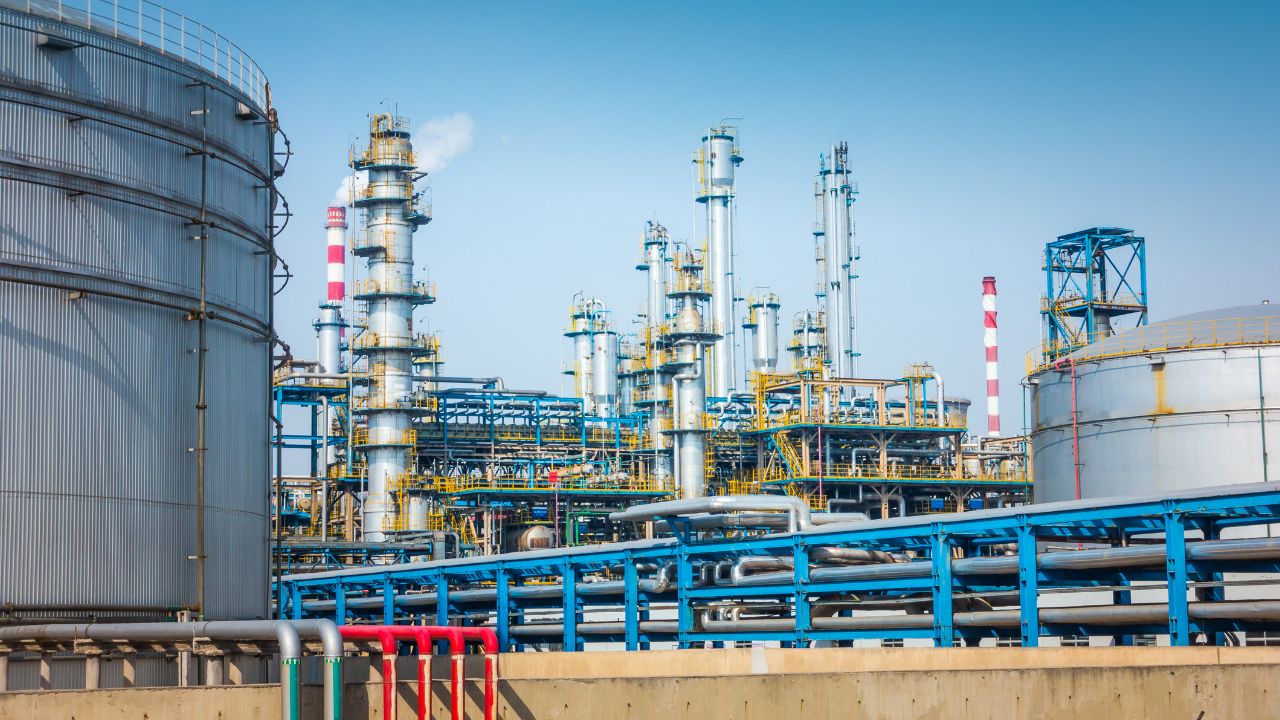
Westlake’s retrenchment reflects broader distress across the U.S. chemical sector. According to industry forecasts, chemical output growth is barely inching forward, with basic commodity chemicals among the weakest segments.
Export demand has softened, pricing power has evaporated, and once-reliable Gulf Coast assets are no longer immune. What once looked like temporary cyclic pressure is increasingly viewed as a structural problem reshaping the entire industry.
Built to Last, Now Gone
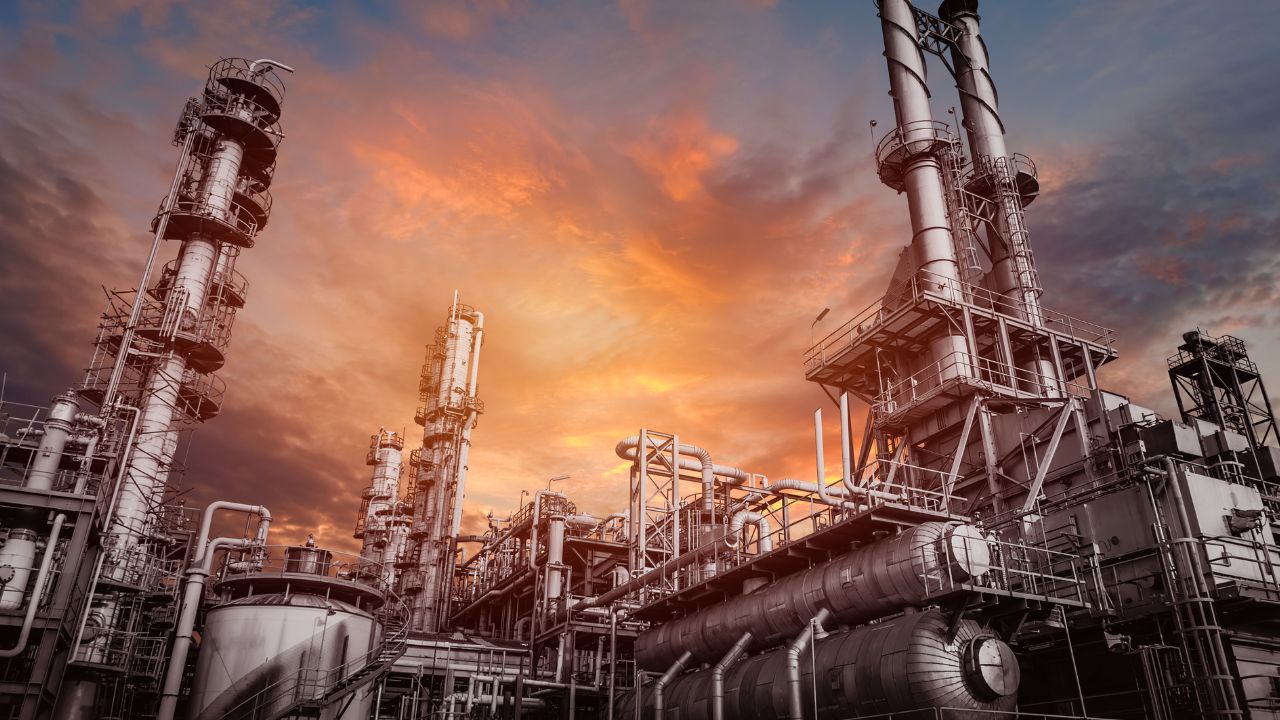
For decades, plants in Aberdeen, Mississippi, and Lake Charles, Louisiana, formed part of the South’s industrial backbone. These facilities produced PVC, VCM, chlorine, caustic soda, and styrene—materials woven into construction, infrastructure, and manufacturing nationwide.
Many were expected to operate for generations. Instead, market realities rendered them uncompetitive almost overnight, marking a stunning reversal for assets once considered indispensable.
Global Oversupply Takes Control
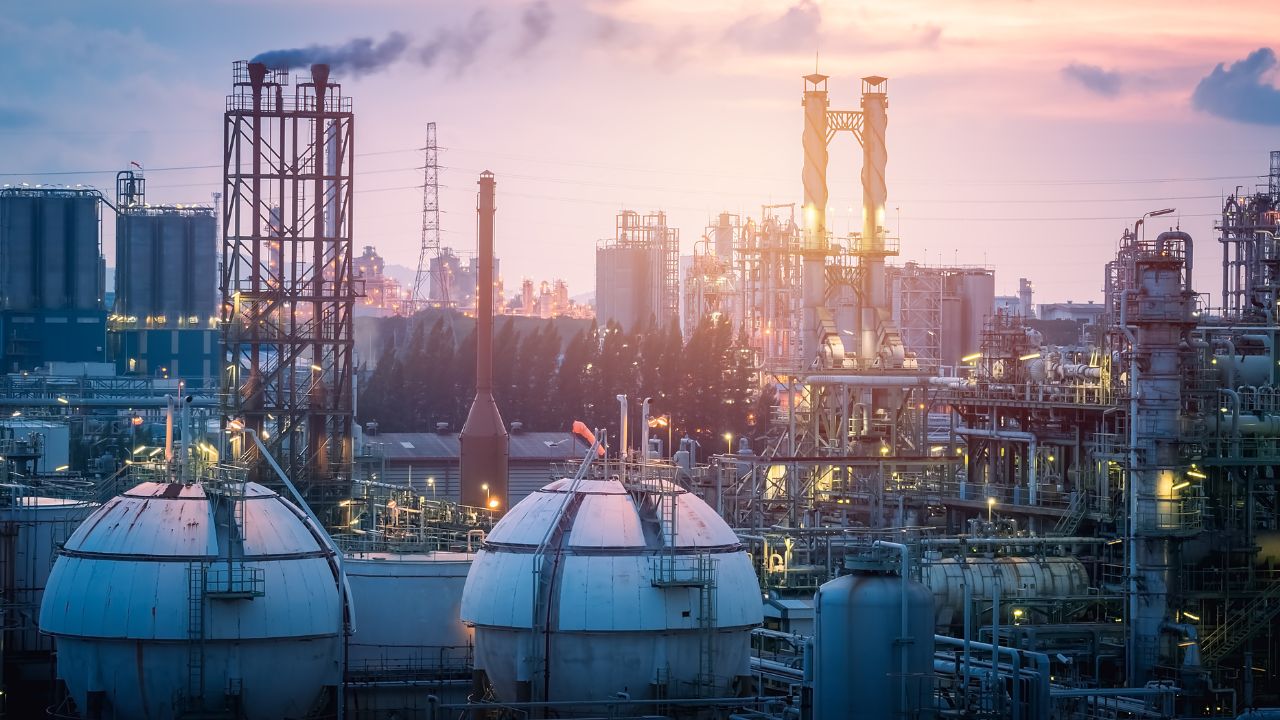
At the core of the crisis is relentless global oversupply, led by massive capacity additions in Asia—particularly China. Export prices plunged, undercutting U.S. producers and compressing margins to unsustainable levels.
Westlake acknowledged that higher-cost, export-exposed facilities could no longer compete. The imbalance between supply and demand has grown so severe that even efficient North American operations are being forced offline.
The Four Units Shut Down
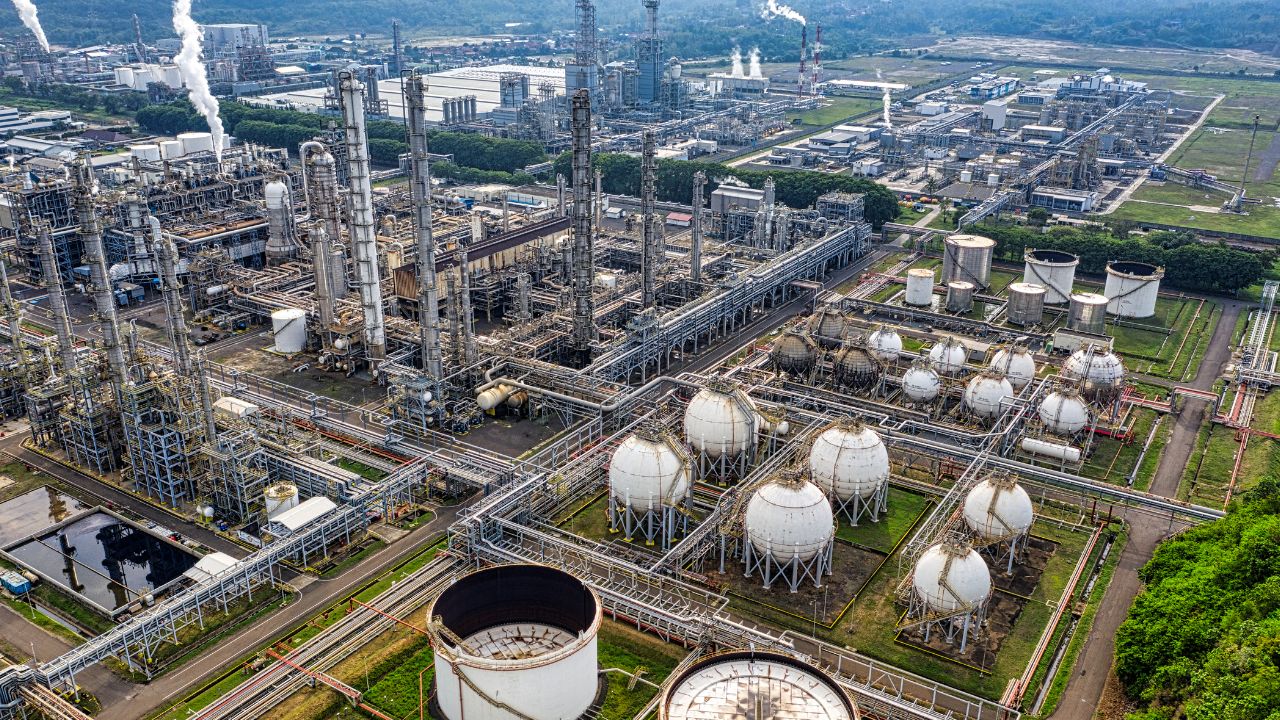
In December 2025, Westlake moved to shutter four production units across two states. These included a PVC plant in Aberdeen and three units in Lake Charles covering VCM, chlor-alkali, and styrene production.
Together, they account for approximately 3.3 billion pounds of annual capacity, a massive contraction executed in a single quarter. Few Southern industrial closures in recent history match this scale.
Capacity Loss by the Numbers
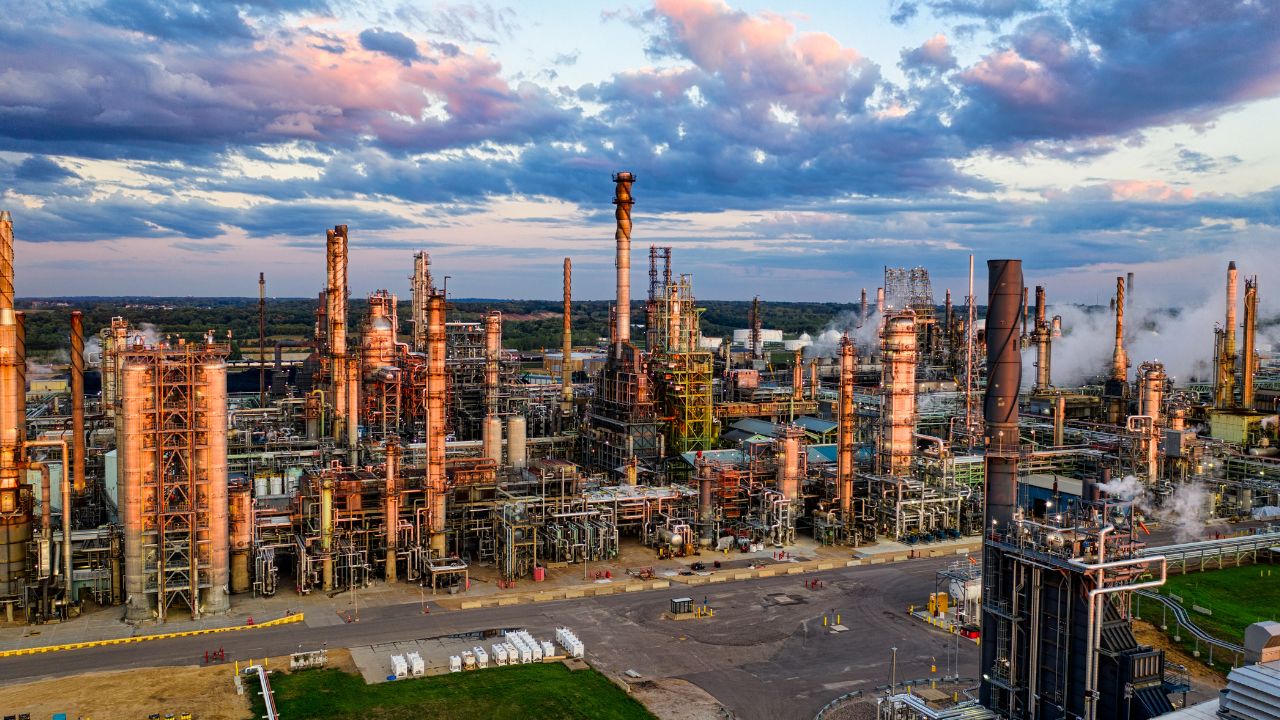
The shutdowns eliminated 1 billion pounds of PVC, 910 million pounds of VCM, 825 million pounds of chlorine, and 570 million pounds of styrene annually. In tonnage terms, that’s roughly 1.65 million tons per year erased from the regional economy.
While Westlake retains significant capacity elsewhere, these cuts remove a meaningful share of Gulf Coast output, tightening supply chains and hollowing out local industrial ecosystems.
Communities Absorb the Fallout
Lake Charles absorbed the largest blow, losing three production units at once. Aberdeen, a smaller Mississippi community, lost its PVC plant—an industrial anchor supporting hundreds of indirect jobs.
Beyond wages, the closures threaten local tax bases, suppliers, contractors, and service businesses. For towns built around chemical manufacturing, the disappearance of these plants leaves economic gaps that are difficult to replace quickly.
The Human Impact Up Close
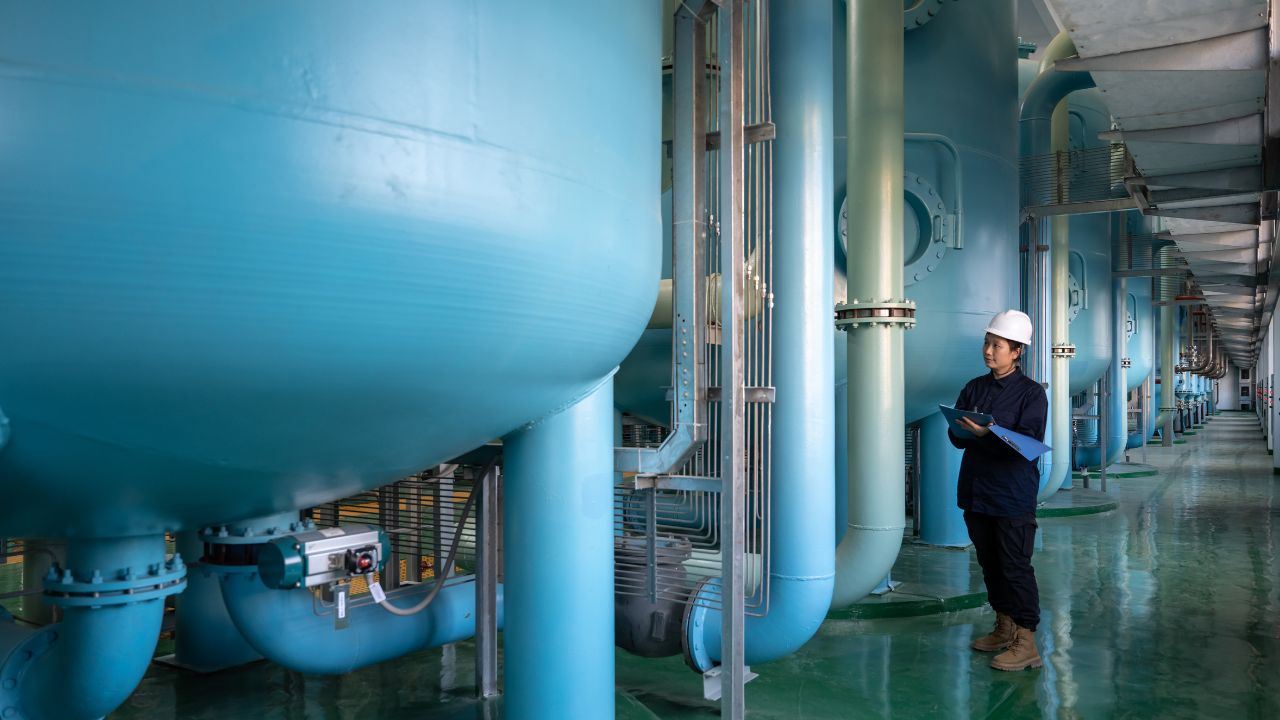
Of the 295 jobs eliminated, 99 were in Aberdeen, with the remainder concentrated in Louisiana. Westlake allocated $25 million for severance and separation costs, averaging roughly $85,000 per worker.
Executives emphasized support during the transition, but severance cannot replace long-term stability. For many workers, these plants weren’t just jobs—they were careers spanning decades, abruptly ended by forces far beyond local control.
A Global Pattern Emerges
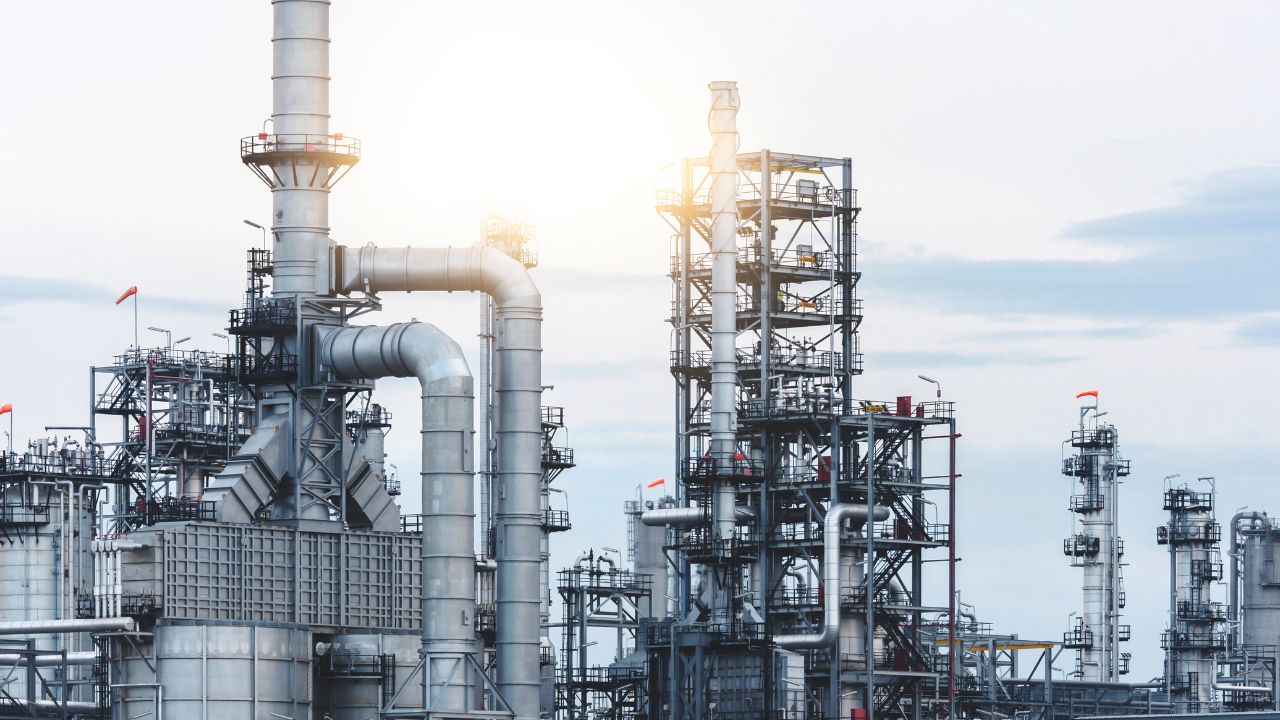
Westlake is not alone. Chemical producers worldwide are cutting capacity as margins collapse. In Europe, major players have entered insolvency proceedings. In Asia, producers have shuttered ethylene and derivative units.
What’s different now is the synchronization: closures are happening simultaneously across regions, signaling a global reset. The U.S. chemical sector, once dominant, is being reshaped by forces it no longer controls.
What Westlake Keeps
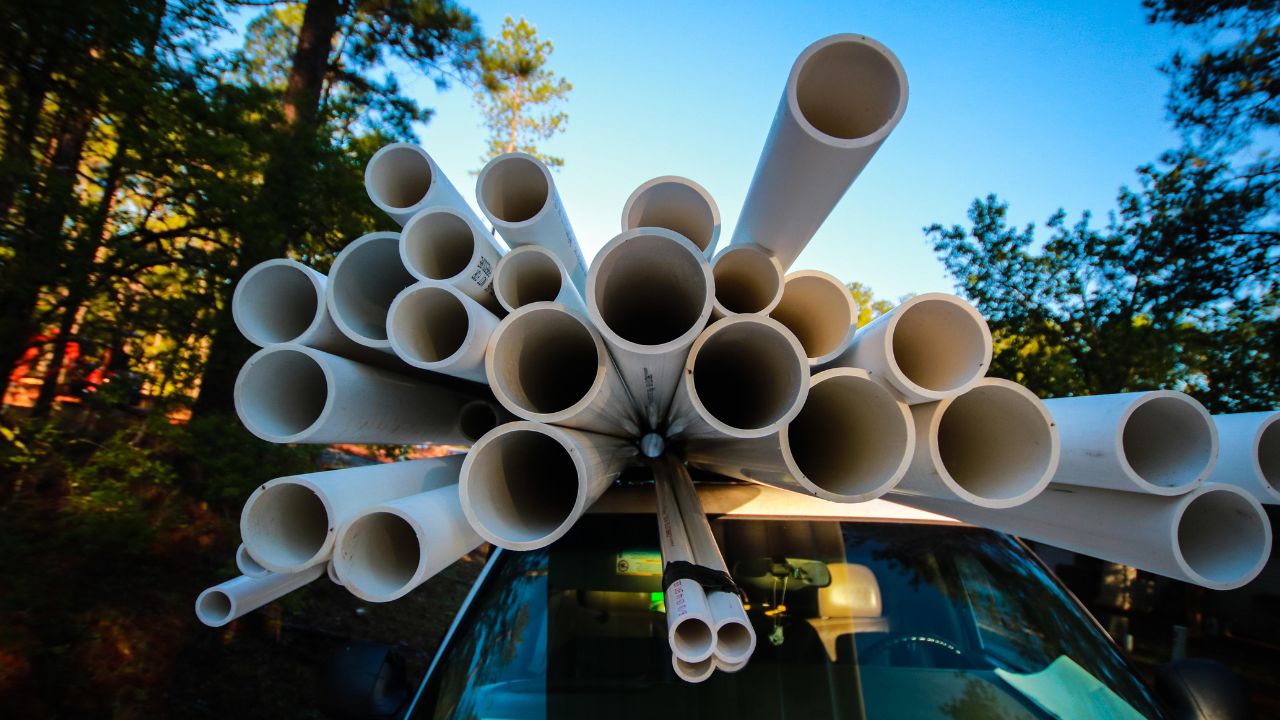
Despite the cuts, Westlake retains substantial North American capacity: 4.9 billion pounds of PVC, 6.05 billion pounds of VCM, and more than 5.4 billion pounds of chlorine annually.
The closures targeted higher-cost, export-oriented units rather than core domestic supply. Executives framed the move as surgical—reducing exposure while preserving scale where margins remain defensible.
Inside the $415M Charge
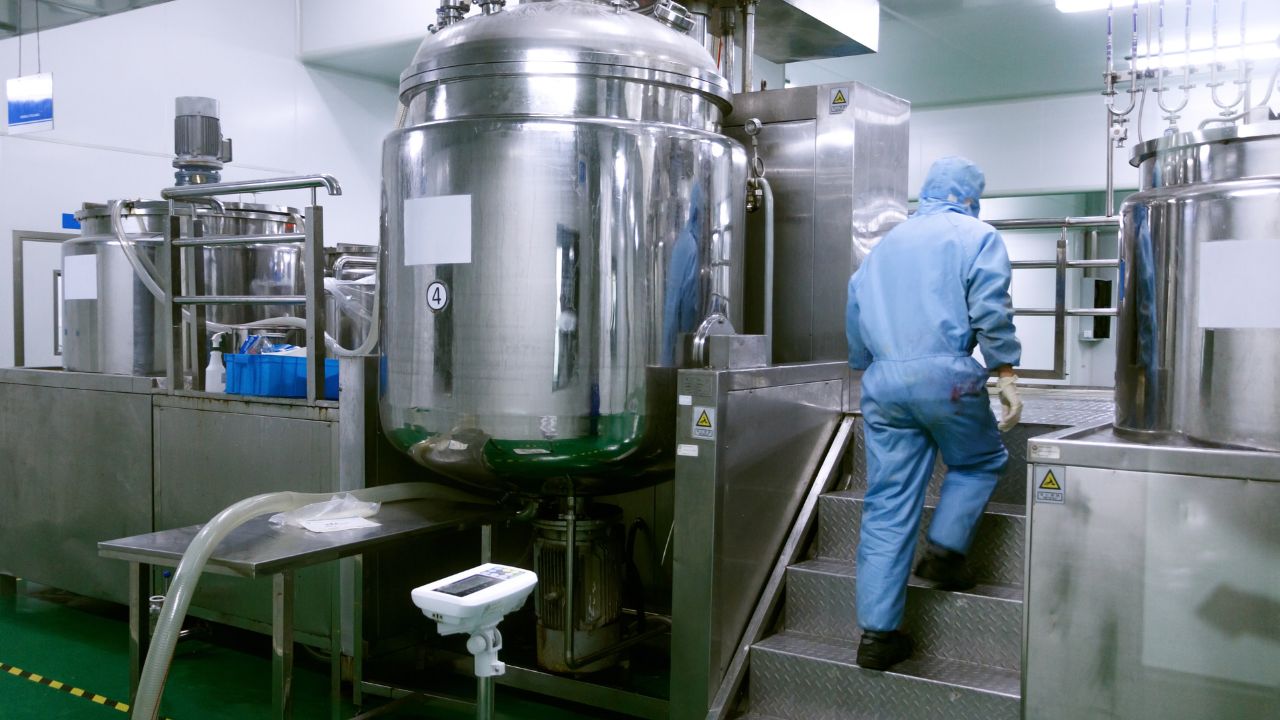
Most of the financial hit is non-cash. About $357 million reflects accelerated depreciation, amortization, and asset write-downs. Another $33 million covers shutdown-related costs, with cash outflows expected over several years.
While painful, the charge clears the balance sheet and resets expectations, allowing Westlake to move forward without dragging underperforming assets into future earnings.
Leadership’s Difficult Call
CEO Jean-Marc Gilson described the shutdowns as unavoidable, citing “persistent, challenging market conditions” across global commodity chemicals.
The closures form part of Westlake’s Performance & Essential Materials profitability initiative. Internally, the strategy has sparked tension, but leadership insists the alternative—maintaining unprofitable operations—would have posed even greater long-term risk to the company.
Savings Versus Uncertainty
Westlake projects $175 million in annual savings by 2026, a critical buffer against weak pricing and volatile demand. Yet analysts remain cautious.
Structural oversupply, uneven global growth, and geopolitical trade risks continue to cloud the outlook. Cost cuts buy time, but they do not resolve the underlying imbalance that pushed these plants into the red in the first place.
An Unsettled Future
The closures leave a lingering question hanging over the Gulf Coast: are these cuts a one-time correction, or the first chapter of a longer contraction? With global capacity still expanding and demand lagging, more rationalization may lie ahead.
For Southern communities built around chemical manufacturing, the wait for clarity continues—caught between hopes of recovery and fears of further reckoning.
Sources:
“Westlake to Rationalize Certain North American Chlorovinyl and Styrene Assets.” Westlake Corporation Official Press Release, 14 Dec 2025.
“Westlake to Lay Off 300 Workers, Incur $415 Million in Charges Amid Plant Closures.” MarketWatch, 15
Dec 2025.
“Westlake Corp. to Lay Off 295 Employees as It Closes Gulf Coast Chemical Facilities.” Houston Business Journal, 16 Dec 2025.
“Dec. 23 Business Watch: Westlake Closes US Vinyl and Styrene Plants.” Chemical & Engineering News, 22 Dec 2025.